
What Are The Environmental Precautions When Using Laser Welding Machines
Laser welding has become a cornerstone technology in modern manufacturing due to its high precision, deep penetration capability, minimal heat input, and suitability for automation. It is widely used in industries such as automotive manufacturing, aerospace, electronics, medical devices, energy systems, and metal fabrication. Compared with traditional welding methods, laser welding offers higher efficiency, cleaner seams, and reduced distortion. However, despite its many advantages, laser welding is not environmentally neutral. The process involves intense energy concentration, high temperatures, material vaporization, shielding gases, cooling systems, and electrical consumption—all of which create environmental considerations that must be carefully managed.
Environmental precautions in laser welding extend beyond simple workplace safety. They include controlling fumes and particulate emissions, managing hazardous metal vapors, reducing noise pollution, optimizing energy consumption, preventing water contamination from cooling systems, and ensuring proper handling of shielding gases. Additionally, modern environmental regulations in many regions impose strict requirements on air quality, waste disposal, and energy efficiency, making compliance a critical responsibility for manufacturers.
Improper environmental control can lead to air pollution, health risks for operators, excessive energy waste, equipment damage, and potential regulatory penalties. For example, welding fumes may contain fine metal oxides and nanoparticles that pose respiratory hazards, while inefficient extraction systems can allow contaminants to accumulate in the workshop. Similarly, inadequate cooling water management can result in leaks, contamination, or unnecessary resource consumption.
Therefore, understanding and implementing environmental precautions is essential not only for regulatory compliance but also for sustainable production, operational efficiency, and corporate social responsibility. This article explores the key environmental factors associated with laser welding machines and outlines the practical measures required to minimize environmental impact while maintaining high welding performance and productivity.
Table of Contents
Understanding the Environmental Impact of Laser Welding
Laser welding is widely recognized as a cleaner and more efficient alternative to many conventional welding processes. Its concentrated heat input, precise energy delivery, and compatibility with automation reduce material distortion and often minimize post-processing requirements. However, despite its technological advantages, laser welding still has measurable environmental impacts. These impacts stem from the interaction between high-energy laser beams and materials, the operation of supporting systems such as chillers and extraction units, and the overall infrastructure required to sustain industrial production. Understanding these environmental factors is essential for responsible operation, regulatory compliance, and sustainable manufacturing.
Airborne Emissions
One of the most significant environmental impacts of laser welding is the generation of airborne emissions. When a high-power laser beam interacts with metal, localized temperatures can exceed several thousand degrees Celsius. At these temperatures, metal vaporization occurs, forming a plume that contains fine metal oxides, nanoparticles, and other particulates. Depending on the base material, these emissions may include iron oxide, chromium compounds, nickel compounds, aluminum oxide, or zinc oxide. In the case of coated or galvanized materials, additional fumes from surface treatments may also be released.
These ultrafine particles can remain suspended in the air and pose risks to both human health and indoor air quality if not properly extracted and filtered. Beyond occupational exposure, insufficient ventilation may allow contaminants to escape into the surrounding environment. Therefore, effective fume extraction systems, high-efficiency particulate air (HEPA) filtration, and properly designed airflow management are critical components in mitigating airborne environmental impact.
Radiation Emissions
Laser welding systems emit high-intensity optical radiation. Fiber lasers, disk lasers, and CO2 lasers operate at wavelengths that can pose serious hazards to eyes and skin if not properly contained. Although laser radiation is primarily a safety issue, it also carries environmental implications within the workplace. Reflected beams, scattered radiation, and secondary emissions can affect nearby workstations if enclosures and shielding are inadequate.
In addition to the primary laser beam, plasma formation and bright welding arcs can generate intense visible and infrared radiation. Proper machine enclosures, interlock systems, beam shielding, and certified protective windows are essential to prevent unintended radiation exposure. Controlling radiation ensures not only operator safety but also the stability and environmental containment of the production area.
Noise Pollution
While laser welding is generally quieter than many arc welding processes, it is not completely silent. Noise sources include cooling systems, exhaust fans, fume extraction units, compressed air systems, and, in some cases, plasma plume interactions. Automated production lines may also incorporate robotic arms, positioning systems, and material handling equipment, all of which contribute to ambient industrial noise.
Prolonged exposure to elevated noise levels can affect worker well-being and may exceed occupational noise standards if not properly managed. From an environmental perspective, excessive noise can also impact surrounding workspaces or nearby facilities. Implementing sound-dampening enclosures, maintaining equipment regularly, and optimizing ventilation system design help minimize noise pollution in laser welding environments.
Waste Generation
Laser welding produces less solid waste compared to traditional welding methods because it typically requires no filler materials in autogenous applications and generates minimal slag or spatter. However, waste generation still occurs in several forms. Collected fume particulates must be properly disposed of, especially when they contain hazardous metal compounds. Used filters from extraction systems, contaminated cleaning materials, damaged nozzles, and worn protective lenses also contribute to industrial waste streams.
Cooling systems may require periodic fluid replacement, creating wastewater that must be treated or disposed of according to environmental regulations. Additionally, shielding gas cylinders and packaging materials add to indirect waste. Proper waste segregation, recycling practices, and hazardous material management are essential to minimize environmental burden.
Energy Consumption
Laser welding machines are energy-intensive systems. High-power laser sources, chiller units, extraction systems, robotic platforms, and control electronics all contribute to overall electricity consumption. Although laser welding is highly efficient in converting electrical energy into focused thermal energy, inefficiencies in auxiliary systems can significantly increase total power usage.
Energy consumption directly impacts carbon footprint, especially in regions where electricity is generated from fossil fuels. Idle machine operation, oversized cooling systems, and inefficient ventilation can further raise energy demand. Implementing energy-efficient laser sources, optimizing process parameters, maintaining equipment properly, and integrating smart power management systems can substantially reduce environmental impact.
Laser welding offers many advantages in precision and productivity, but its environmental footprint should not be overlooked. Airborne emissions from metal vaporization, radiation containment requirements, industrial noise, waste management challenges, and significant energy consumption all contribute to its overall environmental impact. By understanding these factors, manufacturers can implement effective mitigation strategies that protect workers, reduce ecological harm, and improve operational sustainability. A comprehensive awareness of these environmental dimensions is the foundation for responsible laser welding practices in modern industry.
Air Quality Management and Fume Extraction
Effective air quality management is one of the most critical environmental precautions when operating laser welding machines. During laser welding, the intense heat of the focused beam causes rapid melting and partial vaporization of the base material. This process generates a visible plume composed of metal fumes, ultrafine particles, and sometimes gases produced from coatings, oils, or surface contaminants. Without proper control, these airborne emissions can accumulate in the workspace, pose health risks to operators, contaminate equipment, and potentially be released into the external environment. A well-designed air quality management system is therefore essential for regulatory compliance, workplace safety, and sustainable production.
Source Capture Extraction Systems
The most effective way to control welding fumes is to capture them at the source. Source capture extraction systems are designed to remove airborne contaminants directly at or near the weld zone before they disperse into the surrounding air. This approach significantly reduces the concentration of particulates in the workshop and improves overall air cleanliness.
In laser welding applications, extraction nozzles or suction hoods are typically positioned close to the welding head or integrated into the welding cell enclosure. Proper positioning is crucial: the suction flow must be strong enough to capture fumes without disturbing shielding gas coverage or destabilizing the weld pool. Enclosed laser welding cabins with controlled airflow are often preferred in automated production environments, as they contain emissions more effectively than open workstations.
Airflow balance, duct design, and extraction capacity must be carefully engineered to ensure consistent performance. Regular inspection and maintenance of ducting systems prevent leakage, blockages, and reduced suction efficiency.
High-Efficiency Filtration
After fumes are captured, they must be filtered before air is recirculated or released. High-efficiency filtration systems are essential for removing ultrafine metal particles and hazardous compounds. Multi-stage filtration systems are commonly used, combining pre-filters for larger particles with high-efficiency particulate air (HEPA) filters for fine particulates.
HEPA filters are capable of capturing particles as small as 0.3 microns with very high efficiency, making them suitable for laser welding environments where nanoparticle formation is common. In cases where welding involves stainless steel, galvanized steel, or alloys containing chromium or nickel, advanced filtration is especially important due to potential toxic metal oxides.
Some systems also incorporate activated carbon filters to remove odors and gaseous byproducts. Regular filter replacement schedules must be established, as saturated filters reduce airflow efficiency and may allow contaminants to bypass the system.
Hazardous Material Monitoring
Air quality management should not rely solely on extraction and filtration; continuous monitoring is equally important. Hazardous material monitoring involves measuring airborne particulate concentrations, metal oxide levels, and other potential contaminants within the welding area.
Industrial air quality sensors and particulate monitors can provide real-time data on fume levels, allowing operators to detect abnormal conditions such as insufficient airflow, filter failure, or process instability. In facilities where welding materials that generate potentially hazardous compounds are used, periodic laboratory testing of air samples may be required to ensure compliance with occupational exposure limits and environmental regulations.
Monitoring systems also support preventive maintenance by identifying declining extraction performance before it becomes a serious issue. Proper documentation of air quality data further demonstrates environmental responsibility and regulatory compliance.
Preventing Cross-Contamination
Cross-contamination can occur when airborne particles migrate from one work zone to another, potentially affecting product quality and worker safety. In facilities handling multiple materials—such as carbon steel, stainless steel, aluminum, or coated metals—improper airflow management may allow particulate residues to settle on equipment, workpieces, or adjacent production lines.
Preventing cross-contamination requires strategic airflow design. Welding cells should maintain controlled airflow direction, often with slight negative pressure inside enclosed areas to prevent fumes from escaping. Separate extraction systems may be necessary for processes involving different materials, especially when hazardous compounds are present.
Regular cleaning of surrounding surfaces, floors, and equipment reduces the accumulation of settled particulates. Additionally, maintaining dedicated filtration units for specific production lines minimizes the risk of mixing contaminants.
Air quality management in laser welding is a comprehensive system that combines source capture, extraction, high-efficiency filtration, hazardous material monitoring, and cross-contamination prevention. Capturing fumes at the weld zone limits dispersion, while advanced filtration removes fine particulates before air is recirculated or discharged. Continuous monitoring ensures compliance and operational stability, and thoughtful airflow design prevents contamination between work areas. By implementing these measures, manufacturers can protect worker health, maintain product integrity, and significantly reduce the environmental footprint of laser welding operations.
Managing Shielding Gas and Assist Gas Emissions
Shielding gases and assist gases play a crucial role in laser welding by protecting the molten pool from atmospheric contamination, stabilizing the welding process, and improving weld quality. Common gases include argon, nitrogen, helium, and sometimes gas mixtures tailored to specific materials. While these gases are generally inert and non-toxic, their production, storage, and use carry environmental implications. Excessive gas consumption increases operational costs and carbon footprint, and uncontrolled leaks may displace oxygen in enclosed spaces or contribute indirectly to greenhouse gas emissions, depending on the gas type. Therefore, managing shielding and assist gas systems responsibly is an essential environmental precaution in laser welding operations.
Proper Gas Storage
Safe and environmentally responsible gas management begins with proper storage. Gas cylinders should be stored in well-ventilated areas, secured upright to prevent tipping, and protected from excessive heat or mechanical damage. Bulk gas tanks must comply with local pressure vessel regulations and be installed with appropriate pressure relief valves and safety systems.
Temperature control is important because high ambient temperatures can increase cylinder pressure and create safety risks. Storage areas should be clearly labeled, separated by gas type where necessary, and regularly inspected for corrosion, valve damage, or seal degradation. Proper storage not only prevents accidental release but also reduces the likelihood of gas loss due to equipment failure. Additionally, maintaining accurate inventory control helps avoid unnecessary over-purchasing and excessive stock, which can increase waste and handling risks.
Leak Detection
Even inert gases can create environmental and safety concerns when leaks occur. Continuous or undetected gas leakage leads to resource waste, increased operational costs, and potential oxygen displacement in enclosed workshops. In some cases, minor leaks may go unnoticed for extended periods, significantly increasing gas consumption without obvious operational symptoms.
Routine inspection of gas lines, fittings, regulators, and connectors is critical. Soap solution testing, ultrasonic leak detectors, and fixed gas monitoring systems can help identify leaks early. In automated production environments, integrating pressure sensors and flow monitoring devices into the gas supply system allows real-time detection of abnormal consumption patterns.
Preventive maintenance schedules should include checking O-rings, sealing components, and hose connections. Immediate repair of detected leaks minimizes waste and ensures stable welding performance. Well-maintained gas delivery systems contribute to both environmental protection and consistent weld quality.
Minimizing Gas Waste
Efficient gas usage is one of the most effective ways to reduce environmental impact. Over-supplying shielding gas does not necessarily improve weld quality and may even disturb the weld pool or increase turbulence. Optimizing gas flow rates according to material type, joint design, and laser parameters ensures sufficient protection without unnecessary excess.
Using properly designed nozzles and flow control devices improves gas distribution efficiency. In some applications, localized gas shielding systems or coaxial gas delivery designs can reduce total gas consumption while maintaining effective coverage. Automated systems can also regulate gas flow dynamically, adjusting output only when welding is active rather than during idle periods.
Process optimization, including proper joint preparation and surface cleaning, reduces the need for excessive gas flow. Additionally, evaluating gas selection—such as choosing nitrogen instead of argon in suitable applications—may lower environmental and economic impact when technically appropriate.
Managing shielding and assisting gas emissions in laser welding involves more than simply supplying gas to the weld zone. Proper storage ensures safe handling and prevents accidental release, while systematic leak detection protects resources and workplace safety. Minimizing gas waste through optimized flow control and equipment design reduces both environmental footprint and operational costs. By integrating responsible gas management practices into daily operations, manufacturers can enhance sustainability, maintain high welding quality, and support environmentally conscious production standards.
Surface Preparation and Chemical Exposure
Surface preparation is a critical step in laser welding that directly affects weld quality, process stability, and environmental impact. Although laser welding is often praised for its precision and relatively clean operation, the condition of the workpiece surface can significantly influence fume generation, chemical emissions, and overall environmental safety. Oils, greases, paints, protective films, and industrial coatings can decompose under high laser temperatures, releasing hazardous byproducts into the air. Therefore, proper surface preparation is not only a technical requirement for achieving strong, defect-free welds but also an essential environmental precaution.
When contaminants are exposed to the concentrated energy of a laser beam, rapid thermal decomposition occurs. This process can generate toxic vapors, unpleasant odors, and additional particulate matter that place greater demands on extraction and filtration systems. Managing surface cleanliness before welding reduces airborne pollutants, improves working conditions, and enhances overall environmental control.
Removing Oils and Coatings
Industrial components are often coated with lubricants, anti-corrosion oils, cutting fluids, or protective films during manufacturing, storage, and transportation. If these substances are not removed before laser welding, they can vaporize or burn when exposed to intense heat. This not only increases fume production but may also introduce carbon contamination into the weld pool, leading to porosity, instability, or weakened joints.
Effective cleaning methods include mechanical wiping, aqueous cleaning systems, ultrasonic cleaning, or solvent-based degreasing, depending on the material and contamination level. Water-based cleaning solutions are generally preferred from an environmental perspective, as they reduce volatile organic compound emissions compared to certain solvent-based chemicals. When solvents are necessary, low-toxicity and environmentally compliant products should be selected.
Proper drying of components after cleaning is equally important. Residual moisture can cause rapid steam formation during welding, potentially increasing spatter and airborne emissions. Establishing standardized cleaning procedures helps ensure consistent weld quality while minimizing unnecessary chemical exposure.
Avoiding Hazardous Coatings
Certain coatings and surface treatments pose significant environmental and health risks when exposed to laser welding temperatures. For example, galvanized steel releases zinc oxide fumes, which can be hazardous if not adequately controlled. Similarly, painted surfaces, polymer coatings, and plated materials may emit toxic gases or fine particulates when heated.
Whenever possible, hazardous coatings should be removed mechanically or chemically before welding. In design stages, selecting materials and surface treatments that are compatible with laser welding can significantly reduce environmental impact. For example, avoiding high-risk coatings in components intended for welding minimizes the need for intensive fume extraction and complex waste handling.
In cases where coating removal is not feasible, enhanced extraction systems and targeted fume capture become essential. Operators should also be aware of the specific materials being welded and adjust environmental controls accordingly. Material safety data documentation and risk assessments help identify potential hazards associated with coated or treated surfaces.
Surface preparation plays a vital role in reducing environmental risks associated with laser welding. Removing oils, lubricants, and contaminants minimizes fume generation and chemical decomposition during the welding process. Avoiding or properly managing hazardous coatings prevents the release of toxic byproducts and protects both operators and the surrounding environment. By integrating careful surface preparation into standard operating procedures, manufacturers can improve weld quality, reduce airborne emissions, and support safer, more sustainable laser welding operations.
Cooling System Environmental Management
Laser welding machines rely on efficient cooling systems to maintain stable operation and protect critical components such as the laser source, optics, welding head, and power electronics. High-power fiber lasers and associated equipment generate significant heat during operation, and without proper temperature control, system performance can degrade rapidly. While cooling systems are primarily designed for thermal stability, they also have important environmental implications. Water consumption, coolant disposal, leak prevention, and energy efficiency must all be carefully managed to minimize environmental impact. Responsible cooling system management not only protects equipment longevity but also supports sustainable and compliant industrial practices.
Closed-Loop Cooling Systems
Closed-loop cooling systems are widely used in modern laser welding machines because they offer superior environmental control compared to open-loop systems. In a closed-loop design, coolant continuously circulates within a sealed system, transferring heat away from laser components and dissipating it through heat exchangers or chillers. This configuration significantly reduces water consumption, as the same coolant is reused rather than discharged after a single cycle.
Closed-loop systems also reduce the risk of environmental contamination, since the coolant remains contained within the system under controlled conditions. Advanced chillers often include precise temperature regulation, ensuring stable laser performance while preventing unnecessary energy consumption. Additionally, integrating variable-speed pumps and intelligent temperature control can further optimize energy efficiency, reducing the overall environmental footprint of the welding process.
Proper installation and periodic inspection of closed-loop systems are essential to maintain efficiency and prevent degradation over time. Insulation of coolant lines and maintaining clean heat exchangers improve thermal performance and reduce energy demand.
Coolant Maintenance
Coolant quality plays a critical role in both system performance and environmental protection. Over time, coolant can become contaminated with particulates, biological growth, corrosion byproducts, or degraded additives. Poor coolant condition reduces heat transfer efficiency, increases energy consumption, and may accelerate internal corrosion of sensitive components.
Regular monitoring of coolant pH, conductivity, and clarity helps maintain optimal system performance. Using deionized or treated water, along with manufacturer-recommended additives, minimizes scale buildup and microbial growth. Scheduled replacement or filtration of coolant prevents contamination from reaching levels that require emergency disposal.
When coolant must be replaced, proper disposal procedures should be followed in accordance with local environmental regulations. Discharging contaminated coolant directly into drainage systems can lead to environmental harm and legal penalties. Responsible handling and recycling practices reduce waste and ensure compliance.
Preventing Leaks
Leak prevention is one of the most important environmental precautions in cooling system management. Even small leaks can result in coolant loss, increased water consumption, and potential contamination of the surrounding workspace. In extreme cases, coolant leakage may damage electronic components or create slip hazards.
Routine inspection of hoses, fittings, seals, and pump connections is essential. Over time, vibration, temperature fluctuations, and pressure changes can weaken joints or degrade sealing materials. Implementing preventive maintenance schedules helps identify potential failure points before leaks occur.
Leak detection sensors and pressure monitoring systems provide additional protection in automated environments. Immediate response to detected leaks minimizes environmental impact and prevents costly downtime. Proper installation practices, including secure hose routing and strain relief measures, further reduce the likelihood of accidental damage.
Cooling systems are integral to laser welding operations, and their environmental management requires careful attention. Closed-loop cooling systems conserve water and contain coolant within controlled pathways, reducing environmental exposure. Regular coolant maintenance ensures efficient heat transfer and prevents contamination, while strict leak prevention measures protect both the environment and equipment. By integrating proactive monitoring, responsible disposal practices, and energy-efficient system design, manufacturers can significantly reduce the environmental footprint of their laser welding cooling infrastructure while maintaining stable and reliable operation.
Waste Management and Recycling
Although laser welding is generally considered a clean and efficient joining process, it still generates various forms of industrial waste that must be managed responsibly. Compared to traditional arc welding, laser welding produces less spatter, minimal slag, and often requires no filler material in autogenous applications. However, waste is still created through metal offcuts, captured particulates, used filters, worn consumables, and maintenance materials. Proper waste management is essential not only for environmental protection but also for regulatory compliance, cost control, and sustainable manufacturing practices.
An effective waste management strategy in laser welding facilities focuses on minimizing waste generation at the source, segregating materials correctly, promoting recycling wherever possible, and ensuring safe disposal of hazardous components.
Metal Scrap Recycling
Metal scrap is one of the most common waste streams associated with laser welding operations. Scrap may result from edge trimming, misaligned components, test weld samples, rejected parts, or upstream cutting processes. Unlike many other industrial wastes, metal scrap has significant recycling value.
Steel, aluminum, copper, and other alloys can be collected, sorted, and returned to recycling channels, where they are melted and reprocessed into new raw materials. Proper segregation of metals by type is critical, as mixing different alloys can reduce recycling efficiency and material value. Clearly labeled collection bins and employee training help ensure that scrap materials are separated correctly.
Recycling metal scrap reduces demand for virgin raw materials, lowers energy consumption in metal production, and decreases overall carbon emissions. Establishing partnerships with certified recycling providers further strengthens environmental responsibility and traceability.
Filter Disposal
Air filtration systems used in laser welding capture fine metal particulates and potentially hazardous compounds. While these systems protect air quality, the used filters themselves become concentrated waste products. Over time, filters accumulate metal oxides, dust, and other contaminants that may require special handling.
Used filters should be removed according to manufacturer guidelines and stored in sealed containers to prevent the release of captured particulates. Depending on the materials welded, some filters may be classified as hazardous waste due to the presence of toxic metals such as chromium or nickel compounds.
Proper labeling, documentation, and disposal through licensed waste management providers ensure compliance with environmental regulations. In some cases, specialized recycling programs can recover certain metal residues from filters, reducing overall waste volume.
Consumables
Laser welding systems use various consumable components that eventually require replacement. These include protective lenses, nozzles, sealing rings, gas hoses, cleaning wipes, and coolant filters. Although individually small, these items can collectively contribute to significant waste over time.
Responsible management of consumables begins with selecting high-quality, durable components that extend service life and reduce replacement frequency. Where possible, recyclable packaging and environmentally friendly materials should be prioritized.
Spent consumables must be sorted appropriately. For example, metal nozzles may be recyclable, while contaminated cleaning materials may require controlled disposal. Coolant replacement materials and maintenance fluids must also be handled according to environmental guidelines to prevent contamination of water systems.
Implementing inventory control systems reduces over-purchasing and unnecessary disposal of unused materials. Preventive maintenance practices further extend component life and minimize waste generation.
Waste management in laser welding operations encompasses metal scrap recycling, safe filter disposal, and responsible handling of consumables. Recycling metal scrap conserves natural resources and reduces emissions, while proper filter management prevents the release of concentrated contaminants into the environment. Thoughtful selection and disposal of consumables minimize overall waste generation. By integrating structured waste management policies and partnering with certified recycling providers, manufacturers can significantly reduce environmental impact and promote sustainable laser welding practices.
Radiation Safety and Environmental Containment
Laser welding machines operate by concentrating extremely high energy into a small focal point, producing intense optical radiation capable of melting and fusing metals within milliseconds. While this precision is what makes laser welding so effective, it also introduces significant radiation hazards. Beyond personal safety, radiation control is an environmental concern within the industrial workspace. Uncontrolled laser reflections, scattered beams, and secondary emissions can affect nearby personnel, disrupt adjacent operations, and compromise overall workplace containment. Therefore, radiation safety must be integrated into environmental management strategies to ensure controlled, isolated, and compliant laser welding operations.
Effective radiation containment involves physical enclosure, reflection control, and clear communication systems that prevent accidental exposure. Properly designed safeguards not only protect operators but also maintain a controlled industrial environment.
Enclosed Welding Cells
One of the most reliable methods of radiation containment is the use of enclosed welding cells. Fully enclosed laser welding cabins prevent direct and indirect beam exposure by isolating the welding process within a controlled space. These enclosures are typically constructed with laser-rated protective walls and viewing windows that are specifically designed to block or absorb the laser wavelength in use.
Modern welding cells often include interlock systems that automatically disable the laser if a door is opened during operation. This prevents accidental exposure and ensures compliance with laser safety classifications. Enclosed systems also help contain secondary emissions such as plasma glow, infrared radiation, and scattered reflections from the weld zone.
In automated production lines, robotic laser welding stations are commonly integrated into light-tight enclosures. These not only enhance safety but also support better environmental control by containing fumes, noise, and heat within a defined area.
Reflective Surface Control
Laser radiation can reflect unpredictably from shiny or polished metal surfaces. Even diffuse reflections from certain materials may retain enough energy to pose hazards. Controlling reflective surfaces within and around the welding area is therefore critical for environmental containment.
Workstation interiors should use non-reflective, matte-finished materials that absorb stray radiation rather than reflect it. Tools, fixtures, and surrounding equipment should be evaluated to minimize unintended reflections. When welding highly reflective materials such as aluminum or copper, additional shielding measures may be required.
Proper beam alignment and maintenance of optical components also reduce the risk of stray reflections caused by misalignment or contamination. Routine inspection ensures that beam paths remain controlled and that no unintended reflective surfaces are introduced into the environment.
Warning Systems
Radiation safety is not complete without clear warning systems and communication measures. Visual and audible warning indicators should be installed to signal when the laser is active. Illuminated signs, flashing beacons, and access control systems inform personnel that restricted zones are in operation.
Access to laser welding areas should be limited to trained personnel. Clearly marked safety boundaries and standardized signage help prevent accidental entry. In larger facilities, centralized monitoring systems can track operational status and provide alerts in the event of abnormal conditions.
Personal protective equipment, such as laser-rated eyewear, may be required for maintenance procedures or open-beam applications. Regular safety training ensures that workers understand radiation risks and environmental containment protocols.
Radiation safety and environmental containment are essential components of responsible laser welding operations. Enclosed welding cells provide physical isolation of high-energy beams, reflective surface control minimizes unintended radiation spread, and comprehensive warning systems ensure awareness and restricted access. By integrating these measures into facility design and operational procedures, manufacturers can maintain a safe, controlled environment that protects personnel and supports sustainable industrial practices.
Energy Efficiency and Carbon Footprint Reduction
As industries move toward sustainable manufacturing, energy efficiency has become a central environmental consideration in laser welding operations. Although laser welding is often more efficient than traditional arc welding due to its high energy density and precision, the total energy consumption of a laser welding system includes not only the laser source itself but also chillers, extraction systems, motion platforms, robotics, and control electronics. Without proper management, these auxiliary systems can significantly increase electricity usage and overall carbon emissions. Reducing energy consumption directly lowers operating costs while also decreasing the carbon footprint associated with power generation. Therefore, implementing energy-efficient strategies is an essential environmental precaution when using laser welding machines.
Selecting Efficient Laser Sources
The choice of laser source has a substantial impact on overall energy performance. Modern fiber lasers are generally more energy-efficient than older CO2 or lamp-pumped solid-state lasers because they convert a higher percentage of electrical energy into usable laser output. Higher wall-plug efficiency means less wasted energy in the form of heat, which in turn reduces the load on cooling systems.
When selecting laser welding machines, it is important to match the laser power to actual production requirements. Oversized laser sources may consume more energy than necessary, especially if they operate far below their rated capacity. Modular laser welding systems that allow flexible power scaling can improve efficiency by delivering only the power required for a specific application.
Regular maintenance also supports energy efficiency. Clean optics, properly aligned beams, and well-maintained power supplies ensure optimal performance without unnecessary energy loss.
Optimizing Welding Parameters
Energy consumption during welding is closely tied to process parameters such as laser power, welding speed, focal position, and shielding gas flow. Optimizing these parameters not only improves weld quality but also reduces energy waste. Excessively high power settings, slow travel speeds, or repeated rework due to improper settings increase total electricity usage.
Process optimization begins with precise joint preparation and accurate fit-up, which reduces the need for additional passes or corrections. Using real-time monitoring systems can help maintain stable welding conditions, preventing defects that require energy-intensive reprocessing.
Automation and digital control systems further enhance efficiency by ensuring consistent parameter settings across production cycles. By minimizing variation and eliminating unnecessary energy expenditure, manufacturers can achieve both high productivity and reduced environmental impact.
Idle Mode Management
In many production environments, laser welding systems remain powered on during non-welding periods such as material loading, setup adjustments, or shift changes. If auxiliary systems such as chillers, ventilation units, and motion platforms continue operating at full capacity during idle periods, significant energy waste can occur.
Implementing intelligent idle mode management systems can substantially reduce unnecessary power consumption. Modern machines may include standby modes that lower laser output, reduce pump speeds, or temporarily deactivate non-essential components when welding is not active. Automated shutdown protocols during extended downtime further conserve energy.
Production planning also plays a role in energy management. Grouping similar welding tasks and minimizing frequent start-stop cycles improves operational efficiency. Regular review of energy usage data helps identify patterns of waste and opportunities for improvement.
Energy efficiency and carbon footprint reduction are key environmental priorities in laser welding operations. Selecting high-efficiency laser sources ensures better energy conversion and reduced cooling demand. Optimizing welding parameters minimizes unnecessary power usage while maintaining weld quality. Effective idle mode management prevents energy waste during non-productive periods. By integrating these strategies into equipment selection, process control, and production planning, manufacturers can significantly lower electricity consumption and reduce the environmental impact of laser welding while maintaining high levels of performance and productivity.
Noise and Vibration Control
Although laser welding is generally quieter than many conventional welding processes, it is not free from noise and vibration. Environmental precautions must consider not only visible emissions such as fumes and waste but also less obvious factors like acoustic impact and mechanical vibration. Noise in laser welding environments typically originates from auxiliary systems, including cooling units, exhaust fans, compressed air systems, robotic arms, motion platforms, and material handling equipment. Over time, excessive noise can affect worker comfort, reduce concentration, and potentially exceed occupational exposure limits. Vibration, meanwhile, can influence equipment longevity, weld precision, and structural stability. Effective noise and vibration control contributes to a safer, more sustainable industrial environment.
Acoustic Enclosures
One of the most effective ways to manage noise in laser welding operations is through the use of acoustic enclosures. Fully enclosed welding cells not only provide radiation containment but also significantly reduce the transmission of sound into surrounding work areas. These enclosures are often constructed with sound-absorbing panels that dampen noise generated by cooling fans, extraction systems, and robotic motion.
Acoustic insulation materials within walls and ceilings help absorb high-frequency and mid-frequency sound waves. For facilities with multiple welding stations, isolating each unit in its own enclosure prevents cumulative noise buildup. Properly designed enclosures maintain adequate ventilation while minimizing sound leakage through ducts and access openings.
In addition to full enclosures, localized sound barriers or dampening panels can be installed around particularly noisy components, such as large chillers or high-capacity exhaust systems. Positioning noisy equipment away from high-traffic areas further reduces overall exposure.
Equipment Maintenance
Routine equipment maintenance plays a crucial role in controlling both noise and vibration. Mechanical wear, loose fasteners, misaligned components, and unbalanced fans can significantly increase noise levels over time. Regular inspection of cooling systems, motors, bearings, and moving parts helps detect early signs of wear that could lead to excessive vibration or acoustic output.
Proper lubrication of moving components reduces friction-induced noise, while tightening structural connections prevents rattling and resonance. Vibration-damping mounts or isolation pads can be installed beneath heavy equipment such as chillers or power units to prevent vibrations from transferring to floors and building structures.
Monitoring systems can also be used to track abnormal vibration patterns, which may indicate mechanical imbalance or impending component failure. Addressing these issues promptly not only reduces environmental noise but also improves equipment reliability and weld quality.
Maintaining stable foundations for robotic welding cells is particularly important. Excessive vibration can affect weld seam consistency and precision. By ensuring that machines are securely installed and periodically recalibrated, manufacturers protect both product quality and environmental stability.
Noise and vibration control are essential environmental considerations in laser welding operations. Acoustic enclosures effectively reduce sound transmission and create a more controlled working environment, while regular equipment maintenance prevents mechanical wear from escalating noise and vibration levels. Through proactive monitoring, sound-dampening design, and consistent preventive maintenance, manufacturers can maintain a quieter, more stable production environment that supports worker well-being, operational efficiency, and sustainable industrial practices.
Noise and Vibration Control
While laser welding is often perceived as a relatively clean and precise manufacturing process, environmental precautions must also address less visible factors such as noise and vibration. Compared to traditional arc welding, laser welding typically produces lower direct process noise because there is no continuous arc crackling. However, significant sound levels can still arise from supporting systems, including industrial chillers, extraction fans, compressed air supplies, vacuum pumps, robotic motion systems, and material handling equipment. Over time, excessive noise can affect worker health, reduce productivity, and create compliance challenges with occupational noise regulations. Vibration, though sometimes overlooked, can influence structural stability, equipment lifespan, and weld quality. Therefore, comprehensive noise and vibration control is an important component of environmentally responsible laser welding operations.
Acoustic Enclosures
Acoustic enclosures are one of the most effective engineering controls for reducing noise transmission in laser welding environments. Fully enclosed welding cells serve multiple purposes: they contain laser radiation, manage fume extraction, and significantly attenuate noise levels. These enclosures are typically constructed with sound-insulating panels that combine dense outer layers with internal sound-absorbing materials designed to dampen airborne noise.
High-frequency sounds generated by cooling fans and extraction systems can be absorbed using acoustic foam or composite insulation materials integrated into enclosure walls and ceilings. For larger facilities with multiple welding stations, isolating each cell within its own acoustic barrier prevents cumulative noise amplification across the production floor. Proper door seals and sound-treated viewing windows further reduce leakage of noise from inside the cell.
Ventilation openings must also be acoustically engineered. Installing silencers or acoustic baffles in air ducts helps maintain airflow efficiency while limiting sound escape. In some facilities, separate rooms are designated for high-noise auxiliary equipment such as chillers and air compressors, further lowering ambient noise in primary work areas.
Equipment Maintenance
Routine equipment maintenance plays a critical role in controlling both noise and vibration. Mechanical components naturally experience wear over time, and issues such as unbalanced fan blades, worn bearings, loose fasteners, or misaligned motors can significantly increase sound levels. Preventive maintenance programs help detect and correct these issues before they escalate.
Regular inspection of chillers, pumps, extraction fans, and robotic axes ensures smooth operation. Proper lubrication reduces friction-related noise, while tightening structural bolts and supports prevents rattling and resonance. Replacing worn components promptly avoids abnormal vibration that could affect both environmental comfort and welding precision.
Vibration-damping solutions are also important. Heavy equipment such as chillers and power units should be mounted on vibration isolation pads or anti-vibration mounts to prevent transmission of mechanical oscillations to the building structure. For robotic welding cells, ensuring a stable and level foundation improves positional accuracy and reduces vibration-induced weld inconsistencies.
Monitoring systems that track vibration patterns can provide early warnings of imbalance or mechanical faults. Addressing these issues promptly enhances equipment reliability, reduces downtime, and maintains a controlled industrial environment.
Noise and vibration control are essential environmental considerations in laser welding operations. Acoustic enclosures help contain and reduce sound transmission, creating a quieter and more compliant workspace. Meanwhile, systematic equipment maintenance prevents mechanical wear from increasing noise levels and causing excessive vibration. By combining sound-dampening infrastructure with proactive maintenance and vibration isolation strategies, manufacturers can improve worker well-being, protect equipment longevity, and support sustainable, environmentally responsible laser welding practices.
Emergency Preparedness and Environmental Risk Control
Even with advanced engineering controls and well-designed environmental management systems, laser welding operations still carry inherent risks. High-energy laser beams, elevated temperatures, pressurized gases, electrical systems, cooling fluids, and combustible materials all create potential emergency scenarios. Environmental precautions must therefore include structured emergency preparedness and risk control strategies. A proactive approach ensures that unexpected incidents—such as fires, coolant leaks, gas releases, or equipment failures—are managed quickly and effectively, minimizing environmental damage, workplace disruption, and regulatory consequences.
Emergency preparedness is not limited to having fire extinguishers on-site. It involves systematic planning, hazard identification, preventive engineering controls, rapid response procedures, and ongoing training. Facilities that integrate emergency planning into daily operations are better positioned to protect both personnel and the environment.
Fire Risk Management
Laser welding involves concentrated heat capable of igniting flammable materials. Although the laser beam itself is highly controlled, sparks, hot metal particles, and radiant heat may ignite nearby combustible substances such as packaging materials, oils, dust accumulation, or solvent vapors. Electrical components and cooling systems may also present fire risks if improperly maintained.
Effective fire risk management begins with proper housekeeping. Removing combustible materials from the welding area significantly reduces ignition potential. Workspaces should be kept clean and free of oil residues, paper debris, and unnecessary packaging. Flammable chemicals must be stored in designated, ventilated cabinets away from heat sources.
Fire detection and suppression systems are critical safeguards. Smoke detectors, heat sensors, and automatic fire suppression systems—such as CO2 or clean-agent extinguishing systems—can rapidly contain small fires before they escalate. Laser welding cells often integrate interlock systems that shut down the laser immediately if abnormal conditions are detected.
Regular inspection of electrical wiring, power supplies, and cooling units prevents overheating and short circuits. Establishing clear emergency shutdown procedures ensures that operators can quickly deactivate equipment in case of fire risk.
Spill Response
Cooling systems, hydraulic components, and cleaning operations may involve liquids that pose environmental contamination risks if spilled. Coolant leaks, oil spills, or accidental release of cleaning chemicals can contaminate floors, drainage systems, and surrounding soil if not properly controlled.
Spill response planning should include clearly defined procedures for containment, cleanup, and reporting. Absorbent materials, spill kits, and containment barriers must be readily accessible near welding areas. Employees should know how to isolate the source of the leak, prevent its spread, and safely dispose of contaminated materials.
Secondary containment systems, such as drip trays under chillers and sealed flooring in welding cells, help prevent liquids from reaching drainage systems. Regular inspection of hoses, seals, and connections reduces the likelihood of unexpected leaks. Proper documentation of incidents supports regulatory compliance and continuous improvement of environmental safety measures.
Training Programs
Training is a fundamental element of emergency preparedness. Even the most advanced safety systems are ineffective without knowledgeable personnel who understand how to respond appropriately. Comprehensive training programs should cover fire prevention, emergency shutdown procedures, spill response protocols, and environmental risk awareness.
Operators and maintenance staff must be familiar with the specific materials used in their facility, including shielding gases, coolants, and cleaning agents. Training should include practical drills that simulate emergency scenarios, ensuring that response actions become routine rather than improvised.
Regular refresher courses help reinforce procedures and introduce updates when equipment or regulations change. Clear communication channels and defined responsibilities ensure coordinated action during emergencies.
Emergency preparedness and environmental risk control are essential components of responsible laser welding operations. Fire risk management reduces the likelihood of ignition and ensures rapid response if incidents occur. Structured spill response procedures prevent environmental contamination from coolant or chemical releases. Comprehensive training programs equip personnel with the knowledge and confidence to manage emergencies effectively. By integrating preventive planning, engineered safeguards, and continuous education, manufacturers can significantly reduce environmental risks while maintaining safe and resilient laser welding facilities.
Sustainable Manufacturing Practices
Sustainability in laser welding goes beyond controlling emissions or managing waste. It involves designing and operating the entire welding process in a way that minimizes environmental impact while maximizing efficiency, durability, and resource utilization. As global industries face increasing pressure to reduce carbon emissions and adopt greener production models, laser welding systems must be integrated into broader sustainable manufacturing strategies. By focusing on process optimization, intelligent automation, and lifecycle assessment, manufacturers can significantly reduce resource consumption, lower environmental impact, and improve long-term operational resilience.
Sustainable manufacturing practices aim to balance productivity with environmental responsibility. Instead of treating environmental protection as an additional requirement, it becomes an integral part of process design and operational decision-making.
Process Optimization
Process optimization is one of the most direct ways to enhance sustainability in laser welding. A well-optimized welding process reduces energy consumption, minimizes scrap generation, and prevents rework. Careful selection of laser power, welding speed, focal position, and shielding gas flow ensures that only the necessary amount of energy and materials are used to achieve consistent weld quality.
Improved joint design also contributes to sustainability. Designing parts with tighter tolerances and better fit-up reduces the need for multiple welding passes or corrective operations. Reducing weld length where structurally feasible can lower both energy usage and processing time.
Data-driven process monitoring systems further support optimization. Real-time feedback on weld penetration, temperature stability, and seam consistency helps detect deviations early, reducing defective output. By minimizing trial-and-error adjustments and material waste, optimized processes directly support environmental goals.
Automation and Precision
Automation enhances sustainability by improving precision, consistency, and repeatability. Robotic laser welding systems can execute highly accurate weld paths with minimal variation, reducing the likelihood of defects and scrap parts. Consistent weld quality means fewer rejected components and less material waste.
Automated systems also allow for tighter process control, optimizing energy use during each weld cycle. Intelligent scheduling and synchronized production planning reduce idle machine time and unnecessary system operation. When machines operate only when required and at precisely controlled settings, overall energy efficiency improves.
Precision welding further reduces post-processing requirements such as grinding, polishing, or reworking. Minimizing secondary operations decreases additional energy consumption and material usage, reinforcing sustainable manufacturing objectives.
Lifecycle Assessment
Lifecycle assessment (LCA) provides a broader perspective on the environmental impact of laser welding systems. Rather than focusing solely on operational emissions, LCA evaluates the environmental footprint of equipment from production and transportation through usage, maintenance, and eventual disposal or recycling.
Selecting durable, energy-efficient equipment extends service life and reduces the need for premature replacement. Modular machine designs allow upgrades without full system replacement, lowering resource consumption over time. Recycling components at the end of life, including metals and electronic parts, further reduces environmental impact.
Lifecycle thinking also influences material selection and product design. Choosing weldable materials that require less energy or fewer auxiliary treatments can lower the overall environmental burden of the final product.
Sustainable manufacturing practices in laser welding integrate process optimization, automation, and precision, and lifecycle assessment into a cohesive environmental strategy. Optimized processes reduce waste and energy consumption, while automation enhances consistency and minimizes rework. Lifecycle assessment ensures that environmental responsibility extends beyond daily operations to include equipment durability, material choices, and end-of-life management. By embedding sustainability into every stage of laser welding production, manufacturers can achieve high productivity while significantly reducing their environmental footprint.
Special Considerations for Specific Materials
Environmental precautions in laser welding cannot be applied uniformly to all materials. Different metals react differently under high-energy laser exposure, producing distinct types of fumes, byproducts, and operational challenges. The chemical composition, surface coatings, reflectivity, and thermal properties of each material influence not only weld quality but also environmental impact. Understanding these material-specific factors allows manufacturers to tailor extraction systems, shielding gas strategies, surface preparation methods, and monitoring protocols accordingly. Special attention is particularly important when welding stainless steel, galvanized steel, aluminum, and titanium, as each presents unique environmental considerations.
Stainless Steel
Stainless steel is widely used in industries such as food processing, medical equipment, automotive manufacturing, and construction. Its corrosion resistance comes primarily from chromium content, often combined with nickel and other alloying elements. During laser welding, high temperatures can vaporize small amounts of these alloying metals, generating fine particulate matter.
Fumes generated from stainless steel welding may contain chromium oxides and nickel compounds. In particular, hexavalent chromium can form under certain high-temperature conditions and is considered hazardous. Effective source-capture extraction systems and high-efficiency filtration are therefore essential when welding stainless steel.
Surface preparation is also important. Removing oils and contaminants reduces additional fume formation and improves weld stability. Regular air quality monitoring is recommended in facilities that frequently process stainless steel to ensure compliance with occupational exposure limits.
Galvanized Steel
Galvanized steel presents greater environmental challenges due to its zinc coating. When exposed to laser energy, zinc vaporizes at a lower temperature than steel, producing zinc oxide fumes. These fumes can be dense and may pose respiratory hazards if not properly controlled.
Proper ventilation and localized fume extraction are especially critical when welding galvanized materials. In some applications, partial removal of the zinc coating near the weld seam can significantly reduce fume generation and improve weld quality. However, this must be balanced with corrosion protection requirements.
Because zinc vapor can influence weld pool dynamics and cause porosity, process parameters may need adjustment to allow controlled vapor escape. Enhanced filtration and regular maintenance of extraction systems are necessary to handle the increased particulate load associated with galvanized steel welding.
Aluminum
Aluminum is known for its high reflectivity and excellent thermal conductivity. From an environmental perspective, aluminum welding generates aluminum oxide particles that are typically less toxic than certain alloy fumes but can still contribute to airborne particulate levels.
Due to aluminum’s reflectivity, stray laser reflections must be carefully controlled through proper enclosure and beam management. Its high thermal conductivity often requires higher laser power or precise parameter control, which can influence overall energy consumption. Optimizing parameters to minimize excessive heat input reduces unnecessary energy use and fume generation.
Surface cleanliness is especially important when welding aluminum. Oils, oxides, and moisture can increase fume formation and lead to weld defects. Proper cleaning and dry storage conditions support both environmental control and process stability.
Titanium
Titanium welding requires strict environmental control due to its high reactivity at elevated temperatures. When heated, titanium readily reacts with oxygen, nitrogen, and hydrogen in the atmosphere. This can compromise weld integrity and generate reactive byproducts.
To prevent contamination, titanium welding often requires enhanced shielding gas coverage, sometimes including trailing shields or enclosed chambers with controlled atmospheres. Maintaining a low-oxygen environment not only protects weld quality but also reduces the formation of excessive oxidation products.
Fume generation during titanium welding is generally lower compared to some other metals, but extraction systems are still necessary to capture fine particulates. Strict surface preparation is essential, as contaminants can significantly affect both weld quality and emission levels.
Different materials introduce distinct environmental considerations in laser welding operations. Stainless steel requires careful management of chromium- and nickel-containing fumes, while galvanized steel demands enhanced ventilation due to zinc vaporization. Aluminum presents challenges related to reflectivity and energy efficiency, and titanium requires strict atmospheric control to prevent contamination. By understanding material-specific behaviors and adjusting environmental controls accordingly, manufacturers can maintain safe working conditions, ensure regulatory compliance, and minimize the environmental footprint of laser welding across diverse applications.
Indoor Environmental Design
Indoor environmental design plays a fundamental role in supporting safe, efficient, and environmentally responsible laser welding operations. While much attention is often given to individual control systems—such as fume extraction units or cooling systems—the overall layout and environmental design of the workshop significantly influence air quality, energy efficiency, noise levels, and long-term sustainability. A well-designed indoor environment does not simply react to hazards; it proactively minimizes them through thoughtful spatial planning, airflow engineering, lighting optimization, and environmental zoning.
Laser welding environments must be designed to manage heat, airborne particulates, radiation containment, equipment vibration, and operator comfort simultaneously. Integrating these factors at the facility design stage greatly reduces environmental risk and improves operational stability.
Ventilation and Airflow Planning
Proper ventilation is central to indoor environmental design. General dilution ventilation alone is not sufficient for laser welding operations; instead, a combination of local exhaust ventilation and controlled airflow direction is required. The workshop should be designed to promote a clean-to-contaminated airflow pattern, where fresh air enters through designated inlets and is directed toward welding cells before being extracted through filtration systems.
Maintaining slight negative pressure inside enclosed welding areas prevents fumes from escaping into adjacent workspaces. Duct routing should be optimized to minimize airflow resistance, reduce energy consumption, and prevent leakage. Ceiling height and air exchange rates must be carefully calculated based on the number of welding stations and the intensity of production.
In facilities with multiple processes—such as laser cutting, welding, and grinding—environmental zoning helps prevent cross-contamination. Physically separating high-emission areas from assembly or inspection zones improves overall indoor air quality.
Thermal and Climate Control
Laser welding equipment generates heat not only at the weld point but also through laser sources, power supplies, and cooling units. Poor temperature control can reduce equipment efficiency and increase energy consumption. Indoor environmental design should include adequate thermal insulation, air conditioning capacity, and heat management systems.
Strategically positioning chillers and heat-generating equipment away from sensitive work areas reduces localized temperature fluctuations. Where possible, waste heat recovery systems can be implemented to repurpose excess heat for building climate control, further improving energy efficiency.
Humidity control is also important. Excessive humidity may contribute to condensation within cooling systems or on metal surfaces, while overly dry environments can increase dust circulation. Maintaining stable environmental conditions supports both weld quality and equipment longevity.
Lighting and Visual Ergonomics
Although laser welding cells are often enclosed, general workshop lighting remains an important design consideration. Adequate, energy-efficient lighting improves operator safety, reduces eye strain, and supports inspection activities. LED lighting systems are commonly preferred due to their long lifespan and lower energy consumption.
Lighting design should minimize glare and reflections, particularly near welding enclosures where reflective surfaces could create visual discomfort. Proper illumination levels help operators monitor equipment and environmental control systems more effectively.
Noise and Spatial Layout
Indoor environmental design also influences noise management. Placing high-noise equipment such as air compressors and chillers in isolated rooms reduces ambient sound levels in main production areas. Sound-absorbing ceiling panels and wall treatments can further dampen reflected noise within large workshops.
The spatial layout should allow sufficient clearance around welding cells for maintenance and emergency access. Organized cable routing, clear walkways, and designated storage areas reduce clutter and minimize accident risks. A clean and orderly layout also supports better environmental monitoring and housekeeping.
Environmental Monitoring Integration
Modern indoor environmental design increasingly incorporates integrated monitoring systems. Sensors that track air quality, temperature, humidity, noise levels, and energy consumption provide real-time data to facility managers. These systems enable proactive adjustments to ventilation rates, cooling loads, and operational scheduling.
Digital dashboards and centralized control systems allow environmental performance to be continuously evaluated and optimized. This data-driven approach enhances sustainability while ensuring regulatory compliance.
Indoor environmental design is a comprehensive strategy that shapes the overall safety and sustainability of laser welding operations. Through effective ventilation planning, thermal management, optimized lighting, noise control, and intelligent spatial layout, facilities can significantly reduce environmental impact while improving operational efficiency. Integrating environmental monitoring technologies further enhances control and responsiveness. By treating workshop design as an integral part of environmental precaution rather than an afterthought, manufacturers can create safer, cleaner, and more sustainable laser welding environments.
Environmental Monitoring and Continuous Improvement
Environmental precautions in laser welding are not static measures that can be implemented once and forgotten. Sustainable and compliant operations require ongoing environmental monitoring and a structured approach to continuous improvement. Even well-designed systems—such as fume extraction, cooling loops, and acoustic enclosures—can lose effectiveness over time due to wear, process changes, increased production intensity, or equipment aging. Therefore, environmental performance must be measured, evaluated, and systematically optimized on a regular basis.
Environmental monitoring provides measurable data on air quality, energy consumption, noise levels, coolant condition, and waste generation. Continuous improvement ensures that this data is translated into corrective actions, efficiency upgrades, and long-term sustainability gains.
Air Quality and Emission Monitoring
Airborne emissions are among the most critical environmental factors in laser welding. Continuous particulate monitoring systems can measure fine dust concentrations in real time, alerting operators if extraction efficiency declines. In facilities welding stainless steel or coated materials, periodic testing for specific metal compounds may be necessary to ensure compliance with occupational and environmental standards.
Monitoring airflow rates in extraction ducts helps detect blockages, filter saturation, or mechanical failure. Differential pressure gauges across filters can indicate when replacement is required. Recording and analyzing air quality trends over time allows facilities to identify patterns, such as increased emissions during certain production runs or material changes.
This data-driven approach prevents environmental issues from escalating and supports proactive maintenance rather than reactive intervention.
Energy and Resource Tracking
Energy monitoring is essential for reducing the carbon footprint of laser welding operations. Installing energy meters on major equipment—such as laser sources, chillers, extraction units, and robotic systems—provides visibility into real consumption patterns. Facilities can identify peak usage periods, excessive idle consumption, or inefficient operating practices.
Tracking shielding gas consumption and coolant usage also reveals opportunities for optimization. Abnormally high gas usage may indicate leaks or improper flow settings, while increased coolant replacement frequency could signal contamination or system inefficiency.
By analyzing resource consumption trends, manufacturers can implement targeted improvements, such as parameter adjustments, equipment upgrades, or revised maintenance schedules.
Waste and Recycling Audits
Regular waste audits help facilities understand the volume and type of waste generated from laser welding operations. Monitoring metal scrap rates, filter disposal frequency, and consumable replacement cycles enables better forecasting and reduction strategies.
Continuous evaluation of recycling practices ensures that scrap materials are properly segregated and returned to certified recycling channels. Facilities can set measurable waste reduction targets and track progress over time. Identifying root causes of excessive scrap—such as process instability or improper joint preparation—further supports sustainable improvement.
Maintenance Feedback and Process Optimization
Environmental monitoring should be integrated with preventive maintenance programs. Equipment vibration analysis, noise monitoring, and coolant quality testing provide early warning signs of potential environmental and operational issues. Maintenance teams can use this data to schedule repairs before failures lead to leaks, emissions spikes, or energy inefficiencies.
Process optimization also benefits from continuous evaluation. If monitoring systems reveal high emission levels during certain welding parameters, process adjustments can be implemented to reduce environmental impact while maintaining quality.
Regulatory Compliance and Documentation
Maintaining proper records is a key component of environmental responsibility. Documented monitoring results demonstrate compliance with environmental regulations and industry standards. Clear reporting also supports certification programs and sustainability initiatives.
Periodic internal audits help verify that environmental control systems remain effective and aligned with regulatory requirements. When regulations evolve, monitoring systems should be updated to reflect new standards.
Environmental monitoring and continuous improvement form the foundation of sustainable laser welding operations. By systematically measuring air quality, energy consumption, resource use, and waste generation, manufacturers gain the data necessary to identify inefficiencies and environmental risks. Integrating monitoring results with preventive maintenance and process optimization ensures that improvements are ongoing rather than reactive. Through structured evaluation, documentation, and refinement, laser welding facilities can maintain compliance, reduce environmental impact, and continuously enhance operational sustainability.
Summary
Environmental precautions in laser welding operations extend far beyond basic workplace safety. Although laser welding is widely recognized for its precision, efficiency, and relatively clean processing characteristics, it still presents measurable environmental impacts that must be carefully managed. From airborne emissions and radiation containment to energy consumption and waste handling, each stage of the welding process introduces responsibilities that directly affect environmental performance and regulatory compliance.
Effective air quality management, including source-capture extraction and high-efficiency filtration, is essential to control metal fumes and fine particulates generated during welding. Proper handling of shielding and assist gases reduces unnecessary emissions and resource waste. Surface preparation plays a crucial role in minimizing harmful byproducts caused by oils, coatings, and contaminants exposed to high laser temperatures. Meanwhile, closed-loop cooling systems, regular coolant maintenance, and leak prevention strategies help conserve water and prevent environmental contamination.
Responsible waste management—through metal scrap recycling, filter disposal control, and careful handling of consumables—further reduces environmental burden. Radiation containment, acoustic enclosures, and vibration control contribute to maintaining a stable and safe indoor environment. At the same time, energy efficiency measures such as selecting high-efficiency laser sources, optimizing welding parameters, and managing idle modes directly reduce carbon footprint.
Material-specific considerations for stainless steel, galvanized steel, aluminum, and titanium highlight the importance of adapting environmental controls to the characteristics of each metal. Broader sustainable manufacturing practices, supported by indoor environmental design and continuous monitoring systems, ensure long-term improvement rather than temporary compliance.
Ultimately, environmental precautions in laser welding require a systematic, proactive approach. By integrating engineering controls, responsible resource management, structured monitoring, and ongoing optimization, manufacturers can achieve high-performance welding operations while minimizing environmental impact and supporting sustainable industrial development.
Get Laser Welding Solutions
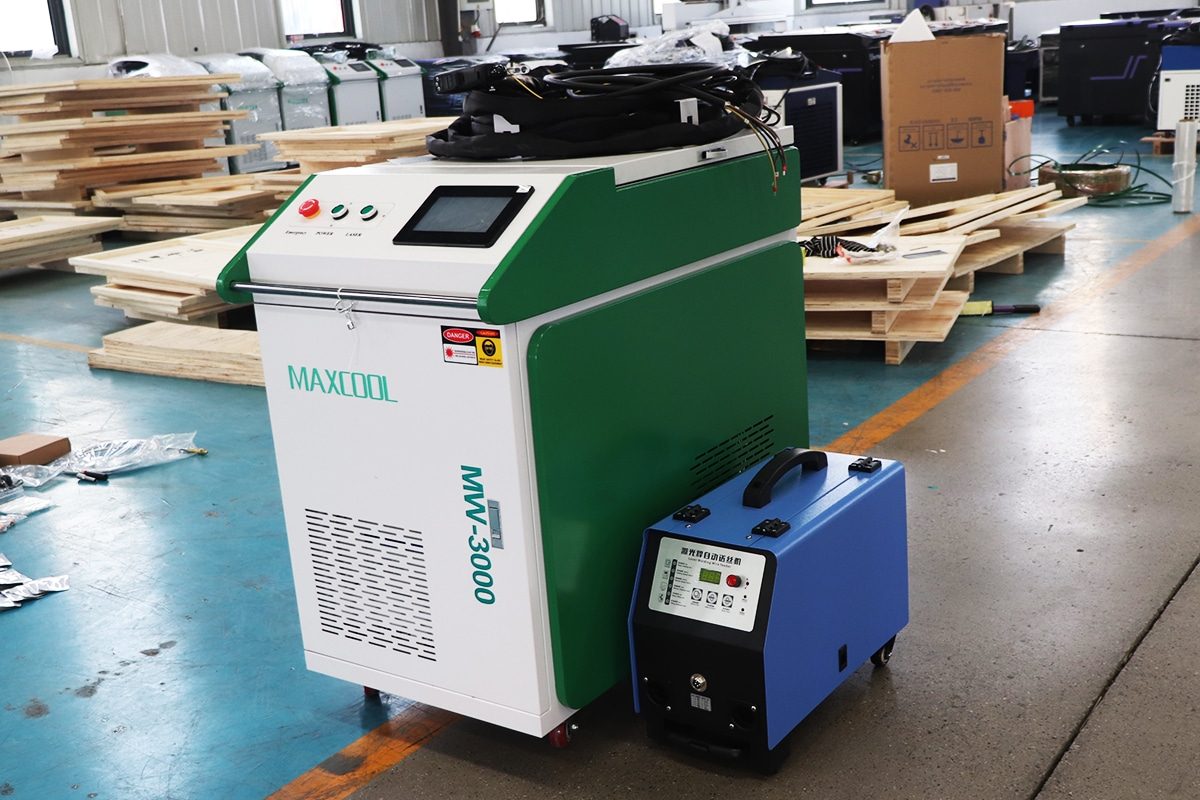
Choosing the right laser welding solution is not only about achieving strong, precise welds—it is also about ensuring environmentally responsible and sustainable production. Maxcool CNC, as a professional manufacturer of intelligent laser equipment, understands that modern manufacturers face increasing pressure to reduce emissions, improve energy efficiency, and comply with environmental regulations while maintaining high productivity. That is why our laser welding solutions are designed with environmental performance in mind from the very beginning.
Maxcool CNC laser welding machines integrate advanced fiber laser sources with high wall-plug efficiency, helping reduce overall energy consumption and carbon footprint. Our systems support precise parameter control, enabling optimized heat input that minimizes spatter, fume generation, and material waste. Intelligent control software ensures stable, repeatable weld quality, reducing rework and scrap rates—an important factor in sustainable manufacturing.
We also offer customized environmental support solutions, including integrated fume extraction interfaces, enclosed welding cells for radiation containment, and compatibility with high-efficiency filtration systems. Our engineering team can assist in configuring shielding gas management systems, cooling solutions with closed-loop chillers, and automated production lines that minimize idle energy consumption.
For manufacturers working with stainless steel, galvanized steel, aluminum, titanium, or other specialty materials, Maxcool CNC provides technical guidance to help balance weld performance with environmental safety. From process optimization to energy-saving automation integration, our goal is to deliver complete laser welding solutions that align with both production targets and environmental standards.
Whether you are upgrading existing equipment or building a new intelligent welding line, Maxcool CNC is committed to providing reliable, efficient, and environmentally conscious laser welding systems. Contact our technical team to discuss your application requirements and discover how our advanced laser welding solutions can support cleaner, safer, and more sustainable manufacturing.