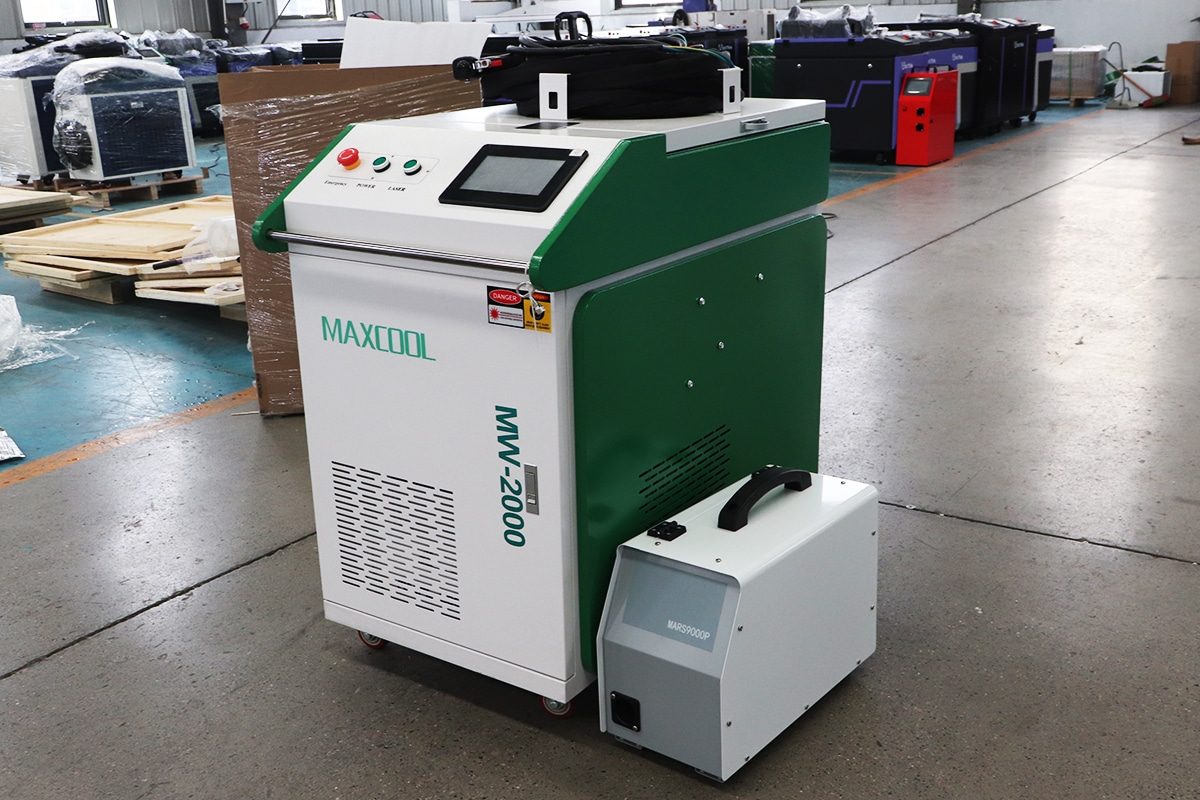
In modern manufacturing, welding plays a crucial role in joining materials efficiently, reliably, and at scale. Among the many techniques available, laser welding and resistance welding stand out as two of the most widely used methods across industries such as automotive, aerospace, electronics, and medical device manufacturing. Understanding the differences between these two processes is essential for engineers, manufacturers, and decision-makers aiming to optimize production quality, cost, and performance.
Laser welding is a high-precision process that uses a focused laser beam to melt and fuse materials. It is known for its ability to create deep, narrow welds with minimal distortion and exceptional accuracy. This makes it particularly suitable for applications requiring fine detail, such as microelectronics or thin metal components. On the other hand, resistance welding relies on electrical resistance and pressure to generate heat at the joint interface, forming a weld without the need for additional filler materials. This method is highly efficient for mass production and is commonly used in industries like automotive manufacturing, where speed and repeatability are critical.
While both techniques serve the same fundamental purpose—joining materials—their underlying principles, equipment requirements, and application scopes differ significantly. Factors such as material type, thickness, production volume, and desired weld quality often determine which method is more suitable for a given application.
This article explores the key differences between laser welding and resistance welding, comparing their working principles, advantages, limitations, and real-world applications. By the end, readers will gain a clear understanding of how each method performs and which one best aligns with specific industrial needs.
The working principle of laser welding revolves around the generation, focusing, and application of laser energy onto a material surface. The process begins with laser sources—commonly a fiber laser, CO2 laser, or solid-state laser—that produce a coherent and monochromatic beam of light. This beam is then transmitted through optical systems such as fiber optics or mirrors and focused using a lens to achieve a very small spot size.
When the focused laser beam strikes the surface of the material, the energy is rapidly absorbed and converted into heat. This causes the material to melt almost instantly, forming a localized molten pool. As the laser moves along the joint, the molten material follows the beam and solidifies behind it, creating a continuous weld seam.
To further enhance weld quality, shielding gases such as argon, helium, or nitrogen are often used. These gases protect the molten pool from oxidation and contamination, ensuring a clean and strong weld.
Laser welding is a cutting-edge joining technology that uses a focused beam of light to create strong, precise, and clean welds. Its unique combination of high precision, low heat input, and automation compatibility makes it an essential process in modern manufacturing. Although it requires a higher initial investment and careful preparation, its benefits—such as improved efficiency, superior weld quality, and versatility—make it an invaluable solution for industries that demand excellence and innovation.
Resistance welding is a highly efficient and widely adopted welding process that joins two or more metal components by applying a combination of electrical current and mechanical pressure. The heat required to form the weld is generated internally due to the electrical resistance of the materials as current flows through them. This localized heating causes the material at the interface of the workpieces to soften or melt, allowing the parts to fuse as they cool under pressure.
Unlike many traditional welding techniques, resistance welding does not rely on external heat sources such as flames, arcs, or lasers. It also eliminates the need for filler materials, flux, or shielding gases. This makes the process inherently cleaner, simpler, and more economical in high-volume manufacturing environments.
Resistance welding is most commonly used for joining thin metal sheets, particularly in applications where speed, repeatability, and consistency are essential. Its ability to produce strong, uniform welds in a very short time has made it a cornerstone technology in industries such as automotive manufacturing, electronics, and consumer appliance production.
The operation of resistance welding is based on three key factors: electrical current, electrical resistance, and applied pressure. The process begins by positioning the metal workpieces—often in an overlapping (lap joint) configuration—between two electrodes made of highly conductive materials, typically copper alloys. These electrodes are responsible for both delivering the electrical current and applying mechanical force to the workpieces.
Once the system is activated, a high electrical current is passed through the electrodes and into the metal parts. As the current flows through the materials, heat is generated due to the inherent electrical resistance of the metals. The highest resistance—and therefore the greatest heat generation—occurs at the interface between the workpieces, where surface irregularities and contact resistance concentrate the energy.
As the temperature at the interface rises rapidly, the material reaches a plastic or molten state, forming what is known as a weld nugget. At the same time, the electrodes apply controlled pressure, which ensures intimate contact between the materials and helps forge the molten region into a solid bond.
After a precise duration—often just a few milliseconds—the current is stopped, but the pressure is maintained for a short time to allow the molten metal to cool and solidify. This results in a strong, durable joint with good mechanical properties.
Resistance welding is a fast, efficient, and reliable welding process that joins metals through the heat generated by electrical resistance combined with applied pressure. Its ability to produce consistent, high-quality welds in a very short time makes it ideal for high-volume manufacturing applications. Although it has limitations related to material thickness, joint design, and equipment requirements, its advantages in productivity, cost-effectiveness, and automation compatibility ensure that it remains a vital technology in modern industrial production.
Laser welding and resistance welding are both widely used joining methods in modern manufacturing, but they are built on very different operating principles. Laser welding uses a concentrated beam of light to deliver heat directly and precisely to the weld area, while resistance welding generates heat through electrical resistance at the contact point between metal parts under pressure. Because of this basic difference, the two processes vary significantly in the way they handle heat input, part contact, weld precision, production speed, material compatibility, and equipment setup.
In general, laser welding is known for high precision, narrow heat input, strong automation potential, and greater flexibility in joint design. It is often preferred for applications that require tight tolerances, clean weld appearance, complex geometries, or access to hard-to-reach areas. Resistance welding, by contrast, is valued for its simplicity, fast cycle times, and cost-effectiveness in high-volume production, especially when joining thin sheet metals in repetitive manufacturing environments such as automotive assembly.
The differences between laser welding and resistance welding also extend beyond the weld itself. They affect tooling requirements, maintenance needs, consumable use, accessibility to the joint, safety controls, and overall production strategy. For example, laser welding usually involves a higher initial equipment cost but lower tool wear, whereas resistance welding often has a lower entry cost but requires ongoing electrode maintenance and direct access to both sides of the workpiece.
Choosing between these two methods is not simply a matter of deciding which one is better overall. Instead, it depends on the specific application, including the type of material, part thickness, joint configuration, production volume, quality requirements, and level of automation needed. A clear understanding of their differences helps manufacturers select the most suitable process for balancing weld quality, speed, cost, efficiency, and long-term operational performance.
The primary difference between laser welding and resistance welding lies in how heat is generated and applied to the materials. Laser welding uses a highly concentrated beam of light energy, typically produced by a fiber or solid-state laser, which is focused onto a very small point on the workpiece. This allows for extremely precise energy delivery, resulting in rapid melting and solidification within a confined area. The energy input can be finely controlled, making it ideal for applications that demand accuracy and minimal thermal impact.
In contrast, resistance welding generates heat internally through electrical resistance. When a high electrical current passes through two metal components held together under pressure, heat is produced at the interface due to resistance to the current flow. The amount of heat generated depends on factors such as current intensity, resistance at the contact surface, and the duration of current flow. While effective, this method offers less precise control over heat distribution compared to laser welding.
Laser welding is a non-contact process, meaning that the laser beam delivers energy without physically touching the material. This eliminates tool wear and reduces the risk of contamination, making it highly suitable for delicate or high-precision applications. It also allows welding in confined or hard-to-reach areas.
Resistance welding, on the other hand, is a contact-based process. It requires electrodes to physically clamp the workpieces while passing an electrical current through them. This direct contact is essential for the process but leads to electrode wear over time and requires regular maintenance. Additionally, consistent contact quality is critical to achieving uniform welds.
Laser welding offers exceptional precision and control, as the beam can be focused to a very small diameter and directed with high accuracy. Advanced systems allow precise adjustment of parameters such as power, speed, and focal position, enabling consistent weld quality even in complex geometries or micro-scale applications.
Resistance welding provides good control in mass production settings, but its precision is generally lower. The weld size and location are influenced by electrode shape, alignment, and surface conditions. Variations in these factors can affect weld consistency if not carefully controlled.
Resistance welding is known for its extremely fast welding cycles, often completed in milliseconds. This makes it highly efficient for high-volume production environments, such as automotive assembly lines, where thousands of welds are required.
Laser welding is also capable of high speeds, especially when integrated with automated systems. While it may be slightly slower for simple spot welds, it excels in continuous welding applications and complex weld paths, where it can achieve high throughput with fewer process steps.
Laser welding is highly versatile and can be used on a wide range of materials, including various steels, aluminum, titanium, and even dissimilar metals. It is effective for both very thin materials and thicker sections, particularly when operating in keyhole mode, which allows for deep penetration.
Resistance welding is generally limited to thin sheet metals and works best with materials that have similar electrical and thermal properties. Welding thicker materials can be challenging due to limitations in heat generation and current distribution.
Laser welding produces high-quality welds with a narrow heat-affected zone (HAZ). The rapid heating and cooling cycles result in fine microstructures, reduced distortion, and minimal residual stress. This makes it ideal for applications requiring high strength, precision, and aesthetic quality.
Resistance welding also produces strong and reliable welds, but the heat-affected zone is typically larger. The weld quality can be influenced by factors such as surface cleanliness, electrode condition, and pressure consistency. While it is suitable for many industrial applications, it may not achieve the same level of refinement as laser welding.
Laser welding provides greater flexibility in joint design. It can accommodate butt joints, lap joints, edge joints, and complex geometries. Its ability to weld intricate shapes and access tight or confined spaces makes it highly adaptable in modern engineering designs.
Resistance welding is primarily limited to lap joints, as it requires overlapping materials to ensure proper current flow and pressure application. This limitation can restrict design flexibility in certain applications.
Laser welding systems typically involve a higher initial investment due to the advanced technology required, including laser sources, optics, cooling systems, and control units. However, operating costs can be lower over time because of reduced consumables and maintenance requirements.
Resistance welding equipment generally has a lower upfront cost, making it more accessible for many manufacturers. However, ongoing costs include electrode replacement, maintenance, and energy consumption, which can add up over time.
Resistance welding excels in high-volume production due to its speed, simplicity, and ability to produce consistent welds quickly. It is highly efficient for repetitive tasks and standardized components.
Laser welding also offers high productivity, particularly in automated and flexible manufacturing systems. It is especially efficient for complex or high-precision applications, where multiple traditional processes can be replaced by a single laser welding operation.
Laser welding is generally more energy-efficient, as it delivers energy directly to the required area, minimizing waste. It produces very little spatter, fumes, or emissions, contributing to a cleaner working environment.
Resistance welding is also relatively clean and does not require consumables like filler materials or shielding gases. However, it may consume more electrical energy due to the high currents required for operation.
Laser welding requires strict safety measures due to the hazards associated with high-intensity laser beams, which can cause serious eye and skin injuries. Protective enclosures, interlock systems, and specialized safety equipment are essential.
Resistance welding involves different safety risks, including electrical hazards, heat exposure, and mechanical pressure from electrodes. While these risks are generally easier to manage, proper safety protocols and training are still necessary.
Laser welding requires minimal tooling and offers excellent accessibility due to its non-contact nature. It can be used in confined spaces and does not require access to both sides of the workpiece.
Resistance welding requires robust fixturing and access to both sides of the workpiece for electrode placement. This can limit its use in complex designs and increase setup requirements.
Laser welding has relatively low consumable requirements, as it does not rely on electrodes or filler materials. Maintenance is primarily focused on optical components and system calibration.
Resistance welding requires regular maintenance of electrodes, which wear out over time due to repeated heating and pressure. This increases maintenance costs and can lead to downtime if not properly managed.
Laser welding offers advanced automation and digital integration capabilities. It can be easily integrated with robotic systems, machine vision, and real-time monitoring technologies, making it a key component of smart manufacturing and Industry 4.0.
Resistance welding is also widely automated, especially in automotive production lines. However, its integration with advanced digital technologies is generally less sophisticated compared to modern laser welding systems.
Laser welding and resistance welding are both essential industrial joining methods, each with distinct advantages and limitations. Laser welding stands out for its precision, flexibility, and ability to handle complex and high-quality applications. Resistance welding, in contrast, excels in speed, simplicity, and cost-effectiveness for high-volume production of sheet metal components. By understanding these differences in detail, manufacturers can select the most appropriate welding method based on their specific production requirements, material characteristics, and cost considerations.
Selecting the most appropriate welding method between laser welding and resistance welding is not a one-size-fits-all decision. It requires a careful balance of technical requirements, production goals, cost considerations, and long-term operational strategy. Both processes are highly effective, but they excel in different scenarios. Understanding when to choose each method can significantly improve manufacturing efficiency, product quality, and overall return on investment.
Laser welding is the ideal choice when your application requires high precision, flexibility, and superior weld quality. If your components involve tight tolerances, micro-scale features, or intricate geometries, laser welding provides unmatched accuracy. The laser beam can be focused to an extremely small point, allowing for precise control over weld placement, penetration depth, and heat input. This level of control is critical in industries such as aerospace, medical device manufacturing, and electronics, where even minor deviations can lead to performance issues.
You should also choose laser welding when your design includes complex joint configurations or advanced geometries. Unlike resistance welding, which is primarily limited to lap joints, laser welding can handle butt joints, edge joints, corner joints, and even multi-axis weld paths. This enables engineers to design lighter, more efficient structures without being constrained by welding limitations.
Laser welding is particularly advantageous when working with dissimilar materials or varying thicknesses. Its precise energy control allows for better management of different thermal properties, reducing the risk of defects such as cracking, porosity, or incomplete fusion. This makes it suitable for advanced manufacturing applications where material combinations are used to optimize performance or reduce weight.
Another important factor is minimal heat input and low distortion. Because the laser delivers energy in a highly localized manner, the surrounding material experiences minimal thermal impact. This helps maintain dimensional accuracy and reduces the need for post-weld correction or rework. It is especially beneficial for thin materials, precision assemblies, and components with strict tolerance requirements.
Laser welding is also the preferred option in environments that emphasize automation, digitalization, and smart manufacturing. It integrates seamlessly with robotic systems, CNC platforms, and machine vision technologies. This allows for real-time process monitoring, adaptive control, and data-driven optimization, making it a key enabler of Industry 4.0.
In addition, laser welding should be chosen when the weld appearance and surface quality are important. The process produces clean, narrow weld seams with minimal spatter, often eliminating the need for secondary finishing operations. This is particularly valuable for consumer-facing products, medical instruments, and high-end components.
Although the initial investment for laser welding systems is relatively high, it becomes the preferred choice when focusing on long-term efficiency, reduced consumables, and lower maintenance costs. Over time, the benefits of higher quality, reduced rework, and improved productivity can outweigh the upfront expense, especially in high-value manufacturing environments.
Resistance welding is the optimal choice when your primary objective is high-speed, high-volume production of standardized metal components. If your manufacturing process involves repetitive welding tasks—especially in sheet metal fabrication—resistance welding offers unmatched efficiency. Its ability to complete welds in milliseconds makes it indispensable in industries such as automotive manufacturing, where thousands of welds are required for each unit.
You should choose resistance welding when working with thin sheet metals of similar materials, particularly in lap joint configurations. The process is highly effective for these applications, delivering strong and consistent welds with minimal complexity. It is especially well-suited for steel sheet assemblies commonly used in mass production.
Resistance welding is also a strong option when cost constraints are a major consideration, particularly regarding initial equipment investment. Compared to laser welding systems, resistance welding equipment is generally more affordable, making it accessible for manufacturers focused on large-scale production with tight budgets.
Another advantage of resistance welding is its simplicity and operational stability. Once the welding parameters—such as current, pressure, and cycle time—are properly set, the process can run continuously with minimal adjustments. This makes it ideal for production environments where consistency and predictability are more important than flexibility.
Resistance welding is also well-suited for applications where proven reliability and durability are required. As a mature and widely used technology, it has a long history of successful implementation in industrial manufacturing. Its performance is well understood, and it can deliver consistent results over extended production runs.
Additionally, resistance welding is the preferred choice when both sides of the workpiece are easily accessible. Since the process requires electrodes to clamp the materials from opposite sides, it is best suited for designs that allow this type of access. This is commonly the case in sheet metal assemblies and structural components.
If your production line is already equipped with automated resistance welding systems, it may be more practical and cost-effective to continue using this method. Switching to laser welding would require significant investment in new equipment, training, and process validation.
Finally, resistance welding is ideal when maximum throughput and cycle efficiency are the top priorities. Its rapid operation and ability to produce consistent welds at scale make it one of the most efficient welding methods for mass production environments.
Choosing between laser welding and resistance welding ultimately depends on aligning the welding process with your specific application requirements, production scale, and long-term business goals. Laser welding is best suited for applications that demand precision, flexibility, high-quality welds, and advanced automation capabilities. It excels in complex, high-value manufacturing scenarios where accuracy and performance are critical.
On the other hand, resistance welding is the preferred solution for high-volume production of simple, standardized components, particularly in sheet metal fabrication. Its speed, cost-effectiveness, and operational reliability make it a practical choice for large-scale manufacturing.
In many modern manufacturing environments, both methods are used in combination, each serving a distinct purpose within the production process. By understanding the strengths and limitations of each technology, manufacturers can make informed decisions that optimize efficiency, reduce costs, and ensure consistent product quality.
In comparing laser welding and resistance welding, it becomes clear that both processes play vital roles in modern manufacturing, yet they serve different purposes depending on application requirements. Laser welding stands out for its precision, flexibility, and ability to produce high-quality welds with minimal heat distortion. Using a focused beam of light enables manufacturers to achieve clean, narrow welds and handle complex geometries, dissimilar materials, and varying thicknesses. This makes it especially suitable for industries such as aerospace, electronics, and medical devices, where accuracy and performance are critical.
On the other hand, resistance welding is widely recognized for its speed, simplicity, and cost-effectiveness in high-volume production. By generating heat through electrical resistance and applying pressure, it allows for rapid and consistent joining of thin sheet metals. This makes it the preferred choice in industries like automotive manufacturing and appliance production, where large quantities of standardized components must be produced efficiently and reliably.
From a cost perspective, resistance welding typically requires a lower initial investment and is easier to implement for mass production. In contrast, laser welding involves higher upfront costs but offers long-term benefits such as reduced maintenance, fewer consumables, and greater process flexibility. When it comes to automation, both methods can be integrated into production lines, but laser welding provides more advanced capabilities for digital control and smart manufacturing.
Ultimately, the choice between laser welding and resistance welding depends on factors such as material type, joint design, production volume, precision requirements, and budget. In many cases, manufacturers may even use both processes within the same facility to maximize efficiency and product quality. By understanding the strengths and limitations of each method, businesses can make informed decisions that align with their operational goals and ensure optimal performance in their welding applications.