
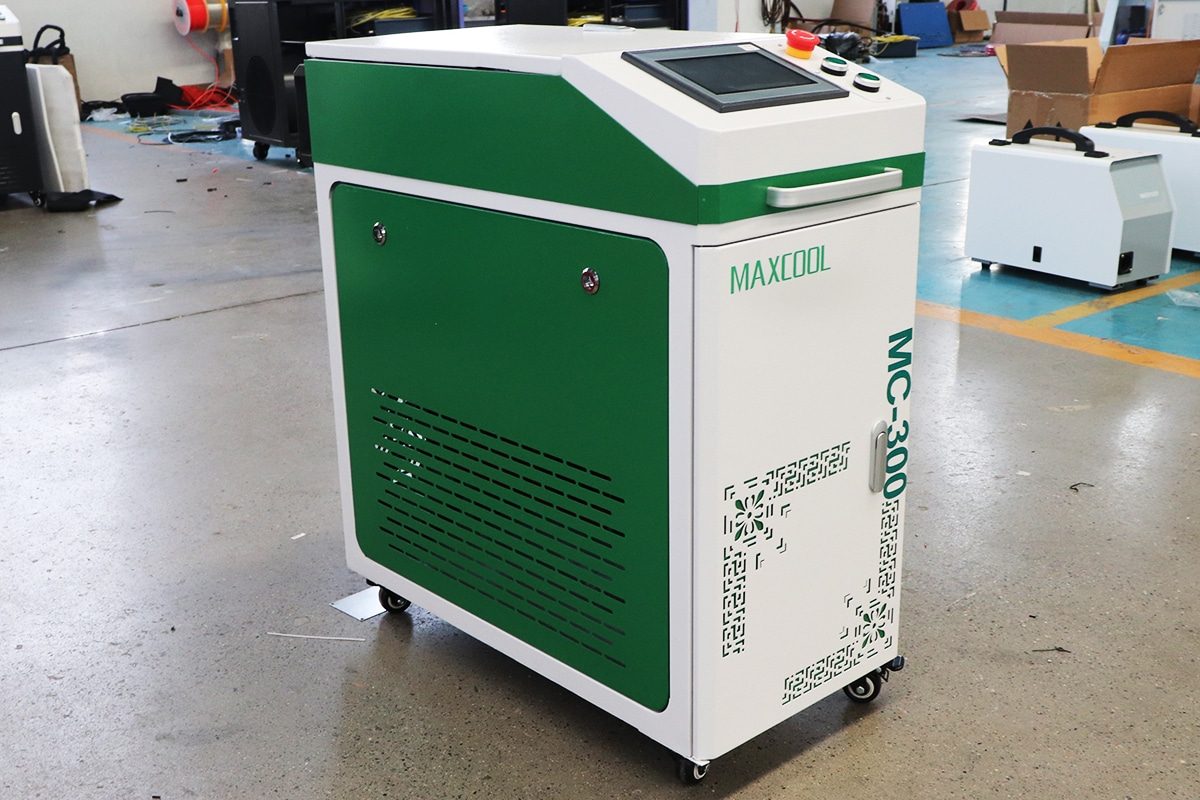
What Consumables Are Used in Laser Cleaning Machines?
Laser cleaning machines provide a fast, precise, and environmentally friendly method for removing rust, paint, oxide layers, oil, carbon deposits, coatings, and other contaminants from material surfaces. Unlike sandblasting, chemical cleaning, or abrasive grinding, laser cleaning uses a focused laser beam to vaporize, decompose, or separate unwanted surface layers without requiring large quantities of blasting media, solvents, or cleaning chemicals. For this reason, laser cleaning is often described as a low-consumable or nearly consumable-free cleaning technology.
However, this does not mean that laser cleaning machines operate without any replaceable materials. During normal operation, certain components and supporting materials gradually become contaminated, worn, or exhausted. Common consumables may include protective lenses, optical window glass, air or gas filters, dust-collection filter cartridges, cooling water, cleaning cloths, and protective equipment for operators. Depending on the machine configuration and application, shielding gas, compressed air, nozzle components, or other optical parts may also require periodic replacement.
The type and quantity of consumables used depend on several factors, including the laser source, cleaning head design, cooling method, operating environment, contaminant type, and cleaning intensity. A machine used occasionally to remove light oxidation may consume very few replacement parts, while equipment operating continuously in a dusty industrial environment may require more frequent lens cleaning and filter replacement. Improper parameter settings or poor maintenance can also increase consumable use by allowing smoke, dust, or reflected energy to damage optical components.
Understanding which consumables are required is important when calculating operating costs, planning preventive maintenance, and maintaining consistent cleaning quality. Although laser cleaning generally has lower ongoing material costs than many conventional cleaning methods, selecting suitable consumables and replacing them at the correct intervals helps protect the laser system, reduce downtime, extend equipment life, and ensure safe, stable, and efficient operation.
Table of Contents
Why Laser Cleaning Uses Fewer Consumables
One of the main advantages of laser cleaning is its low dependence on consumable materials. Traditional cleaning processes often require a continuous supply of abrasive media, chemical agents, solvents, brushes, grinding discs, or replacement blasting materials. Laser cleaning, by contrast, uses concentrated light energy to remove contaminants from a surface. The laser beam itself performs the cleaning, so no physical cleaning medium must be continuously purchased, transported, stored, and disposed of.
This does not mean that laser cleaning machines are completely free of consumables. Protective lenses, filters, cooling water, dust-collection components, and certain safety supplies may need periodic replacement. However, these items are mainly used to maintain and protect the equipment rather than directly clean every workpiece. As a result, consumable usage is usually lower, more predictable, and easier to manage than with many conventional cleaning methods.
The actual level of consumption depends on the application, working environment, machine design, cleaning parameters, and maintenance practices. Heavy rust removal, paint stripping, and continuous industrial operation may increase lens contamination and filter loading. Even in these demanding conditions, the machine normally consumes fewer process materials than sandblasting, chemical cleaning, or mechanical grinding.
How Laser Cleaning Works
Laser cleaning removes contaminants by directing a high-energy laser beam onto the surface of a workpiece. The contaminant layer absorbs the laser energy and heats rapidly. Depending on the material, laser parameters, and cleaning objective, the unwanted layer may vaporize, decompose, expand, fracture, or separate from the underlying surface.
Several physical mechanisms can contribute to the cleaning process. Thin oxide layers may be removed through rapid thermal expansion. Paint, oil, and organic residues may decompose or vaporize when exposed to sufficient laser energy. Rust and thicker coatings may break apart because the contaminant and base material absorb and expand differently. Short-pulse laser cleaning can deliver high peak energy within a very brief period, allowing contamination to be removed while limiting heat transfer into the substrate.
Because the cleaning force is generated by laser energy, the process does not normally require abrasive particles or chemical cleaning agents. The laser source can operate for long periods without consuming the beam in the way that grinding wheels, blasting media, or cleaning chemicals are consumed. Electricity is the main operating input, while compressed air or shielding gas may be used in certain machine configurations to protect the optics or blow debris away from the cleaning area.
The laser beam can also be controlled precisely. Operators can adjust the power, pulse width, frequency, scanning speed, scan width, and cleaning pattern according to the contaminant and substrate. This level of control helps remove only the unwanted layer, reducing unnecessary contact with the workpiece and minimizing wear on both the surface and the cleaning equipment.
Laser cleaning is also a non-contact process. The cleaning head does not need to press against the workpiece, so there is little mechanical friction between the machine and the material. This reduces tool wear and eliminates the frequent replacement of brushes, sanding belts, grinding discs, and similar contact-based cleaning tools.
Comparison With Traditional Cleaning Processes
Traditional cleaning methods often depend on materials that are consumed during every cleaning cycle. Abrasive blasting requires media such as sand, glass beads, steel shot, garnet, or other particles. Some blasting media may be reused, but it gradually breaks down, become contaminated, or loses its cleaning effectiveness. New media must therefore be added regularly, while used material must be collected, separated, and disposed of.
Chemical cleaning requires acids, alkaline solutions, solvents, paint removers, or detergents. These chemicals are consumed as they react with rust, grease, coatings, or surface deposits. They may also require rinsing water, neutralizing agents, absorbent materials, and wastewater-treatment supplies. Storage, handling, ventilation, and disposal procedures can further increase the overall operating burden.
Mechanical cleaning methods use brushes, scrapers, sanding discs, grinding wheels, polishing pads, and other contact tools. These tools wear down because of friction and must be replaced frequently. Their service life may be especially short when removing thick rust, hard coatings, or contamination from large surfaces.
Dry ice cleaning uses carbon dioxide pellets as the cleaning medium. Although it can reduce secondary residue, the dry ice itself is continuously consumed during operation. It must be produced or purchased, stored under suitable conditions, and delivered to the cleaning equipment before it evaporates.
Laser cleaning avoids most of these continuous process consumables. The same laser source and cleaning head can process many workpieces without adding abrasive media, chemical solutions, or replacement cleaning tools. The removed material mainly consists of the original contaminant rather than a mixture of contamination and additional cleaning media.
The process can also reduce waste volume. Sandblasting produces used abrasive mixed with rust, paint, and dust. Chemical cleaning can generate contaminated liquids and sludge. Grinding produces worn tool material together with removed particles. Laser cleaning generally creates only the material removed from the surface, which can often be collected using an extraction and filtration system.
Another important difference is process consistency. Consumable-based methods may change as the abrasive becomes worn, the chemical concentration decreases, or the grinding tool loses effectiveness. A properly maintained laser cleaning system delivers controlled energy according to programmed parameters, helping maintain more stable cleaning results over repeated production cycles.
However, laser cleaning is not automatically the best option for every application. Thick coatings over very large surfaces may require significant processing time, and the equipment investment is usually higher than that of simple manual cleaning tools. Nevertheless, in applications that value precision, automation, low waste generation, and reduced ongoing material use, laser cleaning can provide substantial long-term benefits.
Process Consumables and Maintenance Consumables
It is useful to distinguish between process consumables and maintenance consumables when evaluating a laser cleaning machine.
Process consumables are materials directly used to perform the cleaning operation. In traditional cleaning, these include blasting media, cleaning chemicals, solvents, grinding discs, brushes, polishing compounds, or dry ice pellets. The amount consumed usually increases directly with the number or size of the workpieces being cleaned.
Laser cleaning uses very few direct process consumables because the laser beam provides the cleaning energy. Electricity is required to operate the laser source, cooling system, control system, scanning head, and extraction equipment, but electricity is normally treated as an operating utility rather than a consumable material. Some laser cleaning systems may also use compressed air, nitrogen, or another gas to protect the optical path, cool the cleaning area, or remove loose particles. Gas consumption depends on the machine design and is not required in every application.
Maintenance consumables are items replaced periodically to keep the equipment operating safely and efficiently. These may include protective lenses, optical windows, air filters, dust-collection filters, cooling water, deionized water, cleaning wipes, lens-cleaning solution, seals, and certain nozzle or cover components.
Protective lenses are among the most important maintenance consumables. They form a barrier between the internal optical system and smoke, dust, oil, or debris generated during cleaning. If the lens becomes heavily contaminated, it may absorb laser energy, overheat, and affect beam quality. Regular inspection and careful cleaning can extend lens life, while timely replacement helps protect more expensive optical components.
Dust-extraction filters collect the particles and fumes released from the workpiece. Their replacement frequency depends on the contaminant type, cleaning volume, extraction-system capacity, and operating hours. Paint, resin, oil, and heavy rust may load filters more quickly than light surface oxidation.
Water-cooled laser cleaning machines may require cooling water to be checked, replaced, or replenished periodically. Manufacturers commonly specify purified or deionized water to reduce scaling, corrosion, and contamination within the cooling circuit. Air-cooled systems may not require cooling water, but their ventilation filters and cooling channels must remain clean.
Operators may also use lint-free cloths, optical-grade wipes, approved lens-cleaning fluids, gloves, respirator filters, and other protective supplies. These consumables support safe operation and equipment care, but their use is generally modest compared with the continuous material consumption associated with abrasive or chemical cleaning.
Maintenance consumable costs can be reduced through good operating practices. Correct laser parameters minimize unnecessary smoke and debris. Effective dust extraction prevents contamination from reaching the cleaning head. Keeping the lens at the recommended distance from the workpiece reduces exposure to splatter. Regular inspection allows components to be cleaned before permanent damage occurs. Proper storage of replacement optics also prevents scratches, moisture damage, and contamination.
Laser cleaning uses fewer consumables because the cleaning action comes primarily from controlled laser energy rather than from abrasive particles, chemical solutions, or disposable contact tools. The beam removes rust, paint, oil, oxide layers, and other contaminants without being physically consumed during the process.
Compared with sandblasting, chemical cleaning, grinding, and dry ice cleaning, laser cleaning eliminates or greatly reduces the need for continuously supplied cleaning media. This can lower purchasing, storage, handling, waste-treatment, and disposal requirements. It can also improve process consistency because cleaning performance does not depend on the condition of worn abrasive media or depleted chemicals.
Laser cleaning machines still require some maintenance consumables, including protective lenses, filters, cooling water, optical cleaning supplies, and operator-protection equipment. These items protect the machine and support safe operation rather than serving as the primary cleaning medium.
The lower consumable requirement is one of the main reasons laser cleaning can offer predictable operating costs, reduced secondary waste, cleaner production environments, and simplified maintenance. Proper parameter selection, effective fume extraction, and routine optical inspection further reduce consumable use and help the machine maintain reliable cleaning performance over its service life.
Optical Consumables and Wear Parts
The optical system is one of the most important parts of a laser cleaning machine. It guides, focuses, and scans the laser beam across the workpiece so that rust, paint, oxide layers, oil, carbon deposits, and other contaminants can be removed efficiently. Because these optical components are positioned close to the cleaning area, they may be exposed to smoke, dust, vaporized material, oil mist, and reflected laser energy.
Most internal optical components are designed for long-term use and are not replaced frequently. However, protective windows are treated as consumables because they gradually become contaminated or damaged during operation. Focusing lenses and scanning lenses normally have a much longer service life, but they may eventually require replacement if contamination, overheating, coating damage, impact, or improper maintenance affects their performance.
The actual replacement frequency depends on the type of contamination being removed, laser power, cleaning distance, extraction efficiency, working environment, and operator maintenance practices. Proper inspection and cleaning can significantly extend optical life, while operating with dirty or damaged optics can reduce cleaning efficiency and lead to costly damage inside the cleaning head.
Protective Windows
A protective window, also called a protective lens, cover glass, or optical window, is installed at the front of the laser cleaning head. Its main purpose is to protect the more expensive focusing and scanning optics from smoke, dust, sparks, splatter, and debris generated during the cleaning process.
The protective window allows the laser beam to pass through while forming a physical barrier between the internal optical system and the working environment. Because it is the optical component closest to the workpiece, it is usually the part most likely to become contaminated. It is therefore one of the most commonly replaced consumables in a laser cleaning machine.
As contamination builds up on the window, its laser transmission may decrease. Dust, oil, paint particles, or rust residue can absorb part of the laser energy, causing localized heating. This may lead to discoloration, coating damage, cracking, or permanent burn marks. A contaminated window can also distort the beam, reduce cleaning power, produce uneven cleaning patterns, and increase the risk of damage to the focusing lens or scanning system.
Operators should inspect the protective window regularly, especially when removing heavy rust, thick paint, oil, resin, or other materials that produce large amounts of smoke and debris. Warning signs of a damaged or contaminated window may include reduced cleaning efficiency, an irregular cleaning pattern, unexpected temperature increases, visible spots, discoloration, or repeated alarms from the cleaning head.
The replacement interval cannot be determined only by operating hours. A window used in a clean and well-ventilated environment may remain serviceable for a long period, while one exposed to heavy fumes or splatter may require frequent cleaning or replacement. Effective fume extraction, correct working distance, suitable laser parameters, and clean protective air can all help extend its service life.
When replacing a protective window, the new component must match the cleaning head’s required diameter, thickness, material, wavelength, and optical coating. An incompatible window may reduce laser transmission, overheat during operation, or fail to provide adequate protection. Operators should use replacement optics recommended by the machine or cleaning-head manufacturer.
Cleaning Protective Optics
Proper cleaning can extend the service life of protective optics, but optical components must be handled carefully. Incorrect cleaning methods may scratch the surface, damage the anti-reflective coating, or leave residue that absorbs laser energy.
Before inspecting or cleaning the optics, the laser cleaning machine should be switched off and isolated according to the manufacturer’s safety procedures. The cleaning head should be opened only in a clean, dry environment. Exposing the internal optical system in a dusty workshop can allow additional contamination to enter the head.
Operators should avoid touching optical surfaces with bare fingers. Fingerprints contain oil and moisture that can be difficult to remove and may create hot spots when exposed to the laser beam. Clean gloves, finger cots, or suitable handling tools should be used when removing and installing optical components.
Loose dust should normally be removed first with clean, dry air or an approved optical air blower. Air from an untreated workshop compressor should not be used directly because it may contain oil, moisture, or particles. After loose contamination has been removed, the optical surface can be cleaned with lint-free optical wipes, lens tissue, or clean swabs together with an approved optical cleaning solution.
The wiping motion should be gentle and controlled. Excessive pressure can drag hard particles across the surface and create scratches. A clean section of the wipe should be used for each pass so that removed contamination is not spread back onto the window. Household tissues, ordinary cloths, paper towels, abrasive cleaners, and unapproved solvents should not be used.
After cleaning, the optical surface should be examined under suitable lighting. Any remaining stains, scratches, cracks, cloudy areas, coating damage, or burn marks may indicate that replacement is necessary. A protective window should not be reused simply because it can still transmit some light. Even a small damaged area can absorb laser energy and worsen rapidly during operation.
Protective optics should be stored in their original containers or sealed, dust-free packaging. Spare windows should remain dry and protected from scratches, humidity, fingerprints, and chemical vapors. Clean installation is just as important as clean storage, as a fingerprint or particle trapped during assembly can shorten the component’s service life.
Focusing Lenses and Scanning Lenses
The focusing lens concentrates the laser beam onto or near the workpiece surface. It helps determine the spot size, focal position, energy density, working distance, and cleaning effectiveness. In many laser cleaning heads, the focusing optics work together with a galvanometer scanning system to distribute the beam over a defined cleaning width.
The scanning lens, often an F-theta lens in galvanometer-based systems, converts the movement of the scanning mirrors into a controlled laser path across the workpiece. It helps maintain a predictable focal position and cleaning pattern throughout the selected scanning area. The lens design affects scan width, beam uniformity, edge performance, and the consistency of laser energy across the cleaned surface.
Focusing and scanning lenses are generally not routine consumables. They are higher-value optical components designed to operate for long periods when properly protected. Under normal conditions, the protective window prevents most smoke and debris from reaching these internal optics.
However, focusing and scanning lenses can become wear parts if the protective window is not replaced in time, if the cleaning head is opened in a contaminated environment, or if the optics are exposed to excessive reflected energy. Poor-quality replacement windows, incorrect laser parameters, cooling problems, or misalignment may also contribute to lens damage.
Signs of focusing or scanning lens problems may include uneven cleaning intensity, blurred scan edges, reduced power at the workpiece, changes in the focal position, distorted patterns, overheating, or visible marks inside the cleaning head. These symptoms should be investigated promptly. Continuing to operate with a damaged lens can affect cleaning quality and may damage additional components.
Internal lenses should not be removed or cleaned casually. Their alignment is critical to beam quality and scanning accuracy. Improper disassembly may introduce dust, damage optical coatings, or change the beam path. Inspection and replacement should follow the manufacturer’s instructions and may need to be completed by trained technicians.
When replacement is required, the new lens must be compatible with the laser wavelength, power level, focal length, scan area, coating specification, and cleaning-head design. Using an incorrect focusing or scanning lens can alter the cleaning pattern, reduce energy transmission, or cause dangerous internal heating.
The service life of these components can be extended by checking protective windows frequently, maintaining effective dust extraction, using clean protective air when required, avoiding direct exposure to heavy splatter, and keeping the cleaning head sealed during routine operation.
Protective windows, focusing lenses, and scanning lenses play different roles in the optical system of a laser cleaning machine. The protective window is the primary optical consumable because it shields expensive internal components from smoke, dust, oil, paint particles, rust residue, and other debris. It must be inspected, cleaned, and replaced whenever contamination or damage affects its condition.
Protective optics should be cleaned only with suitable optical-grade materials and approved solutions. Careful handling, clean storage, and contamination-free installation help prevent scratches, coating damage, and premature failure.
Focusing and scanning lenses are normally long-life components rather than frequently replaced consumables. However, they may become wear parts when exposed to contamination, overheating, reflected energy, misalignment, or poor maintenance. Because these lenses directly influence beam focus, scan accuracy, and cleaning uniformity, damaged components should be inspected and replaced by qualified personnel.
Regular optical maintenance protects the cleaning head, maintains stable laser transmission, improves cleaning consistency, and prevents a low-cost protective window from causing damage to much more expensive internal optics.
Fume Extraction and Filtration Consumables
Laser cleaning does not normally require abrasive media or chemical cleaning agents, but it can generate dust, smoke, fine particles, vapors, and gaseous by-products as contaminants are removed from the workpiece. Rust, paint, oil, grease, resin, oxide layers, carbon deposits, and other surface materials can be fragmented, vaporized, or thermally decomposed by the laser beam. These emissions must be captured before they spread through the working environment or enter the machine’s optical and electrical systems.
A suitable fume extraction system typically uses several filtration stages. Larger particles are captured first, followed by progressively finer particulate matter and, where necessary, odors and gaseous contaminants. Common filtration consumables include prefilters, main particle filters, HEPA filters, activated-carbon filters, combination filter cassettes, dust bags, and collection containers.
These components are consumables because they gradually fill with contamination and lose airflow or filtration efficiency. Their service life depends on the materials being cleaned, the volume of contaminants removed, extraction airflow, filter size, machine operating hours, and maintenance practices. Removing light oxidation occasionally may produce relatively little filter waste, while continuous paint stripping or oil removal can load filters much more quickly.
Choosing the correct filters and replacing them at appropriate intervals helps protect operators, maintain stable extraction performance, prevent contamination of the laser cleaning head, and support compliance with workplace air-quality requirements.
Why Filters Are Important
Filters are essential because laser cleaning transfers unwanted material from the workpiece into the surrounding air. Even when the removed contamination is not visible, the process may release very small particles that can remain suspended for extended periods. Without effective extraction, these particles can be inhaled by operators, settle on nearby equipment, contaminate optics, or spread into other production areas.
The composition of laser-cleaning fumes depends on the material being removed. Rust and oxide cleaning may produce fine mineral or metallic particles. Paint removal can release pigments, binders, fillers, and thermally decomposed coating materials. Oil, grease, adhesives, and resin may produce smoke, odors, and organic vapors. Older coatings may contain hazardous substances, so the coating composition should be identified whenever possible before cleaning begins.
An extraction system creates airflow near the cleaning area and captures emissions close to their source. The contaminated air then passes through one or more filters before being returned to the workplace or exhausted according to the system design and local requirements.
Filters also protect the laser cleaning machine. Airborne dust and oily smoke can settle on protective windows, cooling components, scanning-head surfaces, control cabinets, and electrical connections. Effective source extraction reduces this contamination, helping extend the service life of optical and mechanical components.
Filtration performance depends on more than installing a powerful extraction unit. The extraction nozzle must be positioned close enough to capture the emissions without interfering with the laser beam or operator movement. Airflow must remain sufficient as filters become loaded, and the selected filter combination must match the type of contamination being removed.
Prefilters
Prefilters are the first filtration stage in many fume extraction systems. Their purpose is to capture larger dust particles, flakes, fibers, and debris before these materials reach the more expensive main and high-efficiency filters.
Laser cleaning can release a mixture of particle sizes. Thick rust, loose paint, scale, and surface deposits may produce relatively large fragments together with fine airborne particles. A prefilter removes much of the larger material and distributes the remaining contamination more evenly across the next filtration stage.
Prefilters may be made from synthetic fiber, fiberglass, filter paper, foam, or other porous materials. Depending on the extractor design, they may be supplied as pads, panels, rolls, pockets, or disposable cartridges. Some systems use spark-resistant or flame-retardant prefilters when the application may generate hot particles.
Because prefilters receive the highest initial contaminant load, they often require replacement more frequently than downstream filters. However, they are usually less expensive than HEPA or activated-carbon filters. Replacing a loaded prefilter at the correct time can significantly extend the service life of the other filtration stages.
A blocked prefilter restricts airflow and reduces the extractor’s ability to capture fumes at the source. Operators may notice weaker suction, more visible smoke around the cleaning area, increased noise, or an airflow warning from the extraction unit. Prefilters should therefore be inspected regularly rather than replaced only after extraction performance has become noticeably poor.
Reusable prefilters should be cleaned only when the manufacturer permits it. Washing or blowing compressed air through a filter that is designed for single use can damage the filter media, release hazardous dust, and reduce its filtration efficiency.
Main Particle Filters
The main particle filter captures medium and fine particles that pass through the prefilter. It normally has a larger surface area and higher filtration efficiency than the first-stage filter. Depending on the extraction system, it may be supplied as a pleated panel, cartridge, pocket filter, or cassette.
Pleated filter media provides a large collection area within a compact space. This allows the filter to hold more contamination while maintaining suitable airflow. The filter may capture fine rust particles, paint residue, carbon dust, oxide particles, and other solids produced during laser cleaning.
The main particle filter protects the final high-efficiency filtration stage. Without it, a HEPA filter may become loaded quickly, substantially increasing operating costs. A correctly designed filter sequence allows each stage to remove the particle sizes for which it is most suitable.
The loading rate of the main filter varies considerably between applications. Cleaning light surface oxidation may produce dry, relatively manageable dust. Removing thick paint, grease, resin, or oily deposits can create sticky particles that block the filter media more rapidly. Moisture and oily smoke can also cause particles to adhere together, increasing airflow resistance.
Some extraction systems use cleanable cartridge filters with pulse-jet or mechanical cleaning mechanisms. Others use disposable main filters that must be replaced when full. Operators should follow the extractor manufacturer’s instructions because attempting to clean a disposable filter may damage its structure and release collected contaminants.
HEPA Filters
A HEPA filter is used to capture very fine airborne particles that pass through the earlier filtration stages. It is commonly installed as one of the final particle-filtration stages in fume extractors used for precision laser cleaning, indoor operation, or applications involving hazardous fine dust.
HEPA filtration is especially important because the smallest particles may not be easily visible. Although large pieces of rust or coating may fall near the workpiece, finer particles can remain suspended in the air and travel away from the cleaning area.
A HEPA filter uses densely arranged fibers to capture particles through several mechanisms, including interception, impaction, and diffusion. It is not simply a screen with uniform holes. Its performance depends on the filter grade, construction, sealing quality, installation, and airflow conditions.
HEPA filters must be installed correctly so contaminated air cannot bypass the filter media. Damaged seals, incorrect positioning, or an unsuitable replacement filter can significantly reduce system performance even when the filter itself appears clean.
These filters should not normally be washed, brushed, or cleaned with compressed air. Such methods can damage the media and release concentrated fine particles into the working environment. HEPA filters are generally replaced as complete units according to pressure-drop readings, airflow alarms, operating conditions, or the manufacturer’s maintenance schedule.
A HEPA filter captures particles, but it does not effectively remove most gases or odors. When laser cleaning generates organic vapors or unpleasant smells, an activated-carbon stage may also be necessary.
Activated-Carbon Filters
Activated-carbon filters are designed to adsorb certain gases, odors, and organic vapors that particle filters cannot capture. They may be required when laser cleaning removes paint, oil, grease, adhesives, resin, sealants, or other organic materials.
Activated carbon has a highly porous internal structure that provides a large surface area. Gas molecules are attracted to and retained on this surface as contaminated air passes through the filter. The performance of the filter depends on the type and quantity of carbon, airflow speed, contact time, temperature, humidity, and chemical composition of the fumes.
Unlike particle filters, activated-carbon filters may become saturated without developing a dramatic increase in airflow resistance. An extractor can therefore appear to operate normally even when the carbon is no longer effectively controlling odors or vapors. Smells returning to the workplace may indicate saturation, but odor alone is not a reliable safety indicator because some hazardous gases have little smell or may reduce a person’s ability to detect them.
Activated carbon is not equally effective against every gas. The contaminant must be identified before relying on a carbon filter for protection. Certain applications may require specially treated carbon, additional gas-filtration media, external exhaust ventilation, or a dedicated industrial air-treatment system.
Carbon filters should be stored in sealed packaging before installation because they can adsorb moisture, odors, and airborne chemicals from the surrounding environment. Once saturated, they are normally replaced rather than cleaned or regenerated on-site.
Combination Filter Cassettes
Combination filter cassettes integrate multiple filtration stages into a single replaceable unit. A cassette may contain a prefilter layer, fine-particle media, HEPA filtration, activated carbon, or another gas-treatment material.
These cassettes are commonly used in compact and portable fume extractors where space is limited. They simplify installation because the operator can replace one assembly instead of handling several separate filter elements. A sealed cassette can also reduce direct contact with collected dust during maintenance.
Combination filters are convenient, but their individual filtration layers may not become exhausted at the same rate. For example, the particle section may become blocked while the activated carbon remains usable, or the carbon may become saturated while airflow through the particle section is still acceptable. In such cases, the entire cassette may need replacement even though only one section has reached the end of its service life.
For intermittent laser-cleaning applications, this simplicity may outweigh the additional replacement cost. High-volume industrial users may prefer separate filtration stages because each component can be replaced according to its actual condition.
Replacement cassettes must match the extractor model, airflow capacity, filter grade, seal design, and intended contaminants. A cassette that physically fits but has unsuitable filtration media may not provide adequate protection.
Dust Bags and Collection Containers
Some fume extraction systems include dust bags, drawers, trays, bins, or collection containers for larger particles and debris. Cyclonic separators or spark arrestors may remove heavy material from the airflow before it reaches the main filters.
These collection components reduce the amount of material deposited directly on the filter media. They can be particularly useful when removing thick rust, scale, paint flakes, carbon deposits, or other contamination that produces a large quantity of solid debris.
Disposable dust bags provide a relatively clean method of removing collected material. When the bag is full, it can be sealed and replaced without transferring the waste into another container. The bag material must be compatible with the extractor and suitable for the collected dust.
Reusable containers should be emptied before they become overfilled. Excessive accumulation may obstruct airflow, allow particles to enter later filter stages, or create a fire risk when combustible residues are present. Hot particles should not be allowed to enter an unsuitable dust container.
Collected waste should be treated according to its composition rather than assumed to be ordinary dust. Material removed from painted, plated, chemically treated, or contaminated surfaces may contain hazardous substances. Waste classification, storage, labeling, and disposal should follow local environmental and workplace requirements.
Operators should wear suitable protective equipment when emptying collection containers or replacing dust bags. Even when extraction has captured the fumes successfully, maintenance activities can expose workers to concentrated dust if the waste is handled carelessly.
When Filters Should Be Replaced
Filter replacement intervals vary according to the extractor, filter size, contaminant type, cleaning workload, and operating environment. There is no universal number of operating hours that applies to every laser cleaning application.
Many modern extractors monitor the pressure difference across the filters. As contamination accumulates, resistance to airflow increases. A differential-pressure sensor may trigger a warning when the filter reaches a defined loading level. Some systems also monitor airflow directly or display an estimated filter condition.
Filters should generally be inspected or replaced when:
- The extractor displays a filter, pressure, or airflow warning.
- Suction at the extraction nozzle becomes noticeably weaker.
- Smoke or dust is no longer captured effectively at the source.
- Visible emissions begin escaping into the working area.
- The extractor operates at a higher fan speed without maintaining normal airflow.
- Unusual odors return despite the activated-carbon stage.
- The filter media appears damaged, wet, collapsed, heavily contaminated, or incorrectly sealed.
- The manufacturer’s specified maintenance interval has been reached.
- The application or contaminant has changed, and the existing filter is no longer suitable.
Filters should not be used until they are completely blocked. Reduced airflow may allow fumes to escape and can place additional load on the extraction fan. Heavily contaminated filters may also create hygiene, chemical-exposure, or fire hazards.
Replacement frequency can be reduced by using the correct filtration sequence. An inexpensive prefilter should capture larger contamination before it reaches the main or HEPA filter. Dust containers should be emptied regularly, and the extraction nozzle should be positioned to capture emissions efficiently without collecting excessive surrounding debris.
Maintenance personnel should switch off and isolate the extractor before replacing filters. Suitable gloves, respiratory protection, protective clothing, and sealed waste bags may be needed depending on the collected material. Used filters should be handled as contaminated waste and disposed of according to the substances captured.
After replacement, the filter must be installed in the correct direction with all seals properly seated. The extractor should then be checked for normal airflow, warning status, unusual noise, and air leakage.
Fume extraction and filtration consumables are among the most important recurring materials used with laser cleaning machines. Although the laser process does not require blasting media or chemical cleaning agents, it transfers rust, coatings, oil, oxides, and other contaminants from the workpiece into dust, smoke, particles, and vapors that must be controlled.
Prefilters capture larger debris and protect more expensive filtration stages. Main particle filters remove medium and fine contamination, while HEPA filters capture very fine airborne particles. Activated-carbon filters control certain odors and organic vapors but do not replace particle filtration or external ventilation where hazardous gases are present. Combination cassettes provide compact, convenient filtration, while dust bags and collection containers hold larger particles and solid waste.
Filter life depends on the application rather than operating time alone. Pressure warnings, reduced airflow, escaping fumes, damaged filter media, and returning odors can all indicate that replacement is necessary. Regular inspection and timely replacement maintain extraction performance, protect operators and equipment, reduce contamination in the workplace, and support reliable laser-cleaning operations.
Cooling-System Consumables
The cooling system plays a critical role in maintaining the stability, performance, and service life of a laser cleaning machine. During operation, the laser source, optical components, power electronics, and cleaning head may generate considerable heat. If this heat is not removed effectively, the machine may experience unstable laser output, reduced cleaning efficiency, temperature alarms, component damage, or unexpected shutdowns.
Laser cleaning machines generally use either water cooling or air cooling. Higher-power continuous-wave machines commonly use an industrial water chiller, while many compact or lower-power pulsed laser cleaning systems use an integrated air-cooling system. The type of cooling system determines which consumables and maintenance items are required.
Water-cooled systems may use purified or deionized cooling water, water-filter elements, air filters, and, under certain environmental conditions, approved antifreeze or cooling additives. Air-cooled machines do not require cooling water, but they may still use replaceable intake filters, fan filters, and other ventilation-related components.
Cooling-system consumables are not directly involved in removing rust, paint, oil, or other contaminants. Instead, they maintain suitable operating temperatures and protect internal components from overheating, corrosion, scaling, dust, and biological contamination. Their replacement frequency depends on the machine design, operating hours, environmental temperature, water quality, dust levels, and manufacturer requirements.
Using the correct cooling materials and maintaining them properly can reduce downtime, improve output stability, and prevent expensive damage to the laser source and other temperature-sensitive components.
Cooling Water
Cooling water is the main heat-transfer medium in water-cooled laser cleaning machines. It circulates between the industrial chiller and heat-generating components, absorbing heat and carrying it back to the chiller, where the heat is released through a refrigeration and heat-exchange system.
The water quality is extremely important. Ordinary tap water often contains minerals, salts, microorganisms, and suspended particles. These substances can create scale, corrosion, blockages, or electrical-conductivity problems inside narrow cooling channels. Mineral deposits reduce heat-transfer efficiency and may eventually restrict the flow of water through the laser source or cleaning system.
Manufacturers commonly recommend purified, distilled, or deionized water. The exact specification depends on the laser source and chiller design. Operators should follow the machine manufacturer’s requirements rather than selecting water based only on availability or cost.
Cooling water can gradually become contaminated during operation. Dust may enter when the water tank is opened, while corrosion products, degraded seals, microorganisms, and internal deposits may accumulate over time. Water quality can also change because of evaporation, temperature cycles, and the addition of incompatible liquids.
The cooling water should be inspected regularly for discoloration, cloudiness, suspended particles, unusual odors, or biological growth. A change in appearance may indicate contamination or corrosion within the cooling circuit. The water level should also be checked because insufficient coolant can cause unstable flow, cavitation, poor heat transfer, and chiller alarms.
Replacement intervals vary between machines. Some manufacturers recommend changing the cooling water every few months, while others specify a schedule based on operating hours or environmental conditions. Machines operating in hot, dusty, or humid environments may require more frequent inspection and replacement.
When replacing cooling water, the old liquid should be drained completely where possible. The tank and accessible cooling circuits may need to be flushed according to the manufacturer’s instructions. Mixing new water with heavily contaminated old coolant can quickly reduce the quality of the replacement water.
Operators should not mix different water types or add untreated tap water without approval. Water must be added carefully to prevent dirt, fibers, or other foreign materials from entering the tank. After refilling, trapped air may need to be removed from the cooling circuit before the laser is operated.
Chiller Water Filters
Chiller water filters remove particles and contaminants from the circulating cooling water. They help prevent rust particles, scale fragments, fibers, biological material, and other debris from entering narrow cooling channels inside the laser source and related components.
Depending on the chiller design, the filtration system may include a replaceable cartridge, screen filter, mesh filter, sediment filter, or resin-based element. Some filters are disposable, while others may be cleaned and reused if the manufacturer permits it.
A blocked water filter restricts coolant flow. Reduced flow can prevent heat from being removed efficiently, leading to rising temperatures, unstable laser performance, flow alarms, or automatic machine shutdowns. Continued operation with inadequate cooling may damage the laser source or shorten the service life of internal components.
Signs of a blocked filter may include a lower flow-rate reading, frequent water-flow alarms, increased water temperature, unusual pump noise, or a growing temperature difference between different parts of the cooling circuit. Visible contamination in the water tank can also suggest that the filter requires inspection.
Filter replacement frequency depends on the cleanliness of the cooling water, internal condition of the system, operating hours, and filter capacity. A newly installed or repaired system may release residual particles that load the filter more quickly during its initial period of operation.
A filter should not be replaced with a visually similar component unless its material, size, filtration rating, pressure capacity, and flow resistance meet the chiller manufacturer’s requirements. An excessively restrictive filter may reduce circulation, while a filter with a filtration rating that is too coarse may allow damaging particles to pass through.
When replacing the filter, operators should switch off and isolate the chiller, release system pressure if necessary, and prevent contamination from entering the open filter housing. Seals and O-rings should be inspected and correctly positioned before the system is restarted.
Chiller Air Filters
Industrial water chillers release collected heat through a condenser and ventilation system. Air filters are commonly installed at the cooling-air inlet to prevent workshop dust, fibers, oil mist, and other airborne contaminants from accumulating on the condenser.
A clean air filter allows sufficient air to pass through the chiller. As dust builds up, airflow becomes restricted, and the condenser loses its ability to release heat efficiently. The chiller may then operate for longer periods, consume more electricity, produce more noise, or trigger high-temperature and refrigeration alarms.
Chiller air filters can become dirty quickly in laser-cleaning environments because the process may produce airborne rust, paint particles, smoke, and fine dust. The risk is greater when the fume extraction system is undersized, poorly positioned, or not operating correctly.
Air filters should be inspected at regular intervals. Visible dust buildup, reduced ventilation, elevated chiller temperatures, and frequent fan operation may indicate that cleaning or replacement is required. Machines operating in clean production areas may need less frequent maintenance than those used in fabrication shops, repair facilities, or outdoor environments.
Some chiller air filters can be removed and cleaned with dry air, a soft brush, or another manufacturer-approved method. Others are disposable and must be replaced. Washing a filter that is not designed for water exposure can damage its structure, alter its airflow resistance, or leave moisture inside the chiller.
Cleaning or replacing the air filter alone may not be sufficient if dust has already reached the condenser fins. The condenser may also require careful cleaning. However, high-pressure air or hard tools should not be used carelessly because they may bend the fins or force contamination deeper into the chiller.
Maintaining clean chiller air filters improves cooling efficiency, reduces stress on the compressor and fans, and helps the system maintain a stable coolant temperature.
Antifreeze and Cooling Additives
Antifreeze may be required when a water-cooled laser cleaning machine is stored or operated in an environment where the cooling water could freeze. Frozen water expands and can damage pumps, pipes, heat exchangers, seals, and internal cooling channels. In severe cases, freezing can cause permanent damage to the laser source.
Only antifreeze products approved by the laser source or chiller manufacturer should be used. Automotive antifreeze should not be added automatically because it may contain substances that are incompatible with the machine’s seals, metals, pumps, or narrow cooling channels. Some products may also increase electrical conductivity, leave deposits, produce foam, or reduce heat-transfer efficiency.
The antifreeze concentration must be appropriate for the expected minimum temperature. An insufficient concentration may not prevent freezing, while an unnecessarily high concentration can reduce cooling performance and increase fluid viscosity. Higher viscosity may place additional load on the circulation pump and reduce flow through narrow passages.
Antifreeze should not be treated as a permanent solution for poor temperature control. Whenever possible, the machine and chiller should be installed in an environment that remains within the manufacturer’s specified temperature range. If the equipment will not be used during cold weather, draining the cooling circuit may be preferable to adding antifreeze, depending on the manufacturer’s instructions.
Some cooling systems may use approved corrosion inhibitors, biocides, or other cooling additives. Corrosion inhibitors help protect internal metal surfaces, while biocides control bacteria and algae. However, additives should never be introduced without authorization. An unsuitable chemical can react with seals, tubing, reservoirs, or optical-system cooling channels.
Different antifreeze products and additives should not be mixed unless their compatibility has been confirmed. Mixing formulations can cause precipitation, gel formation, loss of corrosion protection, or chemical instability.
Antifreeze and additives also degrade over time. Their concentration and condition may need to be checked periodically, especially after water has been added to the system. When the additive is no longer required, the cooling circuit may need to be drained and flushed before it is refilled with the specified cooling water.
Used coolant should be collected and disposed of according to its chemical composition and local environmental regulations. It should not be poured into drains or onto the ground.
Air-Cooled Machine Consumables
Air-cooled laser cleaning machines remove heat using fans, heat sinks, ventilation channels, and internal air circulation rather than an external water chiller. These machines eliminate cooling-water replacement, water-filter maintenance, leak risks, and many cold-weather concerns.
However, air-cooled machines are not completely free of cooling-system consumables. Air intake filters, fan filters, ventilation screens, and dust-protection media may require cleaning or replacement. These components prevent dust and fibers from entering the laser source, power supply, control system, and cooling channels.
As an air filter becomes blocked, airflow decreases, and internal temperatures rise. The machine may experience power reduction, temperature warnings, automatic shutdowns, or accelerated wear of electronic and optical components. Fan motors may also work harder to maintain airflow, increasing noise and reducing their service life.
Filter-loading speed depends heavily on the operating environment. Air-cooled machines used in clean indoor workshops may require relatively little maintenance. Machines used near grinding, welding, painting, woodworking, or heavy rust removal may collect dust much more quickly.
Intake filters and ventilation openings should be inspected regularly. Dust should be removed using a method approved by the manufacturer. Disposable filter media should be replaced rather than repeatedly cleaned if their structure has become clogged, torn, deformed, or contaminated with oil.
Cooling fans are normally considered wear parts rather than routine consumables. Over time, fan bearings and motors may wear out, especially when operating continuously in hot or dusty conditions. Unusual noise, vibration, reduced airflow, or intermittent fan operation may indicate that replacement is necessary.
Heat sinks and ventilation channels must also remain clean. Dust layers act as insulation and prevent heat from transferring efficiently into the cooling air. Cleaning should be performed with the machine switched off and isolated. Operators should avoid directing contaminated compressed air into sensitive electronic or optical assemblies.
The placement of an air-cooled machine strongly affects cooling performance. The machine should have sufficient clearance around its ventilation openings and should not be positioned against a wall, inside a sealed cabinet, or near a direct source of hot air. The surrounding temperature must remain within the equipment manufacturer’s specified range.
Effective fume extraction is also important for air-cooled machines. Removing laser-cleaning dust and smoke at the source prevents contaminants from being drawn into the machine’s cooling-air intake. This reduces filter loading and helps protect internal components.
Cooling-system consumables help laser cleaning machines maintain stable temperatures and reliable performance. In water-cooled systems, the main consumables and maintenance items include purified or deionized cooling water, chiller water filters, chiller air filters, and, where necessary, approved antifreeze or cooling additives.
Cooling water must meet the manufacturer’s quality requirements to prevent scale, corrosion, blockages, and biological contamination. Water filters protect narrow cooling channels from particles, while chiller air filters maintain sufficient condenser airflow. Both types of filters should be inspected and replaced before restricted flow causes temperature alarms or component damage.
Antifreeze may be necessary in freezing conditions, but only compatible products should be used at the correct concentration. Unapproved automotive antifreeze or cooling additives may damage the cooling circuit or reduce heat-transfer performance.
Air-cooled machines require fewer cooling consumables because they do not use water or an external chiller. However, their intake filters, ventilation screens, cooling fans, and heat sinks must remain clean and functional.
Regular coolant checks, timely filter replacement, proper environmental control, and adherence to manufacturer specifications help prevent overheating, reduce unplanned downtime, extend laser-source life, and maintain consistent cleaning performance.
Compressed Air and Machine-Maintenance Consumables
Laser cleaning machines use relatively few direct process consumables, but they still require several supporting materials to keep the equipment clean, dry, sealed, and properly ventilated. Compressed-air filters, desiccants, cabinet air filters, optical cleaning supplies, seals, O-rings, and protective covers are common examples. These items do not remove rust, paint, oil, oxide layers, or other contaminants directly. Instead, they protect the laser source, cleaning head, optical components, cooling system, electronics, and pneumatic circuits from contamination and premature wear.
Compressed air may be used to protect optical components, blow loose particles away from the cleaning area, cool certain parts of the cleaning head, or operate pneumatic devices. The air must be clean and dry because oil, water, rust, and particles can contaminate protective windows or damage precision components. Filters and desiccants are therefore important consumables in machines that depend on compressed air.
The machine cabinet also requires sufficient airflow to prevent overheating. Replaceable cabinet filters help prevent workshop dust, fibers, smoke, and oil mist from entering electrical enclosures. Optical cleaning wipes and approved cleaning fluids are needed for routine maintenance of protective windows and accessible optical surfaces.
Seals, O-rings, and protective covers are usually classified as wear parts rather than high-frequency consumables. However, they may need periodic replacement because of heat, pressure cycles, chemical exposure, mechanical movement, or aging. Maintaining these relatively inexpensive items can prevent air leakage, moisture entry, contamination, and damage to more costly machine components.
Compressed-Air Filters
Compressed air is used in some laser cleaning machines as protective air, purge air, cooling air, or debris-removal air. It may be directed across a protective window to reduce the amount of dust, smoke, and splatter reaching the optical surface. It can also help move loose particles away from the active cleaning area and prevent contamination from entering sensitive parts of the cleaning head.
However, compressed air from an industrial air supply is not automatically clean. It may contain water vapor, condensed moisture, compressor oil, rust, scale, dust, and other particles. These contaminants can travel through the air lines and reach the cleaning head unless they are removed by a suitable filtration system.
Compressed-air treatment commonly involves several stages. A particulate filter captures rust, pipe scale, and solid debris. A coalescing filter removes fine oil aerosols and liquid droplets. A high-efficiency filter may be added when particularly clean air is required near optical components. Some installations also use an activated-carbon filter to reduce oil vapor and odors.
The required air quality depends on how the compressed air is used. Air supplied directly to a protective optical window generally needs to be cleaner and drier than air used for a noncritical pneumatic device. Operators should follow the cleaning-head manufacturer’s requirements for air pressure, flow rate, particle filtration, oil content, and dew point.
Filter elements gradually become loaded with contamination and must be replaced. A clogged element increases pressure loss, reducing the volume of air reaching the cleaning head. Insufficient protective airflow can allow smoke and debris to settle on the optical window, increasing cleaning frequency and replacement costs.
Signs that a compressed-air filter may require service include reduced outlet pressure, unstable airflow, excessive pressure drop, visible contamination in the filter bowl, repeated moisture carryover, or increased optical contamination. Some filter assemblies include differential-pressure indicators that show when the element has become restricted.
Water separators and filter bowls should be drained regularly. Manual drains require periodic attention, while automatic drains must be inspected to ensure that they are functioning correctly. A blocked drain can allow collected liquid to build up and re-enter the compressed-air stream.
Replacement filter elements must match the housing, filtration rating, pressure capacity, flow requirement, and air-quality specification. Installing an element that is too restrictive may reduce airflow, while an excessively coarse filter may allow damaging particles or oil aerosols to pass through.
The filter housing should be depressurized before maintenance. Replacement work must be completed in a clean environment so dirt does not enter the downstream air line. O-rings, seals, drain valves, and filter bowls should also be inspected for cracking, deformation, leakage, or chemical damage.
Desiccant
Desiccant is used to remove moisture from compressed air or enclosed machine spaces. Common desiccant materials include silica gel, activated alumina, and molecular sieve. Their purpose is to adsorb water vapor before it reaches sensitive optical, pneumatic, or electrical components.
Moisture can enter a compressed-air system through the surrounding atmosphere. When air is compressed and later cools, water vapor may condense inside receivers, pipes, filters, and air lines. If this moisture reaches the cleaning head, it may produce stains on protective optics, contribute to corrosion, or create unstable operating conditions.
Desiccant air dryers are often used when very dry compressed air is required. Air passes through a bed of desiccant material, where moisture is retained. Depending on the dryer design, the desiccant may be disposable, manually regenerated, heat regenerated, or automatically regenerated through a twin-tower system.
Small portable laser cleaning systems may use replaceable inline desiccant cartridges. Some electrical or optical enclosures may also contain desiccant packs to control humidity during storage, transportation, or operation in damp environments.
Desiccant has a limited moisture-holding capacity. Once saturated, it can no longer maintain the required air dryness. Some silica-gel products include a color indicator that changes as moisture is absorbed. However, color indicators should be treated as a general guide rather than the only method of determining dryer performance.
Other signs of exhausted desiccant may include moisture appearing downstream, condensation in air lines, elevated dew-point readings, corrosion, fogging, or more frequent optical contamination. A dew-point monitor provides a more reliable indication of compressed-air dryness in critical systems.
The replacement interval depends on airflow volume, inlet humidity, air temperature, dryer size, operating hours, and the condition of upstream filters. If liquid water or large amounts of oil reach the desiccant bed, its service life may be shortened considerably. Effective moisture separation and coalescing filtration should therefore take place before the air enters a desiccant dryer.
Desiccant materials must be compatible with the dryer and the required air quality. Improvised substitutes may break down, generate dust, or fail to achieve the required dew point. Desiccant dust can itself become a contaminant if the dryer does not include suitable downstream filtration.
When replacing disposable desiccant, operators should prevent moisture exposure before installation. New material should remain in sealed packaging until it is needed because it begins adsorbing moisture as soon as it is exposed to air.
Used desiccant should be handled according to the contaminants present in the compressed-air system. Material exposed only to water may have relatively simple disposal requirements, while desiccant contaminated with oil or chemicals may need to be treated as industrial waste.
Cabinet Air Filters
Laser cleaning machines contain electrical components that generate heat, including power supplies, control units, drivers, relays, processors, and laser-source electronics. Ventilation fans move air through or around the machine cabinet to keep these components within a safe operating-temperature range.
Cabinet air filters are installed over intake or exhaust openings to prevent dust, fibers, smoke, oil mist, and other workshop contamination from entering the electrical enclosure. They may consist of replaceable filter pads, pleated panels, foam elements, mesh screens, or complete fan-filter units.
Laser cleaning environments can be particularly demanding because the process may release fine rust particles, paint residue, smoke, and other airborne material. Even with effective fume extraction, some contamination may remain in the surrounding workshop air. Cabinet filters prevent much of this material from settling on circuit boards, heat sinks, cooling fans, terminals, and electrical connections.
As a cabinet filter becomes loaded, airflow through the enclosure decreases. Internal temperatures may rise, causing temperature warnings, power reduction, intermittent operation, or automatic shutdowns. Prolonged exposure to excessive heat can shorten the service life of power electronics, capacitors, fans, and other components.
A dirty filter may also cause the ventilation fan to work harder. This can increase noise, reduce fan life, and create negative pressure that draws unfiltered air through gaps in the cabinet. Maintaining clean filters helps preserve the intended airflow path and enclosure protection.
The replacement interval depends on the operating environment. Machines used in clean production areas may require only occasional filter service, while machines operating near grinding, welding, painting, cutting, or heavy surface cleaning may require frequent inspection.
Cabinet filters should be checked for dust buildup, oil contamination, deformation, moisture, tears, and poor sealing. A filter that looks relatively clean may still be clogged with fine particles, so internal temperature trends and airflow should also be monitored.
Some filter pads are washable or reusable, while others are disposable. Cleaning methods should follow the manufacturer’s instructions. Washing an unsuitable filter can damage its structure, leave moisture inside the media, or reduce its ability to capture fine particles. A filter contaminated with sticky oil mist may be difficult to clean effectively and is often better replaced.
Replacement filters must have the correct dimensions, airflow resistance, filtration efficiency, temperature rating, and flame-retardant properties. Installing an excessively dense filter can restrict cooling, while a low-efficiency filter may allow too much dust to enter the enclosure.
The cabinet should be switched off and isolated before filters are removed. Care must be taken to prevent collected dust from falling into the electrical enclosure during replacement. After installation, the filter frame, seals, fan direction, and airflow path should be checked.
Optical Cleaning Supplies
Optical cleaning supplies are among the most frequently used maintenance materials for laser cleaning machines. They are used to inspect and clean protective windows, cover glass, and other accessible optical surfaces without scratching them or damaging their coatings.
Typical optical cleaning supplies include lint-free lens tissue, optical-grade wipes, clean-room swabs, dust-free cloths, approved cleaning fluids, air blowers, and clean handling gloves. Some maintenance kits may also contain inspection lights, antistatic brushes, tweezers, lens holders, and sealed storage containers.
Optical surfaces require specialized cleaning materials because ordinary cloths and paper products may leave fibers, scratches, chemical residues, or abrasive particles. Household tissues, shop towels, clothing, and reused rags should not be used on laser optics.
Before wet cleaning, loose dust should normally be removed with an approved air blower or a clean, dry, oil-free gas supply. Wiping a dusty surface immediately can drag hard particles across the coating and create permanent scratches.
Compressed air from an untreated workshop system should not be directed onto optical surfaces. It may contain water, oil, rust, or other contaminants. Aerosol cleaning cans should also be used cautiously because some products can release liquid propellant or residue when tilted or discharged improperly.
Cleaning fluid must be compatible with the optical material and coating. High-purity isopropyl alcohol, ethanol, acetone, or specialized optical solutions may be recommended for certain components, but the correct product depends on the manufacturer’s instructions. An unsuitable solvent can damage coatings, seals, adhesives, or plastic lens holders.
Only a small amount of cleaning fluid should be applied to the wipe or swab. Pouring liquid directly onto an installed optical component may allow the fluid to enter the cleaning head and contaminate internal assemblies.
Each wipe should be used for a limited number of passes. Reusing a contaminated section can spread particles or oil back across the optical surface. Cleaning should be performed gently, without excessive pressure, using a controlled motion appropriate for the lens shape and mounting arrangement.
Operators should wear clean gloves or finger cots when handling optical components. Bare fingers can deposit skin oil, moisture, and salts that are difficult to remove and may absorb laser energy. Even when gloves are used, contact with the optical surface should be avoided.
After cleaning, the optical surface should be inspected under suitable lighting. Remaining spots, cloudy areas, scratches, coating damage, cracks, or burn marks may indicate that the protective window must be replaced. Cleaning cannot restore an optical coating that has been permanently damaged.
Optical cleaning materials should be stored in sealed, clean packaging. Wipes and swabs left exposed in a workshop can collect dust and become unsuitable for precision cleaning. Cleaning fluids should be stored in compatible, clearly labeled containers away from heat and ignition sources.
Seals, O-Rings, and Protective Covers
Seals and O-rings are used throughout laser cleaning machines to prevent leakage and contamination. They may be installed in compressed-air fittings, cooling-water connections, filter housings, optical assemblies, cleaning heads, access panels, connectors, and protective enclosures.
These components are generally inexpensive, but their condition can have a major effect on machine reliability. A damaged air seal may reduce protective airflow to the cleaning head. A worn water seal may cause coolant leakage. An optical-head seal may allow dust or moisture to enter sensitive internal components.
Seals and O-rings gradually deteriorate because of compression, heat, pressure cycles, vibration, ultraviolet exposure, chemicals, oil, moisture, or normal aging. They may become hard, brittle, swollen, flattened, cracked, or permanently deformed.
Common signs of seal failure include air leakage, coolant seepage, unstable pressure, moisture inside housings, visible cracking, and repeated contamination of internal components. Seals should also be inspected whenever a filter housing, optical cartridge, hose connection, or cooling-system component is opened.
Replacement seals must match the original size, shape, hardness, and material. Common sealing materials include nitrile rubber, silicone, fluorocarbon, and ethylene propylene rubber, but these materials have different resistance to temperature, oil, chemicals, and coolant formulations. A visually similar O-ring may fail quickly if its material is incompatible with the application.
O-rings should be installed cleanly and without twisting. Sharp edges, contaminated grooves, or excessive force can damage the seal during installation. Only manufacturer-approved lubricants should be used because ordinary grease may react with the seal, contaminate optics, or enter the compressed-air system.
Protective covers include dust caps, lens caps, connector covers, hose covers, window covers, gun-head protectors, transport covers, and machine enclosures. They protect openings and sensitive components when the equipment is stored, transported, or temporarily disconnected.
Cleaning heads should be capped when they are not in use, particularly if a protective window or nozzle has been removed. Exposed optical openings can collect dust quickly, and contamination introduced during maintenance may be more difficult to remove than contamination produced during normal operation.
Protective covers can become cracked, loose, distorted, or contaminated over time. A damaged cover may no longer seal properly, while a dirty cover can transfer contamination to the component it is intended to protect. Covers should be cleaned or replaced when they no longer fit securely or provide adequate protection.
Cable sleeves, hose guards, and flexible protective bellows may also be treated as wear parts. They protect cables and fluid lines from abrasion, sparks, sharp edges, heat, and repeated movement. Damage to these covers can expose internal wiring or tubing and should be corrected before a more serious failure occurs.
Compressed-air and machine-maintenance consumables support the reliability, cleanliness, and safety of laser cleaning equipment. Although they do not directly remove contaminants from workpieces, they protect optical, pneumatic, cooling, electrical, and mechanical components from dust, moisture, oil, heat, and environmental damage.
Compressed-air filters remove particles, liquid water, and oil aerosols before air reaches the cleaning head or pneumatic system. Desiccants reduce water vapor and help maintain the dryness required for sensitive optical and air-handling applications. Both must be replaced or regenerated before contamination begins passing downstream.
Cabinet air filters prevent airborne dust and smoke from collecting on electrical components while preserving sufficient cooling airflow. Optical cleaning supplies allow protective windows and accessible optics to be maintained without scratching surfaces or damaging coatings.
Seals and O-rings prevent air, coolant, dust, and moisture leakage, while protective covers shield cleaning heads, connectors, hoses, cables, and optical openings during operation, storage, and transportation. These components should be inspected whenever related assemblies are serviced.
Using compatible replacement parts, maintaining clean working practices, monitoring pressure and airflow, and following the manufacturer’s maintenance instructions can reduce optical contamination, prevent overheating and leakage, minimize unplanned downtime, and extend the service life of the laser cleaning machine.
Safety and Waste-Handling Consumables
Laser cleaning machines use concentrated laser energy to remove rust, paint, oxide layers, oil, grease, carbon deposits, and other contaminants from workpiece surfaces. Although the process requires fewer direct consumables than abrasive blasting, chemical cleaning, or mechanical grinding, it still relies on safety and waste-handling supplies to protect operators and control the removed material.
Laser cleaning can create several hazards. Direct or reflected laser radiation can injure the eyes and skin. The cleaning process can also generate fine particles, smoke, vapors, and fragments whose composition depends on the material being removed. Coatings, oils, adhesives, and treated surfaces may release substances that require respiratory protection and controlled waste disposal. Operators may also come into contact with contaminated filters, collected dust, cooling fluids, or cleaning chemicals during maintenance.
Common safety consumables include laser safety eyewear, replaceable respirator filters, disposable gloves, protective clothing, waste bags, and drum liners. These products are not part of the laser beam delivery system, but they are essential for maintaining a safe and organized working environment.
The correct supplies should be selected through a workplace risk assessment that considers the laser wavelength and power, enclosure design, contaminant composition, extraction system, operating method, and applicable safety requirements. Personal protective equipment should supplement engineering controls such as protective enclosures, interlocks, barriers, local fume extraction, and restricted access. It should not be used as a substitute for properly designed machine safeguards.
Laser Safety Eyewear
Laser safety eyewear is designed to reduce exposure to direct, reflected, or scattered laser radiation. Because laser cleaning machines often use high-power fiber lasers, accidental exposure can cause serious and potentially permanent eye injury. Suitable protective eyewear is therefore one of the most important safety items used during laser cleaning.
Laser safety glasses are not universal. Their protection must match the wavelength or wavelength range produced by the machine. Many industrial fiber laser cleaning systems operate near the infrared wavelength commonly associated with ytterbium fiber lasers, but operators should always confirm the exact wavelength shown in the machine documentation and laser-source specifications.
Eyewear must also provide sufficient optical density for the potential exposure level. Optical density describes how strongly the lens reduces laser radiation at a specified wavelength. Higher optical density provides greater attenuation, but the required level must be determined according to the machine’s power, beam characteristics, operating conditions, and relevant safety assessment.
The eyewear should clearly display its wavelength range, protection rating, and compliance markings. Ordinary sunglasses, welding glasses, tinted workshop spectacles, and general-purpose safety glasses do not provide suitable protection unless they are specifically rated for the laser wavelength and exposure conditions.
Visibility is another important consideration. Laser safety filters reduce selected wavelengths while allowing enough visible light for the operator to see the work area. Excessively dark or poorly selected lenses can make it difficult to position the cleaning head, identify surface defects, or move safely around the machine.
Different eyewear may be needed if the system contains more than one laser wavelength, such as an alignment laser combined with the main cleaning laser. Protection suitable for the primary infrared beam may not provide adequate attenuation for a visible aiming beam, and vice versa. The selected eyewear should cover every hazardous wavelength that may be accessible during operation or maintenance.
Laser safety glasses are generally reusable, but they are still wear items. Their lenses can become scratched, cracked, cloudy, chemically damaged, or contaminated by dust and cleaning residue. Frame hinges, side shields, nose pieces, and retaining straps may also deteriorate over time.
Eyewear should be inspected before use. Damaged lenses can reduce protection or create areas through which laser radiation may pass. Deep scratches may also distort the operator’s vision and make it harder to perform precise cleaning. Any glasses that have been exposed to a strong laser beam or show signs of heat damage should be removed from service immediately.
Cleaning must follow the eyewear manufacturer’s instructions. Soft, lint-free cloths and approved cleaning solutions should be used. Abrasive tissues, harsh solvents, and rough workshop cloths may scratch the protective coating or damage the lens material.
Laser safety glasses should be stored in a clean protective case away from heat, moisture, chemicals, sharp tools, and direct sunlight. They should not be placed face down on workbenches or carried loosely with metal parts that could scratch the lenses.
Eyewear alone cannot make open-beam operation safe. Whenever possible, laser cleaning should be performed in a controlled area with appropriate barriers, curtains, interlocks, warning signs, and restricted access. Reflective surfaces should be managed carefully because the beam may be redirected toward the operator or other people nearby. Everyone who may be exposed to hazardous laser radiation must use suitable protection.
Respirator Filters
Laser cleaning can produce airborne particles, fumes, smoke, and vapors as contaminants are heated, fractured, decomposed, or vaporized. A properly designed fume extraction system should capture these emissions close to their source. However, respiratory protective equipment may still be required when engineering controls cannot reduce exposure sufficiently or during filter replacement, waste handling, maintenance, and emergency cleanup.
Respirator filters are consumable components that remove specific contaminants from the air before it is inhaled. They may include particulate filters, gas cartridges, vapor cartridges, or combination filters. The correct type depends on the substances released during cleaning.
Particulate filters are used for dust, smoke, rust particles, oxide residue, pigments, and other solid or liquid aerosols. Their efficiency rating should be appropriate for the particle size and hazard level. Very fine particles may require high-efficiency filtration rather than a basic dust mask.
Gas and vapor cartridges are designed for particular chemical groups. Laser removal of paint, adhesives, grease, oil, resin, sealants, or protective coatings may generate organic vapors and decomposition products that particulate filters cannot capture. Combination cartridges may be needed when both particles and vapors are present.
The material being removed should be identified before respirator filters are selected. Older paint can contain hazardous pigments, while industrial coatings may contain chemical additives whose decomposition products require specialized controls. Unknown coatings should not be assumed to be harmless.
A respirator is effective only when it fits the wearer correctly. Reusable half-mask and full-face respirators require an adequate seal against the face. Facial hair, damaged sealing surfaces, incorrect strap adjustment, and incompatible eyewear can allow contaminated air to bypass the filter.
Disposable filtering facepiece respirators must also be selected and fitted correctly. A loose paper mask or ordinary nuisance-dust mask may not provide meaningful protection against fine laser-cleaning fumes. Workers who are required to use tight-fitting respirators may need appropriate fit testing, training, and health clearance according to workplace requirements.
Particulate filters gradually become loaded with dust. As loading increases, breathing resistance becomes greater. They should be replaced when breathing becomes difficult, when the filter is visibly damaged or contaminated, or according to the manufacturer’s instructions and site replacement schedule.
Gas and vapor cartridges behave differently. They can become saturated even when airflow remains normal. Once the adsorbent is exhausted, contaminants may pass through the cartridge. Odor or taste should not be used as the primary indication that replacement is necessary because some hazardous substances have weak odors, and individual sensitivity varies.
A cartridge change schedule should be established using the contaminant concentration, cartridge capacity, humidity, temperature, work duration, and manufacturer guidance. Cartridges should not be used beyond their specified service life simply because they appear clean.
Respirator filters should remain sealed in their original packaging until needed. Gas and vapor cartridges can absorb contaminants and moisture from ordinary air even when they are not being worn. After use, reusable respirators and cartridges should be stored in a clean, sealed container unless the manufacturer specifies otherwise.
Filters and cartridges should be replaced if they become wet, damaged, heavily contaminated, difficult to breathe through, or exposed to chemicals for which they were not designed. Used respirator filters may contain concentrated hazardous material and should be handled and discarded according to the contaminants they have collected.
Respiratory protection must be integrated with source extraction and ventilation. A respirator should not be treated as permission to operate without suitable fume control, especially when cleaning unknown, toxic, or combustible coatings.
Disposable Gloves and Protective Clothing
Disposable gloves and protective clothing reduce contact with dust, residue, oils, cleaning fluids, contaminated filters, and collected waste. They are particularly important during machine maintenance, optical cleaning, filter replacement, coolant handling, and the disposal of material removed from workpieces.
Glove selection should be based on the task. Nitrile gloves are commonly used for handling dust, oil, grease, and many maintenance chemicals. Other materials may be required when working with specific solvents, cooling additives, or hazardous residues. A glove that protects against dry dust may not provide adequate resistance to a strong cleaning chemical.
Disposable gloves should be inspected before use. Tears, punctures, poor fit, and damaged cuffs can allow contamination to reach the skin. Gloves that are too loose may become caught on machine components, while gloves that are too tight can tear easily and reduce hand movement.
Gloves should be changed whenever they become damaged, heavily contaminated, or exposed to incompatible chemicals. They should also be replaced between tasks when cross-contamination is possible. For example, gloves used to empty a dust container should not then be used to handle protective windows or clean optical components.
Operators should avoid touching their face, phone, tools, door handles, or clean surfaces while wearing contaminated gloves. Improper glove use can spread hazardous residue beyond the laser-cleaning area. Hands should be washed after gloves are removed, even when no visible contamination is present.
Correct glove removal is important. The outer contaminated surface should not contact bare skin. Used gloves should be placed directly into an appropriate waste bag rather than left on workbenches or reused.
Protective clothing may include disposable coveralls, sleeve covers, aprons, shoe covers, hoods, or reusable work garments. The required level depends on the amount and toxicity of the material being removed.
Disposable coveralls are useful for dusty cleaning applications because they prevent particles from collecting on ordinary clothing and being carried into offices, vehicles, homes, or clean production areas. Elastic cuffs and closed seams can reduce the entry of fine dust.
Protective clothing should cover exposed skin when laser reflections, hot particles, chemical residue, or hazardous dust may be present. Flame-resistant clothing may be necessary where the process can produce sparks, hot fragments, or ignition hazards. Ordinary synthetic clothing can melt when exposed to heat and may not be suitable for certain applications.
Clothing materials should be selected carefully in open-beam laser areas. Highly reflective accessories, jewelry, watches, buckles, and tools can redirect laser radiation. Operators should remove unnecessary reflective objects and follow the site’s laser safety procedures.
Disposable protective clothing should be replaced when torn, heavily contaminated, or no longer capable of preventing dust penetration. Reusable garments should be laundered or decontaminated separately when they have been exposed to hazardous material. Contaminated work clothing should not be taken home for ordinary household washing.
Shoe covers may be used when fine dust can settle on the floor and spread into adjacent areas. Where sharp fragments or hot particles are present, suitable safety footwear is still required, as thin disposable covers do not provide mechanical or thermal protection.
The sequence for removing protective equipment should minimize contact with contaminated outer surfaces. Heavily contaminated clothing may need to be removed within a designated area. Gloves are often removed near the end of the process so the hands remain protected while other contaminated items are handled.
Disposable gloves and clothing should be treated as contaminated waste when they have contacted hazardous coatings, heavy-metal dust, oils, solvents, or other regulated substances. They should not automatically be placed in ordinary general-waste bins.
Waste Bags and Drum Liners
Laser cleaning generally produces less secondary waste than abrasive blasting or chemical cleaning because it does not add large quantities of blasting media or cleaning liquid. However, the material removed from the workpiece still has to be collected, contained, labeled, stored, and disposed of appropriately.
Waste may include rust particles, paint flakes, fine dust, soot, oil residue, adhesive fragments, used filters, contaminated wipes, disposable gloves, respirator cartridges, damaged protective windows, coolant, and other maintenance materials. Its classification depends on the original contaminant and the surface from which it was removed.
Waste bags are used to contain dry dust, used personal protective equipment, prefilters, optical wipes, and other disposable items. Bags should be strong enough to resist tearing and compatible with the waste they hold. Thin household bags may split when filled with sharp flakes, heavy dust, or damaged filter components.
For fine or hazardous dust, thicker industrial bags or double-bagging may be necessary. The inner bag contains the waste, while the outer bag reduces the risk of contamination if the first bag is damaged. Both bags should be closed securely before removal from the controlled area.
Drum liners are used inside waste drums, bins, or collection containers. They prevent contamination from adhering directly to the container and make waste removal easier. Liners may also reduce the need to clean reusable drums after each load.
The liner material must be compatible with the waste. Standard polyethylene liners may be suitable for dry, nonreactive dust, while oils, solvents, cooling fluids, or chemically contaminated residues may require a more resistant material. Hot particles should never be placed into a liner that can melt or ignite.
Waste containers should not be overfilled. Overfilled bags and liners are difficult to seal and are more likely to tear during handling. Heavy collected dust should be divided into manageable quantities so bags can be lifted safely without breaking.
Sharp metal fragments, broken optical components, or damaged glass should be placed in puncture-resistant containers rather than ordinary plastic bags. Liquid waste should be stored in sealed containers designed for liquids, not in standard dust bags or open bins.
Some laser-cleaning residues may be combustible. Fine dust, carbon deposits, paint particles, and certain organic materials can create a fire or explosion hazard under specific conditions. Hot residue must be allowed to cool in a controlled manner before disposal, and incompatible waste streams should not be mixed.
Waste from different cleaning jobs should be separated when their compositions differ. Mixing harmless rust dust with hazardous paint residue can cause the entire waste batch to require more complex disposal. Segregation improves traceability and may reduce treatment costs.
Each bag, liner, or drum should be labeled according to the material it contains. Labels may identify the source, cleaning date, contaminant type, relevant hazard, and responsible work area. Unknown waste should be treated cautiously until its composition has been confirmed.
Collected waste should be stored in a designated area away from ignition sources, drains, food, clean equipment, and general pedestrian traffic. Containers should remain closed when waste is not being added. Secondary containment may be required for liquids or materials that could leak.
Maintenance personnel should wear suitable gloves, respiratory protection, and protective clothing when removing full bags or changing drum liners. The extraction unit should be switched off and isolated before collection containers are opened. Careful handling prevents captured dust from becoming airborne again.
Waste bags and liners should not be compressed manually to create more space. Pressing down on contaminated material can release dust, damage the bag, or expose the worker to sharp fragments. Vacuuming spilled hazardous residue requires equipment designed for the specific material; ordinary workshop vacuums may spread fine particles or create an ignition risk.
Disposal requirements depend on the contaminant rather than on the fact that a laser was used to remove it. Rust from an uncontaminated surface may have relatively simple disposal requirements, while residue from lead-containing paint, plated components, chemically treated materials, or oil-contaminated equipment may be regulated as hazardous waste.
Used filters and dust bags can contain a much higher concentration of contaminants than the surrounding work area. They should therefore be sealed promptly and handled as potentially hazardous until their classification is known. Local environmental rules and the waste contractor’s acceptance requirements should be followed.
Safety and waste-handling consumables are essential supporting materials for laser cleaning operations. They protect operators from laser radiation, airborne contamination, chemical residue, and contact with collected waste while helping prevent contaminants from spreading beyond the work area.
Laser safety eyewear must match the machine’s wavelength and provide sufficient protection for the potential exposure level. It should be inspected, cleaned, stored correctly, and replaced when its lenses or frames are damaged. Eyewear supports, but does not replace, laser enclosures, barriers, interlocks, warning systems, and controlled access.
Respirator filters must be selected according to the particles, gases, or vapors generated by the material being cleaned. Particulate filters, vapor cartridges, and combination filters have different functions and replacement requirements. Effective fume extraction should remain the primary method of controlling airborne emissions.
Disposable gloves and protective clothing reduce skin contact and prevent dust and residue from spreading to clean areas. Their material and protection level should match the contaminants and maintenance chemicals involved. Damaged or contaminated items should be replaced promptly and removed in a way that avoids secondary exposure.
Waste bags and drum liners provide secure containment for dust, filters, wipes, gloves, and other contaminated materials. They must be strong, compatible with the waste, properly sealed, clearly labeled, and handled according to the composition of the removed material.
Selecting appropriate safety supplies, replacing them at the correct intervals, and following controlled waste-handling procedures help reduce exposure risks, maintain a cleaner workplace, support regulatory compliance, and ensure that the low-consumable benefits of laser cleaning do not come at the expense of operator safety or environmental responsibility.
Application-Specific Consumables
Laser cleaning machines generally require fewer consumables than abrasive blasting, chemical stripping, mechanical grinding, and other conventional surface-cleaning methods. However, certain applications require additional materials to protect sensitive areas, control contamination, support the workpiece, verify cleaning parameters, or modify the cleaning atmosphere.
These application-specific consumables are not required for every laser cleaning task. Their use depends on the workpiece material, surface geometry, contaminant type, cleaning precision, production requirements, and risk of damage to surrounding components. Cleaning a large steel structure may require few supporting materials, while removing a coating from an electronic component, mold, precision tool, or assembled machine may require masking, protective shields, fixtures, absorbent materials, and test samples.
Common application-specific consumables include masking tapes, films, sacrificial shields, absorbent pads, degreasing wipes, fixture inserts, protective pads, test coupons, and inert gases. Some are consumed during each cleaning cycle, while others can be reused until they become contaminated, damaged, deformed, or no longer provide adequate protection.
The correct selection of these materials can improve cleaning accuracy, protect adjacent surfaces, reduce secondary contamination, and make production results more repeatable. However, supporting materials must be compatible with the laser wavelength, energy level, workpiece temperature, contaminants, and extraction system. Poorly selected materials may melt, burn, release hazardous fumes, reflect the beam, or leave residue on the cleaned surface.
Masking Materials
Masking materials protect areas that must not be exposed to the laser beam. They may be used to preserve identification markings, finished surfaces, electrical components, seals, decorative coatings, precision edges, or nearby regions that do not require cleaning.
Common masking materials include tapes, films, adhesive-backed foils, removable coatings, templates, and pre-cut masking sheets. Their suitability depends on the laser parameters and the location of the protected area. Ordinary masking tape may be adequate for marking boundaries or protecting areas outside the active scan path, but it should not be assumed to withstand direct exposure to a high-power laser beam.
Laser radiation can burn, melt, carbonize, or vaporize many organic masking materials. This may produce smoke, adhesive residue, flames, or unwanted contamination. Before use, the masking material should be tested under the expected laser power, pulse energy, scan speed, and exposure time.
Masking should not be treated as the primary protection against an uncontrolled beam. Where possible, the cleaning path should be defined through software, fixtures, scanning patterns, or physical positioning so the beam does not reach sensitive areas. Masking provides additional protection but does not replace accurate process control.
Adhesive tapes should be selected carefully because their residue may remain after removal. Heat and laser exposure can cause adhesive to soften or transfer onto the workpiece. Residue may then require additional cleaning and can interfere with painting, welding, bonding, coating, or inspection.
Low-residue tapes are useful when protecting finished or precision surfaces. High-temperature tapes may be suitable for applications involving elevated workpiece temperatures, but temperature resistance alone does not guarantee laser resistance. Some tapes can withstand general heat while still being rapidly damaged by concentrated laser energy.
Reflective masking foils require additional caution. A shiny surface may redirect laser radiation toward the operator, machine, or another part of the workpiece. Any reflective masking material must be evaluated as part of the laser safety assessment.
Pre-cut templates can improve repeatability when cleaning the same component repeatedly. They define the treatment area and help operators position the cleaning head consistently. Templates may be made from heat-resistant materials and designed to stand slightly above the surface so they are less likely to contact hot residue.
Masking materials should be removed after cleaning unless they are intended to remain on the product. Used masks may contain paint dust, rust, oil, hazardous coatings, or laser-decomposed residue. They should be collected and disposed of according to the contaminants they have captured.
Sacrificial Shields
Sacrificial shields are replaceable barriers placed between the laser-cleaning area and components that could be damaged by radiation, heat, debris, or reflected energy. They are designed to absorb contamination or incidental exposure so more valuable machine or workpiece components remain protected.
These shields may be installed near cables, sensors, hoses, bearings, seals, windows, fixtures, machine frames, or adjacent finished surfaces. They are especially useful when cleaning assembled equipment where sensitive parts cannot be removed easily.
Sacrificial shields can be made from suitable sheet materials, coated panels, heat-resistant barriers, removable covers, or replaceable inserts. The material must be selected according to the laser wavelength, power, pulse characteristics, exposure duration, and expected workpiece temperature.
A shield should not create a more serious hazard than the one it is intended to prevent. Materials that ignite, melt, produce toxic fumes, or reflect the laser beam unpredictably should not be used. Highly reflective metals may redirect the beam, while some plastics and composite materials may release hazardous decomposition products.
The shield should be positioned securely so it cannot move into the active cleaning path. Movement caused by extraction airflow, vibration, operator contact, or mechanical motion can expose the protected component unexpectedly.
Sacrificial shields may also be fitted around the cleaning head or extraction nozzle to reduce contamination from smoke, loose particles, and splatter. In this role, the shield helps keep the machine cleaner and may reduce the frequency of optical or enclosure maintenance.
A shield should be inspected before and after use. Burn marks, deformation, cracks, thinning, contamination buildup, or coating damage may indicate that replacement is necessary. A damaged shield may no longer provide adequate protection and could allow the beam or hot debris to reach the protected area.
Although some shields can be reused, they should be regarded as wear parts. Their service life depends on the amount of direct exposure and the type of contamination produced. A reusable shield should be cleaned only when the collected residue can be removed safely without weakening or damaging the barrier.
Absorbent Pads and Degreasing Materials
Absorbent pads and degreasing materials are commonly used when laser cleaning is performed on surfaces contaminated with oil, grease, coolant, fuel, hydraulic fluid, or other liquids. They help remove excess contamination before laser treatment and collect material released during cleaning.
Laser cleaning can remove thin oil films and organic residue, but thick liquid contamination may produce excessive smoke, odors, splatter, and filter loading. It may also reduce cleaning efficiency because part of the laser energy is used to heat and vaporize the liquid rather than treat the underlying surface.
Removing heavy oil or grease before laser cleaning can make the process faster and more stable. Absorbent pads, industrial wipes, lint-free cloths, and suitable degreasing agents can be used to reduce the amount of surface liquid.
The selected absorbent material should not leave fibers or residue on the workpiece. Ordinary paper towels and low-quality cloths may shed particles that interfere with cleaning or contaminate precision surfaces. Lint-free wipes are preferable for molds, tools, optical assemblies, electronic components, and surfaces that will later be coated or bonded.
Degreasing chemicals must be compatible with the workpiece and subsequent manufacturing process. Some solvents can attack plastics, seals, coatings, adhesives, or painted surfaces. Others may leave a residue that affects laser absorption, welding quality, coating adhesion, or surface analysis.
The surface should generally be allowed to dry before laser treatment begins. Residual flammable solvent can create a fire hazard when exposed to concentrated laser energy. Solvent vapors may also be drawn into the fume extraction system, where they can affect filters or create an ignition risk.
Only approved, properly ventilated degreasing products should be used. Highly volatile or flammable cleaners should be controlled carefully, and containers should remain closed when not in use. The cleaning area should be evaluated for vapor accumulation and potential ignition sources.
Absorbent pads may also be positioned beneath the workpiece to collect dripping oil, loosened residue, or maintenance fluids. They should be kept away from the direct laser path and from hot particles that could cause ignition.
Oil-only absorbents may be useful where oil must be separated from water or other liquids. Chemical-resistant pads may be required for aggressive cleaning agents or unknown residues. The absorbent specification should match the liquid being handled.
Used wipes and pads may contain concentrated oil, solvent, paint residue, heavy-metal dust, or other contaminants. They should be placed in suitable closed waste containers rather than left exposed on the workbench. Materials contaminated with flammable liquids may require fire-resistant, self-closing waste containers.
Fixture Inserts and Protective Pads
Fixtures hold the workpiece in a stable and repeatable position during laser cleaning. Depending on the application, fixtures may use replaceable inserts, soft jaws, support pads, liners, clamps, locating blocks, or protective contact surfaces.
These consumable or semi-consumable components prevent the fixture from scratching, denting, staining, or deforming the workpiece. They are particularly important when cleaning finished components, thin materials, precision parts, decorative surfaces, or products with sensitive edges.
Fixture inserts may be manufactured from polymers, rubber, fiber materials, wood-based materials, ceramics, or other application-compatible materials. The choice depends on workpiece weight, surface finish, temperature, mechanical pressure, and proximity to the laser beam.
Materials positioned near the cleaning area must be evaluated for laser exposure. A polymer pad that performs well as a mechanical cushion may melt, burn, or release fumes if the scan path reaches it. Inserts should therefore be placed outside the active cleaning region whenever possible.
Protective pads can also isolate the workpiece from a hard fixture surface. This helps prevent marks caused by clamping force, vibration, movement, or trapped particles. The pad should remain clean because rust flakes or abrasive debris trapped between the pad and workpiece can scratch the surface.
Fixture inserts gradually become compressed, worn, cut, contaminated, or heat damaged. A deformed insert may change the workpiece position and reduce cleaning consistency. Damaged supports can also create movement during processing, making it difficult to maintain the correct focal distance and scan pattern.
In automated systems, even a small change in fixture height or position can affect cleaning results. Inserts should therefore be inspected as part of routine production checks and replaced before wear affects alignment.
Replaceable fixture components can simplify changeovers between different products. Dedicated inserts can be designed for each workpiece geometry, while the main fixture frame remains in use. This approach can reduce setup time and prevent operators from using improvised supports.
Fixture materials should not react with the workpiece or leave oils, plasticizers, stains, or adhesive residue. Clean-room, food-processing, aerospace, medical, and precision-manufacturing applications may require specially selected materials and documented replacement procedures.
Protective pads and inserts should be cleaned or replaced when contaminated by oil, paint, rust, chemical residue, or hazardous dust. Reusing contaminated pads on clean components can transfer unwanted material back onto the workpiece.
Test Samples
Test samples, also called test coupons or trial pieces, are used to establish and verify laser-cleaning parameters before processing the final workpiece. They are especially valuable when the substrate, coating, contamination, or required surface condition is unfamiliar.
A test sample should resemble the actual workpiece as closely as possible. It should have a similar base material, coating type, coating thickness, surface condition, geometry, heat treatment, and contamination level. Results obtained from an unrelated material may not accurately predict how the final part will respond.
Operators can use test samples to evaluate laser power, pulse energy, frequency, pulse width, scan speed, cleaning width, overlap, focal position, and number of passes. Testing helps identify settings that remove the contaminant without melting, roughening, discoloring, or otherwise damaging the substrate.
Test coupons are particularly important for sensitive materials and precision applications. A parameter that removes rust effectively from a thick structural component may damage a thin sheet, precision mold, electronic part, or delicate surface coating.
The cleaned test area can be evaluated visually or with measurement equipment. Inspection may include surface roughness, color, cleanliness, coating thickness, adhesion, wettability, microscopy, chemical analysis, or mechanical testing, depending on the application.
Test pieces are also useful for validating a process after maintenance, optical replacement, software updates, fixture changes, or machine relocation. A known reference sample can show whether cleaning performance remains consistent.
For repeated production, standardized samples can be stored and used for periodic quality checks. The machine can clean a defined area using approved parameters, and the result can be compared with previous samples or acceptance criteria.
Test samples should be clearly identified and documented. Records may include the material, contaminant, original surface condition, laser settings, cleaning result, inspection method, and operator. This information reduces repeated experimentation and helps create reliable process recipes.
Test coupons are consumables because each cleaned area changes permanently. A sample may support several trials if it has enough unused surface area, but it should not be reused when previous laser exposure could influence later results.
Samples containing hazardous coatings or residues must be handled and disposed of correctly. Testing does not eliminate the need for extraction, protective equipment, and waste controls. In some cases, a small test may generate concentrated or unexpected fumes, making careful preparation particularly important.
Inert Gas
Some laser cleaning applications use an inert or controlled gas near the cleaning area. Nitrogen and argon are common examples. The gas may be used to reduce oxidation, protect a freshly cleaned surface, displace reactive air, control debris, or support a specialized cleaning process.
Inert gas is not required for most general rust, paint, or oxide removal tasks. Many laser cleaning machines operate effectively using ambient air or clean compressed air. Gas should be introduced only when it provides a defined process benefit or is specified by the machine manufacturer.
One potential use is to reduce immediate reoxidation of a highly reactive surface. After laser cleaning removes oxide or contamination, the exposed material may begin reacting with oxygen and moisture in the surrounding air. A localized inert-gas flow can temporarily reduce contact with the atmosphere.
This may be useful when cleaning sensitive alloys, precision components, battery materials, electronic parts, or surfaces that will immediately undergo welding, coating, bonding, or analysis. However, the effectiveness depends on gas purity, flow rate, nozzle position, enclosure design, and the time between cleaning and the next process.
Inert gas can also help blow fine debris away from the active laser spot. It may reduce the amount of vaporized material that redeposits on the surface or reaches the protective window. Clean, dry gas is important because moisture, oil, and particles can contaminate the workpiece or optics.
Gas flow must be controlled carefully. Excessive flow can disturb the extraction pattern, spread contamination beyond the capture zone, cool the surface unevenly, or increase gas consumption without improving the result. Insufficient flow may fail to create the intended protective atmosphere.
The gas-delivery system may include cylinders, regulators, hoses, flow meters, valves, filters, and nozzles. These components must be compatible with the selected gas and operating pressure. Connections should be checked for leaks, and cylinders must be stored and secured according to applicable safety procedures.
Gas purity should match the application. A general industrial-grade gas may be adequate for debris control, while sensitive manufacturing processes may require higher purity. Using unnecessarily high-purity gas increases operating cost without always improving cleaning performance.
Inert gases are not toxic in the same way as many chemical fumes, but they can displace oxygen. Gas accumulation in a small or poorly ventilated space can create an asphyxiation hazard. Adequate ventilation and oxygen monitoring may be necessary when significant gas volumes are used inside enclosed areas.
Argon is heavier than air and can collect in low areas, while nitrogen can also reduce oxygen concentration without producing an obvious odor or warning. Operators should never rely on their senses to detect an oxygen-deficient atmosphere.
Gas cylinders and bulk supplies are consumables because the gas is continuously discharged during use. Consumption depends on flow rate, operating duration, nozzle design, leakage, and whether the process operates continuously or only during active cleaning.
Inert gas should not be confused with fume extraction. It may control oxidation or move debris, but it does not remove hazardous smoke from the workplace. A suitable extraction and filtration system is still required.
Application-specific consumables are supporting materials selected according to the workpiece, contaminant, process precision, and production environment. They are not required for every laser cleaning task, but they can improve protection, repeatability, cleanliness, and process control in specialized applications.
Masking materials protect areas that should not be cleaned, although they must be tested for heat resistance, residue, flammability, and laser interaction. Sacrificial shields provide replaceable protection for nearby components, fixtures, cables, sensors, and finished surfaces.
Absorbent pads and degreasing materials remove excess oil, grease, and liquid contamination before laser treatment. This can reduce smoke, improve cleaning efficiency, and extend the service life of extraction filters. Solvents must be compatible with the workpiece and allowed to dry before laser exposure.
Fixture inserts and protective pads hold components securely without scratching or deforming them. They should be replaced when wear, heat damage, compression, or contamination affects positioning or surface protection.
Test samples allow operators to optimize and validate laser parameters before cleaning valuable parts. They reduce the risk of substrate damage and provide a record of acceptable process conditions.
Inert gas may be used in specialized applications to reduce oxidation, protect freshly cleaned surfaces, or move debris. However, gas purity, flow, ventilation, oxygen-displacement risks, and operating cost must be considered.
By selecting these consumables carefully and replacing them when necessary, operators can protect sensitive areas, reduce secondary contamination, improve process consistency, and adapt laser cleaning systems to a wider range of industrial applications.
Consumables for Different Types of Laser Cleaning Machines
The consumables required by a laser cleaning machine depend partly on the type of laser source, cooling system, cleaning head, operating power, duty cycle, and level of automation. Although all laser cleaning systems use concentrated light energy rather than abrasive media or chemical agents as the primary cleaning method, different machine configurations place different demands on optics, filtration, cooling, compressed air, fixtures, and maintenance supplies.
Pulsed laser cleaning machines deliver short, high-peak-power pulses and are commonly selected for precise surface treatment, delicate substrates, mold cleaning, oxide removal, coating removal, and applications where heat input must be tightly controlled. Their direct process-consumable use is usually very low, although protective windows, extraction filters, optical cleaning supplies, and ventilation filters still require periodic replacement.
Continuous-wave laser cleaning machines deliver laser energy continuously and are often used for high-speed removal of thick rust, paint, scale, and heavy contamination. Their higher average power and material-removal rate can produce more dust, smoke, heat, and debris. This may increase the consumption of protective optics, extraction filters, cooling water, chiller filters, and safety supplies.
Automated laser cleaning systems integrate the laser with robots, gantries, conveyors, positioning equipment, fixtures, sensors, and production controls. These systems use the same basic laser-related consumables as manual machines, but they may also require fixture inserts, cable protection, pneumatic filters, robot dress-pack components, sensor covers, and other automation-related wear parts.
Understanding these differences helps users estimate operating costs, prepare spare parts, establish preventive-maintenance schedules, and select consumables that match the actual machine configuration.
Pulsed Laser Cleaning Machines
Pulsed laser cleaning machines generate laser energy in a sequence of short pulses rather than as a continuous beam. Each pulse can deliver high peak power over a very brief period, causing contaminants to expand, fracture, vaporize, or separate from the substrate. Because the energy is applied for a short time, heat transfer into the underlying material can be limited.
This controlled energy delivery makes pulsed machines suitable for applications requiring precision and minimal thermal effect. Typical examples include mold cleaning, oxide removal from precision parts, coating removal from sensitive surfaces, historical restoration, pre-weld cleaning, battery-component preparation, and cleaning of thin or easily damaged materials.
Pulsed laser cleaning systems generally use few direct process consumables. No abrasive material, cleaning brush, grinding wheel, or chemical stripping solution is normally required. Electricity is the main operating input, while extraction filters, protective optics, and routine maintenance materials account for most recurring consumption.
Protective Windows and Optical Supplies
The protective window is usually the most frequently replaced optical consumable in a pulsed laser cleaning machine. It prevents smoke, dust, and particles from reaching the internal scanning and focusing optics.
Pulsed cleaning can produce fine particles and short bursts of vaporized material. Although the total amount of debris may be lower than in aggressive continuous-wave cleaning, the contamination can still settle on the protective window. Paint, oil, resin, and carbon deposits may create sticky smoke that loads the optical surface more quickly than dry oxide removal.
The window should be inspected regularly for spots, discoloration, cloudy areas, scratches, or burn marks. Optical-grade wipes, lint-free swabs, approved cleaning fluid, clean gloves, and dust-free air are common maintenance consumables.
Because pulsed systems are often used for high-precision work, even slight optical contamination can affect scan quality, beam uniformity, and cleaning consistency. Operators may therefore clean or replace the protective window before severe power loss becomes visible.
Focusing lenses, F-theta scanning lenses, and galvanometer mirrors are normally long-life components rather than routine consumables. However, they may require replacement if a damaged protective window allows contamination or reflected energy to reach the internal optics.
Filtration Consumables
Pulsed laser cleaning can generate very fine particulate matter, even when the total amount of removed material appears small. A suitable extraction system may use prefilters, main particle filters, HEPA filters, activated-carbon filters, or combination filter cassettes.
Light oxide removal may load filters slowly, while paint, resin, grease, and adhesive removal can produce fumes that shorten filter life. Precision cleaning in enclosed workshops may also require higher-efficiency filtration because small particles must be controlled even when they are not easily visible.
Activated-carbon filters may be needed when organic coatings or oil residues generate odors and vapors. Their replacement interval depends on chemical composition, gas concentration, airflow, and operating time rather than visible dust loading.
Cooling Consumables
Many compact pulsed laser cleaning machines use air-cooled laser sources. These machines do not require cooling water, water filters, or external chiller maintenance. Their cooling-related consumables are mainly cabinet air filters, fan-filter pads, ventilation screens, and occasionally replacement cooling fans.
Higher-power pulsed systems may use water cooling. In that case, purified or deionized water, chiller water filters, chiller air filters, and approved antifreeze may be required. Cooling-water quality remains important even when the average laser power is lower than that of a continuous-wave machine.
Air-cooled pulsed machines are convenient for mobile operation, but their intake filters can become blocked quickly in dusty cleaning environments. Regular filter inspection is essential because reduced airflow can cause overheating or automatic power reduction.
Compressed Air and Gas
Some pulsed cleaning heads use clean compressed air to protect the optical window or move particles away from the laser spot. Such systems may require particulate filters, coalescing filters, desiccant cartridges, moisture separators, and automatic-drain components.
The required air must be free from oil, moisture, and particles. Contaminated compressed air can deposit residue directly onto the optical window and increase replacement frequency.
Nitrogen or argon may be used for specialized applications that require reduced oxidation or a controlled local atmosphere. These gases are not standard consumables for most pulsed cleaning tasks but may be important in battery, electronics, aerospace, or precision-manufacturing applications.
Safety and Waste Consumables
Pulsed lasers can generate hazardous direct and reflected radiation, so wavelength-appropriate laser safety eyewear remains necessary when the beam is not fully enclosed. Respirator filters, disposable gloves, coveralls, wipes, and waste bags may also be required depending on the contaminant.
Because pulsed systems are often used on valuable or sensitive components, masking materials, test coupons, soft fixture inserts, and protective pads may be consumed more frequently. These materials help operators verify parameters and protect areas that should not be cleaned.
Pulsed laser cleaning machines usually have low consumable costs, but they require careful optical maintenance and high-quality filtration to preserve precision.
Continuous-Wave Laser Cleaning Machines
Continuous-wave laser cleaning machines deliver a constant laser output while the system is active. They generally have higher average power than pulsed systems and are designed to remove heavy rust, thick paint, oxide scale, mill scale, grease, and other substantial contamination at relatively high speeds.
These machines are commonly used in steel fabrication, shipbuilding, railway maintenance, construction-equipment repair, large-structure refurbishment, automotive production, and industrial surface preparation.
The laser beam itself is not consumed, but the higher cleaning rate and larger volume of removed material can increase the use of supporting consumables.
Protective Optics
Continuous-wave cleaning can generate large quantities of smoke, hot particles, coating fragments, and debris. Protective windows may therefore become contaminated more quickly than in many pulsed applications.
The risk is especially high when removing thick paint, heavy corrosion, oil-covered scale, or coatings that melt and redeposit. A contaminated window can absorb continuous laser energy and heat rapidly, increasing the risk of coating damage, cracking, or catastrophic optical failure.
Operators should inspect protective optics frequently and keep spare windows available near the machine. Correct working distance, effective extraction, protective airflow, and properly selected laser parameters can reduce contamination.
Continuous-wave systems may also use nozzles, protective covers, front shields, or replaceable head components that are exposed to heat and debris. These parts should be treated as wear items when they become burned, distorted, or heavily contaminated.
Fume-Extraction Filters
Filtration consumables are often a major recurring cost for continuous-wave laser cleaning machines. High removal rates can load prefilters, particle filters, HEPA filters, and dust containers rapidly.
Thick rust and scale may produce a large quantity of dry particulate matter. Paint and coatings may generate fine dust, sticky residue, smoke, odors, and chemical vapors. Oil-contaminated surfaces can create oily fumes that block filters faster than dry particles.
A staged filtration system is especially important. Prefilters remove large flakes and debris, protecting the main particle and HEPA filters. Dust bags, bins, or collection drums may capture heavier material before it enters the finer filter stages.
Activated-carbon filters may be needed for coating removal, but high concentrations of organic fumes can saturate carbon quickly. In demanding applications, external exhaust or specialized gas-treatment systems may be more practical than relying only on a compact carbon cassette.
Filter replacement should be based on pressure drop, airflow, process emissions, and manufacturer guidance. Continuous-wave cleaning should not continue with restricted extraction because smoke can spread into the work area and contaminate the machine.
Cooling-System Consumables
Most medium- and high-power continuous-wave laser cleaning machines use industrial water chillers. Cooling-system consumables may include purified or deionized water, water-filter cartridges, chiller air filters, approved antifreeze, seals, O-rings, and pump-related wear parts.
The cooling load is generally greater than that of compact pulsed systems because continuous output generates sustained heat. Water quality, flow rate, and temperature stability are therefore critical.
Cooling water should be checked for contamination, discoloration, low level, and biological growth. Water filters must be replaced before restricted flow causes temperature alarms. Chiller condenser filters also require frequent inspection, especially in dusty fabrication environments.
In cold climates, approved antifreeze may be required if the system could freeze during storage or operation. The concentration must follow manufacturer requirements because excessive antifreeze can reduce heat-transfer performance.
Compressed-Air Consumables
Continuous-wave cleaning heads may use compressed air to reduce optical contamination, blow debris away, or support the cleaning process. Higher debris levels may increase the need for reliable protective airflow.
Particulate filters, coalescing filters, desiccant, moisture separators, and drain elements may require periodic replacement. Clean compressed air is particularly important because oil or moisture deposited on a protective window can absorb continuous laser energy and cause rapid damage.
In some applications, compressed air is also used to clean fixtures, remove loose dust, or operate pneumatic clamps. Each use increases the demand on the air-treatment system.
Personal Protective Equipment and Waste Handling
Continuous-wave cleaning can produce larger waste volumes than precision pulsed cleaning. Waste bags, drum liners, collection containers, disposable gloves, protective clothing, and respirator filters may therefore be consumed more frequently.
Heavy coating removal can also generate hazardous waste. Used filters, paint residue, oil-contaminated pads, and dust from treated surfaces must be classified according to their composition.
Laser safety eyewear must match the machine wavelength and power. In open cleaning environments, barriers, curtains, warning signs, and restricted access are particularly important because continuous-wave systems can produce strong reflections from the workpiece.
Application Materials
Large or irregular workpieces may require sacrificial shields, heat-resistant masking materials, floor protection, absorbent pads, and temporary protective covers. These materials prevent contamination or laser exposure from damaging adjacent components.
Continuous-wave systems normally use more supporting consumables than pulsed systems because they remove more material per hour and operate under more demanding thermal and environmental conditions. Even so, they generally require far fewer direct process consumables than blasting, grinding, or chemical stripping.
Automated Laser Cleaning Systems
Automated laser cleaning systems combine a pulsed or continuous-wave laser with industrial robots, collaborative robots, gantry systems, linear axes, rotary positioners, conveyors, machine-vision equipment, programmable fixtures, and production-control software.
The laser-related consumables depend on whether the system uses a pulsed or continuous-wave source. However, automation adds further wear parts and maintenance supplies that are not normally required by a simple handheld machine.
Optical and Filtration Consumables
Automated systems still use protective windows, optical cleaning supplies, extraction filters, dust bags, and cooling materials. Their replacement intervals may be easier to predict because automated cycles are repetitive and operating hours can be recorded accurately.
However, high production volumes can result in rapid cumulative contamination. A machine that performs the same cleaning operation hundreds of times per shift may require scheduled optical inspection and automatic filter monitoring.
Automated cleaning cells often use fixed extraction hoods, enclosed workstations, downdraft tables, or extraction nozzles integrated near the robot tool. These systems may use large prefilters, cartridge filters, HEPA filters, activated-carbon sections, spark traps, and bulk dust collectors.
Filter replacement should be coordinated with production schedules to prevent unexpected downtime. Some facilities keep complete spare filter sets or use parallel extraction units so maintenance can be completed without stopping the entire line.
Robot and Motion-System Wear Parts
The robot or gantry introduces mechanical wear parts such as cable carriers, flexible conduits, protective sleeves, robot dress packs, hose bundles, cable clamps, bellows, and joint covers.
Repeated movement can cause cables and hoses to rub, bend, or twist. Protective sleeves and dress-pack components should be inspected for cuts, abrasion, heat damage, and loose mounting. Replacing a low-cost sleeve before it fails can prevent damage to power cables, optical fibers, air hoses, and control wiring.
Linear axes may use wipers, bellows, lubrication cartridges, grease, seals, and protective covers. These items reduce contamination and maintain smooth motion. Although they are not specific to laser cleaning, they are important consumables in automated systems.
The optical fiber and cleaning-head cable are normally long-life components, but they can be damaged by repeated bending or poor routing. Correct cable management reduces the risk of costly replacement.
Fixture Inserts and Positioning Components
Automated cleaning depends on accurate and repeatable workpiece positioning. Fixtures may use replaceable soft jaws, inserts, nests, locating pins, support pads, clamp covers, and protective liners.
These parts gradually wear, compress, or become contaminated. Even small dimensional changes can alter the focal distance or scan position, reducing cleaning consistency. Fixture inserts should therefore be included in the preventive-maintenance schedule.
Production fixtures may also use pneumatic clamps. Their consumables include seals, O-rings, air filters, lubricants, silencers, and tubing. Vacuum fixtures may require sealing strips, suction cups, filters, and replaceable pads.
Where different products are processed on the same line, dedicated fixture inserts may be changed during production changeovers. Keeping clean, labeled spare inserts helps maintain positioning accuracy.
Sensor and Vision-System Protection
Automated cells may use cameras, distance sensors, laser scanners, presence detectors, and process-monitoring devices. Protective windows, transparent covers, air-purge nozzles, and disposable lens films may be used to keep these sensors clean.
Smoke and dust can interfere with camera images and distance measurements. Replaceable protective covers are usually less expensive than cleaning or replacing the sensor itself.
Vision-system calibration targets and reference samples may also be consumed or replaced periodically. They help verify alignment, scan position, focal distance, and cleaning-path accuracy.
Compressed Air and Pneumatic Components
Automated laser cleaning systems often use more compressed air than handheld machines. Air may operate clamps, doors, shutters, cleaning-head protection, extraction controls, and pneumatic actuators.
This increases the importance of compressed-air filters, desiccant dryers, water separators, automatic drains, and lubricator elements where applicable. Air quality should match the most sensitive downstream component, usually the cleaning head or optical purge system.
Pneumatic tubing, connectors, seals, and silencers may become wear parts because of continuous cycling. Leakage increases energy use and can reduce fixture or protective-air performance.
Cooling and Environmental Control
Automated systems may operate for multiple shifts with limited interruption. Cooling water, chiller filters, cabinet air filters, and ventilation components therefore require closely managed maintenance intervals.
Some cleaning cells use separate air-conditioning or enclosure-cooling systems to stabilize the laser source, control electronics, and robot cabinet. These systems add intake filters, condenser filters, drain components, and refrigerant-related service requirements.
Automated cells may also use positive-pressure enclosures or air curtains to keep dust away from sensitive components. Their filter media and air-treatment elements are additional consumables.
Safety-System Wear Items
Automated cleaning cells usually include enclosures, interlocked doors, laser-safe windows, curtains, warning lights, emergency stops, safety scanners, and access controls. Many safety components are reusable, but certain parts may require periodic replacement.
Laser-safe viewing windows can become scratched, burned, cloudy, or contaminated. Door seals, enclosure gaskets, protective curtains, and warning labels may also deteriorate. Their condition should be checked during scheduled safety inspections.
Automated systems may reduce direct operator exposure during cleaning, but maintenance personnel still require laser safety eyewear, gloves, protective clothing, and respiratory protection when entering the cell, handling filters, or cleaning collected waste.
Process-Validation Consumables
Automated production lines commonly use test coupons, reference components, witness samples, and inspection materials. These consumables verify that the approved cleaning process remains stable.
A reference sample may be processed at the start of a shift, after an optical change, or after machine maintenance. Its surface can be compared with an approved standard or measured for cleanliness, roughness, coating removal, or adhesion performance.
Automated cells may also consume labels, traceability tags, inspection wipes, surface-test liquids, and packaging materials depending on the quality-control system.
Waste-Handling Supplies
High-volume automated cleaning can generate significant quantities of collected dust, paint residue, filters, and contaminated maintenance materials. Industrial waste bags, drum liners, sealed containers, spill pads, and labels may therefore be required in larger quantities.
Automatic dust collectors may use disposable collection drums, rotary-valve seals, filter cartridges, or bulk bags. Waste-handling procedures should be integrated into the production plan so collectors are emptied before they affect airflow.
Automated systems generally have more categories of maintenance consumables than handheld machines. However, their consumption can often be monitored more accurately through operating-hour counters, pressure sensors, maintenance software, and scheduled production data.
Different types of laser cleaning machines use many of the same core consumables, but their consumption patterns vary according to laser output, cleaning intensity, cooling method, and system complexity.
Pulsed laser cleaning machines usually have the lowest overall consumable demand. Their most important recurring items are protective windows, optical cleaning supplies, extraction filters, cabinet air filters, and personal protective equipment. Precision applications may also require test samples, masking materials, and soft fixture inserts.
Continuous-wave laser cleaning machines remove contamination at higher rates and often generate more heat, dust, smoke, and debris. As a result, they may consume protective optics, extraction filters, cooling water, chiller filters, compressed-air treatment elements, waste bags, and safety supplies more quickly.
Automated laser cleaning systems use the same laser-related consumables as pulsed or continuous-wave machines but add automation-specific wear parts. These may include robot dress-pack components, cable covers, fixture inserts, pneumatic seals, sensor windows, bellows, lubrication materials, and process-validation samples.
The most effective consumable plan should be based on the actual machine configuration and application rather than a general replacement schedule. Monitoring optical condition, filter pressure drop, cooling performance, compressed-air quality, robot motion, fixture wear, and waste accumulation allows consumables to be replaced before they affect cleaning quality or cause unexpected downtime.
Although the categories differ between machine types, laser cleaning still uses fewer direct process consumables than many traditional cleaning methods. Proper maintenance and suitable spare-part planning preserve this advantage while supporting safe, stable, and efficient operation.
Managing Consumable Costs and Maintenance
Laser cleaning machines generally have lower consumable requirements than abrasive blasting, chemical stripping, dry-ice cleaning, or mechanical grinding. The laser beam provides the cleaning energy and is not consumed during operation. However, protective windows, extraction filters, cooling materials, compressed-air filters, optical cleaning supplies, personal protective equipment, and application-specific materials still create recurring operating costs.
These costs can vary significantly between machines and applications. A pulsed laser used occasionally for light oxide removal may require very few replacement items, while a high-power continuous-wave system removing thick paint for several shifts per day may consume filters and protective optics much more quickly. Automated systems can also introduce additional wear parts related to fixtures, pneumatic equipment, cable protection, and motion components.
Effective cost management does not mean delaying replacement until a component fails. Operating with a contaminated protective window, blocked extraction filter, degraded coolant, or clogged ventilation filter can reduce cleaning performance and damage much more expensive equipment. The goal is to replace consumables according to their actual condition, maintain suitable spare inventory, and prevent avoidable wear through correct operating practices.
A well-planned maintenance program should combine routine inspections, machine alarms, operating-hour records, pressure and temperature readings, and application-specific experience. This makes consumable demand more predictable and helps the user balance equipment protection, cleaning quality, production continuity, and operating cost.
Factors Affecting Consumable Life
Consumable life is influenced by the type and quantity of contamination removed. Light surface oxidation generally produces less smoke and debris than thick rust, multilayer paint, resin, oil, grease, carbon deposits, or heavy industrial coatings. Sticky or oily fumes can contaminate protective windows and block filters more rapidly than dry dust.
The laser cleaning parameters also affect consumption. Excessive power, slow scanning, unnecessary overlap, repeated passes, or an incorrect focal position may generate more heat, smoke, and splatter than required. Parameters that are too aggressive can damage protective optics, sacrificial shields, masking materials, or fixture inserts.
Laser type and output power are important factors. Pulsed machines often generate lower total waste volumes during precision cleaning, while high-power continuous-wave machines may remove large amounts of contamination per hour. Higher removal rates usually increase filter loading, waste generation, cooling demand, and optical exposure.
The position of the cleaning head affects protective-window life. Working too close to the surface can expose the front optic to hot particles, molten residue, and splatter. An incorrect head angle may also direct reflected energy or debris toward the optical system.
Fume extraction performance has a direct effect on several consumables. A properly positioned extraction nozzle captures smoke and particles before they settle on the cleaning head, machine cabinet, fixtures, and surrounding equipment. Weak airflow or an extraction hood positioned too far from the process can increase optical contamination and workshop dust.
The working environment is another major influence. Machines operating in dusty fabrication shops, humid areas, outdoor locations, or spaces containing oil mist may require more frequent replacement of cabinet filters, chiller filters, compressed-air filters, and optical supplies.
Compressed-air quality affects protective optics and pneumatic components. Air containing water, oil, rust, or particles can contaminate the cleaning head even when the laser process itself is relatively clean. Clogged air filters or saturated desiccant can reduce protective airflow and increase lens damage.
Cooling-water quality influences water-filter, pump, seal, and laser-source life. Tap water, mixed coolants, excessive antifreeze, biological growth, or mineral deposits can restrict cooling channels and reduce heat-transfer efficiency. Air-cooled systems are less dependent on coolant quality but are more sensitive to blocked ventilation filters and dirty heat sinks.
Operator skill and maintenance discipline also affect consumable use. Incorrect cleaning methods can scratch protective windows, damage optical coatings, contaminate replacement parts, or introduce dust into the cleaning head. Frequent unnecessary replacement increases costs, while delayed replacement increases the risk of secondary damage.
Storage conditions matter as well. Protective optics, carbon filters, desiccant, seals, and cleaning wipes can deteriorate or become contaminated before use if they are stored in open, humid, hot, or dusty areas. Proper packaging and inventory rotation help preserve their usable life.
Estimating Consumable Costs
Consumable costs should be estimated according to the actual machine, application, and production schedule rather than based on a general industry figure. Two laser cleaning systems with the same rated power may have very different operating costs if they remove different contaminants or operate in different environments.
The first step is to identify every recurring item required by the system. These may include protective windows, prefilters, main particle filters, HEPA filters, activated-carbon filters, dust bags, cooling water, water-filter cartridges, chiller air filters, compressed-air filters, desiccant, cabinet filters, optical wipes, cleaning fluids, gloves, respirator cartridges, waste bags, and fixture inserts.
For each item, the user should record the purchase price, typical replacement frequency, number used during each replacement, and expected annual machine operating hours. Replacement frequency may initially be based on manufacturer guidance, but it should later be adjusted using actual operating records.
Consumable expenses can be evaluated per operating hour, shift, workpiece, batch, or square meter cleaned. The most useful measurement depends on the production process. A contract-cleaning company may calculate consumables per hour or project, while a production line may calculate them per component.
The following basic relationship can be used for internal cost planning:
- Annual consumable cost equals the sum of each consumable’s unit price multiplied by the quantity used during the year.
- This calculation should include more than the cost of the replacement item itself. Labor required for inspection and replacement, production downtime, waste-disposal fees, shipping charges, and emergency purchasing can all increase the true cost.
- Filter costs should be evaluated as a complete system. Replacing inexpensive prefilters at the correct interval may reduce total costs by extending the life of expensive HEPA or combination filters. Using low-quality prefilters that allow excessive dust to pass downstream may appear cheaper initially but increase overall filter expenditure.
- Protective-window costs should also be considered in relation to risk. Replacing a moderately priced protective window before it fails is far less expensive than damaging a focusing lens, scanning lens, galvanometer, or cleaning head.
- Users should keep a maintenance log showing installation and replacement dates, machine hours, application type, alarm history, and the reason for replacement. After several months, this information provides a more accurate forecast than a fixed theoretical interval.
Consumable cost estimates should include a reserve for demanding or unexpected work. Cleaning an unfamiliar coating, operating in a more contaminated environment, or running additional shifts can increase consumption suddenly. Maintaining a reasonable contingency allowance prevents a project from becoming unprofitable because of underestimated maintenance materials.
Reducing Consumable Use
The most effective way to reduce consumable use is to control contamination before it reaches sensitive components. A correctly positioned extraction hood or nozzle removes fumes close to the workpiece and reduces deposits on protective windows, cabinet filters, fixtures, and surrounding surfaces.
Laser parameters should be optimized for the minimum energy and number of passes required to achieve the cleaning objective. Excessive laser power or unnecessarily slow scanning may create more debris without improving the final result. Test samples can be used to identify effective settings before processing valuable parts.
The correct working distance should be maintained. Positioning the cleaning head too close to the surface can increase exposure to splatter and reflected energy. Stable fixtures, distance sensors, and operator training help maintain a consistent focal position.
Clean, dry compressed air should be used when the machine requires optical purge or protective airflow. Particulate filters, coalescing filters, moisture separators, and desiccant should be maintained so contaminated air does not shorten protective-window life.
Optical components should be inspected before contamination becomes severe. Light dust may be removed safely with approved methods, while heavily burned or scratched windows must be replaced. Continuing to use damaged optics can turn a low-cost maintenance task into an expensive repair.
Optics should not be cleaned unnecessarily. Every cleaning action creates some risk of scratching the surface or introducing contamination. Inspection should determine whether cleaning is actually needed, and only trained personnel should handle internal optical components.
Staged filtration should be used in the extraction system. Large debris should be captured by separators, dust containers, or prefilters before it reaches fine particle and HEPA filters. Activated carbon should be used only where gas or odor control is necessary, as it may add cost without benefit in applications producing only dry particulate matter.
Cooling water should meet the manufacturer’s specification and remain in a closed, clean circuit. Using the correct water reduces deposits, corrosion, and premature water-filter replacement. Chiller and cabinet air filters should be cleaned or replaced before restricted airflow causes overheating.
Heavy oil, grease, and loose contamination can sometimes be removed before laser treatment using suitable absorbent pads or approved degreasing methods. Reducing the volume of liquid contamination can lower smoke generation and extend extraction-filter life.
Fixtures and protective pads should be designed for repeated use. Replaceable inserts can protect the main fixture from damage and reduce the cost of repairing complete assemblies. Standardized inserts can also simplify inventory management.
Preventive maintenance should be planned during scheduled production stops rather than performed only after an alarm or failure. Planned replacement reduces emergency shipping costs, production interruption, and the risk of collateral damage.
Operators should be trained to identify early warning signs such as reduced extraction airflow, increased optical contamination, cooling-temperature changes, unstable compressed-air pressure, unusual fan noise, and deteriorating cleaning patterns. Early correction usually requires fewer parts and less labor than repairing a developed fault.
Recommended Spare Consumables
A laser cleaning operation should maintain enough spare consumables to complete routine maintenance without waiting for new parts to arrive. The required inventory depends on machine utilization, supplier lead time, application severity, and whether the machine is critical to production.
Protective windows should normally be kept in stock because they are among the most common and important replacement items. The spare windows must match the cleaning head’s diameter, thickness, wavelength, coating, and power rating. They should remain in sealed optical packaging until installation.
Optical cleaning supplies should include approved lens tissue, lint-free wipes, suitable swabs, clean gloves, dust-free air equipment, and manufacturer-approved cleaning fluid. These materials should be stored in a clean cabinet rather than in an open workshop area.
A spare set of extraction filters should be available, especially prefilters and other frequently replaced stages. High-value HEPA or combination filters may be stocked according to supplier delivery time and machine criticality. Activated-carbon filters should remain sealed until needed because they can adsorb moisture and vapors during storage.
Water-cooled machines should have the specified cooling water, suitable replacement water-filter elements, and chiller air filters available. Approved antifreeze may be stocked where freezing conditions are possible, but it should not be added unless required.
Compressed-air systems may require spare particulate filters, coalescing elements, desiccant cartridges, automatic-drain components, seals, and O-rings. These items are particularly important when compressed air protects the cleaning-head optics.
Cabinet filter pads and ventilation filters should be stocked for machines operating in dusty environments. Spare cooling fans may also be useful for critical air-cooled systems, although fans are wear parts rather than regular consumables.
Common seals, O-rings, dust caps, protective covers, nozzle covers, hose guards, and cable sleeves may be included in the spare-parts kit. Automated systems may also require fixture inserts, suction cups, clamp pads, sensor windows, bellows, and robot dress-pack covers.
Safety stock should include suitable laser eyewear, respirator filters, disposable gloves, protective clothing, waste bags, and drum liners. These items must match the identified hazards rather than being selected only for convenience.
Consumables should be labeled and organized by machine model. Similar-looking optics, filters, seals, and cartridges can have different specifications. A controlled inventory system reduces the risk of installing an incorrect component.
The first-in, first-out principle should be used where materials have a shelf life. Activated-carbon filters, desiccant, adhesives, cleaning solutions, seals, and certain protective equipment may degrade during long storage. Stock levels should be reviewed periodically so excessive inventory does not become unusable.
Components That Are Not Routine Consumables
Not every component that may eventually fail should be classified as a routine consumable. Many laser cleaning machine parts are designed for long service life and are replaced only after damage, malfunction, or substantial wear.
The laser source is not a consumable. It is the main energy-generating component of the system and is expected to operate for many thousands of hours under suitable cooling and operating conditions. Laser output may gradually decline over a long period, but the source is normally repaired or replaced as a major component rather than changed during routine maintenance.
The optical fiber is also not a normal consumable. It transmits laser energy from the source to the cleaning head. It can be damaged by excessive bending, crushing, pulling, contamination, or improper handling, but it should not require regular replacement.
Focusing lenses, scanning lenses, and galvanometer mirrors are generally long-life optical parts. They may become wear parts if protective windows are neglected, but they should not be included in the same replacement cycle as the cover glass.
The cleaning head, galvanometer scanner, control system, power supply, circuit boards, motors, and user interface are not routine consumables. Failure of these items usually indicates damage, aging, incorrect operation, or an electrical or thermal problem.
Chiller pumps, compressors, heat exchangers, and refrigeration components are service parts rather than regular consumables. Seals, filters, and coolant associated with the chiller may require routine replacement, but the major chiller components should remain in operation for an extended period.
Cooling fans are wear parts. Their bearings and motors may eventually fail, especially in dusty or high-temperature environments, but they are not normally replaced at short fixed intervals.
Robot arms, gantry structures, linear guides, servo motors, reducers, and conveyors are not consumables. Lubricants, wipers, bellows, cable carriers, protective sleeves, and fixture inserts associated with these systems may require periodic replacement.
Laser safety enclosures, doors, barriers, and viewing windows are reusable safety components. However, damaged seals, scratched viewing panels, curtains, labels, and interlock components may need replacement when inspection shows deterioration.
Distinguishing routine consumables from repair parts improves budgeting. Consumables should be included in regular operating expenses, while major components should be covered through preventive-maintenance plans, warranty arrangements, service contracts, and capital-repair reserves.
Basic Maintenance Schedule
A maintenance schedule should be adapted to the specific machine and manufacturer’s instructions. Operating hours, contaminant type, environmental conditions, and cleaning intensity may justify shorter or longer intervals. Condition-based inspection should always take priority when an alarm, performance change, or visible defect appears.
Before Each Shift
The operator should inspect the cleaning head, protective window, cables, hoses, connectors, and exterior covers. The protective window should be checked for dust, stains, scratches, cracks, or burn marks.
The extraction system should be switched on and checked for adequate airflow. Dust containers and visible prefilters should be inspected, and any filter warning should be addressed before cleaning begins.
Cooling-water level, coolant condition, chiller temperature, and flow status should be checked on water-cooled machines. Air-cooled machines should have unobstructed ventilation openings.
Compressed-air pressure and protective airflow should be confirmed where applicable. Visible moisture or oil in filter bowls should be drained or investigated.
Laser safety eyewear and other protective equipment should be checked for damage and correct specification. Barriers, enclosures, warning devices, and interlocks should be operational.
After Each Shift
Loose dust and residue should be removed from the machine exterior, cleaning head, fixtures, and work area using approved methods. Dust should not be blown into electrical cabinets or optical openings.
Waste containers should be checked and emptied when necessary. Used wipes, gloves, filters, and collected residue should be sealed and labeled according to their composition.
The protective window should be inspected again after demanding paint, oil, resin, or heavy-rust removal. Any reduction in cleaning performance should be documented.
Cables and hoses should be returned to their proper position without sharp bends, crushing, or excessive tension. The cleaning head should be fitted with a clean protective cap when stored.
Weekly
Prefilters, cabinet filters, chiller air filters, ventilation screens, and compressed-air filters should be inspected. They should be cleaned or replaced according to their condition and manufacturer guidance.
The extraction hose and nozzle should be checked for blockage, damage, or poor positioning. Dust drawers, spark traps, and collection containers should be cleaned.
Cooling fans should be inspected for unusual noise, vibration, or reduced airflow. Automated systems should have cable carriers, dress packs, bellows, fixture inserts, and sensor covers checked for wear.
Machine alarm and maintenance records should be reviewed to identify repeated temperature, airflow, pressure, or optical warnings.
Monthly
Cooling-water quality, conductivity, clarity, and contamination should be evaluated where required. Water-filter condition and coolant hoses should be inspected for restriction, leaks, or deterioration.
The compressed-air system should be checked for pressure drop, moisture carryover, oil contamination, and desiccant condition. Automatic drains should be tested.
Extraction-filter pressure readings should be reviewed, and replacement trends should be compared with production volume. HEPA and activated-carbon filters should be assessed according to pressure, airflow, odor control, operating time, and application hazards.
Fixtures, positioning devices, seals, O-rings, protective covers, and cable guards should receive a more detailed inspection. Loose fasteners and damaged covers should be corrected.
Every Three to Six Months
Cooling water should be replaced according to the laser-source and chiller manufacturer’s instructions. The tank and approved parts of the cooling circuit may require cleaning or flushing.
Water-filter cartridges, cabinet filters, chiller filters, and compressed-air elements may require scheduled replacement even if no immediate failure is visible. The interval should be adjusted using actual condition and operating data.
Laser output, beam pattern, scan accuracy, focal position, and cleaning consistency should be verified using a known test sample. Automated systems may require fixture, robot, vision, and sensor calibration checks.
Spare consumable inventory should be reviewed. Expired, contaminated, damaged, or incorrectly stored materials should be removed and replaced.
Annually
A comprehensive service inspection should be performed by qualified personnel. The laser source, cleaning head, internal optics, electrical connections, cooling system, extraction system, safety interlocks, grounding, cables, and control software should be evaluated.
The maintenance history should be analyzed to identify unusually short consumable life, recurring alarms, high filter usage, or repeated optical contamination. Correcting the underlying process may reduce future operating costs.
Safety procedures, risk assessments, respirator selection, laser eyewear specifications, waste-disposal methods, and operator training should also be reviewed whenever the machine, application, coating, or production environment changes.
Managing consumable costs requires a balance between minimizing unnecessary replacement and protecting the machine from damage. Consumable life is affected by the contaminant, laser parameters, machine type, working distance, extraction performance, cooling quality, compressed-air cleanliness, operating environment, and maintenance practices.
Accurate cost estimates should include unit prices, replacement frequency, labor, downtime, shipping, and waste disposal. Tracking consumption per operating hour, batch, workpiece, or cleaned area provides more useful information than relying only on general replacement intervals.
Consumable use can be reduced through optimized laser settings, effective source extraction, correct working distance, clean compressed air, suitable cooling water, staged filtration, proper optical handling, and planned preventive maintenance.
Essential spares commonly include protective windows, optical cleaning supplies, extraction filters, cooling-system filters, compressed-air elements, cabinet filters, seals, safety equipment, and waste-handling materials. Stock levels should reflect machine utilization and supplier lead times.
Major components such as the laser source, optical fiber, cleaning head, galvanometer, focusing lenses, control system, chiller compressor, robot, and motion system are not routine consumables. They should be protected through correct operation, inspections, warranties, and service planning.
A structured daily, weekly, monthly, periodic, and annual maintenance schedule helps identify wear before it affects cleaning quality. By combining condition monitoring with accurate records and suitable spare inventory, users can control operating expenses, reduce unexpected downtime, extend machine life, and maintain safe, consistent laser cleaning performance.
Summary
Laser cleaning machines use significantly fewer consumables than traditional cleaning methods because the laser beam performs the cleaning without requiring abrasive media, chemical stripping agents, grinding tools, or dry ice. However, the machines are not entirely consumable-free. Several supporting materials and wear parts are required to maintain stable operation, protect sensitive components, control fumes, and keep operators safe.
Protective windows are among the most important optical consumables because they prevent smoke, dust, and debris from reaching expensive focusing and scanning optics. Fume extraction systems also require regular replacement of prefilters, particle filters, HEPA filters, activated-carbon filters, dust bags, and collection liners.
Water-cooled machines may consume purified or deionized cooling water, chiller water filters, air filters, and approved antifreeze. Air-cooled systems avoid coolant-related materials but still require clean ventilation filters and occasional fan maintenance. Machines using compressed air may need particulate filters, coalescing filters, moisture separators, and desiccant to keep oil, water, and particles away from the cleaning head.
Additional consumables include optical wipes, approved cleaning fluids, cabinet filters, seals, O-rings, laser safety eyewear, respirator cartridges, disposable gloves, protective clothing, and waste bags. Specialized applications may also use masking materials, sacrificial shields, absorbent pads, fixture inserts, test samples, and inert gases.
Consumable requirements vary according to the machine type and application. Pulsed machines generally have low consumption and emphasize optical cleanliness, while continuous-wave machines may use filters and cooling materials more quickly because they remove larger quantities of contamination. Automated systems add fixture, pneumatic, cable-protection, and motion-related wear parts.
Consumable costs can be controlled through optimized laser parameters, effective fume extraction, clean compressed air, correct cooling water, careful optical handling, and preventive maintenance. Maintaining suitable spare parts and replacing consumables according to their actual condition helps protect major components, prevent downtime, preserve cleaning quality, and extend machine service life.
Get Laser Cleaning Solutions
Choosing the right laser cleaning machine involves more than selecting a laser power. Users must also consider the contaminant type, substrate material, required cleaning speed, acceptable heat input, working environment, operating method, fume-extraction requirements, cooling system, and expected consumable costs. A properly configured system can improve cleaning efficiency while reducing unnecessary optical wear, filter consumption, maintenance work, and production downtime.
AccTek Group is a professional manufacturer of intelligent laser equipment, providing laser cleaning solutions for rust removal, paint stripping, oxide removal, oil and grease cleaning, coating removal, weld preparation, mold maintenance, and other industrial surface-treatment applications. Available configurations can support precision cleaning, heavy-duty surface preparation, mobile maintenance, workshop production, and automated manufacturing environments.
When selecting equipment, pulsed laser cleaning machines are often suitable for applications requiring precise control, limited thermal influence, and protection of sensitive substrates. Continuous-wave laser cleaning machines are generally better suited to faster removal of heavy rust, thick coatings, and large-area contamination. Automated systems can integrate laser cleaning heads with robots, gantries, conveyors, fixtures, extraction units, and production-control systems for repeatable, high-volume operation.
AccTek Group can help customers evaluate the workpiece material, contaminant thickness, cleaning area, production target, and required surface condition before recommending a suitable machine configuration. Support can also cover cleaning-head selection, cooling methods, fume extraction, filtration, safety protection, compressed-air requirements, and commonly needed spare consumables.
A complete laser cleaning solution should include not only the machine but also appropriate operating parameters, maintenance guidance, safety procedures, and consumable planning. Keeping protective windows, extraction filters, optical cleaning supplies, cooling materials, and other essential spare parts available helps ensure continuous and reliable operation.
Contact AccTek Group to discuss your cleaning application and obtain a laser cleaning solution designed around your materials, production requirements, maintenance conditions, and long-term operating goals.