
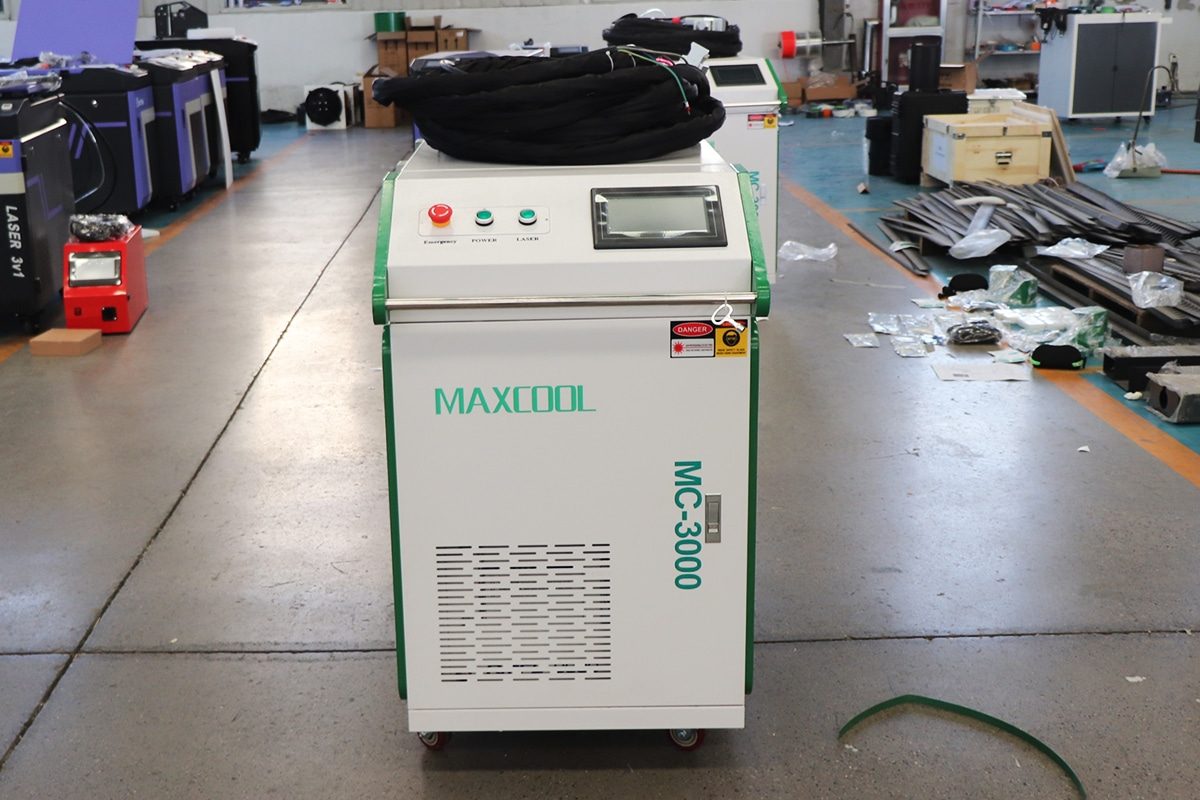
Understanding the Lifespan of Laser Cleaning Machines
Laser cleaning technology has emerged as one of the most efficient and environmentally friendly surface treatment methods in modern industry. By using highly concentrated laser beams to remove rust, paint, oil, oxides, and other contaminants from a material’s surface, laser cleaning machines offer a non-contact, precise, and chemical-free alternative to traditional cleaning techniques. As industries such as manufacturing, automotive, aerospace, electronics, and metal processing increasingly adopt this technology, understanding the longevity and durability of laser cleaning equipment has become an important consideration for both existing users and potential buyers.
The lifespan of laser cleaning machines directly affects their overall value, operational efficiency, and return on investment. Unlike conventional cleaning equipment that may experience significant wear due to mechanical contact or chemical exposure, laser cleaning systems rely on sophisticated optical, electronic, and laser-generation components. While these machines are generally designed for long-term industrial use, their service life can vary considerably depending on factors such as laser source quality, operating conditions, maintenance practices, workload intensity, and environmental influences.
For businesses planning to invest in laser cleaning technology, knowing how long a machine can reliably operate is essential for budgeting, production planning, and equipment management. A machine with a longer lifespan not only reduces replacement costs but also minimizes downtime and ensures consistent cleaning performance throughout its operational life. Furthermore, understanding the factors contributing to component wear and system degradation can help operators implement preventive maintenance strategies to maximize equipment longevity.
This article explores the expected lifespan of laser cleaning machines, examines the key factors that influence their durability, and discusses practical maintenance practices to extend their service life. By gaining a clear understanding of these aspects, businesses can make more informed purchasing decisions and optimize the long-term performance of their laser cleaning systems.
Table of Contents
Why Lifespan Matters in Laser Cleaning Machines
The lifespan of laser cleaning machines is one of the most important factors influencing their overall value and performance. While cleaning efficiency, laser power, and operational features often receive the most attention during the purchasing process, the machine’s expected service life has a direct impact on long-term costs, productivity, and environmental sustainability. Laser cleaning systems are a significant capital investment, and understanding how long it can operate reliably helps businesses make informed decisions regarding equipment acquisition, maintenance planning, and future upgrades.
A longer machine lifespan not only reduces replacement expenses but also ensures consistent cleaning quality and minimizes operational disruptions. For industries that rely on continuous production schedules, equipment durability can be just as important as cleaning performance. Additionally, extending the service life of laser cleaning machines contributes to more sustainable manufacturing practices by reducing waste and resource consumption.
Impact on Return on Investment
Laser cleaning machines typically require a higher initial investment than traditional cleaning methods such as sandblasting, chemical cleaning, or mechanical abrasion. Because of this, lifespan plays a critical role in determining the overall return on investment (ROI).
A machine that operates efficiently for 10 to 15 years can spread its acquisition cost across a much longer period, lowering the annual cost of ownership. Businesses benefit from reduced replacement frequency, lower maintenance expenses, and fewer interruptions caused by equipment failures. High-quality fiber laser sources, which are commonly used in modern laser cleaning systems, are often designed to provide tens of thousands of operating hours, allowing companies to maximize the value of their investment.
In addition, a longer-lasting machine can improve profitability by maintaining consistent cleaning performance over time. When equipment remains reliable, production targets can be met more efficiently, helping organizations achieve greater financial returns from their investment.
Production Reliability
Production reliability is another key reason why machine lifespan matters. In industrial environments, unexpected equipment failures can result in costly downtime, delayed deliveries, reduced productivity, and increased labor costs.
Laser cleaning machines with a long operational life are generally built with durable components, stable laser sources, and robust cooling systems. These features help ensure that the equipment can perform consistently under demanding working conditions. Reliable operation is especially important in industries such as automotive manufacturing, aerospace maintenance, metal fabrication, and shipbuilding, where surface preparation processes are often integrated into larger production workflows.
As machines age, components such as optical lenses, cooling units, power supplies, and scanning systems may gradually experience wear. However, proper maintenance and the use of high-quality components can significantly extend service life and maintain operational stability. Businesses that invest in durable equipment often experience fewer production interruptions and lower maintenance-related costs over the machine’s lifetime.
Sustainability Benefits
The lifespan of laser cleaning machines also has important environmental implications. Sustainability has become a major priority across many industries, and equipment longevity contributes directly to reducing environmental impact.
Machines that remain operational for many years generate less electronic waste compared to systems that require frequent replacement. Extending the service life of laser cleaning equipment reduces the demand for new manufacturing resources, including metals, electronic components, and energy-intensive production processes.
Furthermore, laser cleaning technology itself is already recognized as an environmentally friendly alternative to traditional cleaning methods because it minimizes the use of chemicals, abrasives, and secondary waste. When combined with a long service life, these benefits become even more significant. Organizations can reduce their overall environmental footprint while maintaining high cleaning performance and operational efficiency.
The lifespan of laser cleaning machines is far more than a technical specification. It is a key factor that influences financial performance, operational reliability, and environmental responsibility. A durable machine allows businesses to maximize return on investment by lowering ownership costs and reducing the need for frequent equipment replacement. At the same time, reliable long-term operation helps prevent production disruptions and ensures consistent cleaning quality across industrial applications.
From a sustainability perspective, longer-lasting equipment supports waste reduction and resource conservation while complementing the environmentally friendly nature of laser cleaning technology. By considering lifespan alongside performance specifications, businesses can make smarter purchasing decisions and achieve greater long-term value from their laser cleaning systems.
Typical Lifespan of Laser Cleaning Machines
The lifespan of laser cleaning machines is a critical factor for businesses seeking to maximize equipment value and maintain efficient operations. While laser cleaning systems are known for their durability and low maintenance requirements, their actual service life depends on several variables, including component quality, operating conditions, maintenance practices, and workload intensity. Compared with many conventional cleaning technologies, laser cleaning machines generally offer a longer operational lifespan due to their non-contact cleaning process and reduced mechanical wear.
Understanding the typical lifespan of laser cleaning machines helps users establish realistic expectations regarding equipment performance, maintenance schedules, and long-term ownership costs. It also enables businesses to evaluate whether a particular system can meet their production requirements over many years of operation.
General Service Life Expectations
Modern laser cleaning machines are designed for long-term industrial use and can often remain operational for 10 to 15 years or more when properly maintained. The most important factor influencing overall lifespan is the laser source itself, particularly in fiber laser cleaning systems, which dominate the current market.
High-quality fiber laser sources are commonly rated for 50,000 to 100,000 operating hours. Depending on usage patterns, this can translate into well over a decade of service before significant performance degradation occurs. For example, a machine operating eight hours per day for 250 days per year would accumulate approximately 2,000 operating hours annually. At that rate, a 50,000-hour laser source could theoretically remain functional for more than 20 years.
However, the laser source is only one part of the system. Other components, such as optical lenses, protective windows, scanning heads, cooling systems, cables, power supplies, and control electronics, may require maintenance, repair, or replacement throughout the machine’s lifespan. Environmental factors, including dust, humidity, temperature fluctuations, and exposure to contaminants, can also affect component longevity.
Manufacturers that use premium components and robust engineering standards typically produce machines with longer service lives and greater reliability. Regular inspections, cleaning, and preventive maintenance can further extend operational longevity and help avoid premature failures.
Lifespan Versus Productivity
While laser cleaning machines may remain operational for many years, their lifespan should not be evaluated solely in terms of calendar years or total operating hours. Productivity and performance consistency are equally important considerations.
As equipment ages, certain components may gradually experience wear that affects cleaning efficiency, processing speed, and energy consumption. Optical elements may become contaminated or damaged, cooling systems may lose efficiency, and electronic components may experience gradual degradation. Although these issues do not necessarily mean the machine has reached the end of its life, they can influence productivity if not addressed promptly.
Workload intensity also plays a major role in determining the relationship between lifespan and productivity. Machines operating continuously in high-demand industrial environments generally accumulate operating hours much faster than machines used intermittently. A system running multiple shifts per day may reach its rated service hours several years earlier than a machine used only occasionally.
Nevertheless, modern laser cleaning systems are designed to maintain stable performance throughout most of their operational life when properly maintained. Scheduled component replacement, software updates, and routine servicing can help preserve cleaning quality and ensure that productivity remains high even as the machine ages.
For many businesses, the true measure of lifespan is not simply how long the machine functions, but how long it can deliver reliable, efficient, and cost-effective cleaning performance.
Laser cleaning machines are widely recognized for their long service life, with many systems capable of operating for 10 to 15 years or longer under appropriate conditions. High-quality fiber laser sources often provide tens of thousands of operating hours, making laser cleaning technology a durable and dependable solution for industrial surface treatment applications. However, the overall lifespan of a machine is influenced by factors such as component quality, environmental conditions, maintenance practices, and operating intensity.
It is also important to distinguish between operational lifespan and productive lifespan. A machine may continue functioning for many years, but maintaining high cleaning efficiency and reliability requires ongoing maintenance and timely replacement of wear-prone components. Businesses that prioritize preventive maintenance and proper operating procedures can maximize both the longevity and productivity of their laser cleaning equipment, ensuring long-term value and consistent performance throughout the machine’s service life.
The Laser Source: The Heart of Machine Longevity
The laser source is widely regarded as the most critical component of laser cleaning machines. It generates the laser beam responsible for removing rust, paint, oxides, grease, and other surface contaminants, making it the foundation of the entire cleaning process. While other components, such as scanning heads, optics, cooling systems, and control electronics, contribute to machine performance, the lifespan of the laser source often determines the overall service life and long-term reliability of the equipment.
In modern laser cleaning systems, fiber laser technology has become the industry standard due to its high efficiency, durability, and relatively low maintenance requirements. Because the laser source represents a significant portion of the machine’s value, understanding its lifespan, the factors that influence its longevity, and the warning signs of aging is essential for maximizing equipment performance and protecting investment value.
Importance of the Laser Source
The laser source serves as the engine of laser cleaning machines. Without a stable and powerful laser beam, the machine cannot achieve effective cleaning results. Every cleaning parameter, including power output, pulse frequency, cleaning speed, and surface quality, depends on the laser source operating correctly.
Unlike mechanical cleaning systems that rely on moving parts to perform cleaning tasks, fiber laser sources contain relatively few wear-prone components. This design significantly reduces mechanical degradation and contributes to their reputation for long service life. However, because the laser source is responsible for generating and amplifying high-energy laser beams, it remains subject to gradual aging over time.
High-quality laser sources not only improve cleaning efficiency but also ensure stable operation, consistent energy delivery, and lower maintenance requirements throughout the machine’s lifespan. As a result, the quality of the laser source is often one of the most important factors affecting the long-term value of laser cleaning systems.
Expected Fiber Laser Lifespan
One of the major advantages of fiber laser technology is its exceptional durability. Most industrial-grade fiber laser sources are designed with an expected lifespan ranging from 50,000 to 100,000 operating hours. Under normal operating conditions, this can translate into more than 10 years of reliable service and, in many cases, considerably longer.
For example, a machine operating eight hours per day for five days per week would accumulate roughly 2,000 operating hours annually. At this rate, laser sources rated for 50,000 hours could theoretically continue functioning for more than two decades. In high-production environments where machines run multiple shifts, the service life measured in calendar years may be shorter, but the total operating hours remain substantial.
It is important to note that laser sources rarely fail suddenly without warning. Instead, they typically experience gradual performance degradation over time. This allows operators to monitor performance trends and plan maintenance or replacement activities before significant disruptions occur.
Factors Affecting Laser Source Life
Although fiber lasers are designed for longevity, several factors can significantly influence their actual service life.
Heat Management
Heat is one of the most important factors affecting laser source durability. During operation, electrical energy is converted into laser energy, generating substantial heat within the system. Excessive temperatures can accelerate component aging, reduce efficiency, and increase the risk of failure.
Proper thermal management helps maintain stable operating conditions and protects sensitive laser components. Machines that consistently operate within recommended temperature ranges generally experience longer service lives than those exposed to overheating.
Dust Contamination
Industrial environments often contain airborne dust, metal particles, smoke, and other contaminants. If these particles enter the laser source enclosure or accumulate on optical components, they can interfere with beam quality and contribute to overheating.
Dust contamination may also obstruct ventilation systems, reducing cooling efficiency and increasing internal temperatures. Maintaining a clean operating environment and performing routine inspections can significantly reduce contamination-related issues.
Power Stability
Fiber laser sources require a stable electrical supply to operate efficiently. Voltage fluctuations, power surges, and unstable electrical conditions can place additional stress on internal electronics and optical components.
Over time, repeated exposure to poor power quality can accelerate wear and increase the likelihood of component failure. Many industrial facilities use voltage regulators, surge protectors, or uninterruptible power supplies to safeguard laser equipment from electrical disturbances.
Continuous High-Power Operation
Operating laser cleaning machines at maximum power for extended periods places greater demands on the laser source and supporting systems. While industrial lasers are designed to handle demanding workloads, continuous operation at peak output can accelerate thermal stress and component aging.
Balancing production requirements with recommended operating guidelines can help extend service life without compromising cleaning performance. Periodic rest intervals and optimized process settings can also reduce unnecessary strain on the laser source.
Cooling System Performance
The cooling system plays a crucial role in preserving the health of laser sources. Whether air-cooled or water-cooled, the cooling system is responsible for maintaining stable operating temperatures and preventing excessive heat buildup.
Poor cooling performance can lead to overheating, reduced efficiency, and premature component degradation. Regular maintenance of fans, filters, pumps, radiators, and coolant systems helps ensure that the laser source remains protected throughout its operational life.
Signs of Laser Source Aging
Like any industrial component, laser sources gradually show signs of aging as they accumulate operating hours. Recognizing these indicators early can help prevent unexpected downtime and costly repairs.
One of the most common signs is a gradual reduction in cleaning efficiency. Operators may notice that cleaning tasks require slower processing speeds or higher power settings to achieve the same results. This can indicate declining laser output performance.
Another warning sign is inconsistent beam quality. Variations in cleaning effectiveness, uneven surface treatment, or fluctuations in laser intensity may suggest internal component degradation.
Increased operating temperatures can also indicate aging. If cooling systems appear to be functioning normally but internal temperatures continue to rise, the laser source may be experiencing efficiency losses that generate additional heat.
Frequent fault alarms, unexpected shutdowns, startup difficulties, and rising power consumption are additional indicators that the laser source may be approaching the later stages of its service life. Monitoring these symptoms allows maintenance teams to address potential issues before they impact production.
The laser source is the core component that largely determines the lifespan, reliability, and overall value of laser cleaning machines. Modern fiber laser sources are known for their exceptional durability, with many systems capable of delivering 50,000 to 100,000 operating hours of service. This long operational life makes fiber laser technology one of the most dependable solutions for industrial surface cleaning applications.
However, achieving the maximum lifespan of laser sources depends on proper operating conditions and maintenance practices. Factors such as effective heat management, protection from dust contamination, stable power supply, controlled operating loads, and efficient cooling system performance all play important roles in preserving laser health. By understanding the signs of laser source aging and implementing preventive maintenance strategies, businesses can extend equipment longevity, reduce downtime, and ensure consistent cleaning performance for many years.
Lifespan of Optical Components
While the laser source is often considered the core of laser cleaning machines, the optical components are equally important to overall performance and longevity. Optical systems are responsible for transmitting, shaping, focusing, and directing the laser beam onto the target surface. Even high-quality laser sources cannot deliver effective cleaning results if the optical components become contaminated, damaged, or misaligned.
Unlike the laser source, which may last tens of thousands of operating hours, optical components are generally more vulnerable to wear because they are directly exposed to dust, smoke, metal particles, and reflected laser energy generated during the cleaning process. As a result, proper maintenance of optical systems is essential for maintaining cleaning efficiency, reducing downtime, and maximizing the service life of the entire machine.
Role of Optical Systems
The optical system serves as the pathway that guides laser energy from the laser source to the workpiece. It typically consists of protective lenses, focusing lenses, mirrors, scanning optics, beam expanders, and other precision optical elements.
These components must maintain extremely high optical clarity and accuracy to ensure efficient energy transmission. Any contamination, scratching, or degradation can reduce beam quality and decrease cleaning effectiveness. Even minor optical defects can cause laser energy losses, uneven cleaning results, or localized overheating within the optical assembly.
Because laser cleaning often generates debris, fumes, and airborne particles, optical systems operate in a challenging environment. This makes regular inspection and maintenance essential for preserving both cleaning performance and component lifespan.
Protective Lens Lifespan
Among all optical components, the protective lens is typically the most frequently replaced part. Its primary purpose is to shield more expensive internal optics from contamination and damage caused by dust, smoke, molten particles, and reflected energy.
The lifespan of a protective lens varies significantly depending on operating conditions. In clean environments with light-duty applications, a protective lens may remain usable for several months or even longer. In heavy industrial environments involving rust removal, paint stripping, or high-contamination cleaning processes, replacement may be required much more frequently.
Protective lenses gradually accumulate deposits that reduce light transmission efficiency. Over time, contaminants can absorb laser energy and create localized heating, leading to burns, cracks, coating damage, or optical distortion. If not replaced promptly, a damaged protective lens can negatively affect cleaning quality and potentially expose downstream optics to damage.
Routine inspections should be conducted to identify discoloration, scratches, pitting, burn marks, or reduced transparency. Because protective lenses are relatively inexpensive compared to other optical components, proactive replacement is often the most cost-effective approach.
Focusing Lens Longevity
The focusing lens plays a critical role in concentrating laser energy onto the target surface. By creating the precise focal point required for cleaning, it directly influences cleaning efficiency, accuracy, and energy utilization.
Unlike protective lenses, focusing lenses are generally located deeper within the optical assembly and receive additional protection from contaminants. As a result, they often have a much longer service life and may remain functional for many years under proper operating conditions.
However, focusing lenses are not immune to wear and damage. Dust infiltration, excessive heat, improper cleaning procedures, and laser back-reflection can gradually degrade optical coatings and reduce performance. Physical damage, such as scratches or coating deterioration, can alter beam characteristics and negatively affect cleaning precision.
A well-maintained focusing lens may last several years before replacement becomes necessary. In many cases, the lifespan of the focusing lens is determined more by maintenance quality and environmental conditions than by operating hours alone.
Preventing Optical Damage
Protecting optical components is one of the most effective ways to extend the lifespan of laser cleaning machines. Because optical systems are highly sensitive, even small maintenance improvements can produce significant long-term benefits.
Maintaining a clean operating environment is one of the most important preventive measures. Reducing airborne dust, smoke accumulation, and metal particles helps minimize contamination of optical surfaces. Effective ventilation and fume extraction systems can further reduce the amount of debris reaching the optics.
Regular inspection schedules are equally important. Operators should routinely examine protective lenses and accessible optical surfaces for signs of contamination, scratches, or coating damage. Early detection allows maintenance personnel to address problems before they affect cleaning performance or damage more expensive components.
Proper cleaning procedures are also essential. Optical surfaces should only be cleaned using approved materials and techniques. Using inappropriate cloths, solvents, or excessive force can scratch delicate coatings and permanently reduce optical quality.
In addition, maintaining correct laser parameters can help prevent optical damage. Excessive power settings, improper focus positioning, and prolonged exposure to reflected laser energy can increase thermal stress on optical components. Following manufacturer recommendations helps ensure safe and efficient operation.
Finally, timely replacement of protective lenses can prevent contamination from reaching critical internal optics. This relatively simple maintenance practice can significantly extend the lifespan of focusing lenses and other expensive optical components.
Optical components play a vital role in the performance and longevity of laser cleaning machines. They ensure that laser energy is transmitted and focused accurately, enabling efficient and consistent cleaning results. Because these components operate in environments filled with dust, fumes, and debris, they are often more susceptible to wear and contamination than the laser source itself.
Among optical elements, protective lenses typically require the most frequent replacement due to their exposure to contaminants, while focusing lenses generally offer a much longer service life when properly maintained. Regular inspections, proper cleaning procedures, effective environmental controls, and timely replacement of protective components are all essential for preserving optical performance. By prioritizing optical maintenance, operators can reduce downtime, improve cleaning quality, and significantly extend the overall lifespan of their laser cleaning equipment.
Galvanometer Scanner Lifespan
The galvanometer scanner, often referred to simply as the “galvo scanner,” is one of the most important motion-control components in laser cleaning machines. While the laser source generates the energy required for cleaning, the scanner is responsible for directing that energy across the workpiece with speed and precision. Together, these systems determine the efficiency, accuracy, and consistency of the cleaning process.
Because galvanometer scanners contain moving mechanical and electronic components, they experience different wear mechanisms than the laser source or optical lenses. Although modern scanners are designed for long-term industrial operation, their lifespan can be influenced by workload intensity, environmental conditions, and maintenance practices. Understanding how scanners function and what factors affect their longevity can help operators maximize machine reliability and avoid unexpected downtime.
Function of the Scanner
A galvanometer scanner controls the movement of the laser beam by rapidly adjusting the position of small mirrors mounted on high-speed motor systems. These mirrors deflect the laser beam along the X and Y axes, allowing the laser to scan across a surface without physically moving the cleaning head.
This technology enables laser cleaning machines to achieve high processing speeds and precise control over cleaning patterns. The scanner determines how accurately the laser beam is positioned, how uniformly the cleaning area is covered, and how efficiently contaminants are removed.
Because galvanometer scanners can perform thousands of positioning adjustments per second, they play a critical role in maintaining cleaning quality. Any reduction in scanner accuracy or responsiveness can directly affect cleaning consistency, processing speed, and overall machine performance.
Expected Service Life
High-quality galvanometer scanners are engineered for demanding industrial applications and typically provide many years of reliable service. Under normal operating conditions, a well-designed scanner can often function effectively for 20,000 to 50,000 operating hours or more before major refurbishment or replacement becomes necessary.
The actual service life depends heavily on operating intensity. Machines used intermittently in maintenance applications may experience relatively little wear over time, while scanners in high-volume production environments may accumulate operating hours much more rapidly.
Unlike components that fail primarily due to material degradation, galvanometer scanners often experience gradual performance changes. Positioning accuracy may slowly decline, response times may increase, or calibration drift may occur as mechanical and electronic components age. These changes are usually detectable through routine performance monitoring and can often be corrected through maintenance or recalibration before significant operational problems develop.
Premium scanners from reputable manufacturers generally offer longer service lives because they use higher-quality motors, bearings, mirrors, sensors, and electronic control systems.
Causes of Scanner Wear
Several factors can influence the lifespan of a galvanometer scanner and accelerate component aging if not properly managed.
Continuous Operation
One of the primary contributors to scanner wear is prolonged continuous use. During operation, the galvanometer motors constantly accelerate and decelerate the mirrors at extremely high speeds. Over thousands of hours, this repetitive motion can gradually affect bearings, motor components, and position sensors.
Machines operating around the clock or running multiple production shifts often accumulate wear more quickly than systems used for periodic cleaning tasks. While industrial scanners are designed to withstand heavy workloads, continuous operation inevitably contributes to long-term component fatigue.
Thermal Load
Heat generated during scanner operation can significantly affect longevity. The galvanometer motors, control electronics, and nearby optical components all produce heat that must be effectively managed.
Excessive temperatures can accelerate electronic aging, alter calibration accuracy, and increase stress on sensitive components. Prolonged exposure to elevated temperatures may also affect mirror adhesives, internal sensors, and motor performance. Maintaining proper cooling and ventilation is essential for minimizing thermal-related wear.
Vibration
Industrial environments often expose laser cleaning equipment to vibration from nearby machinery, material handling systems, compressors, and manufacturing processes. Excessive vibration can gradually affect scanner alignment and mechanical stability.
Over time, vibration may contribute to calibration drift, loosened mounting components, and reduced positioning accuracy. In severe cases, repeated vibration can shorten the lifespan of bearings and precision mechanical assemblies within the scanner.
Proper machine installation and stable mounting structures can help reduce vibration-related stress and preserve scanner performance.
Contamination
Dust, smoke, metal particles, and other airborne contaminants can negatively affect scanner longevity. Although scanners are typically enclosed and protected, contamination can still accumulate over time if environmental controls are inadequate.
Contaminants may interfere with cooling systems, settle on optical surfaces, or enter sensitive electronic areas. In harsh industrial environments, excessive contamination can increase maintenance requirements and accelerate component wear.
Using effective dust extraction and fume removal systems helps maintain a cleaner operating environment and reduces the risk of contamination-related issues.
Maintenance Considerations
Proper maintenance plays a major role in extending the galvanometer scanner’s lifespan and preserving its cleaning performance. Unlike some machine components that require frequent replacement, scanners often benefit most from preventive maintenance and periodic calibration.
Regular inspections should be performed to identify signs of overheating, unusual noise, vibration, or performance inconsistencies. Monitoring cleaning quality can also provide early warning of scanner-related issues. Changes in scan uniformity, cleaning patterns, or positioning accuracy may indicate that maintenance is required.
Keeping the machine clean is equally important. Dust accumulation around scanner housings, ventilation systems, and optical assemblies should be minimized to reduce thermal stress and contamination risks.
Periodic calibration is another key maintenance practice. Over time, slight deviations in scanner positioning can occur due to normal wear or environmental influences. Recalibration ensures that the laser beam remains accurately aligned and maintains consistent cleaning performance.
Operators should also follow manufacturer recommendations regarding operating temperatures, workload limits, and maintenance schedules. Adhering to these guidelines can significantly extend scanner life and reduce the likelihood of costly repairs.
The galvanometer scanner is a vital component that enables precise and efficient laser beam movement during the cleaning process. By directing the laser beam at high speeds across the target surface, the scanner directly influences cleaning accuracy, productivity, and overall machine performance. High-quality galvanometer systems are designed for long-term industrial use and can often provide tens of thousands of operating hours when properly maintained.
However, factors such as continuous operation, thermal stress, vibration, and environmental contamination can gradually affect scanner performance and longevity. While scanner wear is typically progressive rather than sudden, neglecting maintenance can lead to reduced accuracy, lower cleaning efficiency, and increased downtime. Through routine inspections, environmental control, proper cooling, and periodic calibration, operators can significantly extend the lifespan of galvanometer scanners and ensure reliable performance throughout the life of the laser cleaning machine.
Cooling System Longevity
The cooling system is one of the most critical support systems in laser cleaning machines. While the laser source generates the energy needed for cleaning, the cooling system ensures that the heat produced during operation is effectively removed from sensitive components. Without proper temperature control, excessive heat can shorten the lifespan of the laser source, galvanometer scanner, power electronics, and optical components.
Because modern laser cleaning machines often operate for extended periods and at high power levels, thermal management is essential for maintaining performance, reliability, and longevity. In many cases, the health of the cooling system directly influences the overall lifespan of the entire machine. A well-maintained cooling system can significantly extend equipment life, while neglected cooling components may lead to overheating, performance degradation, and costly repairs.
Why Cooling Matters
Laser cleaning machines convert electrical energy into laser energy, but not all of that energy becomes useful laser output. A significant portion is released as heat within the laser source, power supplies, control electronics, and optical assemblies.
If this heat is not properly dissipated, internal temperatures can rise beyond recommended operating limits. Elevated temperatures accelerate component aging, reduce electrical efficiency, increase thermal stress, and can eventually lead to equipment failure. Even small increases in operating temperature over long periods can negatively affect the lifespan of critical components.
Stable cooling also helps maintain consistent laser output and cleaning quality. Temperature fluctuations may affect beam stability, optical alignment, and scanner performance. By keeping internal temperatures within a controlled range, the cooling system helps ensure reliable operation and predictable cleaning results.
For this reason, cooling should not be viewed simply as an auxiliary function. It is a core element of machine reliability and a key contributor to long-term equipment durability.
Water Chiller Lifespan
Many medium- and high-power laser cleaning machines rely on water chillers to regulate operating temperatures. These systems circulate coolant through the laser source and other heat-generating components, removing excess thermal energy and maintaining stable operating conditions.
A high-quality industrial water chiller typically has an expected service life of approximately 8 to 15 years, although actual longevity depends heavily on operating conditions, maintenance quality, and workload intensity. In facilities where chillers operate continuously, wear may accumulate more quickly than in applications with intermittent use.
Unlike the laser source, which often has a very high operating-hour rating, water chillers contain multiple mechanical and electrical components that experience gradual wear over time. Pumps, fans, compressors, sensors, and heat exchangers all contribute to system performance and may require maintenance or replacement during the machine’s lifetime.
A properly maintained chiller can often continue functioning efficiently throughout most of the laser cleaning machine’s operational life. However, neglecting routine maintenance may significantly reduce cooling performance and increase the risk of overheating-related failures.
Components Subject to Wear
Although cooling systems are designed for durability, several components are naturally subject to wear and aging.
Pumps
Coolant pumps are responsible for circulating water or coolant throughout the cooling circuit. Because they operate continuously during machine use, pump bearings, seals, and motors gradually experience wear.
Over time, pumps may develop reduced flow rates, unusual noise, vibration, or leakage. Insufficient coolant circulation can compromise cooling efficiency and increase operating temperatures throughout the machine.
Regular inspection of pump performance can help identify developing issues before they lead to system failures.
Fans
Cooling fans play a vital role in removing heat from radiators, heat exchangers, and electronic compartments. Fan motors and bearings are subject to continuous mechanical stress during operation.
Dust accumulation can further increase wear by forcing fans to work harder and reducing airflow efficiency. As fans age, airflow may decrease, resulting in less effective cooling and higher internal temperatures.
Replacing worn fans is generally a simple and cost-effective way to maintain cooling system performance.
Filters
Cooling systems often utilize air filters and coolant filters to prevent contaminants from entering sensitive components. Over time, filters accumulate dust, debris, and particulate matter.
Blocked filters restrict airflow or coolant circulation, forcing the cooling system to work harder and reducing overall efficiency. Fortunately, filters are typically inexpensive and easy to replace as part of routine maintenance.
Regular filter replacement is one of the simplest ways to protect the cooling system and extend component life.
Heat Exchangers
Heat exchangers transfer thermal energy from the coolant to the surrounding environment. Their efficiency is essential for maintaining stable operating temperatures.
Dust buildup on external surfaces, mineral deposits within coolant passages, and corrosion can gradually reduce heat transfer effectiveness. As efficiency declines, cooling performance may deteriorate even if other system components remain functional.
Routine cleaning and coolant management help preserve heat exchanger performance and prevent unnecessary thermal stress on the machine.
Sensors
Temperature sensors, flow sensors, and pressure sensors provide critical monitoring data that allows the cooling system to operate safely and efficiently.
Although these sensors generally have long service lives, they can experience calibration drift, electrical faults, or environmental damage over time. Inaccurate sensor readings may lead to improper cooling control or failure to detect overheating conditions.
Periodic testing and verification help ensure accurate system monitoring and reliable operation.
Cooling System Maintenance
Preventive maintenance is the most effective strategy for maximizing cooling system lifespan and ensuring reliable machine operation.
One of the most important maintenance tasks is monitoring coolant quality. Contaminated or degraded coolant can reduce heat transfer efficiency and contribute to corrosion, scaling, and biological growth within the cooling circuit. Following manufacturer recommendations for coolant replacement helps maintain optimal performance.
Regular inspection of hoses, fittings, pumps, and seals is also essential. Small leaks can gradually reduce coolant levels and compromise system effectiveness. Early detection prevents more serious issues from developing.
Cleaning radiators, heat exchangers, ventilation openings, and fan assemblies helps maintain proper airflow and heat dissipation. In dusty industrial environments, these tasks may need to be performed more frequently.
Operators should also routinely monitor temperature readings, coolant flow rates, and system alarms. Unexpected temperature increases often provide early warning of developing cooling system problems.
Establishing a scheduled maintenance program can significantly reduce the risk of overheating, extend component lifespan, and improve overall machine reliability.
The cooling system plays a fundamental role in determining the lifespan and reliability of laser cleaning machines. By controlling heat generated during operation, it protects critical components such as the laser source, scanner, optics, and electronics from premature aging and thermal damage. Effective cooling not only extends equipment life but also helps maintain stable cleaning performance and operational efficiency.
Water chillers, pumps, fans, filters, heat exchangers, and sensors all contribute to cooling system performance and are subject to varying degrees of wear over time. While many cooling components can provide years of reliable service, their longevity depends heavily on regular maintenance and proper operating conditions. Through routine inspections, coolant management, cleaning, and preventive servicing, businesses can maximize cooling system lifespan and help ensure that their laser cleaning machines operate safely and efficiently for many years.
Electronics and Control System Lifespan
While the laser source, optical components, scanner, and cooling system often receive the most attention when discussing laser cleaning machine longevity, the electronics and control system are equally critical to long-term performance. These components serve as the machine’s “nervous system,” coordinating communication between subsystems, regulating laser output, monitoring operating conditions, and ensuring safe, precise operation.
Modern laser cleaning machines rely heavily on sophisticated electronics, including power supplies, control boards, processors, sensors, communication modules, human-machine interfaces (HMIs), and software-driven control systems. Without these components functioning properly, even a perfectly maintained laser source and optical system cannot operate effectively. As a result, the lifespan of the electronics and control system plays a major role in determining the overall reliability and service life of the machine.
The Role of Electronics in Laser Cleaning Machines
Electronic systems manage virtually every aspect of machine operation. They control laser power levels, pulse parameters, scanning patterns, cooling system functions, safety interlocks, and user inputs. They also continuously monitor machine performance and provide diagnostic information that helps operators identify potential issues.
Control systems ensure that all machine components work together in a coordinated manner. For example, the controller regulates the interaction between the laser source and galvanometer scanner to achieve accurate cleaning patterns. It also monitors temperature, coolant flow, and electrical conditions to protect the machine from damage.
As laser cleaning technology becomes increasingly advanced, control systems continue to grow more sophisticated. Modern machines often incorporate programmable cleaning modes, touchscreen interfaces, remote diagnostics, data logging, and network connectivity. These capabilities improve productivity and usability but also increase the importance of maintaining reliable electronic systems.
Expected Lifespan of Electronic Components
Unlike mechanical components that wear through friction and movement, electronic components typically age due to thermal stress, electrical stress, environmental exposure, and material degradation. Under normal operating conditions, industrial electronic systems can often remain functional for 10 to 15 years or longer.
Many control boards, processors, and communication modules are capable of operating reliably throughout the majority of laser cleaning machines’ service life. However, certain electronic components may require replacement sooner due to environmental conditions or workload intensity.
The actual lifespan of electronic systems depends on several factors, including component quality, manufacturing standards, operating temperatures, power quality, and maintenance practices. Machines built with industrial-grade electronics generally offer significantly greater longevity than systems using lower-cost consumer-grade components.
It is also important to recognize that electronic obsolescence can occur before physical failure. In some cases, older control boards or software platforms may become difficult to support due to discontinued parts or outdated technology, even if the hardware itself remains operational.
Key Electronic Components and Their Longevity
Power Supplies
Power supplies convert incoming electrical power into the voltages required by the laser source, control systems, and auxiliary components. They are among the most heavily utilized electronic components within the machine.
Because power supplies handle continuous electrical loads and generate heat during operation, they are subject to gradual aging. Internal capacitors, transformers, and semiconductor components may experience wear over time, particularly in environments with unstable electrical conditions.
High-quality industrial power supplies often provide many years of reliable service, but periodic inspection and monitoring are important for identifying early signs of degradation.
Control Boards and Processors
Control boards act as the central command center of the laser cleaning machine. They process operating instructions, manage communication between subsystems, and execute machine logic.
These components generally have long service lives because they contain few moving parts. However, exposure to excessive heat, moisture, vibration, or electrical surges can shorten their lifespan. In well-maintained industrial environments, control boards may remain functional for more than a decade.
As machines age, software compatibility and replacement part availability may become more significant concerns than hardware reliability itself.
Sensors and Monitoring Devices
Laser cleaning machines rely on numerous sensors to monitor temperature, coolant flow, pressure, scanner position, laser output, and safety conditions.
Most industrial sensors are designed for long-term operation, but their accuracy may gradually decline due to aging, contamination, or calibration drift. Faulty sensor readings can lead to improper machine behavior, unnecessary shutdowns, or reduced operating efficiency.
Routine calibration and performance verification help ensure that monitoring systems continue functioning accurately throughout the machine’s lifespan.
Human-Machine Interfaces (HMIs)
Touchscreen displays and operator interfaces allow users to control machine functions and access diagnostic information. Although these systems are generally reliable, they experience frequent user interaction and may be more susceptible to wear than internal electronics.
Touchscreen sensitivity, display brightness, and button responsiveness can gradually decline over time. However, these components are often relatively easy to replace compared to major control hardware.
Factors That Affect Electronics Lifespan
Several environmental and operational factors can significantly influence the longevity of electronic systems.
Heat Exposure
Heat is one of the most common causes of electronic aging. Elevated temperatures accelerate chemical degradation within capacitors, semiconductors, and circuit boards. Every sustained increase in operating temperature can contribute to a shorter component lifespan.
Proper cooling and ventilation are therefore essential for preserving electronic reliability.
Power Quality
Voltage fluctuations, electrical surges, brownouts, and unstable power supplies can place significant stress on electronic components. Repeated exposure to poor power quality may damage sensitive circuitry and shorten equipment life.
Many facilities use surge protection devices, voltage regulators, and uninterruptible power supplies (UPS) to protect laser cleaning equipment from electrical disturbances.
Dust and Contamination
Dust accumulation can restrict airflow, increase operating temperatures, and create conductive pathways that interfere with electronic circuits. In industrial environments, metal particles and airborne contaminants present additional risks.
Maintaining clean electrical enclosures and regularly inspecting ventilation systems helps reduce contamination-related failures.
Humidity and Moisture
Excessive humidity can contribute to corrosion, oxidation, and insulation breakdown within electronic assemblies. Moisture intrusion may also cause short circuits or sensor malfunctions.
Controlling environmental conditions and ensuring proper enclosure sealing can significantly improve electronics longevity.
Vibration and Mechanical Stress
Repeated vibration can loosen electrical connections, damage solder joints, and affect sensitive components over time. Machines installed near heavy industrial equipment may be particularly vulnerable to vibration-related wear.
Stable installation and proper mounting help minimize these risks.
Common Signs of Electronic System Aging
As electronics age, several warning signs may begin to appear. Operators may notice intermittent fault messages, unexpected system resets, communication errors, or inconsistent machine behavior. Touchscreens may become less responsive, sensors may produce inaccurate readings, and startup times may increase.
In some cases, control boards may exhibit sporadic failures that are difficult to diagnose because they occur only under certain operating conditions. These symptoms often indicate developing electronic issues rather than immediate catastrophic failure.
Monitoring machine diagnostics and maintaining detailed maintenance records can help identify trends before significant operational disruptions occur.
Extending Electronics and Control System Lifespan
The most effective way to extend electronic lifespan is through preventive maintenance and environmental control. Maintaining proper cooling, protecting against power disturbances, reducing dust accumulation, and monitoring system health can dramatically improve long-term reliability.
Regular inspection of electrical connections, cooling fans, filters, and control cabinets helps identify potential problems early. Software and firmware updates should also be installed when recommended by the manufacturer, as these updates may improve system stability and compatibility.
In addition, maintaining detailed maintenance records allows operators to track recurring issues and make informed decisions regarding component replacement before failures occur.
The electronics and control system form the operational backbone of laser cleaning machines, coordinating every major function from laser generation and beam control to safety monitoring and user interaction. Although these components are often less visible than the laser source or optical system, their reliability is essential for maintaining consistent machine performance throughout its service life.
Industrial-grade electronic systems can often operate reliably for 10 to 15 years or more when properly maintained. However, their longevity depends heavily on factors such as temperature control, power quality, environmental cleanliness, humidity management, and protection from vibration. Components such as power supplies, control boards, sensors, and operator interfaces all contribute to overall machine reliability and may experience different aging patterns over time.
By implementing preventive maintenance practices, maintaining a stable operating environment, and monitoring system health regularly, businesses can significantly extend the lifespan of their electronics and control systems. Doing so not only reduces downtime and repair costs but also helps ensure that the laser cleaning machine continues to deliver safe, efficient, and reliable performance throughout its operational life.
Environmental Factors That Influence Machine Lifespan
The lifespan of laser cleaning machines is determined not only by the quality of its components and maintenance practices but also by the environment in which it operates. Even the most advanced laser cleaning system can experience accelerated wear and reduced reliability if exposed to unfavorable environmental conditions over extended periods.
Laser cleaning machines contain sensitive optical systems, precision electronic components, cooling equipment, scanners, and laser sources that are all affected to varying degrees by their surroundings. Factors such as temperature fluctuations, humidity, airborne contamination, and mechanical vibration can gradually degrade performance, increase maintenance requirements, and shorten the service life of critical components.
Understanding how environmental conditions affect machine longevity allows operators to create more suitable operating environments and implement preventive measures that protect equipment investments. In many cases, controlling environmental factors is one of the most cost-effective ways to extend machine lifespan and improve operational reliability.
Temperature Conditions
Temperature is one of the most influential environmental factors affecting laser cleaning machine longevity. Every major system within the machine, including the laser source, electronics, optical components, scanner, and cooling equipment, is designed to operate within a specified temperature range.
Excessively high temperatures can accelerate the aging of electronic components, reduce cooling system efficiency, and increase thermal stress on optical assemblies. Prolonged exposure to elevated temperatures may shorten the lifespan of capacitors, semiconductors, sensors, and power supplies. It can also contribute to laser source degradation and reduced system stability.
Low temperatures can create challenges as well. In colder environments, condensation may form when equipment warms up after startup, increasing the risk of moisture-related damage. Certain cooling system fluids may also become less effective or require special formulations for low-temperature operation.
Rapid temperature fluctuations can be particularly harmful because repeated expansion and contraction of materials may place stress on circuit boards, optical mounts, connectors, and mechanical assemblies. Over time, these thermal cycles can contribute to fatigue and reduced component reliability.
Maintaining a stable operating environment within the manufacturer’s recommended temperature range is one of the most effective ways to preserve equipment performance and extend service life.
Humidity and Moisture
Humidity and moisture represent significant threats to many components found in laser cleaning machines. Excessive moisture can affect electronics, optics, cooling systems, and metal structures, leading to both immediate and long-term reliability issues.
High humidity levels increase the risk of condensation forming inside electrical enclosures, optical assemblies, and control cabinets. Condensation can cause short circuits, corrosion, insulation degradation, and sensor malfunctions. Sensitive electronic components are especially vulnerable to moisture-related damage.
Optical systems can also be affected by humidity. Moisture may leave deposits on lenses and protective windows, reducing optical clarity and potentially interfering with laser beam transmission. In severe cases, moisture contamination can contribute to coating degradation and optical damage.
Metal components are susceptible to corrosion when exposed to humid environments over extended periods. Corrosion can affect structural components, electrical connectors, mounting hardware, and cooling system elements, gradually compromising machine reliability.
To minimize moisture-related risks, operators should maintain appropriate humidity levels, ensure adequate ventilation, and avoid operating equipment in environments where condensation is likely to occur. Dehumidification systems may be beneficial in particularly humid regions or industrial settings.
Dust and Airborne Contaminants
Dust and airborne contaminants are among the most common environmental challenges faced by laser cleaning machines, particularly in industrial environments where grinding, welding, cutting, machining, or surface treatment operations take place nearby.
Airborne particles can accumulate on optical components, cooling systems, electronic assemblies, and ventilation pathways. Over time, this contamination can significantly affect machine performance and longevity.
Optical systems are especially sensitive to dust accumulation. Even small amounts of contamination on protective lenses or focusing optics can reduce laser transmission efficiency and increase localized heating. This may lead to optical damage, reduced cleaning effectiveness, and more frequent component replacement.
Electronic systems can also suffer from contamination. Dust buildup inside control cabinets may restrict airflow, causing elevated operating temperatures and increasing the likelihood of electronic failures. Conductive metal particles pose an additional risk because they can create unintended electrical pathways and damage sensitive circuitry.
Cooling systems are similarly vulnerable. Dust accumulation on filters, radiators, heat exchangers, and cooling fans reduces heat dissipation efficiency and forces the cooling system to work harder. As a result, operating temperatures may rise, placing additional stress on the entire machine.
Implementing proper ventilation, dust extraction, air filtration, and routine cleaning procedures can significantly reduce contamination-related wear and improve long-term equipment reliability.
Vibration and Mechanical Shock
Laser cleaning machines contain numerous precision components that require stable operating conditions. Excessive vibration and mechanical shock can gradually affect alignment, calibration, and component integrity, leading to reduced performance and shortened service life.
Vibration often originates from nearby industrial equipment such as presses, compressors, conveyors, pumps, generators, or heavy manufacturing machinery. Continuous exposure to vibration can loosen fasteners, weaken electrical connections, and affect the alignment of optical and scanning systems.
The galvanometer scanner is particularly sensitive to vibration because it relies on precise mirror positioning to direct the laser beam accurately. Even minor disturbances can affect scan quality and cleaning consistency over time.
Optical assemblies may also experience alignment drift due to repeated vibration. Misaligned optics can reduce beam quality, decrease cleaning efficiency, and increase stress on optical components.
Mechanical shock presents an additional risk. Impacts caused by improper transportation, rough handling, accidental collisions, or dropping equipment can damage delicate electronic assemblies, scanners, lenses, and cooling components. While some damage may be immediately visible, other issues may develop gradually as affected components continue to operate under compromised conditions.
Proper machine installation, stable mounting structures, vibration isolation measures, and careful handling procedures can help minimize these risks and preserve equipment lifespan.
Environmental conditions play a crucial role in determining how long laser cleaning machines can operate efficiently and reliably. While high-quality components and regular maintenance are essential, unfavorable environmental factors can significantly accelerate wear and increase the likelihood of component failure. Temperature extremes, excessive humidity, airborne contaminants, and mechanical vibration all have the potential to affect critical systems such as the laser source, optics, electronics, scanner, and cooling equipment.
Among these factors, temperature stability helps prevent thermal stress, humidity control reduces corrosion and condensation risks, contamination management protects sensitive optical and electronic systems, and vibration reduction preserves precision alignment and component integrity. Together, these environmental considerations directly influence machine reliability, maintenance requirements, and long-term operating costs.
By creating a controlled operating environment and implementing appropriate preventive measures, businesses can significantly extend the lifespan of their laser cleaning machines. Proper environmental management not only protects valuable equipment but also helps maintain consistent cleaning performance, reduce downtime, and maximize the return on investment throughout the machine’s operational life.
Usage Patterns and Their Impact on Lifespan
The lifespan of a laser cleaning machine is influenced not only by component quality, maintenance practices, and environmental conditions but also by how the machine is used on a daily basis. Two identical machines operating in different applications may experience significantly different service lives simply because of variations in workload, operating hours, power settings, and production demands.
Usage patterns determine how quickly components accumulate wear, how much thermal stress they experience, and how often maintenance is required. The laser source, galvanometer scanner, cooling system, optical components, and electronic controls all respond differently to varying levels of utilization. As a result, understanding the relationship between operating intensity and machine longevity is essential for accurately estimating service life and optimizing long-term performance.
Light-Duty Operation
Light-duty operation generally refers to applications where the laser cleaning machine is used intermittently rather than continuously. Typical examples include maintenance workshops, restoration projects, small fabrication shops, research facilities, and occasional surface preparation tasks.
In these environments, machines may operate only a few hours per day or a few days per week. This reduced workload allows components to experience less cumulative wear and provides ample time for systems to cool between operating cycles.
The laser source benefits significantly from light-duty use because operating hours accumulate slowly. Optical components are exposed to fewer contaminants, scanners experience fewer motion cycles, and cooling systems operate under less sustained stress. As a result, many machines used in light-duty applications can remain operational well beyond their expected service life.
However, infrequent use does not eliminate maintenance requirements. Dust accumulation, moisture exposure, coolant degradation, and aging electronic components can still occur even when the machine is idle. Regular inspections and preventive maintenance remain important for preserving reliability.
Overall, light-duty operation typically places the least strain on machine components and often results in the longest practical equipment lifespan.
Medium-Duty Industrial Operation
Medium-duty industrial operation represents one of the most common usage patterns for laser cleaning machines. In these environments, equipment is used regularly as part of routine manufacturing, maintenance, or production processes but is not subjected to continuous around-the-clock operation.
Examples include automotive component cleaning, mold maintenance, weld preparation, surface treatment, and equipment refurbishment. Machines in these applications often operate for one or two shifts per day and accumulate a moderate number of annual operating hours.
Under medium-duty conditions, machine components experience predictable wear patterns that can typically be managed through routine maintenance. The laser source accumulates operating hours steadily, cooling systems work consistently to manage thermal loads, and optical components require periodic cleaning and replacement.
This operating profile often represents an ideal balance between productivity and equipment longevity. When supported by proper maintenance and environmental controls, machines in medium-duty service can deliver many years of reliable performance while maintaining high cleaning efficiency.
Most manufacturers design industrial laser cleaning systems with this level of operation in mind, making it one of the most sustainable usage patterns for long-term ownership.
Heavy-Duty Production Environments
Heavy-duty production environments place significantly greater demands on laser cleaning equipment. These applications often involve high-volume manufacturing, continuous production lines, large-scale metal processing, shipbuilding, aerospace operations, or other industries where machines operate for extended periods every day.
In some facilities, laser cleaning systems may run multiple shifts or even 24 hours per day with minimal downtime. While modern industrial machines are engineered to handle demanding workloads, heavy-duty operation inevitably accelerates component wear due to the rapid accumulation of operating hours.
The laser source experiences increased utilization, cooling systems operate continuously, scanners perform countless high-speed movements, and optical components are exposed to larger volumes of debris and contaminants. Maintenance intervals may need to be shortened to accommodate the increased workload.
Heat generation also becomes a more significant concern in heavy-duty environments. Continuous operation places additional thermal stress on electronic systems, power supplies, cooling components, and optical assemblies. Even with effective cooling systems, prolonged exposure to elevated operating temperatures can contribute to accelerated aging.
Despite these challenges, properly maintained machines can still provide excellent service life in heavy-duty applications. The key is implementing proactive maintenance programs and closely monitoring critical components for signs of wear before failures occur.
Operating at Maximum Power
One of the most significant usage-related factors affecting machine lifespan is the frequency with which the system operates at or near maximum power output.
Laser cleaning machines are designed to function across a range of power settings, allowing operators to adjust output according to the cleaning task. While maximum power may be necessary for removing heavy rust, thick coatings, or stubborn contaminants, continuous operation at peak output places additional stress on many machine components.
Higher power levels generate more heat within the laser source, power electronics, optics, and cooling system. This increased thermal load can accelerate component aging and reduce long-term reliability if sustained for extended periods. Optical components may experience greater thermal stress, cooling systems must work harder to maintain safe temperatures, and electronic components may operate closer to their design limits.
Operating at maximum power can also increase the rate at which protective lenses accumulate contamination because more material is vaporized during the cleaning process. This may lead to more frequent maintenance and replacement of optical consumables.
In many applications, maximum power is not required continuously. Optimizing cleaning parameters to match the specific task can often achieve effective results while reducing unnecessary stress on the machine. Strategic use of power settings helps balance productivity with long-term equipment preservation.
The Importance of Duty Cycles
Another important consideration is the machine’s duty cycle, which refers to the percentage of time the equipment actively operates compared to the total available operating time.
Machines that run continuously without adequate rest periods may experience higher internal temperatures and increased wear rates. Conversely, allowing occasional cooling intervals can help reduce thermal stress and improve long-term reliability.
Following manufacturer recommendations regarding duty cycles is particularly important for high-power systems. Proper workload management can help prevent overheating and extend the lifespan of critical components throughout the machine.
Usage patterns have a direct and often significant impact on the lifespan of laser cleaning machines. Light-duty applications generally result in the longest service life because components accumulate wear slowly and experience lower thermal stress. Medium-duty industrial operation provides a balanced combination of productivity and longevity, making it one of the most common and sustainable operating profiles. Heavy-duty production environments, while fully supported by industrial-grade equipment, accelerate wear through continuous operation and increased component utilization.
Operating habits are equally important. Frequent use at maximum power, prolonged duty cycles, and continuous production schedules can place additional strain on the laser source, optical systems, cooling equipment, scanners, and electronics. Although these machines are designed to withstand demanding workloads, excessive stress can shorten component lifespan if not properly managed.
Ultimately, machine longevity depends not only on how many years a system is owned but also on how it is used throughout those years. By matching operating parameters to application requirements, managing workloads effectively, and maintaining a proactive maintenance program, businesses can maximize both productivity and service life while achieving the greatest return on their laser cleaning equipment investment.
Maintenance Practices That Extend Machine Lifespan
Even the highest-quality laser cleaning machine will experience premature wear if it is not properly maintained. While modern laser cleaning systems are designed for durability and long-term industrial use, their actual lifespan depends heavily on the quality and consistency of maintenance practices. Regular maintenance not only prevents unexpected failures but also helps preserve cleaning performance, reduce operating costs, and maximize return on investment.
Laser cleaning machines consist of several interconnected systems, including the laser source, optical components, galvanometer scanner, cooling system, electronics, and power supply. Failure in any one of these areas can affect the overall reliability of the machine. For this reason, maintenance should be viewed as a proactive strategy rather than simply a response to equipment problems.
Establishing a structured maintenance schedule allows operators to identify minor issues before they develop into costly repairs. By performing routine inspections and servicing tasks at daily, weekly, monthly, and annual intervals, businesses can significantly extend the lifespan of their laser cleaning equipment.
Daily Maintenance
Daily maintenance focuses on basic inspections and cleaning procedures that help ensure the machine operates safely and efficiently throughout each workday. Although these tasks are relatively simple, they are often the most important because they allow operators to detect problems at an early stage.
Before the operation, operators should visually inspect the machine for signs of damage, loose connections, unusual wear, or coolant leaks. Any abnormal conditions should be investigated before the machine is put into service.
Optical components, particularly protective lenses, should be checked for contamination, dust, burn marks, or scratches. Even small amounts of debris on optical surfaces can reduce cleaning efficiency and increase the risk of thermal damage.
Cooling system indicators should also be monitored daily. Operators should verify that coolant levels, temperatures, and flow rates remain within recommended limits. Any warning alarms or unusual readings may indicate developing cooling issues.
After the operation, the machine exterior and work area should be cleaned to remove dust, metal particles, and debris generated during cleaning processes. Maintaining a clean environment helps reduce contamination risks for optics, electronics, and ventilation systems.
Daily maintenance also provides an opportunity to monitor machine performance. Changes in cleaning quality, laser output consistency, or scanner behavior may signal developing component wear that requires further attention.
Weekly Maintenance
Weekly maintenance involves a more thorough inspection of key machine systems and components. These tasks focus on identifying issues that may not be visible during routine daily checks.
Ventilation openings, cooling fans, and air filters should be inspected and cleaned as necessary. Dust accumulation in these areas can reduce airflow and increase operating temperatures, accelerating wear on electronic and laser components.
Optical assemblies should receive a more detailed examination to ensure that lenses, protective windows, and beam delivery components remain clean and free from damage. Any contamination that cannot be safely removed should be evaluated for replacement.
Electrical connections and cable assemblies should also be inspected for signs of wear, looseness, or damage. High-vibration environments can gradually affect connectors and wiring, leading to intermittent faults or communication errors.
Operators should review machine logs, diagnostic information, and alarm histories to identify recurring issues or abnormal operating trends. Early detection often prevents minor concerns from escalating into major repairs.
Weekly maintenance may also include checking scanner performance and verifying that cleaning patterns remain accurate and consistent.
Monthly Maintenance
Monthly maintenance focuses on preventive servicing designed to preserve long-term system reliability. These inspections are generally more comprehensive and may require trained maintenance personnel.
Cooling systems should receive detailed attention during monthly maintenance. Coolant quality, flow performance, pump operation, and heat exchanger condition should all be evaluated. Any signs of contamination, scaling, or reduced cooling efficiency should be addressed promptly.
Electrical control cabinets should be inspected for dust accumulation, overheating indicators, and loose connections. Cleaning electronic enclosures helps maintain proper airflow and reduces the risk of thermal stress.
Mechanical mounting points, fasteners, brackets, and structural components should be checked for signs of vibration-related loosening or wear. Proper alignment of machine components is essential for maintaining consistent performance.
The galvanometer scanner may also benefit from calibration verification to ensure accurate beam positioning and scanning performance. Small alignment deviations can gradually affect cleaning quality if left uncorrected.
Software systems should be reviewed to confirm proper operation, and available firmware updates should be evaluated according to manufacturer recommendations.
Monthly inspections provide an excellent opportunity to establish performance benchmarks and compare current operating conditions against historical data.
Annual Maintenance
Annual maintenance is the most comprehensive level of preventive servicing and is often performed by qualified technicians or authorized service providers. This maintenance interval focuses on evaluating overall machine health and addressing wear that develops gradually over long periods.
A complete inspection of the laser source should be conducted to verify output stability, operating efficiency, and overall condition. Laser performance testing can help identify early signs of degradation before cleaning quality is affected.
Optical systems should undergo a detailed evaluation, including inspection of focusing lenses, protective windows, mirrors, and beam delivery components. Worn or damaged optics should be replaced to maintain optimal performance.
The cooling system should be thoroughly serviced. Depending on manufacturer recommendations, coolant may be replaced, filters changed, pumps inspected, and heat exchangers cleaned. Water chiller performance should also be verified to ensure effective thermal management.
Control systems, power supplies, sensors, and electronic assemblies should be tested for proper operation. Electrical inspections can identify aging components before they fail unexpectedly.
Scanner calibration and system alignment should be checked and adjusted if necessary. This helps ensure accurate beam positioning and consistent cleaning quality.
Annual maintenance often includes a complete review of maintenance records, operating hours, and component replacement history. This information can be used to develop future maintenance plans and anticipate upcoming service requirements.
Benefits of Preventive Maintenance
Preventive maintenance provides several important advantages beyond simply extending machine lifespan. Regular servicing helps maintain cleaning efficiency, reduces unplanned downtime, lowers repair costs, and improves workplace safety.
Well-maintained machines typically consume less energy, experience fewer performance fluctuations, and deliver more consistent cleaning results. In many cases, preventive maintenance costs are significantly lower than the expenses associated with major repairs or emergency component replacement.
Furthermore, routine maintenance helps protect expensive components such as the laser source, scanner, optics, and electronics, ensuring that these critical systems achieve their maximum possible service life.
Maintenance is one of the most important factors influencing the lifespan of laser cleaning machines. While component quality and operating conditions play significant roles, consistent preventive maintenance often determines whether a machine reaches or exceeds its expected service life. Regular inspections and servicing help identify developing issues before they lead to costly failures, allowing operators to maintain reliable performance and minimize downtime.
Daily maintenance focuses on basic inspections and cleanliness, while weekly procedures provide more detailed evaluations of optics, ventilation systems, and electrical connections. Monthly maintenance emphasizes preventive servicing, system performance verification, and calibration checks. Annual maintenance delivers a comprehensive assessment of machine health and ensures that critical systems continue operating at peak efficiency.
By implementing a structured maintenance program and following manufacturer recommendations, businesses can significantly extend the lifespan of their laser cleaning machines. In addition to protecting valuable equipment, proactive maintenance improves productivity, enhances reliability, reduces long-term operating costs, and maximizes the overall return on investment throughout the machine’s operational life.
Importance of Proper Operator Training
When discussing the lifespan of laser cleaning machines, attention is often focused on hardware quality, maintenance schedules, and environmental conditions. However, one of the most influential factors is frequently overlooked: the skill and knowledge of the operator. Even the most advanced laser cleaning system can experience premature wear, reduced performance, and avoidable component failures if it is operated incorrectly.
Proper operator training plays a critical role in protecting machine components, maintaining cleaning efficiency, and ensuring long-term reliability. Trained operators understand how to use the equipment safely, select appropriate operating parameters, recognize early warning signs of potential issues, and follow recommended maintenance procedures. Their actions directly affect the lifespan of the laser source, optical components, scanner, cooling system, and electronic controls.
In contrast, poorly trained users may unintentionally expose the machine to excessive stress, improper operating conditions, or neglected maintenance, all of which can shorten equipment life and increase operating costs. For businesses seeking to maximize their return on investment, operator training should be viewed as an essential part of any machine longevity strategy.
Preventing User-Induced Damage
One of the primary benefits of operator training is the prevention of user-induced damage. While laser cleaning machines are designed with multiple safety features and protective systems, improper operation can still result in unnecessary wear or component failure.
Untrained operators may use incorrect startup and shutdown procedures, which can place additional stress on the laser source, cooling system, and electronic components. Repeated improper operation can gradually reduce system reliability and increase the likelihood of unexpected failures.
Optical components are particularly vulnerable to operator-related mistakes. Mishandling protective lenses, touching optical surfaces without proper precautions, or using inappropriate cleaning materials can cause scratches, contamination, and coating damage. Since optical systems play a crucial role in beam transmission and focusing, even minor damage can reduce cleaning performance and increase maintenance costs.
Operators may also unintentionally expose the machine to excessive dust, moisture, or physical impacts by failing to follow proper handling and storage procedures. Portable laser cleaning systems are especially susceptible to transport-related damage when moved carelessly between work locations.
Training helps users understand the machine’s limitations and operating requirements, reducing the risk of preventable damage and extending the lifespan of critical components.
Optimizing Cleaning Parameters
Proper parameter selection is another important aspect of machine longevity. Laser cleaning systems offer a variety of adjustable settings, including laser power, pulse frequency, scanning speed, pulse width, and cleaning patterns. These parameters allow operators to tailor the cleaning process to specific materials and contamination levels.
Without adequate training, operators may rely on excessively high power settings or inappropriate scanning parameters in an attempt to achieve faster cleaning results. While this approach may appear effective in the short term, it can increase thermal stress on the laser source, optical components, scanner, and cooling system.
Operating at unnecessarily high power levels generates more heat, increases energy consumption, and accelerates component wear. Optical elements may experience greater contamination and thermal loading, while cooling systems must work harder to maintain safe operating temperatures.
Well-trained operators understand how to balance cleaning effectiveness with equipment preservation. By selecting the most appropriate parameters for each application, they can achieve excellent cleaning results while minimizing unnecessary strain on the machine.
Training also helps operators recognize when process adjustments are needed. Different materials, coating thicknesses, and surface conditions often require different settings. Understanding these relationships allows operators to optimize productivity without compromising machine longevity.
Following Maintenance Procedures
Operator involvement is often the first line of defense in maintaining machine health. Although major servicing may be performed by maintenance technicians, many routine maintenance activities depend on operators.
Proper training ensures that operators understand daily, weekly, and monthly maintenance requirements. They learn how to inspect optical components, monitor cooling system performance, check for unusual noises or vibrations, and identify warning indicators before they become serious problems.
Trained operators are more likely to recognize signs of developing issues, such as reduced cleaning efficiency, abnormal temperature readings, inconsistent scanner behavior, or recurring system alarms. Early detection often prevents minor problems from escalating into costly repairs.
Maintenance procedures also include proper cleaning techniques, environmental management, and record keeping. Operators who understand the importance of these tasks contribute significantly to the long-term reliability of the machine.
In addition, trained personnel are better equipped to follow manufacturer guidelines regarding coolant replacement, filter maintenance, calibration schedules, and operating limits. Consistent adherence to these recommendations helps ensure that components achieve their maximum possible service life.
Safety Awareness and Equipment Protection
Another important benefit of operator training is improved safety awareness. Laser cleaning machines involve high-energy laser beams, electrical systems, and thermal management equipment that require careful handling.
Operators who understand laser safety protocols are less likely to engage in practices that could damage equipment or create hazardous situations. They know how to inspect safety interlocks, verify proper protective equipment usage, and respond appropriately to system warnings and fault messages.
Safety-conscious operators also tend to treat equipment more carefully, reducing accidental impacts, improper handling, and unauthorized modifications that could negatively affect machine performance and lifespan.
A strong safety culture often translates into better equipment care, which ultimately contributes to greater reliability and longevity.
The Value of Continuous Training
Technology continues to evolve, and modern laser cleaning systems frequently incorporate new software features, control functions, and automation capabilities. For this reason, operator training should not be viewed as a one-time event.
Periodic refresher courses, manufacturer updates, and ongoing education help operators stay current with best practices and new system capabilities. Continuous training ensures that personnel remain capable of operating the machine efficiently while minimizing wear and preventing avoidable mistakes.
Organizations that invest in ongoing operator development often experience lower maintenance costs, fewer equipment failures, and longer machine service life.
Proper operator training is one of the most effective and often most overlooked methods for extending the lifespan of laser cleaning machines. While advanced engineering and high-quality components provide the foundation for long-term reliability, the way a machine is operated on a daily basis ultimately determines how well those components perform over time. Trained operators help prevent user-induced damage, reduce unnecessary wear, and ensure that equipment is used within its intended operating limits.
By understanding how to optimize cleaning parameters, operators can achieve effective cleaning results without placing excessive stress on the laser source, optics, scanner, cooling system, or electronics. Their ability to recognize abnormal operating conditions and follow maintenance procedures also helps identify potential issues before they become costly failures.
In addition, proper training promotes safety awareness, equipment protection, and consistent adherence to manufacturer recommendations. Businesses that invest in comprehensive operator education and ongoing training programs often benefit from improved productivity, reduced downtime, lower maintenance expenses, and significantly longer machine lifespan. As a result, operator training should be considered a key component of any strategy aimed at maximizing the long-term value and performance of laser cleaning equipment.
Common Causes of Premature Failure
Laser cleaning machines are designed to provide many years of reliable service, with high-quality systems often operating for tens of thousands of hours when properly maintained. However, not all machines reach their expected lifespan. In many cases, premature failure is not caused by manufacturing defects but by avoidable operational, environmental, or maintenance-related issues.
Premature failure occurs when a component or system experiences significant degradation or breakdown well before its expected service life. Such failures can result in costly repairs, unexpected downtime, reduced productivity, and increased ownership costs. More importantly, a problem that begins in one area of the machine often affects other systems, creating a chain reaction that accelerates overall wear.
Understanding the most common causes of premature failure allows operators and maintenance personnel to identify risks early and implement preventive measures. By addressing these issues proactively, businesses can significantly improve machine reliability and maximize the lifespan of their laser cleaning equipment.
Cooling System Neglect
One of the leading causes of premature failure in laser cleaning machines is inadequate cooling system maintenance. Because laser cleaning generates substantial heat, effective thermal management is essential for protecting the laser source, electronics, scanner, and optical components.
When cooling systems are neglected, coolant quality can deteriorate, filters can become clogged, pumps may lose efficiency, and heat exchangers can accumulate deposits that restrict heat transfer. These issues reduce the cooling system’s ability to maintain proper operating temperatures.
Even modest temperature increases can accelerate component aging. Prolonged overheating places additional stress on electronic circuits, laser diodes, power supplies, and optical assemblies. In severe cases, overheating can cause immediate shutdowns or permanent component damage.
Common signs of cooling-related problems include elevated operating temperatures, reduced cooling performance, warning alarms, unusual pump noise, and declining cleaning efficiency. Regular inspection, coolant replacement, filter maintenance, and system cleaning are essential for preventing cooling-related failures.
Optical Contamination
Optical contamination is another major contributor to premature machine failure. Laser cleaning processes often generate dust, smoke, rust particles, paint residue, and other airborne contaminants that can accumulate on optical surfaces.
Protective lenses, focusing lenses, mirrors, and scanner optics are particularly vulnerable to contamination. As deposits build up, they reduce laser transmission efficiency and increase energy absorption on optical surfaces. This absorbed energy can create localized heating, leading to coating damage, cracks, distortion, and reduced beam quality.
Contaminated optics not only affect cleaning performance but can also increase stress on the laser source. Operators may compensate for reduced efficiency by increasing power settings, unintentionally placing additional strain on the entire system.
In many cases, optical contamination develops gradually and may go unnoticed until cleaning quality begins to decline. Routine inspection and cleaning of optical components are therefore critical for preventing damage and maintaining consistent machine performance.
Poor Electrical Quality
Laser cleaning machines rely on stable electrical power to operate safely and efficiently. Poor electrical quality can expose sensitive electronic components to damaging conditions that significantly reduce their lifespan.
Voltage fluctuations, power surges, brownouts, harmonic distortion, and unstable power supplies can all contribute to premature electronic wear. Components such as power supplies, control boards, sensors, communication modules, and laser source electronics are especially susceptible to electrical stress.
Repeated exposure to power disturbances can gradually weaken electronic components, causing intermittent faults, communication errors, system instability, or complete failure. In some cases, a single severe power surge can damage multiple systems simultaneously.
Facilities with unreliable electrical infrastructure face a particularly high risk of power-related failures. The use of surge protection devices, voltage regulators, grounding systems, and uninterruptible power supplies (UPS) can significantly reduce these risks and improve overall equipment reliability.
Excessive Environmental Exposure
The operating environment has a direct impact on machine lifespan. Exposure to harsh environmental conditions can accelerate wear across virtually every major system within laser cleaning machines.
Excessive dust accumulation can clog cooling systems, contaminate optics, and increase operating temperatures. High humidity levels may contribute to corrosion, condensation, and electrical failures. Extreme temperatures can create thermal stress that accelerates the aging of electronic and mechanical components.
Vibration and mechanical shock present additional risks. Continuous vibration can loosen electrical connections, affect scanner calibration, and contribute to structural fatigue. Mechanical impacts during transportation or operation may damage optics, cooling components, and sensitive electronics.
Machines operating in challenging industrial environments generally require more frequent maintenance and inspection to compensate for the increased stress imposed by environmental conditions. Proper environmental controls, including ventilation, dust extraction, humidity management, and vibration reduction measures, play an important role in extending machine life.
Lack of Preventive Maintenance
Perhaps the most preventable cause of premature failure is the absence of a structured preventive maintenance program. Many equipment failures occur not because components reach the end of their service life but because early warning signs are overlooked.
Without regular inspections, small issues can develop into major problems. A slightly contaminated lens may eventually suffer thermal damage. A partially blocked filter may lead to overheating. A loose electrical connection may cause intermittent faults that gradually damage surrounding components.
Preventive maintenance helps identify these issues before they affect machine performance or reliability. It includes routine cleaning, component inspections, coolant management, calibration verification, software updates, and performance monitoring.
Organizations that rely solely on reactive maintenance often experience higher repair costs, longer downtime, and shorter equipment lifespan. By contrast, facilities that implement comprehensive preventive maintenance programs typically achieve greater reliability and lower long-term operating expenses.
The Cost of Premature Failure
Premature failure affects more than just repair budgets. Unexpected equipment downtime can disrupt production schedules, delay deliveries, reduce productivity, and create additional labor costs. In some industries, machine unavailability can impact entire manufacturing processes and lead to significant financial losses.
Premature failures may also shorten the lifespan of otherwise healthy components. For example, cooling system neglect can damage the laser source, while contaminated optics can increase stress on scanners and electronic systems. This interconnected nature of machine systems makes early intervention particularly important.
Investing in preventive measures is often far less expensive than replacing major components or dealing with extended production interruptions.
Most cases of premature failure in laser cleaning machines can be traced to a relatively small number of preventable causes. Cooling system neglect, optical contamination, poor electrical quality, excessive environmental exposure, and inadequate preventive maintenance are among the most common factors that shorten equipment lifespan. These issues often develop gradually, making early detection and corrective action essential for maintaining long-term reliability.
Because laser cleaning machines consist of highly integrated systems, problems in one area can quickly affect other components. Overheating may damage electronics and laser sources, contaminated optics can reduce cleaning efficiency and increase thermal stress, and unstable electrical power can accelerate wear throughout the control system. Environmental conditions further influence the rate at which these problems develop.
The most effective strategy for avoiding premature failure is a proactive approach that combines proper maintenance, environmental management, operator training, and routine performance monitoring. By addressing potential issues before they escalate, businesses can maximize machine lifespan, reduce downtime, lower operating costs, and ensure that their laser cleaning equipment continues to deliver reliable performance throughout its intended service life.
Signs That Laser Cleaning Machines Are Aging
Like all industrial equipment, laser cleaning machines experience gradual wear and performance degradation as they accumulate operating hours. Although modern systems are designed for long service life and high reliability, no machine can maintain peak performance indefinitely. Over time, components such as the laser source, optical assemblies, scanner, cooling system, and electronic controls may begin to show signs of aging that affect productivity and operating costs.
Recognizing these warning signs is essential for effective asset management. Early identification of aging-related issues allows businesses to plan maintenance activities, schedule component replacements, and avoid unexpected downtime. More importantly, understanding the difference between normal wear and serious performance decline helps operators make informed decisions about whether to repair, upgrade, or replace equipment.
While aging rarely results in sudden failure, it often reveals itself through declining performance, increased maintenance requirements, and growing operational challenges. Several key indicators can help determine when a laser cleaning machine is approaching the later stages of its service life.
Reduced Cleaning Efficiency
One of the earliest and most noticeable signs of machine aging is a gradual decline in cleaning efficiency. Operators may observe that tasks which were previously completed quickly now require more time, additional passes, or higher power settings to achieve the same results.
This reduction in efficiency can be caused by several aging-related factors. The laser source may experience a gradual decrease in output power as laser diodes accumulate operating hours. Optical components may suffer from coating degradation, contamination, or reduced transmission efficiency. Scanner performance may also decline slightly due to wear, affecting beam positioning accuracy and cleaning consistency.
In some cases, cleaning quality may become less uniform across the treated surface. Operators might notice variations in contaminant removal, inconsistent surface finishes, or reduced effectiveness when processing certain materials.
Although a moderate decrease in performance is normal over a machine’s lifetime, a significant decline often indicates that one or more critical components require inspection, servicing, or replacement. Monitoring cleaning speed and quality over time can help identify these trends before they impact production schedules.
Increased Downtime
Another common sign of equipment aging is an increase in unplanned downtime. As components wear and systems become more susceptible to faults, machines may require more frequent repairs, troubleshooting, or service interventions.
Older machines often experience recurring alarms, communication errors, sensor faults, startup difficulties, or unexpected shutdowns. While individual incidents may appear minor, the cumulative effect can significantly reduce productivity and disrupt workflow.
Downtime may also increase because aging components become less reliable under demanding operating conditions. For example, an older cooling system may struggle to maintain stable temperatures during extended operation, or a worn scanner may require more frequent calibration adjustments.
Even when repairs are successful, recurring service interruptions can reduce equipment availability and increase operational costs. Tracking downtime frequency and duration is, therefore, an important method for assessing overall machine health and identifying signs of aging.
Rising Maintenance Costs
Maintenance expenses generally increase as laser cleaning machines age. During the early years of operation, maintenance activities typically focus on routine inspections, cleaning, and replacement of consumable components such as filters and protective lenses.
As the machine accumulates operating hours, more significant repairs may become necessary. Components such as pumps, cooling fans, sensors, power supplies, scanner assemblies, and electronic modules may require replacement due to wear or reduced reliability.
The frequency of service interventions often increases as well. What was once an annual maintenance issue may become a quarterly or monthly concern as components approach the end of their useful life.
In addition to direct repair costs, aging equipment may incur indirect expenses through lost productivity, increased labor requirements, and longer maintenance periods. Businesses should monitor maintenance records carefully to identify trends in repair frequency and cost.
When maintenance expenses begin to rise consistently year after year, it may indicate that the machine is entering a phase where major component refurbishment or replacement should be considered.
Difficulty Obtaining Spare Parts
A less obvious but increasingly important sign of machine aging is the growing difficulty of obtaining replacement parts and technical support.
As laser cleaning technology evolves, manufacturers periodically discontinue older models and replace them with newer generations of equipment. Over time, certain components may become obsolete, making them more difficult or expensive to source.
Electronic control boards, communication modules, display interfaces, sensors, and proprietary software components are particularly susceptible to obsolescence. Even if the machine remains mechanically sound, the lack of available replacement parts can create significant operational challenges.
Longer lead times for spare parts may result in extended downtime when failures occur. In some cases, businesses may need to purchase refurbished components or seek custom repair solutions because original replacement parts are no longer readily available.
Technical support availability can also decline as manufacturers shift resources toward newer product lines. This can make troubleshooting and repairs more complicated, particularly for highly specialized systems.
Organizations that rely heavily on older equipment should regularly evaluate spare parts availability and consider maintaining a strategic inventory of critical components to reduce operational risks.
Additional Indicators of Aging
Beyond the primary warning signs, several secondary indicators may suggest that laser cleaning machine is aging.
Operators may notice increased operating temperatures, unusual vibration, excessive cooling system activity, slower system startup times, or more frequent calibration requirements. Electrical components may become less stable, and software performance may feel slower or less responsive than when the machine was new.
Aging machines may also become less energy efficient. As components wear, they often require more power to maintain the same level of performance. This gradual increase in energy consumption can contribute to higher operating costs over time.
While these symptoms do not necessarily indicate immediate failure, they often provide valuable insight into the overall condition of the machine and should be considered as part of a broader equipment evaluation.
Laser cleaning machines rarely fail without warning. Instead, they typically exhibit a series of gradual changes that signal aging and declining performance. Reduced cleaning efficiency, increased downtime, rising maintenance costs, and growing difficulty obtaining spare parts are among the most common indicators that a machine is approaching the later stages of its service life. These warning signs often develop slowly, making regular performance monitoring essential for effective equipment management.
Recognizing aging-related symptoms early allows businesses to make proactive decisions regarding maintenance, refurbishment, or replacement. By tracking operational performance, maintenance records, repair frequency, and parts availability, operators can better assess the overall condition of their equipment and avoid unexpected disruptions.
Ultimately, aging does not necessarily mean that laser cleaning machines are no longer useful. Many systems continue to provide reliable service for years when properly maintained. However, understanding the signs of aging helps organizations plan for the future, optimize maintenance investments, and ensure that their laser cleaning operations remain efficient, productive, and cost-effective throughout the machine’s lifecycle.
Repair Versus Replacement: When Is It Time to Upgrade?
One of the most important decisions laser cleaning machine owners eventually face is whether to continue repairing an aging system or replace it with a newer model. While laser cleaning machines are designed for long service lives, no piece of equipment remains economically viable forever. As machines age, maintenance costs increase, component availability may decline, and performance can gradually fall behind modern industry requirements.
Determining the right time to upgrade is not always straightforward. A machine may still be operational even when it is no longer the most cost-effective option. Conversely, replacing equipment too early can result in unnecessary capital expenditures. The best decision requires evaluating several factors, including repair costs, machine reliability, productivity, technological advancements, and long-term business goals.
Rather than focusing solely on the machine’s age, organizations should consider its overall condition, operating efficiency, maintenance history, and ability to meet current production demands. By carefully weighing the costs and benefits of repair versus replacement, businesses can maximize equipment value while minimizing operational risks.
Situations Favoring Repair
In many cases, repairing laser cleaning machines is the most practical and economical choice. This is particularly true when the machine remains structurally sound, and the problem is limited to one or two replaceable components.
One common situation favoring repair is when a failure involves wear-related parts such as cooling system pumps, fans, filters, sensors, protective lenses, or electrical connectors. These components are designed to be serviced and replaced throughout the machine’s life. Repairing such issues is usually far less expensive than purchasing a new machine.
Repair may also be the preferred option when the laser source, scanner, and control system remain in good condition. For example, replacing a damaged optical component or servicing a cooling system can often restore full performance at a relatively low cost.
Another factor supporting repair is the availability of spare parts and technical support. If replacement components can be obtained quickly and manufacturer support remains readily accessible, repairing the machine can significantly extend its useful life.
Businesses with moderate production demands may also benefit from continued repairs. If the machine continues to meet operational requirements and downtime remains manageable, extending its service life through maintenance and targeted component replacement can provide an excellent return on investment.
Repair is often justified when the total repair cost represents only a small percentage of the cost of a new machine. Many organizations use internal thresholds, such as repairing equipment when the cost remains below a certain percentage of replacement value.
Additionally, machines with strong maintenance histories often respond well to refurbishment efforts. Replacing aging components before failure can restore reliability and postpone major capital expenditures for several more years.
Situations Favoring Replacement
Although repairs can extend machine life significantly, there comes a point when replacement becomes the more practical solution. This usually occurs when maintenance costs, downtime, and operational limitations begin to outweigh the benefits of keeping the existing equipment.
One of the clearest indicators that replacement may be warranted is the occurrence of frequent major failures. When multiple systems, such as the laser source, scanner, cooling equipment, and electronics, begin experiencing recurring problems, repair costs can escalate rapidly. Constant repairs may temporarily restore functionality, but they often fail to address the underlying issue of overall machine aging.
Replacement is also advisable when the laser source itself approaches the end of its useful life. Because the laser source is one of the most expensive components in the machine, replacing it may represent a substantial portion of the cost of a new system. In such cases, investing in newer technology may offer greater long-term value.
Another important consideration is declining productivity. Older machines may require longer processing times, consume more energy, and deliver less consistent cleaning performance compared to newer models. Even if the machine remains operational, reduced efficiency can increase production costs and limit competitiveness.
Technological advancement can also justify replacement. Modern laser cleaning systems often provide improved energy efficiency, enhanced software controls, advanced safety features, better scanning technology, remote diagnostics, and higher cleaning speeds. These improvements can generate productivity gains that offset the investment in new equipment.
Spare parts availability is another major factor. If critical components become obsolete or difficult to source, future repairs may become increasingly expensive and time-consuming. Extended downtime caused by parts shortages can have a greater financial impact than the purchase of a replacement machine.
Businesses experiencing significant growth may also find that older equipment no longer meets production requirements. In such situations, upgrading to a higher-capacity system can improve throughput and support future expansion.
Evaluating Total Cost of Ownership
When deciding between repair and replacement, it is important to consider the total cost of ownership rather than focusing only on immediate expenses.
Repairing an older machine may appear less expensive initially, but recurring maintenance costs, downtime, energy consumption, and productivity losses can accumulate over time. Similarly, while a new machine requires a larger upfront investment, it may offer lower operating costs, higher reliability, and greater production efficiency.
A comprehensive evaluation should include repair history, expected future maintenance costs, equipment utilization rates, production requirements, energy consumption, spare parts availability, and potential productivity improvements associated with newer technology.
By considering both short-term and long-term costs, organizations can make more informed decisions that support overall business objectives.
Refurbishment as a Middle Ground
In some situations, refurbishment offers a practical alternative to both repair and full replacement. Refurbishment typically involves replacing or upgrading major components such as the laser source, scanner, optics, cooling system, and electronics while retaining the machine’s core structure.
This approach can extend equipment life significantly at a lower cost than purchasing a completely new machine. Refurbishment is particularly attractive when the machine remains mechanically sound, but several critical components require renewal.
However, refurbishment should be evaluated carefully to ensure that the resulting performance and reliability justify the investment.
The decision to repair or replace laser cleaning machines should be based on a comprehensive assessment of performance, reliability, maintenance costs, and future operational needs. Repair is often the preferred option when failures involve replaceable components, spare parts remain readily available, and the machine continues to meet production requirements. Well-maintained equipment can frequently provide many additional years of reliable service through targeted repairs and component replacements.
Replacement becomes increasingly attractive when major systems begin failing regularly, maintenance expenses rise significantly, productivity declines, or critical components become obsolete. Modern laser cleaning technology often offers improvements in efficiency, reliability, safety, and automation that can generate substantial long-term benefits. In some cases, these advantages outweigh the cost of continued repairs.
Ultimately, the goal is not simply to keep a machine operating for as long as possible but to ensure that it continues delivering value to the business. By carefully evaluating repair costs, operational performance, downtime risks, and future production requirements, organizations can determine the most cost-effective path forward and maximize the return on their investment in laser cleaning technology.
Best Practices for Maximizing Laser Cleaning Machine Lifespan
The lifespan of laser cleaning machines is not determined by a single factor. Instead, it is the result of equipment quality, operating conditions, maintenance practices, environmental management, and user behavior working together over many years. While manufacturers design modern laser cleaning systems to deliver long service lives, achieving their full lifespan potential requires a proactive approach from owners and operators.
Many premature failures can be traced to preventable issues such as inadequate maintenance, poor environmental conditions, improper operation, or delayed repairs. Conversely, organizations that implement best practices throughout the machine’s lifecycle often experience higher reliability, lower operating costs, fewer unexpected breakdowns, and greater return on investment.
Maximizing machine lifespan is not simply about preventing failures. It is about maintaining consistent performance, preserving productivity, and ensuring that critical components such as the laser source, optics, scanner, cooling system, and electronics continue to operate efficiently for as long as possible.
Choose High-Quality Equipment
The foundation of long-term reliability begins with selecting high-quality equipment. Although lower-cost machines may offer attractive initial pricing, they often use lower-grade components that may wear more quickly or require more frequent maintenance.
When evaluating laser cleaning systems, buyers should consider the quality of the laser source, optical components, galvanometer scanner, cooling system, control electronics, and overall machine construction. Premium components generally provide greater durability, more stable performance, and longer service life.
The reputation of the manufacturer is equally important. Established manufacturers typically invest more heavily in engineering, quality control, testing, and customer support. They are also more likely to provide spare parts, technical assistance, software updates, and maintenance resources throughout the machine’s operational life.
In addition, buyers should evaluate warranty coverage, service availability, and long-term support commitments. A machine backed by reliable technical support can often remain productive for many years beyond its initial warranty period.
Choosing high-quality equipment may require a larger upfront investment, but it often results in lower total ownership costs and greater long-term value.
Maintain a Clean Environment
The operating environment plays a major role in determining machine longevity. Dust, smoke, humidity, airborne contaminants, and excessive vibration can all accelerate wear and reduce the lifespan of critical components.
Maintaining a clean work area helps protect optical systems, cooling equipment, electronics, and mechanical assemblies from contamination. Dust accumulation on optical surfaces can reduce cleaning efficiency and increase the risk of thermal damage. Likewise, contaminated cooling systems may struggle to maintain proper operating temperatures.
Effective ventilation and fume extraction systems are particularly important in laser cleaning applications because the cleaning process generates airborne particles and residues. Removing these contaminants from the work environment reduces the likelihood of buildup inside the machine.
Environmental controls should also address humidity and temperature stability. Excessive moisture can contribute to corrosion and electrical issues, while temperature extremes may accelerate component aging.
By maintaining a clean and controlled operating environment, businesses can significantly reduce stress on machine components and extend overall service life.
Follow Maintenance Schedules
Routine maintenance is one of the most effective ways to maximize the lifespan of laser cleaning machines. A structured maintenance program helps identify potential issues early and prevents minor problems from developing into major failures.
Daily inspections should include checks of optical components, cooling systems, cables, and machine condition. Weekly and monthly maintenance tasks typically involve cleaning filters, inspecting ventilation systems, monitoring coolant quality, and verifying scanner performance.
Annual servicing should include comprehensive inspections of the laser source, cooling equipment, electronics, optical systems, and calibration settings. These evaluations help ensure that all systems continue operating within manufacturer specifications.
Maintenance records should be carefully documented and reviewed regularly. Tracking component replacements, service history, operating hours, and performance trends can help identify patterns that indicate developing issues.
Organizations that consistently follow maintenance schedules often experience fewer breakdowns, lower repair costs, and significantly longer equipment life than those relying solely on reactive maintenance.
Train Operators Thoroughly
Operator knowledge and skill have a direct impact on machine longevity. Even the most advanced laser cleaning machine can suffer unnecessary wear if operated incorrectly.
Well-trained operators understand how to select appropriate cleaning parameters, monitor machine performance, and recognize early warning signs of potential problems. They know how to perform routine inspections, follow startup and shutdown procedures, and respond appropriately to alarms or fault conditions.
Training also helps prevent common mistakes such as operating at unnecessarily high power levels, mishandling optical components, ignoring maintenance requirements, or exposing the machine to unsuitable environmental conditions.
Beyond technical operation, training promotes a culture of equipment responsibility. Operators who understand the value of the machine are more likely to follow recommended procedures and report issues before they become serious.
Regular refresher training and updates on new features or maintenance practices can further improve equipment care and long-term reliability.
Monitor Performance Trends
One of the most effective strategies for extending machine lifespan is continuous performance monitoring. Rather than waiting for failures to occur, businesses should actively track key performance indicators that provide insight into machine health.
Important metrics may include cleaning efficiency, operating temperatures, laser output consistency, coolant performance, energy consumption, maintenance frequency, and downtime incidents. Changes in these indicators often provide early warning of developing issues.
For example, a gradual decline in cleaning speed may indicate laser source degradation or optical contamination. Rising operating temperatures may suggest cooling system problems. Increasing maintenance requirements may signal that specific components are approaching the end of their service life.
Modern laser cleaning systems often include diagnostic tools, fault logs, and monitoring capabilities that support predictive maintenance strategies. By analyzing performance data over time, maintenance teams can address potential problems before they result in equipment failure.
Performance monitoring not only extends machine lifespan but also improves productivity and helps optimize maintenance planning.
Adopt a Preventive Maintenance Mindset
A common characteristic among organizations that achieve exceptional equipment longevity is their commitment to preventive maintenance. Rather than reacting to failures, they focus on preventing them.
Preventive maintenance involves regular inspections, scheduled servicing, environmental management, operator training, and ongoing performance evaluation. This approach minimizes unexpected downtime and protects critical machine components from unnecessary stress.
The cost of preventive maintenance is typically far lower than the cost of major repairs, emergency service calls, or prolonged production interruptions. As a result, preventive strategies often provide substantial long-term financial benefits.
Maximizing the lifespan of laser cleaning machines requires a combination of smart purchasing decisions, proper operating practices, and ongoing maintenance efforts. The process begins with selecting high-quality equipment from reputable manufacturers and continues through every stage of the machine’s operational life. Factors such as environmental cleanliness, routine maintenance, operator competency, and performance monitoring all contribute significantly to long-term reliability.
Maintaining a clean environment helps protect sensitive components from contamination and environmental stress, while structured maintenance programs ensure that small issues are addressed before they become costly failures. Thorough operator training reduces the risk of user-induced damage and promotes consistent, efficient machine operation. At the same time, monitoring performance trends allows businesses to detect early signs of wear and implement corrective actions proactively.
Ultimately, there is no single action that guarantees maximum machine lifespan. Instead, long-term success depends on a comprehensive approach that combines equipment quality, preventive maintenance, environmental management, and operational discipline. Organizations that adopt these best practices can significantly extend the service life of their laser cleaning machines, reduce ownership costs, improve reliability, and maximize the return on their investment for many years to come.
Summary
The lifespan of laser cleaning machines is influenced by a combination of factors, including component quality, operating conditions, maintenance practices, environmental conditions, and user behavior. While modern laser cleaning systems are designed for long-term industrial use and can often provide 10 to 15 years or more of reliable service, achieving their full lifespan potential requires proper care and management throughout their operational life.
At the heart of every laser cleaning machine is the laser source, which is typically capable of tens of thousands of operating hours when properly maintained. However, other critical components, such as optical systems, galvanometer scanners, cooling equipment, electronics, and control systems, also play essential roles in determining overall machine longevity. The condition and performance of these components directly affect cleaning efficiency, reliability, and long-term operating costs.
Environmental factors such as temperature, humidity, dust, and vibration can significantly influence equipment lifespan, while usage patterns and workload intensity determine how quickly components accumulate wear. Machines operating in demanding production environments or at maximum power levels for extended periods generally require more frequent maintenance and monitoring than those used in lighter-duty applications.
Preventive maintenance remains one of the most effective ways to extend machine life. Regular inspections, optical cleaning, cooling system servicing, performance monitoring, and timely replacement of wear-prone components help prevent minor issues from developing into major failures. Proper operator training is equally important, as knowledgeable users can optimize cleaning parameters, follow maintenance procedures, and avoid actions that may accelerate component wear.
Businesses should also remain aware of aging-related warning signs, including declining cleaning efficiency, increasing downtime, rising maintenance costs, and difficulty obtaining spare parts. Recognizing these indicators early helps organizations make informed decisions regarding repairs, refurbishment, or replacement.
Ultimately, the lifespan of laser cleaning machines is not determined solely by their age but by how well it is maintained and operated. By investing in high-quality equipment, creating a suitable operating environment, implementing preventive maintenance programs, and training operators effectively, businesses can maximize machine longevity, improve reliability, reduce ownership costs, and achieve the highest possible return on investment from their laser cleaning systems.
Get Laser Cleaning Solutions
Investing in laser cleaning machines is a long-term decision that can significantly improve cleaning efficiency, reduce operating costs, and support sustainable manufacturing practices. However, maximizing the lifespan and performance of laser cleaning systems starts with choosing the right equipment and partnering with an experienced manufacturer that understands your application requirements.
Maxcool CNC is a professional manufacturer of intelligent laser equipment, providing advanced laser cleaning solutions for customers across a wide range of industries. Whether your application involves rust removal, paint stripping, oxide cleaning, weld preparation, mold maintenance, surface treatment, or industrial restoration, Maxcool CNC offers laser cleaning systems designed to deliver reliable performance, high efficiency, and long service life.
Our laser cleaning machines are built using high-quality components, including premium fiber laser sources, precision optical systems, advanced galvanometer scanners, and stable cooling systems. These carefully selected components help ensure consistent cleaning quality, reduced maintenance requirements, and long-term operational reliability. In addition, our machines are designed with user-friendly controls, intelligent operating systems, and comprehensive safety features to support efficient and dependable operation.
At Maxcool CNC, we understand that every cleaning application is unique. Our technical team works closely with customers to evaluate cleaning materials, contamination types, production requirements, and budget considerations to recommend the most suitable laser cleaning solution. From compact handheld systems to high-power industrial laser cleaning equipment, we provide customized solutions that meet specific operational needs.
Beyond equipment supply, we also offer professional technical support, operator training, maintenance guidance, and after-sales service to help customers maximize equipment lifespan and achieve the best possible return on investment. Our goal is not only to provide high-performance laser cleaning machines but also to help customers maintain reliable and productive operations for years to come.
If you are looking for a durable, efficient, and cost-effective laser cleaning solution, Maxcool CNC is ready to help. Contact our team today to discuss your application requirements and discover how our advanced laser cleaning technology can support your business.