
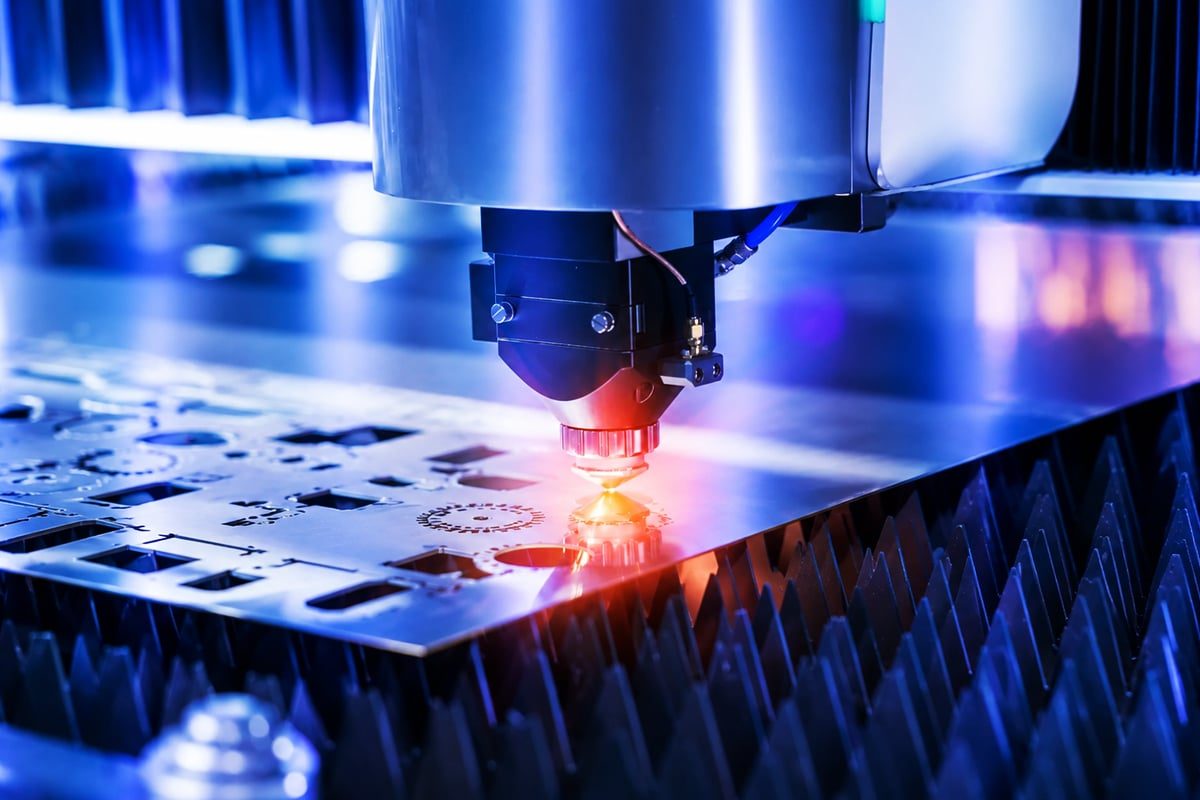
Understanding Radiation from Laser Cutting Machines
Laser cutting machines have become an essential technology in modern manufacturing, enabling precise, efficient, and high-speed processing of a wide range of materials, including metals, plastics, wood, and composites. Their ability to produce complex shapes with minimal material waste has made them indispensable in industries such as automotive, aerospace, electronics, medical device manufacturing, and metal fabrication. As the adoption of laser cutting technology continues to expand, so does the need to understand the potential safety hazards associated with its operation, particularly those related to radiation exposure.
The term “radiation” often raises concerns because it is commonly associated with harmful forms of energy, such as X-rays or radioactive materials. However, radiation encompasses a broad spectrum of energy emissions, including the optical radiation produced by laser systems. Laser cutting machines generate highly concentrated beams of electromagnetic radiation that can deliver significant amounts of energy to a small area. While this capability enables precise cutting and engraving, it also presents potential risks to operators, maintenance personnel, and nearby workers if appropriate safety measures are not followed.
Understanding the nature of radiation emitted by laser cutting machines is critical for ensuring workplace safety and regulatory compliance. Different types of laser systems, including CO2, fiber, and Nd:YAG, ultrafasts, operate at different wavelengths and power levels, resulting in varying radiation characteristics and associated hazards. In addition to direct laser beam exposure, secondary radiation may be generated during the cutting process, including reflected laser energy, intense visible light, ultraviolet and infrared emissions, and process-generated fumes and plasma radiation.
This article provides an overview of the radiation associated with laser cutting machines, explaining its sources, characteristics, potential health effects, and the protective measures required to minimize exposure. By gaining a clear understanding of these factors, manufacturers and operators can create safer working environments while maximizing the benefits of laser cutting technology.
Table of Contents
Understanding Radiation Basics
Before examining the radiation associated with laser cutting machines, it is important to understand the fundamental principles of radiation and how different types of radiation interact with matter. Radiation is a broad scientific concept that encompasses many forms of energy encountered in everyday life, from sunlight and radio waves to medical X-rays and industrial lasers. Understanding the distinctions between various radiation types helps clarify the actual risks associated with laser cutting systems and dispels common misconceptions about laser-related hazards.
What Is Radiation?
Radiation is the emission and transmission of energy through space or a material medium in the form of waves or particles. It occurs naturally and can also be generated artificially through technological processes. Radiation is present throughout the environment and plays a vital role in numerous natural phenomena and industrial applications.
Examples of naturally occurring radiation include sunlight, cosmic rays, and heat emitted from the Earth’s surface. Artificial sources include communication systems, medical imaging equipment, microwave ovens, and laser devices. Depending on its energy level, radiation may interact with matter in different ways, ranging from harmless heating effects to significant biological damage.
Radiation can generally be classified into two main categories: ionizing radiation and non-ionizing radiation. The distinction between these categories is based on the amount of energy carried by the radiation and its ability to alter the atomic structure of materials.
Ionizing Radiation
Ionizing radiation possesses enough energy to remove electrons from atoms or molecules, creating electrically charged particles known as ions. This ionization process can alter the chemical structure of biological tissues and potentially damage cells and DNA.
Common forms of ionizing radiation include:
- X-rays
- Gamma rays
- Alpha particles
- Beta particles
- High-energy cosmic radiation
Because ionizing radiation can directly affect cellular structures, prolonged or excessive exposure may increase the risk of tissue damage, radiation burns, genetic mutations, and certain types of cancer. For this reason, ionizing radiation is carefully regulated in medical, industrial, and research environments.
Examples of technologies that utilize ionizing radiation include medical radiography, computed tomography (CT) scanning, nuclear power generation, and certain industrial inspection systems.
A common misconception is that all radiation is ionizing and therefore inherently dangerous. In reality, ionizing radiation represents only a small portion of the electromagnetic spectrum, and many commonly used technologies operate with non-ionizing forms of radiation.
Non-Ionizing Radiation
Non-ionizing radiation carries insufficient energy to remove electrons from atoms or molecules. Instead of causing ionization, it typically interacts with matter by inducing molecular vibration, excitation, or heating effects.
Examples of non-ionizing radiation include:
- Radio waves
- Microwave radiation
- Infrared radiation
- Visible light
- Most ultraviolet radiation
- Laser radiation is used in industrial cutting systems
Although non-ionizing radiation generally poses lower biological risks than ionizing radiation, it should not be considered harmless. High-intensity non-ionizing radiation can still cause significant injuries. For example, powerful laser beams can damage the eyes, burn skin tissue, or ignite combustible materials.
The severity of these effects depends on factors such as wavelength, power output, exposure duration, beam concentration, and the sensitivity of the exposed tissue. Laser cutting machines operate using highly concentrated non-ionizing radiation, which can produce hazardous exposure conditions despite not being ionizing.
Electromagnetic Spectrum and Lasers
The electromagnetic spectrum encompasses the entire range of electromagnetic radiation, organized according to wavelength and frequency. As wavelength decreases, frequency and energy increase.
The spectrum includes:
- Radio waves
- Microwaves
- Infrared radiation
- Visible light
- Ultraviolet radiation
- X-rays
- Gamma rays
Industrial lasers occupy specific regions of the non-ionizing portion of the electromagnetic spectrum. Different laser technologies generate radiation at different wavelengths, which influences their cutting performance and associated safety considerations.
For example:
- CO2 lasers typically operate in the far-infrared region at approximately 10.6 micrometers.
- Fiber lasers commonly operate near 1.07 micrometers in the near-infrared region.
- Nd and other solid-state lasers also operate within the near-infrared range.
Unlike ordinary light sources that emit energy in many directions and across a wide range of wavelengths, laser beams are highly directional, coherent, and concentrated. This unique combination allows lasers to deliver large amounts of energy to extremely small areas, making them ideal for precision cutting, welding, and engraving applications.
The same characteristics that make lasers effective manufacturing tools also create potential safety hazards. Even brief exposure to a direct or reflected laser beam can result in serious eye injuries or skin damage, particularly when high-power industrial systems are involved.
Radiation refers to energy transmitted through waves or particles and exists in many forms throughout both natural and industrial environments. Understanding radiation fundamentals is essential for accurately assessing the hazards associated with laser cutting machines. Radiation is broadly divided into ionizing and non-ionizing categories based on its ability to remove electrons from atoms and alter molecular structures.
Ionizing radiation, such as X-rays and gamma rays, possesses sufficient energy to cause ionization and can produce significant biological effects. In contrast, the laser radiation used in industrial cutting systems is classified as non-ionizing radiation. While it does not carry enough energy to ionize atoms, its highly concentrated nature can still present serious hazards, particularly to the eyes and skin.
Laser cutting machines operate within specific regions of the electromagnetic spectrum, most commonly in the infrared range. Their ability to focus large amounts of energy into a narrow, precise beam enables efficient material processing but also necessitates appropriate safety controls. A clear understanding of these radiation principles provides the foundation for evaluating the specific radiation sources, risks, and protective measures associated with laser cutting operations.
How Laser Cutting Machines Generate Radiation
Laser cutting machines rely on highly concentrated beams of light energy to cut, engrave, or process materials with exceptional precision. During operation, these machines generate various forms of radiation, primarily in the form of laser light. Additional radiation can also be produced when the laser beam interacts with the workpiece, creating heat, visible light, and other secondary emissions.
Understanding how laser cutting machines generate radiation is important for evaluating potential safety risks and implementing appropriate control measures. While laser cutting systems do not typically produce ionizing radiation, the intense energy concentrated within the laser beam can still pose hazards to operators and nearby personnel. To understand these risks, it is necessary to examine the principles behind laser generation, the unique characteristics of laser radiation, and the different types of radiation that may be present during cutting operations.
The Principle of Laser Generation
The word LASER stands for “Light Amplification by Stimulated Emission of Radiation.” Laser technology is based on a physical process known as stimulated emission, in which energized atoms or molecules release photons that trigger the emission of additional photons with identical properties.
A laser system generally consists of three main components:
Gain Medium
The gain medium is the material that generates the laser light. Depending on the laser type, the gain medium may be a gas, crystal, semiconductor, or optical fiber. In industrial cutting systems, common gain media include carbon dioxide gas in CO2 lasers and rare-earth-doped optical fibers in fiber lasers.
Energy Source
An external energy source, often called the pump source, supplies energy to the gain medium. This energy excites atoms or molecules to higher energy states. The pumping mechanism may involve electrical discharge, laser diodes, or other methods, depending on the laser design.
Optical Resonator
Mirrors positioned at both ends of the gain medium form an optical cavity or resonator. Photons generated within the gain medium bounce back and forth between the mirrors, stimulating additional photon emissions. One mirror is partially reflective, allowing a portion of the amplified light to exit as a highly concentrated laser beam.
Once generated, the laser beam is directed through optical components such as lenses and mirrors that focus the energy onto a small spot on the workpiece. The concentrated energy rapidly heats the material, causing melting, vaporization, or combustion that enables precise cutting.
Why Laser Radiation Differs from Ordinary Light
Although laser radiation and ordinary light are both forms of electromagnetic radiation, they differ significantly in their physical properties and behavior.
Monochromatic Nature
Ordinary light sources emit a broad range of wavelengths. For example, sunlight contains many different colors and wavelengths across the visible spectrum. Laser light, in contrast, is nearly monochromatic, meaning it consists of a very narrow range of wavelengths.
This characteristic allows the laser beam to deliver energy with greater precision and consistency.
Coherence
The light waves produced by a laser are coherent, meaning they maintain a fixed phase relationship and travel in synchronization. Ordinary light sources emit waves that are randomly phased and quickly disperse.
Coherence contributes to the laser’s ability to remain focused and maintain high energy density over long distances.
Directionality
Unlike conventional light, which spreads in many directions, laser beams are highly directional and exhibit very low divergence. This allows the beam to travel significant distances while remaining concentrated within a small area.
The directional nature of laser radiation increases both its effectiveness for industrial processing and its potential hazard if accidental exposure occurs.
High Power Density
Laser systems can focus large amounts of energy into extremely small spots. The resulting power density can be millions of times greater than that of ordinary light sources. This concentrated energy enables rapid material removal but can also cause severe eye injuries, skin burns, or equipment damage if not properly controlled.
These unique characteristics distinguish laser radiation from everyday light sources and explain why specialized safety measures are required in laser cutting environments.
Types of Radiation Produced During Laser Cutting
Laser cutting operations generate several forms of radiation, both directly from the laser source and indirectly through interactions with the material being processed.
Direct Laser Radiation
Direct laser radiation is the primary radiation generated by the machine. This is the focused beam emitted from the laser source and used for cutting.
The wavelength depends on the laser technology being used:
- CO2 lasers typically emit infrared radiation at approximately 10.6 micrometers.
- Fiber lasers commonly emit near-infrared radiation around 1.06 micrometers.
- Other industrial lasers may operate at different wavelengths depending on their design and application.
Direct exposure to the laser beam can result in serious eye and skin injuries because of its concentrated energy.
Reflected Laser Radiation
When the laser beam strikes a workpiece, part of the energy may be reflected. Reflective materials such as aluminum, copper, brass, and polished stainless steel can produce significant reflections.
Reflected laser radiation may remain hazardous, particularly when high-power lasers are involved. Depending on the angle and surface characteristics of the material, reflected beams can travel beyond the immediate cutting zone.
Visible Light Radiation
The cutting process often generates bright visible light due to intense heating, melting, and vaporization of the material. Sparks and glowing molten metal may also contribute to visible emissions.
Although visible light from laser cutting is generally less hazardous than direct laser exposure, excessive brightness can contribute to visual discomfort and temporary vision impairment.
Infrared Radiation
Laser cutting processes generate substantial heat, resulting in the emission of infrared radiation from both the laser source and the heated workpiece.
Infrared radiation contributes to thermal exposure and can increase temperatures around the cutting area. While typically not harmful at low levels, prolonged exposure to intense infrared radiation may contribute to discomfort or thermal stress.
Ultraviolet Radiation
Certain cutting processes, especially those involving plasma generation, high-temperature metal processing, or interactions between laser energy and materials, can produce limited amounts of ultraviolet (UV) radiation.
The amount of UV radiation generated depends on factors such as laser type, power level, material composition, and process conditions. In most enclosed laser cutting systems, UV exposure remains relatively low but should still be considered during safety assessments.
Secondary Radiation and Process Emissions
The interaction between the laser beam and the material can also generate secondary emissions, including:
- Thermal radiation from heated surfaces
- Optical emissions from sparks and molten material
- Plasma-generated light
- Process fumes and airborne particles
Although these emissions are not always classified as laser radiation, they represent important occupational exposure factors that should be controlled through proper ventilation, enclosure design, and personal protective equipment.
Laser cutting machines generate radiation through the process of stimulated emission, producing highly concentrated beams of electromagnetic energy capable of precisely cutting and processing materials. The laser beam is created within a gain medium, amplified through an optical resonator, and focused onto the workpiece, where its energy is converted into heat for material removal.
Laser radiation differs significantly from ordinary light because it is monochromatic, coherent, highly directional, and capable of delivering extremely high power densities. These characteristics make laser cutting highly effective but also create unique safety concerns. In addition to direct laser radiation, cutting operations may generate reflected laser energy, visible light, infrared radiation, ultraviolet emissions, and other secondary forms of radiation associated with heating and material interaction. Understanding these radiation sources provides the foundation for assessing risks and implementing effective protective measures in laser cutting environments.
Radiation Characteristics of Different Laser Cutting Technologies
Not all laser cutting machines generate radiation in the same way. Different laser technologies operate at different wavelengths, power levels, pulse durations, and beam characteristics, which directly influence the type of radiation produced and the associated safety risks. While most industrial laser cutting systems generate non-ionizing electromagnetic radiation, the biological effects and hazard potential can vary significantly depending on the laser technology being used.
Understanding the radiation characteristics of different laser cutting systems is essential for selecting appropriate protective measures, designing safe work environments, and complying with laser safety standards. Fiber lasers, CO2 lasers, Nd lasers, and ultrafast laser systems each present unique radiation profiles that affect visibility, biological interactions, and potential exposure risks.
Fiber Laser Cutting Machines
Fiber lasers are among the most widely used laser cutting technologies in modern manufacturing. They typically operate at wavelengths between 1,030 and 1,090 nanometers, placing them within the near-infrared region of the electromagnetic spectrum.
Radiation Characteristics
Fiber lasers produce highly concentrated near-infrared radiation with excellent beam quality and low divergence. These characteristics allow the beam to be focused into extremely small spots, creating very high power densities suitable for cutting metals with exceptional precision and speed.
Because fiber lasers are highly efficient, a large percentage of the electrical energy supplied to the system is converted into laser energy. As a result, the emitted radiation can be extremely intense, even at relatively compact machine sizes.
The near-infrared wavelength is readily transmitted through optical components and can travel considerable distances if reflected from highly polished surfaces.
Visibility Issues
One of the most significant safety concerns associated with fiber lasers is that their radiation is largely invisible to the human eye. Operators cannot rely on visual cues to detect beam presence, reflected radiation, or hazardous exposure conditions.
Unlike visible light sources that produce an immediate brightness warning, fiber laser radiation may cause injury before an individual realizes exposure has occurred. This invisibility increases the importance of engineering controls, protective enclosures, and specialized laser safety eyewear.
Eye Hazard Potential
Fiber lasers present one of the highest eye injury risks among industrial laser technologies. Their wavelengths can pass through the cornea and lens and reach the retina, where the eye’s natural focusing mechanism further concentrates the laser energy.
As a result, even relatively low levels of direct or reflected exposure can produce severe retinal burns and permanent vision damage. Since retinal tissue lacks pain receptors, injury may occur without immediate discomfort or warning symptoms.
For this reason, fiber laser cutting systems are generally classified as high-hazard laser devices and require strict safety controls.
CO2 Laser Cutting Machines
CO2 lasers are one of the longest-established laser technologies used in industrial cutting and engraving. They typically operate at a wavelength of approximately 10.6 micrometers, which lies within the far-infrared region of the electromagnetic spectrum.
Radiation Characteristics
CO2 lasers generate infrared radiation that is strongly absorbed by many organic and non-metallic materials. This absorption characteristic makes them particularly effective for cutting plastics, wood, paper, textiles, acrylics, and other non-metallic materials.
The emitted radiation is invisible to the human eye and is usually delivered through a system of mirrors and focusing optics rather than optical fibers.
Although CO2 laser beams can be highly powerful, their longer wavelength results in different biological interactions compared to fiber lasers.
Biological Interaction
The human eye absorbs CO2 laser radiation primarily within the cornea and the outer surface tissues rather than transmitting it to the retina. As a result, injuries caused by CO2 laser exposure typically affect the cornea and surrounding tissues.
Potential biological effects include:
- Corneal burns
- Surface eye injuries
- Skin burns
- Thermal tissue damage
Because the radiation does not normally reach the retina, the injury mechanism differs significantly from that of fiber and Nd lasers.
Relative Safety Characteristics
CO2 lasers are not inherently safe, but their biological interaction characteristics often reduce the likelihood of permanent retinal injury compared to near-infrared laser systems.
However, direct exposure can still result in serious eye damage and skin burns. In addition, CO2 laser cutting often generates significant thermal emissions, visible process light, fumes, and airborne contaminants that require proper ventilation and exposure controls.
The reduced retinal hazard should not be interpreted as reduced overall risk. Appropriate protective measures remain essential.
Nd Laser Cutting Machines
Neodymium-doped yttrium aluminum garnet (Nd) lasers operate at a wavelength of approximately 1,064 nanometers, which is very close to the wavelength range used by fiber lasers.
Radiation Characteristics
Nd lasers emit near-infrared radiation that is invisible to the human eye and capable of being focused into extremely high-energy beams. Historically, Nd systems were widely used for precision cutting, drilling, welding, and marking applications before fiber laser technology became dominant in many industries.
The radiation characteristics of Nd lasers create hazards similar to those associated with fiber lasers. The beam can be transmitted through the eye and focused onto the retina, resulting in significant retinal exposure.
Biological Effects
Potential exposure effects include:
- Retinal burns
- Permanent vision loss
- Skin burns
- Thermal tissue injury
Because Nd lasers often operate in pulsed modes, very high peak power levels may be generated within extremely short periods. These pulses can increase the severity of localized tissue damage if exposure occurs.
Safety Considerations
The invisible nature of the beam, combined with retinal hazard potential and high peak power levels, makes Nd systems among the more challenging laser technologies to manage from a safety perspective. Protective eyewear must be specifically designed for the laser wavelength being used.
Ultrafast Laser Cutting Machines
Ultrafast lasers represent an advanced category of laser technology that includes picosecond and femtosecond laser systems. These lasers emit pulses lasting trillionths or quadrillionths of a second.
Radiation Characteristics
Although ultrafast lasers may operate at wavelengths similar to other industrial lasers, their defining characteristic is the extremely short pulse duration. These ultrashort pulses deliver very high peak power while minimizing heat transfer into the surrounding material.
This process is often referred to as “cold” laser machining because material removal occurs with significantly less thermal damage than conventional cutting methods.
Unique Radiation Effects
The extremely high peak intensities produced by ultrafast lasers can generate complex interactions between laser energy and matter. Under certain conditions, nonlinear optical effects may occur, including plasma formation and the generation of secondary optical emissions.
Depending on system design and processing conditions, additional wavelengths may be produced through harmonic generation processes. These secondary emissions can introduce radiation characteristics not typically encountered in conventional continuous-wave laser systems.
Biological and Safety Considerations
Ultrafast laser radiation remains capable of causing severe eye and skin injuries. Because of the high peak power contained within each pulse, even very brief exposures can result in significant tissue damage.
Safety assessments for ultrafast laser systems often require consideration of:
- Primary laser wavelength
- Pulse duration
- Pulse repetition rate
- Peak power levels
- Secondary optical emissions
- Plasma-generated radiation
As ultrafast laser technology becomes increasingly common in precision manufacturing, medical device production, and microelectronics fabrication, specialized safety measures are becoming more important.
Different laser cutting technologies generate radiation with distinct wavelengths, beam properties, and biological effects. Fiber lasers and Nd lasers operate in the near-infrared region and present significant retinal hazards because their radiation can pass through the eye and become concentrated on the retina. Their invisible beams and high power densities make them particularly hazardous without appropriate safeguards.
CO2 lasers operate at much longer infrared wavelengths and primarily affect the cornea and surface tissues rather than the retina. While this changes the injury mechanism, direct exposure can still cause serious eye and skin damage. Ultrafast laser cutting systems introduce additional complexity through extremely short pulse durations, high peak power levels, and potential secondary optical emissions. Understanding the radiation characteristics of each laser technology is essential for accurate risk assessment, proper equipment selection, and the implementation of effective laser safety programs in industrial environments.
Primary Laser Radiation Hazards
Laser cutting machines generate highly concentrated beams of light capable of cutting, engraving, and processing a wide range of materials. While these systems are designed with safety features and protective enclosures, the laser beam itself presents significant radiation hazards if proper precautions are not followed. Primary laser radiation hazards arise from direct or reflected exposure to the laser beam and can affect the eyes, skin, and surrounding personnel. The severity of injury depends on factors such as laser power, wavelength, exposure duration, and the distance from the source.
Understanding these hazards is essential for maintaining a safe working environment and ensuring compliance with laser safety standards.
Direct Beam Exposure
Direct beam exposure occurs when a person comes into contact with the primary laser beam emitted by the cutting machine. This is the most serious laser-related hazard because industrial laser-cutting systems often operate at power levels that can instantly damage biological tissue.
Exposure can occur during machine maintenance, alignment procedures, troubleshooting, or when safety interlocks are bypassed. Even a brief encounter with the beam can result in severe injury because the laser concentrates a large amount of energy into a very small area. Depending on the laser’s power and wavelength, direct exposure may cause tissue burns, eye injuries, or permanent vision loss.
In addition to direct exposure, highly reflective materials such as aluminum, copper, brass, and polished steel can create reflected beams that retain enough energy to cause injury. For this reason, operators should never assume that only the primary beam presents a hazard.
Eye Damage Risks
The eyes are the most vulnerable part of the body when exposed to laser radiation. Laser beams can cause serious eye injuries because the eye’s lens naturally focuses incoming light onto the retina, significantly increasing the intensity of the radiation reaching sensitive tissues.
Retinal damage is particularly associated with visible and near-infrared lasers. Even short-duration exposure may result in retinal burns, blind spots, reduced visual acuity, or permanent vision impairment. In some cases, damage may occur without immediate pain, causing individuals to underestimate the severity of the exposure.
Certain laser wavelengths can also damage other parts of the eye. Ultraviolet radiation may injure the cornea and lens, while far-infrared wavelengths are more likely to cause corneal burns. Long-term effects can include cataract formation and chronic visual problems.
Because eye injuries can occur almost instantly and may be irreversible, the use of wavelength-specific laser safety eyewear and properly enclosed laser systems is critical in laser cutting operations.
Skin Damage
Although skin is generally less sensitive to laser radiation than the eyes, exposure can still cause significant injury. High-power laser beams can produce thermal burns ranging from mild redness to deep tissue damage, depending on the exposure intensity and duration.
Direct contact with the laser beam can char or vaporize skin tissue, while reflected beams may also cause burns if they carry sufficient energy. Workers performing maintenance or operating equipment with exposed beam paths face the greatest risk of skin exposure.
Certain laser wavelengths may increase the likelihood of skin damage by penetrating deeper into tissue or causing photochemical reactions. Repeated exposure to ultraviolet laser radiation can contribute to premature skin aging and increase the risk of long-term skin disorders.
Protective clothing, gloves, and adherence to established safety procedures help reduce the risk of skin-related injuries in laser cutting environments.
Invisible Radiation Hazards
One of the most dangerous characteristics of many industrial laser cutting systems is that they operate using invisible wavelengths, particularly in the infrared spectrum. Because these beams cannot be seen by the human eye, individuals may be unaware that hazardous radiation is present.
Invisible laser radiation eliminates the natural blink reflex that normally helps protect the eyes from bright visible light. As a result, exposure can continue long enough to cause severe injury before a person realizes there is a problem. This risk is especially significant with fiber lasers and certain CO2 laser cutting systems commonly used in industrial cutting applications.
Invisible beams can also create a false sense of safety. Operators may mistakenly believe that no radiation hazard exists simply because they cannot see the beam. Reflections from metal surfaces, damaged protective windows, or improperly aligned optical components may expose personnel to harmful radiation without obvious warning signs.
To address these risks, laser cutting facilities should implement engineering controls, beam enclosures, warning systems, interlocks, and comprehensive training programs. Regular inspection and maintenance of safety components are also essential for preventing accidental exposure.
Primary laser radiation hazards are among the most significant safety concerns associated with laser cutting machines. Direct beam exposure can cause immediate and severe injuries, while reflected beams may also present substantial risks. The eyes are particularly vulnerable because laser energy can be focused onto delicate ocular tissues, potentially resulting in permanent vision damage. Skin exposure can lead to burns and tissue injury, especially when high-powered industrial lasers are involved.
Invisible laser radiation introduces additional dangers because hazardous exposure can occur without visual warning. Since many industrial laser cutting systems operate in wavelengths that cannot be seen by the human eye, workers may not recognize the presence of a hazardous beam until injury has already occurred. Effective hazard control requires a combination of engineering safeguards, administrative procedures, personal protective equipment, and ongoing safety training. By understanding and addressing these primary radiation hazards, organizations can significantly reduce the risk of laser-related injuries and create a safer operating environment.
Reflected and Scattered Radiation
In addition to hazards posed by the primary laser beam, laser cutting machines can generate reflected and scattered radiation that presents significant safety risks to operators and nearby personnel. When laser beams strike a material surface, a portion of the energy may be reflected, redirected, or dispersed into the surrounding environment. Depending on the material properties, surface condition, laser wavelength, and beam intensity, reflected radiation can retain sufficient energy to cause eye injuries, skin burns, or equipment damage.
Reflected and scattered radiation hazards are particularly important in industrial laser cutting applications because operators often work with highly reflective metals and varying surface finishes. Understanding the different types of reflections and the risks they create is essential for implementing effective laser safety measures.
Specular Reflection
Specular reflection occurs when laser beams strike a smooth, polished, or mirror-like surface and are reflected in a single, predictable direction. This type of reflection follows the same basic principle as a reflection from a mirror, where the angle of reflection equals the angle of incidence.
Specular reflections are especially dangerous because they can retain a significant portion of the laser’s original energy. In some situations, a reflected beam may remain powerful enough to cause severe eye injuries or skin burns at considerable distances from the point of reflection. Highly polished metals, reflective machine components, and improperly positioned optical elements can all create specular reflections.
During laser cutting operations, specular reflections may occur when the beam encounters shiny workpieces or reflective surfaces within the cutting enclosure. Even though the beam is no longer traveling directly from the laser source, the reflected energy can still present hazards comparable to direct beam exposure. For this reason, laser safety assessments must consider both the primary beam path and potential reflection paths.
Proper machine enclosure design, beam containment systems, and the use of non-reflective interior surfaces can help minimize the risks associated with specular reflections.
Diffuse Reflection
Diffuse reflection occurs when laser beams strike a rough, uneven, or matte surface and are scattered in multiple directions rather than being reflected as a concentrated beam. Unlike specular reflection, diffuse reflection spreads the laser energy over a larger area, reducing its intensity.
Although diffuse reflections are generally less hazardous than specular reflections, they should not be considered harmless. High-power industrial lasers can produce diffuse reflections that still exceed safe exposure limits, particularly at close distances. Operators who view the cutting process directly through open access points or damaged viewing windows may be exposed to hazardous levels of scattered radiation.
The degree of diffuse reflection depends on factors such as surface texture, material composition, beam power, and laser wavelength. Materials with rough or oxidized surfaces tend to scatter light more extensively, creating a broader area of exposure. While the energy density is lower than that of a direct or specularly reflected beam, prolonged or repeated exposure can still pose risks to the eyes and skin.
Laser cutting systems typically incorporate protective viewing windows and enclosures specifically designed to filter or block scattered laser radiation while allowing operators to safely observe the cutting process.
Reflection Risks During Metal Cutting
Metal cutting operations present some of the highest reflection-related risks in laser processing environments. Many metals possess highly reflective surfaces, particularly when new, polished, or coated. Materials such as aluminum, copper, brass, stainless steel, and certain alloys can reflect a substantial portion of the incident laser energy.
The risk is often greatest during the initial stages of cutting, before the laser has created a molten pool or cut path that absorbs more energy. At this stage, a larger percentage of the beam may be reflected from the workpiece surface. Unexpected changes in material orientation, surface imperfections, or warped sections of metal can also redirect reflected energy in unpredictable directions.
Reflected radiation can potentially strike machine components, protective windows, sensors, or operators if appropriate safeguards are not in place. In extreme cases, powerful reflections may damage optical systems or interfere with machine performance. Fiber laser cutting systems, which are commonly used for cutting reflective metals, often incorporate advanced monitoring systems and specialized optics to reduce the likelihood of reflection-related damage.
To mitigate these risks, facilities should ensure that laser cutting machines are properly enclosed, reflective materials are handled according to manufacturer guidelines, and operators receive training on the hazards associated with reflective workpieces. Regular inspection of safety barriers, viewing windows, and optical components is also essential for maintaining safe operation.
Reflected and scattered radiation represents an important but sometimes overlooked hazard associated with laser cutting machines. Unlike direct beam exposure, reflected radiation can originate from the interaction between the laser beam and the workpiece or surrounding surfaces. Depending on the type of reflection, the resulting radiation may still carry enough energy to cause serious injuries or damage equipment.
Specular reflections are particularly dangerous because they can maintain much of the original beam’s intensity and travel in predictable directions. Diffuse reflections distribute energy over a wider area, reducing intensity but not necessarily eliminating the hazard, especially when high-power industrial lasers are involved. Metal cutting applications introduce additional challenges because many commonly processed metals possess highly reflective surfaces that can generate hazardous reflections.
Effective control of reflected and scattered radiation requires a combination of engineering controls, machine enclosures, protective viewing systems, routine maintenance, and operator training. By recognizing how laser energy behaves after striking different materials, organizations can better manage reflection-related risks and enhance overall laser safety in the workplace.
Secondary Radiation Produced During Cutting
While the primary laser beam is the main source of radiation in laser cutting systems, the cutting process itself generates additional forms of radiation known as secondary radiation. This radiation is produced when the laser interacts with the workpiece, creating extreme temperatures, melting material, vaporizing surfaces, and forming plasma. Secondary radiation can include thermal (infrared) radiation, intense visible light, ultraviolet (UV) radiation, and plasma-generated emissions.
Although secondary radiation is generally less concentrated than the primary laser beam, it can still present significant health and safety risks. Prolonged or repeated exposure may affect the eyes, skin, and overall workplace safety if appropriate control measures are not implemented. Understanding these radiation sources is essential for assessing the full range of hazards associated with laser cutting operations.
Thermal Radiation
Thermal radiation is generated as the laser beam heats the workpiece to extremely high temperatures during cutting. As metal and other materials absorb laser energy, they emit infrared radiation as heat. This thermal energy radiates outward from the cutting zone and surrounding molten material.
The intensity of thermal radiation depends on factors such as laser power, material thickness, cutting speed, and the thermal properties of the workpiece. High-power cutting operations involving thick metals often generate substantial amounts of heat that can affect both operators and nearby equipment.
Exposure to excessive thermal radiation may cause discomfort, heat stress, and skin irritation, particularly in environments where multiple laser cutting systems operate simultaneously. In severe cases, prolonged exposure to intense heat sources can contribute to burns or increase the risk of workplace fatigue. Thermal radiation can also elevate ambient temperatures within the work area, making proper ventilation and environmental controls important aspects of laser safety.
Machine enclosures, shielding systems, and adequate cooling and ventilation help reduce exposure to thermal radiation and maintain a safer working environment.
Visible Light Emissions
Laser cutting processes often produce extremely bright visible light as material is heated, melted, and vaporized. Sparks, molten metal, and the cutting plume can emit intense visible radiation that may be significantly brighter than normal workplace lighting.
The brightness of these emissions varies depending on the material being processed, the cutting parameters, and the type of laser cutting system being used. Cutting metals such as stainless steel, carbon steel, and aluminum can generate particularly intense visible light due to the high temperatures involved.
Although visible light emissions do not usually cause permanent injury at the same rate as direct laser exposure, they can create visual discomfort, glare, and temporary vision disturbances. Prolonged viewing of bright cutting processes may contribute to eye strain, headaches, and reduced visual performance.
Protective viewing windows, tinted observation panels, and appropriate eye protection help minimize the effects of intense visible light while allowing operators to safely monitor the cutting process.
Ultraviolet Radiation
Ultraviolet (UV) radiation may be produced during laser cutting when high temperatures and energized particles interact with the surrounding environment. The formation of UV radiation is often associated with the vaporization of materials and the creation of plasma above the cutting zone.
Although UV radiation generated during laser cutting is typically lower in intensity than the primary laser beam, repeated or prolonged exposure can still pose health risks. UV radiation can affect the skin and eyes, causing symptoms similar to excessive exposure to sunlight.
Short-term exposure may result in eye irritation, inflammation of the cornea, or a condition commonly referred to as “welder’s flash” or photokeratitis. Skin exposure can lead to redness, irritation, and increased sensitivity. Long-term or repeated exposure may contribute to premature skin aging and other cumulative health effects.
The amount of UV radiation produced varies depending on the material being processed, laser power levels, and the presence of plasma. Proper machine enclosures and protective barriers are important for limiting operator exposure to UV emissions generated during cutting operations.
Plasma Radiation
In high-energy laser cutting processes, especially when cutting thick metals, the intense interaction between the laser beam and the material can create plasma. Plasma is a highly energized state of matter consisting of ionized gases, free electrons, and charged particles. The plasma plume formed above the cutting area emits radiation across a broad range of wavelengths.
Plasma radiation can include visible light, infrared radiation, ultraviolet radiation, and other electromagnetic emissions. The intensity and composition of these emissions depend on factors such as laser power, material type, assist gas selection, and cutting conditions.
The bright plasma plume can contribute significantly to glare and visual discomfort. In some applications, plasma-generated UV radiation may increase the overall radiation exposure within the work area. Plasma can also influence the generation of fumes and airborne contaminants, creating additional occupational health considerations.
Modern laser cutting systems are typically designed to contain plasma emissions within the machine enclosure. Combined with proper ventilation, shielding, and maintenance procedures, these controls help reduce the risks associated with plasma-generated radiation.
Secondary radiation is an unavoidable byproduct of the laser cutting process and results from the interaction between the laser beam and the workpiece material. Unlike primary laser radiation, which originates directly from the laser source, secondary radiation is generated through heating, melting, vaporization, and plasma formation within the cutting zone. Although generally less concentrated than the primary beam, these emissions can still present important occupational safety concerns.
Thermal radiation contributes to heat exposure and elevated workplace temperatures, while visible light emissions can cause glare, eye strain, and visual discomfort. Ultraviolet radiation generated during material vaporization and plasma formation may affect both the eyes and skin, particularly during prolonged exposure. Plasma radiation introduces additional complexity by producing a mixture of visible, infrared, and ultraviolet emissions that can increase overall exposure levels.
Managing secondary radiation hazards requires a combination of engineering controls, protective enclosures, effective ventilation systems, personal protective equipment, and operator training. By understanding the sources and effects of secondary radiation, organizations can develop comprehensive safety strategies that protect personnel while maintaining efficient laser cutting operations.
Radiation and Laser Fumes
Laser cutting operations involve the interaction of highly concentrated laser radiation with a material surface. As the laser beam heats, melts, and vaporizes the workpiece, it not only generates various forms of secondary radiation but also produces fumes, smoke, and airborne particles. These byproducts are commonly referred to as laser fumes and can contain a complex mixture of gases, vapors, metal particles, and microscopic dust.
Although radiation and laser fumes are often discussed as separate hazards, they are closely connected. The same high-energy processes that generate thermal, visible, ultraviolet, and plasma radiation also contribute to the formation of airborne contaminants. Understanding this relationship is essential for evaluating workplace risks and implementing effective control measures in laser cutting environments.
Relationship Between Radiation and Fumes
Radiation plays a central role in the generation of laser fumes. When the laser beam strikes a material, the concentrated energy rapidly raises the temperature of the surface. Depending on the laser power and material properties, the workpiece may melt, vaporize, or undergo chemical decomposition.
The intense thermal radiation produced during cutting contributes to the formation of a hot process zone where material is transformed into gases and fine particles. In addition, plasma radiation generated during high-energy cutting can further increase temperatures and promote chemical reactions within the cutting plume.
As material is removed from the cutting area, a visible cloud of smoke and vapor often forms above the workpiece. This plume is a direct result of the laser-material interaction and represents the link between radiation exposure and airborne contamination. The greater the energy delivered to the material, the greater the potential for fume generation.
Different laser cutting systems and materials produce varying levels of fumes. For example, cutting metals, plastics, composites, wood, and coated materials can each generate distinct mixtures of airborne contaminants due to differences in chemical composition and thermal behavior.
Formation of Laser Fumes
Laser fumes are created when the laser beam delivers sufficient energy to break down, melt, or vaporize material. During this process, small particles and gaseous compounds are released into the surrounding air. As the vaporized material cools, it condenses into fine particulate matter that may remain suspended in the workplace atmosphere.
The composition of laser fumes depends heavily on the material being processed. Metal cutting can generate ultrafine metal particles and metal oxides, while cutting plastics and synthetic materials may release volatile organic compounds (VOCs), decomposition products, and potentially hazardous gases. Painted, coated, or treated materials can produce additional contaminants resulting from the breakdown of surface coatings.
The high temperatures associated with laser cutting often produce particles that are extremely small in size. Many of these particles are classified as respirable, meaning they are capable of penetrating deep into the lungs when inhaled. Because these particles are often invisible to the naked eye, workers may be exposed without realizing the extent of the contamination.
The formation of fumes is also influenced by factors such as laser power, cutting speed, material thickness, assist gas selection, and ventilation efficiency. Higher-energy cutting processes generally produce greater quantities of airborne emissions, increasing the need for effective extraction and filtration systems.
Health Concerns
Laser fumes can present a range of health risks depending on their composition, concentration, and duration of exposure. Inhalation is the primary route of exposure, although contaminants can also come into contact with the eyes and skin.
Short-term exposure may irritate the eyes, nose, throat, and respiratory system. Workers may experience symptoms such as coughing, dryness, headaches, dizziness, or discomfort when ventilation is inadequate. Exposure to certain fumes can also trigger allergic reactions or aggravate existing respiratory conditions.
Long-term exposure poses more significant concerns. Repeated inhalation of fine particulate matter may contribute to chronic respiratory problems, reduced lung function, and other occupational illnesses. Metal fumes generated during cutting operations can expose workers to specific substances that may have toxic effects depending on the type of metal involved. Similarly, fumes from plastics, composites, and chemically treated materials may contain compounds associated with adverse health outcomes when exposure is prolonged.
The ultrafine particles produced during laser cutting are of particular concern because their small size allows them to penetrate deeply into the respiratory system. Some particles may even enter the bloodstream, increasing the potential for broader health effects. As a result, effective fume extraction, filtration, and air quality monitoring are essential components of a comprehensive laser safety program.
Radiation and laser fumes are closely interconnected hazards that arise from the same laser-material interaction process. As laser radiation heats and vaporizes a workpiece, it creates the conditions necessary for the formation of gases, vapors, and microscopic particles. The generation of thermal energy, visible light, ultraviolet emissions, and plasma all contribute to the creation of the cutting plume that ultimately becomes laser fumes.
The composition and quantity of fumes vary according to the material being processed and the operating conditions of the laser cutting system. Metals, plastics, composites, and coated materials can each produce unique combinations of airborne contaminants, many of which consist of respirable or ultrafine particles. These emissions may pose both short-term and long-term health risks, particularly when exposure occurs repeatedly or without adequate controls.
Managing the hazards associated with laser fumes requires a proactive approach that includes local exhaust ventilation, filtration systems, routine maintenance, air quality monitoring, and worker training. By recognizing the connection between radiation and fume generation, organizations can implement more effective safety strategies that protect employee health and maintain a safer laser cutting environment.
Laser Safety Classifications
Laser cutting machines are capable of generating highly concentrated beams of electromagnetic radiation that can present serious safety hazards if not properly controlled. To help users understand and manage these risks, lasers are categorized into safety classes based on their potential to cause biological injury during normal operation and foreseeable misuse. These classifications provide a standardized framework for evaluating laser hazards and determining the safety measures required for operation, maintenance, and workplace compliance.
In industrial environments, laser safety classifications are particularly important because many laser cutting systems utilize high-powered lasers capable of causing severe eye injuries, skin burns, and fire hazards. Understanding the purpose of laser classification and the distinctions between different classes helps operators, employers, and safety professionals implement appropriate protective measures.
Why Laser Classification Exists
Laser classification systems were developed to establish consistent safety standards and communicate the level of hazard associated with different laser products. Because lasers vary significantly in power, wavelength, beam characteristics, and intended use, a standardized classification system helps users quickly identify the potential risks presented by a specific device.
The classification process evaluates factors such as accessible laser radiation, exposure duration, beam divergence, and the likelihood of injury under normal operating conditions. Based on these characteristics, lasers are assigned to categories ranging from low-risk systems to those capable of causing immediate and severe harm.
Laser classifications serve several important functions. They guide manufacturers in designing appropriate safety features, inform users about potential hazards, and help regulatory agencies establish workplace safety requirements. Classification labels also determine the need for engineering controls, warning signs, protective equipment, training programs, and administrative procedures.
For laser cutting applications, classification is especially significant because many systems contain powerful laser sources that would be extremely hazardous if accessible to personnel. However, the overall machine classification may differ depending on whether the laser radiation is fully enclosed or exposed during operation.
Class 1 Lasers
Class 1 lasers are considered safe under normal operating conditions because the accessible laser radiation does not exceed established exposure limits. These systems are designed so that users cannot be exposed to hazardous levels of laser radiation during routine operation.
Many industrial laser cutting machines are classified as Class 1 systems when the laser source is fully enclosed within a protective housing. Although the internal laser may be extremely powerful, the enclosure, interlocks, shielding, and safety mechanisms prevent operators from accessing hazardous radiation during normal use.
The Class 1 designation reflects the safety of the overall machine rather than the power of the laser source itself. For example, laser cutting systems may contain a high-powered industrial laser capable of causing severe injury, yet still qualify as a Class 1 product because the radiation is completely contained within the machine enclosure.
This classification offers significant safety benefits for operators because it minimizes the risk of accidental exposure during routine production activities. However, the Class 1 status generally applies only when all safety systems are functioning correctly, and protective barriers remain intact. Maintenance procedures, troubleshooting activities, or bypassing safety interlocks may expose personnel to higher hazard levels.
For this reason, even Class 1 laser systems require proper training, maintenance procedures, and adherence to manufacturer safety guidelines.
Class 4 Lasers
Class 4 lasers represent the highest hazard category within standard laser safety classifications. These lasers are capable of causing serious eye injuries, skin burns, and fire hazards through direct exposure, reflected beams, and, in some cases, diffuse reflections. Most industrial laser sources used for cutting, welding, and high-power material processing fall into this category.
A Class 4 laser can produce sufficient energy to damage biological tissue almost instantly. Direct exposure to the beam may result in permanent vision loss, severe burns, or other serious injuries. Reflected radiation from shiny or reflective surfaces may also retain enough energy to create hazardous exposure conditions.
In addition to radiation hazards, Class 4 lasers can ignite combustible materials, generate intense heat, create plasma, and produce potentially hazardous fumes and airborne contaminants. These secondary hazards make Class 4 systems more complex to manage than lower-powered laser classes.
Because of the significant risks involved, Class 4 lasers require comprehensive safety controls. These controls often include protective enclosures, beam shields, safety interlocks, warning systems, controlled access areas, operator training, written safety procedures, and specialized personal protective equipment. Maintenance personnel working with exposed Class 4 laser systems must exercise particular caution due to the increased likelihood of direct beam exposure.
In laser cutting facilities, the internal laser source is frequently classified as Class 4 even when the complete machine is rated as Class 1 during normal operation. This distinction highlights the importance of maintaining all protective systems and following established safety protocols.
Laser safety classifications provide a standardized method for identifying and communicating the hazards associated with laser radiation. By categorizing lasers according to their potential to cause injury, the classification system helps manufacturers, employers, and operators implement appropriate safety measures and comply with recognized safety standards. These classifications play a critical role in risk assessment, training, equipment design, and workplace safety management.
Class 1 laser systems are considered safe during normal operation because hazardous radiation is not accessible to users. Many modern laser cutting machines achieve Class 1 status through the use of protective enclosures, interlocks, and engineered safety features that prevent exposure to the internal laser source. In contrast, Class 4 lasers represent the highest hazard category and are capable of causing severe eye injuries, skin burns, fire hazards, and other safety concerns through direct or reflected exposure.
Understanding the relationship between Class 1 machine classifications and the Class 4 laser sources often contained within industrial cutting equipment is essential for safe operation. While engineered controls significantly reduce risks during routine use, maintenance activities, and safety system failures can increase exposure potential. Proper training, adherence to safety procedures, and regular inspection of protective systems remain fundamental to maintaining a safe laser cutting environment.
Engineering Controls That Reduce Radiation Exposure
Engineering controls are the primary line of defense against radiation hazards in laser cutting environments. Unlike administrative controls or personal protective equipment, engineering controls are built directly into the machine and workplace design to prevent hazardous exposure from occurring in the first place. These controls are intended to isolate laser radiation, restrict access to hazardous areas, and minimize the possibility of accidental exposure during normal operation.
Modern laser cutting systems incorporate multiple layers of engineering protection to address hazards associated with direct beam exposure, reflected radiation, scattered radiation, and secondary emissions generated during cutting. When properly designed and maintained, these controls allow high-powered industrial lasers to operate safely while significantly reducing risks to operators, maintenance personnel, and nearby workers.
Full Protective Enclosures
Full protective enclosures are among the most effective engineering controls used in laser cutting machines. These enclosures surround the cutting area, preventing laser radiation from escaping into the workplace during normal operation.
The enclosure acts as a physical barrier between personnel and the laser beam, containing direct radiation as well as reflected and scattered emissions generated during the cutting process. In addition to radiation protection, enclosed systems often help contain sparks, molten material, fumes, and other process-related hazards.
Many industrial laser cutting machines achieve a Class 1 system classification because the laser source is fully enclosed within a protective housing. Even though the internal laser may be a high-powered Class 4 device, operators are shielded from hazardous radiation as long as the enclosure remains intact and all safety systems function correctly.
Protective enclosures are typically constructed from materials specifically selected to withstand laser exposure and prevent beam penetration. Regular inspections are necessary to ensure that doors, panels, seals, and protective surfaces remain in good condition and continue to provide adequate protection.
Safety Interlocks
Safety interlocks are automated protection systems designed to prevent laser operation when access points are open or when safety conditions are compromised. These devices provide an additional layer of protection by ensuring that hazardous laser radiation cannot be emitted when personnel may be exposed.
Interlocks are commonly installed on access doors, service panels, removable covers, and maintenance openings. If a door or panel is opened while the machine is operating, the interlock immediately interrupts the laser beam or shuts down the system to eliminate the exposure hazard.
In laser cutting environments, interlocks help protect operators during routine production activities and maintenance procedures. They also reduce the risk of accidental exposure caused by human error, equipment misuse, or unexpected entry into restricted areas.
Modern systems may incorporate multiple interlock circuits that continuously monitor machine status and verify that all protective barriers are properly secured before laser operation begins. Tampering with or bypassing interlocks can significantly increase safety risks and should only be performed under strictly controlled conditions and in accordance with authorized maintenance procedures.
Protective Viewing Windows
Protective viewing windows allow operators to observe the cutting process without being exposed to hazardous levels of laser radiation. These specialized windows are designed to transmit visible light while filtering, absorbing, or reflecting harmful laser wavelengths.
The construction of protective viewing windows depends on the wavelength and power of the laser being used. Materials are selected to provide adequate optical protection while maintaining sufficient visibility for process monitoring and quality control. In many systems, viewing windows also help reduce exposure to intense visible light, ultraviolet radiation, and plasma emissions generated during cutting.
Unlike ordinary glass or plastic panels, laser safety windows are engineered to withstand specific radiation levels and prevent the dangerous transmission of laser energy. Damage such as scratches, cracks, discoloration, or coating deterioration can reduce their protective effectiveness.
Routine inspection and replacement of damaged viewing windows are essential for maintaining radiation safety. Operators should never assume that a standard transparent panel provides adequate protection unless it has been specifically certified for laser use.
Beam Delivery Protection
Beam delivery protection refers to the systems and components that safely guide the laser beam from its source to the cutting head while preventing unintended radiation exposure. Because industrial laser beams travel through optical pathways before reaching the workpiece, these systems must be carefully designed to contain and control the beam at every stage.
Depending on the type of laser cutting system, beam delivery may involve enclosed optical tubes, mirrors, lenses, fiber-optic cables, and protective housings. These components are designed to keep the beam fully contained and prevent accidental leakage of laser radiation.
Protective beam delivery systems also reduce the risk of exposure resulting from optical misalignment, component failure, or damage to beam-guiding equipment. In fiber laser cutting systems, protective housings shield fiber cables from physical damage that could compromise beam containment. In systems using mirror-based beam delivery, enclosed pathways help prevent exposure to stray or reflected radiation.
Regular maintenance and alignment checks are critical because damaged optical components or degraded beam delivery systems can increase the risk of radiation leakage. Effective beam containment ensures that laser energy remains focused on the intended cutting process rather than escaping into the work environment.
Engineering controls are the foundation of laser radiation safety because they reduce hazards at their source rather than relying solely on operator behavior or personal protective equipment. By incorporating physical barriers, automated safety systems, and beam containment technologies, modern laser cutting machines significantly reduce the likelihood of accidental radiation exposure during normal operation.
Full protective enclosures provide comprehensive isolation of the cutting process, while safety interlocks automatically prevent operation when protective barriers are compromised. Protective viewing windows allow safe observation of the cutting area without exposing personnel to hazardous radiation, and beam delivery protection ensures that laser energy remains securely contained as it travels through the system.
Together, these engineering controls create multiple layers of protection that address direct, reflected, scattered, and secondary radiation hazards. When combined with regular maintenance, safety inspections, and proper operating procedures, they play a critical role in maintaining a safe laser cutting environment and ensuring compliance with laser safety standards.
Personal Protective Equipment
Personal Protective Equipment (PPE) serves as an important layer of defense against radiation and other hazards associated with laser cutting machines. While engineering controls such as protective enclosures, interlocks, and beam containment systems are the primary means of reducing exposure, PPE provides additional protection when workers perform tasks that may involve increased risk, such as machine setup, maintenance, inspection, troubleshooting, or operation in areas where secondary radiation is present.
Laser cutting environments can expose personnel to various hazards, including direct or reflected laser radiation, intense visible light, ultraviolet emissions, thermal radiation, sparks, hot materials, and airborne contaminants. Appropriate PPE helps minimize the risk of injury by protecting vulnerable parts of the body, particularly the eyes, face, and skin. The selection of PPE should always be based on a thorough hazard assessment and the specific characteristics of the laser cutting system being used.
Laser Safety Glasses
Laser safety glasses are among the most critical forms of personal protective equipment in laser-related operations. Because the eyes are highly sensitive to laser radiation, even brief exposure to a hazardous beam or reflection can result in permanent vision damage. Properly selected laser safety eyewear helps reduce this risk by filtering or absorbing specific wavelengths of laser radiation before they reach the eye.
Laser safety glasses are not universal. Different lasers operate at different wavelengths, and protective eyewear must be matched to the wavelength and power level of the laser being used. The effectiveness of laser eyewear is commonly measured by its Optical Density (OD), which indicates the level of attenuation provided against specific wavelengths.
In laser cutting environments, safety glasses may also help reduce exposure to intense visible light, glare, and certain secondary radiation generated during the cutting process. However, eyewear should never be considered a substitute for engineering controls. It is intended to provide supplementary protection when there is a potential for accidental exposure.
Regular inspection of laser safety glasses is essential. Scratches, cracks, damaged coatings, or excessive wear can reduce protective performance and compromise worker safety. Employees should use only eyewear that is properly rated, maintained, and approved for the specific laser application.
Protective Clothing
Protective clothing helps shield the skin from thermal radiation, sparks, molten material, and incidental exposure to reflected or scattered laser radiation. Although laser beams primarily present a greater risk to the eyes, skin injuries can also occur when high-energy radiation or hot process materials come into contact with the body.
The type of clothing required depends on the nature of the laser operation and the materials being processed. In many industrial environments, flame-resistant or heat-resistant garments are used to reduce the risk of burns from sparks and hot debris generated during cutting. Long-sleeved clothing, protective jackets, and durable workwear can provide an additional barrier between personnel and workplace hazards.
Protective clothing should be free from highly reflective surfaces that could redirect laser radiation. Metal accessories, reflective strips, and shiny materials may increase the likelihood of hazardous reflections and should be evaluated as part of the workplace safety program.
When selecting protective clothing, comfort and mobility should also be considered. Properly fitted garments encourage consistent use while helping workers perform tasks safely and efficiently.
Face Protection
Face protection provides an additional safeguard against radiation-related hazards and physical injuries that may occur during laser cutting operations. Depending on the application, face shields may be used to protect against sparks, flying particles, molten metal, heat, and secondary radiation generated within the cutting area.
Unlike laser safety glasses, face shields generally do not provide sufficient protection against direct laser beam exposure unless they are specifically designed and certified for laser applications. Instead, they are often used in combination with laser safety eyewear to provide broader coverage of the face and surrounding areas.
Face protection can be particularly important during maintenance activities, material handling, cleaning operations, and situations where there is a risk of exposure to cutting debris or process-generated emissions. In some environments, specialized face shields may also help reduce discomfort caused by intense visible light and radiant heat.
To maintain effectiveness, face protection equipment should be regularly inspected for cracks, scratches, discoloration, or other forms of damage that could impair visibility or reduce protective performance. Workers should receive training on the proper use, limitations, and maintenance of face protection equipment.
Personal Protective Equipment plays a vital supporting role in laser safety programs by providing an additional layer of protection against radiation and process-related hazards. Although engineering controls remain the primary means of preventing exposure, PPE helps reduce risks during activities where workers may encounter reflected radiation, thermal energy, intense visible light, sparks, or other hazards associated with laser cutting operations.
Laser safety glasses are particularly important because they protect the eyes from potentially harmful laser wavelengths and secondary radiation. Protective clothing helps shield the skin from heat, sparks, and incidental exposure, while face protection provides broader coverage against flying debris, radiant heat, and process-generated emissions. Together, these forms of PPE contribute to a safer working environment when selected, maintained, and used correctly.
Effective laser safety requires a combination of engineering controls, administrative procedures, employee training, and appropriate personal protective equipment. By understanding the purpose and limitations of each type of PPE, organizations can strengthen their overall radiation protection strategy and reduce the likelihood of workplace injuries during laser cutting operations.
Workplace Radiation Monitoring
Workplace radiation monitoring is an essential component of laser safety management. Although modern laser cutting machines are typically designed with protective enclosures, interlocks, and other engineering controls, organizations must still verify that these safeguards are functioning effectively and that employees are not exposed to hazardous levels of radiation. Monitoring activities help identify potential safety issues before they result in accidents, injuries, or regulatory violations.
An effective radiation monitoring program combines risk assessments, radiation measurements, routine inspections, and ongoing evaluation of workplace conditions. These activities help organizations understand potential exposure pathways, confirm the effectiveness of control measures, and maintain compliance with applicable laser safety standards. By continuously monitoring the work environment, employers can reduce radiation-related risks and improve overall operational safety.
Risk Assessments
Risk assessments form the foundation of any workplace radiation monitoring program. The purpose of a risk assessment is to identify potential hazards associated with laser cutting operations and evaluate the likelihood and severity of employee exposure.
A comprehensive assessment typically begins with an examination of the laser cutting system itself, including its power level, wavelength, classification, operating mode, and intended applications. Safety professionals also evaluate factors such as beam accessibility, potential reflection hazards, workpiece materials, maintenance procedures, and the presence of secondary radiation sources.
The assessment should consider both normal operating conditions and non-routine activities such as equipment servicing, troubleshooting, alignment procedures, and emergencies. While a laser cutting machine may operate safely during production, maintenance tasks can introduce additional exposure risks if protective barriers are removed or safety systems are temporarily disabled.
Risk assessments also help determine the need for engineering controls, administrative procedures, warning signs, personal protective equipment, and employee training. Regular reviews ensure that safety measures remain effective as equipment, processes, or workplace conditions change over time.
Radiation Measurements
Radiation measurements are used to verify that laser safety controls are functioning properly and that radiation exposure remains within acceptable limits. These measurements provide objective data that can be used to evaluate workplace conditions and identify potential sources of hazardous exposure.
In laser cutting environments, measurements may focus on accessible laser radiation, reflected radiation, scattered radiation, and secondary emissions generated during the cutting process. Specialized instruments can be used to detect and quantify laser energy, optical radiation levels, and other relevant parameters depending on the type of laser cutting system being evaluated.
Radiation measurements are particularly valuable after equipment installation, system modifications, major repairs, or changes in operating procedures. They can also help confirm that protective enclosures, viewing windows, beam containment systems, and interlocks are performing as intended.
Periodic monitoring may reveal issues that are not immediately visible during routine operation, such as radiation leakage from damaged components or unexpected reflections from new materials being processed. By identifying these problems early, organizations can implement corrective actions before workers are placed at risk.
Accurate measurements should be conducted by trained personnel using properly calibrated equipment and established testing procedures to ensure reliable and meaningful results.
Maintenance Inspections
Maintenance inspections are a critical part of workplace radiation monitoring because safety systems can degrade over time due to wear, environmental conditions, accidental damage, or component failure. Regular inspections help ensure that protective features continue to perform as designed and that radiation hazards remain effectively controlled.
Inspection activities typically focus on protective enclosures, safety interlocks, viewing windows, beam delivery systems, warning devices, and other components that contribute to radiation protection. Technicians may also examine optical components, cable assemblies, access panels, and safety labels to verify that all systems remain in proper working condition.
Damaged or deteriorated components can increase the likelihood of radiation leakage, reflected beam hazards, or accidental exposure. For example, a scratched viewing window, misaligned optical element, or malfunctioning interlock may compromise the effectiveness of the machine’s safety features.
Preventive maintenance programs help address potential issues before they become serious hazards. Scheduled inspections, documented maintenance records, and prompt repairs contribute to long-term safety and reliability. Organizations should also establish procedures for removing equipment from service if critical safety systems fail or do not meet performance requirements.
Routine inspections not only improve radiation safety but also support overall machine performance, productivity, and regulatory compliance.
Workplace radiation monitoring plays a vital role in protecting employees who work with or around laser cutting machines. Even when advanced engineering controls are in place, ongoing monitoring is necessary to verify that safety systems continue to function effectively and that hazardous radiation exposure remains controlled. A comprehensive monitoring program helps organizations identify risks, evaluate safety performance, and respond proactively to changing workplace conditions.
Risk assessments provide the foundation for understanding potential hazards and determining appropriate control measures. Radiation measurements offer objective confirmation that exposure levels remain within acceptable limits and that protective systems are working as intended. Maintenance inspections ensure that critical safety components, including enclosures, interlocks, viewing windows, and beam delivery systems, continue to provide reliable protection over time.
Together, these monitoring activities create a proactive approach to laser safety management. By regularly assessing risks, measuring radiation levels, and maintaining protective equipment, organizations can reduce the likelihood of accidents, strengthen regulatory compliance, and promote a safer working environment for all personnel involved in laser cutting operations.
Common Misconceptions About Laser Radiation
Laser cutting machines are widely used in manufacturing, fabrication, and industrial processing, yet many misconceptions persist regarding the radiation they produce. The term “radiation” often causes concern because it is frequently associated with nuclear materials, radioactive contamination, or severe health effects. As a result, misunderstandings about laser radiation can lead to unnecessary fear, confusion, or incorrect safety assumptions.
In reality, laser radiation differs significantly from ionizing radiation produced by radioactive substances and nuclear processes. While laser radiation can certainly present serious hazards under certain conditions, those hazards are generally related to concentrated optical energy that can damage the eyes, skin, or surrounding materials. Understanding the facts behind common misconceptions helps workers, employers, and the general public make informed decisions about laser safety and risk management.
Laser Machines Are Radioactive
One of the most common misconceptions is that laser cutting machines are radioactive. This belief often arises because the word “radiation” is used to describe both laser energy and radioactive emissions, even though they are fundamentally different phenomena.
Laser cutting machines do not contain radioactive materials as part of their normal operation. Instead, they generate concentrated beams of electromagnetic radiation through optical and electronic processes. The laser beam is produced when energy is amplified and emitted at a specific wavelength, not through radioactive decay.
Unlike radioactive materials, laser cutting systems do not continue emitting radiation when powered off. They do not contaminate surfaces, materials, or personnel with radioactivity, nor do they create radioactive waste during the cutting process. The radiation produced by a laser exists only when the machine is operating and generating a beam.
Although laser radiation can cause injuries if proper precautions are not followed, those hazards are related to the intensity and concentration of the beam rather than radioactivity. Understanding this distinction is important for accurately assessing the risks associated with laser cutting equipment.
Laser Radiation Causes Cancer Like Nuclear Radiation
Another widespread misconception is that laser radiation causes cancer in the same way that nuclear radiation can. This misunderstanding often results from confusion between ionizing and non-ionizing radiation.
Nuclear radiation, such as gamma rays, X-rays, and certain radioactive particle emissions, is classified as ionizing radiation. Ionizing radiation carries enough energy to remove electrons from atoms and molecules, potentially damaging DNA and increasing the risk of cancer under certain exposure conditions.
Most industrial laser cutting systems produce non-ionizing radiation, typically in the infrared, visible, or near-infrared portions of the electromagnetic spectrum. Non-ionizing laser radiation does not have sufficient energy to ionize atoms or directly damage DNA in the same manner as ionizing radiation.
The primary health risks associated with laser radiation are acute injuries such as retinal damage, corneal burns, skin burns, and tissue heating caused by concentrated energy exposure. While some secondary hazards associated with laser cutting, such as fumes generated from certain materials, may contain substances with potential long-term health effects, the laser radiation itself is not equivalent to nuclear radiation and does not present the same cancer-related mechanisms.
Understanding the difference between ionizing and non-ionizing radiation is essential for evaluating laser safety accurately and avoiding unnecessary alarms.
Fully Enclosed Machines Emit Dangerous Radiation into the Workplace
Some people assume that laser cutting machines continuously leak dangerous radiation into the surrounding workplace, even when they are fully enclosed. In most modern systems, this assumption is incorrect.
Industrial laser cutting machines are commonly designed with protective housings, beam enclosures, interlocks, and viewing windows that prevent hazardous laser radiation from escaping during normal operation. When these safety features are functioning properly, operators and nearby personnel are not exposed to dangerous levels of laser radiation outside the machine enclosure.
Many enclosed laser cutting systems are classified as Class 1 products specifically because accessible radiation levels remain below established safety limits during routine operation. Although the internal laser source may be a high-powered Class 4 laser, the enclosure prevents hazardous exposure under normal conditions.
Potential risks may arise if protective components become damaged, safety systems are bypassed, maintenance procedures expose the beam path, or equipment is improperly modified. However, under normal operating conditions, a properly maintained enclosed laser cutting system is designed to contain radiation safely within the machine.
Regular inspections, preventive maintenance, and adherence to manufacturer recommendations help ensure that protective barriers continue to function as intended.
Visible Light Means Greater Danger
Many people assume that the brightest or most visible laser emissions represent the greatest hazard. In reality, the visibility of laser beams is not a reliable indicator of danger.
Some of the most hazardous industrial lasers operate at infrared wavelengths that are completely invisible to the human eye. Because these beams cannot be seen, individuals may be unaware that exposure is occurring. Invisible laser radiation is particularly dangerous because it does not trigger the natural aversion response that often occurs when a person encounters an intensely bright visible light source.
Conversely, a highly visible beam is not necessarily more hazardous than an invisible one. The level of risk depends on factors such as laser power, wavelength, exposure duration, beam characteristics, and the body’s sensitivity to that specific wavelength.
Visible light generated during the cutting process, including sparks, plasma, and molten material, may appear dramatic and intense, but the actual radiation hazard may come from less obvious sources, such as reflected infrared laser energy. As a result, laser safety evaluations must be based on technical measurements and hazard assessments rather than visual appearance alone.
Misunderstandings about laser radiation are common because the term “radiation” is often associated with nuclear energy, radioactive materials, and other high-profile hazards. However, laser cutting machines produce a form of non-ionizing electromagnetic radiation that differs significantly from the ionizing radiation associated with radioactive substances. While laser radiation can cause serious injuries under certain circumstances, the nature of those risks is often misunderstood.
Laser cutting machines are not radioactive, nor do they contaminate people or materials with radioactivity. The primary hazards involve concentrated optical energy that can damage the eyes and skin rather than the DNA-damaging mechanisms associated with ionizing radiation. Likewise, properly enclosed laser cutting systems are designed to contain hazardous radiation within the machine, and visible brightness alone is not a reliable measure of danger.
A clear understanding of these misconceptions helps promote informed decision-making and effective safety practices. By distinguishing facts from myths, organizations and operators can focus on the real hazards associated with laser cutting systems and implement appropriate measures to protect workers without creating unnecessary concern about risks that do not actually exist.
Best Practices for Safe Laser Cutting Operations
Laser cutting machines are powerful industrial tools that rely on concentrated laser radiation to cut, engrave, and process materials with exceptional precision. While modern systems incorporate numerous safety features, maintaining a safe working environment requires more than relying solely on machine design. Safe laser cutting operations depend on a combination of engineering controls, proper maintenance, employee training, workplace procedures, and continuous safety awareness.
Implementing best practices helps minimize the risks associated with direct laser exposure, reflected radiation, secondary emissions, thermal hazards, and laser-generated fumes. By following established safety principles and maintaining equipment in accordance with manufacturer guidelines, organizations can reduce workplace incidents, improve regulatory compliance, and protect both personnel and equipment.
Use Fully Enclosed Equipment
Whenever possible, organizations should use fully enclosed laser cutting systems. Enclosures provide one of the most effective methods of controlling laser radiation because they physically separate personnel from the cutting process.
A properly designed enclosure contains the primary laser beam as well as reflected and scattered radiation that may be generated during cutting. It also helps contain sparks, molten material, fumes, and other process byproducts that could otherwise create additional safety concerns.
Many enclosed laser cutting machines achieve a Class 1 system classification, meaning operators are not exposed to hazardous levels of laser radiation during normal operation. However, this level of protection depends on maintaining the integrity of the enclosure and ensuring that all doors, panels, and viewing windows remain in good condition.
When selecting laser equipment, organizations should prioritize systems that incorporate comprehensive enclosure designs and integrated safety features rather than relying on open-beam configurations whenever practical.
Never Bypass Safety Interlocks
Safety interlocks are critical protective devices that prevent laser operation when access doors, service panels, or protective covers are opened. These systems are designed to eliminate the possibility of accidental exposure to hazardous laser radiation during routine operation and maintenance activities.
Bypassing, disabling, or tampering with interlocks can expose personnel to serious radiation hazards and undermine the machine’s safety design. Even experienced operators and maintenance technicians can be placed at risk when protective systems are intentionally overridden.
In some situations, authorized service procedures may require temporary access to areas normally protected by interlocks. Such activities should only be performed by qualified personnel following established lockout, maintenance, and laser safety procedures.
Organizations should maintain strict policies prohibiting unauthorized modification of safety systems and should regularly verify that all interlocks function correctly.
Train Operators Thoroughly
Comprehensive training is essential for ensuring that employees understand laser hazards and know how to operate equipment safely. Even the most advanced safety systems cannot compensate for a lack of knowledge or improper work practices.
Training programs should cover topics such as laser classifications, radiation hazards, reflection risks, secondary emissions, personal protective equipment, emergency procedures, and safe operating practices. Employees should also understand the purpose and limitations of engineering controls, including enclosures, interlocks, and ventilation systems.
In addition to initial instruction, organizations should provide periodic refresher training to reinforce safe work habits and address any changes in equipment, processes, or regulatory requirements. Specialized training may also be necessary for maintenance personnel who perform tasks that involve increased exposure potential.
Well-trained operators are more likely to recognize hazards, follow established procedures, and respond appropriately to abnormal conditions or equipment malfunctions.
Maintain Ventilation Systems
Ventilation systems play a crucial role in controlling airborne contaminants generated during laser cutting operations. As materials are heated, melted, and vaporized, they can produce fumes, smoke, gases, and ultrafine particles that may present health risks if not properly controlled.
Local exhaust ventilation and filtration systems help capture contaminants at their source before they disperse into the workplace. Effective ventilation not only improves air quality but can also reduce the accumulation of heat and process-related emissions within the work area.
Regular maintenance is essential to ensure ventilation systems continue to perform effectively. Filters should be inspected and replaced according to manufacturer recommendations, ductwork should be checked for blockages or leaks, and airflow performance should be verified periodically.
Organizations should also evaluate ventilation requirements whenever new materials, cutting parameters, or production processes are introduced, as these changes can affect fume generation and extraction needs.
Inspect Protective Components Regularly
Protective components are critical elements of laser cutting machines’ overall safety system. Over time, normal wear, contamination, accidental damage, and environmental conditions can reduce their effectiveness.
Routine inspections should include protective enclosures, viewing windows, beam delivery systems, interlocks, warning labels, optical components, and safety barriers. Any signs of damage, deterioration, misalignment, or malfunction should be addressed promptly.
Protective viewing windows should be checked for scratches, cracks, discoloration, or coating degradation that could compromise their ability to block hazardous radiation. Similarly, damaged enclosures or improperly functioning interlocks may increase the risk of radiation exposure.
Documented inspection schedules and preventive maintenance programs help ensure that safety systems remain reliable and effective throughout the equipment’s service life.
Follow Manufacturer Recommendations
Laser cutting equipment manufacturers provide detailed guidance regarding installation, operation, maintenance, safety procedures, and protective measures. Following these recommendations is one of the most effective ways to maintain safe and reliable machine performance.
Manufacturer instructions are typically based on extensive testing, engineering analysis, and regulatory compliance requirements. These guidelines help ensure that equipment operates within its intended design parameters and that safety systems perform as expected.
Organizations should carefully follow recommendations related to maintenance intervals, replacement parts, optical alignment, ventilation requirements, software updates, and operator qualifications. Using unauthorized modifications, incompatible components, or unapproved operating practices can increase safety risks and potentially compromise machine performance.
Maintaining access to current manuals and ensuring that employees understand applicable manufacturer requirements contribute to a safer and more efficient laser cutting operation.
Safe laser cutting operations depend on a proactive approach that combines engineering controls, employee training, equipment maintenance, and adherence to established procedures. While modern laser cutting machines are designed with numerous built-in safety features, these protections must be supported by responsible workplace practices to ensure effective risk management.
Using fully enclosed equipment helps contain hazardous radiation and process emissions, while safety interlocks prevent accidental exposure when access points are opened. Thorough operator training ensures that personnel understand potential hazards and know how to work safely around laser cutting systems. Properly maintained ventilation systems reduce exposure to fumes and airborne contaminants, and regular inspections help verify that protective components continue to function as intended.
Following manufacturer recommendations further strengthens workplace safety by ensuring that equipment is operated and maintained according to proven guidelines. Together, these best practices create a comprehensive safety framework that minimizes radiation-related risks, protects employee health, and supports reliable, efficient laser cutting operations.
Summary
Laser cutting machines are among the most advanced and efficient manufacturing technologies available today, offering exceptional precision, speed, and versatility across a wide range of industries. At the heart of these systems is a highly concentrated beam of laser radiation that provides the energy required to cut, engrave, or process materials. While laser cutting delivers significant operational benefits, it also introduces a variety of radiation-related hazards that must be understood and properly managed to ensure workplace safety.
The primary radiation hazard comes from direct exposure to the laser beam, which can cause severe eye injuries, skin burns, and permanent tissue damage. Reflected and scattered radiation present additional risks, particularly when processing highly reflective metals such as aluminum, copper, and stainless steel. Even when the primary beam is fully contained, secondary radiation generated during cutting, including thermal radiation, visible light, ultraviolet emissions, and plasma radiation, can contribute to occupational exposure and create additional safety concerns.
Laser cutting operations are also associated with the production of fumes, smoke, and airborne particles. These contaminants result from the interaction between laser radiation and the workpiece material and may pose respiratory and health risks if not effectively controlled through ventilation and filtration systems. Understanding the relationship between radiation and fume generation is an important part of a comprehensive laser safety program.
Fortunately, modern laser cutting systems incorporate numerous safeguards to reduce these risks. Engineering controls such as full protective enclosures, safety interlocks, protective viewing windows, and beam delivery protection significantly limit exposure to hazardous radiation. Personal protective equipment, including laser safety glasses, protective clothing, and face protection, provides an additional layer of defense when exposure risks cannot be eliminated through engineering measures alone.
Effective laser safety also depends on workplace radiation monitoring, routine risk assessments, equipment inspections, employee training, and adherence to manufacturer recommendations. Equally important is addressing common misconceptions about laser radiation, including the mistaken belief that laser cutting machines are radioactive or that all visible light emissions indicate the highest level of danger.
Ultimately, laser cutting machines can be operated safely when organizations combine proper equipment design, preventive maintenance, ventilation, training, and safety procedures. By understanding the different forms of radiation associated with laser cutting and implementing appropriate control measures, employers can protect workers, maintain regulatory compliance, and fully realize the benefits of this powerful manufacturing technology.
Get Laser Cutting Solutions
Understanding radiation from laser cutting machines is an important part of creating a safe, efficient, and productive manufacturing environment. While modern laser cutting systems are designed with advanced safety features, selecting the right equipment and working with an experienced manufacturer are equally important for minimizing risks and achieving optimal performance.
Maxcool CNC is a professional manufacturer of intelligent laser equipment, providing advanced laser cutting solutions for businesses across a wide range of industries. With extensive experience in laser technology, Maxcool CNC designs and manufactures high-performance laser cutting machines that combine precision, productivity, and safety. Whether you are processing carbon steel, stainless steel, aluminum, copper, brass, or other materials, Maxcool CNC offers customized solutions to meet diverse production requirements.
Modern laser cutting machines incorporate multiple layers of safety protection to help reduce radiation-related risks during operation. Features such as fully enclosed machine designs, safety interlock systems, protective viewing windows, intelligent control systems, and integrated fume extraction solutions help create a safer working environment while maintaining high cutting efficiency. These engineering controls are designed to minimize operator exposure to direct laser radiation, reflected beams, and process-generated emissions.
In addition to providing advanced equipment, Maxcool CNC offers professional consultation and technical support to help customers select the most suitable laser cutting solution for their specific applications. From machine configuration and installation to operator training and after-sales service, Maxcool CNC works closely with customers to ensure reliable performance and long-term operational success.
For manufacturers seeking to improve productivity while maintaining high safety standards, investing in a properly designed laser cutting system is essential. Maxcool CNC is committed to delivering innovative laser technologies that support both manufacturing excellence and workplace safety. By choosing a trusted laser equipment partner, businesses can confidently implement laser cutting solutions that maximize efficiency, ensure regulatory compliance, and provide a safe environment for operators and production personnel.
Contact Maxcool CNC today to learn more about our intelligent laser cutting solutions and discover how the right equipment can help your business achieve superior cutting quality, enhanced productivity, and dependable safety performance.