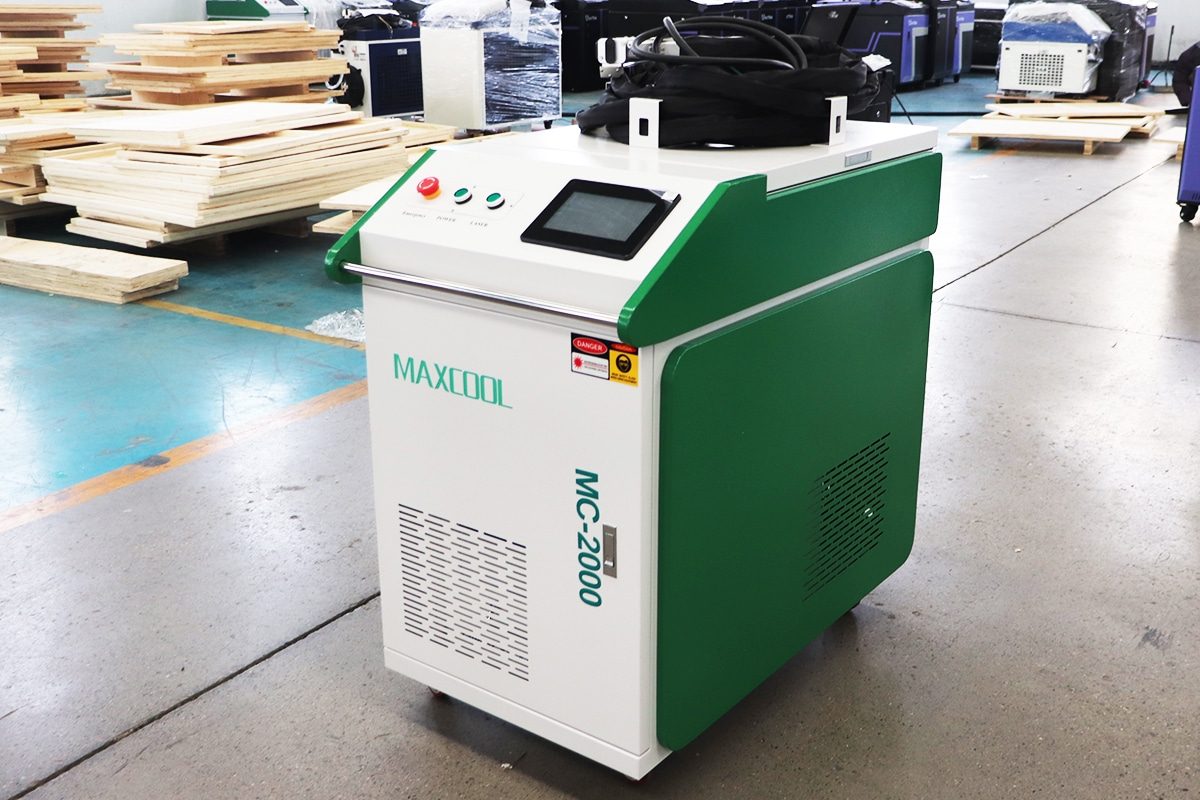
Laser cleaning machines have become an increasingly important solution in modern manufacturing, restoration, and surface preparation industries. From removing rust and oxide layers on steel structures to cleaning molds, welding seams, historical artifacts, and precision components, laser cleaning offers a non-contact, environmentally friendly, and highly controllable alternative to traditional methods such as sandblasting, chemical cleaning, or mechanical abrasion. However, while much attention is often given to laser source type (pulsed vs. continuous wave), wavelength, and power level, one critical factor is frequently overlooked: power supply requirements.
A stable and properly configured power supply is fundamental to the performance, reliability, and safety of any laser cleaning machine. Unlike simple electrical tools, laser cleaning systems integrate multiple high-precision subsystems, including the laser source, control electronics, galvanometer scanning system, cooling unit (air or water chiller), industrial computer, and safety interlocks. Each of these components has specific voltage, frequency, grounding, and protection requirements. Inadequate or unstable power input can result in reduced cleaning efficiency, inconsistent pulse energy, system alarms, premature component failure, or even permanent damage to the laser source.
Power supply considerations also vary depending on machine configuration. Portable handheld laser cleaners typically operate on single-phase industrial power (such as 220–240V), while high-power industrial systems may require three-phase power (380–415V or higher) to support kilowatt-level laser output and integrated cooling systems. Additionally, factors such as inrush current, voltage fluctuation tolerance, harmonic distortion, grounding quality, and surge protection must be carefully evaluated during installation.
Understanding power supply requirements is therefore not merely an electrical detail—it is a critical element of system design, installation planning, and long-term operational stability. In this article, we will explore the key electrical parameters, installation guidelines, and practical considerations that ensure laser cleaning machines operate safely, efficiently, and reliably in industrial environments.
Understanding the electrical fundamentals of laser cleaning systems is essential for ensuring stable operation and long-term reliability. Basic parameters such as voltage, current, frequency, power rating, and grounding form the foundation of safe and efficient system performance. At the same time, the internal electrical architecture—including the laser power supply, laser source, control electronics, scanning system, cooling units, and protective devices—relies on precise power regulation and proper installation. A well-designed and properly implemented electrical setup not only protects the equipment but also guarantees consistent cleaning performance, reduced downtime, and extended component lifespan in demanding industrial environments.
The input voltage configuration of a laser cleaning machine is one of the most critical factors affecting system stability, safety, and long-term reliability. While laser output power often receives the most attention in purchasing decisions, the electrical infrastructure available at the installation site ultimately determines whether the machine can operate efficiently and safely. Input voltage requirements vary depending on machine type, laser power level, cooling configuration, and regional electrical standards. Understanding single-phase versus three-phase power, acceptable voltage tolerance ranges, and frequency compatibility is essential before installation and commissioning.
Low- to mid-power laser cleaning machines—particularly portable pulsed systems in the 100W to 500W range—are typically designed to operate on single-phase power, commonly 110V, 220V, or 230–240V depending on the country. Single-phase systems are easier to install, widely available in workshops, and suitable for mobile or on-site applications. They generally require lower overall input current and are compatible with standard industrial sockets when properly rated.
However, as laser power increases, especially in continuous-wave systems above 1kW or integrated automated cleaning lines, the electrical demand rises significantly. High-power machines often require three-phase power (such as 380V, 400V, or 415V). Three-phase systems provide more stable power delivery, improved load distribution, and reduced current per conductor compared to equivalent single-phase setups. This results in better efficiency, lower conductor heating, and improved reliability for heavy-duty industrial operation.
Choosing between single-phase and three-phase supply is not simply a matter of availability. It directly impacts cable sizing, circuit breaker selection, distribution panel capacity, and installation cost. Using undersized electrical infrastructure can lead to overheating, voltage drops, nuisance tripping, or unstable laser performance.
Even when nominal voltage matches the machine specification, voltage stability is equally important. Most industrial laser cleaning machines are designed to operate within a voltage tolerance range of approximately ±5% to ±10% of the rated input voltage. For example, a 380V-rated system may operate safely between approximately 342V and 418V, depending on manufacturer specifications.
Excessive voltage fluctuations can have several consequences. Undervoltage conditions may cause insufficient laser output, unstable pulse energy, difficulty in starting cooling compressors, or unexpected shutdowns. Overvoltage conditions, on the other hand, can stress internal power supply modules, shorten component lifespan, and increase the risk of electrical damage.
Industrial environments with heavy machinery, large motors, or welding equipment may experience transient voltage dips and spikes. In such cases, installing voltage stabilizers, automatic voltage regulators, or power conditioners can significantly improve operational stability. Proper grounding and surge protection devices are also essential to protect sensitive laser electronics from sudden voltage transients.
Electrical frequency, typically 50 Hz or 60 Hz depending on the region, must also align with system design specifications. Many modern laser cleaning machines use switching power supplies that can accept both 50 Hz and 60 Hz input without performance degradation. However, this compatibility should always be confirmed with the manufacturer.
Frequency mismatches can affect transformer-based components, cooling compressors, and motor-driven systems. For example, a chiller designed for 50 Hz operation may experience reduced efficiency or altered motor speed if operated at 60 Hz without proper design adjustments. In three-phase systems, phase balance combined with correct frequency ensures smooth motor operation and consistent cooling performance.
For export-oriented equipment or multi-country installations, specifying dual-frequency compatibility (50/60 Hz) during procurement can reduce logistical complexity and improve adaptability.
Input voltage requirements form the foundation of reliable laser cleaning machine operation. Selecting the correct single-phase or three-phase power supply ensures sufficient electrical capacity and stable load distribution, particularly for high-power industrial systems. Maintaining voltage within the specified tolerance range protects sensitive power modules and guarantees consistent laser output. Additionally, confirming frequency compatibility prevents operational inefficiencies and equipment stress, especially in international installations. By carefully evaluating voltage type, tolerance limits, and frequency considerations before installation, operators can ensure stable performance, minimize downtime, and extend the service life of their laser cleaning equipment in demanding industrial environments.
Accurately calculating power consumption and electrical load is essential when installing and operating laser cleaning machines. While manufacturers typically specify nominal laser output power—such as 200W, 500W, or 2000W—the actual electrical demand of the system is significantly higher. Electrical load planning must consider laser source efficiency, auxiliary subsystems, startup characteristics, and real operating conditions. Failure to properly calculate total consumption can result in overloaded circuits, unstable performance, nuisance breaker trips, or long-term component damage.
Understanding how electrical input power translates into usable laser energy is the first step in determining infrastructure requirements.
Laser source efficiency refers to how effectively the system converts electrical energy into optical laser energy. Modern fiber laser cleaning systems typically achieve electrical-to-optical efficiencies ranging from approximately 25% to 45%, depending on design, wavelength, and operating mode (pulsed or continuous wave). This means that a 1000W laser output does not consume 1000W of electrical power—it may require 2500W to 4000W of electrical input to achieve that optical output.
The remaining energy is dissipated primarily as heat, which must be removed by the cooling system. As laser power increases, the inefficiencies become more significant in absolute terms, placing greater demand on both electrical supply and thermal management systems. Additionally, pulse modulation, peak power characteristics, and duty cycle can influence instantaneous power draw, especially in high-frequency pulsed cleaning applications.
Therefore, electrical load calculations must always be based on electrical input power rather than laser output power alone.
A laser cleaning machine is not just a laser source. It is an integrated system composed of multiple electrical subsystems, each contributing to overall power consumption. These typically include the laser power supply module, galvanometer scanning system, control electronics, industrial PC or PLC, safety interlock circuits, cooling units (air-cooled fans or water chillers), and sometimes dust extraction systems.
Cooling systems can represent a significant portion of total energy usage. Water chillers with compressors, circulation pumps, and temperature control systems often consume hundreds or even thousands of watts independently. In high-power continuous-wave systems, the chiller load may approach or exceed the laser’s own input power under demanding operating conditions.
When calculating total electrical load, it is important to consider peak operating scenarios rather than average consumption. For example, during high-duty cleaning cycles or continuous industrial production, power demand may approach maximum rated capacity for extended periods. Electrical infrastructure—including wiring cross-sections, circuit breakers, distribution panels, and transformers—must be sized accordingly with a reasonable safety margin, typically 20–30% above calculated steady-state load.
Environmental conditions such as high ambient temperature may also increase cooling demand, indirectly raising total electrical consumption.
Inrush current is a critical but often overlooked factor in electrical load planning. When laser cleaning machines are powered on, certain components—particularly switching power supplies, capacitor banks, transformers, and compressor-driven chillers—draw a short-duration surge of current that may significantly exceed normal operating levels.
This inrush current can be several times higher than the steady-state current and may last from milliseconds to several seconds, depending on system design. If circuit breakers or protective devices are not properly selected to accommodate this transient surge, the system may experience nuisance tripping during startup.
Soft-start circuits, inrush current limiters, and properly rated industrial circuit breakers help mitigate this issue. In three-phase systems, balanced phase loading further reduces startup stress. Proper consideration of inrush current is especially important in facilities where multiple high-power machines are started simultaneously, as cumulative surges can destabilize the local power network.
Ignoring inrush characteristics can lead to unstable startup behavior, voltage dips, or even damage to upstream electrical infrastructure.
Power consumption and electrical load calculation are fundamental to ensuring reliable laser cleaning machine operation. Because laser source efficiency is not 100%, electrical input power is significantly higher than optical output power, and additional subsystems such as cooling units and control electronics further increase total demand. Proper load planning must account for maximum operating conditions, include a reasonable safety margin, and consider environmental influences. Inrush current during startup adds another layer of complexity, requiring appropriate protective device selection and circuit design. By accurately evaluating laser efficiency, total system consumption, and transient startup characteristics, operators can design a stable electrical infrastructure that supports safe, efficient, and long-term operation of laser cleaning equipment.
Proper grounding is one of the most critical yet often underestimated aspects of installing and operating laser cleaning machines. Because these systems combine high-power electrical circuits, sensitive control electronics, high-frequency switching power supplies, and precision scanning components, grounding directly affects safety, performance stability, electromagnetic compatibility, and equipment lifespan. Inadequate grounding can lead to electrical shock hazards, unstable laser output, communication errors, increased electromagnetic interference (EMI), and even permanent damage to internal components. Therefore, grounding is not merely a regulatory requirement—it is a core technical foundation for reliable operation.
Protective Earth, commonly referred to as PE, is the primary safety grounding connection of the laser cleaning machine. Its main function is to protect operators and equipment by providing a low-resistance path for fault currents. In the event of insulation failure, short circuits, or internal leakage, the PE conductor safely directs fault current to ground, enabling circuit breakers or residual current devices (RCDs) to trip immediately.
For industrial laser cleaning machines, the protective earth connection must be securely bonded to the machine chassis, electrical cabinet, laser source housing, and cooling system frame. The grounding conductor should be sized according to local electrical codes and must maintain low impedance. Typically, grounding resistance should be as low as possible, often below 4 ohms in industrial environments, though specific requirements depend on national standards.
A poor protective earth connection can result in floating chassis voltage, unexpected electric shock risks, and unstable system behavior. Additionally, many modern fiber laser sources include internal monitoring systems that detect grounding anomalies. Inadequate grounding may trigger alarm codes or prevent the machine from starting altogether.
In facilities with multiple high-power machines, a dedicated grounding busbar connected to a verified earth electrode system is recommended. Shared grounding points should be carefully planned to avoid ground loops and high-impedance connections.
Beyond safety grounding, laser cleaning systems rely on proper separation and management of signal ground and power ground. Power ground refers to the return path for high-current electrical circuits, such as those supplying the laser power module, chiller compressor, and power conversion units. These circuits carry substantial current and may generate electrical noise due to switching operations.
Signal ground, on the other hand, serves low-voltage control circuits, communication lines, galvanometer drivers, sensors, and industrial computers. These circuits are highly sensitive to electrical interference. If the signal ground is improperly connected to noisy power ground paths, electromagnetic interference can introduce instability, communication errors, or irregular scanning behavior.
In well-designed laser cleaning machines, signal grounding and power grounding are typically managed through controlled grounding architectures. This may include single-point grounding schemes, star grounding configurations, or carefully filtered connections between signal and power grounds. Shielded cables with proper termination at designated grounding points further reduce interference risks.
Improper mixing of signal and power ground can lead to subtle but serious performance problems, such as inconsistent pulse output, pattern distortion during cleaning, or intermittent control system resets. Maintaining grounding discipline during installation—especially when extending cables or integrating external automation systems—is essential.
Grounding requirements are fundamental to the safe and stable operation of laser cleaning machines. Protective Earth ensures operator safety by providing a reliable path for fault currents and preventing dangerous chassis voltage buildup. At the same time, careful separation and management of signal ground and power ground protect sensitive electronics from electrical noise and interference. Proper grounding reduces the risk of electrical hazards, improves system reliability, enhances electromagnetic compatibility, and extends equipment lifespan. By implementing a well-designed grounding system that meets industrial standards and manufacturer specifications, operators can ensure both safety compliance and consistent cleaning performance in demanding industrial environments.
Reliable circuit protection is a critical part of the electrical design for laser cleaning machines. These systems combine high-power laser modules, switching power supplies, precision control electronics, and cooling units—all of which must be protected against overloads, short circuits, voltage spikes, and transient disturbances. Proper selection of circuit breakers and surge protection devices not only safeguards the equipment but also ensures compliance with electrical safety standards and minimizes unexpected downtime. Inadequate protection can lead to nuisance tripping, component damage, fire risk, or catastrophic failure of expensive laser sources.
Selecting the appropriate circuit breaker begins with understanding the machine’s rated input current and maximum electrical load under full operating conditions. The breaker must be capable of handling the system’s steady-state current while also tolerating short-duration inrush current during startup. Laser cleaning machines often contain switching power supplies and capacitor banks that draw a brief surge of current when energized. If the breaker is undersized or has an inappropriate trip characteristic, it may disconnect the system unnecessarily during startup.
Breaker type and trip curve selection are particularly important. Standard industrial miniature circuit breakers (MCBs) are typically available in different trip characteristics—commonly B, C, or D curves. For laser cleaning equipment, a C or D curve breaker is often more appropriate because it tolerates higher inrush currents without immediate tripping, while still providing reliable overload and short-circuit protection. However, the exact selection must align with the manufacturer’s electrical specification and local electrical codes.
In addition to the current rating, the breaker’s breaking capacity must match or exceed the facility’s prospective short-circuit current. In industrial environments with high available fault current, insufficient breaking capacity may lead to unsafe conditions during electrical faults.
For higher-power three-phase systems, molded case circuit breakers (MCCBs) may be required instead of standard MCBs. These offer adjustable protection settings and higher interrupting capacities. Coordination between upstream and downstream protection devices is also essential to ensure selective tripping, meaning that only the affected circuit disconnects during a fault, rather than shutting down the entire facility.
Residual current devices (RCDs) or ground fault circuit interrupters (GFCIs) may be required depending on local regulations. However, compatibility must be verified, as high-frequency switching power supplies can sometimes generate leakage currents that interfere with overly sensitive RCDs.
Surge protection is equally important, particularly in industrial facilities where voltage spikes, switching transients, or lightning-induced surges can occur. Laser cleaning machines contain sensitive electronic components, including laser driver modules, industrial control boards, and communication interfaces, all of which can be damaged by transient overvoltage events.
Surge protection devices (SPDs) are installed to divert transient voltage spikes safely to ground before they reach critical equipment. In most installations, surge protection is implemented in stages. A primary surge protector may be installed at the main distribution panel to protect against large external surges, such as lightning. Secondary protection devices can be installed closer to the laser cleaning machine to suppress smaller, internally generated transients.
In facilities with unstable grids or frequent voltage disturbances, combining surge protection with voltage stabilizers or power conditioners provides additional protection. Proper grounding is essential for surge protection devices to function effectively; without a low-impedance earth path, surge energy cannot be safely dissipated.
Ignoring surge protection may not cause immediate visible damage, but repeated transient stress can gradually degrade electronic components, leading to unexplained failures, intermittent alarms, or reduced system lifespan.
Circuit breakers and protection devices form the backbone of electrical safety and reliability for laser cleaning machines. Proper breaker selection ensures that the system is protected against overloads and short circuits while accommodating startup inrush current without unnecessary interruptions. Choosing the correct trip characteristics, breaking capacity, and coordination strategy is essential for safe and stable operation. Surge protection adds another critical layer of defense by shielding sensitive laser electronics from transient voltage spikes and grid disturbances. Together, well-selected breakers and surge protection devices minimize downtime, protect valuable equipment, and ensure long-term operational stability in demanding industrial environments.
Beyond voltage rating and current capacity, power quality plays a decisive role in the reliable operation of laser cleaning machines. These systems rely on high-frequency switching power supplies, precision laser driver modules, digital control electronics, and motion systems that are sensitive to electrical disturbances. Even when nominal voltage and frequency appear correct, poor power quality can cause unstable laser output, inconsistent cleaning performance, communication faults, unexpected shutdowns, and premature component aging. Therefore, evaluating harmonic distortion, voltage sag, and brownout conditions is essential when installing laser cleaning equipment in industrial environments.
Harmonic distortion occurs when the electrical waveform deviates from a pure sinusoidal shape due to non-linear loads. In modern industrial facilities, equipment such as variable frequency drives (VFDs), welding machines, large motor drives, and switching power supplies generate harmonic currents that distort the voltage waveform on the grid. Since laser cleaning machines themselves also use high-frequency switching power supplies, they can both contribute to and be affected by harmonics.
Excessive harmonic distortion can increase heating in transformers, cables, and circuit breakers. It may also reduce the efficiency of power supplies and interfere with sensitive electronic circuits inside the laser cleaning system. In severe cases, harmonics can cause control instability, unexpected alarms, communication errors between subsystems, or reduced laser power stability.
Total Harmonic Distortion (THD) is commonly used to quantify waveform distortion. Many industrial standards recommend maintaining voltage THD below 5% for sensitive electronic equipment. When harmonic levels are high, mitigation measures such as harmonic filters, line reactors, isolation transformers, or active power factor correction systems may be required. Proper grounding and separation of high-power motor circuits from precision laser circuits further reduce harmonic interference.
Monitoring power quality during site evaluation is especially important in factories with heavy industrial loads operating on the same distribution network as the laser cleaning system.
Voltage sag refers to a short-duration drop in voltage, typically lasting from a few milliseconds to several seconds. Brownout describes a longer-lasting reduction in voltage below nominal levels. Both conditions are common in facilities with large motors, compressors, welding equipment, or fluctuating utility supply.
Laser cleaning machines are sensitive to voltage stability because their laser driver modules require tightly regulated DC power. During voltage sag events, the system may experience reduced laser output power, unstable pulse energy, cooling system malfunction, or even automatic shutdown to protect internal components. Repeated voltage sags can shorten the lifespan of power supply modules and stress electronic components.
Brownout conditions are particularly harmful if sustained. Prolonged undervoltage forces power supplies to draw higher current to maintain output, increasing internal heat generation and component wear. In severe cases, brownouts may prevent the laser from starting or cause frequent restart cycles that disrupt production.
To mitigate voltage sag and brownout risks, facilities may implement automatic voltage regulators (AVRs), uninterruptible power supplies (UPS) for control systems, or dedicated transformers for high-precision equipment. In critical industrial applications, separating laser cleaning machines from heavy-load circuits helps prevent cross-interference. Regular monitoring of incoming power quality allows operators to identify recurring disturbances and take corrective action.
Power quality is a crucial factor in ensuring the stable, efficient, and long-lasting operation of laser cleaning machines. Harmonic distortion caused by non-linear industrial loads can interfere with sensitive electronics and reduce system efficiency, while voltage sag and brownout conditions can lead to unstable laser output, unexpected shutdowns, and accelerated component wear. Maintaining low harmonic levels, stable voltage supply, and proper electrical isolation protects both performance and equipment lifespan. By proactively addressing power quality issues through filtering, voltage regulation, and thoughtful infrastructure design, operators can significantly improve reliability and minimize operational disruptions in demanding industrial environments.
The cooling system is a critical electrical load within any laser cleaning machine. While the laser source converts electrical energy into optical energy, a significant portion of the input power is inevitably transformed into heat. Efficient thermal management is essential to maintain stable laser output, protect internal components, and ensure long-term reliability. As laser power increases, cooling demand rises proportionally, making the cooling system one of the largest contributors to total electrical consumption. Understanding the power requirements of both air-cooled and water-cooled systems is therefore essential when planning electrical infrastructure.
Cooling system design directly influences not only temperature control performance but also total energy usage, electrical load stability, and installation requirements.
Air-cooled laser cleaning machines typically use high-efficiency fans and heat sinks to dissipate heat generated by the laser source and internal electronics. These systems are common in low- to mid-power pulsed laser cleaning machines, especially portable handheld units in the 100W to 500W range.
From an electrical standpoint, air-cooled systems consume relatively modest additional power compared to water-cooled systems. The primary electrical loads consist of axial or centrifugal cooling fans, control electronics, and sometimes auxiliary airflow monitoring circuits. Total cooling-related power consumption is generally limited to several tens or hundreds of watts, depending on laser power and ambient conditions.
However, air-cooled systems are more sensitive to environmental factors such as ambient temperature, dust levels, and airflow restrictions. In high-temperature environments, cooling fans may operate at maximum speed for extended periods, increasing electrical consumption and mechanical wear. Poor ventilation or clogged filters can further reduce cooling efficiency, potentially triggering temperature alarms or output power reduction.
While air-cooled systems offer advantages in simplicity, portability, and lower installation complexity, their cooling capacity is inherently limited. As laser power increases, the required airflow and fan power also increase, eventually making air cooling impractical for high-power industrial systems.
Water-cooled systems are typically used in medium- to high-power laser cleaning machines, particularly continuous-wave systems above 1000W. These systems rely on dedicated industrial chillers to remove heat from the laser source through circulating coolant. Water cooling provides significantly higher heat dissipation capacity and more precise temperature control than air cooling.
Electrically, water-cooled systems introduce several additional loads. The chiller unit often includes a refrigeration compressor, circulation pump, condenser fan, control electronics, and temperature regulation components. The compressor alone can draw substantial current, especially during startup when inrush current is highest. Depending on system size, the chiller may consume hundreds to several thousand watts.
Because refrigeration compressors cycle on and off to maintain temperature, the electrical load may fluctuate during operation. In high-duty production environments, the compressor may run continuously, pushing the cooling system close to its rated capacity. Ambient temperature plays a major role in electrical consumption, as higher room temperatures increase compressor runtime and energy usage.
In three-phase industrial systems, chillers often require balanced phase distribution to ensure efficient motor operation. Proper circuit breaker sizing must account for both steady-state operation and the startup inrush current of the compressor motor.
Although water-cooled systems require higher electrical input and more complex installation, they provide superior thermal stability. Maintaining consistent laser diode temperature is essential for output stability, wavelength consistency, and extended component lifespan. For high-power laser cleaning applications, water cooling is not only beneficial but often mandatory.
Cooling system power requirements are a significant component of overall electrical planning for laser cleaning machines. Air-cooled systems offer lower electrical consumption and simplified installation, making them suitable for lower-power and portable applications. However, their cooling capacity is limited and highly dependent on environmental conditions. Water-cooled systems, while electrically more demanding due to compressors and pumps, provide superior thermal control and are essential for high-power industrial operations. Accurately accounting for cooling-related electrical load—under both normal and peak operating conditions—ensures stable laser performance, prevents overheating, and supports long-term system reliability in demanding industrial environments.
In many industrial and field applications, laser cleaning machines are not always connected to a stable municipal grid. Shipyards, construction sites, offshore platforms, mining areas, railway maintenance zones, and large steel structures often rely on diesel or gasoline generators as the primary power source. While generator operation offers flexibility and mobility, it also introduces additional complexity in terms of voltage stability, frequency control, and power quality. Ensuring generator compatibility is therefore essential for safe and stable laser cleaning system performance.
Laser cleaning machines contain sensitive switching power supplies, precision laser driver modules, digital control electronics, and cooling systems. These components require stable input voltage, low harmonic distortion, and controlled frequency deviation. Not all generators are capable of delivering power with sufficient stability for high-precision laser equipment.
One of the most important considerations is generator capacity. The generator’s rated output must exceed the total electrical demand of the laser cleaning machine, including the laser source, cooling system, control electronics, and any auxiliary equipment. A common recommendation is to select a generator with at least 30% to 50% higher rated capacity than the machine’s maximum steady-state consumption. This safety margin ensures that the generator can handle startup inrush current, compressor cycling in water-cooled systems, and transient load spikes without voltage collapse.
Voltage regulation performance is equally critical. High-quality generators equipped with Automatic Voltage Regulators (AVR) provide better voltage stability under fluctuating load conditions. Without proper regulation, voltage may fluctuate significantly when the laser activates or when the cooling compressor starts, leading to unstable laser output, unexpected alarms, or system shutdown. Poor regulation can also shorten the lifespan of internal power modules.
Frequency stability must also be evaluated. Laser cleaning machines are typically designed for 50 Hz or 60 Hz operation with limited tolerance. Generators with poor engine speed control may produce frequency drift under variable loads. Even small frequency deviations can affect motor-driven components such as chillers, and in extreme cases may reduce power supply efficiency or trigger protective circuits.
Power waveform quality is another important factor. Some lower-cost generators produce higher harmonic distortion due to non-linear voltage regulation or insufficient filtering. Excessive Total Harmonic Distortion (THD) can interfere with switching power supplies and increase internal heating. For sensitive laser cleaning systems, generators with low THD output—ideally below 5%—are recommended. In certain applications, adding external power conditioners or isolation transformers may further improve compatibility.
Grounding remains essential even in generator-powered setups. The generator frame and the laser cleaning machine must be properly grounded to prevent floating neutral conditions, electrical noise, or safety hazards. Failure to establish a stable grounding reference can result in unstable control signals and increased electromagnetic interference.
Finally, load management is crucial. Laser cleaning machines should ideally be powered by a dedicated generator circuit rather than sharing power with heavy, fluctuating loads such as welding machines or large motors. Shared loads can introduce voltage dips and instability that directly affect laser performance.
Generator compatibility is a critical consideration for mobile and off-grid laser cleaning applications. Proper generator sizing with sufficient capacity margin ensures stable operation under both steady-state and startup conditions. High-quality voltage regulation, frequency stability, low harmonic distortion, and proper grounding are essential to protect sensitive laser electronics and maintain consistent cleaning performance. When carefully selected and properly configured, generators can provide reliable power for laser cleaning machines in remote or industrial environments, enabling flexible deployment without compromising safety or equipment longevity.
In modern manufacturing environments, laser cleaning machines are rarely standalone units operating in isolation. They are often integrated into automated production lines, robotic workstations, surface preparation cells, or intelligent manufacturing systems. This integration introduces additional power supply considerations beyond basic voltage and current requirements. When connected to shared electrical infrastructure and industrial communication networks, laser cleaning systems must maintain electrical compatibility, stability, and electromagnetic resilience. Understanding shared bus systems and communication system requirements is essential for ensuring reliable performance in complex industrial environments.
In many factories, multiple machines are connected to a centralized power distribution network or shared bus system. This configuration allows efficient distribution of electrical power from a common transformer or main distribution panel. However, shared bus environments introduce challenges related to load interaction, voltage fluctuation, and harmonic interference.
When laser cleaning machines operate alongside heavy industrial equipment such as CNC machines, welding systems, stamping presses, or large motor drives, sudden load changes can cause voltage dips or transient disturbances on the shared bus. For example, the startup of a high-power motor or compressor on the same distribution line may produce a temporary voltage sag that affects laser output stability. If the laser cleaning system shares the same bus without sufficient isolation or buffering, cleaning performance may become inconsistent, or protective shutdowns may occur.
To ensure stable integration, it is often recommended to provide a dedicated branch circuit for the laser cleaning machine, even if it remains connected to the same main bus. Proper circuit separation reduces mutual interference and enhances load stability. In high-precision applications, isolation transformers or power conditioning units may be installed to decouple the laser cleaning system from heavy industrial loads.
Phase balancing is another important consideration in three-phase shared systems. Uneven phase loading can cause voltage imbalance, increasing stress on motors and power modules within the laser cleaning system. Proper distribution planning ensures balanced loading and reduces overheating risks.
In automated production lines where multiple laser units operate simultaneously, cumulative power demand must be carefully calculated. Electrical panels, cable sizing, and upstream protective devices must be rated for simultaneous operation under peak conditions rather than average load scenarios.
Industrial integration also involves communication systems that connect the laser cleaning machine to robotic controllers, programmable logic controllers (PLCs), factory management systems, or industrial IoT platforms. These communication systems may use Ethernet-based protocols, fieldbus systems, or serial communication standards.
Electrical noise and grounding practices significantly influence communication reliability. In environments with high electromagnetic interference, improper cable routing or poor shielding can lead to signal distortion, intermittent communication errors, or synchronization failures between the laser system and automation equipment.
Separation of power cables and communication cables is critical. High-current power lines should not be routed in parallel with signal cables without adequate shielding and spacing. Shielded communication cables should be grounded correctly at designated points to prevent ground loops. Signal grounding must remain distinct from high-current power grounding paths to avoid noise injection into control circuits.
A stable power supply also affects communication performance. Voltage fluctuations or brownout conditions can cause PLC resets, HMI malfunctions, or unexpected disconnections from supervisory control systems. In mission-critical production lines, integrating an uninterruptible power supply (UPS) for control electronics ensures continuity of communication even during short-duration power disturbances.
As industrial facilities adopt Industry 4.0 frameworks, the importance of clean and stable power for both energy delivery and digital communication becomes even greater. Power instability not only affects laser output but also disrupts data exchange and process coordination.
Industrial integration requirements extend beyond basic electrical connection and demand careful consideration of shared bus systems and communication infrastructure. In shared power environments, voltage stability, phase balancing, load separation, and harmonic management are essential to prevent interference from other industrial equipment. Communication systems require clean power, proper grounding, shielding, and thoughtful cable routing to ensure reliable data exchange and synchronization. By addressing both electrical distribution and communication stability during system integration, manufacturers can achieve seamless operation of laser cleaning machines within automated production lines, ensuring consistent performance, reduced downtime, and long-term operational reliability in complex industrial settings.
Power supply stability for laser cleaning machines is not determined solely by electrical specifications. Environmental conditions play a critical role in how electrical components perform, age, and maintain reliability. Temperature and humidity directly influence power modules, insulation materials, cooling efficiency, and overall system stability. Even when voltage and current ratings are within specification, harsh environmental conditions can degrade electrical performance, increase failure rates, and compromise safety. Therefore, environmental evaluation is an essential part of planning the power supply infrastructure for laser cleaning systems.
Ambient temperature has a direct impact on electrical efficiency and component lifespan. Power supply modules, switching converters, circuit breakers, transformers, and cooling systems all generate heat during operation. If the surrounding environment is already warm, internal temperatures can rise beyond recommended operating limits.
Most industrial laser cleaning machines are designed to operate within an ambient temperature range of approximately 5°C to 40°C, although exact specifications vary by manufacturer. When temperatures exceed the upper limit, several issues may occur. Switching power supplies may experience reduced efficiency and increased internal resistance, leading to higher thermal stress. Cooling systems, particularly air-cooled units, may struggle to dissipate heat effectively, resulting in automatic power reduction or thermal shutdown.
High ambient temperature also affects cable insulation and breaker performance. Circuit breakers are thermally sensitive devices; elevated temperatures can lower their effective current-carrying capacity, potentially causing premature tripping. Electrical panels installed in poorly ventilated areas may accumulate heat, accelerating the aging of capacitors and semiconductor components inside the laser power supply.
Conversely, extremely low temperatures can create startup challenges. Water-cooled systems may require antifreeze solutions to prevent coolant freezing. Condensation risks increase when cold equipment is powered on in warmer environments, potentially affecting insulation and control electronics.
Proper ventilation, climate-controlled electrical cabinets, and adequate spacing around the machine help maintain stable operating temperatures. In hot industrial environments, air conditioning or additional cooling capacity may be required to ensure reliable power performance.
Humidity affects electrical systems primarily through condensation, corrosion, and insulation degradation. Most laser cleaning machines are designed to operate in environments with relative humidity levels below approximately 80%, provided there is no condensation.
High humidity increases the risk of moisture accumulation inside electrical cabinets, especially during temperature fluctuations. Condensation can form on circuit boards, connectors, and power modules, leading to short circuits, insulation breakdown, and unpredictable system behavior. Repeated exposure to moisture accelerates corrosion of terminals, busbars, and grounding connections, increasing electrical resistance and compromising safety.
Humidity also influences insulation resistance. Moisture absorption in insulation materials can reduce dielectric strength, raising the risk of leakage current or electrical arcing. In coastal or tropical environments where humidity remains consistently high, protective measures such as sealed enclosures, desiccant systems, anti-condensation heaters, or dehumidifiers are often necessary.
For water-cooled systems, humidity control is particularly important because temperature differentials between coolant lines and ambient air may promote condensation around fittings and hoses. Proper insulation of coolant pipes and stable room climate conditions help mitigate this risk.
Regular inspection of electrical cabinets for moisture, corrosion, and dust accumulation further enhances reliability in humid environments.
Environmental factors such as temperature and humidity significantly influence the performance and longevity of laser cleaning machine power systems. Elevated temperatures can reduce power supply efficiency, increase thermal stress, and shorten component lifespan, while extreme cold may introduce startup challenges and condensation risks. High humidity can lead to corrosion, insulation degradation, and electrical instability if not properly controlled. Maintaining stable environmental conditions through ventilation, climate control, and moisture protection ensures that electrical components operate within safe limits. By carefully addressing temperature and humidity considerations, operators can enhance system reliability, reduce unexpected failures, and extend the service life of laser cleaning equipment in demanding industrial settings.
Cables are a fundamental but often underestimated part of the power supply infrastructure for laser cleaning machines. Even if voltage rating, circuit breakers, grounding, and power quality are properly configured, inadequate cable selection can result in voltage drop, overheating, electromagnetic interference, safety hazards, and long-term reliability issues. Because laser cleaning systems combine high-power laser sources, cooling units, switching power supplies, and sensitive control electronics, cable specification must be carefully matched to both electrical load and installation environment. Proper cable design ensures stable energy delivery, minimizes losses, and supports safe industrial integration.
The first and most critical factor in cable selection is conductor cross-sectional area. Cable size must be selected based on the machine’s maximum operating current, not just nominal or average consumption. When calculating cable size, engineers must consider steady-state current, inrush current during startup, ambient temperature, installation method, and allowable voltage drop.
Undersized conductors increase electrical resistance, leading to excessive heat generation and energy loss. Over time, overheating degrades insulation, increases fire risk, and may cause nuisance tripping of protective devices. For high-power laser cleaning systems, particularly three-phase installations, appropriately sized copper conductors are typically recommended due to their superior conductivity and durability.
Voltage drop is another key consideration. Excessive voltage drop across long cable runs can reduce effective input voltage at the machine terminals, potentially causing unstable laser output or system alarms. In industrial installations where the distribution panel is far from the laser cleaning machine, larger cable sizes may be necessary to maintain voltage within acceptable tolerance limits.
Cable insulation must be rated for the operating voltage and environmental conditions. Industrial-grade cables with appropriate insulation materials, such as PVC or XLPE, are commonly used. However, temperature rating is particularly important in environments where ambient temperatures are high or where cables pass near heat-generating equipment.
Higher ambient temperatures reduce a cable’s effective current-carrying capacity. Therefore, derating factors must be applied when cables are installed in hot environments, enclosed conduits, or tightly bundled configurations. Selecting cables with higher temperature ratings provides an additional safety margin and improves long-term reliability.
In installations where cables are exposed to oil, chemicals, mechanical abrasion, or UV radiation, protective sheathing and industrial-grade insulation are essential to prevent premature degradation.
Proper cable routing is essential for both safety and performance. Power cables carrying high current should be routed separately from communication and control cables to minimize electromagnetic interference. Parallel routing of power and signal cables without adequate separation or shielding can introduce noise into sensitive control circuits, potentially affecting scanning accuracy or communication stability.
In three-phase systems, proper grouping of phase conductors and maintaining a symmetrical layout reduces magnetic field imbalance and heat concentration. Secure mechanical support and proper strain relief prevent mechanical stress on terminals and connectors.
Cable bending radius should follow manufacturer guidelines to avoid conductor fatigue or insulation damage. For mobile or portable laser cleaning units, flexible industrial cables with appropriate durability ratings should be used to accommodate repeated movement.
The protective earth conductor must be included in the cable assembly and sized according to applicable electrical codes. The grounding conductor ensures safe fault current return and proper operation of surge protection and filtering devices. A poorly sized or loosely connected ground conductor can compromise both safety and electromagnetic compatibility.
In high-power systems, a low-impedance grounding path is critical for stable operation. Ground continuity should be verified during installation and periodically inspected during maintenance.
Cable requirements play a crucial role in ensuring safe and stable power delivery for laser cleaning machines. Proper conductor sizing prevents overheating and excessive voltage drop, while suitable insulation and temperature ratings protect against environmental stress. Thoughtful cable routing minimizes electromagnetic interference and enhances communication stability. Adequate grounding conductors ensure operator safety and reliable protective device performance. By carefully selecting and installing cables according to electrical load, environmental conditions, and industrial standards, operators can significantly improve system reliability, reduce energy losses, and extend the service life of laser cleaning equipment in demanding applications.
In industrial environments where production continuity and equipment protection are critical, uninterruptible power supply (UPS) systems and backup power solutions play an important role in supporting laser cleaning machines. Although laser cleaning equipment can often tolerate brief interruptions without catastrophic damage, sudden power loss during operation may cause unexpected shutdowns, control system errors, cooling interruptions, or data loss. In high-precision or automated production lines, even short-duration power disturbances can disrupt workflow and reduce overall efficiency. Therefore, evaluating the need for UPS and backup power is an essential part of comprehensive power supply planning.
Laser cleaning machines consist of several subsystems with different levels of sensitivity to power interruption. The laser source, control electronics, galvanometer scanning system, industrial PC or PLC, and cooling system all depend on stable power. A complete loss of power can immediately shut down the laser output, but the more significant risk often involves abrupt interruption of cooling systems or control circuits, which may lead to thermal stress or improper shutdown sequences.
In most applications, it is not practical or cost-effective to place the entire high-power laser cleaning system on a full-capacity UPS, especially for kilowatt-level continuous-wave machines. However, protecting critical low-power subsystems is highly recommended. Control electronics, PLCs, industrial computers, communication modules, and monitoring systems consume relatively low power but are highly sensitive to voltage disturbances and outages.
Installing a properly sized online or double-conversion UPS for control circuits ensures that the system can maintain communication, execute safe shutdown procedures, and preserve operational data during short power interruptions. Even a few minutes of backup runtime can allow the laser system to complete an orderly shutdown sequence, preventing abrupt termination that could stress internal components.
In automated production environments where laser cleaning is synchronized with robotic systems or conveyor lines, UPS protection for control networks prevents desynchronization and reduces restart complexity after power restoration.
Cooling continuity is particularly important for water-cooled laser cleaning systems. If power is suddenly lost while the laser source is operating at high output, residual heat remains within the system. Without active cooling, internal temperature may rise temporarily, potentially affecting diode longevity or internal components.
In high-value or high-duty applications, backup power solutions may be configured to maintain coolant circulation for a short period after power failure. This can be achieved through UPS-supported circulation pumps or dedicated emergency cooling circuits. The objective is not to maintain full operation, but to prevent thermal shock and allow controlled temperature stabilization.
For large industrial installations, facility-level backup generators may provide broader power continuity. In such cases, coordination between the generator startup sequence and the laser cleaning system’s restart logic must be carefully managed to avoid voltage instability during transfer.
When selecting a UPS, several technical factors must be evaluated. Online double-conversion UPS systems provide the highest level of power conditioning by continuously converting incoming AC power to DC and back to AC, isolating sensitive electronics from voltage fluctuations, harmonics, and transient disturbances. Line-interactive UPS systems may be sufficient for less demanding applications but offer lower isolation performance.
UPS capacity must be sized based on the total load of protected components, including future expansion margin. Overloading a UPS reduces runtime and may compromise reliability. Additionally, compatibility with switching power supplies should be confirmed to avoid waveform compatibility issues.
Battery maintenance and environmental conditions must also be considered. UPS battery performance degrades at high temperatures, so proper ventilation and periodic inspection are necessary to ensure long-term reliability.
UPS and backup power systems enhance the reliability and protection of laser cleaning machines in environments where power interruptions are possible. While full-load UPS protection for high-power laser sources may not always be practical, safeguarding control electronics and critical circuits ensures orderly shutdown and communication stability. Maintaining temporary cooling support during outages reduces thermal stress and protects sensitive components. Proper UPS selection, sizing, and environmental management contribute to improved operational continuity, reduced downtime, and extended equipment lifespan. By integrating appropriate backup power strategies into the overall electrical design, operators can significantly improve the resilience and safety of laser cleaning systems in demanding industrial applications.
Power supply design for laser cleaning machines is not only a technical issue but also a regulatory responsibility. Electrical systems must comply with national and international safety standards to ensure operator protection, equipment reliability, and legal market access. Because laser cleaning machines integrate high-voltage power modules, switching power supplies, cooling compressors, control electronics, and safety interlock systems, their electrical architecture must meet strict compliance requirements. Adhering to recognized safety standards reduces the risk of electric shock, fire hazards, electromagnetic interference, and system malfunction, while also facilitating certification for global markets.
Laser cleaning machines typically fall under industrial electrical equipment regulations. In many regions, compliance with standards such as IEC 60204-1 (Safety of Machinery – Electrical Equipment of Machines) is essential. This standard defines requirements for wiring methods, protective bonding, grounding, circuit protection, emergency stop functions, insulation coordination, and fault protection. It ensures that the electrical system is designed to prevent hazards during both normal operation and fault conditions.
For markets within the European Union, CE marking requires conformity with directives such as the Low Voltage Directive (LVD) and the Electromagnetic Compatibility (EMC) Directive. The Low Voltage Directive ensures that electrical components operate safely within specified voltage ranges, while the EMC Directive ensures that equipment does not generate excessive electromagnetic interference and remains immune to external disturbances.
In North America, compliance with UL (Underwriters Laboratories) or CSA standards may be required, particularly for electrical panels, power supplies, and wiring systems. Local electrical codes, such as the National Electrical Code (NEC) in the United States, define installation practices, grounding requirements, cable ratings, and protective device specifications.
Meeting these standards involves proper component selection, adequate insulation distances, certified circuit breakers, correctly rated cables, and compliant enclosure design.
In addition to general electrical standards, laser cleaning machines must comply with laser safety regulations. Standards such as IEC 60825 define laser classification, labeling requirements, and protective measures. Although these standards focus primarily on optical safety, they also influence electrical safety design, particularly in interlock circuits and emergency stop systems that disconnect laser power during unsafe conditions.
Electrical systems must integrate safety circuits that ensure immediate shutdown of the laser source when protective covers are opened or emergency stop buttons are activated. These circuits must be fail-safe and comply with machinery safety standards.
EMC compliance is particularly relevant for power supply systems. Laser cleaning machines use high-frequency switching power supplies and scanning drivers, which can generate electromagnetic emissions. Compliance testing verifies that conducted and radiated emissions remain within allowable limits.
At the same time, immunity testing ensures that the system can withstand external electrical disturbances such as electrostatic discharge (ESD), electrical fast transients (EFT), surge events, and voltage dips. Proper grounding, shielding, surge protection, and filtering are critical design elements to meet these requirements.
Failure to comply with EMC standards may result in malfunction when installed near other industrial equipment, leading to unstable operation or communication errors.
Compliance is not limited to hardware design; it also requires documentation and traceability. Technical documentation typically includes electrical schematics, risk assessments, grounding verification, insulation testing records, component certifications, and conformity declarations.
Manufacturers must provide clear installation instructions specifying power supply requirements, grounding specifications, breaker ratings, and environmental conditions. Proper labeling inside electrical cabinets further supports safe maintenance and troubleshooting.
For export-oriented manufacturers, ensuring compliance with international standards simplifies market access and reduces customs or inspection delays.
Safety compliance and standards form the regulatory framework that governs the power supply design of laser cleaning machines. Adherence to electrical safety standards such as IEC 60204-1, Low Voltage Directive requirements, and national electrical codes ensures safe installation and operation. Laser-specific standards and EMC regulations further protect operators and equipment from electrical and electromagnetic hazards. Proper documentation, certified components, and compliant system design not only enhance safety but also facilitate global certification and market acceptance. By integrating safety compliance into every stage of electrical planning and design, manufacturers and operators can ensure reliable performance, legal conformity, and long-term operational security for laser cleaning systems.
Energy efficiency is an increasingly important factor in the operation of laser cleaning machines, especially in industrial environments where equipment runs for extended hours. While technical performance, cleaning quality, and reliability remain primary concerns, long-term operational electricity cost and overall energy optimization significantly influence the total cost of ownership. Power supply design, system efficiency, and electrical configuration directly affect how much energy the machine consumes and how efficiently that energy is used. Evaluating operational electricity cost and implementing power factor correction strategies can lead to substantial savings over the lifespan of the equipment.
Operational electricity cost depends on several variables, including laser output power, electrical-to-optical conversion efficiency, cooling system demand, duty cycle, and local electricity tariffs. It is important to distinguish between rated laser output power and actual electrical input power. Due to conversion losses, laser cleaning machines typically consume significantly more electrical energy than their optical output rating suggests.
For example, if a fiber laser operates at 1000W optical output with an electrical efficiency of approximately 30% to 40%, the total electrical input may range from 2500W to 3500W or more. When cooling systems, control electronics, dust extraction units, and auxiliary devices are included, total system consumption increases further.
Duty cycle plays a major role in determining actual energy usage. In intermittent cleaning applications, average power consumption may be significantly lower than the maximum rated load. However, in continuous industrial production environments, the machine may operate near full capacity for long periods, leading to higher monthly energy costs.
Cooling systems also contribute to operational costs. Water-cooled systems, particularly those with compressor-based chillers, can consume a substantial amount of electricity. High ambient temperatures increase compressor runtime, further raising energy consumption.
To accurately estimate operational electricity cost, operators should calculate total system input power under typical working conditions and multiply by expected operating hours and local electricity rates. Energy monitoring devices can provide real-time consumption data, allowing facilities to optimize scheduling and identify inefficiencies.
Power factor is a measure of how effectively electrical power is converted into useful work. It represents the ratio between real power (used for productive work) and apparent power (total power supplied by the grid). In systems with non-linear loads such as switching power supplies, compressors, and motor drives, the power factor may be less than ideal.
A low power factor means that more apparent power must be drawn from the electrical network to deliver the same amount of usable power. This increases current flow, raises transmission losses, and may result in higher utility charges in industrial settings where power factor penalties apply.
Modern laser cleaning machines often incorporate internal power factor correction (PFC) circuits within their switching power supplies. Active PFC technology improves power factor, often achieving values above 0.9 or even 0.95 under normal operating conditions. High power factor reduces current demand, lowers cable heating, and improves overall system efficiency.
In facilities operating multiple high-power machines, centralized power factor correction systems may also be installed at the distribution level. These systems compensate for reactive power and stabilize overall grid performance. Improved power factor reduces energy waste, enhances voltage stability, and may lower peak demand charges.
Proper grounding, harmonic filtering, and balanced phase loading further support efficient power usage and reduce unnecessary losses within the electrical infrastructure.
Energy efficiency and cost considerations are essential elements of power supply planning for laser cleaning machines. Operational electricity cost depends on total system input power, duty cycle, cooling demand, and local energy tariffs. Understanding the difference between optical output power and electrical consumption helps operators accurately assess long-term expenses. Power factor correction plays a key role in improving electrical efficiency by reducing reactive power, lowering current demand, and minimizing utility penalties. By optimizing system efficiency, selecting energy-efficient components, and maintaining proper electrical configuration, operators can reduce operating costs, improve sustainability, and enhance the overall economic performance of laser cleaning equipment over its service life.
Even when laser cleaning machines are properly designed and installed, power-related issues remain one of the most common causes of operational instability and equipment failure. Because these systems rely on precise electrical regulation to maintain consistent laser output, cooling performance, and control communication, any disturbance in the power supply can directly affect cleaning quality and long-term reliability. Understanding common power-related failures helps operators diagnose problems more efficiently and implement preventive measures before serious damage occurs.
Power-related failures typically fall into several categories: voltage instability, grounding problems, overcurrent conditions, harmonic interference, and cooling-related electrical faults. Each type of issue can manifest in different ways depending on machine configuration and environmental conditions.
One of the most frequent power-related problems is unstable input voltage. Voltage sags, spikes, or prolonged brownouts can cause inconsistent laser output, system alarms, unexpected shutdowns, or difficulty starting the machine. In pulsed laser cleaning systems, voltage fluctuation may lead to inconsistent pulse energy, resulting in uneven cleaning results. In continuous-wave systems, undervoltage can reduce effective output power, while overvoltage may stress internal power modules.
Repeated voltage instability accelerates the aging of switching power supplies and electrolytic capacitors. Over time, this may lead to permanent failure of power modules. Facilities with heavy industrial loads sharing the same distribution network are particularly vulnerable to such issues.
Improper grounding is another common source of failure. Inadequate protective earth connections can create floating chassis voltage, increase shock risk, and introduce electromagnetic interference. Poor separation between signal ground and power ground may cause unstable control signals, communication errors between subsystems, or irregular scanning behavior.
Electrical noise generated by nearby welding equipment, large motor drives, or frequency converters can interfere with sensitive electronics inside the laser cleaning system. Symptoms may include intermittent communication faults, unexpected control resets, or erratic laser triggering. Ground loops created by improper cable routing can further amplify interference problems.
Overcurrent conditions can result from undersized cables, overloaded circuits, or improper breaker selection. If the circuit breaker rating does not account for startup inrush current, nuisance tripping may occur when the machine powers on. Conversely, if the breaker is oversized, it may fail to trip during fault conditions, increasing fire and equipment damage risk.
Internal short circuits, insulation degradation, or damaged power cables can also cause protective devices to trip repeatedly. Ignoring repeated breaker trips without investigating the root cause may result in more severe system damage.
High harmonic distortion in the electrical supply can increase heating in transformers and power modules, reduce efficiency, and shorten component lifespan. Non-linear loads within the facility or within the laser cleaning system itself may contribute to waveform distortion. Symptoms of harmonic-related issues include overheating of electrical panels, unstable operation, or unexplained system faults.
Without proper filtering or power conditioning, harmonic stress gradually degrades sensitive electronics, leading to unpredictable failures.
In water-cooled systems, compressor startup current and fluctuating cooling load can strain the electrical infrastructure. Voltage drops during compressor startup may cause system resets. If cooling power is interrupted unexpectedly, residual heat may damage internal laser components.
Fan failures in air-cooled systems, often caused by power instability or excessive dust, can result in overheating and thermal shutdown.
Common power-related failures in laser cleaning machines stem from voltage instability, grounding deficiencies, overcurrent conditions, harmonic distortion, and cooling system electrical issues. These problems may manifest as inconsistent laser output, nuisance tripping, overheating, communication errors, or unexpected shutdowns. Repeated exposure to unstable power conditions accelerates component aging and increases maintenance costs. By ensuring stable voltage supply, proper grounding, appropriate protection devices, adequate cable sizing, and good power quality management, operators can significantly reduce the risk of electrical failure and maintain consistent, reliable performance in demanding industrial environments.
Planning electrical infrastructure before purchasing laser cleaning machines is a critical step that directly affects installation efficiency, operational stability, long-term reliability, and total cost of ownership. Many performance issues attributed to “machine defects” are, in reality, the result of insufficient or improperly prepared electrical infrastructure. Evaluating power supply conditions before procurement ensures that the selected equipment matches the facility’s capabilities and avoids costly retrofits, delays, or performance compromises after delivery.
Electrical planning should begin with a comprehensive assessment of the facility’s existing power distribution system. This includes verifying available voltage type (single-phase or three-phase), nominal voltage level, frequency, transformer capacity, distribution panel rating, and spare breaker capacity. The total available electrical capacity must exceed not only the rated consumption of the laser cleaning machine but also include a safety margin for peak load conditions and future expansion.
One of the most important considerations is determining whether the facility can support the required input power. High-power continuous-wave laser cleaning systems, especially those above 1 kW, may require a three-phase 380–415V supply with sufficient current rating. If only single-phase power is available, upgrading the distribution system may involve transformer replacement, panel modifications, or coordination with the local utility provider. These upgrades can significantly affect the project timeline and budget.
Cable routing and installation layout must also be planned. The distance between the main electrical panel and the machine installation location influences conductor sizing and voltage drop calculations. Long cable runs may require larger cross-sectional conductors to maintain stable voltage under load. Environmental conditions along cable routes, such as heat exposure or mechanical risk, must also be evaluated.
Grounding infrastructure should be inspected before installation. A verified low-resistance earth grounding system is essential for safety, surge protection effectiveness, and electromagnetic stability. Inadequate grounding may require installation of additional grounding rods or bonding improvements.
Power quality assessment is another essential pre-purchase step. Facilities with heavy industrial loads, welding stations, or large motor drives should evaluate voltage stability, harmonic distortion levels, and potential sag events. If the electrical environment is unstable, budgeting for voltage regulators, harmonic filters, or power conditioning equipment should be considered as part of the overall investment.
Cooling system requirements must also be factored into infrastructure planning. Water-cooled systems require additional electrical capacity for chillers and may demand appropriate environmental ventilation. In high-temperature environments, air conditioning or enhanced ventilation may be necessary to maintain stable operation.
For facilities that intend to operate laser cleaning machines in remote locations or mobile applications, generator compatibility must be evaluated in advance. Generator capacity, voltage regulation performance, and harmonic characteristics should be matched to the machine’s requirements before purchase.
Finally, planning should include consultation with both the machine manufacturer and qualified electrical engineers. Reviewing detailed electrical specifications, startup current requirements, breaker recommendations, and grounding instructions before finalizing the purchase ensures compatibility and prevents installation surprises.
Planning electrical infrastructure before purchasing laser cleaning machines is essential for achieving stable, safe, and efficient operation. Pre-installation evaluation of available voltage, capacity, grounding quality, cable routing, and power quality prevents costly upgrades and performance issues. Considering cooling system demand, generator compatibility, and future expansion needs ensures that the facility can support both current and long-term operational goals. By thoroughly assessing electrical readiness before procurement, operators reduce installation risk, minimize downtime, and ensure that their laser cleaning system performs reliably from the first day of operation.
Power supply requirements are a fundamental aspect of laser cleaning machine performance, reliability, and safety. While laser output power and cleaning capability often receive the most attention, a stable and properly designed electrical infrastructure is the foundation that supports consistent operation. From input voltage selection and phase configuration to grounding, circuit protection, and cable sizing, every electrical detail directly influences system stability and long-term durability.
Understanding core electrical parameters—such as voltage tolerance, frequency compatibility, total power consumption, and inrush current—is essential for proper installation. Laser source efficiency determines actual electrical input demand, while auxiliary systems like cooling units significantly increase total load. In high-power systems, three-phase supply and properly rated breakers are often required to ensure balanced and stable operation.
Grounding and power quality are equally critical. A reliable protective earth connection ensures operator safety and equipment protection, while careful separation of signal and power grounding minimizes electrical noise. Harmonic distortion, voltage sag, and brownout conditions can negatively impact laser output stability and shorten component lifespan if not properly managed. Surge protection, voltage regulation, and appropriate filtering further enhance reliability in demanding industrial environments.
Environmental conditions, including temperature and humidity, also influence electrical performance. Proper ventilation, moisture control, and adequate cooling infrastructure help maintain stable power delivery and extend component life. In mobile or remote applications, generator compatibility must be carefully evaluated to ensure sufficient capacity and waveform quality.
Planning electrical infrastructure before purchase reduces installation risk and prevents costly upgrades. By considering capacity margins, cable requirements, protection devices, and long-term energy efficiency—including power factor correction—operators can optimize both performance and operating costs.
Ultimately, a well-designed power supply system is not simply a technical requirement but a strategic investment. Stable electrical infrastructure ensures consistent cleaning quality, minimizes downtime, enhances safety compliance, and extends equipment lifespan. Careful attention to power supply requirements allows laser cleaning machines to operate at peak efficiency in modern industrial environments.