
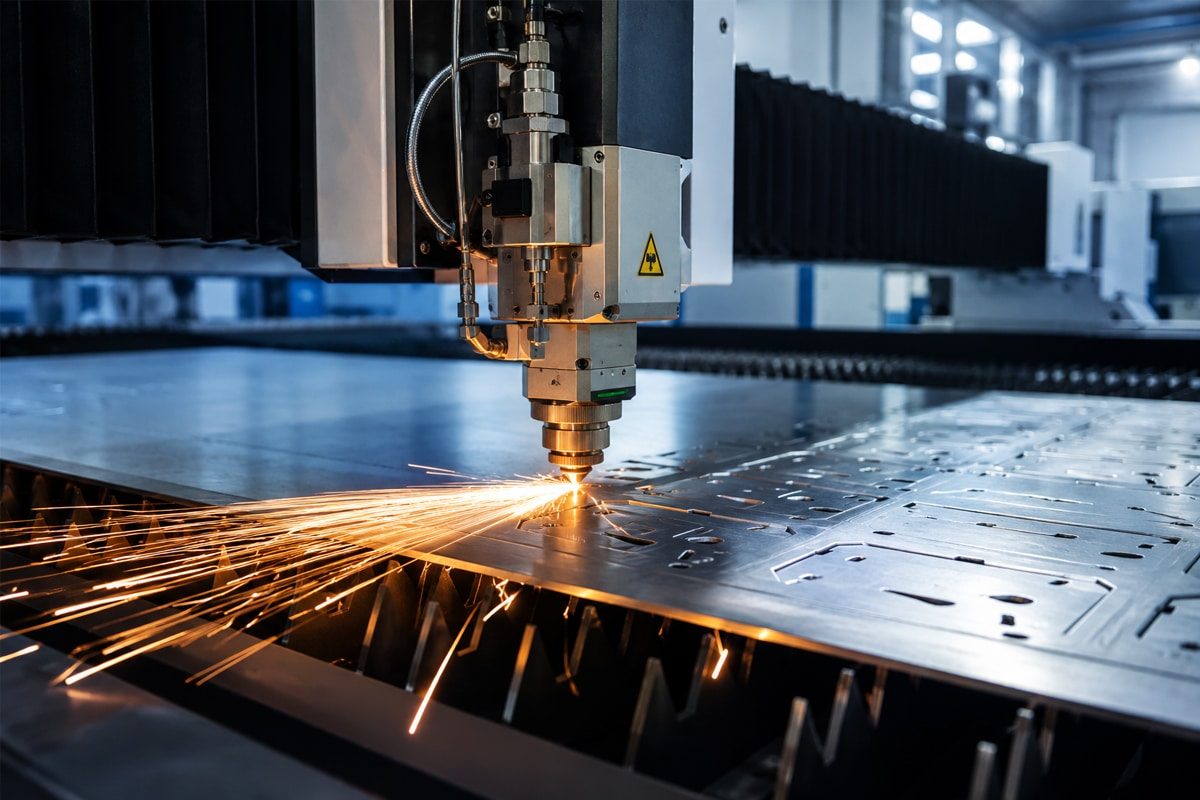
Motors Used In Laser Cutting Machines
Motors are one of the most important motion-control components in laser cutting machines. Although the laser source generates the cutting energy, the motors determine how accurately, quickly, and smoothly the laser head moves across the workpiece. Every cutting operation, including straight cuts, complex contours, drilling, and high-speed positioning, depends on the precise coordination between motors, drive systems, and machine control software.
Modern laser cutting machines require motors that can provide high speed, high positioning accuracy, strong dynamic response, and reliable operation over long production cycles. Unlike simple mechanical equipment, laser cutting machines often operate with rapid acceleration and deceleration, frequent direction changes, and continuous movement along complex cutting paths. Therefore, the selected motor system directly affects cutting quality, production efficiency, energy consumption, and machine lifespan.
Different types of motors are used in laser cutting machines depending on machine size, power level, accuracy requirements, and application needs. Servo motors are commonly used in high-performance fiber laser cutting machines because they provide excellent accuracy, fast response, and stable performance during high-speed cutting. Stepper motors may be used in smaller or entry-level laser cutting systems where cost efficiency is more important than maximum speed and precision. In addition, motors are integrated into various machine subsystems, including X/Y/Z-axis movement systems, laser head positioning mechanisms, automatic focusing devices, rotary attachments, and material handling equipment.
The motor system does not work independently. It operates together with servo drives, linear guides, ball screws or rack-and-pinion transmissions, CNC controllers, and feedback sensors to achieve accurate motion control. Well-designed motor systems ensure that the laser beam follows the programmed path precisely, reduce vibration and mechanical errors, and maintain consistent cutting results across different materials and thicknesses.
Understanding the motors used in laser cutting machines helps manufacturers, operators, and buyers evaluate equipment performance more effectively. By learning about motor types, working principles, advantages, limitations, and selection factors, users can better understand how motion systems influence the overall capability and reliability of laser cutting equipment.
Table of Contents
Understanding The Role Of Motors In Laser Cutting Machines
Motors are the driving force behind the motion system of laser cutting machines. While the laser source provides the energy required to process materials, motors control the movement of the laser head, worktable, and auxiliary components to ensure that the cutting process follows the programmed path with high precision. The performance of the motor system directly influences cutting accuracy, processing speed, edge quality, and overall machine productivity.
In a laser cutting machine, motors work together with motion controllers, servo drives, transmission components, and feedback systems to convert digital instructions into precise mechanical movement. During operation, the CNC controller sends position commands to the motors, which then generate controlled motion along different axes. This coordinated movement allows the laser beam to cut complex shapes, sharp corners, and detailed patterns while maintaining consistent accuracy.
Different laser cutting applications require different motor characteristics. High-power fiber laser cutting machines used for industrial production typically require motors with fast acceleration, high torque, excellent positioning accuracy, and long-term stability. Smaller machines may use simpler motor solutions to balance performance and cost. Regardless of machine size, the motor system remains a critical factor in determining how efficiently and accurately the equipment performs.
Why Motors Are Essential For Laser Cutting Motion Systems
Motors are essential because laser cutting requires extremely precise control of the laser head position. Unlike manual cutting processes, CNC laser cutting machines rely entirely on programmed movement. Even a small positioning error can affect dimensional accuracy, cutting consistency, and final product quality. Motors provide the controlled movement required to maintain the exact relationship between the laser beam and the workpiece.
One of the primary roles of motors is to achieve high-speed positioning. During laser cutting, the laser head must frequently accelerate, decelerate, and change direction while following complicated cutting paths. A high-performance motor system allows the machine to reach high cutting speeds without losing accuracy. This is especially important for industries that process large quantities of metal parts and require short production cycles.
Motors also influence cutting stability. Smooth and consistent movement reduces vibration, mechanical backlash, and unwanted deviations during processing. Stable motor operation helps maintain uniform cutting gaps, accurate corners, and clean edges. When motors lack sufficient torque or response speed, problems such as overshooting, inaccurate contours, or reduced cutting quality may occur.
Another important function of motors is maintaining repeatability. Industrial laser cutting machines often produce thousands of identical components, meaning the motion system must return to the same position repeatedly with minimal error. Servo motors with feedback systems can continuously monitor position and automatically correct deviations, ensuring reliable long-term performance.
In addition, motors support automation features that improve production efficiency. Automatic focusing systems, rotary devices, loading and unloading systems, and multi-axis cutting solutions all depend on precise motor control. As laser cutting technology develops toward higher automation and intelligence, the importance of advanced motor systems continues to increase.
Motor Functions In Different Laser Cutting Axes
Laser cutting machines use multiple axes to control the movement of the laser head and workpiece. Each axis has a specific function, and the motor assigned to each axis must provide suitable speed, torque, and accuracy to achieve optimal cutting performance.
X-Axis Motor
The X-axis motor controls the horizontal movement of the laser cutting head along the gantry. It is responsible for moving the laser beam from left to right across the working area. Because the X-axis usually performs continuous high-speed movement, its motor must provide fast response, smooth acceleration, and accurate positioning.
In many industrial fiber laser cutting machines, the X-axis uses a servo motor connected to a rack-and-pinion transmission system or precision linear drive mechanism. The motor must overcome the inertia of the laser head assembly while maintaining accurate positioning during rapid movement. A high-quality X-axis motor helps achieve faster cutting speeds, especially when processing complex shapes with frequent directional changes.
Y-Axis Motor
The Y-axis motor controls the forward and backward movement of the gantry or cutting platform. Compared with the X-axis, the Y-axis often carries a larger mechanical load because it may move the entire gantry structure, including the laser head assembly and supporting components.
Because of this heavier load, Y-axis motors require higher torque and strong dynamic performance. Many large-format laser cutting machines use dual Y-axis motors installed on both sides of the machine frame. These motors must operate synchronously to prevent gantry distortion and maintain accurate movement. Proper synchronization between Y-axis motors is essential for maintaining cutting precision across large working areas.
Z-Axis Motor
The Z-axis motor controls the vertical movement of the laser cutting head. Although the Z-axis does not usually move as frequently as the X and Y axes, it plays an important role in maintaining the correct focal distance between the laser nozzle and the workpiece surface.
Modern laser cutting machines often use Z-axis motors for automatic height adjustment. Sensors detect changes in material position, and the motor adjusts the cutting head height accordingly to maintain optimal focus. This function improves cutting quality, especially when processing uneven sheets or different material thicknesses.
A precise Z-axis motor helps prevent problems such as inconsistent kerf width, unstable cutting performance, and nozzle collisions. It is also important for piercing operations, where accurate focus positioning directly affects penetration speed and cutting efficiency.
Rotary Axis Motors
Rotary axis motors are used in laser cutting machines equipped with tube or pipe cutting capabilities. Instead of moving only the laser head, rotary systems rotate the workpiece around its axis while coordinating with linear movements to cut round, square, rectangular, or irregular tubes.
Rotary axis motors require precise speed control and synchronization with the main cutting axes. Any rotational error can cause inaccurate holes, misaligned joints, or uneven cutting results. High-precision servo motors are commonly used in advanced rotary cutting systems because they provide accurate angular positioning and smooth rotation.
Rotary axis motors expand the application range of laser cutting machines by enabling three-dimensional processing. They are widely used in industries such as automotive manufacturing, construction equipment, furniture production, and industrial piping.
Motors play a fundamental role in the performance of laser cutting machines by controlling every movement required during the cutting process. From positioning the laser head to maintaining focus height and rotating workpieces, motors ensure that the machine can execute complex cutting instructions with speed and accuracy.
The X-axis motor provides fast horizontal movement, the Y-axis motor manages large-scale gantry movement, the Z-axis motor maintains precise cutting height, and rotary axis motors enable advanced tube and three-dimensional processing. Together, these motors form the core of the machine’s motion system.
Choosing the right motor technology is essential for achieving reliable cutting performance. High-quality motors with proper torque, accuracy, response speed, and feedback control can improve productivity, reduce errors, and extend machine service life. As laser cutting machines continue to become faster and more automated, advanced motor systems will remain a key factor in improving manufacturing efficiency and precision.
Servo Motors In Laser Cutting Machines
Servo motors are among the most important motion-control components used in modern laser cutting machines. They provide the precise, fast, and stable movement required for high-quality cutting operations, especially in industrial fiber laser cutting systems. Since laser cutting accuracy depends not only on the laser source but also on the ability of the machine to position the laser head correctly, servo motors play a critical role in determining overall cutting performance.
Unlike simple motors that only provide rotational movement, servo motors are designed for accurate control of position, speed, and torque. They use feedback systems to monitor actual movement and automatically correct errors during operation. This allows laser cutting machines to maintain high accuracy even when operating at high speeds, processing complex shapes, or handling heavy mechanical loads.
In advanced laser cutting equipment, servo motors are commonly used for X-axis, Y-axis, and Z-axis movement, as well as rotary axis systems for tube and profile cutting. Their ability to provide fast response, smooth operation, and repeatable positioning makes them ideal for applications where productivity and precision are essential. Although servo motors have higher costs and require more advanced control systems, their performance advantages make them the preferred choice for professional laser cutting machines.
What Are Servo Motors
Servo motors are a type of electric motor designed to provide precise control over movement by regulating position, speed, and torque. The word “servo” refers to a feedback-based control system that allows the motor to continuously compare its actual operating condition with the desired command and make adjustments when necessary.
Complete servo motor systems usually include the servo motor itself, a servo drive, an encoder, and a motion controller. The motor converts electrical energy into mechanical movement, while the servo drive controls the power supplied to the motor. The encoder detects the motor’s position and speed in real time, providing feedback information to the control system.
In laser cutting machines, servo motors are connected to mechanical transmission components such as rack-and-pinion drives, ball screws, or linear motion systems. They receive movement instructions from the CNC controller and accurately move the laser head or worktable according to the programmed cutting path.
Servo motors are widely used in high-performance laser cutting equipment because they can maintain precise movement under changing loads. Whether the machine is cutting thin metal sheets at high speed or processing thick materials that require stronger driving force, servo motors provide the control and stability needed for reliable operation.
How Servo Motors Work
Servo motors operate through a closed-loop control system that continuously monitors and adjusts motor performance. During laser cutting, the CNC controller first sends a command signal that defines the required movement, including position, speed, and acceleration. The servo drive receives this signal and supplies the appropriate electrical current to the motor to achieve the requested motion.
As the motor rotates and moves the machine axis, the encoder continuously measures the actual position and speed. This feedback information is sent back to the controller, where it is compared with the original command. If there is any difference between the expected position and the actual position, the system automatically adjusts the motor output to correct the deviation.
This closed-loop operation allows servo motors to maintain high accuracy even when external factors affect movement. For example, changes in cutting speed, mechanical resistance, machine load, or acceleration forces can create positioning errors in traditional motor systems. Servo motors can detect these changes and compensate for them in real time.
In laser cutting applications, this precise control is especially important during rapid acceleration, deceleration, and directional changes. When the laser head moves along complicated contours, sharp corners, or detailed patterns, servo motors ensure that the movement remains smooth and accurate. This helps maintain consistent cutting quality, reduce processing errors, and improve production efficiency.
Advantages Of Servo Motors In Laser Cutting Applications
Servo motors provide several advantages that make them highly suitable for laser cutting machines. Their combination of precision, speed, power, and reliability allows manufacturers to achieve better cutting performance and higher production efficiency.
High Positioning Accuracy
High positioning accuracy is one of the most significant advantages of servo motors. Laser cutting requires the laser beam to follow precisely programmed paths, and even small positioning errors can affect the dimensions, shape, and quality of finished parts.
The feedback system inside servo motors continuously monitors the actual position and corrects deviations during operation. This allows laser cutting machines to achieve highly accurate movement and maintain consistent cutting results over long production periods.
High positioning accuracy is especially important when processing complex geometries, small components, and precision parts. Industries such as automotive manufacturing, aerospace, electronics, and industrial equipment production rely on servo-driven laser cutting systems to meet strict dimensional requirements.
High Speed And Acceleration
Laser cutting productivity depends greatly on how quickly the machine can move between cutting points. Servo motors provide high operating speeds and rapid acceleration, allowing the laser head to reach the required position faster and reduce non-cutting time.
During cutting operations, the laser head often needs to change direction frequently when following curves, corners, and complex patterns. Servo motors can respond quickly to commands from the CNC system, maintaining smooth movement without significant delays.
High acceleration performance also improves the efficiency of high-speed laser cutting machines. By shortening movement cycles and maintaining stable operation at high speeds, servo motors help increase production capacity while preserving cutting accuracy.
Excellent Torque Performance
Servo motors provide strong torque output and maintain stable performance across different operating conditions. This is particularly important for large laser cutting machines, where motors must move heavy components such as gantries, laser heads, and supporting structures.
The Y-axis of large-format laser cutting machines often requires significant driving force because it moves the entire gantry assembly. Servo motors provide the necessary torque to accelerate and control these heavy loads while maintaining precise positioning.
Strong torque performance also helps prevent problems caused by insufficient motor power, such as slow movement, vibration, or loss of accuracy. This allows laser cutting machines to operate reliably when processing thick materials or performing demanding production tasks.
Low Error And High Repeatability
Servo motors provide excellent repeatability because their feedback systems allow them to return to the same position with minimal deviation. This capability is essential for mass production, where thousands of identical parts must be manufactured with consistent dimensions.
Low positioning error reduces material waste and improves product quality. The machine can repeatedly execute the same cutting program with reliable accuracy, reducing the need for manual adjustment and inspection.
High repeatability is also valuable in automated production environments. When laser cutting machines are integrated with robotic systems, automatic loading equipment, or intelligent manufacturing lines, servo motors ensure precise coordination between different components.
Limitations Of Servo Motors
Although servo motors offer excellent performance, they also have several limitations. The first limitation is their higher cost compared with simpler motor technologies. Servo systems require additional components such as encoders, servo drives, and advanced control units, which increase equipment investment.
Servo motors also require more complex installation, adjustment, and maintenance. Proper parameter tuning is necessary to achieve optimal performance, and incorrect settings may cause vibration, instability, or reduced accuracy. Maintenance personnel need sufficient technical knowledge to diagnose issues related to servo drives, feedback systems, and electrical connections.
Another limitation is that servo motors may be unnecessary for small or low-cost laser cutting machines where extremely high accuracy and speed are not required. For basic applications, simpler motor solutions may provide acceptable performance at a lower price.
Despite these limitations, the advantages of servo motors usually outweigh their disadvantages in industrial laser cutting applications. For manufacturers that require high productivity, precision, and reliability, servo motors remain one of the most effective motion-control solutions.
Applications Of Servo Motors
Servo motors are widely used in various types of laser cutting machines, particularly equipment designed for industrial production. They are commonly installed in fiber laser cutting machines, CO2 laser cutting systems, tube laser cutting machines, and automated laser processing lines.
In sheet metal laser cutting machines, servo motors control the movement of the X, Y, and Z axes. They ensure that the laser head moves accurately across the workpiece while maintaining the correct cutting position and focus distance.
In tube and profile laser cutting machines, servo motors are used for rotary axes that rotate the workpiece during processing. Precise rotational control allows the machine to cut holes, slots, and complex shapes on round, square, and irregular tubes.
Servo motors are also widely used in automated laser production systems that include automatic loading and unloading devices, robotic arms, and intelligent manufacturing equipment. Their precise motion control enables efficient coordination between multiple machine components.
Industries including automotive manufacturing, aerospace, construction machinery, metal fabrication, and precision equipment production rely on servo-driven laser cutting machines because they provide the speed and accuracy required for modern manufacturing.
Servo motors are a core motion-control technology in modern laser cutting machines, providing the precision, speed, and reliability required for advanced manufacturing. Through closed-loop feedback control, servo motors can continuously monitor and adjust movement, ensuring that the laser head follows programmed paths with minimal error.
Their major advantages include high positioning accuracy, fast acceleration, strong torque performance, and excellent repeatability. These characteristics allow laser cutting machines to achieve higher cutting speeds, better edge quality, and more consistent production results. However, servo motors also involve higher costs and require more advanced control systems compared with simpler motor options.
For industrial laser cutting applications that demand high precision and efficiency, servo motors remain the preferred choice. As laser cutting technology continues to develop toward higher automation, faster processing speeds, and smarter production systems, servo motors will continue to play an essential role in improving machine performance and manufacturing productivity.
Stepper Motors In Laser Cutting Machines
Stepper motors are another type of motor used in laser cutting machines, particularly in small, entry-level, and cost-sensitive systems. Although servo motors are more common in high-performance industrial laser cutting equipment, stepper motors remain a practical solution for applications that do not require extremely high cutting speeds or heavy-duty continuous operation. Their simple structure, affordable price, and reliable positioning capability make them suitable for certain laser engraving machines, compact laser cutting machines, and auxiliary motion systems.
Unlike servo motors, stepper motors operate through open-loop control, meaning they move according to electrical pulses sent by the controller without using a feedback system to verify the actual position. Each input pulse corresponds to a specific motor rotation angle, allowing the controller to determine the movement distance accurately under normal operating conditions.
Stepper motors are often selected when equipment manufacturers need to balance performance and cost. They can provide sufficient accuracy for many light-duty laser processing tasks while reducing system complexity. However, their performance limitations become more noticeable in high-speed, high-load, or highly dynamic laser cutting applications. Understanding the working principles, advantages, and limitations of stepper motors helps users determine whether they are suitable for their specific laser cutting requirements.
What Are Stepper Motors
A stepper motor is a type of brushless electric motor that converts electrical pulses into precise mechanical movement. Unlike conventional motors that rotate continuously, stepper motors move in fixed angular increments called steps. Each electrical pulse received by the motor driver causes the rotor to rotate by a predetermined angle, allowing accurate control of movement without requiring a position sensor.
A typical stepper motor system consists of a stepper motor, driver, and motion controller. The controller sends pulse signals according to the programmed cutting path, and the driver regulates the current supplied to the motor windings. By controlling the sequence and frequency of these electrical pulses, the system can control the direction, speed, and distance of motor movement.
In laser cutting machines, stepper motors are usually connected to mechanical transmission systems such as belts, lead screws, or rack-and-pinion mechanisms. They drive components such as the laser head, worktable, or focusing mechanism along specific axes.
Stepper motors are commonly used in smaller laser cutting and engraving machines because these systems generally have lighter moving components and lower speed requirements. For applications where extremely high acceleration and industrial-level precision are not necessary, stepper motors can provide a cost-effective motion solution.
How Stepper Motors Work
Stepper motors work by controlling the magnetic fields inside the motor through a series of electrical pulses. The motor contains multiple electromagnetic coils arranged around the stator and a rotor with permanent magnets or magnetic materials. When electrical current is supplied to the coils in a specific sequence, the magnetic field changes and causes the rotor to move from one step position to another.
The movement of a stepper motor is determined by the number of pulses received from the controller. For example, if the controller sends more pulses, the motor rotates further. If the pulses are sent at a higher frequency, the motor rotates faster. The direction of rotation is controlled by changing the sequence of electrical signals applied to the motor coils.
In laser cutting machines, the CNC controller converts the cutting design into movement instructions and sends pulse signals to the stepper motor driver. The driver then controls the motor operation, moving the laser head along the required path.
Because stepper motors usually operate without feedback sensors, the system assumes that every commanded step has been completed successfully. Under normal operating conditions with suitable loads, this method provides accurate and repeatable movement. However, if the motor encounters excessive resistance or insufficient torque, it may fail to complete some steps, resulting in positioning errors.
Advantages Of Stepper Motors
Stepper motors offer several advantages that make them suitable for certain laser cutting applications. Their simple design and affordable cost allow manufacturers to produce compact and economical machines while maintaining acceptable motion performance.
Lower Cost
One of the biggest advantages of stepper motors is their lower cost compared with servo motors. Stepper systems require fewer components because they generally do not need expensive feedback devices such as high-resolution encoders.
The simpler motor structure and control system reduce both equipment manufacturing costs and maintenance expenses. This makes stepper motors attractive for small laser cutting machines, hobby-level equipment, educational systems, and applications where budget considerations are important.
For users who do not require extremely high processing speeds or industrial-grade performance, stepper motors can provide sufficient functionality at a more affordable price.
Simple Control Structure
Stepper motors have a relatively simple control system compared with servo motors. They typically operate through pulse and direction signals, making them easier to integrate with CNC controllers and motion control boards.
Because of their straightforward operating principle, stepper motors are easier to configure, maintain, and troubleshoot. This simplicity reduces system complexity and allows manufacturers to develop compact laser cutting machines with fewer electronic components.
The simple control structure is especially beneficial for small equipment manufacturers and users who need reliable operation without advanced motion tuning or complex maintenance procedures.
Good Low-Speed Precision
Stepper motors provide good positioning accuracy when operating at low speeds. Since each electrical pulse corresponds to a fixed movement step, they can achieve precise incremental motion during controlled operations.
This characteristic makes stepper motors suitable for applications such as laser engraving, marking, and small-format cutting, where movement speed requirements are moderate and detailed positioning is important.
At lower speeds and under appropriate load conditions, stepper motors can provide stable and predictable movement. They are capable of producing detailed patterns and accurate designs without requiring the additional complexity of a closed-loop servo system.
Limitations Of Stepper Motors
Although stepper motors have advantages in cost and simplicity, they also have limitations that affect their performance in demanding laser cutting applications. These limitations are mainly related to speed capability, load handling, and energy efficiency.
Limited High-Speed Performance
Stepper motors generally have lower performance at high speeds compared with servo motors. As rotational speed increases, the available torque of a stepper motor decreases, making it more difficult to maintain stable movement under heavier loads.
In high-speed laser cutting operations, the motor must frequently accelerate, decelerate, and change direction. Stepper motors may struggle to provide the rapid response and high dynamic performance required for large industrial machines.
This limitation means stepper motors are usually not the preferred choice for high-power fiber laser cutting machines that require fast processing speeds and continuous production.
Risk Of Lost Steps
Because stepper motors typically operate without feedback systems, they cannot automatically detect whether the commanded movement has been completed. If the motor experiences excessive resistance, sudden load changes, or insufficient torque, it may skip steps.
Lost steps can cause the actual position of the laser head to differ from the programmed position. In laser cutting applications, this may result in inaccurate cutting paths, misaligned features, or reduced product quality.
To minimize this risk, stepper motor systems must be properly sized according to the machine load and operating requirements. However, unlike servo systems, they cannot automatically compensate for positioning errors during operation.
Lower Efficiency
Stepper motors generally have lower energy efficiency compared with servo motors. They often consume a constant amount of current to maintain holding torque, even when the motor is not actively moving.
This continuous power consumption can generate additional heat and reduce overall energy efficiency, especially during long operating periods. Excessive heat may also affect motor lifespan and system stability if cooling measures are insufficient.
Servo motors, by contrast, can adjust power output according to load conditions, making them more efficient during dynamic operation.
Applications Of Stepper Motors
Stepper motors are mainly used in laser cutting machines where moderate speed, acceptable precision, and cost efficiency are the primary requirements. They are commonly found in desktop laser cutting machines, small CNC laser engraving machines, educational equipment, and light-duty processing systems.
In compact laser cutting machines, stepper motors can effectively control the X and Y axes because the moving components are relatively lightweight and the cutting speeds are lower compared with industrial systems. They are also used in Z-axis focusing mechanisms, where precise but slower vertical adjustment is required.
Stepper motors are suitable for applications such as engraving wood, acrylic, plastics, paper, leather, and thin materials. These tasks usually do not require the extremely high acceleration or heavy load capacity needed in industrial metal laser cutting.
Some manufacturers also use stepper motors in auxiliary systems, including automatic focusing devices, small rotary attachments, and positioning mechanisms. Their simple design and reliable operation make them a practical choice for machines designed around affordability and ease of use.
Stepper motors are a cost-effective motion solution for certain laser cutting applications, especially small machines and systems with moderate speed and accuracy requirements. By converting electrical pulses into precise incremental movements, they provide reliable positioning performance through a simple and affordable control structure.
The main advantages of stepper motors include lower cost, easy control, and good low-speed precision. These characteristics make them suitable for compact laser cutting machines, engraving machines, and light-duty processing equipment. However, their limitations, including reduced high-speed performance, the possibility of lost steps, and lower energy efficiency, restrict their use in demanding industrial laser cutting environments.
Compared with servo motors, stepper motors are better suited for applications where budget and simplicity are more important than maximum speed and precision. When properly selected and operated within their performance limits, stepper motors can provide reliable and economical motion control for many laser cutting systems.
Servo Motors VS Stepper Motors In Laser Cutting Machines
Servo motors and stepper motors are two common motion-control solutions used in laser cutting machines. Both types of motors convert electrical energy into mechanical movement and control the position of components such as laser heads, cutting platforms, and rotary systems. However, they use different control methods and have significant differences in performance, accuracy, speed, cost, and application suitability.
The choice between servo motors and stepper motors directly affects the overall capability of laser cutting machines. Servo motors are generally designed for high-performance industrial applications where fast movement, precise positioning, and continuous operation are required. Stepper motors, on the other hand, are often used in smaller and more economical machines where moderate accuracy and lower equipment costs are priorities.
Understanding the differences between these two motor technologies helps manufacturers and users select the right motion system based on processing requirements, material types, production volume, and budget. While servo motors provide superior performance for demanding applications, stepper motors can still offer reliable and efficient operation when used within their appropriate operating range.
Differences In Control Systems
The main difference between servo motors and stepper motors is their control method. Servo motors operate through a closed-loop control system, while stepper motors typically use an open-loop control system.
Servo motors are equipped with feedback devices such as encoders that continuously monitor the actual position, speed, and movement of the motor. The control system compares the real-time feedback information with the programmed command and automatically adjusts the motor output to correct any deviation. This allows servo motors to maintain accurate positioning even when the machine experiences changing loads or external disturbances.
In laser cutting machines, this closed-loop control is particularly valuable during high-speed cutting operations. When the laser head accelerates, decelerates, or changes direction rapidly, the servo system can immediately respond and maintain stable movement. This improves cutting consistency and reduces the possibility of processing errors.
Stepper motors generally operate by receiving pulse signals from the controller. Each pulse represents a specific movement step, and the motor moves according to the number and frequency of these pulses. Since most stepper motor systems do not use position feedback, the controller assumes that every commanded step has been completed.
This simpler control structure makes stepper motors easier to install and operate. However, if the motor encounters excessive resistance, overload, or insufficient torque, it may lose steps without the system detecting the error. For laser cutting applications requiring high reliability and precision, this limitation must be carefully considered.
Differences In Accuracy
Accuracy is a critical factor in laser cutting because the laser beam must follow the programmed path precisely to produce high-quality parts. Servo motors generally provide higher accuracy and repeatability compared with stepper motors.
The feedback system of servo motors allows continuous position correction during operation. Even if mechanical resistance, load changes, or vibration affect movement, the motor can compensate for these factors and maintain the correct position. This makes servo motors suitable for precision cutting tasks involving complex contours, tight tolerances, and large workpieces.
Stepper motors can also provide good positioning accuracy, especially at low speeds and under stable load conditions. Since each electrical pulse corresponds to a fixed movement increment, they can achieve predictable motion in simple applications. However, because they usually lack feedback correction, their accuracy depends heavily on proper system design and operating conditions.
For small laser cutting machines, engraving systems, and applications with moderate precision requirements, stepper motors can provide satisfactory results. For industrial laser cutting machines that process large metal sheets or require consistent production accuracy, servo motors are usually the preferred option.
Differences In Speed And Acceleration
Speed and acceleration are important factors that influence laser cutting productivity. Servo motors generally outperform stepper motors in high-speed applications because they provide faster response and better dynamic performance.
Servo motors can deliver high rotational speeds while maintaining strong torque output. Their feedback systems allow them to adjust performance instantly during acceleration, deceleration, and direction changes. This capability is especially important for modern fiber laser cutting machines, which often operate at high speeds and require rapid movement between complex cutting paths.
Stepper motors typically perform well at low and moderate speeds but experience reduced torque as speed increases. When operating at high speeds, they may struggle to maintain sufficient force, which can affect movement stability and cutting accuracy.
For applications involving large-format laser cutting, thick materials, or high-volume production, servo motors provide significant advantages because they reduce processing time and improve machine efficiency. Stepper motors remain suitable for smaller machines where cutting speed requirements are lower and extreme acceleration is not necessary.
Differences In Cost And Maintenance
Cost is one of the main factors influencing the choice between servo motors and stepper motors. Stepper motors are generally more affordable because they have simpler structures and do not require complex feedback components such as high-resolution encoders.
The lower cost of stepper motors makes them attractive for compact laser cutting machines, educational equipment, hobby machines, and applications where budget limitations are important. Their simple control systems also reduce installation complexity and make maintenance easier.
Servo motors require a higher initial investment because they include advanced drives, feedback systems, and more sophisticated control technology. The additional components increase equipment costs and require more technical knowledge for installation, tuning, and troubleshooting.
However, servo motors can provide better long-term value in industrial environments. Their higher efficiency, improved reliability, and ability to maintain accuracy under demanding conditions can reduce production errors, material waste, and downtime. For manufacturers with continuous production requirements, the higher initial cost of servo systems may be justified by improved productivity and performance.
How To Choose Between Servo And Stepper Motors
Choosing between servo motors and stepper motors depends on the specific requirements of the laser cutting application. There is no single motor solution that is ideal for every machine, and factors such as cutting speed, accuracy requirements, workload, machine size, and budget should all be considered.
Servo motors are the better choice for industrial laser cutting machines that require high precision, fast movement, and long-term continuous operation. They are especially suitable for high-power fiber laser cutting machines, large-format machines, tube cutting systems, and automated production lines. Applications involving complex designs, heavy components, and strict quality standards benefit significantly from servo motor technology.
Stepper motors are a practical choice for smaller laser cutting machines and applications where cost efficiency is more important than maximum performance. They are suitable for engraving, light cutting, prototyping, and low-volume production tasks where operating speeds and loads remain within acceptable limits.
When selecting a motor system, users should evaluate the machine’s actual working conditions rather than focusing only on purchase cost. A lower-cost stepper motor system may be sufficient for basic applications, while a servo motor system may provide better overall value for demanding industrial production.
Servo motors and stepper motors each have their own advantages in laser cutting machines. Servo motors use closed-loop feedback control to achieve higher accuracy, faster response, stronger torque performance, and better repeatability, making them ideal for high-speed and precision industrial applications. Stepper motors use a simpler control structure that provides lower cost, easier integration, and reliable performance for smaller and less demanding laser cutting systems.
The main differences between the two motor types involve control method, positioning accuracy, speed capability, and overall cost. Servo motors offer superior performance but require higher investment and more advanced maintenance, while stepper motors provide an economical solution with certain performance limitations.
For users selecting laser cutting machines, the best choice depends on production requirements. High-volume manufacturing, complex cutting tasks, and strict accuracy demands generally require servo motors, while compact machines and cost-sensitive applications may benefit from stepper motors. Selecting the appropriate motor technology ensures that the laser cutting system achieves the desired balance between performance, reliability, and investment cost.
Linear Motors Used In Advanced Laser Cutting Systems
Linear motors are an advanced motion-control technology used in high-performance laser cutting systems that require exceptional speed, acceleration, and positioning accuracy. Unlike traditional rotary motors that generate rotational motion and rely on mechanical transmission components such as gears, rack-and-pinion systems, or ball screws to create linear movement, linear motors produce direct linear motion without intermediate mechanical conversion.
In modern laser cutting machines, motion performance has a significant impact on processing efficiency and cutting quality. As industrial manufacturers demand faster cutting speeds, higher accuracy, and improved automation, conventional transmission systems may become a limiting factor due to mechanical friction, backlash, and wear. Linear motors overcome many of these limitations by directly driving the moving components, allowing laser cutting machines to achieve smoother, faster, and more precise movement.
Linear motors are mainly used in advanced laser cutting equipment where extremely high performance is required, such as high-power fiber laser cutting machines, precision processing systems, and automated manufacturing lines. Although they require higher investment and more advanced control technology, their advantages in speed, responsiveness, and accuracy make them an attractive solution for next-generation laser cutting applications.
What Are Linear Motors
A linear motor is an electric motor that generates direct linear movement instead of rotational movement. It can be considered a traditional rotary motor that has been “unrolled” so that the electromagnetic forces produce straight-line motion rather than rotation.
A typical linear motor consists of two main parts: a magnetic track and a moving component containing electromagnetic coils. When electrical current passes through the coils, electromagnetic forces are generated between the magnetic field and the motor components, causing the moving part to travel along a straight path.
Unlike conventional motor systems, linear motors do not require mechanical conversion components to transform rotary motion into linear motion. Traditional systems often use motors combined with screws, belts, or gears, which can introduce mechanical losses, vibration, backlash, and maintenance requirements. Linear motors eliminate many of these issues by creating movement directly.
In laser cutting machines, linear motors are typically integrated into the X-axis and Y-axis motion systems. They directly drive the laser head or gantry with extremely precise control, allowing the machine to achieve high acceleration, smooth movement, and excellent positioning performance.
Because of their advanced design, linear motors are mainly used in premium laser cutting systems where processing speed and accuracy are critical. They are particularly valuable in applications that require rapid movement, complex cutting paths, and consistent precision over long production periods.
How Linear Motors Work
Linear motors operate based on the same electromagnetic principles as traditional electric motors. When electrical current passes through the motor coils, it creates a magnetic field that interacts with permanent magnets or another magnetic component. The resulting electromagnetic force pushes or pulls the moving part along a straight track.
The motion controller sends precise electrical signals to regulate the strength and timing of the electromagnetic force. By adjusting these signals, the system can control the position, speed, and acceleration of the moving component with high precision.
In advanced laser cutting systems, linear motors are usually combined with high-resolution feedback sensors, such as linear encoders, to create a closed-loop motion control system. The encoder continuously monitors the actual position of the moving axis and sends feedback information to the controller. If any deviation occurs, the control system immediately adjusts the motor output to maintain accurate positioning.
Because linear motors have no mechanical transmission components between the motor and moving part, they can achieve extremely direct and responsive movement. There is no gear backlash, screw deformation, or belt stretching that could reduce accuracy. This direct-drive structure allows laser cutting machines to perform rapid acceleration and deceleration while maintaining smooth and stable motion.
Advantages Of Linear Motors
Linear motors provide several performance advantages that make them suitable for advanced laser cutting applications. Their direct-drive design allows them to achieve motion characteristics that are difficult to obtain with conventional motor systems.
Extremely High Speed
One of the most significant advantages of linear motors is their ability to achieve extremely high movement speeds. Since they eliminate mechanical transmission components, there are fewer limitations caused by friction, inertia, and mechanical resistance.
In laser cutting applications, high-speed movement reduces non-cutting time and improves overall production efficiency. The laser head can quickly move between cutting points, complete complex patterns faster, and process more workpieces within a shorter production cycle.
Linear motors are particularly beneficial for large-format laser cutting machines and high-speed production environments where rapid positioning is essential. Their ability to maintain smooth movement at high speeds helps improve both productivity and cutting consistency.
High Dynamic Response
Linear motors provide excellent dynamic response because they can change speed and direction almost instantly. The absence of mechanical transmission components reduces inertia and allows the motor to respond quickly to commands from the CNC controller.
This rapid response is valuable when cutting complex geometries that require frequent acceleration, deceleration, and directional changes. The laser head can follow detailed cutting paths more accurately, reducing delays and improving processing quality.
High dynamic response also improves machine stability during high-speed operations. The motion system can quickly compensate for changes in cutting conditions, helping maintain consistent performance across different materials and applications.
High Accuracy
Linear motors offer excellent positioning accuracy because they eliminate many mechanical errors associated with traditional drive systems. Components such as gears, screws, and belts can introduce backlash, wear, and deformation over time, which may affect positioning precision.
Since linear motors provide direct motion, they reduce mechanical transmission errors and improve repeatability. When combined with high-resolution feedback systems, they can achieve extremely precise positioning required for advanced laser processing applications.
High accuracy is especially important when producing precision components, complex shapes, or parts that require strict dimensional control. Linear motors help laser cutting machines maintain consistent quality even during long-term operation.
Limitations Of Linear Motors
Despite their excellent performance, linear motors also have several limitations that affect their application in laser cutting machines. The most significant limitation is their higher cost compared with traditional motor systems.
Linear motors require specialized components, advanced controllers, precision feedback systems, and more sophisticated machine designs. These factors increase both manufacturing costs and equipment investment. For standard laser cutting applications where extreme speed and accuracy are not required, traditional servo motor systems may provide a more economical solution.
Another limitation is that linear motors can generate heat during operation. Because the motor relies on electromagnetic force directly, heat management becomes an important consideration, especially in high-speed continuous operation. Proper cooling and thermal control systems may be required to maintain performance stability.
Linear motors are also more sensitive to environmental conditions. Dust, contamination, and mechanical damage can affect the precision of the magnetic track and feedback system. Therefore, advanced protection and maintenance measures are necessary to ensure long-term reliability.
Due to their higher technical requirements, linear motor systems may also require more specialized knowledge for installation, calibration, and maintenance compared with conventional motor solutions.
Applications Of Linear Motors
Linear motors are mainly used in advanced laser cutting systems where maximum speed and precision are required. They are commonly found in high-end fiber laser cutting machines, precision metal processing equipment, and automated manufacturing systems.
In high-speed sheet metal laser cutting machines, linear motors can be used for X-axis and Y-axis movement to achieve faster acceleration and shorter processing cycles. Their direct-drive performance allows the laser head to move rapidly while maintaining precise cutting accuracy.
Linear motors are also suitable for precision laser processing applications involving thin materials, complex patterns, and high-quality surface requirements. Industries such as electronics manufacturing, aerospace, automotive components, and precision engineering can benefit from their superior motion performance.
In automated production environments, linear motors can improve the performance of integrated laser processing systems that include robotic handling, intelligent control, and continuous manufacturing operations. Their high responsiveness and accuracy support the development of faster and more advanced laser cutting solutions.
Linear motors represent an advanced motion technology that provides exceptional speed, dynamic response, and accuracy for high-performance laser cutting systems. Unlike traditional rotary motors that rely on mechanical transmission components, linear motors generate direct linear movement, reducing mechanical losses and improving motion precision.
Their major advantages include extremely high speed, rapid response to control commands, and excellent positioning accuracy. These characteristics make linear motors ideal for advanced laser cutting machines that require fast processing, complex movement, and consistent quality. However, their higher cost, thermal management requirements, and technical complexity limit their use mainly to premium industrial applications.
For manufacturers seeking maximum productivity and precision, linear motors provide significant performance benefits. As laser cutting technology continues to move toward higher automation, faster processing speeds, and improved accuracy, linear motors are expected to become increasingly important in advanced laser cutting systems.
AC Motors And Auxiliary Motors In Laser Cutting Machines
Although the main motion axes of modern laser cutting machines are often driven by servo motors, other types of motors also play essential roles in supporting machine operation. AC motors and auxiliary motors are widely used in laser cutting systems to provide power for cooling, ventilation, exhaust extraction, pneumatic systems, hydraulic units, and other supporting functions. These motors may not directly control the movement of the laser cutting head, but they are critical for maintaining stable machine performance, protecting key components, and ensuring safe operation.
Laser cutting machines are a complex system that requires more than just laser sources and motion mechanisms. During operation, the laser generator produces significant heat, cutting processes generate fumes and particles, and various mechanical components require controlled airflow, pressure, or fluid circulation. Auxiliary motors provide the energy needed for these supporting systems to function continuously and efficiently.
The reliability of auxiliary motors directly affects machine uptime and service life. For example, a cooling pump motor failure may cause overheating of the laser source, while an exhaust motor malfunction can reduce cutting quality and create an unsafe working environment. Therefore, selecting appropriate motors for each auxiliary system is an important part of laser cutting machine design.
AC Motors Used In Laser Cutting Systems
AC motors are commonly used in laser cutting machines for applications that require continuous operation, stable power output, and reliable performance. Unlike servo motors that focus on precise positioning control, AC motors are mainly designed to provide rotational power for supporting equipment.
In some laser cutting systems, AC motors may be used in components such as cooling units, ventilation systems, pumps, and material handling mechanisms. Their simple structure, durability, and ability to operate continuously make them suitable for industrial environments where long working hours are common.
AC motors are available in different designs, including induction motors and synchronous motors. Induction motors are widely used because they are cost-effective, robust, and require relatively low maintenance. They can operate reliably under demanding workshop conditions and are suitable for driving fans, pumps, and other auxiliary equipment.
Variable frequency drives (VFDs) are often used with AC motors to control operating speed according to system requirements. By adjusting motor speed, the machine can optimize energy consumption while maintaining proper cooling, airflow, or fluid circulation. This helps improve efficiency and reduces unnecessary power usage during operation.
Although AC motors do not provide the precise motion control required for laser head positioning, they remain an important part of the overall laser cutting system by supporting stable and continuous machine operation.
Cooling System Motors
The cooling system is one of the most important auxiliary systems in laser cutting machines. Laser sources, optical components, and electrical systems generate heat during operation, and effective temperature control is necessary to maintain performance and prevent damage. Cooling system motors provide the power required for fluid circulation and heat dissipation.
Chiller Pump Motors
Chiller pump motors are responsible for circulating cooling fluid between the chiller unit and heat-generating components such as the laser source, cutting head, and optical system. They maintain continuous coolant flow to remove excess heat and keep operating temperatures within the required range.
In fiber laser cutting machines, stable cooling is especially important because laser sources contain precision optical components that require controlled temperatures for consistent beam quality. A reliable pump motor ensures that cooling liquid reaches the required components at the correct flow rate.
Chiller pump motors are typically designed for continuous operation and must provide stable performance over long production cycles. If the pump motor fails or operates inefficiently, the laser cutting system may experience overheating, reduced cutting performance, or automatic shutdown.
Modern cooling systems often include intelligent monitoring features that detect flow rate, temperature, and pressure changes. These systems help identify potential motor problems before they cause serious equipment failures.
Fan Motors
Fan motors are used in cooling systems, electrical cabinets, laser enclosures, and other areas where airflow is required. They help remove heat generated by electronic components and maintain a stable internal environment.
Inside laser cutting machines, electrical components such as CNC controllers, servo drives, and power supplies generate heat during operation. Fan motors provide forced air circulation to prevent excessive temperature buildup and improve component reliability.
Fan motors are also used in some laser source cooling systems and ventilation structures. Their continuous operation helps maintain proper airflow and prevents dust accumulation in sensitive areas when combined with appropriate filtration systems.
The performance of fan motors affects the thermal stability of the machine. Insufficient airflow may cause overheating, while excessive airflow can increase energy consumption and introduce unnecessary dust movement. Therefore, proper fan motor selection is important for maintaining an efficient cooling system.
Exhaust And Dust Removal Motors
Laser cutting processes, especially when processing coated metals, plastics, wood, or other materials, can produce smoke, fumes, and fine particles. Exhaust and dust removal systems use motors to drive fans and extraction equipment that remove these byproducts from the cutting area.
Exhaust motors provide the airflow required to capture fumes near the cutting zone and transport them through filtration systems. Effective extraction improves workplace safety, protects optical components from contamination, and helps maintain cutting quality.
In industrial laser cutting machines, exhaust motors must provide sufficient airflow and pressure to handle continuous operation. The required motor performance depends on factors such as machine size, cutting materials, cutting speed, and filtration system design.
Dust removal motors are also important for maintaining machine cleanliness. Accumulated particles can affect mechanical components, electrical systems, and optical paths. A properly designed extraction system reduces contamination and extends the service life of the machine.
Many modern systems use variable-speed exhaust motors that automatically adjust airflow according to cutting conditions. This improves energy efficiency while ensuring effective smoke and dust removal.
Pneumatic And Hydraulic Auxiliary Motors
Some laser cutting machines use pneumatic or hydraulic systems to perform additional mechanical functions. These systems may include automatic loading and unloading equipment, clamping devices, lifting mechanisms, material positioning systems, and other automation components.
Pneumatic systems use compressed air to generate movement, while hydraulic systems use pressurized fluid to produce higher force. Motors are used in these systems to drive compressors, hydraulic pumps, or other power-generation components.
In pneumatic systems, compressor motors provide compressed air for functions such as automatic focusing, nozzle cleaning, material clamping, and mechanical actuators. Reliable motor operation ensures stable air pressure and consistent performance of pneumatic components.
Hydraulic systems are typically used where higher force is required. Hydraulic pump motors can provide the power needed for heavy-duty positioning mechanisms, automatic feeding systems, or specialized laser processing equipment.
The selection of pneumatic and hydraulic auxiliary motors depends on the machine configuration and automation requirements. While these motors do not directly control laser cutting movement, they improve machine functionality, reduce manual intervention, and support more efficient production workflows.
AC motors and auxiliary motors play a vital supporting role in laser cutting machines by maintaining the operating environment required for reliable and efficient processing. While servo motors and other precision motion motors control the movement of the laser head, auxiliary motors ensure that cooling, ventilation, exhaust, and automation systems operate correctly.
AC motors provide stable and continuous power for various supporting components. Chiller pump motors and fan motors maintain proper temperature control, protecting laser sources and electronic systems from overheating. Exhaust and dust removal motors improve safety and cleanliness by removing fumes and particles generated during cutting. Pneumatic and hydraulic auxiliary motors support automation functions and provide additional mechanical power when required.
Although these motors do not directly determine cutting path accuracy, their performance has a significant impact on machine reliability, service life, and production efficiency. Well-designed laser cutting machines require not only precise motion motors but also dependable auxiliary motor systems to achieve stable long-term operation.
Motor Components And Technologies Used In Laser Cutting Machines
The performance of motors in laser cutting machines depends not only on the motor itself but also on the supporting components and motion technologies that control, transmit, and optimize movement. Complete motor-driven motion systems include various components such as encoders, motor drivers, motion controllers, and mechanical transmission systems. These technologies work together to ensure that the laser head, cutting table, and auxiliary axes move with high accuracy, speed, and stability.
In modern laser cutting equipment, motor systems have become increasingly sophisticated. High-performance fiber laser cutting machines require precise coordination between electrical control systems and mechanical drive components to achieve fast acceleration, accurate positioning, and consistent cutting quality. Even a powerful motor cannot deliver optimal performance without proper feedback, control, and transmission mechanisms.
Different laser cutting machines use different combinations of motor technologies depending on machine size, cutting power, accuracy requirements, and application conditions. Servo-based systems often rely on advanced feedback and drive technologies, while smaller machines may use simpler control structures. Understanding these key motor components helps users better evaluate machine performance and recognize how each part contributes to overall cutting efficiency.
Motor Encoder Systems
Motor encoder systems are essential feedback components used in advanced laser cutting machines, especially those equipped with servo motors. An encoder measures the actual position, speed, and direction of motor movement and sends this information back to the control system for real-time monitoring and adjustment.
In servo-driven laser cutting systems, encoders enable closed-loop control. The CNC controller sends a movement command to the motor, while the encoder continuously checks whether the motor has reached the expected position. If any difference occurs between the commanded position and the actual position, the system automatically adjusts motor output to correct the error.
There are different types of encoders used in laser cutting machines, including rotary encoders and linear encoders. Rotary encoders are usually installed on motor shafts to measure rotational movement, while linear encoders directly measure the position of moving components along an axis. Linear encoders can provide extremely high accuracy because they eliminate some errors caused by mechanical transmission systems.
High-resolution encoder systems improve the repeatability and positioning accuracy of laser cutting machines. They are particularly important for high-speed cutting applications where rapid movement and frequent direction changes can increase the risk of positioning errors.
Motor Drivers And Servo Drives
Motor drivers and servo drives act as the control interface between the CNC system and the motors. They receive electrical commands from the motion controller and provide the required power signals to operate the motors accurately.
For stepper motors, stepper drivers control the current supplied to the motor coils based on pulse signals from the controller. They determine the direction and speed of motor movement by controlling the timing and sequence of electrical pulses. Their relatively simple design makes them suitable for compact laser cutting and engraving machines.
Servo drives are more advanced and are commonly used with servo motors in industrial laser cutting systems. They process feedback information from encoders and adjust motor output continuously to maintain precise movement. Servo drives can regulate position, speed, and torque, allowing the machine to respond quickly to changing cutting conditions.
In laser cutting applications, high-quality servo drives help improve acceleration performance, reduce vibration, and maintain stable operation during high-speed processing. They are especially important for large-format fiber laser cutting machines that require accurate control of heavy moving components.
Motion Controllers
Motion controllers are the central control units responsible for coordinating motor movement in laser cutting machines. They interpret CNC programs and convert cutting instructions into precise commands for motors, drives, and other machine components.
The motion controller determines the movement path, speed, acceleration, and synchronization of different axes. For example, when cutting a complex shape, the controller coordinates the X-axis, Y-axis, and Z-axis motors simultaneously to ensure that the laser beam follows the programmed trajectory accurately.
Advanced motion controllers can manage multiple axes, process feedback signals, and optimize movement performance. They can adjust acceleration and deceleration profiles to reduce vibration and improve cutting quality, especially during high-speed operations.
In automated laser cutting systems, motion controllers also communicate with additional equipment such as automatic loading systems, rotary axes, sensors, and robotic components. This allows different parts of the production line to operate together efficiently.
The quality of the motion controller has a direct impact on machine performance. A powerful controller enables smoother movement, better precision, and more efficient processing compared with basic control systems.
Gear Reduction Systems
Gear reduction systems are used in some laser cutting machines to adjust motor speed and increase available torque. They use a combination of gears to reduce rotational speed while increasing output force, allowing motors to drive heavier loads more effectively.
In laser cutting applications, gear reduction systems can help motors handle large mechanical loads, especially in machines with heavy gantry structures or demanding movement requirements. By improving torque output, they allow the motion system to accelerate and move large components more reliably.
Gear reduction systems can also improve motor efficiency by allowing the motor to operate within a more suitable performance range. However, because gears introduce additional mechanical components, they may also create potential issues such as backlash, friction, and wear.
Proper design and maintenance are important to ensure that gear reduction systems do not reduce positioning accuracy. In high-precision laser cutting machines, manufacturers carefully select gear quality and transmission methods to balance torque performance and movement accuracy.
Rack And Pinion Drive Systems
Rack and pinion drive systems are widely used in industrial laser cutting machines, especially large-format fiber laser cutting machines. This transmission method converts the rotary movement of a motor into linear movement of the laser head or gantry.
A rack is a straight gear track installed along the machine axis, while the pinion is a small gear connected to the motor shaft. When the motor rotates the pinion, it moves along the rack and drives the machine component in a linear direction.
Rack and pinion systems are popular because they can provide high-speed movement over long distances. Unlike ball screws, which may become less efficient over very long travel lengths, rack and pinion systems are well suited for large working areas.
In laser cutting machines, rack and pinion drives are commonly combined with servo motors to achieve high-speed and accurate movement. Proper gear engagement, lubrication, and alignment are important for reducing backlash and maintaining cutting precision.
This transmission method is especially suitable for large sheet metal cutting machines used in industrial production, where fast positioning and long-axis movement are required.
The motor system of laser cutting machines is a combination of electrical control technologies and mechanical transmission components. Motor encoders, drivers, motion controllers, and transmission systems work together to ensure accurate, stable, and efficient movement during cutting operations.
Encoder systems provide essential feedback for maintaining positioning accuracy, while motor drivers and servo drives regulate motor operation and improve response performance. Motion controllers coordinate multiple axes and ensure that the laser head follows the programmed cutting path precisely. Mechanical technologies such as gear reduction systems, rack and pinion drives, and ball screw transmissions convert motor power into controlled linear movement.
Each component plays a specific role in determining the overall performance of laser cutting machines. Advanced systems combine high-quality motors with accurate feedback, intelligent control, and optimized transmission structures to achieve faster speeds, higher precision, and improved reliability. Understanding these motor-related technologies helps users better evaluate laser cutting equipment and select machines that match their production requirements.
Factors Affecting Motor Selection For Laser Cutting Machines
Selecting the right motors for laser cutting machines is an important decision that directly affects machine performance, cutting quality, production efficiency, and long-term reliability. Different laser cutting applications have different requirements for movement speed, positioning accuracy, load capacity, and operating stability. Therefore, motor selection cannot be based only on motor specifications but must consider the overall machine design, processing requirements, and working conditions.
The motor system must be properly matched with other components, including transmission systems, servo drives, motion controllers, and mechanical structures. A motor that is too small may fail to provide sufficient torque or stability, while an oversized motor may increase equipment costs and energy consumption without providing meaningful performance improvements.
Factors such as machine size, laser power, cutting speed, material characteristics, accuracy requirements, operating environment, and automation level all influence the choice between servo motors, stepper motors, linear motors, and other motor technologies. Understanding these factors helps manufacturers design efficient laser cutting systems and allows users to select equipment that meets their specific production needs.
Machine Size And Working Area
The size of the laser cutting machine and its working area are important factors when selecting motors. Larger machines typically require motors with higher torque, stronger load capacity, and better stability because they must move heavier components over longer distances.
In large-format laser cutting machines, the X-axis and Y-axis motors often need to drive heavy laser heads, gantry structures, and supporting components. Servo motors are commonly used in these applications because they provide high torque, fast response, and accurate position control even under heavy loads.
The transmission system also affects motor selection. Large working areas often require rack and pinion systems combined with powerful servo motors to achieve fast movement over long distances. Smaller machines with lighter structures may use stepper motors because their load requirements and speed demands are lower.
The machine frame design, moving mass, and travel distance must all be considered when selecting motor power and performance. Proper matching ensures smooth movement and prevents problems such as vibration, missed steps, or reduced cutting accuracy.
Laser Power
Laser power indirectly influences motor selection because higher-power laser cutting machines usually require stronger and more advanced motion systems. High-power machines are designed for faster cutting speeds and thicker materials, which places greater demands on motor performance.
For example, high-power fiber laser cutting machines may need to move the laser head quickly across large metal sheets while maintaining precise positioning. Servo motors are typically preferred because they can provide rapid acceleration, strong torque, and stable performance during demanding operations.
Higher laser power may also require heavier cutting heads, additional cooling components, and stronger mechanical structures. These factors increase the load placed on the motion system, requiring motors with sufficient driving force and reliability.
Although the laser source itself does not directly determine motor type, machines with higher cutting capabilities generally require more advanced motor technologies to fully utilize their processing potential.
Cutting Speed Requirements
Cutting speed requirements are one of the most important factors affecting motor selection. Faster cutting speeds require motors that can accelerate quickly, maintain stable movement, and respond accurately to frequent direction changes.
Servo motors and linear motors are commonly used in high-speed laser cutting applications because they provide excellent dynamic response and can maintain precision during rapid movement. They allow the laser head to quickly move between cutting points, reducing idle time and improving overall productivity.
Stepper motors may be sufficient for applications with lower speed requirements, such as small laser cutting machines or engraving machines. However, their torque decreases at higher speeds, which limits their ability to support demanding high-speed cutting operations.
When selecting motors, manufacturers must consider not only maximum speed but also acceleration and deceleration performance. In complex cutting patterns with many curves and corners, the ability to change speed quickly is just as important as achieving high travel speed.
Material Types And Thickness
The materials being processed and their thickness also affect motor selection. Different materials require different cutting speeds, movement patterns, and machine operating conditions, which influence the required motor performance.
When cutting thick metal materials, the machine often operates at lower cutting speeds but requires stronger mechanical stability and higher torque because the laser head and cutting system may need to operate under more demanding conditions. Motors must provide reliable movement without vibration or positioning errors.
For thin materials and precision cutting applications, speed and accuracy may be more important than maximum torque. In these cases, motors with excellent response and precise control are preferred.
Material characteristics such as density, hardness, and cutting resistance can also affect the load placed on the motion system. A properly selected motor ensures that the laser head can move smoothly regardless of changes in processing conditions.
Accuracy Requirements
Accuracy requirements are critical when selecting motors for laser cutting machines. Applications that require tight dimensional tolerances, complex shapes, or high-quality edges need motion systems capable of extremely precise positioning.
Servo motors are commonly selected for high-accuracy applications because their closed-loop feedback systems continuously monitor and correct movement errors. Linear motors can provide even higher precision in advanced systems by eliminating mechanical transmission errors.
For applications with moderate accuracy requirements, stepper motors may provide sufficient performance at a lower cost. However, users must ensure that the motor system can maintain accuracy under actual operating conditions, including changes in load and speed.
Positioning accuracy is influenced not only by the motor itself but also by encoders, transmission systems, machine rigidity, and control software. Therefore, motor selection should always be considered as part of the complete motion system.
Operating Environment
The working environment of laser cutting machines can significantly affect motor performance and durability. Factors such as temperature, dust, vibration, humidity, and continuous operating hours should be considered during motor selection.
Industrial laser cutting environments often contain metal particles, smoke, and debris generated during cutting. Motors and related electrical components must have suitable protection to prevent contamination and ensure reliable operation.
Temperature management is also important, especially for motors operating continuously at high speeds or under heavy loads. Proper cooling and ventilation help prevent overheating and maintain consistent performance.
For harsh industrial environments, manufacturers may select motors with higher protection ratings, improved sealing, and more durable components. A motor that performs well in a clean environment may not provide the same reliability in demanding production conditions.
Automation Level
The level of automation required in laser cutting systems is another important factor influencing motor selection. Modern laser cutting machines are increasingly integrated with automatic loading systems, unloading equipment, robotic arms, rotary devices, and intelligent manufacturing platforms.
Highly automated systems require motors that can provide precise coordination between multiple components. Servo motors are often preferred because they offer accurate feedback control and can synchronize effectively with other automated equipment.
Rotary axis systems, automatic focusing mechanisms, and material handling devices may also require specialized motors depending on their movement requirements. For example, rotary cutting attachments need motors that can provide precise angular positioning and stable rotation.
As automation levels increase, the demand for reliable, responsive, and intelligent motor systems also increases. Selecting motors that can communicate effectively with CNC controllers and automation systems helps improve production efficiency and reduce manual intervention.
Motor selection for laser cutting machines requires careful consideration of multiple factors, including machine size, laser power, cutting speed, material requirements, accuracy, operating environment, and automation level. Each factor affects the required motor performance and determines whether a servo motor, stepper motor, linear motor, or another solution is most suitable.
Large machines and high-power laser cutting systems typically require motors with higher torque, faster response, and stronger stability. High-speed and precision applications benefit from advanced servo or linear motor technologies, while smaller and cost-sensitive systems may achieve satisfactory performance with stepper motors.
A properly selected motor system improves cutting accuracy, production efficiency, and machine reliability. By evaluating the complete application requirements rather than focusing on individual motor specifications, manufacturers and users can ensure that the laser cutting machine delivers stable performance and long-term value.
How Motors Affect Laser Cutting Performance
Motors are a fundamental part of the motion system in laser cutting machines, and their performance directly influences the quality, efficiency, and reliability of the cutting process. Although the laser source determines the energy used to process materials, the motor system controls how accurately, quickly, and smoothly the laser beam moves across the workpiece. A well-designed motor system ensures that the laser head follows the programmed path precisely, maintains stable cutting conditions, and delivers consistent results.
The influence of motors extends beyond simple movement control. Motor performance affects cutting accuracy, processing speed, edge quality, energy consumption, and the overall service life of the machine. Factors such as motor type, feedback technology, torque capability, response speed, and transmission method all contribute to the final cutting performance.
Advanced laser cutting machines often use servo motors, linear motors, and intelligent motion control systems to achieve higher precision and productivity. In contrast, insufficiently matched motor systems may cause positioning errors, vibration, slower processing speeds, and reduced equipment reliability. Understanding how motors affect laser cutting performance helps users better evaluate machine capabilities and select equipment suitable for their production requirements.
Impact On Cutting Accuracy
Cutting accuracy is one of the most important performance indicators of laser cutting machines, and the motor system plays a critical role in maintaining precise movement. The laser head must follow the programmed cutting path accurately, and even small positioning errors can affect the dimensions and shape of finished parts.
Motors with high positioning accuracy and reliable feedback systems help ensure that the laser head reaches the correct position during every movement. Servo motors, for example, use encoder feedback to continuously monitor and correct movement deviations, allowing the machine to maintain precise positioning even under changing loads.
Motor response speed also affects accuracy during complex cutting operations. When the laser head changes direction, accelerates, or slows down, the motor must respond quickly to maintain the correct trajectory. Poor motor performance may result in overshooting, vibration, or inaccurate corners.
The transmission system connected to the motor also influences accuracy. Components such as rack and pinion systems, ball screws, and linear drives must work together with the motor to minimize backlash and mechanical errors. A properly matched motor and transmission system ensures stable and repeatable cutting performance.
Impact On Cutting Speed
Motor performance has a direct impact on the processing speed of laser cutting machines. During cutting operations, the laser head frequently moves across the workpiece, changes direction, and travels between different cutting areas. The ability of motors to provide fast movement and rapid acceleration determines how efficiently the machine can complete these tasks.
High-performance motors, such as servo motors and linear motors, can achieve higher speeds while maintaining accurate positioning. Their fast response allows the laser head to accelerate and decelerate quickly, reducing non-cutting movement time and improving overall productivity.
For large-format laser cutting machines, motor speed is especially important because the laser head may need to travel long distances across the working area. Motors with insufficient power or poor dynamic performance may limit machine speed and reduce production efficiency.
However, cutting speed is not determined only by maximum motor speed. Acceleration, deceleration, and the ability to maintain stable movement during complex paths are equally important. A high-quality motor system allows the machine to operate at higher speeds without sacrificing cutting accuracy or quality.
Impact On Edge Quality
The quality of cut edges is closely related to the stability and precision of the motor system. During laser cutting, the laser head must move smoothly and maintain a consistent distance and speed relative to the material surface. Any vibration, positioning error, or unstable movement can affect the final edge condition.
Motors with good motion control reduce vibration and ensure smoother movement, especially when cutting curves, sharp corners, and intricate designs. Stable motor operation helps maintain consistent cutting parameters, resulting in cleaner edges and fewer defects.
Poor motor performance may cause problems such as uneven edges, dimensional variations, excessive roughness, or inconsistent cutting lines. These issues are more noticeable when processing thin materials, complex patterns, or parts requiring high precision.
Servo motors with feedback control and linear motors with direct-drive technology are particularly beneficial for improving edge quality. Their ability to maintain accurate movement under dynamic conditions helps ensure that the laser beam remains correctly positioned throughout the cutting process.
Impact On Energy Efficiency
Motors also influence the energy efficiency of laser cutting machines. The motor system consumes electrical energy during movement, and its efficiency affects the overall operating cost of the equipment.
Modern servo motors can improve energy efficiency by adjusting power output according to actual load requirements. Instead of continuously consuming maximum power, servo systems provide only the energy needed to achieve the required movement. This reduces unnecessary energy consumption during operation.
In contrast, less efficient motor systems may generate more heat and waste energy, especially during long production cycles. Additional cooling requirements may also increase overall energy usage.
Transmission efficiency is another factor affecting energy consumption. Systems with reduced friction and fewer mechanical losses require less power to achieve the same movement performance. Technologies such as direct-drive linear motors can reduce energy losses by eliminating certain mechanical transmission components.
Improving motor efficiency not only reduces operating costs but also contributes to more sustainable manufacturing processes.
Impact On Machine Lifespan
Motor performance has a significant influence on the service life of laser cutting machines. Motors that operate smoothly and efficiently reduce mechanical stress on other machine components, helping extend the lifespan of the entire system.
A properly selected motor provides sufficient torque and speed without excessive strain. This reduces wear on transmission components such as gears, racks, ball screws, and linear guides. Stable motor operation also minimizes vibration, which can otherwise accelerate mechanical fatigue and reduce machine accuracy over time.
Motor reliability is especially important in industrial environments where laser cutting machines may operate continuously for many hours. High-quality motors with proper cooling, protection, and maintenance can provide consistent performance over extended periods.
On the other hand, an improperly selected motor may operate under excessive load, causing overheating, reduced efficiency, and premature failure. These issues can lead to increased maintenance costs, production interruptions, and reduced equipment availability.
Motors have a major influence on the overall performance of laser cutting machines. They determine how accurately the laser head moves, how quickly the machine processes materials, how consistent the cutting quality is, and how efficiently the equipment operates.
High-performance motors improve cutting accuracy through precise positioning and feedback control. They increase cutting speed by providing fast acceleration and stable high-speed movement. They also improve edge quality by reducing vibration and maintaining consistent motion. In addition, efficient motor systems help lower energy consumption and extend machine lifespan by reducing mechanical stress and wear.
Selecting the right motor technology is therefore essential for achieving optimal laser cutting performance. Whether using servo motors, stepper motors, linear motors, or other solutions, the motor system must be properly matched with the machine design and production requirements. A reliable and well-designed motor system ensures that laser cutting machines deliver higher productivity, better quality, and long-term operational stability.
Common Motor Problems In Laser Cutting Machines
Motors are critical components that determine the movement accuracy, processing speed, and operational stability of laser cutting machines. Although modern motors are designed for reliable long-term operation, they may still experience performance issues due to improper selection, excessive workload, insufficient maintenance, environmental factors, or component aging.
Motor problems can directly affect laser cutting quality and machine productivity. Issues such as overheating, abnormal noise, vibration, positioning errors, and gradual accuracy loss may reduce cutting performance, increase downtime, and accelerate wear of other mechanical components. In severe cases, motor failure can stop the entire production process and require costly repairs.
Understanding common motor problems allows operators to identify early warning signs and take preventive measures before serious failures occur. Regular inspection, proper lubrication, correct parameter settings, and timely maintenance of motors, drives, feedback systems, and transmission components are essential for maintaining stable laser cutting performance.
Motor Overheating
Motor overheating is one of the most common problems in laser cutting machines. During operation, motors naturally generate heat due to electrical resistance and mechanical workload. However, excessive temperature increases can reduce motor efficiency, damage internal components, and shorten service life.
Several factors can cause motor overheating. Operating the motor beyond its rated load, incorrect parameter settings, insufficient cooling, poor ventilation, and mechanical resistance in the transmission system can all increase heat generation. For example, if a motor must continuously provide excessive torque to move a heavy gantry, it may operate under excessive stress and produce more heat.
Environmental conditions can also contribute to overheating. High workshop temperatures, dust accumulation, and blocked cooling channels may reduce the ability of motors to dissipate heat. In servo motor systems, overheating may also result from incorrect tuning of acceleration, speed, or current settings.
The effects of overheating can include reduced motor performance, loss of accuracy, insulation damage, and premature failure. To prevent overheating, operators should ensure proper motor selection, maintain clean ventilation areas, inspect cooling systems regularly, and avoid operating motors beyond their designed capacity.
Motor Noise And Vibration
Abnormal noise and vibration from motors often indicate mechanical or electrical problems within the laser cutting machine. Although some operating sound is normal, unusual sounds such as grinding, buzzing, or irregular vibration should be investigated promptly.
Mechanical issues are common causes of motor noise and vibration. Worn bearings, loose mounting components, improper alignment, damaged transmission parts, or insufficient lubrication can create additional resistance and instability during movement. For example, problems with rack and pinion systems or ball screw mechanisms can increase the load on motors and cause abnormal operation.
Electrical factors can also contribute to vibration. Incorrect motor parameters, unstable power supply, drive problems, or poor feedback signals may cause irregular motor movement. In servo systems, encoder errors or incorrect servo tuning can result in oscillation and unstable positioning.
Excessive vibration not only affects motor performance but also reduces cutting quality. It can cause inaccurate positioning, uneven cutting paths, and increased wear on mechanical components. Regular inspection of motor mounting, transmission systems, lubrication conditions, and control parameters helps reduce noise and vibration problems.
Positioning Errors
Positioning errors occur when the actual movement of the motor does not match the programmed position. Since laser cutting relies on precise movement of the laser head, even small positioning deviations can affect part dimensions, cutting accuracy, and overall product quality.
In servo motor systems, positioning errors may be caused by encoder problems, incorrect servo parameters, signal interference, or mechanical backlash. Because servo systems depend on feedback information, any issue with the encoder or communication between components can affect movement accuracy.
In stepper motor systems, positioning errors are often related to lost steps. When the motor encounters excessive resistance, insufficient torque, or sudden load changes, it may fail to complete the commanded movement. Since open-loop systems typically do not detect missed steps automatically, the error may continue until the operator notices a quality problem.
Mechanical factors can also cause positioning errors. Wear in rack and pinion systems, ball screws, linear guides, or couplings may introduce additional movement deviation over time.
To reduce positioning errors, operators should regularly check motor parameters, inspect transmission components, calibrate the machine, and ensure that the motor system is properly matched with the machine load and operating requirements.
Motor Failure
Complete motor failure is a serious problem that can cause laser cutting machines to stop operating. Motor failure may occur due to electrical faults, mechanical damage, overheating, improper maintenance, or long-term wear.
Electrical failures can include damaged windings, insulation breakdown, power supply issues, or problems with motor drivers and servo drives. In servo motor systems, failures may also involve encoder damage or communication faults between the motor and controller.
Mechanical failures often involve worn bearings, damaged shafts, excessive vibration, or problems with connected transmission components. Because motors operate together with gears, racks, screws, and other mechanical parts, failure in one component may increase stress on the motor and accelerate damage.
Preventing motor failure requires regular maintenance and monitoring. Operators should check motor temperature, unusual sounds, vibration levels, and error alarms from the control system. Replacing worn components before failure occurs can significantly reduce unexpected downtime.
Proper installation is also important. Incorrect alignment, improper wiring, or unsuitable motor sizing can reduce reliability and shorten the operational lifespan of the motor.
Loss Of Accuracy Over Time
Over long periods of operation, laser cutting machines may gradually experience reduced accuracy due to motor aging and wear of related components. Although motors are designed for long service life, continuous operation, environmental conditions, and mechanical stress can affect their performance.
One common cause of accuracy loss is wear in feedback and transmission systems. Encoder performance may decrease due to contamination or aging, while mechanical components such as gears, racks, ball screws, and linear guides may develop clearance or wear that affects positioning precision.
Motor performance may also decline due to reduced torque output, electrical component aging, or changes in operating conditions. In stepper motor systems, repeated operation near maximum load may increase the risk of missed steps and reduced repeatability.
Regular calibration is important for maintaining long-term accuracy. Laser cutting machines should be periodically inspected and adjusted to ensure that motor parameters, axis alignment, and transmission systems remain within acceptable limits.
Preventive maintenance, including lubrication, cleaning, parameter verification, and replacement of worn components, helps extend motor performance and maintain consistent cutting quality throughout the machine’s service life.
Motor problems in laser cutting machines can significantly affect cutting accuracy, production efficiency, and equipment reliability. Common issues such as overheating, abnormal noise, vibration, positioning errors, motor failure, and gradual accuracy loss are often caused by improper operation, insufficient maintenance, environmental conditions, or component aging.
Early detection of motor problems is essential for preventing major failures and reducing downtime. Monitoring motor temperature, checking abnormal sounds and vibration, maintaining transmission components, and regularly calibrating motion systems can help ensure stable performance.
A reliable motor system requires not only high-quality motors but also proper installation, suitable operating conditions, and regular maintenance. By understanding common motor failures and their causes, operators can improve machine reliability, extend equipment lifespan, and maintain consistent laser cutting quality over long-term production.
Maintenance Of Laser Cutting Machine Motors
Motor maintenance is essential for ensuring the long-term performance, accuracy, and reliability of laser cutting machines. Since motors are responsible for driving the movement of laser heads, gantries, rotary axes, and auxiliary systems, their condition directly affects cutting quality and production efficiency. A properly maintained motor system can reduce unexpected downtime, prevent accuracy loss, and extend the service life of the entire machine.
Laser cutting machine motors operate under demanding conditions, including high-speed movement, frequent acceleration and deceleration, continuous operation, and exposure to dust and heat generated during processing. Without regular maintenance, problems such as overheating, vibration, positioning errors, and reduced performance may gradually develop.
Effective motor maintenance involves more than simply checking the motor itself. It requires a comprehensive approach that includes inspection of motor components, encoder systems, electrical connections, mechanical transmission systems, and control parameters. By maintaining both the electrical and mechanical aspects of the motion system, operators can ensure that motors continue to deliver stable and precise movement throughout the machine’s service life.
Regular Motor Inspection
Regular inspection is the foundation of effective laser cutting machine motor maintenance. Operators should periodically check motor operating conditions to identify potential problems before they develop into serious failures.
During inspection, important factors such as motor temperature, operating noise, vibration level, and movement stability should be monitored. Excessive heat may indicate overload, poor ventilation, or electrical problems, while unusual sounds or vibration may suggest bearing wear, alignment issues, or transmission problems.
The physical condition of motors should also be inspected regularly. Dust, oil contamination, loose mounting bolts, damaged cables, or signs of overheating should be addressed promptly. Keeping motors clean helps improve heat dissipation and prevents contaminants from affecting electrical and mechanical components.
Operators should also monitor motor performance during machine operation. Changes such as slower movement, inconsistent acceleration, abnormal axis movement, or reduced cutting accuracy may indicate that the motor system requires adjustment or maintenance.
A preventive inspection schedule based on machine usage intensity is recommended. Machines operating continuously in industrial environments generally require more frequent inspection compared with machines used for occasional processing.
Encoder Maintenance
Encoder maintenance is especially important for servo motor systems because encoders provide the feedback information required for accurate motion control. A damaged or contaminated encoder can lead to positioning errors, unstable movement, or even motor alarms.
Operators should regularly check encoder connections, cables, and protective covers to ensure they remain secure and free from damage. Loose connections or damaged signal cables may interrupt communication between the encoder, servo drive, and motion controller.
Dust, oil, and metal particles can affect encoder performance, especially in harsh laser cutting environments. Although many encoders are designed with protection features, maintaining a clean operating environment helps reduce contamination risks.
Encoder calibration and feedback verification should also be performed when necessary. If the machine shows repeated positioning errors or inconsistent axis movement, checking encoder feedback signals is an important troubleshooting step.
Proper encoder maintenance ensures that the closed-loop control system continues to operate accurately, allowing servo motors to maintain precise positioning and repeatability.
Electrical Connection Maintenance
Electrical connections are critical for reliable motor operation. Motors, servo drives, controllers, and power systems rely on stable electrical communication, and any connection problem can affect machine performance.
Regular inspection should include checking motor power cables, signal cables, connectors, and grounding systems. Loose connections may cause intermittent operation, communication errors, or unexpected motor shutdowns. Damaged insulation or worn cables can also create safety risks and should be replaced promptly.
Electrical components should be kept clean and protected from dust, moisture, and contamination. Accumulated debris inside electrical cabinets can affect heat dissipation and reduce the reliability of servo drives and motor controllers.
Power supply stability is also important. Voltage fluctuations or electrical interference may affect motor performance and cause abnormal operation. Proper grounding and appropriate electrical protection measures help maintain stable communication between the motor system and the CNC controller.
Regular electrical maintenance reduces the risk of sudden failures and improves the overall reliability of the laser cutting machine.
Mechanical System Maintenance
The mechanical components connected to motors require regular maintenance because they directly influence motor load and movement accuracy. Even a high-performance motor cannot operate effectively if the transmission system has excessive wear or poor alignment.
Maintenance should include inspection and lubrication of components such as rack and pinion systems, ball screws, linear guides, couplings, and bearings. Proper lubrication reduces friction, lowers motor load, and improves movement smoothness.
Alignment checks are also important, especially for large-format laser cutting machines. Misalignment between motors and transmission components can increase resistance, cause vibration, and reduce positioning accuracy.
Operators should inspect mechanical parts for signs of wear, looseness, or damage. For example, excessive backlash in rack and pinion systems or wear in ball screws may cause positioning errors and force motors to work harder.
Maintaining the mechanical system helps reduce unnecessary stress on motors and ensures that the motion system operates efficiently and accurately.
Software And Parameter Maintenance
Software settings and motor parameters have a significant impact on motor performance. Incorrect configuration can reduce accuracy, increase vibration, or cause unnecessary stress on the motor system.
Servo motors require proper adjustment of parameters such as acceleration, deceleration, speed limits, torque settings, and control gains. These settings determine how quickly and smoothly the motor responds to movement commands.
If acceleration settings are too aggressive, motors may experience excessive load and vibration. If speed parameters are incorrectly configured, the machine may not achieve optimal cutting performance. Proper tuning ensures that the motor operates efficiently while maintaining accuracy.
Motion controller software and CNC system settings should also be kept updated and properly configured. Manufacturers may release software improvements that enhance motion control performance, improve stability, or resolve known issues.
Regular backup of motor parameters is also recommended. Keeping a record of proven settings makes it easier to restore the machine after maintenance, component replacement, or system updates.
Maintaining laser cutting machine motors is essential for preserving cutting accuracy, improving machine reliability, and extending equipment lifespan. Because motors work together with electrical systems, feedback components, mechanical transmissions, and control software, effective maintenance requires attention to the entire motion system.
Regular motor inspections help identify early signs of overheating, vibration, and abnormal operation. Encoder maintenance ensures accurate feedback control, while electrical connection checks prevent communication failures and power-related issues. Mechanical system maintenance reduces motor load and maintains smooth movement, and software parameter maintenance ensures that motors operate with optimal performance.
A proactive maintenance strategy not only prevents unexpected downtime but also helps maintain consistent cutting quality over years of operation. By following proper inspection procedures, maintaining supporting components, and optimizing motor settings, users can maximize the performance and service life of laser cutting machine motors.
How To Choose The Right Motor For Laser Cutting Machines
Choosing the right motor for laser cutting machines is an important step in ensuring cutting accuracy, processing efficiency, and long-term equipment reliability. The motor system directly affects how the laser head moves, how quickly the machine responds to cutting commands, and how consistently it performs during continuous operation. Selecting an unsuitable motor may lead to reduced cutting quality, higher maintenance costs, and limited machine performance.
There is no single motor type that is ideal for every laser cutting application. Servo motors, stepper motors, and linear motors each have different advantages and limitations. The best choice depends on factors such as machine size, laser power, material requirements, production volume, accuracy expectations, and budget.
A proper motor selection process should consider both technical performance and long-term operational value. Users should evaluate the complete motion system, including motors, drives, feedback systems, transmission components, and control technology, rather than focusing only on motor specifications. By carefully analyzing machine requirements and working with experienced manufacturers, users can select a motor system that provides the right balance of performance, reliability, and cost efficiency.
Evaluate Machine Requirements
The first step in choosing the right motor for laser cutting machines is understanding the specific requirements of the machine and its intended application. Different machines have different movement demands, and the motor must be matched with the mechanical structure and processing conditions.
Machine size and working area are important considerations. Large-format laser cutting machines require motors with higher torque and stronger load capacity because they need to move heavier gantry structures and laser heads over longer distances. Smaller machines with lighter components may not require the same level of motor performance.
The type of laser cutting system also affects motor selection. High-power fiber laser cutting machines used for industrial metal processing typically require high-performance servo motors because they need fast movement, rapid acceleration, and precise positioning. Compact laser engravers or low-power cutting machines may use stepper motors to achieve sufficient performance at a lower cost.
The transmission system should also be considered. Motors used with rack and pinion systems, ball screws, or linear drive systems must provide suitable speed and torque characteristics. A motor that is properly matched with the transmission structure can improve movement stability and reduce mechanical stress.
Understanding production requirements, including operating hours, workload, material types, and automation needs, helps determine the most suitable motor technology for the application.
Consider Accuracy And Speed Needs
Accuracy and speed are two of the most important factors when selecting motors for laser cutting machines. The required level of precision and processing speed determines whether a basic motor solution is sufficient or whether an advanced motion system is necessary.
For applications requiring high dimensional accuracy, complex cutting patterns, or consistent mass production, servo motors are usually the preferred option. Their closed-loop feedback systems continuously monitor motor position and correct movement errors, allowing the machine to maintain excellent repeatability.
Linear motors may be suitable for advanced laser cutting systems that require extremely high speed and precision. Their direct-drive design eliminates some mechanical transmission limitations and allows faster acceleration and smoother movement.
Stepper motors can provide good accuracy for low-speed applications and smaller machines. However, they may not be suitable for high-speed industrial cutting because they can lose torque at higher speeds and may experience lost steps under excessive loads.
When evaluating motor performance, users should consider not only maximum speed but also acceleration, response time, and stability during direction changes. A motor that can maintain accurate movement during complex cutting paths will generally provide better overall cutting performance.
Evaluate Total Cost Of Ownership
Motor selection should not be based only on the initial purchase price. A complete evaluation should consider the total cost of ownership, including installation, energy consumption, maintenance, downtime, and expected service life.
Lower-cost motor solutions, such as stepper motors, may be attractive for budget-sensitive applications because they require simpler control systems and fewer components. However, if the machine is used for intensive industrial production, the limitations in speed, efficiency, or accuracy may increase operating costs over time.
Servo motors and advanced motion systems generally require a higher initial investment, but they can provide better long-term value through improved productivity, lower error rates, and reduced material waste. Their ability to maintain stable performance under demanding conditions can help reduce downtime and maintenance expenses.
Energy efficiency should also be considered. Motors that operate efficiently and adjust power according to actual load requirements can reduce electricity consumption during long production cycles. Reliable motor systems also reduce the frequency of repairs and component replacements.
Evaluating the total cost of ownership helps users choose a motor system that delivers the best long-term return rather than simply selecting the lowest-cost option.
Select Reliable Machine Manufacturers
Choosing reliable laser cutting machine manufacturers is an important part of selecting the right motor system. Experienced manufacturers understand how motors, drives, controllers, and mechanical structures must work together to achieve optimal performance.
A professional manufacturer can recommend suitable motor technologies based on the machine configuration and application requirements. They can also ensure that motors are properly matched with servo drives, controllers, transmission systems, and software parameters.
Users should consider factors such as manufacturer experience, technical support, machine testing procedures, component quality, and after-sales service. A reliable supplier should provide detailed information about the motor system and explain how it contributes to machine performance.
The quality of integration is often more important than the motor brand alone. Even high-quality motors may not perform well if they are incorrectly configured or combined with unsuitable mechanical components. Manufacturers with strong engineering capabilities can optimize the complete motion system to achieve better accuracy, speed, and reliability.
Selecting a trusted machine manufacturer helps ensure that the motor system is designed correctly, maintained properly, and supported throughout the machine’s service life.
Choosing the right motor for laser cutting machines requires a comprehensive evaluation of machine requirements, performance expectations, operating costs, and supplier capabilities. The ideal motor solution depends on factors such as machine size, laser power, cutting speed, accuracy requirements, and production environment.
Servo motors are typically the best choice for high-performance industrial applications that require fast response, high precision, and continuous operation. Stepper motors can provide a practical and economical solution for smaller machines with moderate performance requirements, while linear motors are suitable for advanced systems requiring maximum speed and accuracy.
Beyond technical specifications, users should consider total cost of ownership and the reliability of the machine manufacturer. A well-designed motor system improves cutting performance, reduces operating costs, and extends machine lifespan.
By carefully evaluating application needs and selecting reliable laser cutting equipment suppliers, users can ensure that the chosen motor technology provides the right balance of precision, efficiency, and long-term value.
Summary
Motors are one of the most important components in laser cutting machines, directly influencing movement accuracy, cutting speed, processing quality, and overall equipment reliability. While the laser source provides the energy required for material processing, the motor system determines how precisely and efficiently the laser beam moves across the workpiece. A well-designed motor system ensures smooth motion, accurate positioning, and consistent cutting performance throughout the production process.
Different types of motors are used in laser cutting machines depending on equipment requirements and application conditions. Servo motors are the most widely used solution in industrial laser cutting systems because of their high positioning accuracy, fast response, strong torque performance, and excellent repeatability. Stepper motors provide a more economical option for small laser cutting machines and applications where moderate speed and accuracy are sufficient. Linear motors are used in advanced laser cutting systems that require extremely high speed, dynamic response, and precision. In addition, AC motors and auxiliary motors support important functions such as cooling, exhaust extraction, and automated equipment operation.
The performance of laser cutting machines depends not only on the motor type but also on the complete motion system. Components such as encoder systems, motor drivers, servo drives, motion controllers, rack and pinion systems, and ball screw transmissions work together to achieve accurate and stable movement. Proper coordination between these components allows the machine to maintain cutting accuracy while operating at high speeds.
When selecting motors for laser cutting machines, users should consider multiple factors, including machine size, laser power, cutting speed requirements, material types, accuracy expectations, operating environment, and automation level. The right motor choice should balance performance requirements with total cost of ownership, including energy consumption, maintenance needs, and long-term reliability.
Regular maintenance is also essential for maximizing motor performance. Inspecting motors, maintaining encoder systems, checking electrical connections, servicing mechanical transmission components, and optimizing software parameters can prevent common problems such as overheating, vibration, positioning errors, and accuracy loss.
Ultimately, choosing the right motor technology is critical for achieving efficient, precise, and reliable laser cutting performance. By understanding the role, advantages, limitations, and maintenance requirements of different motor systems, manufacturers and users can select solutions that improve productivity, extend machine lifespan, and deliver consistent cutting results in demanding industrial applications.
Get Laser Cutting Solutions
Choosing the right laser cutting machine requires more than selecting a suitable laser power or cutting size. The motor system is a critical factor that determines the machine’s motion accuracy, cutting speed, stability, and long-term performance. At Maxcool CNC, we provide intelligent laser equipment solutions designed with advanced motion technologies to meet the requirements of different industrial applications.
As a professional manufacturer of intelligent laser equipment, Maxcool CNC focuses on developing laser cutting machines that combine reliable laser sources, precision motion systems, intelligent control technologies, and durable mechanical structures. Our equipment uses carefully selected motor solutions, including high-performance servo motors and advanced motion components, to ensure smooth axis movement, fast response, and accurate positioning during demanding cutting operations.
Different industries have different processing requirements. Whether you need to cut stainless steel, carbon steel, aluminum, copper, or other materials, Maxcool CNC can provide customized laser cutting solutions based on your production goals. Our engineering team evaluates factors such as machine size, laser power, material thickness, cutting speed, accuracy requirements, and automation level to recommend the most suitable equipment configuration.
High-quality laser cutting machines depend on the coordination of multiple systems, including motors, servo drives, controllers, transmission components, cooling systems, and intelligent software. Maxcool CNC pays close attention to every detail of machine design to improve cutting precision, reduce operational costs, and enhance equipment reliability. Advanced motion control systems help maintain stable performance during high-speed cutting, complex patterns, and continuous industrial production.
In addition to supplying intelligent laser cutting machines, Maxcool CNC provides technical support, application guidance, and after-sales service to help customers maximize equipment value. From machine selection and installation to operation training and maintenance support, our team works with customers to develop efficient and reliable manufacturing solutions.
If you are looking for professional laser cutting solutions with excellent motion performance, high accuracy, and long-term reliability, Maxcool CNC can provide the right equipment and technical expertise for your business. Contact Maxcool CNC today to explore customized laser cutting solutions that improve productivity and support your manufacturing goals.