
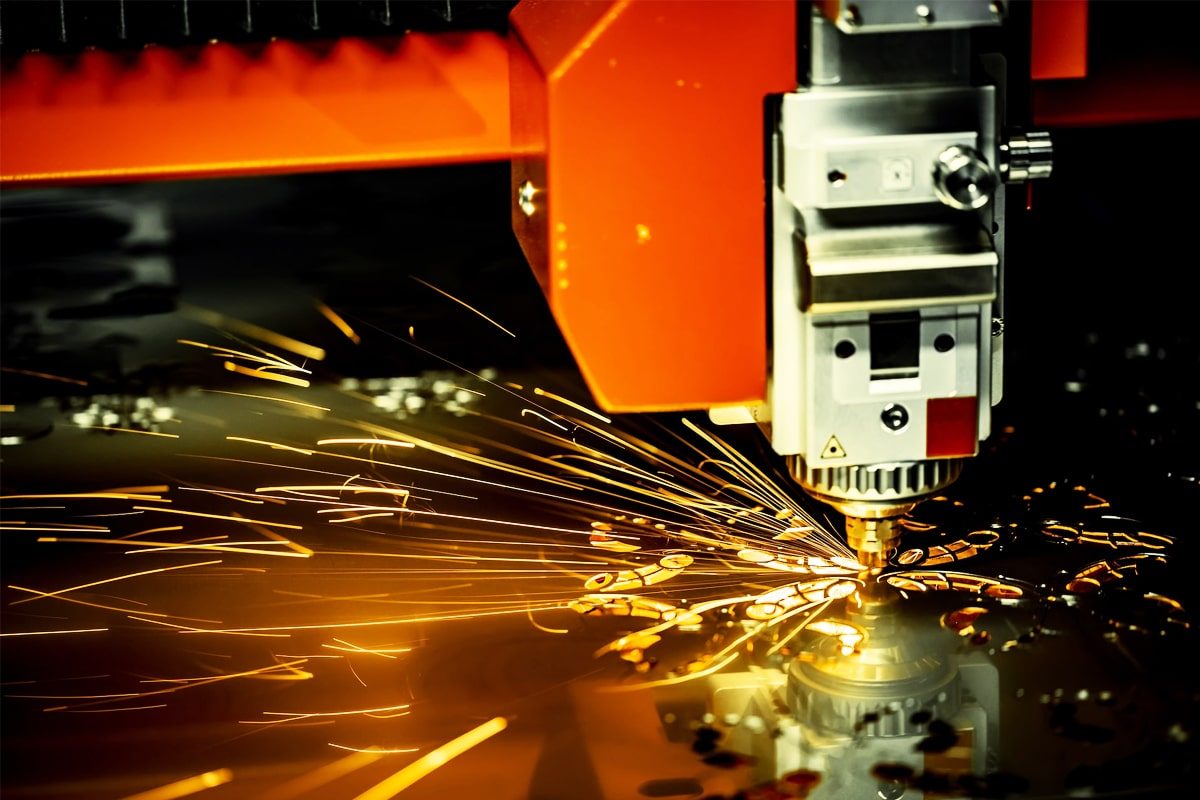
Laser Cutting VS Flame Cutting
Laser cutting and flame cutting are two of the most widely used metal-processing methods in modern manufacturing, yet they represent fundamentally different approaches to thermal cutting. As industries move toward higher precision, greater productivity, and increasingly diversified materials, understanding the distinctions between these technologies has become essential for fabricators, engineers, procurement teams, and workshop owners.
Laser cutting uses a tightly focused, high-energy beam of light to melt or vaporize material with remarkable accuracy, minimal heat-affected zones, and excellent repeatability. It is favored for thin-to-medium metal sheets, complex geometries, and applications requiring clean edges and high dimensional stability. In contrast, flame cutting—also known as oxy-fuel cutting—relies on a chemical oxidation reaction fueled by oxygen and combustible gases, making it highly effective for processing extremely thick carbon-steel plates at relatively low equipment cost. While flame cutting excels in heavy fabrication and structural-steel environments, it lacks the precision, speed, and material flexibility of modern laser systems.
This article provides a comprehensive comparison of laser cutting and flame cutting, exploring their principles, capabilities, advantages, limitations, cost implications, and ideal application scenarios to help readers choose the most suitable method for their manufacturing needs.
Table of Contents
What Is Laser Cutting?
Laser cutting is a high-precision, non-contact thermal machining process that uses a focused beam of coherent light to melt, burn, or vaporize material with exceptional accuracy. Unlike mechanical cutting, which relies on physical force, laser cutting applies energy through a concentrated beam, enabling extremely narrow kerf widths, minimal heat-affected zones, and superior repeatability. Modern fiber-laser systems—ranging from under 1 kW to more than 40 kW—are capable of processing thin sheet metal, medium-thickness plates, and even thick carbon steel with remarkable speed and consistency. Because the process integrates seamlessly with CNC controls, CAD/CAM software, automation modules, and real-time monitoring systems, laser cutting has become a core technology in advanced fabrication, precision engineering, and Industry 4.0 manufacturing environments.
Working Principle
Laser cutting works by focusing a high-energy laser beam through a collimating and focusing lens to form an intensely concentrated spot on the material surface. Once the laser beam strikes the workpiece, the material absorbs the energy and rapidly heats to its melting or vaporization temperature. An assist gas—commonly nitrogen, oxygen, or compressed air—is simultaneously delivered through the nozzle to blow away molten material, maintain kerf cleanliness, and stabilize the cutting process. Oxygen creates an exothermic reaction that increases cutting speed on carbon steel, while nitrogen prevents oxidation, producing bright, clean edges on stainless steel and aluminum.
The cutting head or worktable then moves along a programmed path under precise CNC control. This combination of controlled heat input, material removal, and coordinated motion allows laser cutting to achieve intricate geometries, tight radii, small internal features, and highly detailed contours with exceptional accuracy.
Equipment Components
A complete laser-cutting system consists of several interconnected components designed to work in harmony:
- Laser Source (Resonator): Usually a fiber-laser module that uses diode pumping and doped-fiber amplification to generate a stable, high-intensity beam.
- Optical Fiber Delivery System: A flexible fiber-optic cable transmits the laser beam from the source to the cutting head with minimal energy loss.
- Cutting Head: Includes a collimating lens, focusing lens, nozzle, protective lens, and sensors. It shapes the beam, maintains focus height, and directs assist gas into the kerf.
- CNC Motion System: High-precision linear guides, servo motors, and drive systems control the movement of the cutting head or worktable.
- Assist Gas System: Delivers oxygen, nitrogen, or air at precise pressures and flow rates to support the cutting process.
- Cooling System: Circulates coolant to stabilize the laser source, optics, and electronics.
- Control Software / Operator Interface: Manages cutting parameters, nesting, path planning, automation, and quality monitoring.
- Dust and Fume Extraction System: Removes smoke, fumes, and particulates produced during cutting, ensuring safety and cleanliness.
These components work together to produce a stable, efficient, and fully controllable cutting process suitable for both simple and complex parts.
Key Characteristics
Laser cutting is defined by several unique performance characteristics:
- Laser cutting produces extremely narrow kerf widths due to the small beam diameter and highly concentrated heat source. This enables tight corners, small holes, fine details, and precise geometry even in intricate designs. The heat-affected zone is minimal, significantly reducing distortion and preserving material flatness—an essential advantage for parts that must meet strict dimensional tolerances.
- The process is highly repeatable, ensuring that identical parts can be produced consistently in mass-production environments. Because the laser is a non-contact tool, there is no physical wear, allowing stable performance over long production cycles. Laser cutting is also fast, especially for thin-to-medium sheet metal, allowing manufacturers to achieve high throughput. Its digital nature enables rapid program changes, seamless transitions between materials, and effective integration with automation, nesting software, and intelligent monitoring systems. Additionally, fiber-laser technology supports a wide variety of metals, including stainless steel, mild steel, aluminum, brass, copper, and titanium.
Advantages
Laser cutting offers numerous advantages that make it a preferred choice for modern fabrication:
- The process provides high precision and excellent edge quality, reducing or eliminating the need for grinding, smoothing, or secondary machining. Cutting speed is exceptionally high for thin and medium-thickness metals, often outperforming traditional methods such as flame or plasma cutting. Fiber-laser cutting systems deliver outstanding energy efficiency, low maintenance requirements, and long operational lifespans, making them economically attractive over the long term despite higher initial investment.
- Laser cutting minimizes material waste because its narrow kerf allows nested parts to be positioned closely together, maximizing sheet utilization. It supports complex shapes, micro-features, and intricate contours that are difficult or impossible to achieve with mechanical tools. The technology also integrates seamlessly with automated systems, enabling continuous, lights-out production. For manufacturers handling multiple materials or requiring rapid production changeovers, laser cutting offers unmatched flexibility and stability.
Disadvantages
Despite its many strengths, laser cutting has limitations that should be considered:
- Laser cutting machines require a higher initial investment compared to flame-cutting or plasma systems, especially for high-power fiber lasers. While fiber lasers handle thin and medium materials extremely well, their speed and cost-effectiveness may decrease when cutting very thick carbon steel; in such cases, flame cutting can still be the better option. Reflective materials—such as copper, brass, and certain aluminum alloys—can pose challenges due to back-reflection, although modern fiber-laser wavelengths have largely mitigated this issue.
- Laser cutting requires a cleaner operating environment and trained personnel to monitor parameters, maintain optics, and manage gas purity. Material contaminants such as oil, rust, and paint can negatively affect cut quality, requiring proper material preparation. Additionally, improper setup or worn consumables (such as nozzles or protective lenses) can reduce edge quality or cause cutting instability. While laser cutting is highly versatile, it remains sensitive to certain factors that require careful control and regular maintenance.
Applications
Laser cutting is used in a wide range of industries that demand precision, efficiency, and flexibility. It is widely adopted in sheet-metal fabrication, producing components for machinery, cabinets, enclosures, and industrial equipment. In the automotive and aerospace sectors, laser cutting supports lightweight structures, safety components, exhaust systems, and high-precision brackets. The electronics and battery industries rely on laser cutting for battery trays, heat sinks, conductive components, and micro-fabricated parts.
Medical-device manufacturers use laser cutting for surgical instruments and precision stainless-steel components, while architectural designers employ it to create decorative panels, façade elements, and custom metalwork. The technology is also essential in HVAC manufacturing, signage and advertising, robotics, furniture production, and general industrial fabrication. Laser cutting’s ability to provide fine detail, consistent tolerances, and efficient production makes it suitable for both prototyping and large-scale manufacturing.
Laser cutting is a highly advanced thermal cutting technology known for its precision, speed, and flexibility. By focusing a high-energy beam onto the material surface and using assist gases to remove molten material, it achieves exceptional edge quality with minimal distortion. While it requires a higher initial investment and has limitations when cutting very thick carbon steel, laser cutting remains the superior choice for complex geometries, tight tolerances, clean edges, automation compatibility, and high-throughput production. Its broad material capability and integration with modern manufacturing systems make it an essential tool in today’s metal fabrication landscape.
What Is Flame Cutting?
Flame cutting—also known as oxy-fuel cutting—is a long-established thermal cutting method widely used in heavy industry for processing thick carbon-steel plates. Unlike laser cutting, which melts or vaporizes material using a concentrated beam of light, flame cutting relies on the chemical oxidation of steel. The process uses a controlled mixture of oxygen and fuel gases such as acetylene, propane, or natural gas to heat the metal surface and initiate an exothermic reaction that continues through the thickness of the material. Because of its ability to cut extremely thick steel at relatively low equipment cost, flame cutting remains indispensable in shipbuilding, construction, steel fabrication yards, heavy equipment manufacturing, and large-scale structural-steel processing. Although it offers lower precision and slower speed on thin materials, its deep penetration capability and suitability for rugged environments ensure its continued relevance.
Working Principle
Flame cutting works by combining thermal preheating with chemical oxidation. The process begins with a flame produced by burning a mixture of oxygen and a fuel gas. This preheating flame raises the temperature of carbon steel to approximately 900–1000℃, its ignition point, where it can react vigorously with pure oxygen.
Once the steel surface is sufficiently heated, a jet of high-pressure oxygen is directed onto the preheated area. The steel rapidly oxidizes in an exothermic reaction that generates additional heat, allowing the cut to advance downward through the metal. The oxidation reaction produces molten iron oxide (slag), which is blown away by the oxygen jet, forming a kerf.
Because the cutting process depends on oxidation, flame cutting is effective primarily on carbon steel, which oxidizes readily. It is ineffective on materials like stainless steel or aluminum because their oxide layers inhibit further reaction and prevent cutting from progressing.
Equipment Components
A complete flame-cutting system includes several key components that enable stable heating, oxidation, and material removal:
- Cutting Torch: The torch mixes oxygen and fuel gas in precise ratios to create a stable preheating flame. It also delivers pure oxygen through a central jet for the oxidation reaction.
- Gas Supply System: Separate lines for fuel gas and oxygen supply, regulated pressures and flow rates. Cylinders, regulators, hoses, and flashback arrestors ensure safe and consistent operation.
- Cutting Nozzles: Different nozzle designs and sizes are used depending on material thickness, gas type, and required cutting speed. Nozzles shape the flame and oxygen stream.
- Ignition Tools and Safety Devices: Spark igniters, flashback arrestors, non-return valves, and thermal shutoff devices help prevent accidents and maintain stable cutting conditions.
- CNC Gantry or Manual Guidance System: In automated workplaces, a CNC gantry guides multiple torches to cut large plates with repeatability. Manual torches are used in construction sites and repair jobs.
- Slag Removal and Cooling Area: Cutting beds or thick steel tables allow molten slag to fall or cool safely, preventing damage and contamination.
These components work together to create a controlled environment for heating, oxidation, and consistent kerf formation.
Key Characteristics
Flame cutting exhibits several defining characteristics that distinguish it from laser and plasma cutting. It is exceptionally effective at cutting very thick carbon steel, often reaching thicknesses of 100 mm, 200 mm, or even above 300 mm—levels that exceed the practical limits of most laser cutting systems. The heat input is high, resulting in a wide heat-affected zone and potential distortion, which must often be corrected after cutting.
The process produces rougher cut surfaces with noticeable drag lines and oxide layers, requiring secondary finishing in many applications. Flame cutting has slower cutting speeds on thin and medium materials, but becomes more efficient as material thickness increases. The equipment is rugged, simple, and cost-effective, making flame cutting suitable for harsh environments, outdoor job sites, and heavy-industrial operations. Its reliance on oxidation also means it works best with low-alloy carbon steels and is unsuitable for stainless steel, aluminum, and non-ferrous alloys.
Advantages
Flame cutting offers several important advantages that keep it widely used in heavy fabrication:
- Flame cutting is highly cost-effective in terms of equipment purchase and maintenance. The cutting torches, gas lines, and regulators are inexpensive compared to sophisticated laser or plasma systems, making the technology accessible for a wide range of fabrication facilities. It excels in cutting extremely thick carbon-steel plates and can outperform other thermal methods when dealing with heavy structural steel or large industrial components.
- The process does not require electricity-intensive equipment, making it well-suited for remote construction sites or environments with limited power availability. Flame cutting can also handle rusty, dirty, or scaled carbon steel with minimal preparation, and its simplicity allows operators with basic training to produce acceptable results. When used in multi-torch CNC gantry systems, flame cutting becomes highly productive for large steel-service centers and shipyards, cutting many thick plates simultaneously.
Disadvantages
Despite its value in heavy industry, flame cutting comes with notable limitations:
- Flame cutting produces a large heat-affected zone due to high thermal input, causing warping, distortion, and internal stresses—especially in thin or sensitive materials. The cut edges are rougher and often covered with hardened oxide layers that require grinding or machining before welding or assembly. Cutting speeds are significantly slower on thin to medium plates compared to laser or plasma, reducing overall productivity for lighter fabrication work.
- Another major disadvantage is its limited material compatibility. Because the process depends on oxidation, flame cutting cannot effectively process stainless steel, aluminum, copper, or other non-ferrous metals. It also consumes large amounts of oxygen and fuel gases, which adds ongoing operational costs. Safety considerations are greater due to the use of flammable gases, flame exposure, and slag ejection. While the technology is robust, it cannot match the precision, cleanliness, or digital automation capabilities of modern laser-cutting systems.
Applications
Flame cutting is widely used in industries that require cutting extremely thick carbon-steel plates or working in rugged environments. It is essential in shipbuilding, where large, thick hull plates and structural components must be shaped on-site or in fabrication yards. The construction industry relies on flame cutting for heavy beams, columns, and structural-steel frameworks.
In heavy machinery, mining equipment, and pressure-vessel production, flame cutting is used for shaping massive components, high-strength steel plates, and reinforcement structures. Steel-service centers deploy multi-torch CNC gantry systems to process large quantities of thick plate efficiently. Remote construction locations, repair jobs, and field operations often depend on portable oxy-fuel torches due to their simplicity and independence from electrical power. Flame cutting remains the method of choice wherever ruggedness, deep cutting capability, and low equipment cost outweigh the need for fine precision or smooth edges.
Flame cutting is a robust and cost-effective thermal cutting technology that relies on oxidation and high-temperature flames to process carbon steel—particularly in thick sections where other cutting methods struggle. While it produces wider heat-affected zones, slower speeds, and rougher edges than laser cutting, its ability to cut extremely thick steel at low equipment cost makes it indispensable for heavy industry, construction, shipbuilding, and steel-plate processing. Although it lacks the precision, automation compatibility, and multi-material flexibility of modern laser cutting systems, flame cutting remains an essential method for applications that demand deep penetration, rugged equipment, and reliable performance in challenging environments.
Laser Cutting vs Flame Cutting: Technical Comparison
Laser cutting and flame cutting are both widely used thermal-cutting technologies, but they operate on fundamentally different principles and deliver dramatically different performance across key technical metrics. Laser cutting uses a concentrated beam of coherent light to melt or vaporize material with minimal heat input, producing highly precise cuts with narrow kerf widths and excellent surface quality. Flame cutting, by contrast, relies on the chemical oxidation of carbon steel using a high-temperature flame and a stream of pure oxygen, enabling deep penetration and efficient processing of very thick steel plates.
Cutting Principle
- Laser cutting operates through a non-contact process in which a highly focused laser beam heats the material to melting or vaporization temperature. Assist gases such as nitrogen or oxygen in removing molten material, stabilizing the kerf, and influencing cut quality. The process depends on beam absorption, thermal conductivity, and controlled heat removal.
- Flame cutting relies on the oxidation of carbon steel. A preheating flame brings the steel to ignition temperature, then a jet of pure oxygen initiates a vigorous exothermic reaction that continues through the thickness of the metal. Material removal is driven by both chemical reaction and high-pressure oxygen flow. Because it depends on oxidation, flame cutting works primarily on carbon steel and not on stainless steel or non-ferrous metals.
Heat Input and Thermal Effects
- Laser cutting delivers a highly concentrated heat source with minimal thermal dispersion. The heat-affected zone is narrow, and overall heat input is low, reducing distortion, preserving flatness, and maintaining the mechanical properties of the material. This makes laser cutting ideal for thin materials, precision assemblies, and components requiring tight dimensional control.
- Flame cutting introduces a significantly larger thermal load. The wide preheating flame and sustained oxidation reaction generate high temperatures that penetrate deeply into the material. This creates a broad heat-affected zone, often resulting in warping, internal stresses, and deformation—especially on thinner plates. Post-cut straightening or stress-relief operations may be required.
Cutting Thickness Capability
- Laser cutting excels at cutting thin to medium-thickness materials with superb quality and speed. Modern high-power fiber lasers can cut carbon steel up to 40–60 mm, though speed decreases as thickness increases. Beyond certain thresholds, edge quality and cost efficiency may become limiting factors.
- Flame cutting dominates in ultra-thick cutting applications. It reliably processes carbon-steel plates 100 mm, 200 mm, and even over 300 mm thick, which are unattainable or impractical for most laser systems. This makes flame cutting indispensable for shipbuilding, heavy equipment, structural-steel fabrication, and large plate-processing centers.
Cutting Speed
- Laser cutting offers significantly higher cutting speeds for thin and medium-thickness metals. Fiber lasers can cut stainless steel, mild steel, and aluminum many times faster than flame cutting, especially below 20–25 mm. The speed advantage enhances productivity and reduces cycle time in high-volume fabrication environments.
- Flame cutting becomes competitive only as plate thickness increases dramatically. For ultra-thick carbon steel, the oxidation reaction and deep-penetration capability allow flame cutting to outperform laser cutting, which slows substantially at extreme thicknesses. However, overall speed remains lower on thin sheets.
Edge Quality
- Laser cutting produces clean, smooth, and consistent edges with minimal slag, virtually no dross, and very fine striation patterns. The edges often require no secondary finishing, making laser cutting ideal for weld-ready components and parts with aesthetic or precision requirements.
- Flame-cut edges are rougher and show visible drag lines from the oxidation process. A hardened oxide layer often forms along the cut surface, which may require grinding before welding or assembly. Bottom-edge slag, unevenness, and thermal distortion are common, increasing post-processing time.
Material Compatibility
- Laser cutting is highly versatile and can process a wide range of metals, including carbon steel, stainless steel, aluminum, brass, copper, titanium, and various alloys. Its ability to switch materials quickly makes it ideal for modern multi-material fabrication.
- Flame cutting is suitable almost exclusively for carbon steel. Stainless steel, aluminum, and non-ferrous metals do not oxidize effectively under flame cutting conditions, causing the process to fail. This limitation restricts flame cutting to specific industries and heavy-carbon-steel applications.
Precision and Tolerances
- Laser cutting provides superior precision and tighter tolerances due to its narrow beam, minimal heat distortion, and high-resolution CNC control. It enables fine details, small holes, tight radii, and complex geometries that cannot be achieved with flame cutting. Dimensional accuracy and repeatability are ideal for precision manufacturing and mass production.
- Flame cutting offers relatively coarse tolerances. Thermal expansion, wide kerf, and large heat-affected zones reduce accuracy. It is suitable for general structural applications but not for parts requiring high precision or intricate contours.
Automation and Digital Integration
- Laser cutting is highly compatible with automation, digital manufacturing systems, and Industry 4.0 initiatives. It integrates easily with CAD/CAM software, nesting programs, robotic loading and unloading, pallet changers, in-line inspection, and MES systems. Intelligent features such as auto-focus, real-time monitoring, and AI-assisted parameter optimization enhance productivity and consistency.
- Flame cutting offers limited automation potential. While CNC gantry systems can automate torch movement, the process remains less precise and less reliant on digital controls. Flame cutting is more commonly associated with rugged, manual, or semi-automated operations rather than smart-factory environments.
Safety Considerations
- Laser cutting requires strict control of laser radiation, optical reflections, and enclosed work areas. Proper ventilation, interlocked safety enclosures, fire suppression, and UV/IR protective measures are essential. While laser systems are highly engineered for safety, improper handling of high-power beams poses risks.
- Flame cutting involves open flame, high heat, combustible gases, flashback risk, and oxygen-enriched environments. Safety concerns include fire hazards, explosion risks, slag ejection, and hot work exposure. Proper cylinder handling, ventilation, flame arrestors, and rigorous safety protocols are mandatory.
Environmental Impact
- Laser cutting is relatively clean and energy-efficient. It produces less noise, emits fewer fumes, and reduces airborne particulates when paired with appropriate extraction systems. The absence of combustion gases contributes to a lower environmental footprint.
- Flame cutting emits large volumes of smoke, fumes, carbon oxides, and combustion by-products. It also produces significant noise and requires high oxygen and fuel consumption, increasing environmental burden and operational costs.
Operating Costs
- Laser cutting has a higher initial equipment cost but lower long-term operating costs. Fiber lasers are energy-efficient, require minimal consumables, and support automated production. Reduced post-processing and high material utilization further improve cost efficiency.
- Flame cutting features low equipment cost but higher ongoing expenses related to oxygen and fuel gas consumption. Additional costs arise from grinding, machining, distortion correction, and slower throughput. Although inexpensive to purchase, flame cutting can become costlier in continuous production environments.
Laser cutting and flame cutting differ profoundly in their cutting mechanisms, heat input, precision, material compatibility, and operating economics. Laser cutting excels in accuracy, speed, edge quality, automation readiness, and multi-material flexibility, making it the preferred choice for modern fabrication. Flame cutting, while less precise and more thermally intensive, remains unmatched in its ability to cut ultra-thick carbon-steel plates at low equipment cost.
Manufacturers choosing between the two technologies must consider material type, required precision, plate thickness, production volume, and operational environment. Both methods serve distinct yet complementary roles within the metalworking industry, and selecting the right process can significantly improve productivity, cost efficiency, and product quality.
Which Method Should You Choose?
Choosing between laser cutting and flame cutting depends entirely on the materials you work with, the thickness range of your parts, the precision and edge quality you require, and your overall production goals. While both technologies serve essential roles in metal fabrication, their strengths are suited to very different applications. Laser cutting excels in environments that demand high accuracy, tight tolerances, clean edges, and efficient processing of thin to medium materials. Flame cutting, on the other hand, remains the preferred solution for extremely thick carbon-steel plates or harsh working conditions where rugged equipment and low acquisition cost are priorities.
Evaluating the right method involves balancing quality requirements, operational costs, cutting speed, safety considerations, and the long-term scalability of your production workflow. This section outlines clear scenarios to help you determine which cutting technology aligns best with your manufacturing needs.
Choose Laser Cutting If You Need
Choose laser cutting when your work prioritizes precision, cleanliness, and high efficiency in thin-to-medium metal processing. Laser cutting delivers extremely narrow kerf widths, smooth edges, and minimal heat distortion, making it suitable for components that must meet strict dimensional tolerances or require seamless fitment. If your production involves complex shapes, intricate contours, fine internal features, or small holes, laser cutting provides unmatched capability.
Laser cutting is also ideal when you work with multiple materials—such as stainless steel, aluminum, brass, copper, titanium, or mild steel—and need to switch frequently without changing equipment. Modern fiber-laser cutting machines allow rapid transitions between materials and thicknesses, supporting flexible, short-run, or high-mix production environments.
Additionally, choose laser cutting if you aim for automation, digital integration, and high production stability. Laser cutting systems integrate seamlessly with CAD/CAM software, nesting programs, pallet changers, robotic loaders, MES platforms, and real-time monitoring systems.
Laser cutting is also the better option if you want minimal post-processing, reduced scrap, lower long-term operating costs, and the ability to scale into smart manufacturing. For manufacturers focused on accuracy, cleanliness, speed, versatility, and high-value production, laser cutting is the clear choice.
Choose Flame Cutting If You Need
Choose flame cutting when your primary requirement is cutting extremely thick carbon-steel plates at the lowest possible equipment cost. Flame cutting can process steel in thicknesses far beyond the range of most laser cutting systems, making it essential for heavy-fabrication industries such as shipbuilding, bridge construction, mining machinery, and structural-steel manufacturing.
Flame cutting is also well-suited for rugged environments, outdoor job sites, and applications where power availability is limited. Because flame-cutting equipment is simple, durable, and inexpensive, it is ideal for workshops handling large, heavy plates where fine precision is not the main concern.
Additionally, choose flame cutting if your material quality varies or includes rusty, dirty, or mill-scale surfaces, which often require pre-cleaning before laser cutting. Flame cutting tolerates such impurities with little issue.
Flame cutting is also practical when cutting speed is not the primary bottleneck, and downstream processes such as grinding or machining are already part of the production workflow. For applications focused on thickness capacity, toughness, portability, and affordability, flame cutting remains the most effective solution.
Choosing between laser cutting and flame cutting depends on your specific operational requirements. Laser cutting is ideal for manufacturers seeking precision, versatility, high productivity, clean edges, and digital integration across a wide range of materials and thicknesses. Flame cutting is the preferred method for heavy industries that need to cut very thick carbon-steel plates at low equipment cost or operate in demanding environments where ruggedness and simplicity are essential.
By understanding the strengths and limitations of each method, manufacturers can select the cutting technology that aligns best with their production goals, cost structure, and quality expectations. In many facilities, both processes coexist—each serving the applications where it performs best and ensuring a flexible, efficient workflow across diverse cutting tasks.
Summary
Laser cutting and flame cutting represent two fundamentally different approaches to metal processing, and each plays an important role in modern fabrication. Laser cutting excels in precision, speed, and versatility, offering clean edges, minimal distortion, and tight tolerances across a wide range of materials—including stainless steel, aluminum, copper, and mild steel. Its non-contact nature, narrow kerf width, and compatibility with automation make it ideal for industries that demand accuracy, repeatability, and efficient production of thin to medium thickness materials.
Flame cutting, by contrast, remains the dominant choice for extremely thick carbon-steel plates and heavy-fabrication environments where ruggedness, deep penetration, and low equipment cost are top priorities. Although it produces wider heat-affected zones and rougher edges, its ability to reliably cut steel well beyond the practical limits of laser cutting systems ensures its continued relevance in shipbuilding, structural-steel construction, mining equipment, and large-scale industrial operations.
Ultimately, the best cutting method depends on material type, thickness, required precision, production volume, and workflow goals. Laser cutting offers superior quality and efficiency for high-value, multi-material projects, while flame cutting provides unmatched thickness capability and affordability for heavy-duty applications. Understanding the strengths of each technology helps manufacturers choose the most effective solution for their specific needs.
Get Laser Cutting Solutions
As a global leader in intelligent laser equipment, Maxcool CNC provides comprehensive laser-cutting solutions designed to help manufacturers achieve higher precision, greater efficiency, and long-term operational reliability. Whether you are upgrading from traditional flame-cutting systems or optimizing your current production line, Maxcool CNC’s advanced fiber-laser technology delivers the speed, accuracy, and stability required to meet today’s demanding fabrication standards.
Maxcool CNC offers a full range of laser-cutting machines—from compact models for thin-sheet processing to high-power systems capable of handling thick carbon steel, stainless steel, aluminum, and other industrial metals. Each machine is engineered with high-quality components, intelligent control systems, and automated features such as auto-focus cutting heads, real-time monitoring, nesting software, and optional robotic loading and unloading modules. These innovations help reduce labor requirements, improve consistency, and support seamless integration into smart-factory environments.
Our technical team provides end-to-end support, including equipment selection, customized configurations, operator training, and long-term maintenance. Whether you need high-speed production, clean edge quality, flexible multi-material cutting, or improved workflow automation, Maxcool CNC delivers solutions that enhance performance and reduce operating costs.
Contact Maxcool CNC today to explore how our intelligent laser-cutting systems can elevate your manufacturing capabilities and give your business a competitive edge.