
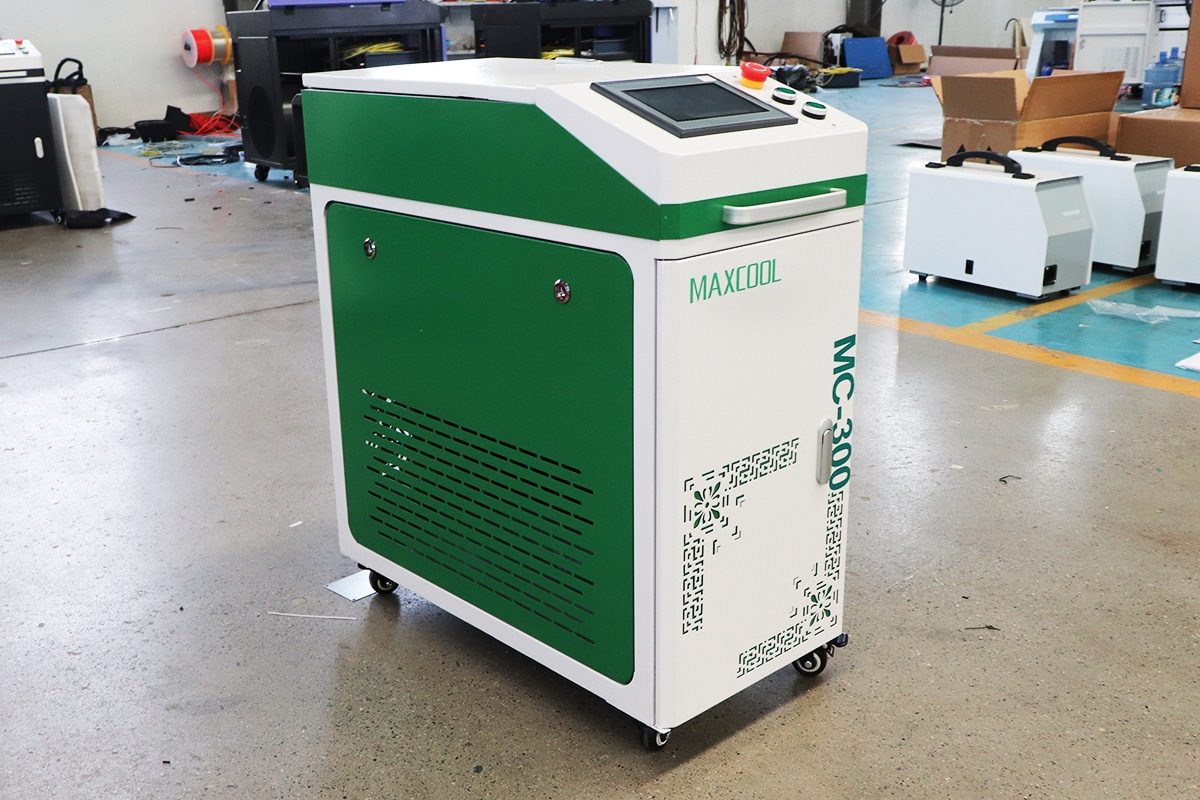
Is Laser Cleaning Harmful To Human
Laser cleaning has emerged as an advanced surface treatment technology widely used in manufacturing, automotive restoration, aerospace, electronics, cultural heritage preservation, and metal processing industries. By using highly concentrated laser beams to remove rust, paint, oil, oxide layers, and other contaminants from material surfaces, laser cleaning offers a precise, efficient, and environmentally friendly alternative to traditional cleaning methods such as chemical treatment, sandblasting, and mechanical abrasion. Its advantages include minimal material damage, reduced waste generation, lower maintenance requirements, and the ability to automate industrial cleaning processes. As industries continue to pursue greener, more sustainable production methods, laser cleaning technology has gained global attention.
Despite its growing popularity, concerns about the potential health risks of laser cleaning have also increased. Many people question whether exposure to laser radiation, fumes, dust particles, noise, or reflected light during the cleaning process could be harmful to human health. In industrial environments, improper operation or insufficient protective measures may expose workers to eye injuries, skin burns, respiratory hazards, or long-term health effects caused by airborne contaminants released from treated materials. In addition, the safety risks may vary depending on the laser power, wavelength, cleaning material, ventilation conditions, and workplace safety standards.
Understanding the potential hazards associated with laser cleaning is essential for ensuring safe operation and protecting both operators and nearby personnel. Although laser cleaning itself is not inherently dangerous when properly controlled, the technology requires strict compliance with laser safety regulations, appropriate protective equipment, and effective ventilation systems. This article explores whether laser cleaning is harmful to humans by examining its potential risks, health impacts, safety classifications, and recommended protective measures. Through a comprehensive analysis, readers can gain a clearer understanding of how laser cleaning can be used safely and responsibly in both industrial and commercial applications.
Table of Contents
Understanding How Laser Cleaning Works
Laser cleaning is a modern surface treatment process that uses concentrated laser energy to remove unwanted materials from a surface without causing significant damage to the underlying substrate. Unlike traditional cleaning methods that rely on chemicals, abrasives, or mechanical force, laser cleaning works through precise energy control and non-contact interaction. The technology is widely used for removing rust, paint, oxide layers, grease, coatings, and contaminants from metals, stone, composites, and delicate industrial components. Understanding how laser cleaning works is important for evaluating both its effectiveness and its potential impact on human safety.
Basic Principle of Laser Cleaning
The fundamental principle of laser cleaning is based on the interaction between laser energy and surface contaminants. During operation, a high-intensity laser beam is directed onto the target surface. The contaminant layer absorbs the laser energy much more efficiently than the base material beneath it. As the energy rapidly accumulates, the unwanted material is heated, vaporized, decomposed, or detached from the surface.
Several physical mechanisms may occur during this process. One common mechanism is thermal ablation, where the contaminant evaporates due to rapid heating. Another is photomechanical removal, in which sudden thermal expansion creates microscopic shock waves that break the bond between the contaminant and the substrate. In some cases, photochemical reactions also contribute to the decomposition of contaminants.
A key advantage of laser cleaning is precision. Operators can carefully adjust parameters such as wavelength, pulse duration, scanning speed, and power output to clean only the unwanted layer while minimizing damage to the underlying material. This makes laser cleaning particularly suitable for delicate applications such as mold cleaning, aerospace components, electronics manufacturing, and historical artifact restoration.
Types of Laser Cleaning Systems
Different laser cleaning systems are designed for different industrial applications. The two most common categories are pulse laser cleaning and continuous wave laser cleaning.
Pulse Laser Cleaning
Pulse laser cleaning uses short bursts of laser energy delivered in extremely brief intervals, typically measured in nanoseconds, picoseconds, or femtoseconds. Because the energy is concentrated into very short pulses, the peak power is extremely high while the overall heat input remains relatively low.
This method is highly effective for precision cleaning tasks where substrate protection is critical. Pulse laser cleaning systems are commonly used for removing thin oxide layers, delicate coatings, paint residues, and contaminants from sensitive materials. Since less heat is transferred to the base material, there is a lower risk of thermal deformation, discoloration, or microstructural damage.
Pulse laser cleaning is widely preferred in industries such as aerospace, electronics, semiconductor manufacturing, and cultural heritage restoration. However, these systems are generally more expensive and may have slower cleaning speeds compared to continuous wave systems.
Continuous Wave Laser Cleaning
Continuous wave (CW) laser cleaning emits a constant and uninterrupted laser beam rather than short pulses. This type of system delivers continuous energy to the target surface, making it highly suitable for heavy-duty industrial cleaning applications.
CW laser cleaning is often used for large-scale rust removal, weld seam preparation, paint stripping, and surface pretreatment in manufacturing environments. The continuous energy output allows faster cleaning speeds and improved efficiency for thick contamination layers.
However, because continuous wave lasers generate more heat, they may increase the risk of substrate overheating or thermal damage if not properly controlled. Operators must carefully manage power density, exposure time, and cooling conditions to maintain safe and effective cleaning performance.
Laser cleaning works by using concentrated laser energy to remove contaminants from a surface through thermal, mechanical, or photochemical interactions. The process is highly precise, non-contact, and environmentally friendly compared to traditional cleaning methods. Different laser cleaning systems are designed for different tasks, with pulse laser cleaning offering superior precision and reduced heat damage, while continuous wave laser cleaning provides faster performance for heavy industrial applications.
The effectiveness and safety of laser cleaning largely depend on the type of laser source, operating parameters, and material being treated. Fiber lasers, CO2 lasers, Nd:YAG lasers, and ultrashort pulse lasers each offer unique advantages for specific cleaning applications. By understanding how these systems function, industries and operators can better evaluate both the benefits and potential safety considerations associated with laser cleaning technology.
Is Laser Radiation Harmful To Humans
Laser cleaning technology is widely used in industries such as manufacturing, automotive repair, aerospace, and cultural restoration because it removes contaminants efficiently without damaging the underlying material. However, while laser cleaning itself can be safe when properly controlled, laser radiation does present potential risks to human health. The level of danger depends on factors such as laser power, wavelength, exposure duration, beam focus, and the safety measures in place.
Laser radiation can affect the eyes and skin, especially when operators are exposed to direct or reflected beams. High-powered industrial lasers used in cleaning systems are capable of producing intense concentrated energy that may cause permanent injuries if handled incorrectly. For this reason, understanding laser hazards and following established safety standards is essential in any laser cleaning environment.
Understanding Laser Radiation Risks
Laser radiation differs from ordinary light because it is highly concentrated, directional, and coherent. This allows laser cleaning systems to deliver extremely high energy to a small target area. While this precision makes laser cleaning effective, it also increases the risk of injury if the beam accidentally contacts the human body.
The severity of laser-related harm depends on several variables, including laser wavelength, power output, exposure time, pulse duration, and beam divergence. Some laser wavelengths are invisible to the human eye, making them particularly dangerous because people may not realize they are being exposed. In industrial laser cleaning systems, infrared lasers are commonly used, and these can cause damage before a person notices any discomfort.
Another important factor is the environment in which the laser operates. Reflective metal surfaces, confined workspaces, and inadequate shielding can all increase the likelihood of accidental exposure. Without proper training and protective equipment, operators and nearby personnel may face significant risks.
Eye Hazards
The eyes are the most vulnerable part of the body when it comes to laser radiation exposure. Even a brief exposure to a high-powered laser beam can cause serious and sometimes irreversible eye damage.
When laser light enters the eye, the eye’s lens focuses the energy onto the retina, greatly intensifying the radiation. This concentration can burn retinal tissue almost instantly. Depending on the wavelength and intensity of the laser, injuries may include retinal burns, corneal damage, cataracts, or permanent vision loss.
Invisible infrared lasers are particularly hazardous because the natural blink reflex does not provide protection. A person may not realize exposure has occurred until symptoms appear later. Common symptoms of laser eye injuries include blurred vision, blind spots, eye pain, headaches, and reduced visual sensitivity.
Proper laser safety goggles designed for the specific laser wavelength are essential in laser cleaning operations. Standard safety glasses are not sufficient because laser protective eyewear must be rated to block the exact frequency and power level of the laser being used.
Direct Beam Exposure
Direct exposure occurs when the laser beam strikes the body without obstruction. This is the most dangerous type of laser exposure because the beam contains the highest concentration of energy.
Direct exposure to industrial laser cleaning systems can cause severe eye injuries immediately. In some cases, skin burns may also occur if the laser remains in contact with the skin for even a short period. High-power pulsed lasers can generate intense thermal effects capable of damaging tissue rapidly.
Operators are at greater risk during maintenance, calibration, or alignment procedures because protective housings may be removed during these activities. Accidental activation or incorrect beam positioning can result in direct exposure incidents.
To reduce these risks, laser cleaning systems should include safety interlocks, emergency shut-off switches, beam enclosures, and controlled operating zones. Only trained personnel should operate or service laser equipment.
Reflected Beam Hazards
Many people assume that laser hazards only come from direct exposure, but reflected laser beams can also be dangerous. During laser cleaning, beams often interact with metallic or polished surfaces that can reflect laser radiation in unpredictable directions.
There are two main types of reflections: specular reflections and diffuse reflections. Specular reflections occur on smooth, mirror-like surfaces and can retain much of the laser’s original intensity. These reflections may pose risks similar to direct beam exposure. Diffuse reflections scatter the laser energy in multiple directions and are generally less hazardous, although high-powered lasers can still create dangerous diffuse reflections at close range.
Reflective beam hazards are especially important in industrial cleaning applications involving stainless steel, aluminum, copper, or other highly reflective materials. Without protective barriers or controlled beam paths, nearby workers may unintentionally be exposed.
Using non-reflective work environments, protective curtains, beam shields, and proper operator positioning can significantly reduce the risk of reflected laser radiation injuries.
Skin Exposure Risks
Although the eyes are generally more sensitive to laser radiation, the skin can also be harmed by laser exposure. The extent of injury depends on the laser wavelength, exposure duration, and energy level.
Low-level exposure may cause redness or temporary irritation, while high-powered industrial lasers can produce thermal burns, blistering, and tissue damage. Certain ultraviolet laser wavelengths may also increase the risk of long-term skin effects similar to excessive ultraviolet radiation exposure.
Infrared lasers used in laser cleaning primarily generate heat-based injuries. In severe cases, concentrated exposure may burn through outer skin layers. Repeated exposure to lower levels of laser radiation may also contribute to cumulative skin damage over time.
Protective clothing, gloves, and full skin coverage are important safety measures in laser cleaning operations. Workers should avoid exposing bare skin near active laser cleaning systems, especially in environments with reflective materials.
Laser Classification Standards
Laser cleaning systems are categorized according to international safety classifications that indicate their potential hazard levels. These classifications help users understand the risks associated with different laser products and determine appropriate safety precautions.
Most industrial laser cleaning machines fall into Class 4, which represents the highest hazard category. Class 4 lasers can cause severe eye and skin injuries from both direct and reflected exposure and may also create fire hazards. Because of their power, Class 4 systems require strict safety controls, including enclosed operation areas, warning signs, protective eyewear, operator training, and controlled access.
Lower laser classes present reduced risks. For example, Class 1 lasers are generally considered safe during normal operation because the hazardous radiation is fully enclosed. Class 2 lasers emit visible light and rely partly on the human blink reflex for protection. As laser classifications increase, the required level of safety control also becomes more stringent.
International standards such as IEC 60825 and ANSI Z136 provide detailed guidelines for laser safety management, hazard evaluation, and workplace protection requirements. Compliance with these standards is essential for maintaining safe laser cleaning operations.
Laser radiation can be harmful to humans if proper safety measures are not followed. The primary risks involve eye injuries, skin burns, and accidental exposure to direct or reflected laser beams. Because industrial laser cleaning systems often use high-powered Class 4 lasers, even brief exposure can result in serious damage.
However, laser cleaning technology can be operated safely when appropriate precautions are implemented. Protective eyewear, enclosed workspaces, beam shielding, ventilation systems, operator training, and compliance with laser safety standards all play critical roles in reducing risks. Understanding how laser radiation affects the human body helps businesses and operators create safer working environments while still benefiting from the efficiency and precision of laser cleaning technology.
Are Laser Cleaning Fumes Harmful
Laser cleaning is often promoted as an environmentally friendly alternative to chemical cleaning methods because it eliminates the need for abrasive materials and harsh solvents. However, while the process itself may reduce chemical waste, laser cleaning can still produce fumes, smoke, and airborne particles that may pose health risks to humans. These emissions are generated when the laser beam removes contaminants, coatings, rust, paint, or other surface materials through rapid heating and vaporization.
The potential danger of laser cleaning fumes depends largely on the type of material being cleaned, the laser power, and the working environment. Some fumes contain fine particulate matter, toxic gases, or hazardous chemical compounds that can affect the respiratory system and overall health if inhaled over time. For this reason, proper ventilation and fume extraction systems are critical components of safe laser cleaning operations.
Why Laser Cleaning Produces Fumes
Laser cleaning works by directing concentrated laser energy onto a surface to remove unwanted materials. When the laser beam interacts with contaminants such as rust, paint, oil, oxides, coatings, or residues, the intense heat rapidly breaks down and vaporizes these materials. This process creates visible smoke, microscopic particles, and gaseous byproducts commonly referred to as laser cleaning fumes.
The amount and type of fumes produced depend on several factors, including the laser wavelength, pulse duration, power intensity, and the composition of the material being removed. Cleaning light surface contamination may generate relatively small amounts of airborne particles, while removing thick paint layers, industrial coatings, or chemical residues can release substantial smoke and potentially toxic emissions.
In many industrial environments, laser cleaning can also produce ultrafine particles that are small enough to remain suspended in the air for extended periods. These particles are often invisible to the naked eye and may penetrate deeply into the lungs when inhaled.
Health Risks From Fumes
Exposure to laser cleaning fumes can create both short-term and long-term health concerns, especially in poorly ventilated environments. The most common risks involve respiratory irritation caused by inhaling airborne particles and chemical vapors.
Short-term exposure may lead to symptoms such as coughing, throat irritation, headaches, dizziness, eye discomfort, and breathing difficulties. Workers operating laser cleaning equipment for extended periods without proper ventilation may experience worsening respiratory symptoms over time.
One major concern is the presence of ultrafine particulate matter generated during the laser ablation process. Because these particles are extremely small, they can bypass the body’s natural respiratory defenses and enter deep lung tissue. Prolonged exposure to fine particles may contribute to chronic respiratory problems and reduced lung function.
Certain materials may also release toxic gases or hazardous compounds when heated by the laser. Depending on the substances involved, exposure may increase risks related to chemical toxicity, neurological effects, or long-term occupational illness.
Hazardous Materials
The danger level of laser cleaning fumes increases significantly when hazardous materials are involved. Different surface contaminants and coatings can produce very different emissions during laser removal.
For example, laser cleaning of painted surfaces may release harmful compounds from pigments, binders, or chemical additives. Older industrial coatings may contain lead, chromium, cadmium, or other toxic heavy metals. When vaporized, these substances can become airborne and highly dangerous if inhaled.
Cleaning plastics, rubber, composites, or synthetic materials can also generate hazardous fumes. Some polymers release toxic gases such as formaldehyde, hydrogen chloride, or volatile organic compounds when exposed to intense laser heat. These emissions may irritate the respiratory tract and create additional health risks in enclosed spaces.
Even rust and metal oxides can produce airborne metallic particles during laser cleaning. Metals such as stainless steel may generate chromium or nickel-containing particles that require careful exposure control.
Because material composition varies widely across industries, operators should evaluate the specific hazards of each cleaning application before beginning work. Material Safety Data Sheets (MSDS) or Safety Data Sheets (SDS) can help identify potential airborne hazards associated with certain coatings or contaminants.
Importance of Fume Extraction Systems
Fume extraction systems are one of the most important safety measures in laser cleaning operations. Their primary purpose is to capture and remove harmful airborne particles and gases before workers inhale them.
A proper laser fume extraction system typically includes high-efficiency filtration components such as HEPA filters and activated carbon filters. HEPA filters are designed to capture microscopic particulate matter, while activated carbon filters help absorb gases, odors, and volatile organic compounds.
Local exhaust ventilation is especially effective because it removes fumes directly at the source before they spread throughout the workspace. In industrial settings, portable extraction units or centralized ventilation systems are commonly installed alongside laser cleaning equipment.
Without adequate fume extraction, airborne contaminants can accumulate quickly, particularly in enclosed work areas. This not only increases health risks but may also reduce visibility and create additional workplace safety hazards.
Regular maintenance of filtration systems is equally important. Saturated or damaged filters may lose effectiveness and allow hazardous particles to circulate back into the environment. Operators should follow manufacturer recommendations for filter replacement and airflow inspections.
Indoor VS Outdoor Cleaning Risks
The risks associated with laser cleaning fumes can vary significantly between indoor and outdoor environments. Indoor laser cleaning generally presents greater exposure hazards because fumes and airborne particles can accumulate in confined spaces if ventilation is insufficient.
In enclosed industrial workshops, warehouses, or manufacturing facilities, contaminants may remain suspended in the air for long periods, increasing the likelihood of inhalation. Poor airflow can also cause localized concentrations of hazardous particles near operators and nearby workers.
Outdoor laser cleaning often allows fumes to disperse more easily due to natural airflow. However, outdoor operations are not automatically safe. Wind direction may carry contaminants toward workers or nearby populated areas, and certain hazardous materials still require controlled extraction systems regardless of location.
Weather conditions, workspace layout, and surrounding environmental regulations may also influence outdoor cleaning safety procedures. In both indoor and outdoor environments, risk assessments should be performed to determine the appropriate ventilation, respiratory protection, and containment measures.
Laser cleaning fumes can be harmful to humans, particularly when hazardous coatings, metals, plastics, or industrial contaminants are involved. The laser cleaning process generates smoke, airborne particles, and chemical vapors through rapid heating and vaporization of surface materials. Without proper controls, inhalation of these emissions may cause respiratory irritation, chemical exposure, and long-term health risks.
The severity of the danger depends on the materials being cleaned, the workspace environment, and the effectiveness of ventilation systems. Indoor laser cleaning operations generally carry higher exposure risks because contaminants can accumulate in enclosed areas. Proper fume extraction systems, filtration equipment, ventilation, respiratory protection, and hazard assessments are essential for maintaining a safe working environment.
Although laser cleaning can be safer and cleaner than many traditional surface treatment methods, it should never be considered completely risk-free. With appropriate safety procedures and exposure controls, businesses can significantly reduce the health risks associated with laser cleaning fumes while maintaining efficient and environmentally responsible operations.
Fire and Explosion Risks
Laser cleaning is widely recognized as a precise and environmentally friendly surface treatment method, but like any industrial process involving high energy and heat, it also carries certain fire and explosion risks. During laser cleaning, concentrated laser energy rapidly heats and vaporizes contaminants, coatings, or residues from surfaces. Under certain conditions, the heat generated by the laser can ignite flammable substances or create dangerous airborne dust and vapor concentrations.
Although laser cleaning systems are generally designed with multiple safety protections, fire hazards can still occur if operators fail to follow proper procedures or if the working environment contains combustible materials. Understanding the causes of fire and explosion risks is essential for maintaining safe laser cleaning operations in industrial, commercial, and restoration settings.
Can Laser Cleaning Cause Fires
Yes, laser cleaning can cause fires under certain circumstances. High-powered laser cleaning systems generate intense thermal energy that may ignite combustible materials if the laser beam comes into contact with them directly or indirectly.
The laser cleaning process works by concentrating energy onto a small surface area. This localized heat can reach extremely high temperatures within milliseconds. While the goal is usually to remove rust, paint, oil, or contaminants, nearby flammable materials may also absorb heat and ignite if proper precautions are not taken.
Fire risks increase when operators work near combustible substances such as paper, cardboard, wood, fabrics, plastics, solvents, or oil residues. Sparks, glowing particles, or heated debris produced during laser ablation may also trigger ignition, especially in confined spaces with poor housekeeping practices.
Improper laser settings can further increase the danger. Excessive power levels, slow scanning speeds, or prolonged exposure to one area may overheat materials and raise the likelihood of combustion. In some cases, hidden residues beneath coatings may ignite unexpectedly during cleaning.
Flammable Materials
Certain materials present much greater fire hazards during laser cleaning operations. Organic materials and combustible contaminants are particularly sensitive to the intense heat generated by laser cleaning systems.
Oil, grease, fuel residues, paint, adhesives, rubber, plastics, and some industrial coatings can ignite when exposed to concentrated laser energy. Dust accumulation in industrial environments may also become hazardous because fine combustible particles can ignite more easily than solid materials.
Wooden structures, insulation materials, cloth, paper products, and packaging stored near the cleaning area can unintentionally catch fire if exposed to heat, sparks, or reflected laser energy. Even when the laser is aimed only at metal surfaces, nearby flammable objects may still be affected by heat transfer or airborne hot particles.
Some coatings release flammable vapors when heated during laser cleaning. If these vapors accumulate in poorly ventilated areas, they may create an ignition hazard. This is especially important in industrial maintenance applications involving chemical residues, fuel tanks, pipelines, or machinery exposed to oils and solvents.
Before beginning laser cleaning, operators should inspect the workspace carefully and identify any combustible materials that could increase fire risks.
Explosion Risks
In addition to fire hazards, laser cleaning can create explosion risks under specific conditions. Explosions are more likely when flammable dust, vapors, or gases are present in enclosed or poorly ventilated environments.
One major concern involves combustible dust. During laser cleaning, fine particles removed from surfaces can become suspended in the air. If these particles are combustible and reach a sufficient concentration, a spark or heat source from the laser process could potentially trigger a dust explosion.
Industries such as manufacturing, chemical processing, woodworking, and metal fabrication may face elevated risks if combustible dust is already present in the workspace. Powder coatings, organic dust, and fine metal particles can all contribute to explosive atmospheres under certain conditions.
Flammable gases and vapors also present serious hazards. Cleaning equipment previously exposed to fuels, solvents, chemicals, or pressurized gases may release residual vapors during laser treatment. If these vapors ignite, explosions or flash fires may occur.
Confined spaces increase the danger because heat, fumes, and combustible particles may accumulate rapidly. Without proper ventilation and atmospheric monitoring, even small ignition sources can lead to severe accidents.
Fire Prevention Measures
Proper safety procedures are essential for minimizing fire and explosion risks during laser cleaning operations. Preventive measures should focus on controlling ignition sources, removing combustible materials, and maintaining safe working conditions.
One of the most important steps is conducting a thorough risk assessment before starting any laser cleaning project. Operators should identify nearby flammable substances, combustible dust, hidden residues, and confined space hazards. Any unnecessary combustible materials should be removed from the work area whenever possible.
Ventilation and fume extraction systems play a major role in fire prevention. Proper airflow helps prevent the buildup of flammable vapors, smoke, and airborne particles that could contribute to ignition or explosion hazards.
Laser cleaning equipment should be operated using the correct power settings and scanning parameters for the specific material being cleaned. Excessive laser intensity or prolonged exposure should be avoided unless necessary.
Fire-resistant barriers, protective enclosures, and non-combustible work surfaces can help contain sparks and hot debris. Operators should also keep suitable fire extinguishers nearby and ensure workers are trained in emergency response procedures.
In high-risk environments, additional safety measures such as gas detection systems, explosion-proof ventilation equipment, and continuous atmospheric monitoring may be required. Regular equipment maintenance is equally important because damaged cables, optics, or cooling systems may increase operational hazards.
Laser cleaning can create fire and explosion risks because the process uses highly concentrated thermal energy to remove surface contaminants. Under certain conditions, this heat can ignite combustible materials, flammable vapors, or airborne dust particles. The risks are especially significant in environments containing oils, solvents, coatings, fine dust, or confined spaces with poor ventilation.
However, these hazards can be controlled effectively through proper safety planning and operational procedures. Risk assessments, ventilation systems, fume extraction, fire-resistant work areas, correct laser settings, and operator training all play critical roles in reducing danger. Removing flammable materials from the workspace and maintaining emergency fire protection equipment are also essential safety practices.
When laser cleaning systems are used responsibly and in compliance with industrial safety standards, the likelihood of fires or explosions can be greatly minimized. Although laser cleaning is generally considered safer and cleaner than many traditional surface preparation methods, businesses should still treat fire prevention and explosion control as important parts of every laser cleaning operation.
Electrical Hazards in Laser Cleaning
Laser cleaning systems are advanced industrial machines that rely on high-powered electrical components to generate and control laser energy. While much attention is often focused on laser radiation and fume exposure, electrical hazards are another important safety concern that should not be overlooked. Because laser cleaning equipment operates using high-voltage power supplies, cooling systems, electronic controls, and internal circuitry, improper handling can expose operators and technicians to serious electrical dangers.
Electrical accidents in laser cleaning environments may result in electric shock, burns, equipment damage, or even fatal injuries in severe cases. The risks increase during installation, troubleshooting, maintenance, or repair procedures when protective covers are removed, and internal electrical systems become accessible. Understanding these hazards and following strict electrical safety practices are essential for safe laser cleaning operations.
High-Voltage Components
Laser cleaning machines contain several high-voltage components that are necessary for generating and controlling the laser beam. These systems often require substantial electrical power to operate, especially high-powered industrial laser cleaning machines used for heavy-duty applications.
One of the primary high-voltage areas is the laser power supply unit. This component converts incoming electrical energy into the high-energy pulses or continuous-wave power required by the laser source. Depending on the system design, dangerous voltages may remain stored inside capacitors even after the machine has been turned off.
Laser cleaning equipment may also include high-voltage control circuits, cooling units, scanning systems, and internal electronic modules. Fiber laser cleaning systems, pulse generators, and beam delivery components all depend on stable electrical performance to operate safely and efficiently.
Improper contact with energized components can lead to severe electric shock or arc flash injuries. In some cases, damaged insulation, exposed wiring, or faulty grounding may create hidden electrical hazards that are difficult to detect without proper inspection.
Because many internal components remain inaccessible during normal operation, manufacturers typically install protective housings, interlock systems, and grounding mechanisms to reduce accidental exposure. However, these protections can become ineffective if equipment is modified improperly or serviced by unqualified personnel.
Common Electrical Risks
Several types of electrical hazards may occur during laser cleaning operations. One of the most serious risks is electric shock caused by direct contact with live electrical components. High-voltage shock can cause muscle contractions, burns, nerve damage, cardiac arrest, or fatal injuries, depending on the voltage level and exposure duration.
Damaged power cables and connectors are another common hazard. Repeated movement of laser cleaning equipment, improper cable handling, or exposure to harsh industrial environments may lead to worn insulation, loose connections, or exposed conductors. These conditions increase the likelihood of shock, short circuits, or electrical fires.
Moisture and conductive contaminants can also create dangerous situations. Water leaks from cooling systems, humid environments, or conductive dust accumulation may interfere with electrical insulation and increase the risk of equipment malfunction or accidental electrocution.
Improper grounding is another major concern. If laser cleaning systems are not correctly grounded, electrical faults may energize the machine frame or surrounding metal surfaces. This can create unexpected shock hazards for operators and nearby workers.
Overloaded circuits and unstable power supplies may further increase operational risks. Voltage fluctuations can damage sensitive laser components, cause overheating, or trigger electrical failures that compromise system safety.
Maintenance activities often present the greatest danger because technicians may need to access internal electrical systems directly. If lockout/tagout procedures are not followed correctly, accidental energization may occur while maintenance is being performed.
Importance of Qualified Maintenance
Qualified maintenance is critical for preventing electrical accidents in laser cleaning systems. Because these machines involve complex high-voltage electronics and sensitive laser components, only trained and authorized personnel should perform inspections, repairs, or internal servicing.
Professional technicians understand how to safely disconnect power sources, discharge stored electrical energy, test grounding systems, and identify hidden electrical faults. They are also trained to follow lockout/tagout procedures, which prevent equipment from being accidentally powered on during maintenance work.
Routine inspections are essential for detecting damaged cables, loose connections, overheating components, cooling system leaks, or deteriorating insulation before they become serious hazards. Preventive maintenance helps reduce unexpected equipment failures while improving operational safety and system reliability.
Manufacturers often provide detailed maintenance schedules and safety procedures that should be followed carefully. Using unauthorized replacement parts or modifying electrical systems without approval may compromise protective safety features and increase accident risks.
Operator training is equally important. Workers should understand basic electrical safety practices, recognize warning signs of electrical problems, and know how to respond during emergencies. Employees should never attempt to open electrical panels or repair internal components unless they are specifically trained and certified to do so.
In industrial environments, compliance with electrical safety regulations and workplace standards helps ensure that laser cleaning systems are installed and maintained safely. Proper grounding, circuit protection, emergency shut-off systems, and regular inspections all contribute to safer operation.
Electrical hazards are an important safety concern in laser cleaning operations because these systems rely on high-voltage power supplies and complex electronic components. Risks such as electric shock, electrical burns, short circuits, equipment failure, and fire hazards may occur if machines are improperly installed, damaged, or serviced incorrectly.
The dangers are especially significant during maintenance and repair activities when internal electrical systems become exposed. Faulty wiring, damaged insulation, moisture, poor grounding, and improper handling of energized components can all increase the likelihood of accidents.
However, these risks can be significantly reduced through proper safety procedures and qualified maintenance practices. Routine inspections, lockout/tagout procedures, grounding systems, equipment servicing by trained technicians, and operator education are essential for maintaining a safe working environment. When laser cleaning equipment is properly maintained and operated according to safety standards, electrical hazards can be effectively controlled while ensuring reliable and efficient performance.
Noise and Ergonomic Concerns
Laser cleaning is often considered cleaner and less physically demanding than traditional methods such as sandblasting, grinding, or chemical stripping. However, despite its advantages, laser cleaning can still create workplace concerns related to noise exposure and operator ergonomics. These issues may not appear as immediately dangerous as laser radiation or electrical hazards, but they can still affect worker health, comfort, and long-term productivity if not properly managed.
Noise generated during laser cleaning may contribute to hearing fatigue and communication difficulties, especially in industrial environments with multiple operating machines. At the same time, repetitive movements, awkward working positions, and prolonged equipment handling may place physical strain on operators. Understanding these concerns is important for creating a safer and more sustainable laser cleaning workplace.
Noise Levels
Laser cleaning systems can generate noticeable noise during operation, particularly when high-powered pulsed lasers interact with metal surfaces, coatings, rust, or contaminants. The rapid heating and removal process often produces popping, snapping, or crackling sounds as material is vaporized or ablated from the surface.
The overall noise level depends on several factors, including laser power, pulse frequency, material type, cleaning speed, and the surrounding environment. Cleaning thick rust layers, industrial coatings, or heavily contaminated surfaces may produce louder operational noise compared to light cleaning applications.
In industrial workshops, the laser cleaning process is often combined with additional noise sources such as ventilation systems, fume extractors, cooling units, compressors, and nearby machinery. As a result, cumulative workplace noise exposure may become significant over long operating periods.
Extended exposure to high noise levels can contribute to hearing fatigue, stress, reduced concentration, and communication difficulties between workers. In environments where noise exceeds occupational exposure limits, hearing protection such as earplugs or earmuffs may be necessary.
Noise can also affect workplace safety indirectly. If operators cannot hear alarms, verbal warnings, or nearby equipment movements clearly, the risk of accidents may increase. For this reason, noise assessments should be included as part of overall laser cleaning safety planning.
Some modern laser cleaning systems are designed with quieter cooling technologies, enclosed cleaning chambers, or sound-reduction features to minimize operational noise. Proper maintenance of ventilation and extraction equipment may also help reduce unnecessary sound levels.
Ergonomic Challenges
Although laser cleaning reduces many of the physical demands associated with abrasive blasting or manual scraping, ergonomic challenges can still develop during prolonged operation. Operators may need to hold handheld laser cleaning heads for extended periods while maintaining precise movement and positioning.
Repetitive arm, wrist, and shoulder motions can lead to muscle fatigue and discomfort over time, especially during large-scale cleaning projects. Workers who repeatedly perform the same movement patterns may face increased risks of repetitive strain injuries and musculoskeletal disorders.
Awkward working positions are another common concern. In industrial maintenance, automotive repair, shipbuilding, or infrastructure restoration, operators may need to clean surfaces located overhead, below waist level, or in confined spaces. Maintaining uncomfortable body positions for long periods can place strain on the neck, back, shoulders, and joints.
The weight of handheld laser cleaning equipment may also contribute to fatigue. While some portable laser cleaning machines are relatively lightweight, larger industrial systems may involve heavier scanning heads, cables, and protective hoses that increase physical strain during operation.
Cable management can create additional ergonomic difficulties. Poorly positioned hoses and cables may restrict movement, create tripping hazards, or force operators into unnatural body positions while working.
Long work sessions without adequate breaks can worsen physical stress and reduce operator concentration. Fatigue may increase the likelihood of mistakes, accidents, or improper handling of laser cleaning equipment.
To reduce ergonomic risks, many workplaces implement adjustable workstations, support arms, cable suspension systems, anti-fatigue flooring, and rotating work schedules. Training operators on proper posture, movement techniques, and equipment handling can also help prevent long-term physical injuries.
Noise and ergonomic concerns are important workplace factors in laser cleaning operations, even though they are often less visible than radiation or electrical hazards. Laser cleaning systems can generate operational noise from laser-material interaction, ventilation systems, and associated industrial equipment. Prolonged exposure to excessive noise may contribute to hearing fatigue, communication difficulties, stress, and reduced workplace awareness.
Ergonomic challenges may also arise from repetitive movements, prolonged handheld equipment use, awkward working positions, and physical strain during large cleaning projects. Over time, these factors can lead to muscle fatigue, discomfort, and musculoskeletal injuries if proper ergonomic practices are not followed.
Fortunately, these risks can usually be managed effectively through workplace design, operator training, hearing protection, ergonomic equipment support, and scheduled rest periods. By addressing both noise exposure and physical strain, businesses can improve operator comfort, reduce injury risks, and create safer long-term working conditions for laser cleaning personnel.
Comparing Laser Cleaning With Traditional Cleaning Methods
Laser cleaning has become an increasingly popular alternative to traditional industrial cleaning methods because of its precision, reduced waste generation, and non-contact operation. Unlike abrasive or chemical-based techniques, laser cleaning removes contaminants using concentrated laser energy without requiring direct physical contact with the surface. This approach can improve cleaning accuracy while reducing damage to sensitive materials.
However, every cleaning method has its own advantages, limitations, safety concerns, and environmental impacts. Comparing laser cleaning with traditional methods such as chemical cleaning, sandblasting, and dry ice blasting helps businesses better understand when laser technology may offer safer or more efficient solutions. While laser cleaning reduces many hazards associated with older cleaning techniques, it also introduces unique risks related to laser radiation, fumes, and equipment operation.
Laser Cleaning VS Chemical Cleaning
Chemical cleaning relies on solvents, acids, alkaline solutions, or other chemical agents to dissolve contaminants, rust, grease, paint, or coatings from surfaces. This method has been widely used in manufacturing, automotive maintenance, and industrial restoration for decades.
One major advantage of laser cleaning over chemical cleaning is the reduction of hazardous chemical exposure. Chemical cleaning processes may release toxic vapors, corrosive substances, and volatile organic compounds that can irritate the skin, eyes, and respiratory system. Workers often require extensive protective equipment and specialized handling procedures when working with aggressive cleaning chemicals.
Laser cleaning eliminates the need for many of these substances because it removes contaminants through thermal ablation rather than chemical reactions. This reduces chemical waste disposal requirements and lowers the risk of environmental contamination caused by spilled solvents or hazardous wastewater.
In addition, laser cleaning provides greater precision and selective material removal. Operators can target specific contaminants while minimizing damage to the underlying surface. Chemical cleaning may sometimes affect surrounding materials or require additional neutralization and rinsing steps.
However, laser cleaning systems generally involve higher initial equipment costs compared to basic chemical cleaning methods. Laser operations also require strict safety controls for radiation exposure, fume extraction, and electrical protection.
Laser Cleaning VS Sandblasting
Sandblasting, also known as abrasive blasting, uses high-pressure streams of abrasive particles to remove rust, paint, corrosion, or surface contamination. It is widely used in heavy industry, shipbuilding, construction, and metal preparation.
Compared to sandblasting, laser cleaning is considered less abrasive and more precise. Sandblasting physically erodes surface material, which can damage delicate components, thin metals, or precision parts if not carefully controlled. Laser cleaning, by contrast, is a non-contact process that can remove contaminants with minimal impact on the base material.
Dust generation is another major difference. Sandblasting often creates large amounts of airborne dust and abrasive debris that may contain hazardous particles such as silica or heavy metals. Prolonged exposure to blasting dust can create serious respiratory health risks if proper ventilation and protective equipment are not used.
Laser cleaning typically generates less secondary waste because it vaporizes contaminants rather than blasting them away with abrasive media. This can simplify cleanup procedures and reduce waste disposal costs.
Noise levels may also differ significantly. Sandblasting operations are usually extremely loud and often require hearing protection. Laser cleaning systems can still produce operational noise, but they are generally quieter than large-scale abrasive blasting systems.
Despite these advantages, laser cleaning may not always match the speed and cost-effectiveness of sandblasting for large surface preparation projects. Sandblasting remains common in applications requiring aggressive material removal over wide areas.
Laser Cleaning VS Dry Ice Blasting
Dry ice blasting uses compressed air to propel solid carbon dioxide pellets onto surfaces for cleaning purposes. When the pellets strike the surface, they rapidly sublimate into gas, helping remove contaminants without leaving abrasive residue behind.
Like laser cleaning, dry ice blasting is considered a relatively non-abrasive cleaning method. Both technologies are commonly used when preserving the integrity of sensitive surfaces is important.
One advantage of laser cleaning is its higher precision and controllability. Laser cleaning systems can target extremely small cleaning areas with accurate energy control, making them suitable for delicate restoration work, electronics, molds, and precision manufacturing.
Dry ice blasting generally produces less thermal concentration than laser cleaning and does not involve laser radiation hazards. However, dry ice blasting can create high noise levels and significant carbon dioxide accumulation in poorly ventilated spaces. Excessive CO2 concentrations may reduce oxygen levels and create asphyxiation hazards in confined environments.
Laser cleaning also eliminates the need for consumable blasting media. Dry ice blasting requires a continuous supply of dry ice pellets, while laser cleaning systems primarily rely on electrical energy and routine equipment maintenance.
On the other hand, laser cleaning may generate fumes and ultrafine particles depending on the material being removed, requiring effective extraction systems. Dry ice blasting may produce fewer combustion-related fumes in some applications, but can still spread contaminants into the surrounding environment.
Environmental Advantages
One of the main reasons laser cleaning has gained popularity is its environmental benefits compared to many traditional cleaning methods. Because laser cleaning often requires no chemicals or abrasive media, it can significantly reduce secondary waste generation.
Chemical cleaning processes may produce hazardous wastewater, toxic residues, and solvent emissions that require careful disposal and environmental management. Sandblasting generates large volumes of spent abrasive material and contaminated dust that must be collected and disposed of properly.
Laser cleaning generally produces smaller amounts of waste because contaminants are vaporized or converted into fine particulate matter that can be captured through filtration systems. This helps reduce cleanup requirements and environmental contamination risks.
The absence of chemical solvents also lowers the risk of soil and water pollution. In industries with strict environmental regulations, laser cleaning may help companies improve sustainability and reduce hazardous material handling requirements.
Energy efficiency can also be an advantage in certain applications. Modern fiber laser cleaning systems are designed for relatively efficient power consumption while delivering highly targeted cleaning performance.
However, laser cleaning is not completely impact-free. The process still consumes electrical energy and may generate fumes, airborne particles, and emissions depending on the materials being cleaned. Proper ventilation and filtration remain necessary to maintain environmental and workplace safety.
Laser cleaning offers several important advantages over traditional cleaning methods, such as chemical cleaning, sandblasting, and dry ice blasting. Compared to chemical cleaning, laser technology reduces exposure to hazardous solvents and minimizes chemical waste generation. Compared to sandblasting, laser cleaning provides more precise, non-abrasive surface treatment with lower dust production and less physical surface damage. In comparison with dry ice blasting, laser cleaning offers improved precision and eliminates the need for consumable blasting media.
Environmental benefits are another major advantage of laser cleaning. The process often generates less secondary waste, reduces chemical pollution, and simplifies cleanup procedures. These factors make laser cleaning an attractive option for industries seeking cleaner and more sustainable surface treatment technologies.
Despite these benefits, laser cleaning is not completely risk-free. Operators must still manage hazards related to laser radiation, fumes, electrical systems, and fire safety. The best cleaning method ultimately depends on the specific application, material type, environmental conditions, and safety requirements. When proper safety controls are in place, laser cleaning can provide an efficient and environmentally responsible alternative to many traditional industrial cleaning methods.
Safety Standards and Regulations
Laser cleaning systems are powerful industrial tools that can expose workers to risks such as laser radiation, electrical hazards, fumes, fire dangers, and physical injuries if not properly controlled. Because of these risks, laser cleaning operations are regulated by various international safety standards and workplace regulations designed to protect operators, technicians, and nearby personnel.
Safety standards help establish consistent requirements for laser equipment design, hazard classification, protective measures, operator training, and workplace procedures. These regulations are especially important because most industrial laser cleaning systems fall into high-risk laser categories that require strict operational controls. Following recognized safety standards not only reduces accident risks but also helps businesses maintain legal compliance and safer working environments.
International Laser Safety Standards
Several international organizations have developed standards that govern the safe use of laser systems, including laser cleaning equipment. One of the most widely recognized standards is IEC 60825, developed by the International Electrotechnical Commission (IEC). This standard provides guidelines for laser classification, hazard evaluation, labeling requirements, and protective safety measures.
IEC 60825 categorizes lasers into different safety classes based on their potential to cause harm to the eyes or skin. Most industrial laser cleaning machines are classified as Class 4 lasers, which represent the highest hazard category. Class 4 systems can cause severe injuries from direct exposure, reflected beams, and even diffuse reflections under certain conditions. Because of this, strict safety controls are required when operating these systems.
In the United States, ANSI Z136 standards are commonly used to guide laser safety practices. These standards are developed by the American National Standards Institute and provide detailed recommendations for workplace laser safety programs, hazard assessments, engineering controls, protective equipment, and employee training.
Other countries and regions may enforce additional national regulations related to occupational safety, electrical systems, ventilation, and hazardous material exposure. Manufacturers must also comply with product safety and certification requirements before laser equipment can be sold in many markets.
International standards are important because they create consistent safety expectations across industries. They help ensure that laser cleaning equipment is designed with protective features such as interlocks, emergency shut-off systems, warning labels, and beam containment mechanisms.
Workplace Safety Requirements
Safe laser cleaning operations depend heavily on proper workplace safety procedures. Employers are generally responsible for ensuring that laser systems are installed, operated, and maintained according to applicable safety regulations and manufacturer guidelines.
One of the most important workplace requirements is hazard assessment. Before laser cleaning begins, employers should evaluate potential risks related to laser radiation, reflected beams, electrical systems, fumes, combustible materials, noise, and ergonomic conditions. The results of these assessments help determine what protective measures are necessary.
Controlled access areas are commonly required for industrial laser cleaning systems. Since Class 4 lasers can present serious hazards, unauthorized personnel should be prevented from entering active laser work zones. Warning signs, safety barriers, and restricted entry systems are often used to control access.
Protective equipment is another critical requirement. Operators may need laser safety eyewear rated for the specific laser wavelength, flame-resistant clothing, gloves, hearing protection, and respiratory protection, depending on the application and environmental conditions.
Ventilation and fume extraction systems are also essential in many laser cleaning environments. Workplace regulations may require proper air filtration and local exhaust ventilation to reduce exposure to airborne contaminants and hazardous fumes generated during the cleaning process.
Employee training is equally important. Workers should understand laser hazards, emergency procedures, equipment operation, maintenance limitations, and safe work practices before operating laser systems. Refresher training may also be required periodically to maintain compliance and safety awareness.
Regular inspections and preventive maintenance help ensure that safety systems continue functioning correctly. Damaged cables, faulty interlocks, misaligned optics, or ineffective ventilation systems can all increase operational risks if left uncorrected.
Laser Safety Officers
In facilities that use high-powered laser systems, especially Class 4 lasers, a laser safety officer (LSO) often plays a critical role in workplace safety management. The LSO is responsible for overseeing laser safety programs and ensuring compliance with applicable standards and regulations.
One of the primary duties of a laser safety officer is to conduct hazard evaluations for laser operations. This includes assessing beam exposure risks, reflective surfaces, ventilation needs, and required protective equipment. The LSO also helps establish safe operating procedures and determine appropriate control measures for different laser applications.
Training and education are another major responsibility. The LSO may provide operator training, explain safety protocols, and ensure that employees understand the risks associated with laser cleaning systems. They also help workers recognize unsafe conditions and respond correctly during emergencies.
Laser safety officers are often responsible for verifying that protective measures are functioning properly. This may involve inspecting laser enclosures, checking warning labels, testing safety interlocks, reviewing eyewear specifications, and monitoring compliance with workplace procedures.
In many organizations, the LSO also maintains safety documentation and incident records. They may coordinate audits, investigate accidents or near misses, and recommend corrective actions to improve workplace safety.
The presence of a qualified laser safety officer is particularly important in industrial environments where multiple high-powered laser systems operate simultaneously. Their expertise helps reduce the likelihood of accidents while ensuring that safety regulations are consistently followed.
Safety standards and regulations are essential for reducing the risks associated with laser cleaning operations. Because industrial laser cleaning systems often involve high-powered Class 4 lasers, workplaces must follow strict safety procedures to protect operators and nearby personnel from hazards such as radiation exposure, fumes, electrical accidents, and fire risks.
International standards such as IEC 60825 and ANSI Z136 provide important guidelines for laser classification, hazard control, protective equipment, and workplace safety management. Employers are responsible for implementing proper safety measures, including hazard assessments, controlled work areas, ventilation systems, operator training, and regular equipment maintenance.
Laser safety officers also play a critical role in ensuring safe laser operations. Their responsibilities include risk evaluation, employee training, safety inspections, and regulatory compliance monitoring. With proper adherence to established safety standards and professional oversight, laser cleaning can be performed safely while minimizing risks to human health and workplace safety.
Personal Protective Equipment (PPE)
Personal Protective Equipment (PPE) is one of the most important safety measures in laser cleaning operations. Because laser cleaning systems can expose workers to hazards such as laser radiation, airborne contaminants, heat, noise, and flying particles, proper protective equipment helps reduce the risk of injury and long-term health problems.
Even when engineering controls such as enclosures, ventilation systems, and safety interlocks are in place, PPE provides an additional layer of protection for operators and nearby personnel. The type of protective equipment required depends on factors such as laser power, material type, cleaning environment, and the specific hazards present during operation.
Using appropriate PPE is especially important in industrial laser cleaning applications involving high-powered Class 4 lasers, hazardous coatings, confined workspaces, or prolonged exposure to cleaning operations. Employers should ensure that all protective equipment meets applicable safety standards and is used correctly at all times.
Laser Safety Glasses
Laser safety glasses are one of the most critical forms of protection in laser cleaning environments. The eyes are extremely sensitive to laser radiation, and even brief exposure to direct or reflected laser beams can cause permanent eye damage or vision loss.
Unlike ordinary safety glasses, laser safety eyewear is specifically designed to block or absorb certain laser wavelengths. Different laser cleaning systems operate at different wavelengths, which means the protective eyewear must match the exact laser specifications being used. Wearing incorrect laser glasses may provide little or no protection.
Laser safety glasses are rated according to their optical density (OD), which indicates how effectively they reduce laser energy reaching the eyes. Higher-powered laser systems generally require higher optical density ratings for adequate protection.
Properly fitted eyewear should protect against direct beam exposure, specular reflections, and harmful scattered radiation. In industrial environments, workers near the laser cleaning area may also need protective eyewear even if they are not directly operating the equipment.
Regular inspection of laser safety glasses is important because scratched, cracked, or damaged lenses may reduce protection effectiveness. Operators should also avoid removing eyewear while the laser system is active, even for short periods.
Protective Clothing
Protective clothing helps reduce the risk of skin exposure to laser radiation, sparks, heat, and airborne particles generated during laser cleaning. Although skin injuries are generally less common than eye injuries, high-powered lasers can still cause burns, irritation, or thermal damage under certain conditions.
Long-sleeved flame-resistant clothing is often recommended for industrial laser cleaning operations. These garments help protect against accidental beam exposure, hot debris, and ignition hazards caused by sparks or heated particles.
Gloves may also be necessary to protect the hands from heat, sharp edges, and contaminated surfaces. Depending on the application, operators may use heat-resistant gloves, chemical-resistant gloves, or cut-resistant gloves for additional protection.
Full skin coverage becomes especially important when cleaning reflective metals or hazardous materials that may generate hot particles or chemical residues. Exposed skin increases the risk of burns and contamination.
Protective footwear is another important consideration in industrial environments. Safety shoes with slip-resistant soles and reinforced toe protection can help prevent workplace injuries related to heavy equipment, cables, or falling objects.
Clothing should remain clean and in good condition. Damaged or contaminated protective garments may lose effectiveness and potentially increase exposure risks.
Respiratory Protection
Laser cleaning can produce fumes, smoke, ultrafine particles, and hazardous airborne contaminants depending on the material being removed. In situations where ventilation and fume extraction systems cannot eliminate exposure risks, respiratory protection may be required.
Respiratory hazards are especially significant when cleaning painted surfaces, rust, oils, plastics, coatings, or materials containing heavy metals or toxic compounds. Inhalation of these airborne substances may cause respiratory irritation and long-term health problems.
Different types of respirators may be used depending on the hazard level. Disposable particulate respirators may provide basic protection against dust and fine particles, while more advanced respirators with specialized filters may be necessary for toxic fumes or chemical vapors.
Respirator selection should be based on a proper hazard assessment and comply with occupational safety standards. Using the wrong type of respirator may leave workers inadequately protected.
Fit testing is also important because poorly fitting respirators may allow contaminants to bypass the filter and enter the breathing zone. Workers should receive proper training on respirator use, maintenance, and storage procedures.
Even when respiratory protection is used, effective ventilation and local exhaust extraction should remain the primary methods for controlling airborne contaminants in laser cleaning environments.
Hearing Protection
Although laser cleaning is often quieter than abrasive blasting methods, the process can still generate significant noise depending on the equipment, laser power, and material being cleaned. Additional workplace machinery, such as ventilation systems, cooling units, and compressors, may further increase overall noise levels.
Repeated exposure to elevated noise can contribute to hearing fatigue, stress, communication difficulties, and long-term hearing damage. In industrial settings where noise exceeds recommended exposure limits, hearing protection may be necessary.
Earplugs and earmuffs are commonly used forms of hearing protection in laser cleaning environments. The level of protection required depends on measured workplace noise levels and the duration of exposure.
Hearing protection not only helps preserve hearing but also improves operator comfort during long work sessions. However, workers must still be able to hear alarms, emergency warnings, and important communication signals while wearing protective devices.
Regular workplace noise assessments help determine whether hearing protection is required and whether additional sound reduction measures should be implemented.
Personal Protective Equipment plays a critical role in reducing the health and safety risks associated with laser cleaning operations. Because laser cleaning systems can expose workers to radiation, fumes, heat, noise, and airborne particles, PPE provides an important layer of defense when combined with proper engineering controls and workplace safety procedures.
Laser safety glasses are essential for protecting the eyes from direct and reflected laser radiation, while protective clothing helps reduce skin exposure and burn risks. Respiratory protection may be necessary when hazardous fumes or fine particles are generated during cleaning, especially in enclosed or poorly ventilated environments. Hearing protection also helps reduce the effects of prolonged noise exposure in industrial settings.
Although PPE significantly improves workplace safety, it should not be considered a substitute for proper hazard control systems such as ventilation, equipment maintenance, safety interlocks, and operator training. The most effective laser cleaning safety programs combine protective equipment with comprehensive safety procedures and regulatory compliance to minimize risks to human health.
Safe Operating Practices
Laser cleaning technology can be used safely and effectively when proper operating procedures are followed. Although laser cleaning offers many advantages over traditional cleaning methods, it still involves potential hazards such as laser radiation, electrical risks, fumes, fire hazards, and physical injuries. Safe operating practices are essential for reducing these risks and protecting both operators and nearby personnel.
A well-managed laser cleaning environment combines trained operators, properly maintained equipment, controlled workspaces, and clear emergency procedures. Safety should never rely on a single protective measure alone. Instead, multiple layers of protection should work together to minimize the likelihood of accidents and ensure safe day-to-day operations.
By following established safety protocols and industry standards, businesses can significantly reduce workplace injuries while maintaining the efficiency and precision benefits of laser cleaning systems.
Proper Training
Proper training is one of the most important factors in safe laser cleaning operations. Operators must understand how laser cleaning systems work, what hazards are involved, and how to use the equipment safely before beginning any cleaning task.
Training should cover laser radiation risks, eye and skin protection, fume hazards, electrical safety, fire prevention, and emergency response procedures. Operators should also learn how to recognize unsafe conditions, equipment malfunctions, and warning signs that may indicate a developing hazard.
Because many industrial laser cleaning systems use high-powered Class 4 lasers, specialized training is often required. Workers should understand beam behavior, reflective surface dangers, safe operating distances, and the importance of protective barriers and laser eyewear.
Hands-on instruction is equally important. Operators should be trained on startup and shutdown procedures, laser parameter settings, ventilation systems, cable management, and routine safety inspections. Incorrect equipment settings or improper handling can increase the risk of accidents and equipment damage.
Refresher training should also be conducted periodically, especially when new equipment, materials, or workplace procedures are introduced. Continuous safety education helps maintain awareness and reduces the likelihood of unsafe work habits developing over time.
Controlled Work Areas
Controlled work areas are essential for preventing unauthorized exposure to laser hazards. Since industrial laser cleaning systems can produce dangerous radiation and reflected beams, operations should be restricted to designated zones with limited access.
Laser cleaning areas should be clearly marked with warning signs that identify the presence of laser radiation and other potential hazards. Barriers, partitions, or enclosed workstations may be used to prevent accidental entry into active laser zones.
Access control is especially important when using Class 4 laser systems. Only trained and authorized personnel should be allowed inside the operating area while the laser is active. Visitors or untrained workers should remain outside restricted zones unless appropriate supervision and protective equipment are provided.
The workspace itself should also be organized to reduce operational hazards. Flammable materials, unnecessary reflective surfaces, and clutter should be removed whenever possible. Proper cable routing and equipment positioning help reduce tripping hazards and improve operator mobility.
Ventilation and fume extraction systems should be integrated into the work area to control airborne contaminants generated during cleaning. In enclosed environments, airflow management is particularly important for maintaining safe air quality and preventing the accumulation of hazardous fumes or combustible particles.
Lighting conditions should also support safe operation. Operators need clear visibility of the work surface, surrounding equipment, and safety indicators without interference from glare or excessive reflections.
Equipment Inspection
Routine equipment inspection is critical for maintaining safe laser cleaning operations. Even advanced laser systems can become hazardous if components are damaged, worn, or improperly maintained.
Before each use, operators should inspect the machine for visible signs of damage such as worn cables, loose connectors, cracked housings, damaged optics, or leaking cooling systems. Any unusual noises, overheating, warning messages, or inconsistent laser performance should be investigated before operation continues.
Laser safety features should also be checked regularly. Emergency stop buttons, interlock systems, warning indicators, beam enclosures, and ventilation systems must function correctly to provide effective protection.
Optical components such as lenses and mirrors should remain clean and properly aligned. Damaged or contaminated optics may affect beam performance and increase the risk of uncontrolled reflections or overheating.
Ventilation and fume extraction systems require regular maintenance as well. Filters should be inspected and replaced according to manufacturer recommendations to ensure effective removal of airborne contaminants.
Periodic professional servicing is important for detecting hidden electrical problems, calibration issues, or internal component wear that may not be visible during routine inspections. Preventive maintenance helps reduce unexpected failures and improves both safety and equipment lifespan.
Operators should never bypass safety systems or attempt unauthorized modifications to laser equipment. Altering protective features can significantly increase operational risks.
Emergency Procedures
Clear emergency procedures are essential for responding quickly and effectively if an accident occurs during laser cleaning operations. Even with proper precautions, unexpected situations such as equipment malfunctions, fire incidents, electrical failures, or accidental exposure may still happen.
All operators should know how to activate emergency stop systems and safely shut down the laser equipment if necessary. Emergency shut-off buttons should remain easily accessible and clearly marked at all times.
Workplaces should establish procedures for handling laser exposure injuries, including eye exposure, skin burns, electrical shock, and inhalation of hazardous fumes. Employees should know how to report incidents immediately and obtain medical attention when required.
Fire safety procedures are especially important because laser cleaning can generate sparks, heat, and combustible fumes under certain conditions. Appropriate fire extinguishers should be readily available near the work area, and workers should be trained on their correct use.
Evacuation procedures should also be established for situations involving fire, chemical release, ventilation failure, or major equipment malfunction. Emergency exits and access routes must remain clear and unobstructed.
Incident reporting and investigation are valuable for improving future safety performance. Reviewing accidents and near misses can help identify weaknesses in procedures, training, or equipment maintenance before more serious incidents occur.
Safe operating practices are essential for minimizing the risks associated with laser cleaning systems. Although laser cleaning can be performed safely, operators must carefully manage hazards related to radiation exposure, fumes, electrical systems, fire risks, and workplace injuries. Proper safety procedures help reduce accidents while improving operational efficiency and equipment reliability.
Comprehensive operator training ensures that workers understand both the capabilities and dangers of laser cleaning equipment. Controlled work areas help prevent unauthorized exposure to hazardous laser radiation and airborne contaminants. Routine equipment inspections are necessary for identifying potential problems before they create unsafe conditions, while emergency procedures provide clear guidance for responding to accidents and equipment failures.
When combined with proper protective equipment, ventilation systems, and compliance with safety regulations, these operating practices create a safer working environment for laser cleaning personnel. Businesses that prioritize safety management can significantly reduce health risks while benefiting from the precision and efficiency advantages of laser cleaning technology.
Is Laser Cleaning Safe for Different Industries
Laser cleaning has become increasingly popular across many industries because it offers precise, efficient, and environmentally friendly surface treatment compared to traditional cleaning methods. Its ability to remove rust, paint, oxides, grease, coatings, and contaminants without direct surface contact makes it suitable for both delicate restoration work and heavy industrial applications.
However, the safety of laser cleaning can vary depending on the industry, work environment, material type, and operational conditions. Each sector faces unique risks related to laser radiation, fumes, reflective surfaces, confined workspaces, combustible materials, and equipment handling. Understanding how laser cleaning is used in different industries helps explain both its advantages and the safety precautions required for safe operation.
When proper safety procedures, ventilation systems, and protective equipment are used, laser cleaning can generally be performed safely in a wide range of industrial and commercial applications.
Automotive Industry
The automotive industry widely uses laser cleaning for rust removal, paint stripping, weld preparation, mold cleaning, and surface treatment of metal components. Laser cleaning is especially valued in automotive manufacturing because it provides high precision while minimizing damage to sensitive parts.
Compared to abrasive blasting or chemical cleaning, laser cleaning can reduce secondary waste generation and eliminate the need for harsh solvents. This helps create cleaner production environments and lowers chemical exposure risks for workers.
Laser cleaning is also useful for preparing surfaces before welding, bonding, or coating because it removes contaminants without introducing abrasive particles that may affect manufacturing quality. In automated production lines, robotic laser cleaning systems can improve consistency while reducing direct operator exposure.
However, safety concerns still exist. Automotive facilities often contain reflective metal surfaces, oils, fuels, paints, and combustible materials that may increase fire and reflection hazards. Fumes generated from paint or coating removal may also contain harmful compounds requiring proper extraction systems.
Because many automotive laser cleaning applications use high-powered Class 4 lasers, workers must wear appropriate laser safety eyewear and follow strict operational procedures. Automated systems and enclosed workstations are commonly used to improve workplace safety.
Aerospace Industry
The aerospace industry uses laser cleaning for highly specialized applications such as oxide removal, coating preparation, aircraft maintenance, composite cleaning, and precision surface treatment. In this industry, maintaining material integrity is extremely important because even small surface defects can affect aircraft performance and safety.
Laser cleaning is particularly valuable in aerospace applications because it is non-contact and highly controllable. Unlike abrasive methods, laser cleaning can remove contaminants without causing mechanical wear or altering delicate surfaces. This makes it suitable for cleaning sensitive aircraft components, turbine parts, and high-value aerospace materials.
Another advantage is reduced chemical usage. Traditional chemical stripping methods used in aerospace maintenance may involve hazardous solvents that require extensive environmental controls. Laser cleaning helps reduce chemical waste and operator exposure to corrosive substances.
Despite these advantages, aerospace laser cleaning operations require strict safety management. Aircraft materials often include reflective metals and advanced composites that may create hazardous reflections or release toxic fumes during cleaning. Some coatings and composite materials can generate hazardous airborne particles when exposed to laser energy.
Because aerospace standards are highly regulated, laser cleaning operations typically involve detailed safety procedures, controlled environments, operator certification, and extensive inspection protocols.
Cultural Heritage Restoration
Laser cleaning has become an important tool in cultural heritage restoration because it allows conservators to clean delicate historical objects with exceptional precision. Museums, conservation laboratories, and restoration specialists use laser systems to remove dirt, pollution deposits, soot, corrosion, and unwanted coatings from statues, monuments, paintings, manuscripts, and archaeological artifacts.
One of the main safety advantages of laser cleaning in restoration work is its ability to selectively remove contaminants while preserving fragile underlying materials. Traditional cleaning methods such as sanding, scraping, or chemical treatment may permanently damage valuable historical surfaces.
Laser cleaning also reduces the use of chemical solvents that could harm both restoration workers and sensitive artifacts. Since the process is highly controllable, conservators can carefully adjust laser intensity to avoid over-cleaning delicate surfaces.
However, restoration environments still require proper safety precautions. Stone, pigments, old paints, and historical coatings may release hazardous particles or fumes during cleaning. Some ancient materials may also contain toxic substances such as lead-based pigments or heavy metal residues.
Because restoration work often takes place indoors in museums or conservation facilities, proper ventilation and fume extraction are especially important. Operators must also protect their eyes and skin from laser exposure while working in proximity to sensitive objects.
Shipbuilding and Heavy Industry
Shipbuilding and heavy industrial sectors use laser cleaning for large-scale rust removal, paint stripping, weld preparation, corrosion treatment, and maintenance of industrial equipment. In these environments, laser cleaning is often viewed as a cleaner alternative to sandblasting and chemical stripping.
One major benefit is the reduction of abrasive waste and contaminated blasting materials. Traditional blasting methods can generate large amounts of dust and debris, especially when removing marine coatings or industrial corrosion. Laser cleaning can significantly reduce secondary waste while improving cleaning precision.
Laser cleaning also helps reduce downtime because it often requires less setup and cleanup compared to abrasive methods. Portable laser cleaning systems are increasingly used for on-site maintenance of ships, pipelines, heavy machinery, and industrial structures.
However, shipbuilding and heavy industry environments can present some of the highest safety risks for laser cleaning operations. Workers may operate in confined spaces, near combustible materials, or around highly reflective metal surfaces. Marine coatings and industrial paints may contain hazardous chemicals that generate toxic fumes when vaporized.
Large industrial worksites may also involve elevated noise levels, difficult ergonomic conditions, and complex electrical systems. In some cases, combustible dust or flammable vapors may create fire and explosion risks during cleaning operations.
To maintain safety, these industries typically require strong ventilation systems, controlled work zones, fire prevention measures, respiratory protection, and detailed safety procedures for confined-space operations.
Laser cleaning can be used safely across many industries when proper safety measures are followed. In automotive manufacturing, it provides precise and efficient cleaning while reducing chemical usage and abrasive waste. In aerospace applications, laser cleaning helps preserve sensitive materials and supports strict quality standards. Cultural heritage restoration benefits from the technology’s ability to clean delicate historical surfaces without causing physical damage, while shipbuilding and heavy industries use laser cleaning to improve corrosion removal and maintenance efficiency.
Although laser cleaning offers important advantages compared to traditional cleaning methods, each industry faces different operational hazards. Risks may include laser radiation exposure, hazardous fumes, reflective surfaces, confined workspaces, fire dangers, and ergonomic challenges. The level of risk depends heavily on the materials being cleaned, workplace conditions, and the safety procedures in place.
With appropriate operator training, protective equipment, ventilation systems, equipment maintenance, and compliance with safety standards, laser cleaning can generally be performed safely in a wide variety of industrial and restoration environments. Proper hazard management allows businesses and organizations to benefit from the precision, efficiency, and environmental advantages of laser cleaning while minimizing risks to human health and workplace safety.
Long-Term Health Considerations
Laser cleaning is generally considered safe when operated under proper safety controls, but long-term health considerations remain important for workers who are regularly exposed to laser cleaning environments. While many immediate hazards, such as eye injuries, burns, and electrical risks, are well understood, repeated exposure to fumes, airborne particles, noise, and workplace stressors may create cumulative health effects over time if not properly managed.
The long-term impact of laser cleaning depends on several factors, including the frequency of exposure, the materials being cleaned, workplace ventilation quality, operator safety practices, and the effectiveness of protective equipment. Workers involved in daily industrial laser cleaning operations may face different health risks compared to those using the technology occasionally or in controlled laboratory environments.
Understanding potential chronic exposure concerns and implementing continuous monitoring programs are essential for maintaining long-term occupational health and safety.
Chronic Exposure Concerns
One of the primary long-term concerns associated with laser cleaning is repeated exposure to airborne contaminants generated during the cleaning process. Laser ablation can produce ultrafine particles, metal fumes, chemical vapors, and combustion byproducts depending on the surface material being removed.
Over extended periods, inhalation of these contaminants may contribute to chronic respiratory irritation or reduced lung function, particularly in poorly ventilated environments. Workers who regularly clean painted surfaces, industrial coatings, plastics, or metals may face increased exposure to hazardous compounds such as heavy metals, volatile organic compounds, or toxic particulate matter.
Although modern ventilation and filtration systems can significantly reduce these risks, prolonged exposure without adequate respiratory protection may still affect long-term respiratory health. Continuous low-level exposure to hazardous airborne particles is often more difficult to detect than sudden acute exposure incidents because symptoms may develop gradually over time.
Noise exposure is another important consideration. While laser cleaning is generally quieter than sandblasting, prolonged operation in industrial environments with ventilation systems, compressors, and heavy equipment may still contribute to hearing fatigue or gradual hearing loss if protective measures are not used consistently.
Ergonomic strain may also accumulate over time. Repetitive movements, prolonged handheld equipment use, awkward working positions, and physical fatigue can increase the risk of musculoskeletal disorders involving the back, shoulders, neck, wrists, and joints.
Another long-term concern involves accidental low-level laser exposure. Although major laser injuries are typically immediate and obvious, repeated unsafe exposure to scattered radiation or reflections may potentially increase the risk of eye strain or cumulative tissue stress if safety controls are inadequate.
Psychological stress and mental fatigue can also affect workers in demanding industrial environments. Long hours, repetitive tasks, high concentration requirements, and strict safety procedures may contribute to operator fatigue, reduced focus, and workplace stress over extended periods.
Importance of Monitoring
Continuous monitoring plays a critical role in protecting workers from long-term health risks associated with laser cleaning operations. Effective monitoring programs help identify hazards early, evaluate workplace exposure levels, and ensure that safety controls remain effective over time.
Air quality monitoring is especially important in environments where fumes, smoke, or airborne particles are generated regularly. Measuring particulate concentrations, ventilation performance, and hazardous chemical levels can help employers determine whether additional extraction systems or respiratory protection are needed.
Routine health surveillance may also benefit workers who are exposed to industrial laser cleaning environments over long periods. Medical evaluations, hearing tests, respiratory assessments, and vision examinations can help identify early signs of occupational health issues before they become severe.
Equipment monitoring is equally important. Ventilation systems, filters, laser enclosures, safety interlocks, and protective devices should be inspected regularly to ensure they continue functioning correctly. Poorly maintained systems may gradually lose effectiveness, increasing worker exposure without obvious warning signs.
Workplace noise assessments can help determine whether hearing protection requirements remain appropriate. Ergonomic evaluations may also identify repetitive strain risks or workstation improvements that reduce physical stress on operators.
Employee feedback is another valuable part of long-term safety monitoring. Workers should be encouraged to report symptoms such as breathing difficulties, headaches, eye irritation, fatigue, discomfort, or equipment concerns as early as possible. Prompt reporting allows businesses to address problems before they develop into more serious health issues.
Training and safety programs should also be reviewed periodically to ensure employees remain aware of best practices and updated safety requirements. Continuous improvement is essential because workplace conditions, materials, and equipment technologies may change over time.
Long-term health considerations are an important aspect of laser cleaning safety, particularly for workers who operate laser systems regularly in industrial environments. Although laser cleaning can reduce many hazards associated with traditional cleaning methods, repeated exposure to fumes, airborne particles, noise, ergonomic strain, and workplace stressors may still create cumulative health risks if proper controls are not maintained.
Chronic exposure concerns may include respiratory irritation, reduced lung function, hearing fatigue, musculoskeletal disorders, and other occupational health issues related to prolonged industrial work conditions. The severity of these risks depends on factors such as ventilation quality, material composition, equipment maintenance, operator training, and the consistent use of protective equipment.
Continuous monitoring is essential for reducing long-term health risks. Air quality testing, health surveillance, workplace inspections, ergonomic evaluations, and preventive maintenance programs all help ensure that laser cleaning operations remain safe over time. With effective monitoring systems and strong workplace safety practices, businesses can significantly reduce the long-term health impacts associated with laser cleaning while maintaining efficient and productive operations.
Common Misconceptions About Laser Cleaning
Laser cleaning technology has gained significant attention in recent years because of its precision, efficiency, and environmentally friendly reputation. As more industries adopt laser cleaning systems, many assumptions and misunderstandings about the technology have also emerged. Some people believe laser cleaning is completely risk-free, while others assume it is far more dangerous than traditional cleaning methods.
In reality, laser cleaning is neither perfectly harmless nor inherently unsafe. Like many industrial technologies, its safety depends largely on how the equipment is used, the environment in which it operates, and the precautions taken by operators. Misunderstanding the actual risks can lead either to unnecessary fear or to dangerous overconfidence.
Recognizing the most common misconceptions about laser cleaning helps businesses and workers develop a more realistic understanding of the technology and implement appropriate safety practices.
Laser Cleaning Is Completely Harmless
One of the most common misconceptions is that laser cleaning is completely harmless because it does not require chemicals or abrasive blasting materials. While laser cleaning can reduce certain environmental and workplace hazards, it still involves several important safety risks.
Industrial laser cleaning systems often use high-powered Class 4 lasers capable of causing severe eye injuries and skin burns if operators are exposed to direct or reflected beams. Laser cleaning can also generate fumes, smoke, ultrafine particles, and potentially toxic airborne contaminants, depending on the materials being removed.
Additional risks may include electrical hazards, fire dangers, noise exposure, and ergonomic strain during prolonged operation. Even low levels of repeated exposure to unsafe conditions may contribute to long-term health concerns if proper safety controls are not in place.
The misconception that laser cleaning is completely safe can lead operators to underestimate the importance of training, ventilation systems, protective equipment, and regular safety inspections. In reality, laser cleaning should always be treated as an industrial process requiring careful hazard management.
Laser Cleaning Is More Dangerous Than Traditional Cleaning
Another common misunderstanding is that laser cleaning is automatically more dangerous than traditional cleaning methods because it uses concentrated laser energy. While laser systems do introduce unique hazards, traditional cleaning methods also involve serious safety and environmental risks.
Chemical cleaning often exposes workers to corrosive substances, toxic vapors, and hazardous waste disposal challenges. Sandblasting can generate large amounts of airborne dust and abrasive particles that may damage lungs and surrounding equipment. Dry ice blasting can create high noise levels and oxygen displacement risks in confined spaces.
Laser cleaning eliminates or reduces many of these hazards by minimizing chemical use, lowering abrasive waste generation, and providing more controlled surface treatment. In many applications, laser cleaning can actually improve workplace safety when compared to older cleaning technologies.
However, laser cleaning requires different types of safety controls. Instead of focusing mainly on chemical handling or abrasive dust, operators must manage laser radiation exposure, reflective surfaces, fume extraction, and electrical safety.
The overall safety of any cleaning method depends on proper procedures, training, environmental conditions, and equipment management rather than the technology itself.
Protective Glasses Alone Are Enough
Some people mistakenly believe that simply wearing laser safety glasses is enough to make laser cleaning completely safe. While laser protective eyewear is extremely important, it represents only one part of a complete safety system.
Laser safety glasses are designed to protect the eyes from specific wavelengths and power levels, but they cannot eliminate all workplace hazards associated with laser cleaning. Operators may still face risks from reflected beams, airborne contaminants, electrical systems, fire hazards, hot particles, and ergonomic strain.
In addition, laser eyewear only works effectively if it is properly selected for the exact laser wavelength being used. Incorrect or damaged glasses may provide insufficient protection and create a false sense of security.
Safe laser cleaning operations require multiple layers of protection, including controlled work areas, ventilation systems, fume extraction, protective clothing, equipment maintenance, safety interlocks, warning systems, and proper operator training.
Relying solely on protective glasses while ignoring other safety procedures can significantly increase accident risks. Comprehensive safety management is essential for reducing overall exposure hazards.
Low-Power Lasers Are Always Safe
Another widespread misconception is that low-power laser systems are automatically safe because they produce less energy than industrial high-powered lasers. While lower-power lasers generally present reduced risks, they are not completely harmless.
Even relatively low-power laser beams can cause eye injuries if viewed directly or reflected into the eyes under certain conditions. Some wavelengths are invisible, meaning people may not realize exposure is occurring until damage has already happened.
Low-power laser cleaning systems may still generate fumes, airborne particles, or hazardous reflections depending on the material being cleaned. In addition, improper operation, poor ventilation, damaged equipment, or lack of training can create safety problems regardless of laser power level.
The classification of a laser system provides a more accurate indication of hazard level than power output alone. Certain low-power visible lasers may pose minimal risk during normal operation, while other systems still require protective controls despite lower energy levels.
Assuming that low-power lasers are always safe may encourage careless behavior and reduce attention to proper operating procedures. Even smaller laser systems should be used responsibly and according to established safety guidelines.
Many misconceptions about laser cleaning arise because the technology is often promoted as cleaner, more modern, and environmentally friendly compared to traditional cleaning methods. While laser cleaning does offer important advantages, it is not completely risk-free. Misunderstanding the hazards can lead either to unnecessary fear or to unsafe overconfidence.
Laser cleaning is not entirely harmless because operators may still face risks related to laser radiation, fumes, electrical systems, noise, fire hazards, and long-term exposure concerns. At the same time, it is not automatically more dangerous than traditional methods such as chemical cleaning or sandblasting, which carry their own serious health and environmental risks.
Another important misconception is that protective glasses alone are sufficient for safety. In reality, effective laser cleaning safety requires a combination of protective equipment, ventilation systems, controlled work areas, operator training, and regular equipment maintenance. Similarly, low-power lasers should not automatically be considered safe, since even smaller systems can cause injuries if used improperly.
A balanced understanding of laser cleaning risks and benefits is essential for maintaining safe operations. When proper safety measures are followed, laser cleaning can provide an efficient, precise, and relatively safe alternative to many traditional industrial cleaning methods.
How To Minimize Risks During Laser Cleaning
Laser cleaning can be a highly effective and relatively safe industrial cleaning method when proper precautions are taken. Although laser cleaning systems offer advantages such as precision, reduced chemical use, and minimal surface damage, they still involve potential hazards related to laser radiation, fumes, electrical systems, fire risks, and workplace exposure.
Minimizing these risks requires more than simply operating the machine carefully. Safe laser cleaning depends on selecting the appropriate equipment, maintaining a controlled work environment, using proper protective equipment, and following established safety procedures. Businesses that prioritize risk prevention are more likely to protect workers, improve operational efficiency, and reduce costly accidents or equipment failures.
By combining technical safeguards with proper training and workplace planning, laser cleaning operations can be performed much more safely across different industries and applications.
Choose the Right Machine
Selecting the right laser cleaning machine is one of the most important steps in reducing operational risks. Different laser systems are designed for different applications, materials, and power requirements, so using the wrong machine may increase safety hazards and reduce cleaning efficiency.
High-powered industrial lasers are often necessary for heavy rust removal, thick coatings, or large-scale industrial cleaning, but they also require stricter safety controls because of their increased radiation and fire risks. Lower-powered systems may be more suitable for delicate surfaces, precision cleaning, or restoration work where excessive energy could damage the material.
Machine features also play a major role in workplace safety. Modern laser cleaning systems often include built-in safety mechanisms such as emergency stop buttons, beam shielding, interlock systems, automatic shutdown functions, and controlled beam delivery systems. Choosing equipment with advanced safety features can significantly reduce accidental exposure risks.
The portability and design of the machine should also match the working environment. For example, compact handheld systems may be useful in confined spaces, while automated enclosed systems may provide better protection in industrial production environments.
Businesses should also consider the quality and reliability of the manufacturer. Certified equipment that complies with recognized safety standards is generally safer and more dependable than poorly designed or uncertified systems.
Maintain Proper Ventilation
Proper ventilation is essential for controlling fumes, smoke, and airborne particles generated during laser cleaning. Even though laser cleaning often produces less waste than traditional methods, the process can still release hazardous contaminants depending on the materials being removed.
When coatings, paint, rust, plastics, oils, or industrial residues are vaporized by the laser, ultrafine particles and chemical vapors may enter the air. Without adequate ventilation, these contaminants can accumulate in the workspace and create respiratory hazards for operators and nearby workers.
Local exhaust ventilation systems are one of the most effective ways to minimize exposure. These systems capture fumes directly at the source before they spread throughout the work environment. High-efficiency filtration systems such as HEPA filters and activated carbon filters can further improve air quality by removing microscopic particles and harmful gases.
Ventilation becomes even more important in enclosed spaces or indoor industrial facilities where natural airflow is limited. Poor air circulation may increase exposure levels and create additional fire or explosion hazards if combustible fumes accumulate.
Regular maintenance of ventilation and filtration systems is also necessary. Dirty or damaged filters can reduce extraction efficiency and allow contaminants to re-enter the workspace.
Use Certified Protective Equipment
Certified protective equipment provides an essential layer of defense against laser cleaning hazards. Operators should always use PPE that meets recognized safety standards and is specifically designed for the laser system and working conditions involved.
Laser safety glasses are especially important because eye injuries are among the most serious risks associated with laser cleaning. Protective eyewear must be matched to the laser wavelength and power level used by the equipment. Ordinary safety glasses do not provide adequate laser protection.
Protective clothing can help reduce skin exposure to laser radiation, sparks, hot particles, and contaminants. Flame-resistant clothing, gloves, and protective footwear are commonly recommended in industrial laser cleaning environments.
Respiratory protection may also be required when ventilation systems alone cannot fully control airborne hazards. Depending on the materials being cleaned, operators may need respirators capable of filtering fine particles, metal fumes, or chemical vapors.
In noisy industrial settings, hearing protection such as earplugs or earmuffs may help reduce the effects of prolonged noise exposure from laser systems and supporting equipment.
Using certified PPE is important because low-quality or incompatible protective equipment may fail to provide sufficient protection. Employers should also train workers on proper PPE usage, inspection, storage, and replacement procedures.
Follow Manufacturer Guidelines
Following manufacturer guidelines is critical for maintaining both safety and equipment performance during laser cleaning operations. Laser systems are complex machines that require proper setup, operation, maintenance, and calibration to function safely.
Manufacturers provide operating manuals and safety instructions that explain correct usage procedures, recommended settings, maintenance schedules, and hazard controls. Ignoring these recommendations may increase the likelihood of accidents, equipment damage, or reduced cleaning efficiency.
Operators should use the laser system only for approved applications and within the recommended power limits. Attempting to clean unsuitable materials or modify operating parameters beyond manufacturer specifications can create unpredictable hazards.
Routine maintenance should also follow the manufacturer’s instructions carefully. Cooling systems, optics, electrical components, safety interlocks, and ventilation equipment all require regular inspection and servicing to ensure safe operation.
Unauthorized modifications are particularly dangerous. Altering protective enclosures, bypassing interlocks, or installing incompatible components may compromise built-in safety systems and increase exposure risks.
Manufacturers may also provide software updates, technical support, and training resources that help improve operational safety and equipment reliability over time.
Conduct Risk Assessments
Risk assessments are an essential part of safe laser cleaning operations because they help identify hazards before work begins. Every cleaning environment is different, and the risks may vary depending on the material being cleaned, workspace conditions, equipment type, and nearby activities.
A proper risk assessment should evaluate factors such as laser radiation exposure, reflective surfaces, airborne contaminants, fire hazards, electrical systems, confined spaces, ergonomic conditions, and noise levels. Identifying these hazards early allows businesses to implement appropriate protective measures before operations start.
Material analysis is especially important because certain coatings, paints, plastics, or industrial residues may release toxic fumes or combustible vapors during laser cleaning. Understanding the composition of the material helps determine ventilation needs, respiratory protection requirements, and fire prevention strategies.
Risk assessments should also consider who may be affected by the operation. Nearby workers, visitors, maintenance personnel, and contractors may require protection from indirect exposure hazards.
Safety plans should be updated whenever equipment, materials, procedures, or workplace conditions change. Regular reviews help ensure that hazard controls remain effective over time.
Documenting risk assessments can also support regulatory compliance and improve workplace safety management by creating clear operational guidelines and emergency response procedures.
Minimizing risks during laser cleaning requires a combination of proper equipment selection, workplace controls, protective measures, and safety planning. Although laser cleaning can reduce many hazards associated with traditional cleaning methods, operators must still manage risks related to laser radiation, fumes, electrical systems, fire hazards, and workplace exposure.
Choosing the right laser cleaning machine helps ensure that the equipment matches the application while providing appropriate built-in safety features. Proper ventilation and fume extraction systems are essential for controlling airborne contaminants, especially when cleaning hazardous materials. Certified protective equipment, such as laser safety glasses, protective clothing, respirators, and hearing protection, further reduces the likelihood of injuries and long-term health problems.
Following manufacturer guidelines helps maintain safe operation and reliable equipment performance, while regular risk assessments allow businesses to identify hazards before accidents occur. Together, these safety practices create a more controlled and secure working environment for laser cleaning operations.
When businesses combine technical safeguards with employee training and ongoing safety management, laser cleaning can be performed efficiently while significantly reducing risks to human health and workplace safety.
Summary
Laser cleaning is an advanced surface treatment technology that offers many advantages over traditional cleaning methods such as chemical cleaning, sandblasting, and dry ice blasting. Its ability to remove rust, paint, oxides, grease, and other contaminants with high precision and minimal surface damage has made it increasingly popular in industries such as automotive manufacturing, aerospace, cultural heritage restoration, shipbuilding, and heavy industry. Compared to conventional methods, laser cleaning often reduces chemical waste, abrasive dust, and environmental pollution while improving cleaning accuracy and operational efficiency.
However, despite these benefits, laser cleaning is not completely risk-free. High-powered laser systems can create hazards related to laser radiation, reflected beams, electrical systems, fumes, fire risks, noise exposure, and ergonomic strain. Eye injuries remain one of the most serious concerns because direct or reflected laser exposure can cause permanent vision damage. Skin burns, respiratory irritation from airborne particles, and long-term exposure risks may also occur if proper safety measures are not followed.
The level of danger depends largely on the type of laser system, the materials being cleaned, workplace conditions, and the quality of safety management. Hazardous coatings, reflective metals, combustible materials, and confined workspaces may increase operational risks if ventilation, protective equipment, and safety controls are inadequate.
Fortunately, laser cleaning can be operated safely when proper precautions are implemented. Effective risk reduction involves using certified laser safety glasses, protective clothing, respiratory protection, ventilation systems, and controlled work areas. Regular equipment inspections, employee training, risk assessments, and compliance with international laser safety standards are also essential for maintaining a safe workplace.
Laser cleaning is not inherently harmful to humans when used responsibly and according to established safety procedures. In many cases, it can actually provide a safer and more environmentally friendly alternative to traditional industrial cleaning methods. The key to safe laser cleaning lies in understanding the potential hazards, following proper operating practices, and maintaining a strong commitment to workplace safety and health protection.
Get Laser Cleaning Solutions
Choosing the right laser cleaning solution is essential for achieving efficient cleaning performance while maintaining workplace safety and long-term operational reliability. As a professional manufacturer of intelligent laser equipment, Maxcool CNC provides advanced laser cleaning solutions designed to meet the needs of modern industries, including automotive manufacturing, aerospace, shipbuilding, metal fabrication, mold maintenance, and cultural heritage restoration.
Maxcool CNC offers a wide range of laser cleaning machines with different power levels, cleaning modes, and system configurations to suit various applications. Whether you need portable handheld laser cleaners for flexible on-site maintenance or high-powered automated systems for industrial production lines, customized solutions can be developed according to your specific cleaning requirements.
Safety is an important part of every laser cleaning system. Maxcool CNC integrates advanced safety features such as emergency stop systems, protective enclosures, stable cooling systems, intelligent controls, and reliable laser components to help reduce operational risks. The company also emphasizes compliance with international safety standards to support safer and more efficient laser cleaning operations.
In addition to equipment manufacturing, Maxcool CNC provides technical consultation, application support, operator guidance, and after-sales service to help customers select the most suitable laser cleaning technology for their business. Proper machine selection is especially important because cleaning materials, surface conditions, production environments, and safety requirements can vary significantly between industries.
Laser cleaning technology can provide major advantages over traditional cleaning methods by reducing chemical use, minimizing abrasive waste, improving cleaning precision, and lowering environmental impact. However, achieving safe and effective results requires high-quality equipment, proper training, and reliable technical support.
By working with an experienced laser equipment manufacturer such as Maxcool CNC, businesses can gain access to professional laser cleaning solutions that combine performance, safety, durability, and intelligent technology. With the right equipment and operational support, companies can improve productivity while maintaining safer and more environmentally responsible cleaning processes.