
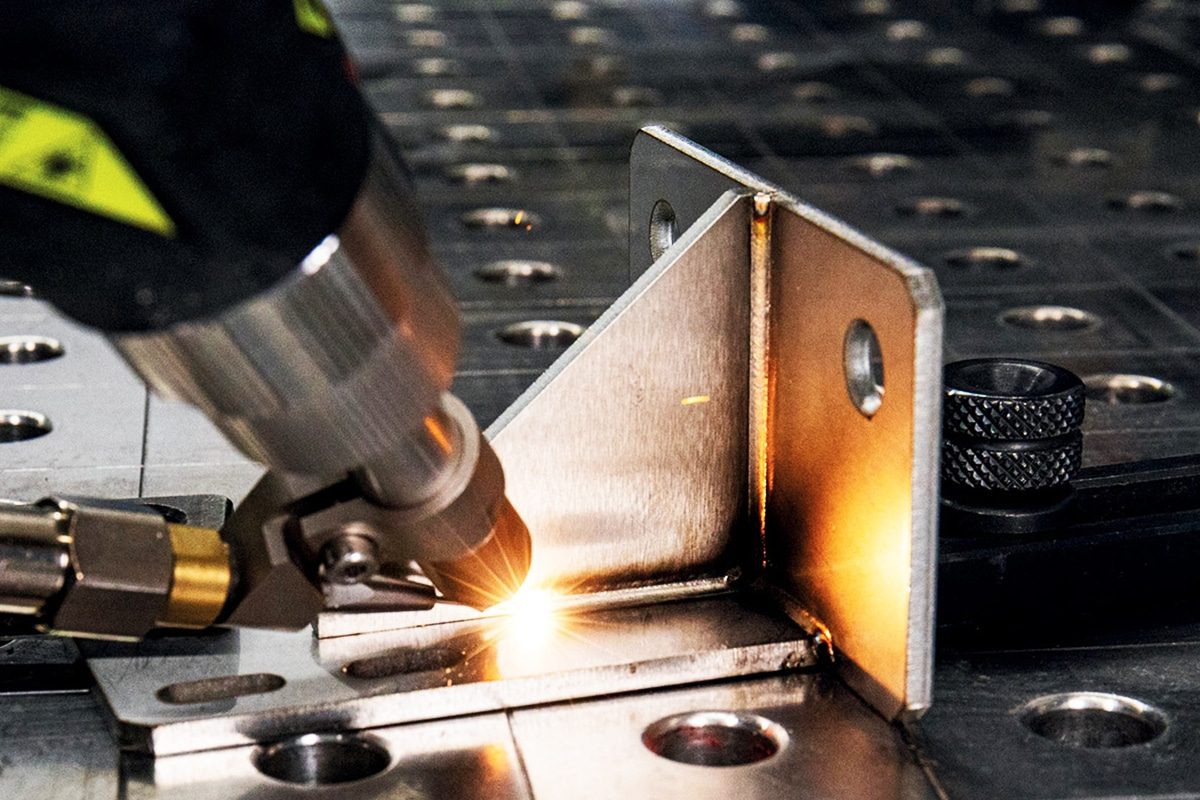
How to Achieve Minimum Weld Width in Laser Welding
Laser welding has become a cornerstone of modern manufacturing, valued for its precision, speed, and ability to join materials with minimal thermal distortion. As industries move toward miniaturization and higher performance standards, the demand for tighter tolerances and finer welds continues to grow. In this context, achieving minimum weld width is not just a technical goal but a practical necessity. Narrow welds help preserve material properties, reduce heat-affected zones, and improve the overall structural integrity of components, especially in applications such as microelectronics, medical devices, and aerospace assemblies.
Controlling weld width in laser welding is a complex task influenced by multiple interrelated parameters. Laser power, beam focus, welding speed, pulse duration, and material characteristics all play a critical role in determining the final weld geometry. Even slight variations in these factors can lead to significant changes in weld width, making consistency a key challenge for engineers and operators. Moreover, the increasing use of advanced materials and thin sections further complicates the process, requiring a deeper understanding of heat transfer, melt pool dynamics, and solidification behavior.
This article explores the fundamental principles and practical techniques for achieving minimum weld width in laser welding. It examines how process parameters can be optimized, how equipment setup influences beam quality, and how material selection impacts weld outcomes. By focusing on both theoretical insights and real-world applications, the goal is to provide a clear and actionable guide for professionals seeking to enhance precision and efficiency in laser welding processes.
Table of Contents
Understanding Weld Width in Laser Welding
In laser welding, weld width is one of the most important geometric characteristics used to evaluate the quality and precision of a joint. It reflects how laser energy spreads across the material surface and determines how much of the surrounding area is affected by heat. For applications that demand tight tolerances and minimal thermal impact, understanding and controlling weld width is essential.
This section provides a structured explanation of weld width, starting with its definition, followed by its practical importance, and finally, its relationship with weld penetration. Together, these aspects form the basis for optimizing welding parameters to achieve narrower, more controlled welds.
Definition of Weld Width
Weld width refers to the horizontal distance across the fused zone at the surface of the welded material. It indicates the extent of melting caused by the laser beam and is typically measured at the top surface of the weld bead. In some cases, cross-sectional measurements are used to assess how the width varies through the depth of the weld.
The value of weld width depends largely on how laser energy is distributed. A tightly focused beam with high power density tends to produce a narrow weld, while a broader or less focused beam increases the width of the molten pool. Weld width is also influenced by material properties such as thermal conductivity and absorptivity, making it a combined result of both process settings and material response.
Why Minimum Weld Width Matters
Maintaining a minimum weld width is critical in high-precision manufacturing. A narrower weld limits the size of the heat-affected zone, which helps preserve the original mechanical properties of the base material. This is particularly important when working with thin components or heat-sensitive materials, where excessive heat can lead to distortion or degradation.
A smaller weld width also contributes to better dimensional accuracy and reduced residual stress. This lowers the risk of defects such as cracking or warping during cooling. In addition, minimizing weld width supports modern design trends that require compact assemblies and closely spaced joints. It can also improve process efficiency by reducing unnecessary energy input and minimizing the need for post-weld finishing.
Relationship Between Weld Width and Penetration
Weld width and penetration depth are closely linked, as both are influenced by the amount and concentration of heat delivered to the material. Increasing heat input generally increases both penetration and width, but the way this energy is distributed determines the final weld shape.
In keyhole mode welding, a highly concentrated laser beam creates deep penetration with relatively narrow weld widths. This is often the preferred condition for achieving strong, precise joints. In contrast, conduction mode welding distributes heat more evenly across the surface, resulting in wider but shallower welds.
Controlling this relationship requires careful adjustment of parameters such as laser power, welding speed, focal position, and beam quality. The challenge is to achieve sufficient penetration for joint strength while keeping the weld width as small as possible to maintain precision and minimize thermal effects.
Weld width is a key indicator of how laser energy interacts with a material during welding. It defines the lateral extent of the fused zone and plays a direct role in determining weld quality, precision, and thermal impact. Understanding its definition provides a clear basis for measurement, while recognizing its importance highlights why minimizing it is often necessary in advanced manufacturing.
The relationship between weld width and penetration adds another layer of complexity. These two parameters must be balanced carefully to achieve optimal results. By controlling energy input and focusing conditions, it is possible to produce welds that are both narrow and sufficiently deep. This understanding is essential for anyone aiming to optimize laser welding processes for minimum weld width without compromising joint performance.
Fundamentals of Laser–Material Interaction
Laser welding is fundamentally governed by how laser energy interacts with a material at and beneath its surface. This interaction determines how efficiently energy is absorbed, how heat flows through the նյութ, and how the molten pool evolves during the process. For engineers aiming to achieve minimum weld width, understanding these fundamentals is essential because even small changes in energy distribution or thermal behavior can significantly alter weld geometry.
This section explains the core mechanisms behind laser–material interaction, focusing on how energy is absorbed, how heat transfer leads to melt pool formation, and how different welding modes influence weld width and penetration.
Energy Absorption Mechanisms
When a laser beam strikes a material, only a portion of the incident energy is absorbed, while the rest is reflected or scattered. The absorption efficiency depends on several factors, including the material’s surface condition, wavelength of the laser, angle of incidence, and temperature. For example, metals with polished surfaces tend to reflect more energy initially, but as the surface heats and begins to melt, absorption increases significantly.
As the temperature rises, changes in surface morphology and phase (solid to liquid) enhance coupling between the laser and the material. In high-energy conditions, multiple internal reflections within a developing cavity further increase absorption efficiency. This dynamic behavior means that absorption is not constant throughout the welding process, and controlling it is key to maintaining a stable and narrow weld.
Heat Transfer and Melt Pool Formation
Once absorbed, laser energy is converted into heat, which spreads through the material via conduction. The rate and direction of heat transfer depend on thermal conductivity, specific heat, and density of the material. These properties determine how quickly heat dissipates away from the interaction zone.
The localized heating causes the material to melt, forming a molten pool. The size and shape of this melt pool directly influence weld width. A concentrated heat source with limited lateral heat flow produces a small, narrow melt pool, while excessive heat input or slow travel speeds allow heat to spread sideways, increasing the weld width. Fluid flow within the molten pool, driven by surface tension gradients and vapor pressure, also affects the final geometry by redistributing heat and molten material.
Keyhole VS Conduction Mode
Laser welding typically operates in two primary modes: keyhole mode and conduction mode. These modes differ in how energy is delivered and distributed within the material.
In conduction mode, the laser energy is absorbed at the surface and transferred inward mainly through heat conduction. This results in shallow penetration and a relatively wide weld, as heat spreads laterally across the surface. Conduction mode is generally more stable but less suitable for applications requiring minimal weld width.
In keyhole mode, high power density creates a vapor-filled cavity, or “keyhole,” within the material. The laser beam penetrates deeper into this cavity, undergoing multiple reflections and significantly increasing energy absorption. This leads to deep, narrow welds with a high aspect ratio. Keyhole mode is therefore more effective for achieving minimum weld width, although it requires precise control to maintain stability and avoid defects.
The interaction between laser energy and material is the foundation of laser welding performance. Energy absorption determines how much of the laser input contributes to heating, while heat transfer governs how that energy spreads within the material. Together, these processes define the formation and behavior of the melt pool, which ultimately controls weld width.
Understanding the distinction between conduction and keyhole modes is particularly important for achieving narrow welds. While conduction mode tends to produce wider joints due to lateral heat flow, keyhole mode enables deeper penetration with reduced width through concentrated energy delivery. By mastering these fundamental interactions, it becomes possible to control weld geometry more precisely and move closer to the goal of minimum weld width in laser welding applications.
Fundamental Factors Affecting Weld Width
Weld width in laser welding is not controlled by a single parameter. It is the result of several interacting factors that determine how energy is delivered, absorbed, and distributed within the material. Small adjustments in these variables can lead to noticeable changes in weld geometry, especially when working with thin sections or precision components.
Understanding these fundamental factors allows engineers to fine-tune the process and consistently achieve narrower welds. The following subsections examine the most influential parameters and explain how each one contributes to weld width control.
Laser Power
Laser power directly determines the total energy input into the material. Higher power increases the amount of heat generated, which tends to enlarge the melt pool and, consequently, the weld width. If power is too high for a given application, excess energy spreads laterally, leading to wider welds and larger heat-affected zones.
On the other hand, insufficient power may result in incomplete fusion or a lack of penetration. The key is to use the minimum power necessary to achieve the required penetration, thereby limiting unnecessary heat spread and keeping the weld as narrow as possible.
Welding Speed
Welding speed controls how long the laser interacts with a specific point on the material. At slower speeds, the material is exposed to the laser for a longer time, increasing heat input per unit length and causing the weld pool to expand. This typically results in wider welds.
Increasing the welding speed reduces heat accumulation and limits lateral heat conduction, helping to produce narrower welds. However, excessively high speeds can compromise penetration and lead to discontinuities. A balanced approach is needed to maintain both weld integrity and minimal width.
Beam Focus Position
The position of the laser focus relative to the workpiece surface significantly affects energy density. When the beam is precisely focused at or slightly below the surface, the energy is concentrated into a smaller area, promoting deeper penetration with reduced weld width.
If the focus is too far above or below the optimal position, the beam becomes defocused, spreading energy over a larger area. This reduces energy density and increases the weld width. Accurate control of focal position is therefore essential for maintaining a tight and stable weld profile.
Spot Size and Beam Quality
Spot size is closely related to beam focus and determines the area over which laser energy is distributed. A smaller spot size results in higher power density, which supports narrow weld formation. Larger spot sizes distribute energy more broadly, increasing the likelihood of wider welds.
Beam quality, often described by parameters such as M², influences how tightly the beam can be focused. High-quality beams can achieve smaller, more precise spots, enabling better control over weld width. Poor beam quality limits focusing capability and leads to less efficient energy concentration.
Material Properties
Material characteristics play a major role in how heat behaves during welding. High thermal conductivity materials, such as aluminum or copper, tend to dissipate heat quickly, which can either help limit local overheating or require higher energy input that risks widening the weld.
Other factors, such as absorptivity, melting temperature, and surface condition, also affect how the material interacts with the laser. Materials with low absorptivity may initially reflect more energy, requiring adjustments in process parameters to achieve stable and narrow welds.
Shielding Gas
Shielding gas is used to protect the molten pool from atmospheric contamination, but it also influences weld width indirectly. The type of gas, its flow rate, and its delivery method can affect heat transfer and plasma formation above the weld zone.
For example, certain gases can suppress plasma formation, allowing more laser energy to reach the material and improving process efficiency. Proper gas flow can also help stabilize the melt pool, contributing to more consistent and narrower welds. Conversely, excessive or poorly directed gas flow may disturb the molten pool and increase weld width variability.
Weld width in laser welding is shaped by a combination of process parameters and material characteristics. Factors such as laser power, welding speed, and beam focus determine how energy is delivered, while spot size and beam quality influence how effectively that energy is concentrated. At the same time, material properties and shielding gas conditions affect how the material absorbs and redistributes heat.
Achieving minimum weld width requires careful coordination of all these variables. Reducing unnecessary heat input, maintaining high energy density, and ensuring stable process conditions are key strategies. By understanding how each factor contributes to weld formation, it becomes possible to optimize the welding process in a controlled and predictable way, resulting in narrower, higher-quality welds.
Laser Parameter Optimization Strategies
Achieving minimum weld width in laser welding depends heavily on how effectively process parameters are optimized. While material properties and environmental conditions play a role, the most immediate and controllable variables are the laser parameters themselves. Fine-tuning these settings allows engineers to concentrate energy more precisely, limit unnecessary heat input, and control melt pool behavior.
This section outlines key strategies for optimizing laser parameters, focusing on how to increase energy efficiency and maintain a stable, narrow weld profile without compromising penetration or joint quality.
Use High Energy Density
High energy density is essential for producing narrow welds. It refers to concentrating laser power into the smallest possible area, which increases the intensity of the beam at the point of contact. When energy is highly concentrated, it promotes rapid localized melting and deeper penetration with minimal lateral heat spread.
This condition is typically achieved by using a well-focused beam with good beam quality. High energy density supports keyhole mode welding, where energy is directed vertically into the material rather than spreading outward. As a result, the weld becomes deeper and narrower. However, excessive energy density must be avoided, as it can lead to instability, spatter, or material evaporation.
Optimize Power-to-Speed Ratio
The balance between laser power and welding speed is one of the most critical factors in controlling weld width. This ratio determines how much energy is delivered per unit length of the weld.
If the power is too high relative to speed, excess heat accumulates, causing the weld pool to widen. If the speed is too high relative to power, the weld may become discontinuous or lack sufficient penetration. The optimal condition lies in delivering just enough energy to achieve the required depth while minimizing lateral heat flow.
Careful adjustment of this ratio helps maintain a stable melt pool and prevents excessive spreading, which is key to achieving a narrow weld.
Precise Focus Positioning
Accurate control of the laser focus position ensures that maximum energy is delivered exactly where it is needed. Positioning the focal point at or slightly below the material surface increases energy density within the material, promoting deeper penetration with reduced surface width.
Even small deviations from the optimal focus position can significantly affect weld geometry. A defocused beam spreads energy over a larger area, reducing intensity and increasing weld width. For this reason, precise calibration and consistent control of the focal position are essential, especially in high-precision applications.
Pulse Control (for Pulsed Lasers)
In pulsed laser welding, controlling pulse parameters provides additional flexibility in managing heat input and weld width. Key variables include pulse duration, peak power, frequency, and duty cycle.
Shorter pulse durations with higher peak power can deliver intense bursts of energy that create localized melting without allowing heat to spread excessively. This helps produce narrow welds with limited heat-affected zones. Adjusting pulse frequency and overlap also influences how heat accumulates over time.
Proper pulse control allows for better thermal management, especially in thin materials or heat-sensitive applications, where continuous heat input could otherwise lead to wider welds.
Optimizing laser parameters is a direct and effective way to control weld width. Strategies such as increasing energy density, balancing power and speed, and maintaining precise focus all contribute to concentrating heat in a controlled manner. These adjustments help reduce lateral heat flow and support the formation of narrow, well-defined welds.
For pulsed laser welding systems, additional control over pulse characteristics offers even greater precision in managing heat input. By combining these approaches, engineers can achieve a stable welding process that delivers sufficient penetration while keeping weld width to a minimum. Careful parameter optimization ultimately leads to improved weld quality, reduced thermal distortion, and greater consistency in high-precision manufacturing applications.
Material Preparation and Joint Design
Achieving minimum weld width in laser welding is not only a matter of adjusting laser parameters. The condition of the material and the design of the joint play an equally important role. Even with perfectly optimized settings, poor surface quality or improper joint configuration can lead to unstable melting, excessive heat spread, and wider welds.
Proper material preparation and thoughtful joint design help ensure consistent energy absorption, stable melt pool behavior, and precise weld formation. This section focuses on the key aspects that directly influence weld width from a preparation and design standpoint.
Surface Cleanliness
Surface cleanliness is critical for efficient laser energy absorption. Contaminants such as oil, grease, oxides, dust, or coatings can interfere with the interaction between the laser beam and the material. These impurities may reflect or scatter the laser energy, leading to inconsistent heating and uneven melting.
A contaminated surface can also introduce defects such as porosity or spatter, which disturb the stability of the melt pool and indirectly increase weld width. In contrast, a clean surface allows for uniform energy absorption and predictable thermal behavior.
Common cleaning methods include mechanical cleaning, chemical solvents, or laser cleaning, depending on the material and application. Maintaining a consistent and clean surface condition is a simple but highly effective way to support narrow weld formation.
Joint Fit-Up
Joint fit-up refers to how well the parts being welded are aligned and how closely they contact each other. A tight and consistent fit-up minimizes gaps between the materials, which is essential for controlling weld width.
Large or inconsistent gaps require additional filler material or increased heat input to bridge the gap, both of which can lead to wider welds. Poor alignment can also cause uneven energy distribution, resulting in irregular weld geometry.
A precise fit-up ensures that the laser energy is used efficiently to fuse the material rather than compensate for gaps or misalignment. This allows for lower heat input and better control over the weld profile, contributing to a narrower and more consistent weld.
Edge Preparation
Edge preparation involves shaping and finishing the edges of the material before welding. Properly prepared edges promote better contact and more uniform energy distribution during the welding process.
Sharp, clean, and well-aligned edges help concentrate the laser energy along the joint line, reducing unnecessary heat spread. In contrast, rough or irregular edges can create localized variations in absorption and melting, leading to wider or inconsistent welds.
In many laser welding applications, minimal edge preparation is required due to the precision of the process. However, ensuring smooth edges and removing burrs or surface irregularities can significantly improve weld quality and help maintain a narrow weld width.
Material preparation and joint design are foundational elements in achieving minimum weld width. Clean surfaces ensure consistent energy absorption, while proper joint fit-up eliminates the need for excess heat input caused by gaps or misalignment. Edge preparation further enhances the process by promoting uniform melting and stable weld formation.
Together, these factors reduce variability in the welding process and support better control over heat distribution. By addressing these aspects before welding begins, manufacturers can create favorable conditions for producing narrow, precise welds with minimal defects and improved overall quality.
Optimization Strategies for Minimum Weld Width
Achieving minimum weld width in laser welding requires a coordinated approach that combines parameter control, thermal management, and beam optimization. Rather than relying on a single adjustment, successful results come from balancing multiple factors that influence how energy is delivered and confined within the material.
This section outlines practical strategies that can be applied to reduce weld width while maintaining adequate penetration and weld integrity. Each approach focuses on limiting unnecessary heat spread and improving energy concentration at the weld zone.
Use High Energy Density
High energy density is one of the most effective ways to minimize weld width. By concentrating laser power into a small focal spot, the process promotes rapid melting in a localized area with minimal lateral heat diffusion.
This typically involves using high beam quality optics and proper focusing conditions. A concentrated beam encourages keyhole mode welding, which produces deep and narrow welds. However, the energy density must be carefully controlled to avoid instability, excessive vaporization, or spatter that can affect weld consistency.
Increase Welding Speed
Increasing welding speed reduces the time the laser interacts with a given point on the material. This limits heat accumulation and restricts the spread of thermal energy to the surrounding areas. As a result, the melt pool becomes smaller, and the weld width decreases.
The challenge is to increase speed without compromising penetration or causing discontinuities. Finding the optimal speed requires balancing energy input so that the weld remains continuous while still benefiting from reduced heat diffusion.
Optimize Focus Position
Precise focus positioning ensures that maximum energy is delivered at the right location within the material. Positioning the focal point at or slightly below the surface increases power density and supports deeper penetration with reduced surface width.
If the beam is defocused, energy spreads over a larger area, reducing intensity and increasing weld width. Maintaining consistent focus alignment throughout the welding process is essential for achieving stable and narrow welds.
Control Heat Input
Controlling overall heat input is critical for minimizing weld width. Heat input is influenced by a combination of laser power, welding speed, and interaction time. Reducing unnecessary heat prevents excessive melting and limits the expansion of the weld pool.
Techniques such as optimizing the power-to-speed ratio, using pulsed laser operation, or applying intermittent welding can help manage heat more effectively. The goal is to supply only the energy needed for proper fusion while avoiding excess thermal impact on the surrounding material.
Use Appropriate Shielding Gas
Selecting the right shielding gas and controlling its delivery can improve weld quality and help maintain a narrow weld width. Shielding gas protects the molten pool from oxidation and can influence plasma formation above the weld zone.
Certain gases, such as helium, can enhance energy transmission by reducing plasma interference, while others, like argon, provide stable shielding. Proper gas flow helps stabilize the melt pool and prevents disturbances that could widen the weld. Incorrect flow rates or direction can negatively affect weld shape and consistency.
Implement Beam Shaping Techniques
Beam shaping techniques allow for more precise control over how laser energy is distributed. Instead of a standard Gaussian profile, advanced optics can modify the beam into tailored shapes that concentrate energy more effectively along the desired weld path.
For example, ring-shaped or top-hat beam profiles can provide more uniform energy distribution, reducing hotspots and limiting lateral heat spread. These techniques help maintain a consistent melt pool and improve control over weld geometry, making them particularly useful in high-precision applications.
Minimizing weld width in laser welding requires a combination of strategies that focus on concentrating energy and reducing unnecessary heat spread. High energy density, increased welding speed, and precise focus positioning all contribute to creating a narrow and controlled melt pool. At the same time, careful management of heat input ensures that the process remains efficient without compromising weld quality.
Additional improvements can be achieved through proper shielding gas selection and advanced beam shaping techniques, which enhance process stability and energy distribution. By integrating these approaches, manufacturers can achieve consistent, narrow welds that meet the demands of precision applications while maintaining structural integrity and process reliability.
Equipment and Technology Considerations
Achieving minimum weld width in laser welding is not only about process parameters and material preparation. The capabilities and configuration of the equipment itself play a critical role. The choice of laser source, the quality of optical components, and the level of system control all directly influence how precisely energy can be delivered and maintained during welding.
Modern laser welding systems offer advanced features that enable tighter control over beam characteristics and process stability. Selecting and configuring the right equipment ensures that the optimized parameters discussed earlier can be applied consistently and effectively in real-world production.
Laser Source Selection
The type of laser source determines the fundamental characteristics of the beam, including wavelength, beam quality, and stability. Common options include fiber lasers, CO2 lasers, and solid-state lasers, each with different advantages.
Fiber lasers are widely preferred for precision welding due to their high beam quality and ability to achieve very small spot sizes, which supports high energy density and narrow welds. Their shorter wavelength also improves absorption in many metals, enhancing efficiency.
CO2 lasers, while effective for certain applications, typically have lower absorption rates in metals and larger spot sizes, which can make it more challenging to achieve minimal weld width. Selecting a laser source with high beam quality and stable output is essential for maintaining consistent and narrow weld profiles.
Optics and Delivery Systems
The optics and beam delivery system determine how the laser beam is transmitted and focused onto the material. High-quality lenses, mirrors, and fiber delivery systems are critical for maintaining beam integrity and minimizing losses.
Focusing optics must be capable of producing a small, well-defined spot with minimal aberrations. Any distortion or misalignment in the optical path can enlarge the spot size, reducing energy density and increasing weld width.
In addition, adjustable focusing systems and real-time monitoring of beam alignment can help maintain optimal conditions throughout the welding process. Proper maintenance and cleanliness of optical components are also essential to ensure consistent performance.
Automation and Control Systems
Advanced automation and control systems play a key role in achieving consistent weld quality. These systems allow precise control over parameters such as laser power, speed, and focal position, ensuring repeatability across multiple production cycles.
Modern systems often include sensors and feedback mechanisms that monitor the welding process in real time. For example, vision systems or thermal sensors can detect deviations in weld formation and automatically adjust parameters to maintain a narrow weld width.
Automation also reduces human error and enables high-speed, high-precision operations, which are essential for industries that require consistent and accurate welds.
Cooling Systems
Cooling systems are important for maintaining both equipment performance and process stability. During laser welding, significant heat is generated not only in the workpiece but also within the laser source and optical components.
Efficient cooling prevents overheating, which could otherwise lead to fluctuations in laser output or damage to system components. Stable operating temperatures help maintain consistent beam quality and power levels, both of which are critical for controlling weld width.
In addition, controlling the thermal environment around the workpiece can reduce unwanted heat accumulation, indirectly supporting the formation of narrower welds.
Equipment and technology choices form the backbone of a stable and precise laser welding process. A suitable laser source with high beam quality enables strong energy concentration, while well-designed optics ensure that this energy is delivered accurately to the material.
Automation and control systems enhance consistency by maintaining precise parameter settings and enabling real-time adjustments. At the same time, effective cooling systems preserve equipment stability and prevent performance fluctuations.
Together, these elements create a reliable foundation for achieving minimum weld width. By investing in appropriate equipment and maintaining it properly, manufacturers can ensure that their optimized welding strategies are executed with high precision and repeatability.
Process Monitoring and Quality Control
Achieving minimum weld width in laser welding does not end with parameter optimization and equipment selection. Continuous monitoring and effective quality control are essential to ensure that the desired weld characteristics are consistently maintained during production. Even minor variations in process conditions can lead to changes in weld width, making real-time feedback and post-process evaluation critical.
This section focuses on the key methods used to monitor and control weld quality, helping to detect deviations early and maintain narrow, precise welds throughout the manufacturing process.
Real-Time Monitoring
Real-time monitoring involves observing the welding process as it happens, using sensors and feedback systems to track critical parameters. These systems may include photodiodes, thermal sensors, acoustic monitors, or high-speed cameras that capture information about the melt pool, plasma formation, and temperature distribution.
By analyzing this data, operators or automated systems can detect changes in weld behavior, such as excessive heat input or instability in the melt pool, which could lead to increased weld width. Advanced systems can automatically adjust parameters like laser power or speed in response to these signals, maintaining optimal conditions.
Real-time monitoring is particularly valuable in high-precision applications, where consistent weld width must be maintained across large production volumes.
Visual Inspection
Visual inspection is one of the simplest and most widely used quality control methods. It involves examining the external appearance of the weld to identify visible defects such as excessive width, irregular bead shape, spatter, or surface cracks.
Although it does not provide detailed internal information, visual inspection can quickly reveal inconsistencies in weld width and overall quality. It is often used as a first-level screening tool before more advanced inspection methods are applied.
Consistency in weld appearance is often a good indicator that process parameters are well controlled and that weld width remains within acceptable limits.
Metallographic Analysis
Metallographic analysis involves cutting and polishing a cross-section of the weld, then examining it under a microscope. This method provides detailed insight into the internal structure of the weld, including penetration depth, weld width, grain structure, and the size of the heat-affected zone.
This technique is especially useful for verifying that minimum weld width has been achieved without compromising penetration or structural integrity. It can also reveal defects such as porosity, inclusions, or microcracks that are not visible on the surface.
Although metallographic analysis is destructive and cannot be applied to every weld, it is essential for process validation, development, and periodic quality checks.
Non-Destructive Testing
Non-destructive testing (NDT) methods allow inspection of weld quality without damaging the part. Common techniques include ultrasonic testing, X-ray radiography, and eddy current testing.
These methods can detect internal defects, measure weld geometry, and assess consistency across production batches. For example, radiographic testing can reveal variations in weld width and penetration, while ultrasonic methods can identify discontinuities within the weld.
NDT is particularly important in critical applications where weld integrity must be verified without compromising the component. It complements other inspection methods by providing deeper insight into weld quality while preserving the part.
Process monitoring and quality control are essential for maintaining a minimum weld width in laser welding. Real-time monitoring provides immediate feedback and allows for quick adjustments, ensuring stable welding conditions. Visual inspection offers a fast and practical way to identify surface-level inconsistencies, while metallographic analysis provides detailed insight into internal weld structure and geometry.
Non-destructive testing further enhances quality control by enabling internal inspection without damaging the component. Together, these methods form a comprehensive approach to ensuring weld consistency and precision. By integrating monitoring and inspection techniques into the welding process, manufacturers can achieve reliable, narrow welds and maintain high standards of quality across all production stages.
Common Challenges and Solutions
Achieving minimum weld width in laser welding is a precise task that often involves overcoming practical challenges during processing. Even when parameters and equipment are well optimized, real-world conditions can introduce variability that affects weld geometry. Issues such as excessive heat, process instability, or improper preparation can quickly lead to wider welds and reduced quality.
Understanding these common challenges and how to address them is essential for maintaining consistent, narrow welds. This section highlights typical problems encountered in laser welding and provides practical solutions to mitigate their impact.
Excessive Heat Input
Excessive heat input is one of the most common causes of increased weld width. It occurs when too much energy is delivered to the material, often due to high laser power, slow welding speed, or prolonged interaction time. This leads to an enlarged melt pool and greater lateral heat spread.
To address this issue, it is important to optimize the power-to-speed ratio. Reducing laser power or increasing welding speed can help limit heat accumulation. In some cases, switching to pulsed laser operation or using intermittent welding techniques can further control heat input. The goal is to provide just enough energy for proper fusion while minimizing unnecessary thermal spread.
Unstable Keyhole
In keyhole mode welding, instability in the keyhole can lead to fluctuations in energy absorption and melt pool behavior. This instability may cause irregular weld shapes, spatter, or even the collapse of the keyhole, all of which can increase weld width.
Stabilizing the keyhole requires careful control of energy density and process parameters. Maintaining a consistent laser power, proper focus position, and stable welding speed is critical. Additionally, ensuring clean material surfaces and appropriate shielding gas can help reduce disturbances and maintain a stable keyhole structure.
Poor Surface Preparation
Poor surface preparation can significantly affect how laser energy is absorbed. Contaminants such as oil, oxide layers, or debris can cause inconsistent heating, leading to uneven melting and wider welds. These impurities may also introduce defects that disrupt melt pool stability.
The solution is to ensure thorough and consistent cleaning before welding. Depending on the application, this may involve mechanical cleaning, chemical treatment, or laser cleaning. A clean surface promotes uniform energy absorption and helps maintain a controlled and narrow weld profile.
Incorrect Gas Flow
Improper shielding gas flow can negatively impact weld quality and width. If the gas flow is too high, it can disturb the molten pool, causing instability and increased weld width. If it is too low or poorly directed, it may fail to protect the weld from oxidation or allow plasma formation to interfere with laser energy delivery.
Optimizing gas type, flow rate, and nozzle positioning is essential. Selecting an appropriate gas, such as argon or helium, and ensuring a steady, well-directed flow can stabilize the welding process. Proper gas management helps maintain consistent energy transfer and supports narrower weld formation.
Common challenges in laser welding, such as excessive heat input, unstable keyhole behavior, poor surface conditions, and incorrect gas flow, can all contribute to increased weld width and reduced process stability. These issues often arise from imbalances in process parameters or insufficient preparation and control.
Addressing these challenges requires a combination of careful parameter optimization, proper material preparation, and controlled process conditions. By reducing unnecessary heat input, stabilizing the keyhole, ensuring clean surfaces, and optimizing gas flow, manufacturers can significantly improve weld consistency.
A proactive approach to identifying and solving these problems is key to achieving and maintaining minimum weld width in demanding laser welding applications.
Industry Applications
The need for minimum weld width in laser welding is driven largely by modern industry demands for precision, miniaturization, and high-performance components. Narrow welds are not only about aesthetics but also about functionality. They help reduce thermal distortion, preserve material properties, and enable tighter design tolerances.
Different industries apply these principles in unique ways, depending on their specific requirements. This section explores how achieving minimal weld width supports key applications across several major sectors.
Automotive Industry
In the automotive industry, laser welding is widely used for body structures, battery systems, sensors, and transmission components. As vehicle designs evolve toward lightweight materials and electric mobility, controlling weld width becomes increasingly important.
Narrow welds help reduce distortion in thin sheet metals and allow for precise joining of advanced materials such as high-strength steels and aluminum alloys. In electric vehicles, battery tab welding requires extremely fine and consistent welds to ensure electrical performance and safety. Minimizing weld width also supports high-speed production by reducing heat input and post-processing requirements.
Electronics Industry
The electronics industry demands extremely small and precise welds due to the miniaturized nature of components. Applications include microelectronics, connectors, sensors, and semiconductor packaging.
In these cases, excessive weld width can damage nearby components or affect circuit performance. Narrow welds are essential to maintain functionality and avoid thermal impact on sensitive parts. Laser welding provides the level of control needed to achieve these fine welds, especially when combined with pulsed operation and high energy density.
Precision and repeatability are critical, as even minor variations can lead to product failure.
Aerospace Industry
The aerospace industry requires welds that meet strict standards for strength, reliability, and weight efficiency. Components such as turbine parts, fuel systems, and structural assemblies often involve complex geometries and high-performance materials.
Achieving minimum weld width helps reduce residual stresses and distortion, which is crucial for maintaining dimensional accuracy in critical parts. It also minimizes the heat-affected zone, preserving the mechanical properties of advanced alloys used in aerospace applications.
In addition, narrow welds contribute to weight reduction, which is a constant priority in aerospace design.
Medical Devices
Medical device manufacturing places a strong emphasis on precision, cleanliness, and reliability. Laser welding is commonly used for instruments, implants, and hermetically sealed components.
In this field, narrow welds are essential to maintain tight tolerances and ensure biocompatibility. Excessive heat or wide welds can compromise material integrity or affect the performance of delicate components.
Laser welding enables precise, controlled joining with minimal thermal impact, making it ideal for small, intricate devices such as pacemakers, surgical tools, and microfluidic systems.
Across industries, the ability to achieve minimum weld width is closely linked to product performance, reliability, and design flexibility. In automotive applications, it supports lightweight construction and high-speed manufacturing. In electronics, it enables the miniaturization of components without damaging sensitive structures.
In aerospace, narrow welds help maintain structural integrity and reduce weight, while in medical devices, they ensure precision and safety in critical applications. Despite the differences in requirements, the underlying goal remains the same: to control heat input and weld geometry as precisely as possible.
By applying the principles and strategies discussed throughout this article, manufacturers in these industries can achieve consistent, high-quality welds that meet the demanding standards of modern engineering.
Best Practices for Achieving Minimum Weld Width
Achieving minimum weld width in laser welding requires more than isolated adjustments. It depends on consistent execution, disciplined process control, and attention to detail across the entire workflow. Even well-optimized parameters can produce inconsistent results if equipment is not maintained or operators are not properly trained.
This section outlines practical best practices that help ensure narrow welds are achieved reliably in day-to-day operations. These practices focus on maintaining balance, consistency, and continuous improvement.
Optimize Parameter Balance
A key best practice is maintaining the right balance between laser power, welding speed, focus position, and other process parameters. These variables are closely interconnected, and changing one often affects the others.
Rather than maximizing a single parameter, the goal is to achieve a stable combination that delivers sufficient penetration with minimal heat spread. This often requires systematic testing and fine adjustments under real production conditions.
Documenting optimal parameter sets and standardizing them across similar applications helps ensure repeatability. Regular verification is also important, as slight variations in material or environment can shift the optimal balance.
Maintain Equipment
Well-maintained equipment is essential for consistent weld quality. Optical components such as lenses and mirrors must be kept clean and properly aligned to maintain beam quality and focus accuracy. Any contamination or misalignment can increase spot size and reduce energy density, leading to wider welds.
Routine maintenance should also include checking laser output stability, cooling systems, and mechanical components. Preventive maintenance schedules help avoid unexpected performance fluctuations that could affect weld width.
Reliable equipment performance ensures that optimized parameters remain effective over time.
Train Operators
Operator skill and understanding play a major role in achieving consistent results. Even with automated systems, operators must be able to set parameters correctly, recognize process deviations, and respond appropriately.
Training should cover not only machine operation but also the principles of laser welding, including how different parameters influence weld width. Experienced operators are better equipped to identify early signs of issues such as excessive heat input or instability.
Continuous training and knowledge sharing help maintain high standards and reduce variability in the welding process.
Monitor Performance
Ongoing monitoring of welding performance is critical for maintaining minimum weld width. This includes tracking key process parameters, inspecting weld quality, and analyzing trends over time.
Using real-time monitoring systems and data logging allows for early detection of deviations. Regular quality checks, both visual and analytical, help ensure that welds remain within specified limits.
Performance monitoring also supports continuous improvement by identifying opportunities to refine parameters or processes further.
Achieving minimum weld width consistently requires a combination of technical control and operational discipline. Optimizing parameter balance ensures that energy is used efficiently, while proper equipment maintenance preserves beam quality and process stability.
Skilled operators contribute by applying their knowledge and responding to process changes, and continuous performance monitoring helps detect and correct deviations early. Together, these best practices create a reliable framework for producing narrow, high-quality welds.
By integrating these approaches into daily operations, manufacturers can maintain precision, improve consistency, and meet the demanding requirements of modern laser welding applications.
Summary
Achieving minimum weld width in laser welding is a multifaceted process that requires a clear understanding of both fundamental principles and practical execution. At its core, weld width is governed by how laser energy is delivered, absorbed, and distributed within the material. Factors such as laser power, welding speed, beam focus, and material properties all interact to define the size and shape of the weld. Controlling these variables is essential for limiting heat spread and maintaining a narrow, precise weld profile.
Throughout this article, several key strategies have been highlighted. Optimizing laser parameters, such as maintaining high energy density and balancing power with speed, plays a central role in minimizing weld width. Proper focus positioning and pulse control further enhance the ability to concentrate heat in a confined area. In parallel, material preparation and joint design ensure consistent energy absorption and reduce the need for excessive heat input. Clean surfaces, tight fit-up, and well-prepared edges all contribute to stable and predictable weld formation.
Equally important are the supporting elements of the welding process. Advanced equipment, high-quality optics, and reliable automation systems enable precise control and repeatability. Process monitoring and quality control methods, including real-time sensing and post-weld inspection, help detect deviations and maintain consistency. Addressing common challenges such as excessive heat input, unstable keyhole behavior, and improper gas flow ensures that the process remains stable and efficient.
In practice, achieving minimum weld width is not about a single adjustment but about maintaining balance across the entire system. By combining optimized parameters, proper preparation, reliable equipment, and continuous monitoring, manufacturers can consistently produce narrow, high-quality welds. This approach not only improves precision and efficiency but also supports the growing demands of modern industries for smaller, lighter, and more reliable components.
Get Laser Welding Solutions
When aiming to achieve minimum weld width in laser welding, having the right technology partner can make a significant difference. Maxcool CNC specializes in intelligent laser equipment designed to deliver high precision, stability, and efficiency across a wide range of industrial applications.
Maxcool CNC offers advanced laser welding systems that are engineered to support fine control over critical parameters such as power output, beam quality, and focal positioning. These capabilities are essential for producing narrow, consistent welds while maintaining adequate penetration and joint strength. Whether you are working with thin materials, complex geometries, or high-performance alloys, their systems are built to meet demanding precision requirements.
One of the key advantages of working with Maxcool CNC is its focus on integrated solutions. This includes not only high-performance laser sources but also optimized optics, intelligent control systems, and user-friendly interfaces. Their equipment often incorporates real-time monitoring and automation features, allowing operators to maintain stable welding conditions and quickly adjust parameters when needed. This level of control is critical for minimizing weld width and ensuring repeatable results in production environments.
In addition to equipment, Maxcool CNC provides technical support and customization services. Their team can help analyze your specific application, recommend suitable machine configurations, and assist in parameter optimization. This ensures that your welding process is not only efficient but also tailored to achieve the smallest possible weld width without compromising quality.
By choosing a reliable partner like Maxcool CNC, manufacturers can streamline their transition to precision laser welding. With the right combination of advanced equipment, expert guidance, and process optimization, achieving minimum weld width becomes a practical and sustainable goal in modern manufacturing.