
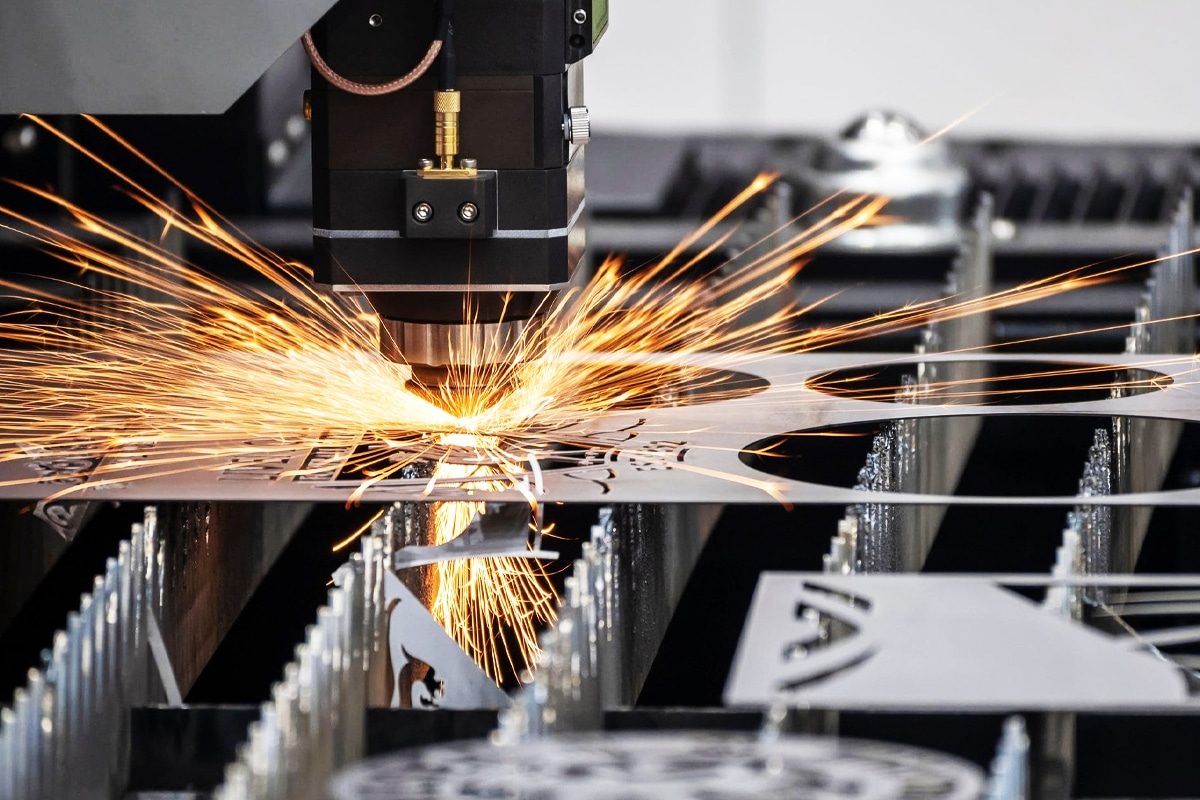
How Can Laser Cutting Help Reduce Material Waste
Material waste is a persistent challenge across manufacturing, fabrication, and design industries. From metalworking and textiles to plastics and wood, inefficient cutting methods often lead to excess scrap, higher production costs, and unnecessary environmental impact. As businesses face increasing pressure to improve sustainability while maintaining profitability, the need for more precise and efficient production techniques has become more urgent than ever.
Laser cutting has emerged as a powerful solution to this problem. Unlike traditional cutting methods that rely on mechanical force or less precise tools, laser cutting uses a focused beam of light to make highly accurate cuts with minimal material loss. This precision allows manufacturers to optimize how raw materials are used, fitting more parts into a single sheet and significantly reducing offcuts. In industries where material costs are high, even small improvements in efficiency can translate into substantial savings.
Beyond precision, laser cutting also supports smarter design and production processes. Advanced software can map out cutting patterns in a way that maximizes material usage, often referred to as nesting. This level of control not only reduces waste but also shortens production time and minimizes the need for rework. As a result, companies can operate more efficiently while lowering their environmental footprint.
In this article, we will explore how laser cutting contributes to waste reduction, the specific mechanisms that make it more efficient, and why it is becoming a preferred choice for modern manufacturing.
Table of Contents
Understanding Material Waste in Manufacturing
Material waste is an unavoidable byproduct of most manufacturing processes, but the scale and causes of that waste vary widely depending on the methods used. At its core, material waste refers to any raw material that does not become part of the final product. This includes everything from small offcuts and scraps to defective parts that must be discarded. Understanding where and why waste occurs is the first step toward reducing it, especially in industries where raw materials represent a significant portion of total costs.
Types of Material Waste
Material waste in manufacturing generally falls into several categories. One of the most common is offcut waste, which consists of leftover material after parts are cut from a larger sheet or block. These remnants are often irregular in shape and difficult to reuse efficiently. Another major category is process waste, which includes material lost during cutting, drilling, or shaping due to tool limitations or inefficiencies.
There is also defective waste, which occurs when parts are produced incorrectly and must be scrapped or reworked. This can result from inaccurate cutting, machine errors, or inconsistent material quality. In addition, setup and changeover waste happen during machine calibration or when switching between production runs, often leading to discarded test pieces or excess trimming.
Lastly, handling and storage waste can arise when materials are damaged during transportation or improperly stored, making them unusable before they even reach the production stage.
Causes of Waste
Several factors contribute to material waste in manufacturing, and many of them are tied to limitations in traditional production methods. One primary cause is imprecise cutting technology, where tools lack the accuracy needed to maximize material usage. This often leads to wider cutting margins and larger leftover sections that cannot be reused.
Another key factor is inefficient design and layout planning. Without optimized nesting strategies, manufacturers may not fully utilize available material, leaving significant gaps between cut parts. Human error also plays a role, particularly in manual or semi-automated processes where inconsistencies can lead to mistakes and wasted material.
Machine wear and maintenance issues can further increase waste, as dull tools or misaligned equipment produce lower-quality cuts and higher rejection rates. Additionally, poor quality control and inconsistent raw materials can result in defects that force manufacturers to discard finished or semi-finished products.
Material waste in manufacturing stems from a combination of technical limitations, process inefficiencies, and human factors. It appears in many forms, from small offcuts to entire defective products, and can accumulate quickly if not properly managed. By identifying the different types of waste and understanding their root causes, manufacturers can begin to adopt more efficient technologies and practices.
This foundational understanding is essential when evaluating advanced solutions like laser cutting. By addressing the core issues behind waste generation—such as precision, planning, and consistency—manufacturers can significantly reduce material loss while improving overall productivity and cost efficiency.
Overview of Laser Cutting Technology
Laser cutting technology has become a cornerstone of modern manufacturing due to its precision, speed, and adaptability. At its core, laser cutting uses a highly focused beam of light to cut, melt, or vaporize material along a defined path. The process is controlled by computer numerical control (CNC) systems, which guide the laser with extreme accuracy based on digital design files. This allows manufacturers to produce complex shapes and fine details that would be difficult or impossible to achieve with traditional cutting methods.
One of the defining advantages of laser cutting is its ability to deliver clean, narrow cuts with minimal material removal. Unlike mechanical tools that rely on physical contact, laser cutting systems operate without direct force, reducing deformation and preserving material integrity. This non-contact process not only improves precision but also minimizes wear and tear on equipment. As a result, laser cutting is widely used across industries such as automotive, aerospace, electronics, and metal fabrication, where consistency and efficiency are critical.
Types of Laser Cutting Systems
Laser cutting systems can be broadly categorized based on the type of laser source they use, each offering distinct advantages depending on the application. One of the most common types is the CO2 laser cutting system, which uses a gas mixture to generate the laser beam. CO2 lasers are highly effective for cutting non-metal materials such as wood, acrylic, textiles, and plastics, as well as some thin metals. They are known for their smooth cutting edges and versatility.
Another widely used type is the fiber laser cutting system. Fiber lasers generate their beam through optical fibers doped with rare-earth elements. These systems are particularly efficient for cutting metals, including carbon steel, stainless steel, aluminum, brass, and copper. They offer higher energy efficiency, faster cutting speeds, and lower maintenance requirements compared to CO2 lasers, making them a popular choice in industrial metal processing.
A third category is the crystal laser cutting system, such as Nd:YAG (neodymium-doped yttrium aluminum garnet) lasers. These systems are capable of delivering high power and are often used for specialized applications requiring deep cutting or engraving. However, they tend to have shorter operational lifespans and higher costs, which can limit their widespread use.
Each type of laser cutting system is suited to specific materials and production needs, and selecting the right system is essential for optimizing performance and minimizing waste.
Key Components
Laser cutting systems consist of several critical components that work together to ensure accuracy and efficiency. The laser source is the heart of the system, generating the beam that performs the cutting. The quality and stability of this source directly affect cutting precision and consistency.
The optical system, which includes mirrors and lenses, directs and focuses the laser beam onto the material surface. A precisely focused beam is essential for achieving narrow kerf widths and clean edges. The cutting head houses these optical elements and often includes a nozzle that directs assist gases, such as oxygen or nitrogen, into the cutting area. These gases help remove molten material, improve cut quality, and enhance cutting speed.
Another important component is the CNC control system, which translates digital design files into precise machine movements. This system ensures that the laser follows the exact cutting path, enabling high repeatability and reducing the likelihood of errors. The motion system, including motors and rails, physically moves the cutting head or workpiece with high precision.
Additionally, cooling systems are necessary to maintain optimal operating temperatures, preventing overheating and ensuring stable performance. Material handling systems, such as automated loaders and conveyors, further enhance efficiency by reducing manual intervention and minimizing handling-related damage.
Laser cutting technology represents a significant advancement in manufacturing, combining precision, automation, and versatility into a single process. Its ability to produce accurate cuts with minimal material loss makes it a valuable tool for industries seeking to improve efficiency and reduce waste. By understanding the different types of laser cutting systems and the key components that drive their performance, manufacturers can make informed decisions about how to integrate this technology into their operations.
This foundational knowledge also highlights why laser cutting is particularly effective in addressing material waste challenges. Its precision, combined with advanced control systems, allows for better material utilization and more consistent results. As manufacturing continues to evolve, laser cutting stands out as a reliable and scalable solution for achieving both economic and environmental goals.
Precision Cutting and Reduced Tolerances
Precision is one of the most important factors in reducing material waste, and it is an area where laser cutting clearly stands out. In manufacturing, tolerances define how much variation is acceptable in a part’s dimensions. Wider tolerances often lead to excess material removal, poor fit, or rejected parts, all of which contribute to waste. Laser cutting, with its highly focused beam and digital control, enables manufacturers to work with much tighter tolerances while maintaining speed and efficiency.
By minimizing deviations and producing parts that closely match design specifications, laser cutting reduces the need for rework, secondary processing, and scrapped materials. This level of precision is particularly valuable in industries where components must fit together perfectly, such as electronics, automotive, and aerospace manufacturing. Ultimately, tighter tolerances mean better material utilization and less waste across the production cycle.
High Accuracy
One of the defining strengths of laser cutting is its exceptional accuracy. The laser beam can be focused to a very small point, allowing for extremely fine cuts and intricate geometries. This precision enables manufacturers to position parts closer together on a sheet of material, maximizing usable space and reducing leftover scrap.
Unlike traditional cutting tools that may experience mechanical deflection or wear, laser cutting maintains consistent accuracy over time. The absence of physical contact eliminates many of the variables that can affect cut quality, such as tool pressure or vibration. As a result, parts can be produced with tight dimensional control, often within fractions of a millimeter.
High accuracy also reduces the need for additional finishing processes. Since the edges produced by laser cutting are typically clean and smooth, there is less need for grinding, trimming, or correction. This not only saves time but also prevents further material loss that might occur during post-processing.
Consistent Quality
In addition to accuracy, laser cutting delivers a high level of consistency across production runs. Once the cutting parameters are set and the digital design is loaded, the system can replicate the same cuts repeatedly with minimal variation. This consistency is crucial for maintaining quality standards and reducing defect-related waste.
Traditional cutting methods often rely more heavily on operator skill and may produce variations from one part to another. In contrast, laser cutting systems use automated controls to ensure uniform results. Every part is produced according to the same specifications, which reduces the likelihood of errors and rejected components.
Consistent quality also improves assembly efficiency. When parts fit together as intended without the need for adjustments, manufacturers can avoid delays, rework, and the risk of damaging materials during fitting. This contributes to a smoother production process and better overall resource utilization.
Minimal Human Error
Human error is a common source of material waste in manufacturing, particularly in processes that involve manual measurements, adjustments, or cutting operations. Laser cutting significantly reduces this risk by automating much of the process.
With CNC-controlled systems, the cutting path is determined by digital design files rather than manual input. This eliminates many opportunities for mistakes, such as incorrect measurements, misalignment, or inconsistent cutting angles. Operators primarily oversee the process rather than directly performing the cutting, which reduces variability.
Automation also allows for better repeatability. Once a program is verified, it can be used multiple times without introducing new errors. This is especially beneficial in high-volume production, where even small mistakes can lead to large amounts of wasted material.
Furthermore, modern laser cutting systems often include monitoring and feedback mechanisms that detect issues in real time. These systems can alert operators or automatically adjust settings, preventing defects before they result in wasted material.
Precision cutting and reduced tolerances play a central role in minimizing material waste, and laser cutting excels in both areas. Its high accuracy allows manufacturers to make the most of available materials, reducing scrap and eliminating unnecessary processing steps. At the same time, its ability to maintain consistent quality ensures that parts meet specifications across entire production runs, lowering the risk of defects and rework.
By minimizing human error through automation and digital control, laser cutting further enhances efficiency and reliability. Manufacturers can produce parts with confidence, knowing that each cut will meet exact standards.
Together, these advantages demonstrate how precision-focused technologies like laser cutting can transform manufacturing processes. By reducing variability and improving material utilization, they not only lower costs but also support more sustainable and efficient production practices.
Narrow Kerf Width and Material Savings
One of the less obvious but highly important ways laser cutting reduces material waste is through its extremely narrow kerf width. The kerf refers to the width of material removed during the cutting process. In traditional cutting methods such as mechanical sawing, punching, or plasma cutting, the kerf is often relatively wide due to tool thickness, heat distortion, or physical contact with the material. This means more material is removed than necessary, leading to higher levels of waste.
Laser cutting, by contrast, uses a finely focused beam that removes only a very small amount of material along the cut path. This narrow kerf allows manufacturers to make precise cuts while preserving as much of the surrounding material as possible. Over the course of large production runs, even small reductions in kerf width can translate into significant material savings. This makes laser cutting particularly valuable in industries where raw materials are expensive or limited.
Advantages of Narrow Kerf
A narrow kerf provides several direct advantages when it comes to material efficiency. First, it allows parts to be placed closer together during the cutting process. With less material lost between cuts, manufacturers can fit more components onto a single sheet or plate. This improved nesting capability reduces the amount of unused material left behind after cutting.
Another advantage is the reduction of cumulative waste. In high-volume production, each cut contributes to overall material loss. When the kerf is wide, this loss adds up quickly. A narrower kerf minimizes this effect, ensuring that less material is removed across thousands or even millions of cuts.
Narrow kerf width also improves precision and edge quality. Because less material is affected by heat or mechanical force, the resulting edges are cleaner and more accurate. This reduces the need for secondary finishing processes, such as grinding or trimming, which can further remove material and increase waste.
Additionally, the ability to cut intricate shapes with minimal spacing opens up more flexible design possibilities. Manufacturers can optimize part layouts without being constrained by large cutting gaps, leading to better overall material utilization.
Impact on Production
The impact of narrow kerf width extends beyond material savings and directly influences overall production efficiency. By maximizing the number of parts that can be produced from a single sheet, manufacturers can reduce the frequency of material replenishment and lower raw material costs. This is especially important in industries dealing with high-value materials such as stainless steel, aluminum, or specialized alloys.
Narrow kerf also contributes to faster production cycles. With less material to remove, the cutting process can be more efficient, and the reduced need for post-processing means shorter lead times. This allows manufacturers to complete jobs more quickly while maintaining high quality.
Another important impact is improved consistency. Since laser cutting produces uniform kerf widths across all cuts, the results are predictable and repeatable. This consistency supports better planning and reduces variability in production outcomes, which in turn minimizes the risk of waste caused by errors or inconsistencies.
Furthermore, narrow kerf width supports more sustainable manufacturing practices. By using less material per part and generating less scrap, companies can reduce their environmental footprint. This aligns with growing industry demands for resource efficiency and responsible production.
Narrow kerf width is a key factor in how laser cutting helps reduce material waste. By removing only a minimal amount of material during each cut, laser technology allows for more efficient use of raw materials and significantly lowers overall scrap levels. This advantage becomes even more pronounced in large-scale production, where small savings per cut accumulate into substantial reductions in waste.
Beyond material savings, narrow kerf width enhances production efficiency, improves edge quality, and reduces the need for secondary processing. It also enables more flexible and optimized part layouts, further increasing material utilization.
In combination, these benefits demonstrate how a seemingly small technical detail can have a major impact on manufacturing performance. By leveraging narrow kerf cutting, manufacturers can achieve both economic and environmental gains, making laser cutting a highly effective solution for waste reduction.
Advanced Nesting and Layout Optimization
Efficient material usage is not only about how accurately a material is cut, but also how well parts are arranged before the cutting process begins. This is where advanced nesting and layout optimization play a critical role. Nesting refers to the process of arranging multiple parts on a single sheet of material in a way that maximizes usage and minimizes unused space. In traditional manufacturing, this task was often done manually or with basic software, leading to inefficient layouts and unnecessary waste.
With modern laser cutting systems, nesting has become a highly sophisticated, data-driven process. Advanced software tools analyze part geometry, material dimensions, and production requirements to generate optimized layouts automatically. These systems take full advantage of the precision and flexibility of laser cutting, allowing parts to be placed closer together and arranged in ways that significantly reduce scrap. As a result, manufacturers can achieve higher material yield without compromising quality or production speed.
Intelligent Nesting Software
Intelligent nesting software is at the core of layout optimization in laser cutting. These systems use algorithms to determine the most efficient arrangement of parts on a given material sheet. Instead of relying on simple grid patterns, the software evaluates multiple layout possibilities and selects the one that minimizes waste.
Many modern nesting solutions incorporate advanced techniques such as geometric analysis and pattern recognition. They can rotate, mirror, and reposition parts to fit them together more tightly, much like solving a complex puzzle. Some systems even use artificial intelligence or machine learning to improve their performance over time based on past jobs and material usage data.
In addition, intelligent nesting software can account for practical constraints such as grain direction in materials, heat distribution, and cutting sequence. This ensures that optimized layouts are not only efficient but also feasible in real production environments. By automating this process, manufacturers can eliminate guesswork and achieve consistently high levels of material utilization.
Dynamic Nesting
Dynamic nesting takes optimization a step further by adapting layouts in real time based on changing production needs. Unlike static nesting, where layouts are fixed before cutting begins, dynamic nesting allows manufacturers to continuously adjust part placement as new orders or priorities emerge.
For example, if there are leftover spaces on a partially used sheet, dynamic nesting systems can fill those gaps with smaller parts from other jobs. This reduces the amount of unusable scrap and ensures that every portion of the material is put to productive use. It also enables more flexible production scheduling, as different orders can be combined efficiently within the same cutting cycle.
Dynamic nesting is particularly valuable in high-mix, low-volume production environments, where part designs frequently change. It allows manufacturers to respond quickly to demand while maintaining high material efficiency. By making better use of available space, dynamic nesting helps reduce both waste and inventory costs.
Benefits
The benefits of advanced nesting and layout optimization are both immediate and long-term. One of the most significant advantages is the reduction of material waste. By maximizing the number of parts that can be cut from a single sheet, manufacturers can lower their raw material consumption and reduce overall costs.
Another key benefit is improved productivity. Optimized layouts reduce the need for multiple cutting cycles and minimize machine idle time. This leads to faster production and better utilization of equipment. Additionally, because the process is automated, it reduces reliance on manual planning and lowers the risk of human error.
Advanced nesting also supports better inventory management. With more efficient material usage, companies can reduce the amount of excess stock they need to keep on hand. This not only frees up storage space but also reduces the risk of material degradation over time.
From a sustainability perspective, improved nesting contributes to more responsible manufacturing practices. By generating less scrap and making better use of resources, companies can reduce their environmental impact and align with industry expectations for efficiency and waste reduction.
Advanced nesting and layout optimization are essential components of modern laser cutting processes. By intelligently arranging parts before cutting begins, manufacturers can significantly improve material utilization and reduce waste. Technologies such as intelligent nesting software and dynamic nesting systems enable more efficient, flexible, and accurate layouts than ever before.
These capabilities not only lower material costs but also enhance productivity, reduce errors, and support sustainable manufacturing practices. When combined with the inherent precision of laser cutting, optimized nesting creates a powerful approach to minimizing waste and maximizing value.
In today’s competitive manufacturing landscape, the ability to use materials efficiently is a major advantage. Advanced nesting provides a practical and effective way to achieve this, making it a key factor in the overall impact of laser cutting on waste reduction.
Automation and Process Control
Automation and process control are key drivers behind the efficiency and waste reduction capabilities of laser cutting technology. While precision cutting and optimized layouts play an important role, it is the integration of automated systems that ensures these advantages are consistently realized in real production environments. By reducing manual intervention and improving process reliability, automation helps manufacturers minimize errors, streamline workflows, and make better use of materials.
Modern laser cutting systems are designed to operate as part of a fully integrated production environment. From design input to final output, each stage of the process can be monitored, adjusted, and optimized in real time. This level of control not only improves productivity but also reduces the likelihood of material waste caused by inconsistencies, setup errors, or process deviations.
CNC Integration
Computer numerical control (CNC) integration is at the heart of automation in laser cutting. CNC systems translate digital design files into precise machine instructions, guiding the laser along exact cutting paths with minimal deviation. This eliminates the need for manual measurements and adjustments, which are often sources of error in traditional manufacturing.
With CNC integration, manufacturers can achieve high repeatability across production runs. Once a cutting program is created and verified, it can be reused multiple times with consistent results. This ensures that each part is produced to the same specifications, reducing the risk of defects and material waste.
CNC systems also allow for easy adjustments and optimization. Design changes can be implemented quickly without requiring physical retooling, which not only saves time but also reduces the material loss associated with trial-and-error modifications. In addition, CNC integration supports advanced features such as automated nesting and cutting path optimization, further enhancing material efficiency.
Real-Time Monitoring
Real-time monitoring adds another layer of control to the laser cutting process. Modern systems are equipped with sensors and software that continuously track key parameters such as laser power, cutting speed, temperature, and material alignment. This data allows the system to detect irregularities as they occur and respond immediately.
If an issue arises—such as a misalignment, fluctuation in power, or material inconsistency—the system can either alert the operator or automatically adjust settings to correct the problem. This proactive approach prevents defects before they result in wasted material.
Real-time monitoring also improves overall process transparency. Operators can track performance metrics, identify inefficiencies, and make informed decisions to optimize production. Over time, this data can be used to refine processes and further reduce waste.
In addition, monitoring systems help maintain consistent quality by ensuring that cutting conditions remain stable throughout the operation. This reduces variability and ensures that each part meets required standards, minimizing the need for rework or rejection.
Reduced Setup Waste
Setup and changeover are often overlooked sources of material waste in manufacturing. Traditional processes may require multiple test cuts, manual calibration, and adjustments before production can begin, leading to discarded materials.
Laser cutting systems with advanced automation significantly reduce setup waste. CNC programs can be prepared and simulated in advance, allowing operators to verify cutting paths before any material is used. This reduces the need for physical trial runs and minimizes errors during initial setup.
Automated calibration and alignment features further enhance efficiency. Machines can self-adjust to ensure proper positioning and cutting accuracy, reducing reliance on manual intervention. This not only speeds up the setup process but also ensures that production starts with optimal conditions.
Quick changeover capabilities are another advantage. Switching between different designs or materials can be done rapidly with minimal disruption, reducing downtime and preventing unnecessary material loss during transitions. This is particularly beneficial in environments with frequent product changes or small batch sizes.
Automation and process control are essential to maximizing the waste reduction potential of laser cutting technology. Through CNC integration, manufacturers can achieve precise, repeatable results while minimizing human error and material loss. Real-time monitoring ensures that processes remain stable and efficient, allowing issues to be addressed before they lead to defects or scrap.
At the same time, automated setup and changeover processes significantly reduce the amount of material wasted during preparation and transitions. By streamlining these often inefficient stages, manufacturers can make better use of their resources from the very beginning of production.
The combination of automation and advanced control systems transforms laser cutting into a highly reliable and efficient process. It not only improves productivity but also supports consistent quality and sustainable manufacturing practices, making it a powerful tool for reducing material waste.
Reduced Need for Secondary Processing
In many traditional manufacturing methods, cutting is only the first step in a longer production chain. After initial shaping, parts often require additional processes such as grinding, deburring, trimming, or machining to achieve the desired finish and dimensional accuracy. These secondary operations not only increase production time and cost but also contribute to additional material loss. Laser cutting significantly reduces or even eliminates the need for these extra steps, making it a more efficient and waste-conscious solution.
Because laser cutting delivers high precision and clean results directly from the initial cut, manufacturers can often move parts straight to assembly or final use. This streamlined workflow reduces handling, minimizes the risk of damage, and ensures that less material is removed during post-processing. As a result, both efficiency and material utilization improve.
Clean Edges
One of the most noticeable advantages of laser cutting is the quality of the cut edge. The focused laser beam produces smooth, clean edges with minimal burr formation. Unlike mechanical cutting methods, which may leave rough or jagged surfaces, laser cutting creates a refined finish that often requires little to no additional treatment.
Clean edges are particularly important in applications where appearance, fit, or safety is critical. For example, in sheet metal fabrication or consumer products, rough edges may need to be polished or filed down, leading to further material removal. By eliminating or reducing this need, laser cutting helps preserve more of the original material.
Additionally, the use of assist gases during the cutting process helps remove molten material and prevent oxidation, further improving edge quality. This contributes to consistent results and reduces variability between parts.
Improved Dimensional Accuracy
Laser cutting also offers excellent dimensional accuracy, which reduces the need for corrective machining or adjustments after cutting. Parts are produced according to precise digital specifications, ensuring that dimensions are consistent and within tight tolerances.
When parts are cut accurately from the start, they fit together as intended without the need for resizing or reshaping. This is especially important in industries where components must align perfectly, such as in electronics, automotive assemblies, or precision engineering.
Improved accuracy also reduces the likelihood of defects. Parts that meet specifications on the first attempt are less likely to be rejected or reworked, which directly contributes to lower material waste. In contrast, traditional methods may require multiple passes or adjustments, each of which removes additional material and increases the risk of error.
Waste Reduction
The reduction in secondary processing directly translates into lower material waste. Every additional step in a manufacturing process has the potential to remove more material, whether through trimming, grinding, or correcting errors. By minimizing these steps, laser cutting helps retain more of the original material in the final product.
Fewer processing stages also mean fewer opportunities for mistakes or damage. Each time a part is handled or reworked, there is a risk of introducing defects that could render it unusable. By simplifying the workflow, laser cutting reduces these risks and improves overall yield.
In addition, reducing secondary processing lowers the consumption of auxiliary materials such as abrasives, coolants, and tooling components. While these are not part of the primary material, their reduced use contributes to a more efficient and sustainable manufacturing process overall.
Reducing the need for secondary processing is a significant advantage of laser cutting technology. By producing clean edges and highly accurate dimensions in a single step, laser cutting eliminates many of the additional operations required in traditional manufacturing. This not only saves time and labor but also minimizes material loss associated with finishing and correction processes.
The ability to achieve near-finished quality directly from the cutting stage improves efficiency across the entire production cycle. It reduces the risk of defects, limits handling, and ensures that more of the raw material is retained in the final product.
This streamlined approach highlights how laser cutting contributes to waste reduction practically and measurably. By cutting down on unnecessary processing steps, manufacturers can achieve higher productivity, lower costs, and more sustainable use of materials.
Versatility Across Materials
One of the key strengths of laser cutting technology is its ability to process a wide range of materials with high precision and efficiency. In traditional manufacturing, different materials often require different cutting tools or even entirely separate processes, which can lead to inefficiencies, higher setup times, and increased material waste. Laser cutting addresses this challenge by offering a single, adaptable solution capable of handling diverse materials with minimal adjustments.
This versatility not only simplifies production but also helps manufacturers make better use of available resources. By reducing the need to switch between multiple tools or processes, laser cutting minimizes setup errors, material handling, and inconsistencies that often result in waste. It also allows manufacturers to respond more flexibly to changing production demands without compromising material efficiency.
Material Flexibility
Laser cutting systems are capable of working with a broad spectrum of materials, including metals such as steel, aluminum, and copper, as well as non-metals like plastics, wood, textiles, and composites. This flexibility makes it possible to use the same equipment across different projects, reducing the need for specialized machinery and the waste associated with process changes.
Because the laser is a non-contact tool, it can cut delicate or thin materials without causing distortion or damage. This is especially important for materials that are prone to cracking, warping, or tearing under mechanical stress. By preserving material integrity, laser cutting reduces the likelihood of defects and scrap.
Material flexibility also supports better inventory management. Manufacturers can work with a wider variety of materials without needing to maintain large stocks of pre-processed or partially cut items. This reduces the risk of unused materials becoming obsolete or damaged over time.
In addition, the ability to cut different materials with the same system allows for more efficient batch processing. Mixed-material jobs can be handled with fewer interruptions, improving workflow continuity and reducing the waste that often occurs during transitions between processes.
Optimized Cutting Parameters
Another important aspect of laser cutting versatility is the ability to adjust cutting parameters based on the specific material being processed. Factors such as laser power, cutting speed, focus position, and assist gas type can be fine-tuned to achieve optimal results for each material.
These adjustments ensure that each cut is performed with maximum efficiency and minimal material loss. For example, using the correct power level prevents excessive melting or burning, which could damage surrounding material and increase waste. Similarly, optimizing cutting speed helps maintain clean edges and reduces the need for rework.
Advanced laser cutting systems often store parameter settings for different materials, allowing operators to quickly switch between configurations without extensive manual setup. This reduces the likelihood of errors and ensures consistent performance across different jobs.
Optimized parameters also contribute to better edge quality and dimensional accuracy. When the cutting process is properly calibrated, parts are produced closer to their intended specifications, reducing defects and minimizing scrap. This level of control is difficult to achieve with less adaptable cutting methods.
The versatility of laser cutting across a wide range of materials is a major factor in its ability to reduce material waste. By providing a single, adaptable solution for multiple materials, it simplifies production processes and minimizes the inefficiencies associated with switching tools or methods.
Through material flexibility, manufacturers can handle diverse projects with greater ease while preserving material quality and reducing the risk of damage. At the same time, the ability to optimize cutting parameters for each material ensures that every cut is performed efficiently and accurately, further minimizing waste.
Together, these capabilities enable manufacturers to use resources more effectively, reduce errors, and maintain consistent quality. In a production environment where flexibility and efficiency are increasingly important, laser cutting offers a practical and reliable way to improve material utilization and support more sustainable manufacturing practices.
Reduced Heat-Affected Zone (HAZ)
In thermal cutting processes, heat plays a central role in shaping materials, but it can also introduce unwanted side effects. One of the most important of these is the heat-affected zone (HAZ), which refers to the area surrounding a cut that experiences changes in microstructure and mechanical properties due to heat exposure. In traditional methods such as oxy-fuel or plasma cutting, the HAZ can be relatively large, leading to distortion, weakening of the material, and increased risk of defects.
Laser cutting offers a significant advantage by producing a much smaller and more controlled heat-affected zone. Because the laser beam is highly focused and delivers energy precisely where it is needed, the surrounding material is exposed to far less heat. This localized energy input reduces the extent of thermal impact, helping to preserve the original properties of the material. As a result, manufacturers can achieve cleaner cuts with less damage, reducing the need for corrections and minimizing material waste.
Minimal Thermal Distortion
One of the primary benefits of a reduced heat-affected zone is minimal thermal distortion. When materials are exposed to excessive heat, they tend to expand and contract unevenly, which can cause warping, bending, or dimensional changes. These distortions often make parts unusable or require additional processing to correct them, both of which contribute to material waste.
Laser cutting minimizes this issue by concentrating heat into a very narrow area along the cutting path. The surrounding material remains largely unaffected, which helps maintain the original shape and dimensions of the workpiece. This is especially important when working with thin materials or components that require high precision.
By reducing distortion, laser cutting ensures that parts come off the machine closer to their intended specifications. This eliminates the need for straightening, re-cutting, or discarding warped pieces. In high-volume production, this level of consistency can lead to substantial reductions in scrap rates.
Improved Part Integrity
A smaller heat-affected zone also contributes to improved part integrity. Excessive heat can alter the internal structure of a material, potentially reducing its strength, hardness, or resistance to wear and corrosion. In critical applications, such changes can compromise performance and lead to part failure.
With laser cutting, the limited heat exposure helps maintain the material’s original properties. This ensures that parts retain their strength and durability, reducing the likelihood of defects or failures during use. As a result, fewer parts need to be rejected or replaced, which directly reduces material waste.
Improved part integrity also supports better downstream processing. Components that maintain their structural properties are easier to weld, assemble, or finish without complications. This reduces the risk of errors in later stages of production, further minimizing waste.
In addition, maintaining consistent material properties across all parts enhances overall product quality. This reliability is essential in industries where precision and performance are critical, such as aerospace, automotive, and medical manufacturing.
Reducing the heat-affected zone is a key advantage of laser cutting that directly contributes to lower material waste. By applying heat in a highly controlled and localized manner, laser cutting minimizes thermal distortion and preserves the integrity of the surrounding material. This results in more accurate parts that require less correction and are less likely to be discarded.
The benefits extend beyond the cutting stage, as improved part integrity ensures better performance and reduces the risk of defects in later production processes. Fewer rejected parts and less need for rework translate into more efficient use of materials and resources.
The ability to control heat input and limit its impact makes laser cutting a more precise and reliable method. By reducing damage and maintaining material quality, it supports both cost savings and sustainable manufacturing practices.
Digital Design Integration
Digital design integration is a key factor in how laser cutting reduces material waste and improves overall manufacturing efficiency. Unlike traditional methods that rely heavily on manual measurements and physical templates, laser cutting systems operate directly from digital design files. This seamless connection between design and production allows for greater accuracy, faster adjustments, and more efficient use of materials.
By integrating design software with cutting equipment, manufacturers can plan, simulate, and optimize every stage of the process before any material is used. This reduces uncertainty and ensures that production begins with a clear, validated plan. As a result, fewer errors occur, less material is wasted, and production workflows become more streamlined.
CAD/CAM Systems
Computer-aided design (CAD) and computer-aided manufacturing (CAM) systems form the backbone of digital integration in laser cutting. CAD software is used to create detailed digital models of parts, while CAM software translates those designs into precise machine instructions for the laser cutting system.
This integration allows manufacturers to work with highly accurate digital representations of their products. Dimensions, tolerances, and geometries can be defined and adjusted with precision, ensuring that the final cut matches the intended design. CAM systems further optimize the process by generating efficient cutting paths and minimizing unnecessary movements, which helps reduce both time and material usage.
Another advantage of CAD/CAM systems is the ability to simulate the cutting process before it begins. Manufacturers can identify potential issues such as overlapping parts, inefficient layouts, or cutting conflicts. By resolving these problems in the digital stage, they avoid costly mistakes and material waste during actual production.
Rapid Prototyping
Digital design integration also supports rapid prototyping, which is the ability to quickly produce and test new designs. In traditional manufacturing, creating prototypes often requires specialized tooling and multiple iterations, each consuming time and material.
With laser cutting, prototypes can be generated directly from digital files without the need for custom tools. Design changes can be made quickly and implemented immediately, allowing for faster testing and refinement. This reduces the number of physical iterations required, which in turn minimizes material consumption.
Rapid prototyping also encourages more efficient design practices. Engineers can experiment with different layouts, shapes, and configurations in a controlled and cost-effective way. By refining designs early in the development process, manufacturers can ensure that final production runs are optimized for material usage and performance.
Error Reduction
One of the most significant benefits of digital design integration is the reduction of errors. Manual processes are often prone to mistakes in measurement, alignment, or interpretation of design specifications. These errors can lead to incorrect cuts, defective parts, and wasted material.
By relying on digital files and automated systems, laser cutting minimizes these risks. The design is transferred directly to the machine without the need for manual conversion, ensuring that the cutting process follows the exact specifications. This reduces variability and improves consistency across all parts.
In addition, digital systems often include validation tools that check for design issues before production begins. These tools can detect problems such as incorrect dimensions, missing features, or incompatible geometries. Addressing these issues early prevents material waste and improves overall production efficiency.
Automation also ensures that once a design is verified, it can be reproduced accurately across multiple runs. This repeatability is essential for maintaining quality and reducing the likelihood of defects.
Digital design integration plays a crucial role in reducing material waste in laser cutting processes. By connecting design and production through CAD/CAM systems, manufacturers can achieve higher accuracy, better planning, and more efficient use of materials. The ability to simulate and optimize designs before cutting begins helps prevent errors and minimize unnecessary material loss.
Rapid prototyping further enhances efficiency by allowing quick design iterations without extensive material consumption. At the same time, the reduction of human error through automation ensures consistent, high-quality results across production runs.
Digital integration transforms laser cutting into a highly controlled and predictable process. By improving accuracy, flexibility, and efficiency, it enables manufacturers to reduce waste while maintaining productivity and quality, making it an essential component of modern, sustainable manufacturing practices.
Just-in-Time Manufacturing
Just-in-time (JIT) manufacturing is a production strategy focused on producing goods only when they are needed, in the exact quantities required. This approach contrasts with traditional mass production models, where large batches are produced in advance and stored as inventory. While stockpiling can provide short-term convenience, it often leads to material waste through overproduction, damage, obsolescence, or inefficient use of resources.
Laser cutting technology aligns naturally with JIT principles due to its flexibility, speed, and precision. Because it requires minimal setup and can quickly switch between designs, laser cutting enables manufacturers to respond rapidly to demand without relying on excess inventory. This reduces the risk of unused materials and ensures that resources are consumed only when necessary. As a result, JIT manufacturing supported by laser cutting becomes a powerful strategy for minimizing waste and improving efficiency.
On-Demand Production
One of the main advantages of combining laser cutting with JIT manufacturing is the ability to support on-demand production. Instead of producing large volumes of parts in anticipation of future needs, manufacturers can create components as orders are received.
Laser cutting systems can process digital designs quickly, allowing production to begin almost immediately after a design is finalized. There is no need for extensive tooling or long setup times, which are common in traditional manufacturing methods. This responsiveness makes it practical to produce small batches or even single units efficiently.
On-demand production reduces material waste by eliminating unnecessary output. Manufacturers avoid producing excess parts that may never be used, which is a common source of waste in conventional production systems. It also allows for better alignment between production and actual market demand, ensuring that materials are used purposefully.
In addition, this approach supports customization. Products can be tailored to specific customer requirements without the need for large inventories of pre-made items. This further reduces the likelihood of unused or outdated materials.
Reduced Overstock
Overstock is a significant contributor to material waste in many industries. When manufacturers produce more than what is needed, excess inventory must be stored, managed, and eventually disposed of if it becomes obsolete or damaged. This not only wastes raw materials but also increases storage costs and operational complexity.
Laser cutting helps reduce overstock by enabling more precise production planning. Because parts can be produced quickly and accurately, there is less need to maintain large запас inventories as a buffer against uncertainty. Manufacturers can rely on their ability to produce parts when needed rather than storing them in advance.
Reducing overstock also minimizes the risk of material degradation. Certain materials can deteriorate over time due to environmental factors such as humidity, temperature, or exposure to light. By limiting the amount of stored material, manufacturers reduce the chances of these losses.
Furthermore, lower inventory levels improve overall efficiency. Storage space can be used more effectively, and resources tied up in excess materials can be redirected toward more productive uses. This creates a more streamlined and cost-effective operation.
Just-in-time manufacturing, when combined with laser cutting technology, provides a highly effective approach to reducing material waste. By focusing on on-demand production, manufacturers can align output closely with actual demand, avoiding the inefficiencies and waste associated with overproduction.
The ability to reduce overstock further enhances material efficiency by minimizing unused inventory and preventing losses due to damage or obsolescence. Laser cutting’s flexibility and rapid setup make it an ideal tool for supporting this production model, allowing manufacturers to operate with greater precision and responsiveness.
JIT manufacturing supported by laser cutting leads to better resource management, lower costs, and more sustainable production practices. By producing only what is needed, when it is needed, manufacturers can significantly reduce waste while maintaining high levels of efficiency and customer satisfaction.
Scrap Recycling and Reuse
Even with advanced cutting technologies, some level of scrap is unavoidable in manufacturing. However, the way this leftover material is handled can make a significant difference in overall waste reduction. Laser cutting not only minimizes the amount of scrap generated but also improves the quality and usability of that scrap, making recycling and reuse far more effective.
Unlike traditional cutting methods that may produce irregular, damaged, or contaminated waste, laser cutting creates cleaner and more uniform remnants. This makes it easier for manufacturers to recover value from leftover materials rather than discarding them. By integrating recycling and reuse strategies into the production process, companies can further reduce raw material consumption and move toward more sustainable operations.
High-Quality Scrap
One of the key advantages of laser cutting is the production of high-quality scrap. Because the process is precise and controlled, the leftover material tends to have clean edges and minimal deformation. This makes it more suitable for reuse in future production runs or for other applications.
For example, larger offcuts can often be repurposed for smaller parts, prototypes, or secondary components. Since the material retains its structural integrity, it can be used with confidence rather than being treated as waste. This is particularly valuable when working with expensive materials such as stainless steel, aluminum, or specialty alloys.
In addition, laser cutting produces less contamination compared to some traditional methods. There is minimal introduction of oils, mechanical stress, or excessive heat damage, which helps preserve the material’s original properties. Clean scrap is easier to sort, store, and process, making it more attractive for internal reuse or external recycling.
High-quality scrap also simplifies inventory management. Instead of being discarded, leftover materials can be tracked and reintegrated into the production cycle, improving overall material utilization.
Recycling Efficiency
Laser cutting also enhances recycling efficiency by producing scrap that is easier to process and recover. Uniform shapes and cleaner cuts make it simpler to collect and categorize leftover materials. This reduces the time and effort required for sorting, which is often a major barrier to effective recycling.
Because the scrap is less contaminated, it can be recycled with fewer preprocessing steps. This lowers the energy and cost required to convert waste material back into usable raw material. In industries where recycling is already common, such as metal fabrication, this improved efficiency can have a meaningful impact on both cost savings and environmental performance.
Furthermore, the consistency of laser-cut scrap supports more predictable recycling outcomes. Recyclers can rely on the quality of the material, which improves the overall value of the recycled output. This creates an incentive for manufacturers to adopt practices that generate cleaner scrap.
Laser cutting systems can also be integrated with material tracking and management systems, allowing companies to monitor scrap generation and recycling rates more effectively. This data can be used to identify opportunities for further waste reduction and process improvement.
Scrap recycling and reuse are important components of reducing material waste, and laser cutting plays a valuable role in supporting both. By producing high-quality scrap with clean edges and minimal contamination, laser cutting makes it easier to recover and reuse leftover materials within the production process.
At the same time, improved recycling efficiency ensures that any remaining waste can be processed more effectively, reducing the need for new raw materials and lowering environmental impact. These benefits extend beyond immediate cost savings, contributing to more sustainable and responsible manufacturing practices.
Laser cutting not only reduces the amount of waste generated but also enhances the value of the waste that does occur. By enabling better reuse and more efficient recycling, it helps manufacturers make the most of their resources and move closer to a circular production model.
Cost Implications of Waste Reduction
Reducing material waste is not only an environmental priority but also a major economic advantage for manufacturers. In many industries, raw materials represent a significant portion of total production costs. When waste is high, companies are effectively paying for materials that never become part of a finished product. Laser cutting addresses this issue by improving material utilization, which directly impacts overall cost efficiency.
Beyond material savings, waste reduction also influences other cost areas such as disposal, labor, and operational efficiency. By streamlining production and minimizing unnecessary losses, laser cutting helps manufacturers operate more competitively. Over time, even small improvements in waste reduction can lead to substantial financial benefits, especially in high-volume production environments.
Lower Material Costs
One of the most immediate benefits of reducing waste through laser cutting is lower material costs. Because laser cutting systems can cut with high precision, narrow kerf widths, and optimized layouts, more parts can be produced from the same amount of raw material. This means manufacturers need to purchase less material to achieve the same output.
Efficient nesting and accurate cutting also reduce the amount of unusable scrap generated during production. Instead of discarding large portions of material, companies can maximize the value of each sheet, plate, or block. This is particularly important when working with expensive materials such as metals or engineered composites.
In addition, better material utilization allows for more predictable cost planning. Manufacturers can estimate material requirements more accurately, reducing the risk of over-ordering or underutilizing resources. Over time, this leads to more stable and efficient procurement practices.
Reduced Disposal Costs
Material waste does not only represent lost value—it also creates additional costs related to handling and disposal. Scrap materials must be collected, sorted, transported, and processed, all of which require time, labor, and financial resources.
By reducing the volume of waste generated, laser cutting helps lower these disposal-related expenses. With less scrap to manage, companies can reduce transportation costs, minimize storage requirements, and decrease fees associated with waste processing or landfill use.
Furthermore, the higher quality of scrap produced by laser cutting makes recycling more viable and cost-effective. Instead of paying for disposal, manufacturers may be able to recover some value from recyclable materials. This shifts waste management from a cost center to a potential source of savings.
Reducing disposal needs also simplifies compliance with environmental regulations. Companies can avoid penalties or additional costs associated with improper waste handling, contributing to more efficient and responsible operations.
Increased Productivity
Waste reduction through laser cutting also leads to increased productivity, which has a direct impact on overall costs. When fewer materials are wasted, fewer resources are needed to correct errors, rework defective parts, or repeat production runs. This allows manufacturers to focus on producing usable output rather than managing inefficiencies.
Laser cutting’s precision and automation further enhance productivity by reducing downtime and speeding up production cycles. Processes such as setup, cutting, and changeover can be completed more quickly and with fewer interruptions. This improves throughput and enables manufacturers to meet demand more effectively.
In addition, streamlined workflows reduce labor requirements associated with manual adjustments, secondary processing, and waste handling. Employees can be allocated to more value-added tasks, improving overall operational efficiency.
Higher productivity also means better utilization of equipment. Machines spend more time producing finished parts and less time dealing with errors or inefficiencies. This maximizes return on investment and contributes to long-term cost savings.
The cost implications of waste reduction extend across multiple aspects of manufacturing, and laser cutting plays a central role in delivering these benefits. By improving material utilization, companies can significantly lower their raw material expenses while achieving the same or higher levels of output.
At the same time, reduced waste leads to lower disposal costs and more efficient waste management processes. Combined with increased productivity, these savings create a strong financial case for adopting laser cutting technology.
Waste reduction is not just about minimizing loss—it is about maximizing value. Laser cutting enables manufacturers to operate more efficiently, reduce unnecessary expenses, and improve profitability while supporting sustainable production practices.
Environmental Benefits
Reducing material waste is not only a matter of cost efficiency but also a critical step toward more sustainable manufacturing. As industries face increasing pressure to minimize their environmental impact, technologies that support cleaner and more efficient production are becoming essential. Laser cutting contributes to these goals by improving material utilization, reducing unnecessary processing, and enabling more controlled and efficient operations.
Because laser cutting is precise, automated, and adaptable, it helps manufacturers reduce waste at multiple stages of production. This leads to lower consumption of raw materials, less energy used in processing and rework, and a decrease in the overall environmental burden associated with manufacturing activities. Over time, these improvements can have a meaningful impact on sustainability performance.
Reduced Resource Consumption
One of the most direct environmental benefits of laser cutting is reduced resource consumption. By maximizing the use of raw materials through precise cutting and optimized layouts, manufacturers can produce more parts from the same amount of material. This reduces the need to extract, process, and transport additional raw resources.
Lower material consumption also means less demand on natural resources such as metals, minerals, and energy-intensive materials. In industries where raw material extraction has significant environmental consequences, even small improvements in efficiency can contribute to meaningful conservation efforts.
In addition, laser cutting reduces the need for secondary processing and rework, which often consume additional energy, tools, and auxiliary materials. By streamlining production and minimizing waste, the overall resource footprint of manufacturing operations is significantly reduced.
Lower Carbon Footprint
Laser cutting also helps lower the carbon footprint of manufacturing processes. Reduced material waste means fewer raw materials need to be produced and transported, both of which are major sources of greenhouse gas emissions. By improving material efficiency, laser cutting indirectly reduces emissions across the entire supply chain.
The efficiency of the cutting process itself further contributes to lower emissions. Modern laser cutting systems are designed to use energy more effectively, especially in the case of fiber lasers, which have higher electrical efficiency compared to traditional cutting methods. Faster cutting speeds and reduced processing steps also mean less energy is consumed per finished part.
In addition, minimizing rework and scrap reduces the need for repeated production cycles, which would otherwise consume additional energy and generate more emissions. Over time, these efficiencies add up, helping manufacturers meet sustainability targets and reduce their environmental impact.
Compliance with Regulations
As environmental regulations become stricter, manufacturers are required to meet higher standards for waste management, emissions, and resource usage. Laser cutting supports compliance with these regulations by reducing the amount of waste generated and improving process control.
With less scrap produced, companies can more easily meet waste reduction targets and minimize the need for disposal. Improved precision and automation also help ensure consistent quality, reducing the likelihood of defects that could lead to regulatory issues.
Laser cutting systems can be integrated with monitoring and reporting tools, allowing manufacturers to track material usage, energy consumption, and waste generation. This data is valuable for demonstrating compliance with environmental standards and for identifying areas for further improvement.
In addition, cleaner cutting processes produce fewer pollutants compared to some traditional methods, helping companies meet air quality and environmental safety requirements. This not only reduces regulatory risk but also supports a safer and more sustainable working environment.
Laser cutting offers significant environmental benefits by reducing material waste and improving overall production efficiency. Through more precise cutting and optimized processes, it helps lower resource consumption and decreases the demand for raw materials, contributing to conservation efforts.
At the same time, improved efficiency and reduced rework lead to a lower carbon footprint, as less energy is required throughout the production cycle. These advantages are further reinforced by the technology’s ability to support compliance with increasingly strict environmental regulations.
Laser cutting enables manufacturers to align economic goals with environmental responsibility. By reducing waste, conserving resources, and minimizing emissions, it plays an important role in advancing sustainable manufacturing practices.
Industry Applications
Laser cutting is widely used across multiple industries, not only for its precision and efficiency but also for its ability to significantly reduce material waste. Different sectors face unique challenges when it comes to material utilization, yet laser cutting provides a flexible and reliable solution that can be adapted to various production needs. By improving accuracy, minimizing scrap, and enabling better design optimization, it supports more sustainable manufacturing practices in both high-volume and specialized industries.
Automotive
In the automotive industry, manufacturers work with large volumes of metal components that must meet strict quality and safety standards. Laser cutting is commonly used for producing body panels, structural parts, and intricate components with high precision.
Its accuracy allows parts to be cut with tight tolerances, reducing the likelihood of defects and minimizing scrap. Advanced nesting techniques enable manufacturers to maximize the number of components produced from each sheet of metal, which is especially important given the scale of production.
Laser cutting also supports lightweight design strategies by enabling complex geometries and thinner materials without compromising strength. This not only reduces material usage but also contributes to improved fuel efficiency in vehicles. Additionally, the ability to quickly adjust designs helps manufacturers avoid waste during prototyping and model updates.
Aerospace
The aerospace industry demands extremely high precision and material integrity, often working with expensive materials such as titanium and advanced alloys. In this context, reducing material waste is both a financial and operational priority.
Laser cutting provides the level of accuracy required to produce complex and lightweight components while minimizing material loss. Its ability to create intricate shapes with minimal thermal distortion ensures that parts meet strict performance requirements without the need for excessive rework.
Because aerospace materials are costly, even small reductions in waste can lead to significant savings. Laser cutting also supports efficient prototyping and small-batch production, allowing manufacturers to refine designs without consuming large amounts of material.
Construction
In the construction industry, laser cutting is used for fabricating structural elements, architectural components, and custom metal parts. Projects often involve large amounts of materials and unique designs, making efficient material usage essential.
Laser cutting enables precise shaping of steel beams, panels, and decorative elements, reducing offcuts and improving overall material utilization. Its ability to handle complex patterns also allows architects and designers to optimize layouts and reduce waste during fabrication.
In addition, the clean edges produced by laser cutting reduce the need for secondary processing, which helps conserve material and speed up project timelines. This is particularly beneficial in large-scale construction projects where efficiency and cost control are critical.
Consumer Goods
The consumer goods sector includes a wide range of products, from electronics and appliances to furniture and decorative items. Manufacturers in this industry often require flexibility to produce different designs and respond quickly to market trends.
Laser cutting supports this need by enabling rapid production changes and efficient use of materials. Whether cutting plastics, metals, or wood, the technology ensures precise results with minimal waste. This is especially important for products with aesthetic requirements, where clean edges and accurate shapes are essential.
The ability to produce small batches and customized items also reduces the risk of overproduction, which can lead to unused inventory and wasted materials. By aligning production more closely with demand, laser cutting helps manufacturers operate more sustainably.
Laser cutting plays a vital role in reducing material waste across a wide range of industries. From automotive and aerospace to construction and consumer goods, its precision, flexibility, and efficiency enable manufacturers to optimize material usage and minimize scrap.
Each industry benefits in its own way, whether through improved accuracy, better design capabilities, or more efficient production processes. Despite their differences, all share a common advantage: the ability to produce high-quality components while reducing unnecessary material loss.
The versatility of laser cutting makes it a valuable tool for sustainable manufacturing. Adaptation to the specific needs of different sectors, it helps companies reduce waste, lower costs, and improve environmental performance.
Challenges and Considerations
While laser cutting offers clear advantages in reducing material waste, it is not without its challenges. Like any advanced manufacturing technology, it requires careful planning, investment, and expertise to fully realize its benefits. Companies considering laser cutting must evaluate not only the technical capabilities but also the practical and financial implications of adopting the technology.
Understanding these challenges helps manufacturers make informed decisions and avoid potential inefficiencies during implementation. When managed properly, these considerations do not outweigh the benefits, but they do play an important role in determining how effectively laser cutting can be used to reduce waste.
Initial Investment
One of the most significant barriers to adopting laser cutting technology is the initial investment cost. High-quality laser cutting systems, especially fiber laser cutting machines, can require substantial capital expenditure. In addition to the machine itself, there are costs associated with installation, facility upgrades, software integration, and supporting equipment such as cooling and ventilation systems.
For small or medium-sized businesses, this upfront cost can be a major concern. While laser cutting can deliver long-term savings through reduced material waste and improved efficiency, the return on investment may take time to realize.
There are also ongoing costs to consider, including maintenance, energy consumption, and replacement parts. However, it is important to view these expenses in the context of overall operational improvements. Many manufacturers find that the reduction in waste, labor, and processing time eventually offsets the initial investment.
Operator Training
Another important consideration is the need for skilled operators. Although laser cutting systems are highly automated, they still require trained personnel to program, operate, and maintain the equipment effectively.
Operators must understand how to work with CAD/CAM software, set appropriate cutting parameters, and monitor system performance. Without proper training, there is a risk of errors such as incorrect settings, inefficient layouts, or poor material handling, all of which can lead to unnecessary waste.
Training also plays a role in safety. Laser cutting involves high-energy beams and specialized equipment, so operators must be familiar with safety protocols and best practices. Investing in proper training ensures that the technology is used efficiently and safely, maximizing its potential benefits.
Over time, as operators gain experience, they can further optimize processes and identify opportunities for additional waste reduction. This makes training not just a requirement but an ongoing investment in operational improvement.
Material Limitations
Despite its versatility, laser cutting is not suitable for all materials or applications. Certain materials may present challenges due to their thickness, reflectivity, or thermal properties. For example, highly reflective metals can be more difficult to process without specialized equipment, and very thick materials may require alternative cutting methods.
Some materials may also produce fumes or require specific handling conditions, which can add complexity to the process. In these cases, additional systems such as ventilation or filtration may be needed, increasing operational costs.
Material limitations can affect waste reduction if the technology is not properly matched to the application. Using laser cutting on unsuitable materials may lead to poor cut quality, defects, or increased scrap. Therefore, manufacturers need to evaluate material compatibility and select the appropriate laser cutting system and parameters.
While laser cutting offers significant potential for reducing material waste, it is important to consider the challenges associated with its adoption. Factors such as initial investment, operator training, and material limitations can influence how effectively the technology is implemented.
The upfront cost of equipment and infrastructure may be substantial, but it can be justified over time through improved efficiency and reduced waste. Similarly, investing in proper training ensures that operators can use the technology to its full potential, minimizing errors and maximizing material utilization.
Material compatibility must also be carefully evaluated to ensure optimal performance and avoid unnecessary waste. When these considerations are addressed, laser cutting becomes a highly effective tool for improving both economic and environmental outcomes.
The key to success lies in balancing these challenges with the long-term benefits. With the right approach, manufacturers can overcome these obstacles and fully leverage laser cutting as a solution for reducing material waste.
Best Practices for Maximizing Material Efficiency
While laser cutting technology provides the tools needed to reduce material waste, achieving the best results depends on how effectively those tools are used. Material efficiency is not automatic. It requires a combination of good planning, proper maintenance, skilled operation, and continuous improvement. By following a set of best practices, manufacturers can fully leverage the capabilities of laser cutting and consistently minimize waste across production.
These practices focus on optimizing both the technical and human aspects of the process. When applied together, they create a more controlled, efficient, and predictable manufacturing environment where material usage is carefully managed at every stage.
Optimize Nesting
Optimizing nesting is one of the most impactful ways to improve material efficiency. Effective nesting ensures that parts are arranged on raw material sheets in a way that minimizes unused space. Advanced nesting software should be used to automatically generate the most efficient layouts, taking into account part geometry, spacing, and cutting paths.
Manufacturers should also review and refine nesting strategies regularly. For example, combining different part sizes within the same layout can help fill gaps that would otherwise become waste. Rotating or repositioning parts can further improve material utilization.
It is also important to consider the order of cuts and heat distribution when optimizing nesting. Poor planning can lead to distortion or quality issues, which may result in wasted material. A well-optimized nesting strategy balances efficiency with production quality.
Maintain Equipment
Proper equipment maintenance is essential for consistent performance and minimal waste. Laser cutting machines must be kept in optimal condition to ensure precise and reliable operation. Components such as lenses, nozzles, and motion systems should be cleaned, inspected, and replaced as needed.
Worn or misaligned equipment can lead to inaccurate cuts, rough edges, and increased defect rates. This not only affects product quality but also results in unnecessary material loss. Regular calibration and preventive maintenance help avoid these issues.
In addition, maintaining auxiliary systems such as cooling units and gas supply systems ensures stable cutting conditions. Consistent performance reduces variability and supports better material utilization over time.
Train Operators
Skilled operators play a critical role in maximizing material efficiency. Even with advanced automation, human input is required for programming, setup, and monitoring. Proper training ensures that operators understand how to use the equipment effectively and make informed decisions during production.
Operators should be trained in areas such as CAD/CAM software, parameter selection, material handling, and troubleshooting. This knowledge helps prevent errors that could lead to wasted material, such as incorrect settings or inefficient layouts.
Ongoing training is equally important. As technology evolves and new features are introduced, operators must stay up to date to fully utilize the system’s capabilities. Experienced operators can also identify opportunities for improvement and contribute to more efficient workflows.
Monitor Performance
Continuous monitoring of performance is key to identifying inefficiencies and reducing waste. Manufacturers should track metrics such as material utilization rates, scrap levels, cutting accuracy, and machine performance.
By analyzing this data, companies can identify patterns and pinpoint areas where improvements can be made. For example, recurring defects may indicate a need for equipment maintenance or process adjustments. Low material utilization rates may suggest that nesting strategies need to be refined.
Modern laser cutting systems often include built-in monitoring tools that provide real-time feedback. Using these tools allows operators and managers to respond quickly to issues and maintain optimal performance.
Regular performance reviews also support continuous improvement. By setting clear goals and measuring progress, manufacturers can steadily enhance their material efficiency over time.
Maximizing material efficiency in laser cutting requires a proactive and well-rounded approach. By optimizing nesting, maintaining equipment, training operators, and monitoring performance, manufacturers can significantly reduce material waste and improve overall productivity.
Each of these practices addresses a different aspect of the production process, from planning and execution to evaluation and improvement. When combined, they create a system that consistently delivers high efficiency and minimal waste.
The success of laser cutting as a waste reduction solution depends on how it is implemented and managed. By following these best practices, manufacturers can unlock the full potential of the technology, achieving both economic and environmental benefits while maintaining high standards of quality and performance.
Summary
Laser cutting has proven to be a highly effective solution for reducing material waste in modern manufacturing. Throughout this article, it becomes clear that its impact goes far beyond simple cutting—it transforms how materials are used, managed, and optimized across the entire production process.
At the core of its advantage is precision. Laser cutting enables highly accurate cuts with narrow kerf widths and tight tolerances, allowing manufacturers to maximize material usage and minimize scrap. Combined with advanced nesting and layout optimization, this precision ensures that more parts can be produced from the same raw material, directly reducing waste and lowering costs.
In addition, automation and digital integration play a crucial role. CNC systems, CAD/CAM software, and real-time monitoring allow for consistent, repeatable results while minimizing human error. These technologies ensure that production processes are efficient, predictable, and aligned with design specifications, further reducing the likelihood of defects and rework.
Laser cutting also reduces the need for secondary processing due to its clean edges and high dimensional accuracy. This not only saves time but also prevents additional material loss during finishing operations. At the same time, its ability to work with a wide range of materials and support just-in-time manufacturing helps manufacturers avoid overproduction and excess inventory.
From an environmental perspective, the benefits are equally significant. Reduced material consumption, lower energy use, and improved recycling efficiency contribute to a smaller carbon footprint and more sustainable operations. Financially, these improvements translate into lower material costs, reduced disposal expenses, and increased productivity.
While there are challenges such as initial investment and training requirements, the long-term advantages clearly outweigh these considerations. By following best practices and leveraging the full capabilities of the technology, manufacturers can achieve substantial improvements in both efficiency and sustainability.
In summary, laser cutting is not just a cutting method—it is a strategic tool for reducing waste, optimizing resources, and advancing modern manufacturing toward a more sustainable future.
Get Laser Cutting Solutions
Choosing the right laser cutting partner is essential to fully realize the benefits of reduced material waste, improved efficiency, and long-term cost savings. As a professional manufacturer of intelligent laser equipment, Maxcool CNC provides advanced solutions designed to help businesses optimize their production processes and make better use of materials.
Maxcool CNC offers a wide range of laser cutting machines tailored to different industries and applications, including metal fabrication, automotive, aerospace, and consumer goods. Whether you require high-speed fiber laser cutting systems for metal cutting or versatile solutions for mixed materials, their equipment is engineered for precision, reliability, and efficiency. This level of performance enables manufacturers to achieve tighter tolerances, cleaner cuts, and significantly reduced material waste.
Beyond equipment, Maxcool CNC focuses on delivering complete solutions. This includes integration with CAD/CAM systems, intelligent nesting software, and automated control systems that streamline the entire workflow from design to production. These features help businesses maximize material utilization, minimize errors, and improve overall productivity.
In addition, Maxcool CNC provides professional technical support, training, and after-sales service to ensure that customers can operate their machines effectively. Proper training and ongoing support are key factors in achieving consistent results and maintaining high material efficiency over time.
For companies looking to adopt more sustainable and cost-effective manufacturing practices, investing in advanced laser cutting technology is a strategic decision. With the expertise and solutions offered by Maxcool CNC, manufacturers can reduce waste, lower operational costs, and enhance product quality—all while staying competitive in a demanding market.
By partnering with a trusted provider, businesses can confidently move toward smarter, more efficient production and unlock the full potential of laser cutting technology.