
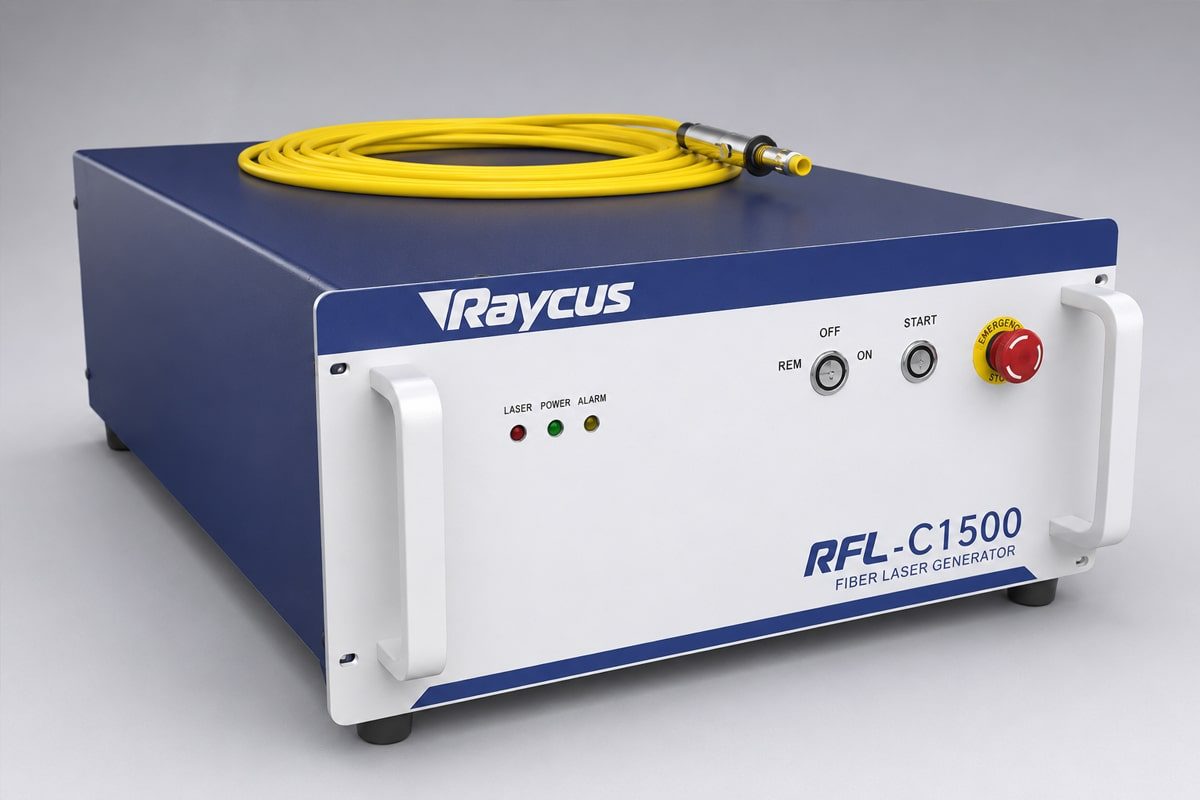
Are Laser Generators Safe?
Laser generators are the core components of many modern laser systems, providing the energy source that enables cutting, welding, marking, cleaning, engraving, medical treatment, scientific research, and many other industrial and commercial applications. As laser technology becomes more powerful, efficient, and widely used, one common question naturally arises: Are laser generators safe? The answer is not a simple yes or no. Laser generators can be safe when they are properly designed, installed, operated, maintained, and controlled, but they can also present serious hazards if used carelessly or without adequate protection.
The safety of a laser generator depends on several factors, including the laser type, output power, wavelength, beam delivery method, cooling system, electrical design, enclosure structure, and the working environment. Low-power laser systems may pose limited risks under normal use, while high-power industrial laser generators can produce invisible beams, intense heat, reflected radiation, electrical hazards, fumes, fire risks, and mechanical dangers. In many cases, the laser beam itself is not the only concern. Supporting systems such as power supplies, chillers, gas lines, optical fibers, control cabinets, and exhaust systems also affect overall safety.
It is important to understand that laser generators are not inherently unsafe. They are precision energy devices that require proper safety measures. When manufacturers follow international safety standards and users follow correct operating procedures, laser generators can be used reliably in demanding production environments. Safety features such as protective housings, interlock systems, emergency stop buttons, warning labels, beam shielding, ventilation, and personal protective equipment greatly reduce the risk of accidents.
This article explores the safety of laser generators from a practical and comprehensive perspective. It explains the potential hazards, key safety factors, protective measures, regulatory considerations, and best practices for safe operation. By understanding both the risks and the controls, users can make informed decisions and use laser generators with greater confidence and responsibility.
Table of Contents
Understanding What a Laser Generator Is
Before discussing whether laser generators are safe, it is important to understand what a laser generator actually does. In simple terms, a laser generator is the device that produces laser energy. It converts electrical energy, optical energy, or another form of input energy into a concentrated beam of light with specific characteristics. This beam can then be used for cutting, welding, marking, cleaning, engraving, medical treatment, measurement, communication, or scientific research.
A laser generator is not just a simple “light source.” Unlike ordinary lamps or LEDs, a laser generator produces light that is highly directional, concentrated, and often very intense. Depending on the design, the laser beam may be visible or invisible, continuous or pulsed, low-power or extremely powerful. These characteristics make laser generators highly useful, but they also explain why safety must be taken seriously.
In industrial applications, the laser generator is usually only one part of a larger laser system. It may work together with a laser head, optical fiber, power supply, cooling unit, control system, motion platform, protective enclosure, exhaust system, and safety interlocks. Therefore, understanding laser generator safety requires more than looking at the generator alone. The whole system must be considered.
The Basic Function of a Laser Generator
The basic function of a laser generator is to create a controlled laser beam. To do this, the generator uses an energy source to excite a laser medium. This medium may be a gas, crystal, glass fiber, semiconductor, or other material. When the particles inside the medium become excited and then return to a lower energy state, they release photons. Through a process called stimulated emission, these photons are amplified and organized into a laser beam.
The result is a beam of light with several special properties. First, it is usually highly concentrated, meaning a large amount of energy can be focused into a very small area. This is why lasers can cut metal, weld parts, remove rust, or mark hard materials. Second, the beam is directional, so it can travel in a controlled path with relatively low divergence. Third, it often has a specific wavelength, which affects how the beam interacts with different materials and with human tissue.
For example, a fiber laser generator commonly used in metal processing produces a beam that is efficiently absorbed by many metals. A CO2 laser generator is often used for non-metal materials such as wood, acrylic, leather, paper, and certain plastics. A UV laser generator produces a shorter wavelength that can create fine marks with low thermal impact. Each type of generator has different performance advantages and different safety considerations.
The laser generator also determines important operating characteristics such as output power, beam quality, pulse duration, frequency, stability, and efficiency. A low-power marking laser and a high-power cutting laser may both be called laser generators, but their risks are very different. A small marking system may mainly require eye protection, beam shielding, and fume extraction, while a high-power cutting or welding system may also require fire prevention, stronger enclosures, industrial ventilation, cooling protection, and strict operator training.
Common Types of Laser Generators
There are several common types of laser generators, and each has its own working principle, application range, and safety profile. The most widely used types include fiber laser generators, CO2 laser generators, solid-state laser generators, diode laser generators, and UV laser generators.
Fiber laser generators are very common in modern industrial metal processing. They use optical fiber as the gain medium and are known for high efficiency, good beam quality, compact structure, and relatively low maintenance requirements. Fiber lasers are widely used in cutting, welding, marking, engraving, cleaning, and surface treatment. However, many fiber lasers operate at wavelengths that are invisible to the human eye, which can make them especially dangerous if beam exposure occurs. A person may not see the beam but can still suffer serious eye or skin injury.
CO2 laser generators use a gas mixture as the laser medium and typically produce infrared laser radiation. They are often used for cutting and engraving non-metallic materials, including wood, acrylic, rubber, textiles, paper, glass, and plastics. CO2 lasers can also process some coated or organic materials. Their beam is also invisible, and the heat generated during operation can create fire risks, smoke, and harmful fumes, especially when cutting plastics or composite materials.
Solid-state laser generators use solid gain media such as crystals or glass. Examples include Nd and Nd₄ lasers. These lasers may be used for marking, welding, drilling, medical applications, and precision processing. Depending on the design, they may produce continuous or pulsed beams. High-peak-power pulsed solid-state lasers require careful control because short pulses can deliver intense energy in a very brief time, increasing the risk of eye damage, material splatter, and surface explosions.
Diode laser generators use semiconductor diodes to produce laser light. They are often compact and efficient, and they may be used in direct material processing, pumping other lasers, medical devices, communication equipment, and consumer products. Low-power diode lasers may be found in everyday devices, but industrial diode laser systems can still be hazardous. Power level, wavelength, exposure time, and beam focusing all affect safety.
UV laser generators produce ultraviolet laser beams, usually for high-precision marking, micro-processing, electronics manufacturing, glass processing, and medical or scientific applications. UV lasers are valued because they can process materials with less heat-affected area compared with many infrared lasers. However, ultraviolet radiation can be hazardous to the eyes and skin, and it may also generate ozone or material decomposition fumes depending on the application.
These different laser generator types show why safety cannot be judged by the word “laser” alone. A laser pointer, a fiber laser welding machine, a CO2 laser cutting machine, and a UV laser marking system all use laser technology, but the hazard level and required safety measures are completely different.
Why Laser Generator Safety Depends on the Whole System
Laser generator safety depends not only on the generator itself but also on the complete system in which it operates. A well-designed laser generator can still become dangerous if it is installed in an unsafe machine, used with poor beam shielding, operated without ventilation, or maintained by untrained personnel. In contrast, a high-power laser system can be used safely when the generator, optics, controls, enclosure, and operating procedures are properly designed and managed.
One key factor is beam delivery. The laser beam may travel through mirrors, lenses, optical fibers, scanning heads, cutting heads, welding heads, or marking heads before reaching the workpiece. Any failure or misalignment in the beam path can create unexpected reflections or leakage. Reflective materials such as aluminum, copper, brass, stainless steel, and polished surfaces can increase the risk of scattered or reflected laser radiation.
Another important factor is enclosure design. Many industrial laser systems use protective cabinets, doors, viewing windows, and interlock switches to prevent accidental exposure. If a door is opened, the interlock should stop laser emission. If the enclosure is poorly designed or bypassed, the operator may be exposed to hazardous radiation. This is why safety interlocks should never be removed, disabled, or treated as an inconvenience.
Cooling and power supply systems also affect safety. High-power laser generators often produce significant heat and require water chillers or other cooling methods. If the cooling system fails, the generator can overheat, causing unstable output, equipment damage, or shutdown. Electrical systems also require attention because laser generators may use high voltage, high current, or sensitive electronic modules. Poor grounding, damaged cables, moisture, and unauthorized repair can create electric shock or fire hazards.
The working material also matters. Laser processing may produce smoke, dust, metal fumes, vaporized coatings, gases, or chemical byproducts. Cutting stainless steel, cleaning painted surfaces, engraving plastics, or welding coated metals can all create different airborne hazards. Therefore, ventilation and filtration are part of laser safety, even though they are not inside the laser generator itself.
Operator behavior is another major safety factor. Even the best safety design cannot fully protect against careless operation, improper maintenance, incorrect parameter settings, missing protective eyewear, or intentional bypassing of safety devices. Operators must understand the type of laser they are using, the risks of direct and reflected beams, emergency stop procedures, fire prevention methods, and basic inspection requirements before operation.
In other words, the laser generator is the source of the beam, but safety is created by the whole system. The generator, laser head, optical path, enclosure, cooling unit, exhaust system, electrical cabinet, software controls, warning devices, maintenance procedures, and operator training all work together. When one part is weak, the overall safety level decreases.
A laser generator is the core device that produces laser energy, but it should not be viewed as an isolated component. Its basic function is to convert input energy into a concentrated, controlled beam of light that can be used for many industrial, medical, scientific, and commercial applications. Because laser beams can be highly focused and powerful, they must be handled with proper safety awareness.
Different types of laser generators have different characteristics and risks. Fiber lasers, CO2 lasers, solid-state lasers, diode lasers, and UV lasers vary in wavelength, power level, beam behavior, material compatibility, and typical applications. These differences directly influence the types of protection required, including eye protection, beam shielding, ventilation, cooling, fire prevention, and operator training.
Most importantly, laser generator safety depends on the complete laser system. A safe system is not created by the generator alone. It requires reliable beam delivery, protective enclosures, interlocks, cooling systems, electrical protection, fume extraction, maintenance procedures, and trained operators. When all these elements are properly designed and managed, laser generators can be used safely and effectively. When they are ignored, even a well-made laser generator can become a serious hazard.
Are Laser Generators Safe in Normal Use?
Laser generators can be safe in normal use, but their safety depends heavily on how they are designed, integrated, installed, operated, and maintained. A laser generator is a controlled energy source. When it is used inside a properly designed laser system, with suitable shielding, interlocks, cooling, ventilation, electrical protection, and trained operators, it can work reliably in industrial and commercial environments. This is why laser generators are widely used in factories, laboratories, medical facilities, electronics production, automotive manufacturing, aerospace processing, and many other fields.
However, “normal use” must be clearly defined. Normal use does not mean turning on a laser generator casually, testing the beam in open air, removing safety covers, bypassing interlocks, or operating the machine without understanding its risks. Normal use means using the laser generator according to the manufacturer’s instructions and within the intended operating conditions. It also means following safety rules for the full laser system, not only the generator itself.
In most accidents involving laser equipment, the problem is not simply that the laser generator exists. The danger usually comes from poor system design, incorrect installation, unsafe operation, lack of training, missing protective devices, uncontrolled reflections, inadequate ventilation, or improper maintenance. Therefore, laser generators should be considered safe only when they are part of a controlled system and used by people who understand the hazards.
Safe When Properly Integrated
Laser generators are generally safe when they are properly integrated into a complete laser system. Proper integration means that the laser generator is not used as an exposed energy source, but as one controlled part of a machine or workstation. The generator should work together with optical components, control software, protective housings, emergency stop devices, interlocks, cooling units, exhaust systems, warning indicators, and operating procedures.
One of the most important safety measures is beam containment. The laser beam should be directed only where it is needed and prevented from escaping into the surrounding work area. In a laser cutting machine, for example, the beam is guided through a cutting head and focused onto the material. In a laser marking machine, the beam may pass through a scanning lens inside a protective cabinet. In a handheld laser welding system, safety becomes more complex because the beam path is more flexible, so operators need stronger procedural controls, protective eyewear, controlled work zones, and reflection management.
Protective enclosures are another key part of safe integration. A fully enclosed laser system can greatly reduce the risk of accidental beam exposure. When doors or panels are opened, interlock switches should automatically stop laser emission. Viewing windows should be made from materials suitable for the laser wavelength and power level. Ordinary glass or plastic may not provide enough protection unless it is specifically rated for that laser. This is especially important for invisible infrared lasers, where an operator may not realize that hazardous radiation is present.
A properly integrated laser system also includes emergency controls. Emergency stop buttons should be easy to access, clearly marked, and tested regularly. Warning lights, audible alarms, and status indicators help operators understand when the laser is ready, active, paused, or in a fault condition. Control software should prevent accidental emission, unexpected startup, and unsafe parameter changes. For high-power systems, key switches, password protection, access control, and operation logs may also be used to prevent unauthorized use.
Cooling is also part of safety. Many laser generators produce heat during operation and require air cooling or water cooling. If the cooling system fails, the laser generator may overheat, lose stability, shut down, or suffer internal damage. A safe system should monitor water temperature, flow rate, pressure, and cooling status. It should also trigger alarms or stop operation when cooling conditions are abnormal.
Ventilation and filtration are equally important. Laser processing may create smoke, dust, fumes, metal vapor, coating residue, or chemical decomposition products. Even if the laser generator itself is safely enclosed, the material being processed may release harmful airborne contaminants. A safe laser system should include suitable extraction, filtration, and airflow design to protect operators and keep the working area clean.
When all these elements are properly integrated, laser generators can be used safely in daily production. The operator does not interact directly with the raw beam. The machine controls the beam path, limits exposure, removes fumes, manages heat, and provides emergency protection. In this situation, the laser generator becomes a reliable industrial tool rather than an uncontrolled hazard.
Unsafe When Used Casually or Without Controls
Laser generators can become unsafe very quickly when they are used casually or without proper controls. This is especially true for high-power industrial laser generators, where even brief exposure to a direct or reflected beam can cause serious injury. Unlike many ordinary tools, a laser beam may be invisible, silent, and extremely fast-acting. An operator may not feel danger before damage has already occurred.
One common unsafe practice is testing or aligning the laser beam in an open environment without proper protection. Some users may assume that a short test pulse is harmless, but even a brief pulse can be dangerous depending on the wavelength, power, focusing condition, and distance. Reflected beams can also be hazardous. Metals such as aluminum, copper, brass, stainless steel, and polished surfaces can reflect laser energy in unexpected directions. A person standing away from the direct beam path may still be exposed to scattered or reflected radiation.
Another unsafe behavior is bypassing safety interlocks. Interlocks are designed to stop laser emission when a door, cover, or protective panel is opened. If an operator disables an interlock to save time, inspect the process, or continue production with a door open, the entire safety design of the system may fail. This can expose the operator and nearby workers to dangerous radiation. Interlocks should never be treated as an inconvenience. They are a core part of laser safety.
Using the wrong protective eyewear is also risky. Laser safety glasses must match the laser wavelength and optical density required for the specific system. General tinted glasses, sunglasses, welding goggles, or eyewear designed for another laser type may not provide proper protection. For example, eyewear suitable for one wavelength may offer little protection against another wavelength. In some cases, workers may believe they are protected when they are not.
Casual operation can also create fire hazards. Laser generators used for cutting, welding, cleaning, or engraving can ignite flammable materials, dust, paper, plastics, wood, oils, solvents, coatings, packaging, or nearby debris. A small spark or hot particle can cause a larger fire if the work area is not properly managed. Fire-resistant work surfaces, clean surroundings, proper gas control, and available fire extinguishing equipment are important for safe use.
Poor ventilation is another common problem. If smoke and fumes are not removed, operators may inhale harmful particles or gases. Cutting plastics, cleaning painted surfaces, welding coated metals, or processing composite materials can create fumes that are more dangerous than users expect. A laser generator may appear to be operating normally, but the air quality around the machine may still be unsafe.
Improper maintenance can also make a laser generator unsafe. Damaged optical fibers, dirty lenses, loose connectors, water leaks, unstable power supplies, poor grounding, worn cables, blocked filters, and contaminated optics can all create risk. A machine that was safe when new may become unsafe if maintenance is ignored. Regular inspection and preventive maintenance are therefore part of normal, safe use.
In short, laser generators are not suitable for casual experimentation by untrained users. They should not be operated like ordinary handheld tools or simple electrical devices. The higher the power and the more open the beam path, the more serious the required controls become.
Safe Does Not Mean Risk-Free
Saying that laser generators can be safe does not mean they are risk-free. This distinction is important. Many industrial tools are safe when used properly, but still dangerous when misused. Laser generators are similar. They can be designed and controlled to reduce risk to an acceptable level, but the underlying hazards do not disappear.
The laser beam remains the most obvious hazard. Direct exposure can damage the eyes or skin, and reflected exposure can also be dangerous. The risk depends on power, wavelength, pulse duration, beam diameter, distance, exposure time, and protective measures. Invisible laser beams are especially concerning because the natural human response to bright visible light may not occur. A person may not blink, look away, or recognize danger in time.
Thermal risk is another issue. Laser processing can create hot surfaces, molten metal, sparks, slag, spatter, and heat-affected zones. Even after the beam stops, the workpiece or surrounding fixture may remain hot enough to burn skin or ignite materials. Operators should understand that the danger does not always end immediately when laser emission stops.
Electrical risk should also be considered. Laser generators and their power supplies may involve high voltage, high current, capacitors, sensitive electronics, and cooling connections. Unauthorized repair, poor wiring, water leakage, or damaged insulation can cause electric shock, equipment failure, or fire. Electrical cabinets should be serviced only by qualified personnel.
There are also risks related to gases and cooling systems. Some laser systems use assist gases, shielding gases, compressed air, nitrogen, oxygen, argon, or other gas supplies. Incorrect gas settings, leaking hoses, poor cylinder handling, or oxygen-enriched environments can create additional hazards. Cooling systems can leak, overheat, freeze, clog, or fail if not maintained correctly.
Software and automation can reduce human error, but they can also introduce new risks. Incorrect parameters, wrong material selection, unexpected machine movement, sensor failure, or communication errors may lead to unsafe operation. Automated laser systems need proper guarding, process monitoring, and emergency stop access.
For these reasons, laser safety should be treated as a continuous process rather than a one-time setup. A machine may be safe at installation, but changes in materials, operators, maintenance quality, production speed, fixtures, software, or work environment can change the risk level. Regular training, inspection, documentation, and risk assessment help keep the system safe over time.
Safe laser operation is therefore based on layered protection. No single measure is enough by itself. Protective enclosures, interlocks, eyewear, ventilation, emergency stops, warning signs, fire control, maintenance, and operator training all work together. If one layer fails, the remaining layers help prevent an accident.
Laser generators can be safe in normal use when they are properly integrated into a complete and controlled laser system. Safety depends on much more than the generator itself. A safe system includes beam containment, protective enclosures, interlocks, cooling, ventilation, electrical protection, warning devices, emergency controls, maintenance procedures, and trained operators. When these elements work together, laser generators can be used reliably in industrial production, research, medical, and commercial applications.
However, laser generators become unsafe when they are used casually, operated without controls, or treated as ordinary light sources. Open beam testing, bypassed interlocks, incorrect eyewear, poor ventilation, uncontrolled reflections, weak maintenance, and untrained operation can all turn a useful laser generator into a serious hazard. This is especially true for high-power systems and invisible laser beams, where injury can occur quickly and without obvious warning.
Ultimately, “safe” does not mean “risk-free.” Laser generators always require respect because they produce concentrated energy. The goal of laser safety is not to pretend that hazards do not exist, but to control them through good design, correct operation, proper training, and regular maintenance. When users understand this distinction, they can benefit from laser technology while keeping people, equipment, and the working environment protected.
Main Hazards Associated With Laser Generators
Laser generators are powerful and precise energy sources, but their safety risks extend far beyond the laser beam itself. In a complete laser system, hazards may come from laser radiation, electrical power, heat, fire, fumes, cooling units, compressed gases, moving machine parts, automation systems, noise, bright process light, and operator fatigue. This is why laser generator safety must be understood as a system-level issue rather than a single-component issue.
The type and severity of these hazards depend on the laser generator’s wavelength, output power, pulse characteristics, beam delivery method, processing material, machine structure, and operating environment. A low-power enclosed marking system may present limited risks during normal operation, while a high-power fiber laser cutting or welding system can create serious hazards if shielding, ventilation, cooling, and operating procedures are not properly managed.
In many cases, the danger is not obvious to the operator. Some high-power laser beams are invisible. Reflected laser radiation can travel in unexpected directions. Metal fumes may be difficult to see clearly. Electrical components may remain dangerous even after the machine is turned off. Hot workpieces may look harmless after processing, but still cause burns. For these reasons, laser generator safety requires layered protection, including engineering controls, administrative procedures, personal protective equipment, maintenance, training, and emergency response planning.
Laser Radiation Hazards
Laser radiation is the most recognized hazard associated with laser generators. A laser beam is different from ordinary light because it is highly concentrated, directional, and often capable of delivering significant energy to a small area. This makes it useful for cutting, welding, marking, cleaning, and engraving, but it also makes it dangerous to human tissue, especially the eyes and skin.
Eye injury is one of the most serious laser hazards. The human eye can focus certain wavelengths onto the retina, increasing the energy density and causing severe damage in a very short time. Retinal injury may be painless at the moment of exposure, especially with invisible infrared beams, but the damage can be permanent. Depending on the wavelength, laser radiation may affect different parts of the eye, including the cornea, lens, or retina. Near-infrared fiber lasers, for example, are especially concerning because their beams are often invisible but can still pass into the eye and damage the retina.
Skin injury is another concern. Laser radiation can cause burns, redness, blistering, carbonization, or deeper tissue damage depending on the power density, wavelength, exposure duration, and beam focus. High-power cutting, welding, or cleaning lasers can produce enough energy to burn skin quickly. Pulsed lasers may also create intense peak power, which can damage tissue even if the average power appears moderate.
Direct beam exposure is the most dangerous form of laser radiation exposure. This occurs when a person is exposed to the main laser beam before it reaches the workpiece or target area. In properly designed systems, direct beam exposure should be prevented by beam enclosures, interlocks, covers, fixed beam paths, and controlled access. However, direct exposure can occur during alignment, troubleshooting, maintenance, incorrect installation, or unsafe open-beam operation.
Specular reflection is another major hazard. A specular reflection occurs when the laser beam reflects from a shiny or mirror-like surface. Polished metals, copper, aluminum, brass, stainless steel, mirrors, lenses, glass, and certain coated materials can reflect laser energy in a concentrated direction. This reflected beam can remain hazardous and may travel far from the original beam path. In laser welding and cutting, specular reflections are especially important because many metals have reflective surfaces before they heat, melt, or oxidize.
Diffuse reflection occurs when the beam scatters from a rough or matte surface. Diffuse reflections are usually less concentrated than direct or specular reflections, but they are not always harmless. With high-power laser generators, even scattered radiation can exceed safe exposure limits at close distances. This is particularly relevant in open processing areas, handheld laser welding, laser cleaning, and high-power material processing, where the beam interacts with irregular surfaces.
The hazard level also depends strongly on wavelength. Visible lasers may trigger a blink response or cause the operator to look away, although this should never be relied upon as protection. Invisible infrared or ultraviolet lasers do not provide the same natural warning. An operator may not know exposure has occurred until damage is noticed. This is why laser safety eyewear must be selected based on the exact wavelength and optical density required for the system. Ordinary glasses, sunglasses, welding goggles, or eyewear intended for another laser type may provide little or no protection.
Effective control of laser radiation hazards requires beam containment, appropriate enclosures, interlocked access panels, correctly rated viewing windows, warning signs, controlled work zones, proper eyewear, alignment procedures, and trained operators. For open-beam work, risk increases significantly, so additional barriers, beam stops, key control, low-power alignment methods, and restricted access are necessary.
Electrical Hazards
Laser generators rely on electrical energy, and many systems contain high-voltage, high-current, or high-capacitance components. Electrical hazards may exist in the laser generator itself, the power supply, the control cabinet, the cooling system, the motion system, sensors, and auxiliary equipment. Even when the laser beam is fully controlled, unsafe electrical conditions can still cause shock, burns, fire, equipment damage, or unexpected machine behavior.
Some laser systems use high-voltage power supplies to excite the laser medium or drive internal modules. CO2 laser generators, for example, may require high-voltage excitation. Fiber laser generators use electronic pump diode systems and power conversion modules. Industrial laser systems may also include servo drives, transformers, contactors, circuit breakers, capacitors, and control electronics. These components must be installed and maintained correctly.
Electric shock can occur when covers are removed, wiring is damaged, grounding is poor, insulation fails, or unauthorized personnel access electrical cabinets. Moisture and cooling water leaks can make electrical hazards worse. In systems that use water chillers, a leak near the power supply, laser source, or control cabinet can create danger. Operators should never ignore water alarms, condensation, or unexplained moisture around electrical components.
Another issue is stored electrical energy. Some components, such as capacitors, may retain charge after the machine is turned off. This means maintenance work can still be dangerous unless the system is properly powered down, discharged, locked out, and verified safe. Simply pressing the stop button or switching off the control panel may not remove all electrical hazards.
Poor electrical installation can also create fire risks. Loose terminals, undersized cables, overloaded circuits, poor grounding, damaged connectors, unstable voltage, and dust accumulation inside electrical cabinets can lead to overheating or arcing. Laser generators should be connected according to the manufacturer’s requirements, local electrical codes, and proper industrial wiring practices.
Electrical hazards are best controlled through proper grounding, correctly rated wiring, protective devices, cabinet locks, warning labels, routine inspection, dry operating conditions, qualified maintenance personnel, and lockout/tagout procedures during service. Operators should be trained to recognize abnormal signs such as burning smells, repeated breaker trips, unusual noise from electrical cabinets, error alarms, cable damage, or unstable laser output.
Thermal and Fire Hazards
Laser generators are designed to concentrate energy, and that energy often becomes heat at the workpiece. This creates several thermal and fire hazards. During cutting, welding, cleaning, engraving, or surface treatment, the laser may melt, vaporize, burn, or ignite materials. Sparks, slag, spatter, hot particles, and heated surfaces can remain dangerous even after laser emission stops.
In laser cutting, the beam can produce molten metal, sparks, and hot slag. If flammable materials are nearby, these particles can start a fire. In laser welding, the molten pool, spatter, and hot workpiece can burn skin or ignite surrounding materials. In laser cleaning, the removal of paint, rust, oil, or coating residue may produce hot debris or combustible particles. In laser engraving, materials such as wood, paper, leather, textiles, plastics, rubber, and foam can catch fire if the parameters are incorrect or the beam remains in one area for too long.
Fire hazards increase when combustible materials are present near the processing area. Packaging materials, paper, cloth, wood dust, plastic sheets, oil, grease, solvents, coatings, and accumulated debris can all become ignition sources. Dust inside extraction systems or filters may also create fire risks if sparks or hot particles are drawn into the ductwork.
Assist gases can affect fire risk. Oxygen can improve cutting performance for certain metals, but it also supports combustion. If oxygen is used incorrectly or leaks into the work area, fire intensity may increase. Compressed air can also spread sparks or hot particles. Nitrogen and argon do not support combustion, but they introduce other hazards, such as oxygen displacement in poorly ventilated spaces.
Thermal hazards also affect the machine itself. Lenses, nozzles, protective windows, fixtures, worktables, clamps, and surrounding panels may become hot during operation. Dirty or damaged optics can absorb more laser energy and overheat. A cracked protective lens or contaminated focusing lens can lead to unstable processing, lens failure, smoke, or internal damage to the laser head.
Fire prevention requires clean work areas, proper process parameters, suitable fixtures, correct gas settings, fire-resistant barriers, extraction systems designed to handle sparks and hot particles, and accessible fire-extinguishing equipment. Operators should monitor processing conditions and never leave fire-prone laser processes unattended. Materials should be evaluated before processing, especially if they contain unknown coatings, adhesives, oils, or plastics.
Fume and Particle Hazards
Laser processing can generate fumes, smoke, dust, vapor, aerosols, and fine particles. These airborne contaminants are often overlooked because the laser generator itself may appear clean and enclosed. However, the interaction between the laser beam and the material can produce hazardous substances that affect operator health and workplace air quality.
When a laser cuts, welds, marks, cleans, or engraves a material, the surface may melt, vaporize, oxidize, decompose, or burn. Metals can release metal fumes and ultrafine particles. Stainless steel may produce fumes containing chromium and nickel compounds. Galvanized steel can release zinc oxide fumes. Painted, coated, or oily metals may produce additional chemical vapors. Aluminum, copper, brass, titanium, and other metals each have their own fume characteristics.
Non-metal materials can create different risks. Plastics may release irritating, toxic, or corrosive gases depending on their composition. PVC is especially dangerous because it can produce hydrogen chloride gas and corrosive byproducts when heated or cut. Acrylic, rubber, foam, textiles, leather, wood, composites, and adhesives can also generate smoke, odors, fine particles, or chemical decomposition products. Some materials that seem safe in solid form may become hazardous when vaporized by a laser.
Laser cleaning deserves special attention. The goal of laser cleaning is to remove rust, paint, oil, oxide layers, coatings, or contaminants from a surface. The removed material does not disappear; it becomes particles, vapor, smoke, or residue. If the coating contains heavy metals, lead, chromium, old paint, or unknown chemical layers, the fume hazard may be significant.
Particles generated by laser processing can be very small. Ultrafine particles may remain airborne and can be inhaled deeply into the respiratory system. Even when visible smoke is minimal, invisible particles may still be present. This makes local exhaust ventilation and filtration essential for many laser processes.
Good fume control usually requires source capture close to the processing area, suitable airflow, filtration appropriate for the material, regular filter replacement, and safe disposal of collected dust or residue. General room ventilation alone is often not enough for high-fume processes. Operators should also avoid leaning into the processing area, opening enclosures immediately after heavy processing, or cleaning dust with compressed air.
Personal respiratory protection may be needed in some cases, but it should not replace proper engineering controls. The priority should be capturing fumes at the source and preventing contaminants from spreading through the workshop. Material safety data, process testing, and air quality assessment may be necessary when processing unfamiliar materials.
Cooling System Hazards
Many laser generators require cooling to maintain stable performance and prevent overheating. Cooling systems may include air cooling, water chillers, heat exchangers, pumps, hoses, flow sensors, filters, and temperature controls. Although cooling systems are often treated as auxiliary equipment, they are an important part of laser generator safety.
Overheating is the most obvious cooling-related hazard. If the cooling system fails, the laser generator may become unstable, lose efficiency, shut down, or suffer internal damage. Overheating can also damage optical components, pump diodes, electronics, seals, and fibers. In severe cases, it may contribute to electrical faults or fire risks.
Water-cooled systems require special attention because water and electricity are used near each other. Leaking hoses, loose fittings, cracked pipes, condensation, damaged seals, or overflowing tanks can create electrical hazards. If water enters the laser source, power supply, or electrical cabinet, it can cause short circuits, corrosion, shock risk, or catastrophic equipment failure.
Cooling water quality also matters. Some laser systems require deionized water, distilled water, antifreeze, or corrosion inhibitors. Poor water quality can cause scaling, biological growth, corrosion, clogging, or reduced heat transfer. Clogged filters or blocked cooling channels can cause localized overheating even when the chiller appears to be running.
Temperature control is another issue. If the water temperature is too high, cooling is ineffective. If it is too low, condensation may form on optical or electrical components, especially in humid environments. Condensation inside a laser generator or control cabinet can be extremely dangerous. Operators should monitor ambient temperature, humidity, water temperature, and dew point conditions when necessary.
Cooling systems can also create pressure hazards. Pumps, hoses, and fittings operate under pressure, and failures can cause sudden leaks or spraying water. In cold environments, freezing can damage cooling lines and internal components. During maintenance, pressure should be released safely before hoses or fittings are removed.
Safe cooling system management includes checking water level, flow rate, temperature, pressure, hose condition, filter condition, water quality, alarm settings, and chiller cleanliness. Cooling alarms should never be bypassed. If the system reports low flow, high temperature, or abnormal pressure, the cause should be corrected before operation continues.
Gas and Pressure Hazards
Many laser systems use gases for cutting, welding, purging, shielding, cooling, or process assistance. These may include oxygen, nitrogen, argon, helium, carbon dioxide, compressed air, or mixed gases. Gas systems introduce hazards related to pressure, leakage, oxygen enrichment, oxygen depletion, cylinder handling, and incorrect gas selection.
Compressed gas cylinders store a large amount of energy. If a cylinder valve is damaged or a cylinder falls, it can become a serious projectile hazard. Cylinders should be secured upright, protected from impact, kept away from heat sources, and moved with proper carts. Regulators, hoses, fittings, and valves must match the gas type and pressure rating.
High-pressure gas lines can be dangerous if improperly installed or maintained. A hose rupture, loose fitting, or failed regulator can release gas suddenly. This can cause physical injury, noise, flying debris, or process instability. Operators should inspect hoses and connectors regularly and avoid using damaged or improvised components.
Oxygen presents special fire hazards. Oxygen itself is not flammable, but it strongly supports combustion. Materials that would burn slowly in normal air may burn rapidly in oxygen-enriched conditions. Oil, grease, or incompatible materials on oxygen fittings can create fire or explosion risks. Oxygen systems must be kept clean and used only with compatible components.
Nitrogen and argon are often considered safer because they are inert, but they can displace oxygen in poorly ventilated areas. This can create an asphyxiation hazard without obvious warning. A leak in a small enclosed space may reduce oxygen concentration enough to endanger workers. Adequate ventilation and gas monitoring may be necessary in some environments.
Incorrect gas selection or pressure settings can also affect safety. Too much pressure may disturb the process, scatter molten material, damage components, or increase noise. Too little pressure may cause poor cutting or welding quality, overheating, or excessive fumes. Using the wrong gas can create unexpected reactions, poor shielding, oxidation, or fire risk.
Safe gas handling requires proper storage, secured cylinders, correct regulators, leak checks, compatible fittings, pressure relief devices, trained personnel, clear labeling, ventilation, and emergency procedures. Gas systems should be treated as part of the laser safety program rather than as simple accessories.
Mechanical and Automation Hazards
Modern laser systems often include motion platforms, robotic arms, CNC tables, galvo scanners, conveyors, rotary devices, loading systems, exchange tables, doors, clamps, and automated fixtures. These mechanical and automation systems improve productivity, but they also introduce crushing, pinching, collision, entanglement, and unexpected movement hazards.
In laser cutting machines, the cutting head, gantry, worktable, and exchange platform may move quickly. Operators can be injured if they place their hands, tools, or materials in the movement area while the machine is active. Pinch points may exist between moving tables, guide rails, covers, and fixtures. Exchange tables can create additional risks because large sheets or heavy workpieces may shift during loading and unloading.
Laser welding systems may use robots, positioners, rotating fixtures, or automated clamps. Robotic laser welding can create serious hazards if personnel enter the robot cell without proper lockout or safeguarding. A robot may move suddenly, follow a programmed path, or restart unexpectedly after a pause. The laser hazard and robot motion hazard must be controlled together.
Laser marking systems may include automatic doors, lifting platforms, rotary axes, and product feeding systems. Even small automated devices can pinch fingers or damage parts if guards are removed or sensors are bypassed. Galvo scanning systems move the beam rapidly, and the apparent lack of large mechanical movement can make operators underestimate the hazard.
Software and control errors are also part of automation safety. Wrong coordinates, incorrect focus height, improper material thickness settings, fixture mismatch, sensor failure, or communication problems can cause collisions, misfires, poor processing, or unexpected laser emission. When automation is used, safety depends on both hardware guarding and reliable control logic.
Mechanical hazards can also occur during maintenance. Heavy covers, laser heads, lenses, motors, chucks, fixtures, and sheet materials may need to be removed or adjusted. Without proper lifting methods and support, workers may suffer hand injuries, back strain, crush injuries, or dropped-object accidents.
Safe automation requires guarding, interlocks, light curtains where appropriate, emergency stops, safe operating zones, restart protection, lockout/tagout procedures, robot safety protocols, clear warning signals, and operator training. Workers should understand that a laser system is not only a beam source; it is often a moving machine.
Noise, Light, and Ergonomic Hazards
Some laser generator hazards are less dramatic than eye injury or fire, but they still affect operator safety and health over time. Noise, bright process light, visual strain, awkward posture, repetitive work, and poor workstation design can all create problems in laser operations.
Noise can come from chillers, exhaust fans, compressors, assist gas flow, cutting processes, welding processes, vacuum systems, motion systems, and dust collectors. High-pressure gas cutting can produce sharp noise, especially when cutting thick materials or using compressed air. Laser cleaning can also be noisy, depending on the surface and equipment. Prolonged exposure to high noise levels may contribute to hearing fatigue or hearing damage.
Bright process light is another concern. Even when the laser beam itself is invisible, the interaction between the beam and the material can produce bright visible light, sparks, plasma, or glowing molten metal. Laser welding and cutting may generate intense light that causes discomfort, distraction, or visual fatigue. Operators should not stare directly at the processing zone without appropriate viewing protection, even if the laser beam is enclosed.
Ultraviolet and infrared emissions from the process may also be present, depending on the application. Welding, plasma-like emissions, hot metal, and reflections may contribute to eye and skin discomfort. Viewing windows, camera systems, filters, and proper PPE help reduce these risks.
Ergonomic hazards are common in daily operation. Operators may load heavy sheets, lift workpieces, bend over tables, reach into machines, hold handheld welding heads, position parts repeatedly, or inspect small marks for long periods. Poor posture, repetitive movements, vibration, heavy lifting, and awkward wrist positions can lead to muscle strain, back pain, neck fatigue, and hand-arm discomfort.
Handheld laser welding and cleaning systems deserve special attention. Although they are flexible and efficient, they require operators to hold and guide the laser head for extended periods. If the torch is heavy, the cable is stiff, the workpiece is poorly positioned, or the operator must maintain an awkward posture, fatigue can increase. Fatigue may reduce control accuracy and increase the risk of mistakes.
Workstation design can reduce ergonomic risk. Proper table height, part positioning, lifting aids, balanced tools, cable management, anti-fatigue mats, adjustable seating, good lighting, and reasonable work-rest schedules can improve safety and productivity. Training should include not only laser hazards but also safe material handling and comfortable working posture.
Noise, light, and ergonomic hazards may not cause immediate dramatic accidents, but they can reduce attention, increase fatigue, and contribute to long-term health issues. Managing them helps create a safer and more sustainable laser working environment.
The hazards associated with laser generators are broad and interconnected. Laser radiation is the most obvious risk, especially because direct beams, specular reflections, and even diffuse reflections can injure the eyes or skin. Invisible wavelengths make this danger more serious because operators may not recognize exposure in time. Proper beam containment, shielding, interlocks, viewing protection, and correctly selected laser safety eyewear are essential.
However, laser generator safety is not limited to radiation control. Electrical systems can create shock, burn, and fire hazards. Thermal energy can ignite materials, produce hot surfaces, and generate sparks or spatter. Laser processing can create fumes, smoke, metal particles, chemical vapors, and ultrafine dust that require effective extraction and filtration. Cooling systems introduce risks related to overheating, leaks, condensation, water quality, and pressure. Gas systems bring additional concerns involving compressed cylinders, oxygen fire support, inert gas asphyxiation, leaks, and incorrect pressure settings.
Modern laser systems may also include mechanical motion and automation, such as CNC tables, robotic arms, exchange platforms, clamps, rotary devices, and conveyors. These components can create crushing, pinching, collision, and unexpected movement hazards. In addition, noise, bright process light, awkward posture, repetitive work, and operator fatigue can affect both short-term safety and long-term health.
A safe laser generator environment is therefore built through layered protection. No single control measure is enough. Effective safety requires good machine design, complete beam control, electrical protection, fire prevention, ventilation, cooling management, gas safety, mechanical guarding, ergonomic planning, operator training, maintenance, and emergency procedures. When these hazards are understood and controlled together, laser generators can be used safely and effectively in demanding industrial applications.
Laser Classes and What They Mean for Safety
Laser classification is one of the most important starting points for understanding laser generator safety. Not all lasers present the same level of risk. A low-power laser inside a consumer product is very different from a high-power industrial laser generator used for cutting, welding, cleaning, or marking. Laser classes help users, manufacturers, safety officers, and operators understand the possible hazard level of a laser product and determine what protective measures are required.
Laser classes are usually based on the potential for the laser radiation to cause injury under reasonably foreseeable conditions of use. Factors such as wavelength, output power, pulse duration, beam diameter, exposure time, and accessibility of the beam all affect classification. In practical terms, the class not only describes how powerful the laser source is; it also describes whether hazardous laser radiation can reach a person during normal operation.
This distinction is very important for laser generators. A laser generator itself may produce a high-power beam, but when it is fully enclosed inside a properly designed machine, the final laser product may be classified as safer for normal operation. For example, a fiber laser cutting machine may contain a Class 4 laser source internally, but if the beam is completely enclosed and access panels are interlocked, the machine may be designed so that operators are not exposed to hazardous radiation during normal use.
Therefore, laser classification should not be treated as a simple label. It is a practical safety guide. It tells users whether the system can be used with minimal controls, whether special training is needed, whether protective eyewear is required, whether beam enclosures and interlocks are necessary, and whether a controlled laser area should be established.
Why Laser Classification Matters
Laser classification matters because it helps identify the level of risk before the laser is used. Without classification, users may underestimate a laser generator simply because the beam is invisible, the machine looks compact, or the process appears clean and quiet. Laser hazards are not always obvious. A beam that cannot be seen may still cause serious eye injury. A short pulse may still carry enough energy to damage tissue. A reflected beam may still be hazardous even if the direct beam is not in the operator’s line of sight.
Classification provides a common language for safety. It allows manufacturers to design appropriate protective features and allows users to understand the precautions needed for operation. A Class 1 product generally means the laser radiation is not accessible at hazardous levels during normal use. A Class 4 system, by contrast, indicates a high-risk laser where direct exposure, reflected exposure, skin injury, fire, and fume hazards may all need to be controlled.
Laser classification also affects training requirements. Operators of low-risk enclosed products may only need basic instruction, while users of high-power Class 4 systems need more detailed training. They must understand beam hazards, reflection risks, emergency stops, safety eyewear, controlled access, fire prevention, fume extraction, lockout procedures, and maintenance limitations.
Another reason classification matters is that it helps prevent false confidence. Some users assume that if a laser machine is sold commercially, it must be safe in all situations. This is not true. A laser product may be safe only when used as intended. If covers are removed, interlocks are bypassed, doors are opened during operation, or the beam is used outside the designed enclosure, the actual hazard level can increase dramatically. The classification depends on the product configuration and operating condition, not only on the brand or model name.
Classification is also useful when comparing laser equipment. Two machines with similar output power may present different safety risks depending on enclosure design, beam delivery, viewing windows, interlocks, automation, and operating mode. A fully enclosed laser marking system is very different from an open-frame laser engraving machine, even if both use laser technology. Understanding laser classes helps buyers evaluate whether a machine is suitable for their workplace, staff skill level, and safety management capabilities.
Class 1 Laser Products
Class 1 laser products are considered safe during normal operation because hazardous laser radiation is not accessible to the user under intended conditions. This does not necessarily mean there is no powerful laser inside the machine. In many industrial systems, a high-power laser generator may be completely enclosed within a protective housing, making the accessible radiation outside the machine low enough for Class 1 classification during normal use.
This is common in enclosed laser marking machines, enclosed laser cutting systems, automated laser workstations, medical devices, laboratory instruments, and other controlled laser products. The laser generator may be capable of producing dangerous radiation internally, but the operator is protected by fixed covers, interlocked doors, rated viewing windows, beam dumps, internal shielding, and controlled beam paths. As long as the machine is used correctly and the safety features remain functional, exposure to hazardous radiation should not occur.
However, Class 1 does not mean the machine can be ignored from a safety perspective. The classification applies to normal operation, not necessarily to service, maintenance, repair, alignment, or intentional modification. When panels are removed or interlocks are overridden by qualified service personnel, the internal laser may become accessible. At that point, the hazard may be equivalent to a higher laser class, often Class 3B or Class 4, depending on the laser source.
Class 1 products may also have non-beam hazards. A fully enclosed laser cutting machine may still produce fumes, dust, hot parts, sharp edges, moving mechanical components, electrical hazards, and fire risks. The operator may not be exposed to the laser beam, but they still need to manage ventilation, material compatibility, waste collection, maintenance, and emergency procedures.
The reliability of a Class 1 product depends heavily on the integrity of its safety design. Interlocks must work correctly. Protective windows must be suitable for the laser wavelength and power. Access doors must close properly. Seals, panels, and covers must not be damaged. If users drill holes into the enclosure, replace viewing windows with ordinary glass, tape down door switches, or operate the system with panels removed, the machine may no longer provide Class 1 protection.
For this reason, Class 1 laser products are generally the safest option for ordinary production environments, especially when multiple workers are nearby or when operators are not laser safety specialists. They reduce dependence on personal protective equipment and human behavior by using engineering controls to contain the beam. Even so, users should still follow the manufacturer’s instructions, inspect safety devices regularly, and avoid modifying the enclosure.
Class 4 Laser Systems
Class 4 laser systems represent the highest hazard category for laser products. These systems can cause serious eye injury and skin injury from direct beam exposure, and they may also be dangerous through specular or diffuse reflections. Many industrial laser generators used for cutting, welding, cleaning, cladding, drilling, heat treatment, and high-power marking fall into this category when the beam is accessible.
A Class 4 laser can produce enough energy to damage tissue very quickly. Eye injuries can occur before a person has time to blink or react. This is especially dangerous when the beam is invisible, as is common with many fiber lasers and CO2 lasers. Operators may not see the beam path and may not realize that a reflection has occurred. For visible lasers, brightness alone should not be used as a safety indicator because even brief viewing can be hazardous.
Reflections are a major concern with Class 4 systems. A direct beam is obviously dangerous, but reflected radiation can be just as serious in certain conditions. Shiny metals, polished surfaces, lenses, mirrors, tools, fixtures, jewelry, and even curved workpieces may redirect laser energy. Specular reflections can remain concentrated and hazardous over distance. Diffuse reflections are usually less intense, but high-power Class 4 lasers can still create dangerous scattered radiation at close range.
Class 4 systems also create strong non-beam hazards. They can ignite combustible materials, generate sparks and molten metal, produce hazardous fumes, damage optics, overheat fixtures, and create plasma or bright process light. High-power laser cleaning can release contaminated particles from coatings or rust. Laser welding can produce spatter, hot surfaces, and reflected radiation from molten pools. Laser cutting can generate smoke, slag, and fire hazards. These risks must be controlled together rather than separately.
Because of these hazards, Class 4 laser systems require strict control measures. These often include a controlled laser area, beam enclosures or barriers, interlocked access, warning signs, key switches, emergency stop buttons, correctly rated laser safety eyewear, trained operators, written procedures, fire protection, ventilation, and restricted access. Maintenance and alignment work may require additional precautions because the beam path may be open or partially exposed.
Class 4 systems should not be operated casually or experimentally by untrained personnel. They require a safety culture. Operators must understand not only how to start the machine, but also how to recognize unsafe conditions, respond to alarms, inspect protective devices, manage reflective materials, handle gases, control fumes, and stop the system in an emergency. Supervisors must ensure that safety procedures are followed consistently, not only during audits or training sessions.
It is also important to remember that many laser generators themselves are Class 4 sources, even if they are installed inside safer-looking machines. If the generator is removed from the machine, tested outside its enclosure, or connected to an open beam delivery path, the hazard level may be much higher than expected. Class 4 laser generators should only be integrated, serviced, or tested by qualified personnel using proper controls.
Enclosed Systems Versus Open-Beam Systems
The difference between enclosed systems and open-beam systems is one of the most important practical safety distinctions. An enclosed laser system is designed to contain hazardous radiation within a protective housing. An open-beam system allows some part of the laser beam path or processing area to remain exposed. Even if both systems use similar laser generators, their safety requirements can be very different.
Enclosed systems are generally safer for routine production because they rely on physical barriers to prevent beam exposure. The laser beam remains inside the machine, and operators interact with the system through doors, control panels, viewing windows, cameras, or loading areas. Interlocks stop laser emission if a door or cover is opened. This reduces the chance that an operator will accidentally place their eyes or skin in the beam path.
A properly enclosed system can also help control secondary hazards. It can contain sparks, reduce scattered light, capture fumes more effectively, limit access to moving parts, and improve process stability. For workplaces where many employees are present, enclosed systems are often easier to manage because they reduce the need for a large controlled laser area around the machine.
However, enclosed systems are safe only if the enclosure is maintained. Damaged panels, missing screws, misaligned doors, failed interlocks, cracked viewing windows, and unauthorized modifications can compromise protection. Operators should never assume that an enclosure is effective simply because it looks closed. It must be designed for the laser wavelength and power level and kept in good condition.
Open-beam systems require much more caution. In an open-beam setup, the laser beam or reflected radiation may be accessible during normal operation. This can occur in laboratory setups, manual processing stations, handheld laser welding, handheld laser cleaning, open laser engraving machines, alignment work, research systems, or custom industrial equipment. In these situations, the surrounding area becomes part of the safety system.
Open-beam systems usually require controlled access. Only trained and authorized personnel should enter the area while the laser is active. Warning signs, barriers, curtains, beam stops, matte non-reflective surfaces, and safety eyewear are essential. Reflective tools, watches, jewelry, and polished objects should be controlled or removed from the beam area. The beam should be terminated safely, and unnecessary beam paths should be avoided.
The challenge with open-beam systems is that safety depends more heavily on human behavior. A person may stand in the wrong place, forget eyewear, move a reflective part, open a barrier, or misjudge the beam path. This is why open-beam Class 4 systems demand stronger training, supervision, documentation, and discipline than enclosed systems.
Handheld laser welding and cleaning systems deserve special attention because they often combine high-power laser output with flexible beam direction. The operator controls the tool by hand, and the workpiece may have complex shapes or reflective surfaces. This makes beam control more difficult than in a fully enclosed CNC laser machine. Such systems should be used only with appropriate protective zones, eyewear, shielding, interlocks where practical, fire control, fume extraction, and trained operators.
In simple terms, enclosure changes the safety equation. The same laser generator may be relatively safe for normal use inside a well-designed Class 1 product, but extremely hazardous if used in an open-beam Class 4 configuration. Therefore, users should evaluate not only the laser source power, but also how the beam is delivered, contained, viewed, reflected, and accessed.
Laser classes help users understand the potential hazard level of a laser product and the type of safety controls required. Classification is important because laser risks are not always visible or intuitive. A beam may be invisible, a reflection may be unexpected, and injury may occur before a person can react. By understanding laser classes, users can better judge whether a laser product is suitable for routine operation, special training, controlled access, or advanced safety management.
Class 1 laser products are generally safe during normal operation because hazardous laser radiation is not accessible to the operator. However, this does not always mean the internal laser is low power. Many Class 1 products contain powerful laser generators inside protective enclosures. Their safety depends on intact covers, functioning interlocks, rated viewing windows, correct operation, and proper maintenance. Once covers are removed or interlocks are bypassed, the internal hazard may become much greater.
Class 4 laser systems require the highest level of caution. They can cause serious eye and skin injuries and may also create fire, fume, reflection, and thermal hazards. These systems require beam control, restricted access, warning signs, proper eyewear, training, emergency stops, ventilation, and strict operating procedures.
The difference between enclosed and open-beam systems is especially important. Enclosed systems reduce risk by physically containing the beam, while open-beam systems rely more heavily on controlled areas, barriers, PPE, and operator discipline. In the end, laser classification should be used as a practical safety guide, not just a label. A laser generator can be safe when its class, enclosure, operating mode, and protective measures are properly understood and respected.
What Makes a Laser Generator Safe
A laser generator is safe not simply because it is well manufactured, but because it is designed, installed, controlled, and maintained as part of a complete safety system. The generator itself must be reliable, electrically stable, thermally protected, and capable of producing laser output predictably. At the same time, the surrounding machine must control where the beam goes, who can access it, how faults are detected, and how the system stops when something abnormal happens.
In practical use, laser generator safety depends on several layers of protection. The first layer is internal design quality, including stable optical modules, reliable electronic components, protective circuits, and durable housing. The second layer is installation quality, including correct power supply, grounding, cooling, ventilation, and signal connections. The third layer is operational safety, including controlled beam delivery, interlocks, warning indicators, emergency stops, and trained operators.
A safe laser generator should not rely on one protective measure alone. For example, safety eyewear is important, but it should not replace beam shielding. A warning label is necessary, but it cannot replace an interlock. A cooling alarm is useful, but the system should also be able to stop output automatically when overheating occurs. True laser safety comes from combining engineering controls, intelligent monitoring, clear warnings, and disciplined operation.
Reliable Internal Design
Reliable internal design is the foundation of laser generator safety. A laser generator must produce stable output under the conditions for which it was designed. If the internal structure is poorly designed, the laser may suffer from unstable power, overheating, sudden shutdown, beam quality changes, internal reflection issues, electrical failure, or component damage. These failures can affect not only processing quality but also operator safety.
A well-designed laser generator uses components that are suitable for its output power, duty cycle, cooling method, and working environment. In a fiber laser generator, this may include pump diodes, gain fibers, combiners, isolators, sensors, control boards, and protective circuits. A CO2 laser generator, it may include the discharge structure, gas medium, mirrors, power supply interface, and cooling channels. In solid-state or UV lasers, the internal optical alignment, crystal quality, frequency conversion components, and thermal management are especially important.
Internal protection should also be built into the generator. This may include temperature monitoring, current protection, voltage protection, back-reflection protection, over-power protection, communication fault detection, and automatic shutdown logic. These protections help prevent abnormal conditions from becoming dangerous failures. For example, if excessive reflected energy returns to the laser source, a protection circuit can reduce output or stop emission before internal damage occurs.
Good internal design also means the generator should be enclosed and protected from dust, moisture, vibration, and accidental contact. Industrial environments are often harsh. Metal dust, smoke, oil mist, high humidity, unstable voltage, and vibration can gradually damage sensitive optical and electronic components. A safe generator should be built with suitable sealing, insulation, ventilation paths, connectors, and protective housing.
Reliability is also connected to consistency. A laser generator that produces unpredictable output is unsafe because the operator cannot accurately judge the process. Stable output power, controlled pulse behavior, clear status feedback, and reliable communication with the machine controller all help keep the system predictable. Predictability is one of the most important qualities of safe equipment.
Proper Power Supply and Grounding
Proper power supply and grounding are critical to laser generator safety. Laser generators are electrical devices, and many industrial systems require high power, stable voltage, correct phase configuration, and reliable protective grounding. If the power supply is unstable or the grounding is poor, the system may experience electrical noise, communication errors, component failure, shock risk, fire risk, or unstable laser output.
The power supply must match the requirements of the laser generator and the full machine. Voltage, frequency, current capacity, breaker rating, cable size, and phase requirements should follow the manufacturer’s specifications. An undersized power line may overheat. An unstable voltage supply may cause alarms, reduced output stability, or sudden shutdowns. A poorly selected breaker may trip repeatedly or fail to protect the equipment properly.
Grounding is especially important. A proper ground connection helps protect operators from electric shock, reduces electromagnetic interference, stabilizes control signals, and provides a safe path for fault current. Poor grounding can create unpredictable problems, including touch voltage on the machine frame, interference with sensors, unstable communication between the laser source and controller, or increased risk during electrical faults.
Electrical cabinets should be clean, dry, organized, and protected from accidental access. Loose terminals, damaged insulation, overheated wires, water leakage, metal dust, and poor cable routing can all create hazards. High-power laser equipment should not be connected with temporary wiring, overloaded extension cords, or improvised electrical connections. These shortcuts may appear convenient during installation or testing, but they can create serious safety risks.
Protection devices are also part of electrical safety. Circuit breakers, fuses, surge protection, emergency disconnects, leakage protection where appropriate, and properly rated connectors all help reduce risk. Electrical wiring should also be separated from water lines, gas lines, and moving mechanical parts whenever possible.
Only qualified personnel should install, inspect, or repair electrical systems inside a laser generator or laser machine. Operators may be trained to recognize warning signs, such as burning smells, repeated alarms, abnormal noise, visible cable damage, or moisture near electrical parts, but they should not open electrical cabinets or repair power modules unless they are properly qualified.
Effective Cooling Protection
Cooling protection is essential because many laser generators produce significant heat during operation. If heat is not removed effectively, the generator may lose stability, reduce service life, shut down unexpectedly, or suffer internal damage. In severe cases, overheating can contribute to electrical failure, optical damage, or fire risk.
Different laser generators use different cooling methods. Low-power systems may use air cooling, while medium- and high-power systems often require water cooling. Fiber laser cutting and welding generators, for example, commonly depend on industrial chillers to maintain proper temperature. CO2 lasers, UV lasers, and some solid-state lasers may also require precise temperature control to maintain stable output and protect optical components.
A safe cooling system should monitor key conditions such as water temperature, flow rate, pressure, and water level. If the cooling flow is too low or the water temperature is too high, the system should issue an alarm and stop laser output before damage occurs. Cooling alarms should never be ignored or bypassed. A laser that continues operating without sufficient cooling may fail quickly and unpredictably.
Water quality also affects safety and reliability. Poor water quality can cause scaling, corrosion, biological growth, blocked channels, or reduced heat transfer. Some laser generators require distilled water, deionized water, antifreeze, corrosion inhibitors, or scheduled water replacement. Using unsuitable water may not cause immediate failure, but it can slowly reduce cooling performance and increase long-term risk.
Condensation is another important cooling hazard. If the cooling temperature is set too low, moisture may condense on optical or electrical components, especially in humid environments. Condensation can lead to corrosion, short circuits, unstable output, or serious electrical failure. Safe cooling protection should consider not only temperature but also ambient humidity and dew point.
The physical condition of the cooling system also matters. Hoses should be secure, fittings should not leak, filters should be clean, pumps should operate normally, and the chiller should have enough ventilation space. Water leaks near the laser source, power supply, or electrical cabinet are especially dangerous. Routine inspection of the cooling system is therefore part of laser safety, not just equipment maintenance.
Controlled Beam Delivery
Controlled beam delivery is one of the most important requirements for laser safety. The laser generator creates the beam, but the beam must be guided, focused, contained, and terminated safely. If the beam path is not controlled, direct exposure, reflected exposure, fire, equipment damage, and process instability can occur.
Beam delivery may involve optical fibers, mirrors, lenses, beam expanders, scanning heads, cutting heads, welding heads, cleaning heads, or marking heads. Each component must be suitable for the laser wavelength, output power, beam quality, and application. A mismatch between the laser generator and beam delivery components can cause overheating, optical damage, beam leakage, or unstable processing.
For fiber laser systems, the optical fiber connection must be protected from dust, bending, impact, and contamination. A damaged fiber can leak radiation, reduce power transmission, or fail suddenly. Fiber connectors should be clean and properly locked. The bending radius should remain within the manufacturer’s limit. Operators should not step on fibers, sharply bend them, or expose them to spatter, hot surfaces, or moving machine parts.
In systems using mirrors and lenses, alignment is critical. Misaligned optics can redirect the beam toward unsafe areas, heat internal components, damage protective windows, or reduce cutting and welding quality. Optical components should be inspected and cleaned according to proper procedures. Dirty lenses can absorb laser energy and overheat, causing cracks, smoke, or sudden failure.
Beam containment is the safest approach whenever possible. Enclosures, tubes, covers, beam stops, and protective housings help prevent access to hazardous radiation. A beam should never travel farther than necessary, and it should always end in a safe target or beam dump. Open beam paths should be minimized, clearly marked, and used only with appropriate controls.
Controlled beam delivery also means managing reflections. Reflective materials such as aluminum, copper, brass, stainless steel, polished tools, mirrors, and curved workpieces can redirect laser energy. The system should be designed to reduce specular reflections and contain scattered radiation. Workpiece positioning, surface condition, angle of incidence, fixtures, and shielding all affect reflection safety.
A safe laser system does not allow the beam to be treated casually. The beam path should be known, contained, monitored, and protected from accidental access. This is especially important for invisible lasers, where operators cannot rely on sight to recognize the danger.
Safety Interlocks
Safety interlocks are essential protective devices that help prevent laser emission under unsafe conditions. An interlock is designed to stop or prevent laser output when a door, cover, panel, enclosure, cooling system, exhaust system, or other safety-related condition is not correct. In many laser systems, interlocks are one of the most important barriers between the operator and hazardous radiation.
For enclosed laser systems, door interlocks are especially important. When an access door is opened, the interlock should stop laser emission or prevent the laser from firing. This helps ensure that the operator cannot accidentally reach into the machine while the beam is active. Access panels, service covers, protective housings, and viewing windows may also be connected to interlock circuits, depending on the machine design.
Interlocks may also monitor non-beam safety conditions. For example, the laser generator may be prevented from operating if the chiller is not running, the water flow is too low, the water temperature is too high, the protective gas pressure is abnormal, the exhaust system is not active, or the control system detects a fault. These interlocks help prevent equipment damage, overheating, fume exposure, or unsafe process conditions.
A good interlock system should be reliable, difficult to bypass accidentally, and integrated into the machine’s control logic. It should not simply display a warning while allowing unsafe operation to continue. For serious hazards, the interlock should stop laser emission or prevent startup until the problem is corrected.
Interlocks should be tested regularly. A failed interlock can create a false sense of security. Operators may assume the machine is protected, but a faulty switch, broken wire, misaligned door, damaged sensor, or software fault may prevent the safety function from working correctly. Routine inspection should confirm that doors, covers, panels, cooling alarms, and emergency stops behave as expected.
Bypassing interlocks is one of the most dangerous behaviors in laser operation. Some users may tap down a door switch, disable an alarm, or modify wiring to keep production running. This defeats the purpose of the safety system and can expose operators to serious hazards. If an interlock frequently interrupts production, the correct response is to identify and fix the underlying problem, not to remove the protection.
Warning Labels and Indicators
Warning labels and indicators help users recognize laser hazards and understand the machine’s operating status. They do not physically stop danger by themselves, but they are important communication tools. A safe laser generator and laser system should clearly show what type of hazard is present, when the laser is ready, when it is active, and what precautions are required.
Laser warning labels should identify the laser class, wavelength, output power, or relevant hazard level, and required precautions. Labels should be placed where they are visible before a person can access the hazard. For example, warning labels may appear on the laser generator housing, machine doors, service panels, optical covers, beam delivery components, and controlled area entrances.
Labels are especially important because many laser beams are invisible. Without a clear warning, a worker may not realize that hazardous radiation is present. A compact fiber laser generator or enclosed marking machine may not look dangerous from the outside, but the internal beam can still be powerful enough to cause serious injury if accessed improperly.
Indicators provide real-time status information. Common indicators may show power on, laser ready, laser emission, fault condition, cooling alarm, door open, gas pressure abnormal, or emergency stop activated. Warning lights and audible alarms can help operators and nearby workers understand when the machine is active or unsafe to approach.
The meaning of indicators should be clear and consistent. Operators should not have to guess whether a blinking light means standby, emission, alarm, or fault reset. User manuals, training materials, and machine labels should explain status signals in plain language. Confusing indicators can lead to unsafe assumptions.
Warning labels and indicators must also be maintained. Labels can become dirty, damaged, covered, faded, or removed during repainting or machine modification. Indicator lights can fail. Buzzers may stop working. Touchscreen alarms may be ignored if there are too many nuisance warnings. Regular inspection should include these communication elements.
While warnings are necessary, they should never be the only safety measure. A label can warn someone not to open a cover, but an interlock should also stop emission if the cover is opened. A light can indicate that the laser is active, but beam shielding should still prevent exposure. Warnings support safety, but they cannot replace engineering controls.
Emergency Stop and Control Logic
Emergency stop systems and safe control logic are critical for responding to abnormal situations. A laser system should allow operators to stop hazardous operations quickly when something goes wrong. This may include unexpected laser emission, fire, smoke, abnormal motion, cooling failure, gas leakage, workpiece movement, door failure, or operator injury.
Emergency stop buttons should be easy to locate, easy to reach, clearly marked, and positioned near operating areas, loading areas, and maintenance access points. On larger machines, multiple emergency stop buttons may be necessary. Operators should know exactly what happens when the emergency stop is pressed. In many systems, it should stop laser emission and hazardous motion as quickly and safely as possible.
The emergency stop should not be used as a normal stop button during routine operation, but it must be reliable when needed. It should be tested periodically according to maintenance procedures. A broken or poorly placed emergency stop can delay response during a real incident.
Control logic determines how the laser system behaves before, during, and after operation. Safe control logic should prevent unintended laser emission, unexpected restart, unsafe parameter changes, and operation under fault conditions. For example, the system should not automatically resume laser output after a power interruption, door opening, emergency stop, or cooling alarm without a deliberate reset by the operator.
Fault handling is another key part of control logic. If the system detects abnormal cooling, over-temperature, communication failure, fiber damage, power supply fault, door opening, low gas pressure, or motion error, it should respond in a safe way. Depending on the hazard, this may mean stopping laser output, pausing motion, closing shutters, displaying alarms, or requiring a reset before operation continues.
Control software should also manage access. Password protection, key switches, user permission levels, and parameter limits can prevent unauthorized or inexperienced users from changing critical settings. In high-power laser systems, incorrect parameters can create fire, spatter, reflection, fume, or quality problems. Restricting access to advanced settings helps reduce misuse.
Emergency stop and control logic should be designed with the full system in mind. Stopping the laser beam may not be enough if the machine continues moving, the gas continues flowing, or the workpiece remains hot. A safe response should consider beam emission, mechanical motion, gas supply, cooling, exhaust, alarms, and restart conditions together.
Good control logic makes safe behavior the default behavior. The machine should not depend on the operator to notice every abnormal condition instantly. Instead, the system should detect key faults, limit unsafe actions, guide the operator, and stop hazardous operations when necessary.
A safe laser generator is built through reliable design, proper installation, effective protection, and intelligent control. The generator itself must be stable, durable, and equipped with internal protections against overheating, electrical faults, excessive reflection, abnormal output, and communication errors. High-quality components, predictable output, protected housing, and environmental resistance all contribute to safer operation.
Electrical safety is equally important. Correct power supply, proper grounding, suitable wiring, protective devices, and qualified installation reduce the risk of shock, fire, unstable output, and equipment failure. Cooling protection also plays a major role because overheating, water leaks, poor water quality, and condensation can damage the generator and create dangerous conditions.
Beam delivery must be carefully controlled. Optical fibers, mirrors, lenses, laser heads, enclosures, beam stops, and protective windows should guide the beam safely and prevent accidental exposure. Safety interlocks, warning labels, status indicators, emergency stops, and safe control logic add further layers of protection by preventing unsafe operation and helping operators respond quickly when faults occur.
In the end, laser generator safety is not created by one feature alone. It comes from a complete safety architecture where design, power, cooling, beam control, interlocks, warnings, emergency response, and operator behavior all support each other. When these elements are properly designed and maintained, laser generators can operate safely and reliably in demanding industrial environments.
Operator Training and Human Safety
Even the best laser generator and the most advanced safety system cannot remain safe without properly trained operators. Laser safety is not only a matter of machine design; it also depends on how people install, operate, inspect, clean, maintain, and respond to the equipment. A laser generator may include protective housing, interlocks, warning indicators, cooling alarms, and emergency stop functions, but these features only work as intended when operators understand their purpose and respect their limits.
Human error is one of the most common causes of laser-related accidents. Operators may open covers during operation, ignore alarms, bypass interlocks, use the wrong eyewear, process unsuitable materials, forget ventilation, misjudge reflections, or continue working when the machine shows abnormal behavior. These mistakes are often not caused by carelessness alone. In many cases, they happen because workers have not received enough training or do not fully understand the risks.
Operator training should therefore be treated as a core part of laser generator safety. Training helps workers understand what the laser can do, what hazards it creates, how safety devices function, what protective equipment is required, and what actions are forbidden. It also helps operators recognize abnormal conditions before they become accidents. A trained operator is not only someone who can start the machine and complete a job; a trained operator is someone who can use the system safely, stop it when needed, and protect both themselves and nearby personnel.
Why Training Is Essential
Training is essential because laser hazards are often invisible, fast-acting, and difficult to judge by instinct. Many industrial laser generators produce beams that cannot be seen by the human eye. A fiber laser or CO2 laser may be operating at a dangerous power level even though the beam itself is invisible. Without proper training, an operator may assume that no visible light means no danger. This assumption can lead to serious eye or skin injury.
Laser radiation can also cause damage faster than a person can react. In some cases, eye injury can occur before the natural blink response protects the eye. For invisible wavelengths, there may be no warning sensation at all. This makes training especially important because operators cannot rely on ordinary human senses to detect the hazard. They must understand beam paths, reflection risks, safety eyewear requirements, and controlled operating areas before they begin work.
Training also reduces the risk of unsafe shortcuts. In production environments, workers may feel pressure to save time, keep machines running, or quickly solve a small problem. Without a strong safety culture, someone may open a door during operation, tape down an interlock, run the machine without exhaust, or ignore a cooling alarm. These actions may seem convenient in the moment, but they can defeat the entire safety design of the laser system. Proper training explains why these shortcuts are dangerous and why safety devices must never be bypassed.
Another reason training is necessary is that laser generator safety involves more than the beam. Operators must also understand electrical hazards, hot materials, fumes, compressed gases, cooling systems, fire risks, moving machine parts, and software controls. A worker who only knows how to adjust laser power and speed may still be unprepared to handle a gas leak, chiller alarm, reflected beam, material fire, or damaged optical fiber.
Training also helps operators respond correctly during abnormal situations. If smoke increases suddenly, a workpiece catches fire, the laser head crashes, the chiller alarm sounds, or someone enters a controlled laser area unexpectedly, the operator must know what to do immediately. A delayed or incorrect response can make the situation worse. Clear training turns emergency response from guesswork into a controlled action.
In short, training is what connects machine safety features with real-world behavior. A laser generator may be well designed, but safe operation depends on people knowing how to use that design properly.
Training Topics for Laser Operators
Laser operator training should cover both general laser safety principles and the specific requirements of the machine being used. A good training program should not be limited to basic start-up and shutdown steps. It should explain the hazards, the controls, the operating limits, and the correct response to faults.
Operators should first understand the basic function of the laser generator. They should know what type of laser is being used, whether it is a fiber laser, CO2 laser, UV laser, diode laser, or another type. They should also understand the laser wavelength, power range, operating mode, and whether the beam is visible or invisible. This information affects eye protection, enclosure design, reflection control, and emergency procedures.
Training should explain laser classification and what it means for daily operation. Operators should understand the difference between an enclosed laser product and an open-beam system. A machine may appear safe during normal use because the beam is enclosed, but it can become dangerous during service, alignment, or when covers are removed. Workers should know which tasks they are authorized to perform and which tasks must be handled by qualified service personnel.
Beam hazards should be covered in detail. Operators need to understand direct beam exposure, specular reflection, and diffuse reflection. They should know that shiny metals, polished tools, mirrors, lenses, jewelry, and curved surfaces can reflect laser energy. They should also understand that reflected radiation may still be dangerous, especially with high-power lasers. Training should teach operators to keep unnecessary reflective objects away from the work area and to use proper shielding when processing reflective materials.
Operators should also be trained on machine safety devices. This includes interlocks, emergency stop buttons, warning lights, key switches, protective doors, viewing windows, shutters, beam stops, alarms, and software permissions. They should know what each safety device does and what to do if it fails. It should be made clear that interlocks and alarms are not optional features. They are part of the safety system and must not be bypassed.
Material safety is another important topic. Different materials create different risks when exposed to laser energy. Metals can produce fumes, sparks, spatter, and hot slag. Plastics can produce toxic or corrosive gases. Painted, coated, oily, or galvanized materials may release hazardous fumes. Operators should know which materials are approved for processing, which materials are prohibited, and when additional ventilation or respiratory protection may be needed.
Training should include ventilation and fume control. Operators must know how to check whether the exhaust system is running, whether filters need replacement, and whether smoke or odor levels are abnormal. They should understand that visible smoke is not the only concern, because fine particles and gases may be present even when the air looks clear.
Fire prevention should also be included. Operators should keep the work area clean, remove flammable materials, monitor cutting or engraving processes, and know where fire extinguishers are located. They should understand that hot workpieces, sparks, slag, dust, paper, plastics, oils, and solvents can all contribute to fire risk. Fire-prone laser processes should not be left unattended.
Cooling system training is necessary for many laser generators. Operators should know how to check chiller status, water temperature, water level, flow alarms, hose condition, and leakage. They should understand that cooling alarms must be corrected before operation continues. They should also know the risks of condensation, poor water quality, and blocked cooling channels.
Electrical and maintenance boundaries must be clearly defined. Operators can usually perform routine checks and basic cleaning, but they should not open electrical cabinets, repair laser modules, modify wiring, or adjust internal optical components unless they are qualified. Training should explain lockout procedures for maintenance and the danger of stored electrical energy.
Finally, operators should receive machine-specific training. Each laser system has its own control interface, alarm codes, operating sequence, parameter limits, maintenance points, and emergency behavior. General laser safety knowledge is important, but it must be combined with practical training on the exact equipment used in the workplace.
Personal Protective Equipment
Personal protective equipment, or PPE, is an important layer of laser safety, but it should not be treated as the only layer. The best safety approach is to control hazards through machine design, enclosures, interlocks, ventilation, and safe procedures first. PPE provides additional protection when exposure risk remains, especially during open-beam work, maintenance, alignment, loading, unloading, cleaning, or emergency response.
Laser safety eyewear is the most important type of PPE for many laser applications. However, not all eyewear provides the same protection. Laser safety glasses must match the laser wavelength and required optical density. Eyewear designed for a CO2 laser may not protect against a fiber laser. Eyewear for a low-power visible laser may not protect against a high-power infrared laser. Ordinary sunglasses, tinted glasses, or welding goggles should not be used as substitutes unless they are specifically rated for the laser hazard.
The optical density of the eyewear must be suitable for the laser power, wavelength, exposure risk, and operating conditions. Higher optical density means greater attenuation of the laser radiation at a specific wavelength, but the eyewear must still allow the operator to see the work area safely. If glasses are too dark or uncomfortable, operators may be tempted to remove them. Therefore, proper selection, comfort, fit, and visibility are all important.
Eyewear should also be inspected regularly. Scratched, cracked, melted, dirty, or damaged lenses may not provide reliable protection. The frame should fit securely and provide side protection when needed. Eyewear should be stored properly and labeled clearly so workers do not accidentally choose the wrong type.
Skin protection may also be necessary, especially for high-power lasers, UV lasers, open-beam systems, welding, cleaning, and cutting operations. Operators may need flame-resistant clothing, long sleeves, gloves, face shields, aprons, or protective sleeves, depending on the process. Clothing should not be highly reflective or easily flammable. Synthetic fabrics that melt under heat may increase burn injury risk in some applications.
Respiratory protection may be needed when fume extraction cannot fully control airborne contaminants or when processing hazardous coatings, plastics, composites, or unknown materials. However, respirators should not replace local exhaust ventilation. They should be selected based on the type of contaminant and used according to workplace safety rules. Workers must be trained in proper fit, filter selection, replacement, and limitations.
Hearing protection may be required in noisy laser environments, especially where compressors, exhaust systems, high-pressure gas cutting, chillers, or laser cleaning equipment create high sound levels. Gloves and safety shoes may be needed for handling hot, sharp, or heavy materials. Face protection may be useful where spatter, sparks, or particles are present.
PPE should be selected based on a risk assessment, not guesswork. The required protection for a fully enclosed low-power marking machine may be very different from the protection needed for handheld laser welding or high-power laser cleaning. Employers and safety managers should define PPE requirements clearly, provide suitable equipment, train workers in proper use, and enforce consistent compliance.
Access Control
Access control is a key part of human safety because laser hazards can affect not only the operator but also nearby workers, visitors, maintenance staff, and anyone who enters the laser area. A person who does not understand the laser system may walk into a hazardous zone, open a protective door, look into the processing area, or stand near a reflective path without realizing the danger.
For enclosed laser systems, access control may be relatively simple during normal operation. Operators should ensure that doors and panels are closed, interlocks are active, and only trained personnel operate the control panel. Visitors should not be allowed to touch the machine or open covers. Maintenance panels should remain locked unless qualified personnel are performing service.
For Class 4 or open-beam systems, access control must be much stricter. The laser area should be clearly defined and restricted to authorized personnel. Warning signs should be placed at entrances. Doors, curtains, barriers, or screens should prevent accidental entry. When the laser is active, untrained personnel should not be allowed inside the controlled area. If entry is necessary, the laser should be stopped, and the area made safe first.
Access control also includes key control and software permissions. Laser systems should not be available for anyone to start casually. Key switches, passwords, operator accounts, permission levels, and parameter restrictions can prevent unauthorized use or unsafe changes. Different users may need different access levels. For example, a production operator may be allowed to load programs and start approved jobs, while only a supervisor or technician may change advanced parameters or maintenance settings.
Visitor control is often overlooked. Customers, managers, delivery workers, cleaners, and other visitors may not understand laser hazards. They may be attracted by sparks, bright light, or moving equipment and move too close to the machine. Workplaces should establish clear rules for visitors, including supervision, safe viewing areas, and required PPE when entering controlled zones.
Access control is also important during maintenance and troubleshooting. A machine that is safe during normal operation may become dangerous when covers are removed or interlocks are placed in service mode. During these activities, access should be limited to qualified personnel. Lockout/tagout procedures, warning signs, and communication with nearby workers help prevent unexpected startup or accidental exposure.
Handheld laser welding and cleaning systems require special attention because the work zone may change depending on the task. Unlike a fixed enclosed machine, the laser head can be pointed in different directions. The controlled area should move with the operation, and barriers or screens should be arranged to protect nearby personnel. Operators should make sure no one is behind or near the workpiece where reflections may occur.
Good access control makes safety easier by reducing the number of people exposed to risk. It also prevents confusion about who is allowed to operate, adjust, repair, or observe the laser system. When only trained and authorized people can access the hazard area, the chance of accidental exposure or unsafe operation is greatly reduced.
Operator training is one of the most important parts of laser generator safety. A laser system may include advanced engineering controls, but those controls depend on people using them correctly. Training helps operators understand invisible beam hazards, reflection risks, electrical dangers, fumes, fire hazards, cooling alarms, gas systems, moving parts, and emergency procedures. It also helps prevent unsafe shortcuts such as bypassing interlocks, ignoring alarms, or using the wrong protective equipment.
A complete training program should cover laser type, wavelength, power, laser classification, beam hazards, machine-specific controls, safety devices, material compatibility, ventilation, fire prevention, cooling checks, maintenance limits, and emergency response. Operators should know not only how to run the machine, but also when to stop it and when to ask for qualified support.
Personal protective equipment adds another layer of protection, especially when there is a risk of beam exposure, fumes, sparks, noise, or hot materials. Laser safety eyewear must be selected according to wavelength and optical density, while gloves, protective clothing, respirators, hearing protection, and safety shoes should be chosen according to the actual process hazards.
Access control protects both operators and nearby personnel. Only trained and authorized people should operate or enter hazardous laser areas, especially around Class 4 or open-beam systems. Clear boundaries, warning signs, barriers, key switches, passwords, visitor supervision, and maintenance controls all help reduce human exposure to risk.
In the end, human safety depends on knowledge, discipline, and consistent behavior. Laser generators can be used safely when operators understand the hazards, respect the safety systems, wear the correct protection, control access, and respond properly to abnormal conditions. Good training turns laser safety from a written rule into a daily working habit.
Safety in Different Laser Applications
Laser generator safety is not the same in every application. The same laser source may be used for cutting, welding, marking, cleaning, engraving, medical treatment, or laboratory research, but the hazards can change significantly depending on how the beam is delivered, what material is processed, whether the system is enclosed, how close the operator is to the beam, and what secondary effects are produced. For this reason, laser safety should always be evaluated according to the specific application rather than only by the laser generator’s rated power.
Industrial laser cutting may involve high power, sparks, molten metal, assist gases, fumes, and moving machine parts. Laser welding may create reflected radiation, spatter, bright process light, hot workpieces, and shielding gas risks. Laser marking often uses lower average power than cutting or welding, but the beam may still be hazardous, especially when the marking area is open or when fumes are produced from plastics, coatings, or metals. Laser cleaning removes rust, paint, oil, and coatings, but the removed material becomes airborne particles or residue that must be controlled. Laser engraving may involve flammable organic materials and toxic fumes from plastics. Medical and laboratory lasers require even stricter procedural control because they may be used near human tissue, sensitive instruments, open optical benches, or experimental setups.
In all these applications, a laser generator can be safe when the entire process is controlled. This means selecting suitable equipment, using protective enclosures where possible, controlling beam reflections, providing ventilation, training operators, maintaining the machine, and following application-specific safety procedures.
Laser Cutting Safety
Laser cutting is one of the most common industrial uses of laser generators. It is widely used for cutting carbon steel, stainless steel, aluminum, brass, copper, plastics, wood, acrylic, fabrics, paper, and many other materials. Because cutting requires concentrated energy, laser cutting systems often involve high-power laser generators, focused beams, assist gases, fast-moving cutting heads, sparks, molten material, and smoke. These characteristics make laser cutting efficient, but they also create several safety concerns.
The first concern is laser radiation. In a properly enclosed laser cutting machine, the beam should remain inside the cutting area and should not be accessible to the operator during normal use. Enclosures, viewing windows, covers, and interlocks are therefore essential. If the machine is open-frame or if doors are opened during operation, the risk increases significantly. Reflected radiation can be especially serious when cutting reflective metals such as aluminum, copper, brass, or polished stainless steel. Even if the main beam is directed downward, reflected energy may scatter from the workpiece, slats, fixtures, or molten pool.
Fire is another major hazard in laser cutting. The cutting process can generate sparks, hot slag, molten metal, and heated debris. If combustible materials are nearby, a small spark can start a fire. Cutting organic materials such as wood, paper, leather, textiles, rubber, foam, and acrylic requires special attention because these materials may ignite if cutting parameters are incorrect or if the beam remains in one area too long. Even metal cutting can create fire risks when oil, grease, dust, packaging, plastic film, or scrap material is present near the work area.
Assist gases also affect safety. Oxygen can improve cutting performance for certain metals, but it supports combustion and can increase fire intensity. Nitrogen and argon are often used to reduce oxidation, but they can displace oxygen in poorly ventilated spaces. Compressed air is convenient, but high-pressure airflow can spread sparks and particles. Gas cylinders, regulators, hoses, and pressure settings must be handled correctly to prevent leaks, hose failure, pressure injury, or process instability.
Fume control is essential in laser cutting. Cutting metals can produce metal fumes and fine particles. Cutting stainless steel may produce fumes containing chromium and nickel compounds. Cutting galvanized steel can produce zinc oxide fumes. Cutting plastics may release irritating, toxic, or corrosive gases depending on the material. PVC and unknown plastics should not be cut without proper material verification because they can release dangerous gases and corrosive byproducts. A safe cutting system should include local exhaust ventilation, suitable filtration, and regular filter maintenance.
Mechanical safety should not be ignored. CNC laser cutting machines include moving gantries, cutting heads, exchange tables, loading systems, sheet supports, and sometimes automatic loading or unloading equipment. Operators should keep their hands, tools, and loose clothing away from moving parts. Heavy sheets also create lifting, crushing, and sharp-edge hazards during loading and unloading.
Safe laser cutting depends on enclosure integrity, correct gas use, clean work areas, effective extraction, fire monitoring, proper material selection, and trained operators. The operator should never bypass interlocks, cut unknown materials casually, leave fire-prone cutting unattended, or continue operation when smoke, flame, gas alarms, or cooling alarms appear abnormal.
Laser Welding Safety
Laser welding uses a concentrated laser beam to join materials, usually metals. It may be performed with fixed automation, robotic systems, enclosed workstations, or handheld laser welding equipment. Compared with conventional welding, laser welding can produce fast welding speeds, narrow welds, low heat input, and clean seams. However, it also creates serious safety concerns because high-power beams, reflective metals, hot molten pools, spatter, fumes, shielding gases, and operator proximity may all be involved.
Laser radiation is the primary hazard. Many fiber laser welding systems use invisible infrared beams, which means the operator cannot see the actual laser path. Direct exposure can cause severe eye injury, and reflected exposure can also be dangerous. Welding reflective materials such as aluminum, copper, brass, stainless steel, and polished parts increases the risk of specular reflection. The molten weld pool itself can also scatter laser energy.
Handheld laser welding requires special caution because the operator physically directs the laser head. Unlike a fully enclosed CNC machine, the beam direction can change with the operator’s hand movement and workpiece position. If the laser head is pointed incorrectly, if the workpiece has gaps, or if the beam passes beyond the joint, hazardous radiation may escape. This makes controlled work zones, protective screens, interlocks, correct eyewear, and strict operating procedures extremely important.
Thermal hazards are also significant. Laser welding creates hot workpieces, molten metal, spatter, and heat-affected zones. Even a neat-looking weld seam may remain hot enough to burn skin after welding. Spatter can damage nearby surfaces, ignite flammable materials, or injure the operator. Workpieces should be clamped securely, and operators should avoid touching welded parts until they have cooled.
Fume hazards depend on the base material, coatings, oils, and surface contaminants. Welding galvanized steel, painted metals, oily parts, or coated materials can produce harmful fumes. Stainless steel welding may release hazardous metal fumes. Cleaning the workpiece before welding and using effective local exhaust ventilation can reduce exposure. For enclosed robotic welding cells, extraction should be designed to capture fumes without compromising process quality.
Shielding gases such as argon, helium, nitrogen, or mixed gases may be used in laser welding. These gases can improve weld quality, but they also introduce pressure and oxygen-displacement hazards. Gas cylinders should be secured, regulators should be compatible, and hoses should be checked for leaks. In confined areas, inert gas accumulation can reduce oxygen levels and create an asphyxiation risk.
Robotic and automated laser welding systems add mechanical hazards. Robots, positioners, clamps, rotary fixtures, and automatic doors can move unexpectedly if safety procedures are not followed. Personnel should not enter a robot cell or automated welding area without proper lockout and confirmation that laser emission and motion are disabled.
Safe laser welding requires beam containment whenever possible, correct PPE, reflective hazard control, fume extraction, fire prevention, gas safety, fixture stability, and strong operator training. The more open the welding process is, the more important human discipline becomes.
Laser Marking Safety
Laser marking uses a laser beam to create permanent marks on surfaces. It is widely used for serial numbers, logos, barcodes, QR codes, traceability codes, product identification, decorative marks, and anti-counterfeiting marks. Laser marking systems may use fiber lasers, CO2 lasers, UV lasers, green lasers, or diode lasers, depending on the material and required mark quality.
Laser marking often uses lower power than cutting or welding, but this does not mean it is automatically safe. Many marking lasers are still Class 4 sources if the beam is accessible. The beam is usually focused to a very small spot, which means energy density can be high enough to damage eyes or skin. Galvo scanning systems can move the beam very quickly, making the hazard less obvious but still serious.
Enclosed laser marking machines are generally safer for routine use. A properly designed cabinet can contain the beam, scattered radiation, and fumes. Interlocked doors should stop marking when opened. Viewing windows should be rated for the laser wavelength. If the marking machine is open or if operators mark large parts outside an enclosure, the system may require a controlled laser area, protective barriers, eyewear, and restricted access.
Fume control is important in laser marking. Marking plastics, coated metals, painted surfaces, rubber, leather, wood, or electronic components can produce smoke, odors, fine particles, and chemical vapors. Even small marks can create contaminants if production volume is high. For example, marking plastic parts all day in an enclosed room without extraction can gradually create poor air quality. Local exhaust and filtration should be matched to the material.
Material compatibility matters. Some plastics may release harmful gases when marked. Coated metals may release fumes from paint, plating, ink, oil, or protective films. Operators should avoid marking unknown materials without checking their composition and safety information. Materials containing PVC or halogenated compounds require special caution.
Eye protection requirements depend on the system design. A fully enclosed Class 1 marking machine may not require eyewear during normal operation, but eyewear may be necessary during service, alignment, testing, or open-beam use. If the machine uses a UV laser, skin and eye protection may require additional attention because ultraviolet radiation has different biological effects than infrared radiation.
Safe marking also depends on correct focus, part positioning, and fixture design. If the part is not positioned correctly, the beam may hit fixtures, reflect from curved surfaces, or mark the wrong area. Reflective cylindrical parts, polished components, and jewelry-like surfaces can produce unexpected reflections. Fixtures should hold parts securely and reduce reflective exposure.
Laser marking is safe when the beam is enclosed, the fumes are extracted, the material is known, and operators understand the machine’s limits. It becomes unsafe when users treat it as a harmless labeling tool and ignore the fact that even compact marking systems may contain powerful laser sources.
Laser Cleaning Safety
Laser cleaning removes rust, paint, oxide layers, oil, coatings, contaminants, and surface residues by using laser energy to separate unwanted material from the substrate. It is used in metal restoration, mold cleaning, weld preparation, shipbuilding, automotive repair, aerospace maintenance, cultural relic restoration, and industrial surface treatment. Laser cleaning can reduce the need for chemicals or abrasive blasting, but it creates its own safety challenges.
The first hazard is laser radiation. Many laser cleaning systems use high-power pulsed or continuous-wave fiber laser generators. The beam may be invisible and can reflect from metal surfaces. Since cleaning is often performed on irregular, curved, rusty, polished, or partially reflective surfaces, the reflection direction may be difficult to predict. Open-beam laser cleaning requires strict control of the work area, rated eyewear, beam barriers, warning signs, and trained operators.
Handheld laser cleaning increases the need for careful beam control. The operator moves the cleaning head manually over the surface, so beam direction, working distance, angle, and reflection behavior may change continuously. The operator should never point the cleaning head toward people, reflective objects, open doors, windows, or uncontrolled areas. The beam should always be directed at a safe target surface with proper shielding around the work zone.
Fume and particle hazards are especially important in laser cleaning. The removed material does not disappear. Rust, paint, oxide, oil, grease, coating, dust, or contamination becomes airborne particles, smoke, vapor, or residue. If old paint contains lead, chromium, cadmium, or other hazardous substances, laser cleaning can release dangerous contaminants. Cleaning coated metals, unknown surfaces, or industrial equipment with chemical residues requires careful risk assessment and effective extraction.
Fire hazards may also occur. Laser cleaning can heat surfaces and ignite flammable residues such as oil, grease, paint dust, solvents, or dry debris. Cleaning near combustible materials, fuel tanks, insulation, wood, cloth, plastic, or dust accumulation requires special precautions. The work area should be cleaned before the operation, and fire extinguishing equipment should be available.
Surface condition affects safety. Rusty or rough surfaces may scatter energy diffusely, while polished metal after cleaning may become more reflective. This means the reflection hazard may change during the cleaning process. Operators should be aware that a surface can become more reflective as contamination is removed.
Noise and ergonomics should also be considered. Some laser cleaning systems produce noticeable sound during operation, and handheld cleaning may require extended arm movement, awkward posture, or repetitive passes. Tool weight, cable stiffness, workpiece position, and operator fatigue can affect both comfort and safety. Fatigue can lead to poor beam control, especially during long cleaning jobs.
Safe laser cleaning requires more than wearing goggles. It needs controlled access, beam shielding, material assessment, fume extraction, fire prevention, proper PPE, ergonomic planning, and careful operator training. Because cleaning often involves unknown surface contaminants, it should be approached with a higher level of caution than simple appearance cleaning.
Laser Engraving Safety
Laser engraving removes or modifies material to create patterns, text, images, signs, decorations, or functional surface features. It is commonly used on wood, acrylic, leather, rubber, glass, paper, cardboard, stone, coated metals, plastics, and many other materials. CO2 laser generators are common for non-metal engraving, while fiber and UV lasers may be used for metals, plastics, electronics, and fine marking.
The main safety issue in laser engraving depends heavily on the material. Many engraving materials are organic or polymer-based, which means they can burn, smoke, melt, or release chemical fumes. Wood, paper, cardboard, leather, and textiles can ignite if the laser power is too high, the speed is too low, the airflow is poor, or debris accumulates in the machine. Acrylic usually engraves well, but produces odor and fumes that require extraction. Rubber and plastics may produce strong smoke and potentially harmful gases.
Material selection is critical. PVC should not be laser-engraved or cut because it can release hydrogen chloride gas and corrosive byproducts. Unknown plastics should be avoided unless their composition is confirmed. Some foams, coated materials, artificial leather, laminated boards, adhesives, paints, and treated woods may release irritating or toxic fumes. Safe engraving begins with knowing what material is being processed.
Fire prevention is especially important in engraving because the beam often interacts with flammable materials for extended periods. Operators should keep the machine clean, remove leftover scraps, avoid leaving paper or wood debris in the bed, and monitor jobs that involve combustible materials. Air assist can help reduce flame, but incorrect airflow may also spread embers or smoke. Engraving should not be left unattended when flammable materials are involved.
Laser radiation hazards remain important. Fully enclosed engraving machines with interlocks are much safer than open-frame engravers. Open-frame desktop machines can expose users to direct or scattered radiation, especially if operated without shielding. Even relatively small lasers can cause eye injury if the beam is focused and accessible. Protective covers and wavelength-rated eyewear are necessary when the beam is not fully enclosed.
Ventilation is often the deciding factor for safe engraving. Smoke and odor should be captured at the source and exhausted or filtered properly. Filters should be selected according to the materials used and replaced as needed. Poor ventilation can lead to indoor air contamination, lens pollution, fire risk in ductwork, and unpleasant working conditions.
Engraving also creates maintenance-related safety issues. Smoke and residue can build up on lenses, mirrors, fans, ducts, and machine interiors. Dirty optics may absorb more laser energy, overheat, crack, or reduce engraving quality. Dust buildup can become combustible. Regular cleaning is therefore both a quality requirement and a safety requirement.
Laser engraving can be safe for routine use when the machine is enclosed, materials are approved, ventilation is effective, fire risks are controlled, and operators monitor the process. It becomes unsafe when users engrave unknown plastics, ignore smoke, leave flammable jobs unattended, or operate open lasers without protection.
Medical and Laboratory Laser Safety
Medical and laboratory lasers require a different safety mindset because they are often used in specialized environments, close to people, biological tissue, sensitive instruments, or open experimental setups. These lasers may be used for surgery, dermatology, ophthalmology, dentistry, therapy, imaging, spectroscopy, microscopy, research, measurement, or material testing. The power level may range from very low to extremely high, but safety must always be based on the actual hazard, not the size of the device.
In medical applications, laser safety is closely tied to patient safety. The laser may be intentionally directed at tissue, which means the goal is controlled exposure, not complete avoidance. This requires accurate settings, trained medical personnel, correct wavelength selection, proper aiming, protective eyewear for staff and patients, smoke evacuation, and clear treatment protocols. Incorrect parameters or poor technique can cause burns, unintended tissue damage, eye injury, or delayed healing.
Medical laser plume is an important concern. When lasers interact with tissue, they may produce smoke, vapor, odor, biological particles, and chemical byproducts. Proper smoke evacuation, filtration, and infection-control procedures are needed. Staff should avoid inhaling plume and should use appropriate PPE based on the procedure.
In laboratories, laser systems are often more flexible and less enclosed than production machines. Researchers may work with open optical benches, mirrors, lenses, beam splitters, alignment tools, detectors, and experimental targets. This flexibility increases the risk of unexpected reflections, stray beams, and alignment exposure. A low-power alignment beam may be used to reduce risk, but final alignment with high-power beams requires strict precautions.
Laboratory laser safety depends on controlled beam height, beam blocks, enclosed beam paths where possible, matte non-reflective tools, secured optics, warning signs, access control, and written procedures. Beams should not travel at eye level whenever possible. Unused beams should be terminated. Reflective jewelry, watches, and tools should be kept away from the optical path. Temporary setups should be reviewed carefully because improvised arrangements can create hidden hazards.
Medical and laboratory environments also require role clarity. Only authorized and trained personnel should operate the laser or enter controlled areas. Visitors, students, patients, assistants, and cleaning staff may not understand the hazard. Warning lights, door signs, interlocks, protective curtains, and supervision help prevent accidental exposure.
Documentation is especially important. Medical users need treatment protocols, device maintenance records, staff training records, patient protection procedures, and incident response plans. Laboratories need standard operating procedures, alignment procedures, laser inventory records, safety reviews, and emergency procedures. Because research setups can change frequently, safety assessments should be updated when the optical path, power level, wavelength, or experiment changes.
Medical and laboratory lasers can be safe, but only when professional discipline is applied. These settings leave less room for casual operation because the consequences may involve patient injury, staff exposure, experimental failure, or uncontrolled beam paths.
Safety requirements change across different laser applications because each process creates its own combination of beam hazards, material hazards, thermal effects, fumes, motion, gases, and human exposure. Laser cutting requires strong controls for high-power beams, sparks, molten material, assist gases, fumes, fire risks, and moving CNC equipment. Laser welding requires careful management of invisible radiation, reflections, spatter, hot workpieces, shielding gases, fumes, and robotic or handheld operation. Laser marking may appear less dangerous, but it can still involve high-energy focused beams, reflected radiation, and fumes from plastics, coatings, or metals.
Laser cleaning requires special caution because removed contaminants become airborne particles, smoke, or residue. Rust, paint, oil, coatings, and unknown surface layers may create hazardous exposure if extraction and filtration are inadequate. Laser engraving is often associated with combustible and polymer materials, making fire prevention, material verification, and ventilation especially important. Medical and laboratory laser use requires strict procedural control because lasers may be used near human tissue, patients, open optical benches, or sensitive experimental setups.
The key point is that laser generator safety is application-specific. A generator that is safe inside an enclosed marking machine may require much stronger precautions when used in handheld cleaning or open-beam laboratory work. A cutting machine may need more fire and gas controls, while a medical laser may need more patient protection and plume management. Safe use depends on matching the protective measures to the process.
In every application, the safest approach is layered protection. Beam containment, controlled access, correct PPE, ventilation, fire control, material assessment, equipment maintenance, and operator training should work together. When the laser application is understood clearly, and the right controls are applied, laser generators can be used safely across a wide range of industrial, medical, and scientific fields.
Maintenance Safety
Maintenance is one of the most important parts of laser generator safety, but it is also one of the moments when risk can increase significantly. During normal operation, many laser systems are protected by enclosures, interlocks, fixed beam paths, covers, cooling alarms, software controls, and operating procedures. During maintenance, however, some of these protective layers may be opened, removed, disabled, or placed in service mode. This can expose workers to hazards that are normally hidden from the operator.
Laser generator maintenance may involve inspecting electrical cabinets, cleaning optics, replacing protective lenses, checking fiber connections, draining or refilling chillers, replacing filters, testing alarms, aligning beam delivery components, or troubleshooting faults. These tasks may seem routine, but they can involve laser radiation, stored electrical energy, hot parts, cooling water, pressure, chemical cleaning agents, fragile optics, sharp metal edges, and unexpected machine movement.
For this reason, maintenance safety should be planned carefully. It should not depend on habit, guesswork, or informal experience. Clear procedures, lockout and tagout, qualified personnel, correct tools, clean working conditions, proper PPE, and post-maintenance testing are all necessary. A laser generator that is safe in production can become dangerous if maintenance is rushed, performed by untrained workers, or carried out while the machine is still energized.
Why Maintenance Can Be More Dangerous Than Normal Operation
Maintenance can be more dangerous than normal operation because the system may no longer be in its safest configuration. During normal use, the operator usually works outside the beam path. The laser beam is often enclosed, the doors are closed, interlocks are active, and the control system prevents unsafe access. During maintenance, technicians may need to open covers, remove panels, access the laser head, inspect optics, disconnect cables, or work near internal components. This increases the chance of exposure to hazards that are normally controlled.
One major risk is accidental laser emission. If the laser generator is not fully disabled before maintenance, the beam may be emitted unexpectedly through a fiber, cutting head, marking head, welding head, cleaning head, or open optical path. Even a short pulse can be hazardous, especially with high-power industrial lasers. Invisible infrared beams are especially dangerous because a worker may not realize that laser radiation is present.
Another reason maintenance is risky is that safety devices may be bypassed during troubleshooting. For example, a technician may need to test whether a door interlock, chiller alarm, shutter, sensor, or control signal is functioning correctly. If service mode is used incorrectly or if an interlock is bypassed without proper precautions, the system may allow laser output under unsafe conditions. Temporary bypasses can also be forgotten after repair, leaving the machine unsafe for later operation.
Electrical hazards are also more likely during maintenance. Laser generators and their power supplies may contain high voltage, high current, capacitors, and sensitive electronic modules. Some components may retain stored energy after the machine is switched off. Opening an electrical cabinet without proper isolation, discharge, and verification can expose workers to electric shock, burns, arc flash, or equipment damage. Water-cooled systems create additional electrical risk if leaks, condensation, or wet surfaces are present.
Maintenance may also expose workers to contaminated parts. Protective lenses, filters, ducts, nozzles, cutting beds, welding fixtures, and cleaning residues may contain metal particles, soot, chemical deposits, coating residue, or fine dust. These contaminants can be inhaled or transferred to the skin if handled carelessly. Cleaning with compressed air may spread particles into the workplace instead of removing them safely.
Mechanical hazards can also appear during maintenance. The machine may include moving gantries, exchange tables, robotic arms, clamps, rotary axes, lifting doors, and heavy covers. If motion is not disabled, the technician may be exposed to crushing or pinching hazards. Even when the system is powered down, heavy parts can shift, fall, or cause hand injuries if not supported properly.
Maintenance safety is therefore different from normal operating safety. It requires a higher level of caution because the worker is closer to the hazard, safety barriers may be open, and the system may be in an unusual condition. Only trained and authorized personnel should perform maintenance tasks that involve laser output, electrical systems, optical alignment, internal components, or safety circuits.
Lockout and Tagout
Lockout and tagout are essential procedures for preventing unexpected startup or release of hazardous energy during maintenance. The basic purpose is simple: before a worker services the laser generator or laser system, hazardous energy sources must be isolated, locked, identified, and verified. This prevents another person from turning the machine on while maintenance is in progress.
A laser system may contain several types of hazardous energy. Electrical energy powers the laser generator, control cabinet, servo drives, pumps, fans, chillers, and auxiliary devices. Optical energy comes from the laser beam itself. Pneumatic or gas pressure may come from compressed air, oxygen, nitrogen, argon, or shielding gas systems. Thermal energy may remain in hot workpieces, nozzles, optics, fixtures, or machine beds. Mechanical energy may exist in moving axes, robots, springs, doors, lifting tables, or suspended loads. Cooling water may also be under pressure.
A proper lockout procedure should begin with preparation. The technician should understand what equipment will be serviced, what energy sources are present, what shutdown sequence is required, and what hazards may remain after shutdown. The machine should then be stopped using the normal shutdown procedure before the main power is isolated. Simply pressing a pause button, software stop, or emergency stop may not be enough for maintenance because some circuits may remain energized.
After shutdown, power disconnects, breakers, valves, gas supplies, and other energy isolation points should be locked in the safe position. A tag should identify who applied the lock, why the equipment is locked out, and when the work is being performed. Tags are warnings, but locks provide the actual physical protection. No one should remove another worker’s lock unless an approved safety procedure is followed.
Verification is one of the most important parts of lockout and tagout. After energy is isolated, the technician should confirm that the machine cannot start and that hazardous energy has been removed or controlled. This may include checking that the control panel is off, confirming that the laser cannot emit, testing that axes do not move, verifying zero voltage where appropriate, releasing gas pressure, allowing hot parts to cool, and confirming that stored electrical energy has been discharged.
For laser-specific maintenance, the lockout should also consider beam emission. The laser source should be disabled, shutters should be closed where applicable, key switches should be controlled, and firing commands should be prevented. If alignment or testing requires controlled laser emission, that work should follow a separate approved procedure with protective eyewear, beam stops, barriers, warning signs, and restricted access.
Lockout and tagout are also important during chiller maintenance, gas system service, fiber replacement, optics replacement, and mechanical repair. A chiller may restart automatically if power is restored. A gas line may remain pressurized after the main valve is closed. A CNC axis may move if servo power is active. These risks are exactly why lockout procedures must address the whole laser system, not just the laser generator.
After maintenance is complete, the area should be inspected before locks are removed. Tools, wipes, loose screws, cleaning materials, and replacement parts should be removed from the machine. Covers and guards should be reinstalled. Interlocks and emergency stops should be tested. Only after the machine is confirmed safe should lockout devices be removed and power restored.
Optics Cleaning and Replacement
Optics cleaning and replacement are common maintenance tasks in many laser systems. Optical components may include protective lenses, focusing lenses, collimating lenses, mirrors, beam expanders, scanner lenses, protective windows, nozzle windows, and cover glass. These components help guide, focus, and protect the laser beam. If they become dirty, damaged, misaligned, or contaminated, both processing quality and safety can be affected.
Dirty optics can absorb laser energy instead of transmitting or reflecting it correctly. This can cause overheating, thermal stress, cracking, burning, smoke, coating damage, or sudden failure. A damaged lens may distort the beam, create unwanted reflections, reduce cutting or welding quality, or damage downstream components. In high-power systems, even small contamination on a lens can become a serious problem because concentrated energy may rapidly heat the contaminated spot.
Before cleaning or replacing optics, the system should be shut down and made safe according to the required maintenance procedure. The laser generator should be disabled, the beam should not be active, and the optical area should be allowed to cool if it has been used recently. Operators should never attempt to clean or replace optics while the machine is firing or while the laser head is in an unsafe position.
Cleanliness is critical. Optical components should be handled in a clean environment using proper gloves, lens tissue, approved cleaning swabs, and suitable cleaning fluid recommended by the manufacturer. Touching optical surfaces with bare fingers can leave oils that absorb laser energy. Using ordinary cloth, rough paper, dirty wipes, or unsuitable solvents can scratch coatings or leave residue. Scratches and residue may seem minor, but they can become failure points under high laser power.
Optics should be inspected carefully before reuse. Signs of danger include cracks, burn marks, coating discoloration, pitting, cloudiness, chips, deformation, or stubborn contamination. A protective lens is designed to protect more expensive internal optics, so it should be replaced when damaged rather than reused beyond its safe condition. Continuing to operate with a damaged protective lens can lead to more expensive laser head damage or unstable beam behavior.
Correct installation is just as important as cleaning. A lens installed in the wrong direction, seated unevenly, overtightened, contaminated during installation, or placed with a damaged seal may cause poor beam quality or internal contamination. Sealing rings, lens holders, nozzles, and protective covers should be checked during replacement. After optics are replaced, the system may require focus checking, beam quality verification, low-power testing, or process validation before full-power operation resumes.
Optics maintenance also creates contamination hazards. Used lenses, wipes, filters, and deposits may contain metal particles, smoke residue, coatings, or chemical contaminants from processed materials. These materials should be handled and disposed of properly. Blowing dust with compressed air should be avoided unless the procedure specifically allows it, because it can spread fine particles and drive contamination deeper into the optical path.
Only trained personnel should clean or replace critical optics. Routine protective lens replacement may be assigned to trained operators in some factories, but internal optics, mirrors, beam alignment components, scanner lenses, or sealed laser source components should normally be serviced by qualified technicians. The more powerful and complex the laser system, the more important this distinction becomes.
Fiber Cable Handling
Fiber cable handling is especially important in fiber laser systems. The optical fiber carries high-power laser energy from the laser generator to the cutting head, welding head, cleaning head, marking head, or processing optic. Although the fiber may look like a cable, it is actually a precision optical component. Mishandling it can create performance problems, equipment damage, and serious safety hazards.
One of the most important rules is to avoid excessive bending. Every fiber cable has a minimum bending radius specified by the manufacturer. If the fiber is bent too sharply, stepped on, crushed, twisted, or pulled, internal damage may occur. A damaged fiber can reduce transmission efficiency, create localized heating, leak radiation, or fail suddenly during operation. In high-power systems, fiber failure can damage the laser source or processing head.
Fiber connectors must be kept extremely clean. Dust, oil, metal particles, or moisture on the fiber end face can absorb laser energy and cause burning, pitting, or catastrophic connector damage. A contaminated connector may fail quickly when high-power laser output is applied. Therefore, fiber connectors should remain capped when disconnected, inspected with proper tools when required, and cleaned only according to approved procedures.
The fiber should also be protected from mechanical movement and environmental hazards. It should not be routed where it can be pinched by doors, dragged across sharp edges, caught in moving axes, exposed to welding spatter, placed near hot surfaces, or stepped on by workers. Proper cable carriers, support brackets, protective sleeves, and routing paths help prevent damage.
Disconnecting and reconnecting a fiber cable should not be treated like unplugging an ordinary electrical cable. The laser source must be off and safe before fiber work begins. The connector and receiving port should be clean. The connection should be fully seated and locked according to the manufacturer’s instructions. A loose or improperly seated fiber connection can cause overheating, back-reflection, power loss, or internal damage.
Fiber cable inspection should be part of regular maintenance. Workers should look for crushed sections, sharp bends, worn outer jackets, burn marks, loose connectors, contamination, abnormal stiffness, or signs of impact. If damage is suspected, the system should not be operated until the fiber is inspected by qualified personnel. Continuing to run a laser with a damaged fiber can turn a small maintenance issue into a major failure.
Fiber handling is also important during machine movement or relocation. When a laser system is moved, the fiber should be secured and protected. Pulling the machine while the fiber is still connected or unsupported can damage the cable. During transport, the fiber should be coiled only within the allowed radius and protected from vibration and impact.
Because fiber cables transmit invisible high-power laser radiation, any suspected fiber damage should be treated seriously. Operators should never look into a fiber connector, point a disconnected fiber toward people, or test fiber output casually. The fiber is part of the beam delivery system and must be handled with the same respect as the laser beam itself.
Chiller Maintenance
Chiller maintenance is a major part of laser generator safety because many laser sources depend on stable cooling to operate safely. A chiller removes heat from the laser generator, power modules, optical components, or laser head. If the chiller fails or performs poorly, the laser system may overheat, lose stability, alarm frequently, shut down, or suffer internal damage.
Routine chiller maintenance includes checking water level, water temperature, flow rate, pressure, filters, hoses, fittings, pumps, fans, condenser cleanliness, and alarm functions. Operators should also check for leaks, unusual noise, vibration, reduced cooling efficiency, or repeated temperature alarms. A small cooling problem should be corrected early because heat-related failures can become expensive and dangerous.
Water quality is one of the most important maintenance factors. Depending on the laser system, the manufacturer may require distilled water, deionized water, purified water, antifreeze, corrosion inhibitor, or a specific cooling mixture. Using unsuitable water can cause scaling, corrosion, biological growth, clogging, reduced heat transfer, and internal contamination. Poor water quality may not cause immediate failure, but it can slowly reduce cooling performance and shorten the life of the laser generator.
Filters and cooling channels should be maintained regularly. A blocked filter can reduce water flow, and low flow can cause localized overheating inside the laser generator or laser head. Flow alarms should be investigated rather than bypassed. If the chiller reports abnormal flow, pressure, or temperature, the laser should not continue operating until the cause is identified.
Condensation control is another important safety issue. If the chiller temperature is set too low, moisture from the air can condense on optical or electrical components. This is especially risky in humid environments. Condensation can cause corrosion, short circuits, unstable output, and electrical failure. Chiller settings should consider ambient temperature and humidity, not just the desire for colder water.
Leaks are both a reliability issue and a safety hazard. Water near electrical cabinets, laser sources, power supplies, control boards, or connectors can create shock and short-circuit risks. Hoses should be checked for cracks, aging, looseness, swelling, or abrasion. Fittings should be tight but not damaged by overtightening. Any leak should be corrected before the operation continues.
The chiller also needs proper airflow. If the condenser or air inlet is blocked by dust, wall clearance, packaging, or nearby equipment, cooling efficiency will drop. Chiller fans and heat exchangers should be cleaned according to the maintenance schedule. The chiller should be placed where heat can be exhausted properly and where it will not draw in excessive dust, oil mist, or hot air.
In cold environments, freezing protection is necessary. Water freezing inside cooling lines can crack pipes, damage pumps, rupture heat exchangers, and harm internal laser components. If the machine is transported, stored, or shut down in low temperatures, the cooling system should be drained or protected with suitable antifreeze according to the manufacturer’s instructions.
After chiller maintenance, the system should be checked before normal operation resumes. Water level should be correct, air should be purged if needed, hoses should be secure, alarms should be reset only after the cause is corrected, and the laser should be tested under safe conditions. Chiller maintenance may seem like ordinary equipment care, but for laser generators, it is directly linked to safe and stable operation.
Maintenance safety is critical because laser systems can become more hazardous when covers are opened, interlocks are tested, optics are exposed, electrical cabinets are accessed, fibers are handled, or cooling systems are serviced. A machine that is safe during normal operation may present higher risks during maintenance because workers are closer to the beam path, electrical components, moving parts, contaminated surfaces, and stored energy sources.
Lockout and tagout help prevent unexpected startup and hazardous energy release. Proper isolation should consider not only electrical power but also laser emission, gas pressure, mechanical motion, cooling pressure, thermal energy, and stored electrical energy. Before maintenance begins, the system should be shut down, isolated, locked, tagged, and verified safe. After maintenance, guards should be restored, tools removed, interlocks tested, and the system checked before returning to production.
Optics cleaning and replacement require careful handling because dirty or damaged optics can absorb laser energy, distort the beam, overheat, crack, or create unsafe reflections. Fiber cable handling is equally important in fiber laser systems because the fiber carries high-power laser energy and can be damaged by bending, crushing, contamination, poor routing, or improper connection. Chiller maintenance protects the laser generator from overheating, condensation, leaks, poor water quality, blocked filters, and cooling failure.
In the end, maintenance is not just a technical task; it is a safety-critical activity. It should be performed by trained and authorized personnel using clear procedures, correct tools, appropriate PPE, and proper verification. When maintenance is done carefully, it improves both safety and reliability. When it is rushed or treated casually, it can create some of the most serious hazards associated with laser generators.
Material Safety
Material safety is a major part of laser generator safety because the risk does not come only from the laser beam or the laser source. The material being processed can change the entire safety profile of the laser system. A laser generator may operate normally, but once the beam interacts with metal, plastic, coating, paint, oil, rust, adhesive, or composite material, new hazards can appear. These hazards may include reflected radiation, toxic fumes, fire, smoke, molten particles, chemical decomposition products, dust, surface contamination, and unstable processing behavior.
Different materials absorb, reflect, melt, burn, vaporize, or decompose in different ways. For example, a fiber laser may cut stainless steel efficiently, but highly reflective metals such as copper, brass, and aluminum can increase back-reflection and scattered radiation risks. A CO2 laser may engrave wood or acrylic well, but certain plastics can release harmful gases. A laser cleaning system may remove rust or paint effectively, but the removed coating may become airborne dust or smoke that contains hazardous substances.
For this reason, safe laser operation requires more than selecting the correct power and speed. Operators must also understand the material’s composition, surface condition, reflectivity, coating, contamination, thickness, and thermal behavior. Unknown materials should never be processed casually. When the material is uncertain, the safer approach is to identify it first, review its safety information, test it under controlled conditions, and make sure ventilation, filtration, fire protection, and personal protective equipment are suitable.
Why Material Choice Matters
Material choice matters because the laser beam does not behave the same way on every surface. Some materials absorb laser energy efficiently and process smoothly. Others reflect a large portion of the beam, burn easily, release fumes, melt unpredictably, or produce hazardous residues. The same laser generator can be relatively safe with one material and much more hazardous with another.
One important factor is absorption. Laser processing depends on how well the material absorbs the laser wavelength. If the material absorbs the beam efficiently, the energy can be used for cutting, welding, marking, cleaning, or engraving. If the material reflects the beam strongly, more energy may scatter or return toward the optical system. This can create reflected radiation hazards and may also damage the laser head, fiber cable, protective lens, or internal components.
Another factor is thermal behavior. Some materials melt cleanly, while others burn, char, crack, foam, vaporize, or produce spatter. Metals may create molten droplets, sparks, slag, and hot surfaces. Organic materials such as wood, paper, textiles, and leather may ignite if heat is not controlled. Plastics may soften, melt, bubble, smoke, or release chemical vapors. Composite materials may separate into layers or release mixed contaminants.
The surface condition also matters. A clean sheet of stainless steel may process differently from an oily, painted, rusty, galvanized, polished, or coated sheet. Surface contamination can change absorption, increase smoke, produce toxic fumes, create fire risk, or reduce process stability. Oil, grease, cutting fluid, adhesive residue, protective film, and dust can all react when exposed to laser energy.
Material thickness and geometry can also affect safety. Thick metal cutting may require higher power, higher gas pressure, and longer exposure time, increasing heat, slag, fumes, and noise. Thin materials may warp, ignite, or move under airflow. Curved or polished surfaces can reflect the beam unpredictably. Small parts may shift during processing and redirect the beam toward unsafe areas.
Material safety is also connected to ventilation and filtration. Even if a material cuts or engraves successfully, it may still produce harmful fumes or fine particles. The fact that a laser can process a material does not automatically mean the material is safe to process without controls. Operators should consider what is released into the air, what residue remains on the machine, and how waste should be handled.
A safe laser process starts with material verification. Operators should know what material they are using, whether it has coatings or additives, whether it is approved for laser processing, and what hazards may be produced. When in doubt, the material should be checked before processing. Guessing is risky because some hazardous materials look similar to safe ones.
Reflective Metals
Reflective metals are an important safety concern, especially for high-power fiber laser systems. Materials such as aluminum, copper, brass, gold, silver, and polished stainless steel can reflect a significant amount of laser energy, particularly before the surface heats, oxidizes, melts, or becomes roughened. This reflected energy can create hazards for operators, optics, and the laser generator itself.
The main danger is specular reflection. A specular reflection is a mirror-like reflection that can redirect laser energy in a concentrated path. Unlike diffuse reflection, which scatters energy in many directions, specular reflection can remain intense and hazardous over a distance. A shiny metal surface, polished tool, curved part, clamp, fixture, or molten pool may reflect the beam in an unexpected direction. This is especially dangerous when the beam is invisible, because the operator may not realize where the reflected radiation is going.
Reflective metals also increase the risk of back-reflection into the laser system. Back-reflection occurs when part of the laser energy travels back through the cutting head, welding head, optical fiber, or beam delivery path toward the laser source. High-quality laser systems often include isolators and back-reflection protection, but these protections have limits. Excessive reflection may damage protective lenses, optical fibers, connectors, beam delivery components, or internal laser modules.
Aluminum is commonly processed by fiber lasers, but its reflective surface and high thermal conductivity require proper parameters and stable beam control. Copper and brass can be more challenging because they are highly reflective at many common industrial laser wavelengths and conduct heat rapidly. Processing these materials may require suitable laser power, pulse control, focus position, assist gas, surface preparation, or specialized laser sources. The goal is not only good cutting or welding quality but also stable and safe energy absorption.
Reflective surfaces are also common in everyday production, not only in the base material. Fixtures, machine slats, clamps, rulers, hand tools, jewelry, watches, polished screws, and curved metal parts can all create unwanted reflections. Operators should avoid placing unnecessary reflective objects near the processing area. Fixtures should be designed to reduce reflection risks, and beam stops or shielding should be used where needed.
Handheld laser welding and cleaning make reflective metal safety even more important. In these applications, the operator may work close to the material, and the beam direction may change continuously. A polished edge, curved tube, angled workpiece, or gap in the joint can redirect energy outside the expected path. For this reason, handheld processing of reflective metals requires strong access control, rated eyewear, protective screens, correct workpiece positioning, and trained operators.
Reflective metals can be processed safely, but they require respect. Operators should not assume that the beam always goes only into the workpiece. The safer approach is to consider where the beam could go if it reflects, passes through a gap, strikes a curved surface, or hits a fixture. Proper enclosure, shielding, parameter control, optics protection, and reflection awareness are essential.
Plastics and Polymers
Plastics and polymers require careful safety evaluation because they can produce hazardous fumes, irritating smoke, corrosive gases, and fire risks during laser processing. Some plastics are commonly laser cut, marked, or engraved with good results, while others should be avoided because their decomposition products can endanger operators and damage equipment.
Acrylic is one of the most common plastics used with CO2 laser systems. It can cut and engrave cleanly, often with smooth edges, but it still produces fumes and odor that require effective extraction. Polycarbonate, ABS, polyethylene, polypropylene, nylon, rubber, foam, and other plastics may behave differently. Some may melt heavily, burn, bubble, produce soot, release strong odors, or create poor-quality cuts. Processing behavior depends on the plastic type, additives, colorants, flame retardants, fillers, thickness, and laser wavelength.
PVC is one of the most important materials to avoid in many laser processes. When heated or laser cut, PVC can release hydrogen chloride gas and corrosive byproducts. These emissions can irritate the respiratory system and damage machine components, optics, metal parts, ducts, and electrical systems. Materials that may contain PVC include vinyl sheets, some artificial leather, certain films, flexible plastics, coated fabrics, flooring materials, and unknown signage materials. If there is any doubt about whether a plastic contains PVC, it should not be processed until it is confirmed safe.
Other plastics may also create hazards. Some polymers release toxic or irritating gases when decomposed. Some generate dense smoke that can reduce visibility and contaminate optics. Some flame-retardant plastics may contain additives that produce hazardous fumes. Some composite plastics include glass fiber, carbon fiber, resin, adhesives, or coatings that create mixed airborne contaminants when processed.
Fire risk is another major issue with plastics and polymers. Many plastics can ignite, melt, drip, or continue burning after the laser moves away. Foam, thin films, rubber, textiles, and lightweight polymer sheets can be especially fire-prone. Air assist can help reduce flame in some cases, but strong airflow may also spread smoke, molten droplets, or embers. Operators should monitor plastic processing closely and avoid leaving jobs unattended.
Ventilation and filtration are critical. A simple fan may move smoke away from the machine, but it does not necessarily protect workers or the environment. Safe processing usually requires source extraction, suitable filtration, and proper exhaust routing. Filters should be maintained because plastic fumes and residues can quickly contaminate extraction systems. Ducts and filter boxes should also be checked for residue buildup and fire risk.
Material identification is essential because many plastics look similar. Clear acrylic and clear polycarbonate may be confused. A PVC sheet may resemble other flexible plastics. Artificial leather may contain PVC or polyurethane. Coated fabrics and laminated boards may contain multiple polymer layers. Operators should use supplier information, material labels, safety data, or controlled testing methods rather than relying only on appearance.
Laser processing of plastics can be safe when the material is known, approved, and properly ventilated. It becomes unsafe when operators process unknown plastics, ignore strong odors, use poor extraction, or assume that all polymers behave the same way.
Coated, Painted, or Contaminated Materials
Coated, painted, or contaminated materials can create some of the most unpredictable laser safety risks. The base material may be safe to cut, weld, clean, mark, or engrave, but the surface layer may introduce additional hazards. Paint, plating, oil, grease, rust inhibitors, adhesives, protective films, powder coatings, galvanizing, anodizing, primers, sealants, and chemical residues can all change how the material reacts to laser energy.
One of the biggest concerns is fume generation. When coatings or contaminants are heated by the laser, they may decompose into smoke, vapors, fine particles, or toxic compounds. Painted metal may release pigments, binders, solvents, or additives. Old paint may contain hazardous metals or unknown chemicals. Galvanized steel can produce zinc oxide fumes. Plated materials may release metal-containing particles. Oily or greasy surfaces can smoke heavily and may also increase fire risk.
Laser cleaning is especially affected by this issue because the purpose of the process is often to remove surface contamination. Rust, paint, oxide, oil, carbon deposits, mold release agents, and coatings are separated from the surface, but they do not disappear. They become airborne particles, smoke, dust, or collected residue. If the coating contains lead, chromium, cadmium, or other hazardous substances, the cleaning process can create significant exposure risks. Proper extraction, filtration, PPE, and waste handling are necessary.
Painted and coated materials can also create fire hazards. Some coatings are flammable, especially if they contain solvents, oils, or organic binders. Dust from coatings may accumulate in extraction systems or on machine surfaces. Protective films on sheet metal can melt, shrink, burn, or produce smoke during cutting. Adhesive layers may ignite or release irritating fumes. Operators should remove unnecessary films, oils, or residues before processing when practical.
Contamination can affect process stability. Oil, rust, paint, and dust may change laser absorption and cause inconsistent cutting, welding, marking, or cleaning results. In welding, contaminants can cause porosity, spatter, weak joints, and fumes. In cutting, surface films may produce uneven ignition, excess smoke, or poor edge quality. In marking, coatings may burn unpredictably or produce high contrast but unsafe fumes.
Coated reflective metals require extra caution because they may change during processing. A coating may initially absorb the beam, but once it is removed or burned away, the underlying reflective metal may become exposed. This can increase the risk during the same operation. A part may therefore become more reflective as the laser process continues.
Before processing coated or contaminated materials, operators should identify the coating and evaluate the hazard. This may require checking safety data sheets, supplier information, production history, or previous surface treatment records. If the material comes from repair, recycling, maintenance, or unknown sources, it should be treated with caution. Old equipment, painted structures, automotive parts, ship components, and industrial tools may carry coatings or residues that are not obvious from appearance.
Cleaning or preparing the surface before laser processing can reduce risk. Removing oil, grease, loose dust, plastic film, and heavy contamination may improve both safety and quality. However, cleaning itself should be done safely. Solvents, wipes, and residues must be kept away from the laser area before processing begins.
Coated, painted, or contaminated materials can often be processed safely, but they require a more careful approach than clean, known materials. The operator must think not only about the base material, but also about everything on the surface and everything that may be released into the air.
Material safety is a key part of answering whether laser generators are safe. A laser generator may be well designed and properly controlled, but the material being processed can introduce additional hazards. Material choice affects beam absorption, reflection, heat generation, fume production, fire risk, residue buildup, optics contamination, and overall process stability. Safe laser operation, therefore, begins with knowing the material, understanding its surface condition, and selecting controls that match the actual risk.
Reflective metals such as aluminum, copper, brass, and polished stainless steel require special attention because they can redirect laser energy through specular reflection or send energy back toward the laser system. These materials can be processed safely, but they require proper parameters, beam control, optics protection, shielding, and operator awareness. The more open the process is, the more important reflection control becomes.
Plastics and polymers must be evaluated carefully because some produce harmful fumes, dense smoke, corrosive gases, or fire risks. PVC and unknown plastics are especially concerning and should not be processed casually. Even commonly used materials such as acrylic, rubber, foam, and coated plastics require effective ventilation and fire monitoring. Material identification is essential because appearance alone is not reliable.
Coated, painted, or contaminated materials can be even more unpredictable than clean base materials. Paint, oil, rust, galvanizing, plating, adhesives, protective films, and chemical residues can produce toxic fumes, particles, fire hazards, and inconsistent processing behavior. Laser cleaning, welding, cutting, marking, and engraving all require careful assessment when surface layers are present.
In the end, laser material safety depends on one simple principle: the laser does not interact only with the machine setting; it interacts with the real material in front of it. When the material is known, clean, compatible, and supported by proper ventilation, shielding, fire prevention, and operator training, laser generators can be used safely. When the material is unknown, reflective, coated, contaminated, or chemically unstable, the risk increases, and additional precautions are necessary.
Environmental and Workplace Safety
Laser generator safety does not depend only on the laser source, the operator, or the machine enclosure. The surrounding workplace also plays a major role. A laser system may be well designed, but if it is installed in a poorly ventilated, cluttered, dusty, dark, or fire-prone area, the overall safety level will be reduced. The environment around the laser machine affects fume exposure, fire risk, visibility, maintenance quality, emergency response, and long-term equipment reliability.
Laser processing often produces secondary hazards. Cutting, welding, marking, cleaning, and engraving can generate smoke, fumes, fine particles, sparks, hot slag, bright process light, and contaminated dust. These hazards do not always stay inside the immediate processing zone. Fumes can spread through the workshop, dust can accumulate on surfaces, sparks can reach nearby combustible materials, and poor lighting can make it harder for operators to notice abnormal conditions.
A safe laser workplace should therefore be planned as a controlled environment. Ventilation should capture fumes at the source. Fire prevention should be built into the work area layout. Lighting should allow operators to inspect materials, fixtures, warning indicators, and machine status clearly. Housekeeping should keep dust, scraps, oil, packaging, and combustible debris away from the laser process. When the workplace is clean, visible, organized, and properly ventilated, laser generator safety becomes much easier to manage.
Ventilation Design
Ventilation design is one of the most important environmental safety factors in laser operation. Laser processing can produce smoke, metal fumes, vaporized coatings, fine particles, chemical gases, odors, and invisible airborne contaminants. Even when the laser generator itself is enclosed and stable, the material being processed may release substances that should not be inhaled by operators or allowed to accumulate in the workshop.
Good ventilation starts with source capture. The most effective approach is to collect fumes and particles as close as possible to the point where they are generated. In laser cutting, this may involve a downdraft table, zoned extraction under the cutting bed, or an enclosed cutting chamber connected to a dust collector or filtration unit. In laser welding, local exhaust arms or enclosed extraction systems may be needed near the weld zone. In laser marking and engraving, a cabinet exhaust system can remove smoke and odors from the marking area. In laser cleaning, the extraction should be positioned to capture the removed rust, paint, oxide, or coating particles before they spread.
General room ventilation alone is often not enough. Opening windows or using ordinary fans may dilute odors, but it does not reliably capture hazardous fumes at the source. In some cases, fans can make the situation worse by spreading contaminants across the work area or blowing smoke toward the operator. Proper ventilation should control airflow direction so that fumes move away from the breathing zone and into the extraction system.
Filtration must match the material and process. Metal cutting may require filters suitable for fine metal particles. Engraving plastics, rubber, wood, or acrylic may require particulate filtration and odor control. Laser cleaning coated surfaces may require filters capable of capturing hazardous dust or chemical residues. If fumes are exhausted outdoors, local environmental rules should be considered. If filtered air is recirculated indoors, the filtration system must be suitable for the contaminants produced and must be maintained carefully.
Ventilation performance should be checked regularly. A system that worked well when new may become ineffective if filters are clogged, ducts are blocked, fans are worn, seals are damaged, or extraction openings are poorly positioned. Operators should pay attention to warning signs such as increased smoke, stronger odors, visible haze, dust buildup, reduced airflow, or frequent filter alarms. These signs should not be ignored because they may indicate that airborne contaminants are not being controlled properly.
The ventilation system should also be designed with fire risk in mind. Sparks and hot particles from cutting or cleaning may enter ducts or filters. If filters contain combustible dust, plastic residue, oil mist, or dry particles, fire risk can increase. Spark arrestors, suitable duct materials, fire-resistant filter design, and regular cleaning may be necessary depending on the process.
Ventilation is not only about comfort. It directly affects operator health, fire prevention, machine cleanliness, optics life, and overall workplace safety. A laser generator can be safe only when the air around the process is also controlled.
Fire Prevention in the Work Area
Fire prevention is a critical part of laser workplace safety because laser processing concentrates energy into a small area. Cutting, welding, cleaning, marking, and engraving can all create heat, sparks, flames, molten material, hot debris, or smoldering residue. If combustible materials are nearby, a small process event can become a larger workplace fire.
The first step in fire prevention is keeping combustible materials away from the laser area. Paper, cardboard, wood scraps, plastic film, cloth, foam, packaging, solvents, oil, grease, aerosols, dust, and waste materials should not be stored near the machine. Even materials that are not directly under the beam can ignite if sparks or hot particles reach them. This is especially important around laser cutting tables, welding stations, engraving machines, and laser cleaning work areas.
Fire risk depends heavily on the material being processed. Metals may create sparks, slag, and molten droplets. Wood, paper, leather, textiles, and some plastics can ignite directly under the beam. Acrylic can produce flames if the settings are incorrect or the airflow is poor. Coated or oily materials may burn or smoke heavily. Painted and contaminated surfaces may release flammable residues during laser cleaning or welding. Operators should understand the fire behavior of each material before processing.
Assist gases can also affect fire safety. Oxygen can increase cutting speed and improve performance on some metals, but it supports combustion and can intensify fires. Compressed air can spread sparks or embers. Nitrogen and argon do not support combustion, but they do not eliminate hot surface or spark hazards. Gas pressure, nozzle condition, and airflow direction should be controlled so that they do not increase fire risk.
The work area should include appropriate fire extinguishing equipment. Fire extinguishers should be suitable for the materials and electrical equipment present, easy to reach, clearly marked, and inspected regularly. Operators should know where they are located and how to use them. For high-risk processes, additional fire detection, flame monitoring, automatic suppression, or supervised operation may be needed.
Laser jobs involving combustible materials should not be left unattended. This is especially true for engraving, cutting organic materials, processing plastics, or cleaning surfaces with oil, paint, or dust. A small flame inside an engraving machine or cutting bed can spread quickly if no one is watching. Operators should monitor the process and stop the machine immediately if flame, excessive smoke, unusual sparks, or abnormal heat appear.
Fire prevention also includes post-process checks. Some materials can smolder after the laser stops. Hot slag can remain in cutting beds. Dust collectors and filters can hold hot particles. Workpieces, fixtures, and scrap may stay hot for a long time. Operators should allow parts to cool, inspect the work area, and remove waste safely after processing.
A safe laser workplace treats fire prevention as a daily habit, not an emergency-only concern. Clean surroundings, correct parameters, proper gas use, fire-resistant layout, available extinguishers, and active monitoring all work together to reduce fire risk.
Lighting and Visibility
Lighting and visibility are often overlooked in laser safety, but they strongly affect how safely operators can work. Good visibility helps operators inspect materials, position workpieces, read warning labels, check machine status, identify smoke or flame, notice leaks, avoid obstacles, and respond quickly to abnormal conditions. Poor lighting can increase the chance of mistakes, especially during loading, maintenance, alignment, and inspection.
A laser work area should have enough general lighting for safe movement and material handling. Operators should be able to see the floor, machine edges, cables, gas hoses, chiller lines, control panels, emergency stop buttons, warning signs, and access doors clearly. Dim or uneven lighting can make it easier to trip, misplace tools, overlook debris, or fail to notice damaged components.
Task lighting may be needed for detailed work. Cleaning optics, replacing lenses, checking fiber connectors, inspecting weld seams, reading small labels, adjusting fixtures, or examining material surfaces may require brighter local lighting. However, task lights should be positioned carefully so they do not create glare, reflect into the operator’s eyes, or interfere with sensors and cameras.
The laser process light also needs attention. Cutting and welding can create bright sparks, plasma-like light, molten metal glow, and intense visible emissions from the process zone. Even if the actual laser beam is invisible, the process can still be visually uncomfortable or distracting. Operators should not stare directly into bright cutting or welding zones without proper viewing protection. Enclosures, rated viewing windows, cameras, filters, and protective screens can help reduce visual stress.
Visibility is also important for smoke and fume recognition. Operators should be able to see whether smoke is being captured properly or escaping into the workshop. If the lighting is poor, haze or smoke may not be noticed until the air quality has already become poor. Good lighting helps workers identify ventilation problems early.
Machine indicators must be easy to see. Warning lights, emission indicators, fault alarms, chiller status, gas pressure displays, and control screens should not be hidden by poor layout, glare, dust, or obstacles. Emergency stop buttons should be visible from normal working positions. If a worker has to search for an emergency stop during a problem, valuable response time may be lost.
Lighting should also support safe maintenance. Maintenance often involves open covers, exposed components, small screws, delicate optics, wiring, hoses, and seals. Poor lighting can lead to incorrect installation, missed contamination, loose connectors, or damaged parts. A clean, well-lit maintenance area helps technicians work more carefully and reduces the chance of introducing new hazards.
At the same time, lighting should not create unsafe reflections. Highly reflective workpieces, polished metal surfaces, and optical components can reflect bright light and reduce visibility. The workplace should use lighting that supports clear inspection without adding glare or confusing reflections around the laser process.
Good visibility does not replace laser protection, but it helps people use protection correctly. Operators who can clearly see the work area, machine status, hazards, and emergency controls are more likely to operate the laser system safely and respond quickly when something changes.
Housekeeping and Dust Control
Housekeeping and dust control are essential for a safe laser workplace. Laser systems perform best in clean, organized environments. Dust, scrap, oil, debris, packaging, and clutter can increase fire risk, reduce ventilation performance, contaminate optics, interfere with machine movement, and make maintenance more difficult. A messy laser area is not only inefficient; it can be dangerous.
Dust control is especially important because laser processing can create fine particles from metals, plastics, coatings, wood, rubber, paint, rust, and composite materials. These particles may settle on machine surfaces, inside enclosures, around cutting beds, in ducts, on filters, near electronics, or on optical components. Some dust may be harmful if inhaled. Some may be combustible. Some may contaminate lenses and mirrors, causing overheating or beam distortion.
Laser cutting tables should be cleaned regularly. Slag, small parts, scrap metal, dust, and cutting residue can accumulate under the work area. If buildup becomes excessive, airflow may be blocked, extraction efficiency may drop, and hot particles may remain trapped in the machine. In metal cutting, slag accumulation can interfere with support slats and affect cutting quality. In organic material cutting or engraving, leftover scraps can become fuel for a fire.
Engraving machines and marking cabinets also need regular cleaning. Smoke residue can coat lenses, mirrors, walls, fans, ducts, and worktables. If residue is allowed to build up, it can reduce optical performance, increase odor, and raise fire risk. Acrylic, wood, rubber, leather, and coated materials can leave sticky or carbonized deposits that require proper cleaning methods.
Laser cleaning work areas may generate removed rust, paint, oxide, or coating residue. This dust should be collected safely instead of being swept into the air. Dry sweeping or using compressed air can spread fine particles and increase inhalation exposure. Vacuum systems with suitable filtration may be needed for certain residues. If hazardous coatings are involved, waste should be handled according to applicable safety and environmental procedures.
Clutter control is another part of housekeeping. Tools, cables, hoses, scrap parts, packaging, and personal items should not be left around the laser machine. Clutter can block access to emergency stops, fire extinguishers, control panels, doors, ventilation openings, and maintenance areas. It can also create tripping hazards or interfere with moving machine parts.
Oil and liquid spills should be cleaned quickly. Oil, coolant, solvent, and water can create slip hazards, electrical hazards, fire risks, or contamination problems. Water near electrical cabinets, power supplies, or laser generators is especially dangerous. Leaks from chillers, hoses, gas lines, or compressed air systems should be repaired rather than treated as normal.
Housekeeping should be part of the daily operating routine. Operators should inspect the work area before starting the laser, remove unnecessary materials, check for dust or residue, confirm ventilation openings are clear, and make sure emergency equipment is accessible. After processing, they should remove scraps, allow hot materials to cool, clean residue, and report abnormal buildup or contamination.
A clean workplace makes every other safety measure more effective. Ventilation works better, fire risk decreases, optics last longer, operators can move safely, and maintenance becomes easier. In laser safety, cleanliness is not cosmetic. It is a practical control measure.
Environmental and workplace safety is an important part of determining whether laser generators are safe. Even a well-designed laser generator can become risky if the surrounding area is poorly ventilated, cluttered, dusty, dark, or full of combustible materials. The workplace must support safe operation by controlling fumes, preventing fires, improving visibility, and reducing dust and debris.
Ventilation design should capture fumes and particles close to the source, use filtration suitable for the material, and maintain airflow that moves contaminants away from the operator. Fire prevention requires clean work areas, controlled gas use, proper material handling, accessible extinguishers, and active monitoring during fire-prone processes. Lighting and visibility help operators inspect materials, read machine status, notice smoke or flame, avoid obstacles, and respond quickly to abnormal conditions.
Housekeeping and dust control reduce many hidden risks. Dust and residue can contaminate optics, block extraction, create inhalation hazards, increase fire risk, and interfere with machine operation. Scrap materials, oil, packaging, cables, and tools should be kept away from the laser area, emergency equipment, and moving parts.
In the end, laser safety is not limited to the machine itself. The work environment must be designed and maintained as part of the safety system. When ventilation, fire prevention, lighting, housekeeping, and dust control are managed properly, laser generators can operate in a cleaner, safer, and more reliable workplace.
Common Unsafe Practices to Avoid
Laser generators can be safe when they are properly designed, installed, operated, and maintained, but many safety problems occur because users develop unsafe habits over time. These habits may begin as small shortcuts: opening a cover to check the process, using convenient but incorrect eyewear, processing an unknown material, walking away from a running job, or resetting an alarm without checking the cause. At first, these actions may seem harmless, especially if nothing bad happens immediately. However, with laser systems, one unsafe shortcut can quickly lead to eye injury, burns, fire, toxic fume exposure, equipment damage, or uncontrolled machine operation.
Common unsafe practices are dangerous because they weaken the safety layers built into the laser system. A protective enclosure cannot help if the door is operated open. An interlock cannot protect the operator if it is bypassed. Laser safety glasses cannot protect against the wrong wavelength. Ventilation cannot control fumes from unknown materials if the process produces unexpected gases. Alarms cannot prevent damage if operators ignore them.
Avoiding unsafe practices is therefore just as important as having safety equipment. Laser safety should be treated as a daily operating habit, not as a one-time training topic. Operators, supervisors, and maintenance personnel should understand which behaviors are not allowed, why they are dangerous, and what safer alternatives should be used.
Bypassing Interlocks
Bypassing interlocks is one of the most dangerous unsafe practices in laser operation. Interlocks are designed to stop laser emission or prevent startup when a door, cover, panel, enclosure, cooling system, exhaust system, or other safety-related condition is not correct. They are not optional accessories; they are part of the machine’s core safety design.
Some operators bypass interlocks because they want to observe the process more closely, save time during loading, continue production despite a fault, or troubleshoot a problem quickly. For example, someone may tape down a door switch, hold a safety sensor in place, disable a cover switch, or modify wiring so the laser can operate with a panel open. These actions may seem convenient, but they can expose people directly to hazardous laser radiation, moving parts, fumes, sparks, and electrical risks.
Bypassing an interlock is especially dangerous with invisible laser beams. Many fiber lasers and CO2 lasers produce radiation that cannot be seen by the human eye. An operator may open a cover and believe the area is safe because no bright beam is visible. In reality, hazardous radiation may still be present. Direct or reflected exposure can cause serious eye injury before the operator notices anything is wrong.
Interlock bypassing also creates danger for other people. A technician may know that a switch has been bypassed temporarily, but another operator on the next shift may not. A visitor, cleaner, or nearby worker may assume the machine is protected when it is not. This can create hidden risk long after the original shortcut was taken.
If an interlock frequently stops production, the correct solution is not to disable it. The cause should be investigated. The door may be misaligned, a sensor may be damaged, a cable may be loose, or the process may be operating outside safe conditions. Repairing the fault restores safety. Bypassing the interlock removes safety.
Interlocks should be tested regularly and included in maintenance inspections. Operators should report damaged or unreliable interlocks immediately. Any service mode or temporary bypass used by qualified personnel should follow a written procedure, controlled access, warning signs, suitable PPE, and verification before the machine returns to normal operation.
Using the Wrong Eyewear
Using the wrong eyewear is another common and serious mistake. Laser safety eyewear must be selected for the specific laser wavelength and required optical density. Ordinary glasses, sunglasses, tinted lenses, welding goggles, or eyewear designed for a different laser may provide little or no protection. In some cases, the operator may feel protected while still being exposed to dangerous radiation.
Different laser generators produce different wavelengths. A fiber laser, CO2 laser, UV laser, green laser, diode laser, and Nd laser may all require different protective eyewear. Eyewear that protects well against one wavelength may not protect against another. This is why laser safety glasses must be matched to the actual laser system, not chosen by color, darkness, price, or appearance.
Optical density is also important. Optical density describes how much the eyewear reduces laser radiation at a specific wavelength. Higher-power systems usually require stronger protection. If the optical density is too low, hazardous energy may still reach the eye. If the eyewear is not rated for the correct wavelength range, it may fail even if it looks professional.
Another unsafe practice is using damaged eyewear. Scratched, cracked, burned, melted, or heavily worn lenses may not provide reliable protection. Eyewear should be inspected before use and stored properly when not in use. It should not be thrown into toolboxes, left near hot workpieces, cleaned with harsh chemicals, or shared without checking its rating and condition.
Comfort and visibility also matter. If eyewear is uncomfortable, too dark, or unsuitable for the task, operators may lift it, remove it, or look around it. This creates exposure risk. Safety managers should provide eyewear that fits well, covers the eyes properly, includes side protection where needed, and allows operators to see the work area clearly enough to work safely.
It is also important to remember that eyewear is not a substitute for engineering controls. A safe laser system should use enclosures, interlocks, beam stops, protective windows, and controlled access wherever possible. Eyewear is an additional protective layer, especially for open-beam work, maintenance, alignment, handheld laser welding, and laser cleaning. Relying only on eyewear while leaving the beam uncontrolled is not a safe practice.
Processing Unknown Materials
Processing unknown materials is unsafe because the material may reflect the beam, release toxic fumes, ignite, melt unpredictably, contaminate optics, or damage the laser system. A laser generator interacts not only with the base material but also with coatings, additives, adhesives, oils, films, paints, fillers, and surface contamination. If the material is not identified, the operator cannot accurately judge the hazard.
Plastics are a common example. Some plastics can be laser cut, marked, or engraved safely with proper ventilation, while others can release harmful or corrosive gases. PVC is especially dangerous because it can release hydrogen chloride gas and corrosive byproducts when heated or laser-processed. Some artificial leather, vinyl sheets, coated fabrics, films, and flexible plastics may contain PVC even if they are not clearly labeled. Processing such materials can harm workers and damage machine components.
Unknown coated or painted materials can also be hazardous. Paint, powder coating, plating, galvanizing, oil, rust inhibitors, adhesives, and protective films may produce fumes or particles that are more dangerous than the base material. Old paint may contain hazardous metals. Galvanized steel can release zinc oxide fumes. Oily surfaces can smoke heavily and increase fire risk. Laser cleaning unknown coatings can be especially risky because the removed material becomes airborne dust, vapor, or residue.
Reflective materials require another level of caution. Aluminum, copper, brass, polished stainless steel, mirrors, and curved metal parts can reflect laser energy in unexpected directions. If the operator does not know the material or surface condition, the reflection risk may be underestimated. This is particularly dangerous in open-beam systems, handheld welding, and laser cleaning.
Processing unknown materials can also create fire risks. Wood, paper, leather, textiles, foam, rubber, plastics, and composite materials may ignite if parameters are wrong or if the material contains flammable additives. Protective films, adhesives, and surface residues can burn even when the base material is nonflammable.
The safer practice is to identify the material before processing. Operators should check supplier information, labels, safety data sheets, production records, or previous processing experience. If the material is uncertain, it should be tested only under controlled conditions with suitable ventilation, fire monitoring, and PPE. If the material may contain PVC, hazardous coatings, unknown chemical residues, or reflective surfaces that cannot be controlled, it should not be processed casually.
A laser system should have an approved material list and a prohibited material list. This helps operators make quick and consistent decisions without guessing. Material verification may seem like a small step, but it can prevent fume exposure, corrosion damage, fire, and beam reflection accidents.
Leaving the Machine Unattended
Leaving a laser machine unattended during operation is a dangerous habit, especially when cutting, engraving, welding, cleaning, or processing combustible materials. Laser systems can run automatically, but automatic operation does not mean the process is risk-free. A small abnormal condition can develop into fire, smoke, part damage, machine collision, or equipment failure if no one is present to respond.
Fire is the most obvious concern. Laser cutting and engraving can ignite wood, paper, leather, textiles, acrylic, rubber, foam, plastics, protective films, dust, oil, or scrap material. Even metal cutting can produce hot slag and sparks that may ignite nearby debris or dust inside the cutting bed. A flame that could have been stopped immediately by an operator may spread if the machine is left alone.
Unattended operation can also allow poor ventilation to go unnoticed. Filters may clog, exhaust fans may fail, ducts may become blocked, or smoke may escape from the enclosure. If no one is monitoring the machine, fumes and odors may spread through the workplace. This is particularly concerning when processing plastics, coated metals, rubber, painted parts, or contaminated materials.
Mechanical problems may also occur. A workpiece may shift, a fixture may loosen, a sheet may warp, a cut part may tip, a nozzle may collide, or a cable may snag. CNC machines, robotic welding systems, rotary devices, and automatic loading systems can create damage or injury if abnormal motion occurs and no one is available to stop the machine.
Laser generators and auxiliary systems can also produce alarms during operation. The chiller may report high temperature or low flow. Gas pressure may drop. The exhaust system may fail. The laser source may report back-reflection, over-temperature, communication faults, or unstable output. If the machine is unattended, these warnings may be missed until damage has occurred.
Some highly automated industrial laser systems are designed for long unattended production, but this requires special safeguards, such as fire detection, automatic suppression, process monitoring, cameras, extraction monitoring, alarm communication, and validated procedures. A standard machine should not be assumed safe for unattended operation unless it is specifically designed and approved for that use.
The safer practice is active supervision. Operators should monitor the first part of a job carefully, especially when using new materials, new parameters, thick materials, reflective metals, or fire-prone materials. They should remain close enough to respond to flame, smoke, abnormal sound, poor cutting, alarms, or machine faults. If the operator must leave, the machine should be paused or stopped according to safe procedure.
Ignoring Alarms
Ignoring alarms is a serious, unsafe practice because alarms exist to warn operators that something is abnormal. A laser system may generate alarms for cooling faults, low water flow, high temperature, gas pressure problems, door interlocks, exhaust failure, power supply issues, communication errors, overcurrent, back-reflection, fiber faults, servo errors, lens contamination, or emergency stop conditions. Each alarm should be treated as useful information, not as an inconvenience.
Some operators become used to alarms and start treating them as routine. If a machine frequently gives warnings but still runs, workers may reset the alarm and continue production without checking the cause. This is dangerous because repeated alarms often indicate a developing problem. A chiller alarm may point to poor cooling. A gas pressure alarm may affect process stability and fire safety. A back-reflection alarm may warn that the material or optical path is creating a risk for the laser source. A door alarm may indicate that enclosure protection is not reliable.
Cooling alarms are especially important. Laser generators depend on proper temperature control. Low water flow, high water temperature, low water level, pump failure, clogged filters, or leaks can cause overheating and internal damage. Continuing to operate after a cooling alarm may shorten the life of the generator or cause sudden failure.
Fume extraction alarms should also be taken seriously. If the exhaust system is not working, operators may be exposed to smoke, dust, metal fumes, plastic vapors, or chemical byproducts. Poor extraction can also contaminate optics and increase fire risk. If smoke is visible or odors increase, the machine should not continue running; if conditions are normal.
Alarm reset should never become a habit without diagnosis. The correct response is to read the alarm message, stop the process if needed, identify the cause, correct the problem, and confirm that the system is safe before restarting. If the same alarm appears repeatedly, the issue should be reported and repaired rather than ignored.
Some alarms may require qualified service personnel. Operators should know which alarms they can handle, such as low assist gas supply or filter replacement, and which alarms require technical support, such as laser source faults, internal electrical errors, fiber damage, repeated overheating, or safety circuit problems. Training should define these boundaries clearly.
Ignoring alarms weakens the entire safety system. Alarms are designed to detect problems earlier than human senses can. When operators respect alarms and respond properly, many accidents and failures can be prevented before they become serious.
Many laser generator accidents and failures are linked not to the absence of safety features, but to unsafe practices that defeat those features. Bypassing interlocks removes one of the most important protections against beam exposure and unsafe machine access. Using the wrong eyewear creates false confidence and may leave the eyes unprotected against the actual laser wavelength and power level. Processing unknown materials can produce toxic fumes, corrosive gases, fire, reflection hazards, or machine contamination.
Leaving the machine unattended is risky because laser processes can change quickly. Fire, smoke, part movement, gas problems, poor ventilation, machine collision, and system alarms require a timely human response unless the system is specifically designed for unattended production. Ignoring alarms is equally dangerous because alarms often identify cooling problems, gas faults, extraction failure, interlock issues, back-reflection, or other abnormal conditions before serious damage or injury occurs.
The safest approach is to treat every safety device, PPE requirement, material check, supervision rule, and alarm as part of a connected safety system. Shortcuts may save a few minutes, but they can remove the protection that prevents serious accidents. Laser generators can be used safely when operators avoid unsafe habits, follow approved procedures, and respond to abnormal conditions instead of working around them.
Safety Checklist Before Operation
A laser generator should never be started casually. Even when the machine was operating normally during the previous shift, conditions can change before the next use. A cover may be loose, a lens may be dirty, the chiller water level may be low, gas pressure may be unstable, exhaust airflow may be reduced, the material may be unsuitable, or the operator may not have the correct protective equipment. A pre-operation safety checklist helps identify these problems before laser emission begins.
The purpose of a safety checklist is not to slow production down. It is to prevent avoidable accidents, equipment damage, poor processing quality, and unexpected downtime. Many laser hazards develop from small, overlooked issues. A contaminated protective lens can overheat. A blocked exhaust duct can expose workers to fumes. A loose fixture can cause reflection or collision. An incorrect gas setting can increase fire risk. A missing pair of laser safety glasses can turn a routine job into a serious injury risk.
A good checklist should cover the full laser system, not only the laser generator. Before the operation, the operator should confirm the machine condition, cooling and power supply, gas and exhaust system, material and fixture setup, and personal protection. These checks should become a normal part of daily operation, especially for high-power lasers, Class 4 systems, open-beam processes, handheld laser welding, laser cleaning, and any process involving reflective, coated, unknown, or combustible materials.
Machine Condition
The first part of the checklist is the general condition of the machine. Operators should visually inspect the laser system before starting operation. The machine should be clean, stable, complete, and free from obvious damage. Protective covers, access doors, windows, panels, guards, and shielding should be in place. If any cover is missing, loose, cracked, modified, or removed, the machine should not be operated until the issue is corrected.
The enclosure should be checked carefully. For enclosed laser systems, the enclosure is one of the most important safety barriers. Doors should close properly, seals should be intact, and interlocks should not be taped, blocked, bypassed, or damaged. Viewing windows should be clean and suitable for the laser wavelength. Ordinary glass or plastic should never be used as a replacement unless it is specifically rated for the laser system.
The operator should also check warning labels, indicator lights, control panels, emergency stop buttons, and machine status displays. Laser warning labels should be visible and readable. Status lights should function normally. The emergency stop should be accessible and not blocked by tools, materials, carts, boxes, or scrap. If the operator cannot clearly see the machine status or reach the emergency stop quickly, the work area should be corrected before operation.
The beam delivery components should be inspected according to the machine type. For a cutting machine, the cutting head, nozzle, protective lens, ceramic ring, focus area, and height sensor should be checked. For a welding system, the welding head, protective glass, wire feeder, nozzle, shielding gas outlet, and trigger controls should be inspected. For a marking machine, the lens, marking field, fixture, and enclosure should be clean. For a cleaning system, the cleaning head, cable, lens, shielding, and scanning function should be checked.
Optical components should be clean and undamaged. A dirty protective lens, cracked window, burned mirror, contaminated scanner lens, or loose nozzle can cause poor beam quality, overheating, reflection, smoke, or laser head damage. Operators should not continue operation if they see burn marks, unusual spots, cracks, residue, cloudiness, or repeated lens contamination. Optical maintenance should be performed only according to approved procedures.
Mechanical condition also matters. Moving axes, robot arms, exchange tables, rotary devices, clamps, doors, and loading systems should move freely and safely. There should be no tools, scrap, loose parts, cables, or personal items inside the motion area. Worktables and slats should be stable. Fixtures should not interfere with the laser head or machine travel. If the system has automatic loading or unloading, the path should be clear before operation.
Finally, the operator should check whether there are active alarms, unresolved fault messages, abnormal sounds, unusual odors, or signs of overheating. A machine that starts with a warning should not be treated as normal. Any abnormal condition should be identified before the laser is enabled.
Cooling and Power
Cooling and power checks are essential because the laser generator depends on a stable electrical supply and effective thermal control. If cooling or power is abnormal, the laser may become unstable, shut down unexpectedly, suffer internal damage, or create electrical and fire hazards.
Before starting the laser, the operator should confirm that the power supply matches the machine requirements and that the electrical system appears normal. Power cables should not be damaged, overheated, loose, crushed, or exposed. Electrical cabinets should be closed and dry. No water, oil, dust accumulation, metal particles, or burn marks should be visible near electrical components. The machine should not be operated if there is a burning smell, repeated breaker trips, abnormal electrical noise, or visible cable damage.
Grounding should also be treated seriously. A proper ground connection helps protect operators and stabilizes the laser system. Poor grounding can contribute to electric shock risk, signal interference, unstable output, or equipment faults. Operators may not test grounding directly every day, but they should never ignore signs that may suggest electrical problems, such as unstable communication, unexplained alarms, touch current, or repeated control errors.
The chiller should be checked before laser emission begins. Operators should confirm that the chiller is powered on, running normally, and set to the correct temperature range. Water temperature, water level, flow rate, and pressure should be within the manufacturer’s required limits. Low water flow, high temperature, low water level, or abnormal pressure should be corrected before the operation continues.
Cooling water quality should also be considered. Depending on the laser system, the cooling circuit may require distilled water, deionized water, purified water, antifreeze, corrosion inhibitor, or scheduled replacement. Dirty water, algae, scale, corrosion, or particles can reduce cooling performance and damage internal components. If the water looks cloudy, discolored, contaminated, or overdue for replacement, maintenance should be arranged.
Operators should also inspect hoses, fittings, pumps, and chiller connections for leaks. Water near the laser source, electrical cabinet, control board, power supply, or connectors is a serious hazard. Even a small leak should not be ignored. Hose aging, cracking, swelling, loose clamps, or wet floors should be corrected before operation.
Condensation is another important pre-operation concern. If the cooling temperature is set too low, moisture may form on optical or electrical components, especially in humid environments. Condensation can cause corrosion, short circuits, unstable output, and laser failure. Operators should be careful when the workshop is hot and humid or when the machine is started after temperature changes. Chiller settings should follow the manufacturer’s guidance and consider ambient conditions.
Cooling alarms should never be bypassed. If the chiller reports low flow, high temperature, compressor fault, water shortage, or sensor failure, the laser generator should not be forced to run. The cooling system protects the laser source from overheating, and ignoring cooling faults can quickly turn a small issue into expensive damage or unsafe operation.
Gas and Exhaust
Gas and exhaust checks are necessary because many laser processes depend on assist gas, shielding gas, compressed air, or effective fume extraction. Gas problems can affect cutting quality, weld quality, fire risk, pressure safety, oxygen concentration, and operator exposure. Exhaust problems can expose workers to smoke, dust, metal fumes, plastic vapors, coating residue, and other airborne contaminants.
Before the operation, the operator should confirm that the correct gas is connected for the process. Laser cutting may use oxygen, nitrogen, or compressed air. Laser welding may use argon, nitrogen, helium, or mixed shielding gas. Laser cleaning and marking may require more extraction than process gas, but some systems may still use compressed air or protective gas. Using the wrong gas can cause poor processing, oxidation, unstable cutting, weak welds, increased fire risk, or unexpected reactions.
Gas cylinders should be secured properly and kept away from heat, impact, and machine movement. Regulators, hoses, valves, and fittings should match the gas type and pressure rating. Operators should check for damaged hoses, loose fittings, cracked regulators, abnormal pressure readings, or suspected leaks. A leaking gas line should be repaired before operation. Temporary or improvised gas connections should not be used.
Gas pressure should be set within the required range for the material and process. Too little pressure may cause poor cutting, weak shielding, overheating, or excessive fumes. Too much pressure may scatter molten material, increase noise, damage parts, disturb the weld pool, or create unsafe hose stress. Oxygen should be handled with extra caution because it supports combustion and can intensify fires. Oil, grease, or incompatible materials should never be used on oxygen fittings.
Inert gases such as nitrogen and argon should not be treated as completely harmless. They can displace oxygen in poorly ventilated spaces. If large amounts are used or if the work area is enclosed, oxygen depletion may become a hazard. Good ventilation and proper gas handling are important, especially in small rooms, pits, enclosed work cells, or poorly ventilated workshops.
The exhaust system should be turned on and checked before laser processing begins. Operators should confirm that airflow is present, filters are not blocked, ducts are connected, and extraction openings are positioned correctly. Smoke should move toward the extraction point, not toward the operator or into the workshop. If smoke remains inside the machine, escapes from doors, or spreads into the room, the process should be stopped and the exhaust system inspected.
Filters and dust collectors should be checked according to the maintenance schedule. Clogged filters reduce airflow and may increase fire risk. Dust bins, spark traps, and filter chambers should not be allowed to overfill. If the machine processes plastics, rubber, coated metals, painted surfaces, wood, leather, or contaminated materials, filtration and cleaning become even more important.
Exhaust design should also consider sparks and hot particles. In cutting, welding, engraving, and cleaning, hot debris may enter ducts or filters. If the exhaust system contains combustible dust, plastic residue, oil mist, or dry particles, fire risk can increase. Operators should watch for unusual smoke, burning smells, sparks entering extraction ducts, or hot residue in collection areas.
Gas and exhaust checks protect both process quality and human health. A laser generator may operate normally, but unsafe gas or poor extraction can still make the workplace dangerous.
Material and Fixture
Material and fixture checks are essential because the laser interacts with the actual workpiece, not just with the machine settings. A safe process requires the correct material, a known surface condition, stable positioning, a suitable fixture, and proper parameter selection. If the material or fixture is wrong, the laser may create reflection, fire, fumes, spatter, poor cutting, weak welding, or unexpected beam escape.
The operator should first confirm that the material is approved for laser processing. The material type, thickness, coating, surface finish, and contamination level should be known. Unknown materials should not be processed casually. Some plastics can release toxic or corrosive gases. Coated or painted metals can produce harmful fumes. Oily or greasy surfaces can smoke heavily or ignite. Reflective metals can redirect laser energy toward unsafe areas.
Reflective materials require special attention. Aluminum, copper, brass, polished stainless steel, mirrors, and curved shiny surfaces can create specular reflections. Operators should consider where the beam could go if it reflects from the workpiece, fixture, clamp, slat, or molten pool. Additional shielding, correct angle, suitable parameters, and controlled access may be needed, especially for open-beam work, handheld welding, and laser cleaning.
Plastics and polymers should be verified before processing. PVC and unknown plastics should be avoided unless their composition is confirmed and the process is properly controlled. Artificial leather, vinyl sheet, coated fabric, foam, laminated plastic, and flexible films may contain hazardous additives. Strong odors, dense smoke, abnormal color, melting, or residue during processing may indicate that the material is unsuitable or that ventilation is insufficient.
The material surface should be checked for paint, coating, plating, galvanizing, oil, grease, adhesive, protective film, rust inhibitor, solvent residue, or dust. These surface layers may change beam absorption, increase fumes, create fire hazards, or affect welding quality. When possible, unnecessary oil, dust, film, or combustible contamination should be removed before processing. If coatings cannot be removed, ventilation and PPE should be selected for the expected hazard.
Fixture stability is another important safety point. The workpiece should be held securely and positioned correctly. Loose parts can shift, tilt, vibrate, or fall during processing. In cutting, a tipped part may collide with the nozzle or redirect the beam. In welding, poor fit-up can allow the beam to pass through gaps. In marking, an unstable part can cause poor marks and unexpected reflections. In cleaning, the surface should be positioned so the beam is directed toward a safe area.
Fixtures should be made from suitable materials and should not create unnecessary reflection. Highly polished clamps, shiny supports, mirrors, or reflective tools near the beam path can increase risk. Fixtures should not block ventilation, interfere with gas flow, or obstruct machine motion. They should also allow safe loading and unloading without forcing the operator into awkward positions or hazardous zones.
Parameter selection should match the material and application. Excessive power, low speed, wrong focus, incorrect gas pressure, or poor pulse settings can increase flame, spatter, reflection, fumes, or heat damage. When using a new material or new setup, test under controlled conditions before full production. Operators should monitor the first pieces carefully and stop if the process behaves abnormally.
A safe material and fixture setup gives the laser beam a predictable target and gives the operator a controlled process. Guessing the material, using unstable fixtures, or ignoring surface contamination makes the process far less safe.
Operator Protection
Operator protection is the final but essential part of the pre-operation checklist. Before enabling the laser, the operator should confirm that all required personal protective equipment is available, suitable, undamaged, and worn correctly. PPE does not replace engineering controls such as enclosures and interlocks, but it provides an additional layer of protection when exposure risk remains.
Laser safety eyewear is one of the most important protective items. The eyewear must match the laser wavelength and required optical density. Glasses designed for one laser type may not protect against another. For example, eyewear suitable for a CO2 laser may not be suitable for a fiber laser, and eyewear for a low-power visible laser may not protect against a high-power industrial infrared laser. Operators should check the eyewear marking and confirm it matches the system.
The condition of eyewear should be checked before use. Scratched, cracked, melted, burned, heavily worn, or dirty lenses may not provide reliable protection. Eyewear should fit securely and provide side protection when required. If the glasses are uncomfortable, too dark, or interfere with safe visibility, they should be replaced with suitable-rated eyewear rather than removed during operation.
Other PPE depends on the application. Laser cutting, welding, and cleaning may require flame-resistant clothing, gloves, face protection, hearing protection, safety shoes, and respiratory protection. Laser engraving and marking may require respiratory protection or gloves, depending on the material and fume risk. Handheld laser welding and cleaning may require more complete body protection because the operator works close to the process, and the beam direction can vary.
Respiratory protection should be used when required by the material and process, but it should not be used as a substitute for proper ventilation. If fumes are visible, odors are strong, or extraction is not functioning, the safer response is to stop and fix the ventilation problem. Respirators must be selected according to the contaminant and used correctly.
The operator should also check that access control is in place. Only trained and authorized personnel should be in the laser area. Visitors, cleaners, delivery workers, and untrained employees should not stand near the machine during operation. For Class 4 or open-beam systems, warning signs, barriers, curtains, doors, and controlled laser areas should be used. Everyone inside the controlled area should wear the required protection.
The operator should know where emergency controls and fire equipment are located. Emergency stop buttons, fire extinguishers, gas shutoff valves, electrical disconnects, and first-aid equipment should be accessible. The operator should not begin work if emergency equipment is blocked by materials, scrap, carts, or packaging.
Operator readiness also matters. Laser systems should not be operated by someone untrained, distracted, extremely tired, or unfamiliar with the specific job. The operator should understand the material, program, machine status, alarms, PPE requirements, and emergency procedures before starting. If the task involves a new material, a new parameter, open-beam operation, maintenance mode, or unusual setup, extra caution and supervisor approval may be needed.
Operator protection is not only about wearing equipment. It is about making sure the person operating the laser is prepared, authorized, protected, and able to respond if something changes.
A safety checklist before operation helps prevent many of the most common laser generator hazards. It gives operators a structured way to confirm that the machine, power supply, cooling system, gas system, exhaust, material, fixture, and personal protection are ready before laser emission begins. This is especially important because small problems can quickly become serious when high-energy beams, reflective materials, fumes, gases, heat, and moving machinery are involved.
Machine condition checks ensure that covers, doors, interlocks, emergency stops, warning indicators, optics, beam delivery components, and mechanical systems are complete and functioning. Cooling and power checks help prevent overheating, unstable output, electrical faults, condensation, leaks, and chiller-related failures. Gas and exhaust checks protect against wrong gas selection, pressure hazards, oxygen-related fire risks, inert gas displacement, poor fume capture, clogged filters, and contaminated airflow.
Material and fixture checks reduce risks from reflective metals, unknown plastics, coatings, contamination, unstable workpieces, poor clamping, and incorrect parameters. Operator protection ensures that the right eyewear, PPE, access control, emergency equipment, and training are in place before operation starts.
In the end, the safest laser operation begins before the laser is turned on. A checklist is not just paperwork; it is a practical safety habit. When operators inspect the system carefully, correct problems early, and refuse to start under unsafe conditions, laser generators can be used with much greater confidence, reliability, and control.
Safety During Operation
Safety during laser operation depends on continuous attention. A laser generator may pass all pre-operation checks, but conditions can still change once the beam is active. Materials may shift, fumes may increase, gas pressure may drop, a chiller alarm may appear, a lens may become contaminated, a flame may start, or the machine may produce an unexpected sound or motion. Because laser processing involves concentrated energy, small changes can quickly become serious if they are not noticed and corrected.
Operators should treat laser operation as an active process, not a “start and forget” task. Even when the system is automated, the operator remains responsible for monitoring machine status, process quality, safety indicators, fume extraction, gas supply, cooling condition, and the surrounding work area. This is especially important for high-power laser cutting, handheld laser welding, laser cleaning, engraving combustible materials, processing reflective metals, or working with coated and unknown materials.
Safe operation also means respecting the boundaries of the machine. Covers should stay closed, interlocks should remain active, hands and tools should stay out of the work area, and abnormal conditions should be handled immediately. The safest operator is not the one who keeps the laser running at all costs, but the one who knows when to pause, stop, inspect, and correct a problem before it becomes dangerous.
Monitor the Process
Monitoring the process is one of the most important responsibilities during laser operation. The operator should watch the machine, listen for abnormal sounds, check status indicators, and observe whether the process behaves as expected. A laser system may be precise and automated, but it is still affected by material condition, fixture stability, gas flow, cooling performance, optics cleanliness, software settings, and environmental factors.
During laser cutting, the operator should watch for excessive sparks, poor cutting through, abnormal flame, heavy smoke, unusual slag, nozzle collision, material lifting, or irregular motion. If the cut does not follow the expected path or if the material begins to burn, the process should be paused or stopped. A small flame inside a cutting bed can grow quickly if ignored.
During laser welding, the operator should monitor the weld pool, spatter, shielding gas, workpiece fit-up, wire feeding if used, and reflection risk. Excessive spatter, unstable weld formation, smoke, gaps in the joint, or sudden bright flashes may indicate incorrect parameters, contamination, poor shielding, or unsafe reflection. Handheld laser welding requires especially close attention because the operator directly controls the welding head.
During laser marking and engraving, the operator should check whether smoke is being extracted, whether the marking position is correct, whether the material is burning, and whether the fixture remains stable. Engraving combustible materials such as wood, paper, leather, textiles, rubber, foam, and acrylic should be watched carefully. A small flame may appear if the power is too high, the speed is too low, or debris accumulates.
During laser cleaning, the operator should observe the surface reaction, plume direction, dust generation, and reflection risk. As rust, paint, or coating is removed, the surface may become more reflective. This means the reflection hazard can change during the same job. Operators should also monitor extraction because the removed contamination becomes airborne particles or residue.
Monitoring also includes checking machine data. Chiller temperature, water flow, gas pressure, exhaust airflow, laser power, program progress, alarm messages, and machine status should remain within normal limits. Operators should not rely only on visual process quality. A job may look acceptable while the chiller is overheating or the exhaust system is losing airflow.
Good monitoring helps detect problems early. Instead of waiting for failure, the operator can stop the process, correct the setup, replace a lens, adjust extraction, secure the material, or report a fault. This protects both people and equipment.
Do Not Open Covers During Emission
Operators should never open covers, doors, panels, or protective enclosures while the laser is emitting. Covers are not only physical machine parts; they are part of the laser safety system. They help contain direct beams, reflected radiation, scattered light, fumes, sparks, hot particles, and moving mechanical components. Opening them during emission can expose the operator and nearby personnel to serious hazards.
This rule is especially important for invisible lasers. Many industrial fiber lasers and CO2 lasers produce radiation that cannot be seen by the human eye. An operator may open a door and see no visible beam, but hazardous laser radiation may still be present. Eye injury can occur before the person feels pain or notices exposure. The absence of visible light does not mean the area is safe.
Interlocked doors and covers are designed to stop laser emission if opened. However, operators should not intentionally use the door interlock as a normal stop method. The correct practice is to pause or stop the process through the control system, wait until laser emission has ended, confirm machine status, and then open the enclosure only when it is safe. Repeatedly opening covers during active operation can damage components, disrupt airflow, expose fumes, and create unsafe habits.
Opening covers during emission can also release smoke and fumes into the workplace. Enclosed systems often depend on controlled airflow to capture contaminants. If a door is opened while processing is active, smoke may escape toward the operator instead of being drawn into the exhaust system. This is especially risky when cutting plastics, engraving rubber, cleaning coatings, welding galvanized metal, or processing painted and oily materials.
Sparks and hot particles are another concern. Laser cutting, welding, cleaning, and engraving can produce spatter, slag, flame, or hot debris. A closed enclosure helps contain these hazards. Opening a cover may allow sparks to escape or expose the operator to hot particles. It may also disturb the process, causing material movement or poor results.
If the operator needs to inspect the process, safer methods should be used. These may include rated viewing windows, cameras, process monitoring systems, machine status displays, or stopping the process before inspection. If a cover must be opened for troubleshooting, maintenance, or alignment, the task should follow an approved service procedure with laser emission disabled unless controlled emission is specifically required by qualified personnel.
A simple rule applies: if the laser is emitting, covers stay closed. This habit protects against many of the most serious laser hazards.
Keep Hands Away From the Work Area
Hands, tools, and body parts should be kept away from the work area during laser operation. The processing zone may contain laser radiation, moving machine parts, hot materials, sharp edges, fumes, gas flow, sparks, and unstable workpieces. Reaching into the work area while the machine is active can lead to burns, cuts, crushing injuries, beam exposure, or unexpected contact with moving components.
In laser cutting machines, the cutting head, gantry, exchange table, and workpiece may move quickly. A worker who reaches in to remove a small part, adjust a sheet, clear slag, or hold material in place can be injured by motion or exposed to hot metal and scattered radiation. Cut parts may also be sharp or hot. Even after the beam stops, metal edges, slag, and support slats can cause cuts and burns.
In laser welding, the work area contains hot metal, molten pools, spatter, clamps, fixtures, shielding gas, and reflected radiation. Operators should not hold small parts by hand near the weld zone unless the process is specifically designed and approved for manual holding with proper shielding and PPE. Poor clamping can tempt operators to use their hands as fixtures, which is extremely unsafe.
In laser marking and engraving, the risk may seem lower because the machine is often smaller, but hands should remain outside the marking area during emission. The beam may move rapidly, and the workpiece may reflect radiation. In open marking setups, operators should never adjust parts while the laser is firing. The process should be stopped before repositioning or removing items.
In laser cleaning, handheld operation can create a false sense of control because the operator is holding the tool. However, the work area still contains reflected laser radiation, particles, dust, hot surfaces, and possibly hazardous coating residue. The free hand should not be placed near the beam path or behind the workpiece, where reflected or transmitted energy may travel.
Tools should also be controlled. Reflective tools, rulers, clamps, screwdrivers, and metal objects should not be placed near the beam path during operation. They may reflect laser energy or interfere with machine motion. Loose tools can also cause collisions, especially in CNC systems.
Good fixture design reduces the temptation to use hands in unsafe ways. Workpieces should be clamped, supported, or positioned before the laser starts. If adjustment is needed, the process should be paused, laser emission should stop, motion should be safe, and the operator should confirm that the area has cooled or is otherwise safe to touch. Hands should never be used to correct a problem while the laser is active.
Respond Correctly to Abnormal Conditions
A safe operator must know how to respond when something abnormal happens. Abnormal conditions may include alarms, smoke, flame, excessive sparks, unusual noise, poor cutting, unstable welding, weak marking, high temperature, low gas pressure, poor ventilation, water leakage, machine vibration, unexpected motion, lens contamination, or a strange smell. These signs should never be ignored.
The first response should be to reduce risk. If there is flame, heavy smoke, unexpected laser behavior, unsafe motion, or a serious alarm, the operator should pause or stop the process immediately. If the situation is urgent, the emergency stop should be used. The operator should not try to keep the job running while guessing the cause. Production can be restarted after the issue is understood and corrected.
Alarms should be read and interpreted, not simply reset. A cooling alarm may indicate low water flow, high water temperature, pump failure, or water shortage. A gas alarm may indicate low pressure, wrong supply, leakage, or blocked flow. An exhaust alarm may mean fumes are not being removed. A back-reflection or laser source alarm may indicate a serious optical or material problem. Resetting the alarm without correction can lead to equipment damage or injury.
Smoke and odor should be treated seriously. If smoke increases or odors become strong, the operator should check whether the exhaust system is working, whether the filter is clogged, whether the material is suitable, and whether the process parameters are correct. Continuing to process while fumes escape into the workplace can expose workers to harmful particles or gases.
Fire response should be clear. If a small flame appears during processing, the operator should stop laser emission immediately and follow the site’s fire procedure. The correct fire extinguisher should be used if needed. Operators should not open covers suddenly if doing so may feed oxygen to the flame or expose them to smoke and sparks. After a fire or smoldering event, the machine, work area, ducts, filters, and material should be inspected before restarting.
If the machine makes an unusual sound or movement, the process should be stopped. Nozzle collisions, loose fixtures, slipping material, robot motion errors, or axis faults can damage equipment and create unsafe conditions. The operator should not reach into the machine to correct movement problems while axes are enabled.
Water leaks require immediate attention because water near electrical systems can create shock and short-circuit hazards. If water is found near the laser source, chiller connections, power supply, electrical cabinet, or control wiring, operation should stop, and qualified personnel should inspect the system.
Correct response also includes reporting. Repeated alarms, unusual process behavior, damaged optics, broken interlocks, poor ventilation, unstable gas pressure, or suspected fiber damage should be documented and reported to supervisors or maintenance personnel. A problem that disappears temporarily may return later in a more serious form.
The safest response to abnormal conditions is simple: stop, make the area safe, identify the cause, correct the problem, and restart only when the system is confirmed safe.
Safety during laser operation requires active attention from the operator. Passing a pre-operation checklist is important, but it does not guarantee that conditions will remain safe throughout the job. Materials can move, fumes can increase, cooling can fail, gas pressure can change, optics can become contaminated, and alarms can appear during processing. Continuous monitoring helps operators detect these changes before they become dangerous.
Covers, doors, and protective panels should remain closed during laser emission. They are essential barriers against direct beams, reflected radiation, smoke, sparks, and moving parts. Operators should never open covers to observe the process while the beam is active. Inspection should be done through rated viewing windows, cameras, status displays, or only after the process has been safely stopped.
Hands and tools should stay away from the work area during operation. The processing zone may contain invisible laser radiation, hot materials, sharp edges, spatter, fumes, gas flow, and moving machine parts. Workpieces should be secured before operation begins, and any adjustment should be made only after laser emission and hazardous motion have stopped.
When abnormal conditions occur, operators should respond immediately and correctly. Alarms should be investigated, not casually reset. Smoke, flame, unusual sounds, water leaks, gas problems, poor ventilation, and unstable processing should lead to stopping the machine and correcting the cause. Safe laser operation is not about keeping the laser running no matter what; it is about knowing when to stop. When operators monitor the process, respect the enclosure, keep clear of hazards, and respond properly to problems, laser generators can be used much more safely and reliably.
Safety After Operation
Laser safety does not end when the laser beam stops. After the operation, the machine, workpiece, exhaust system, cutting bed, fixtures, optical components, and surrounding work area may still contain hazards. Hot parts may remain capable of burning skin. Cut metal edges may be sharp. Smoke and fumes may remain inside the enclosure. Dust, slag, spatter, coating residue, plastic vapor deposits, or contaminated particles may be present on machine surfaces. Cooling systems, gas lines, and electrical components may also need time to return to a safe condition.
A proper post-operation procedure helps prevent injuries, fire, equipment damage, and contamination. It also prepares the laser system for the next operator or next production shift. Many accidents happen after the main process appears to be finished because operators relax too early, open covers immediately, touch hot parts, remove sharp scrap without gloves, clean dust incorrectly, or leave waste inside the machine. These actions can cause burns, cuts, inhalation exposure, delayed fires, or poor machine reliability.
Post-operation safety should include a controlled shutdown, careful handling of processed parts, inspection of the work area, cleaning of residue, and proper disposal of waste. The operator should confirm that laser emission has stopped, motion is safe, gases are controlled, fumes are extracted, and the work area is clean before leaving the machine. A laser generator is safest when the entire operating cycle is controlled from startup to shutdown.
Shutdown Procedure
A safe shutdown procedure is important because laser systems may include multiple connected subsystems. The laser generator, chiller, motion controller, exhaust unit, gas supply, computer software, automation system, and safety circuits may not stop at the same time unless the correct sequence is followed. Simply walking away after the job finishes is not safe.
The operator should first confirm that the laser program has ended or that the process has been stopped correctly through the control system. Laser emission should be fully disabled before any door, cover, or access panel is opened. The operator should check the machine status display, emission indicator, and alarm panel to make sure the laser is no longer firing and that there are no unresolved fault conditions.
For automated systems, machine motion should also be stopped or placed in a safe state. CNC axes, robotic arms, rotary devices, conveyors, exchange tables, clamps, and automatic doors may still move after laser emission stops. Operators should wait until all programmed motions are complete before entering the work area or removing parts. If the machine has a home, park, or safe position function, it should be used according to the manufacturer’s procedure.
The laser generator should be shut down according to the recommended sequence. Some systems require the laser output to be disabled first, followed by controller shutdown, gas shutdown, chiller shutdown, and main power shutdown. Other systems may require the chiller or exhaust system to continue running for a short period after processing to remove remaining heat or fumes. Operators should follow the machine manual rather than using an improvised shutdown method.
The exhaust system should not always be turned off immediately. After cutting, welding, marking, cleaning, or engraving, smoke and airborne particles may remain inside the enclosure or ductwork. Keeping the extraction running briefly after the job can help remove residual fumes and reduce operator exposure when the door is opened. This is especially important when processing plastics, rubber, coated metals, painted surfaces, oily parts, wood, leather, or materials that generate strong odors.
Gas supplies should be closed or returned to a safe standby condition according to the process requirements. Oxygen, nitrogen, argon, compressed air, and shielding gases should not be left flowing unnecessarily. Regulators and pressure readings should be checked for abnormal behavior. If a gas leak is suspected, the area should be ventilated, and the issue should be reported before the system is used again.
The chiller should be checked before shutdown. Operators should look for high temperature alarms, low water level, leakage, abnormal noise, or unusual pressure. If the laser has been running heavily, cooling may need to continue briefly to stabilize the generator and optical components. If the machine will be stored in a cold environment, freezing protection or drainage may be necessary according to the manufacturer’s instructions.
After the system is powered down or placed in standby, the operator should record any abnormal conditions, alarms, process issues, damaged consumables, or maintenance needs. Good shutdown habits help the next operator understand the machine’s condition and prevent hidden problems from carrying into the next job.
Handling Hot or Sharp Parts
Processed parts and scrap materials can remain dangerous after laser operation. Laser cutting, welding, cleaning, engraving, and marking all involve localized heating. Even if the surface no longer glows, the material may still be hot enough to cause burns. This is especially true for thick metals, welded parts, cutting slag, fixtures, nozzles, clamps, and parts that have absorbed heat over a long processing cycle.
Operators should allow sufficient cooling time before handling parts. If parts must be removed soon after processing, suitable gloves, tools, tongs, or lifting devices should be used. Workers should not test the temperature with their bare hands. A part that looks clean and finished may still have hot edges, hot slag, or internal heat. Fixtures and support slats may also remain hot after repeated cutting or welding.
Sharp edges are another common post-operation hazard. Laser-cut metal parts may have sharp corners, burrs, micro-tabs, slag, or thin edges that can cut skin. Scrap skeletons from sheet metal cutting can be awkward to handle and may contain sharp points. Small cutouts may fall into the cutting bed and become difficult to remove safely. Operators should wear cut-resistant gloves where appropriate and remove scrap carefully rather than reaching blindly into the machine.
Welded parts can create several handling hazards. Weld seams, filler wire ends, spatter, and heat-affected zones may be sharp or hot. Clamps and fixtures may also become heated during welding. If a welded assembly is under stress, it may move or spring slightly when unclamped. Operators should release fixtures carefully and make sure the part is stable before lifting or repositioning it.
Laser-cleaned surfaces may appear safe, but removed coatings, rust, paint, or oxide residues can remain on the part or nearby surfaces. These residues may be irritating, toxic, or messy depending on the material. Gloves should be used when handling cleaned parts, especially if the removed layer contained paint, chemical deposits, oil, or unknown contamination.
Parts processed by engraving or marking may also require caution. Wood, acrylic, rubber, leather, plastics, and coated materials can remain warm and may continue to release odor or smoke briefly after processing. Some materials can smolder even after the visible flame disappears. Operators should inspect the material before removing it from the enclosure and avoid stacking hot or smoking pieces near combustible materials.
Heavy parts require proper lifting methods. Laser systems often process metal sheets, tubes, plates, fixtures, molds, and assemblies that can cause crush injuries or back strain. Operators should use lifting aids, cranes, carts, suction lifters, or team lifting when necessary. Parts should be placed in stable locations after removal so they do not slide, fall, or block emergency access.
Safe handling after the operation protects workers from injuries that are not caused directly by the laser beam but are still part of laser process safety. Hot, sharp, unstable, contaminated, or heavy parts should always be treated with caution.
Cleaning and Waste Disposal
Cleaning and waste disposal are important after laser operation because laser processing often leaves behind residue. This may include metal slag, dust, smoke deposits, soot, plastic residue, wood ash, coating particles, rust powder, paint debris, used filters, contaminated wipes, protective lens waste, scrap material, and settled particles. If these materials are not cleaned properly, they can create fire, inhalation, contamination, and equipment reliability problems.
The first step is to allow the machine and waste materials to cool where necessary. Hot slag, smoking scraps, and warm filters should not be placed directly into ordinary trash or near combustible materials. Some laser fires begin after processing because hot debris remains hidden in scrap bins, cutting beds, filter boxes, or dust collectors. Operators should inspect the machine for smoldering material before leaving the area.
Cleaning should be done using methods suitable for the type of residue. Fine dust should not be blown away with compressed air because this can spread particles into the breathing zone, contaminate optics, and settle dust on electrical components. Dry sweeping may also spread hazardous particles. For many laser residues, a suitable vacuum system, damp wiping, or controlled collection method is safer. If hazardous dust is present, the cleaning method should follow workplace safety procedures.
Cutting beds and engraving chambers should be cleaned regularly. Metal cutting beds can accumulate slag, small parts, dust, and sharp scrap. Engraving machines can accumulate soot, resin deposits, acrylic residue, wood dust, and sticky smoke film. Marking cabinets can collect fine particles from plastics, metals, and coatings. Laser cleaning work areas can collect rust, paint, oxide, and coating debris. Regular cleaning helps maintain airflow, reduce fire risk, improve visibility, and protect optical components.
Waste should be separated according to its type and hazard level. Clean metal scrap may be recyclable. Wood, paper, acrylic, and plastic waste may require ordinary industrial disposal if uncontaminated. However, waste from painted, coated, oily, galvanized, chemically treated, or unknown materials may require special handling. Dust from laser cleaning old paint, industrial coatings, or contaminated surfaces may contain hazardous substances and should not be treated casually.
Used filters and extraction residues also need attention. Filters may contain fine metal particles, plastic fumes, coating residues, soot, or combustible dust. Replacing filters without proper PPE can expose workers to concentrated contaminants. Used filters should be sealed or disposed of according to the material hazards and local workplace rules. Operators should avoid shaking filters or cleaning them in ways that release dust back into the air.
Optics-related waste should be handled carefully. Used lens tissues, swabs, gloves, and cleaning wipes may contain solvents, fine particles, smoke residue, or coating deposits. Damaged protective lenses may have sharp edges or contamination. These items should be discarded according to the cleaning material and contamination risk, not left inside the machine or on the workbench.
The work area should be restored to a safe condition after cleaning. Scrap bins should not overflow. Emergency stops, fire extinguishers, doors, electrical cabinets, gas cylinders, and walkways should remain accessible. Tools should be returned to their proper place. Cables and hoses should be organized. Any leaks, broken guards, damaged optics, blocked ducts, or unusual residue should be reported before the next operation.
Cleaning is not just a housekeeping task. It is part of the safety system. A clean laser machine is less likely to catch fire, contaminate optics, expose workers to dust, or fail unexpectedly.
Safety after operation is an important part of laser generator safety because hazards may remain even after laser emission stops. A proper shutdown procedure confirms that the laser beam is disabled, machine motion is safe, fumes are extracted, gas flow is controlled, cooling is stable, and abnormal conditions are recorded. Operators should follow the recommended shutdown sequence instead of simply turning off the machine or walking away.
Processed parts should be handled carefully because they may remain hot, sharp, heavy, unstable, or contaminated. Laser-cut edges, welding spatter, slag, fixtures, cleaned surfaces, engraved plastics, and freshly processed materials can all cause burns, cuts, inhalation exposure, or fire risk if handled too quickly or without protection. Gloves, tools, lifting aids, and cooling time help reduce these risks.
Cleaning and waste disposal also affect safety. Laser residue may include dust, soot, slag, coating debris, plastic deposits, contaminated wipes, used filters, and hazardous particles. These materials should be collected and disposed of properly. Compressed air and careless sweeping should be avoided when they can spread fine particles. Filters, dust collectors, cutting beds, engraving chambers, and work areas should be maintained regularly.
In the end, safe laser operation continues after the job is complete. A controlled shutdown, careful part handling, and proper cleaning prepare the machine for the next use and protect workers from delayed hazards. Laser generators are safer when the entire work cycle, from startup to post-operation cleanup, is treated with the same level of attention.
Special Safety Considerations for Handheld Laser Equipment
Handheld laser equipment, such as handheld laser welding machines, handheld laser cleaning systems, and portable laser marking or repair tools, requires special safety attention. Unlike fully enclosed laser machines, handheld systems give the operator direct control over the laser head. This flexibility is useful for large workpieces, complex shapes, repair work, outdoor operations, and areas where fixed automation is not practical. However, it also means the beam direction, working angle, reflection path, and surrounding exposure risk can change continuously during operation.
In a fully enclosed laser cutting or marking machine, the beam path is usually fixed and contained inside a cabinet. In handheld laser operation, the beam may be directed toward different surfaces, edges, gaps, corners, pipes, frames, molds, or irregular parts. If the operator moves the laser head incorrectly, if the workpiece shifts, or if the beam passes beyond the target, hazardous laser radiation may escape into the surrounding area. This is especially serious because many handheld industrial lasers use high-power invisible infrared beams.
For this reason, handheld laser equipment should not be treated like an ordinary welding torch, cleaning gun, or power tool. It requires controlled access, trained operators, correct PPE, beam barriers, trigger safety, workpiece grounding or contact confirmation where applicable, fire prevention, fume extraction, and protection for nearby personnel. The more open and flexible the process is, the more important disciplined safety control becomes.
Why Handheld Lasers Require Extra Care
Handheld lasers require extra care because the operator, not a fixed machine enclosure, controls much of the beam behavior. In a CNC laser system, the beam path is usually designed, guarded, and limited by the machine structure. In handheld operation, the operator’s hand position, body posture, workpiece angle, and movement speed all affect where the beam goes. This makes human behavior a central part of safety.
One major concern is beam escape. During handheld welding or cleaning, the laser beam may not always be fully absorbed by the target. If there is a gap in a weld joint, an edge in the workpiece, a hole, a curved surface, or a poor working angle, part of the beam may pass beyond the intended area. This can create a hazard behind the workpiece or to the side of the work zone. Operators must think not only about where the beam enters the material, but also where it could go if it misses, reflects, or passes through.
Reflection risk is also higher in many handheld applications. Handheld laser welding and cleaning are often used on metals such as stainless steel, aluminum, carbon steel, copper, brass, molds, automotive parts, and industrial equipment. Polished or curved surfaces can redirect laser energy unpredictably. During laser cleaning, a rusty or painted surface may become more reflective after the contamination is removed. This means the reflection hazard may change as the job progresses.
Operator proximity is another issue. With handheld equipment, the operator usually works close to the process zone. This increases exposure to reflected radiation, sparks, fumes, hot particles, noise, and ergonomic strain. The operator may also need to move around the workpiece, which can make it harder to maintain a consistent safe position. Fatigue, awkward posture, stiff cables, heavy tools, and poor visibility can all reduce control accuracy.
Handheld systems can also create a false sense of simplicity. Because the equipment looks portable and easy to use, some users may underestimate its hazard level. A handheld laser welder may look less intimidating than a large laser cutting machine, but it may contain a powerful Class 4 laser source. A portable laser cleaner may look like a cleaning tool, but it can release hazardous reflected radiation and airborne contaminants.
Safe handheld laser use requires stronger procedural discipline because engineering controls are often less complete than in enclosed systems. Operators must be trained to control the beam direction, inspect the workpiece, manage reflections, protect nearby people, monitor fumes, prevent fire, and stop immediately if conditions become abnormal.
Controlled Work Zone
A controlled work zone is essential for handheld laser equipment. Because the beam path is not fully enclosed, the surrounding area must become part of the safety system. The goal is to prevent unauthorized personnel from entering the hazard area, limit reflected radiation, contain sparks and debris, and make sure everyone nearby understands that laser operation is in progress.
The controlled zone should be clearly defined before work begins. Its size should depend on the laser power, wavelength, beam delivery method, workpiece reflectivity, operating angle, and likelihood of beam escape or reflection. For high-power handheld welding or cleaning, the controlled area may need to extend beyond the immediate operator position because reflected radiation can travel in unexpected directions.
Physical barriers are strongly recommended. Laser safety curtains, screens, panels, enclosures, temporary shields, or non-reflective barriers can help contain scattered and reflected radiation. These barriers should be suitable for the laser wavelength and power level. Ordinary plastic sheets, transparent acrylic, cardboard, or general welding screens may not provide enough laser protection unless they are specifically rated for the laser hazard.
The work zone should also be arranged to control beam direction. The operator should position the workpiece so that the laser is directed toward a safe target area. The beam should not be aimed toward doors, windows, walkways, reflective equipment, vehicles, glass surfaces, or occupied areas. When working on pipes, frames, edges, corners, or thin parts, the operator should consider whether the beam could pass through a gap or reflect from the far side.
Reflective objects should be removed from the controlled zone whenever possible. Tools, clamps, watches, jewelry, polished metal parts, mirrors, glossy panels, and unnecessary fixtures can create unexpected reflections. If reflective fixtures are required, they should be shielded or positioned so they do not redirect radiation toward people.
Fire control should be included in the work zone plan. Handheld laser welding and cleaning can create hot particles, sparks, glowing debris, and heated surfaces. Flammable materials such as paper, cardboard, cloth, plastic film, oil, grease, solvents, dust, and packaging should be removed from the area. Fire extinguishers should be nearby and suitable for the materials present.
Ventilation should also be planned before the operation. Handheld work may be performed on large structures, fixed equipment, or irregular surfaces where built-in extraction is not available. Local exhaust arms, portable fume extractors, or other source-capture methods may be needed. Laser cleaning is especially important because the removed paint, rust, oil, oxide, or coating residue becomes airborne particles or dust.
The controlled zone should remain active until laser operation has fully stopped and the area is safe. Operators should not allow people to enter simply because the process looks quiet or because no visible beam can be seen. Invisible laser radiation is still dangerous, and hot parts or fumes may remain after the beam stops.
Contact and Trigger Safety
Contact and trigger safety are especially important for handheld laser equipment because the operator directly controls when and where laser emission occurs. A poorly designed or poorly used trigger system can allow accidental firing, firing in the wrong direction, or emission when the laser head is not properly positioned on the workpiece.
Many handheld laser systems include safety features such as key switches, enable buttons, trigger locks, contact sensors, workpiece clamps, grounding confirmation, dual-action triggers, or emission delay logic. These features are designed to prevent accidental laser output. Operators should understand exactly how these controls work before using the equipment. They should never modify, bypass, tape down, or defeat any trigger or contact safety device.
For handheld laser welding, some systems require contact between the welding head, workpiece, and safety circuit before the laser can fire. This helps reduce the chance of open-air emissions. If the contact circuit is not connected correctly, the system should not be forced to operate. If the laser fires without proper contact confirmation, the machine should be inspected before use continues.
Trigger discipline is critical. The operator should keep fingers away from the trigger until the laser head is correctly positioned and the work area is clear. The laser head should never be pointed toward people, reflective objects, open space, or uncontrolled areas. When repositioning the tool, adjusting the workpiece, talking to another person, or moving between welds or cleaning zones, the trigger should be released and the laser disabled if necessary.
The operator should also understand the difference between aiming lights, pilot beams, and actual laser emission. Some systems use a visible guide light to show the approximate working position, but this guide light is not the same as the high-power processing beam. Operators should not assume that the visible guide shows the full hazard area. The actual processing laser may be invisible and far more dangerous.
Trigger safety also includes preventing unexpected restarts. After an alarm, power interruption, emergency stop, or door/access event, the system should not resume laser emission automatically. A deliberate reset and trigger action should be required. Operators should confirm that the tool is pointed safely before resetting faults or re-enabling emission.
When the handheld laser is not in use, it should be placed in a safe position. The laser head should not be left pointing toward walkways, reflective surfaces, or other workers. The tool should be stored securely to prevent unauthorized use. Key switches, passwords, or access controls should be used so that only trained personnel can operate the equipment.
Good contact and trigger safety reduces the risk of accidental emission, but it does not remove the need for barriers, PPE, training, and controlled access. The trigger should be treated like the final control before a serious hazard is released, not like an ordinary switch.
Protection for Nearby Personnel
Nearby personnel must be protected during handheld laser operation because the hazard is not limited to the person holding the laser head. Reflected radiation, scattered light, fumes, sparks, hot particles, noise, and process debris can affect workers who are standing nearby, walking through the area, or watching the process. This is one of the main reasons handheld laser equipment requires stronger access control than many enclosed systems.
Everyone inside or near the controlled laser area should understand that laser work is taking place. Warning signs, barriers, signal lights, and verbal communication can help prevent accidental entry. If possible, handheld laser work should be performed in a dedicated area rather than in a busy walkway or general production zone. Temporary work areas should be marked clearly before the operation begins.
Laser safety eyewear requirements should apply not only to the operator but also to anyone who may be exposed to hazardous radiation. The eyewear must match the laser wavelength and optical density. Visitors, assistants, supervisors, or nearby workers should not be allowed to watch handheld laser welding or cleaning without appropriate protection. Ordinary welding goggles or sunglasses should not be used unless they are properly rated for the laser.
Barriers are often more reliable than relying only on eyewear. Laser-rated curtains or screens can protect people outside the work zone and reduce the chance that someone will be exposed unexpectedly. Barriers are especially important in shared workshops, repair areas, open factories, construction sites, shipyards, vehicle repair areas, and other environments where people may pass nearby.
Nearby personnel should also be protected from fumes and particles. Laser welding can produce metal fumes, especially when welding stainless steel, galvanized steel, coated metals, or oily parts. Laser cleaning can release rust, paint, oxide, coating residue, or old contamination. These emissions may travel beyond the immediate operator position if extraction is poor. Portable fume extraction and airflow control should be arranged so contaminants are not directed toward other workers.
Fire and hot particle hazards can also affect nearby people. Sparks or spatter from handheld welding may travel beyond the workpiece. Laser cleaning can release hot particles or debris, depending on the surface. Nearby combustible materials should be removed, and people should not stand in the likely path of sparks, reflections, or debris.
Communication is important when more than one person is involved. Assistants should know when the laser is enabled, when it is safe to approach, and when the operator is about to fire. The operator should not activate the laser until the work area is clear. If someone enters the controlled zone unexpectedly, laser emission should stop immediately.
Protection for nearby personnel is not optional. A handheld laser may be controlled by one person, but its hazards can extend beyond that person. Safe operation requires controlling the entire area, not just the tool.
Handheld laser equipment requires extra safety attention because the beam is not fully controlled by a fixed enclosure. The operator directly controls the laser head, working angle, movement, and beam direction. This flexibility is useful for welding, cleaning, repair, and field work, but it also increases the risk of beam escape, reflection, accidental emission, fume exposure, fire, and injury to nearby personnel.
A controlled work zone is essential. The area should be clearly defined, restricted to authorized personnel, protected with suitable barriers, cleared of reflective and combustible materials, and supported by ventilation and fire control. The beam should always be directed toward a safe target, and the operator should consider where the beam could go if it reflects, passes through a gap, or misses the workpiece.
Contact and trigger safety help prevent accidental laser emission. Operators should understand and use key switches, enable controls, trigger locks, contact sensors, workpiece confirmation, and restart logic correctly. These safety features should never be bypassed or modified. The laser head should never be pointed toward people, open areas, or uncontrolled surfaces.
Nearby personnel must also be protected. Laser-rated eyewear, warning signs, barriers, access control, fume extraction, and clear communication are necessary to protect assistants, visitors, supervisors, and other workers in the area. In handheld laser operation, safety is not limited to the person holding the tool. The entire surrounding environment must be controlled.
In the end, handheld laser equipment can be used safely, but only when its flexibility is matched with strict safety discipline. The more freedom the operator has to move the beam, the more important training, controlled access, PPE, barriers, trigger control, ventilation, and supervision become.
How to Evaluate Whether a Laser Generator System Is Safe Before Purchase
Evaluating laser generator safety should begin before the equipment is purchased, not after it is installed. A laser system may look powerful, efficient, and competitively priced, but safety depends on much more than output power or brand name. Buyers need to examine the complete machine design, safety controls, documentation, training support, and suitability for the intended application. A safe laser generator system is not simply a machine that can produce a beam; it is a system that controls that beam reliably under real working conditions.
Many safety problems occur when buyers focus only on processing speed, laser power, machine size, or price. These factors are important, but they do not show whether the system has proper enclosures, interlocks, emergency stops, cooling protection, ventilation design, electrical safety, warning labels, software controls, and service support. A cheaper machine without complete safety features may create higher long-term risks, including operator injury, fire, production interruption, equipment failure, or regulatory problems.
Before purchasing, users should evaluate the laser system as a complete working environment. They should consider who will operate it, what materials will be processed, whether the beam path is enclosed or open, what fumes will be generated, what local safety requirements apply, and whether the supplier can provide training and technical support. The safest purchase decision is based not only on what the machine can do, but also on how well it protects people while doing it.
Check the Complete Machine Design
The first step in evaluating safety is checking the complete machine design. Buyers should not look only at the laser generator itself. The generator may be reliable, but if the surrounding machine does not control the beam, fumes, heat, gas, motion, and access properly, the overall system may still be unsafe. Safety should be judged at the system level.
A good laser machine should have a clear beam delivery design. The beam should travel through a controlled optical path, whether through fiber cable, mirrors, lenses, scanner heads, cutting heads, welding heads, cleaning heads, or marking heads. Buyers should ask how the beam is contained, where it is focused, how reflections are managed, and what happens if the beam misses the target or reflects from the material. For high-power or reflective-material applications, this is especially important.
The enclosure design should be examined carefully. Fully enclosed systems are generally safer for routine production because they reduce the chance of direct or reflected beam exposure. Access doors should close securely, protective panels should be strong and properly fitted, and viewing windows should be rated for the laser wavelength and power level. Ordinary transparent panels should not be accepted as laser protection unless their rating is clearly documented.
Interlocks are another key part of machine design. Doors, covers, service panels, and other access points should be connected to safety interlocks where appropriate. If a door is opened during operation, the system should stop laser emission or prevent firing. Buyers should ask whether interlocks are hardware-based, software-based, or both, and whether they are difficult to bypass accidentally. A machine that relies only on operator caution is not as safe as one with built-in engineering controls.
Emergency stop buttons should be easy to reach from normal operating positions, loading areas, and maintenance zones. On larger systems, more than one emergency stop may be needed. The buyer should confirm what the emergency stop actually does. It should stop hazardous laser emission and dangerous motion in a controlled way. It should not simply pause the software while leaving other hazards active.
Cooling protection should also be part of the design evaluation. High-power laser generators require stable cooling, and the system should monitor water temperature, flow rate, pressure, and water level, where applicable. If cooling is abnormal, the machine should alarm and stop laser output before damage occurs. The chiller should be properly matched to the laser power and working environment.
Ventilation and fume extraction should be considered from the beginning. A laser machine that processes metals, plastics, coated materials, wood, rubber, leather, or painted surfaces may generate fumes and particles. Buyers should ask whether the machine includes built-in extraction, whether an external filtration system is required, and what type of filter is suitable for the intended materials. Poor fume control can turn an otherwise good machine into an unsafe workplace.
Mechanical safety is also important. CNC tables, gantries, exchange platforms, rotary devices, robotic arms, automatic doors, clamps, and loading systems should have proper guarding and safe motion control. The operator should not need to place hands near moving parts or the beam path during normal operation. Loading, unloading, fixture adjustment, and maintenance should be considered in the design, not only the processing cycle.
Electrical design should be professional and suitable for industrial use. Cabinets should be organized, grounded, protected from dust and moisture, and equipped with properly rated components. Cables, connectors, sensors, control boards, and power modules should be arranged so they are not easily damaged during operation or maintenance. A safe machine should look orderly inside and outside because messy wiring often reflects weak engineering discipline.
Ask About Safety Certifications and Documentation
Safety certifications and documentation help buyers verify whether the laser generator system has been designed and manufactured according to recognized requirements. Certification alone does not guarantee safe operation, but it is an important indicator of whether the manufacturer has considered electrical safety, laser radiation control, mechanical protection, labeling, documentation, and user instructions.
Buyers should ask what safety standards or certifications apply to the machine in the target market. Depending on the country or region, relevant documentation may include CE conformity documents, FDA laser product information for the United States, IEC laser safety classification, electrical safety reports, electromagnetic compatibility documents, risk assessment files, user manuals, and maintenance instructions. The exact requirements may vary, but the supplier should be able to explain what documentation is available and what it means.
The laser class should be clearly stated. Buyers should know whether the final machine is designed as a Class 1 laser product during normal operation or whether it is a Class 4 open-beam system requiring controlled access and strict PPE. This distinction is critical. A machine may contain a Class 4 laser generator internally, but still be safe for normal operation if the beam is fully enclosed. However, if the beam is accessible during normal use, the safety requirements are much higher.
The machine should include warning labels that identify the laser hazard, wavelength, output power, laser class, and required precautions. Labels should be placed at appropriate access points, not hidden inside the manual. The language and symbols should be understandable to the users in the workplace. Missing or unclear warning labels can lead to confusion during operation, maintenance, or emergency response.
The user manual should be detailed enough to support safe installation and operation. It should explain machine setup, power requirements, grounding, cooling, gas connections, exhaust requirements, PPE, startup procedure, shutdown procedure, alarm handling, maintenance tasks, prohibited actions, material restrictions, and emergency procedures. A vague manual that only explains how to start the machine is not enough for a high-power laser system.
Maintenance documentation is also important. Buyers should ask for instructions on optics cleaning, protective lens replacement, chiller maintenance, filter replacement, fiber cable handling, lubrication, inspection intervals, and troubleshooting. The supplier should clearly distinguish between tasks that operators can perform and tasks that require qualified service personnel.
Documentation should also include safety-related electrical and mechanical information. Wiring diagrams, spare parts lists, safety circuit explanations, interlock descriptions, and alarm code lists can be very useful during maintenance and troubleshooting. Without these documents, users may be forced to guess when problems occur, which can create unsafe repair practices.
Buyers should be cautious if a supplier cannot provide safety documentation, avoids answering questions about laser class, or treats certification as a simple marketing label. A responsible manufacturer should be able to explain how the machine protects users and what the buyer must do to keep the system safe after installation.
Confirm Training and After-Sales Support
Training and after-sales support are essential because even a well-designed laser generator system can become unsafe if users do not know how to operate and maintain it correctly. Before purchase, buyers should confirm what training the supplier provides, who will receive the training, what topics are covered, and whether follow-up support is available after installation.
Operator training should go beyond basic machine operation. It should cover laser hazards, beam reflections, laser classification, PPE, emergency stops, interlocks, warning indicators, material safety, fume extraction, fire prevention, cooling system checks, gas safety, cleaning procedures, and alarm response. Operators should understand not only how to run jobs, but also how to recognize unsafe conditions and when to stop the machine.
Machine-specific training is particularly important. Different laser systems have different control interfaces, alarm codes, startup sequences, maintenance points, parameter settings, and safety features. A worker who has used one laser machine may still need training on another model. Buyers should make sure the supplier provides practical training on the exact machine being purchased.
Maintenance training should also be discussed. Some tasks, such as checking chiller water level, replacing filters, cleaning the machine, or changing protective lenses, may be performed by trained operators. Other tasks, such as internal laser source repair, electrical cabinet work, optical alignment, safety circuit repair, and fiber replacement, may require qualified technicians. Clear boundaries prevent operators from attempting unsafe repairs.
After-sales support matters because safety-related problems may appear after the machine enters production. A chiller alarm, repeated lens damage, gas pressure fault, interlock issue, software error, unstable laser output, or back-reflection warning may require technical guidance. Buyers should ask how quickly the supplier responds, whether remote support is available, whether spare parts are stocked, and whether local service is possible.
The availability of spare parts is also related to safety. If protective lenses, filters, nozzles, sensors, interlock switches, fiber connectors, or chiller parts are difficult to obtain, users may delay replacement or use unsuitable substitutes. This can reduce safety and damage the machine. A reliable supplier should provide recommended spare parts and clear replacement procedures.
Training records and documentation can also be useful for internal safety management. Buyers may need to prove that operators have been trained, safety instructions were provided, and maintenance procedures are available. This is especially important in industrial workplaces where safety audits, insurance requirements, or regulatory inspections may apply.
A supplier’s attitude toward training is often a good indicator of its overall responsibility. If the supplier only emphasizes cutting speed and price but avoids safety training, the buyer should be cautious. A safe laser system requires both good equipment and knowledgeable users.
Match the System to the Application
A laser generator system should be selected according to the actual application, not simply the highest available power or the lowest price. A machine that is safe and suitable for one process may be unsafe or inefficient for another. Matching the system to the application means considering material type, thickness, reflectivity, production volume, workspace layout, operator skill level, ventilation needs, and required safety controls.
For laser cutting, buyers should consider material type, maximum thickness, assist gas requirements, cutting bed design, extraction system, fire risk, and enclosure design. High-power metal cutting usually requires strong ventilation, slag management, gas safety, and protection from sparks and reflections. Cutting plastics, wood, leather, or acrylic may require stronger fume and fire control. An open-frame cutting system may not be suitable for a busy workshop with many nearby workers.
For laser welding, buyers should evaluate whether the process will be automated, enclosed, robotic, or handheld. Fully enclosed robotic welding cells can provide strong beam containment, but they require guarding, interlocks, and robot safety controls. Handheld laser welding offers flexibility but requires controlled work zones, laser-rated eyewear, reflection protection, fume extraction, and strict operator training. A handheld system should not be selected simply because it is convenient if the workplace cannot control access and reflections.
For laser marking, buyers should decide whether a cabinet-style enclosed marking system is possible. Enclosed marking machines are usually safer for routine production, especially for small parts and repeated marking. Open marking systems may be needed for large or irregular parts, but they require additional safety barriers, eyewear, and access control. Materials such as plastics, coated metals, rubber, and electronic components may also require suitable extraction.
For laser cleaning, buyers should pay close attention to fume and particle control. Cleaning rust, paint, oil, coatings, or industrial contamination can release airborne particles and hazardous residues. The system should include or support effective extraction and filtration. Handheld cleaning also needs careful beam control, especially when cleaning curved or reflective metal surfaces.
For engraving, material compatibility is critical. A CO2 laser may be excellent for wood, acrylic, leather, paper, and certain plastics, but unsafe materials such as PVC should be avoided. Buyers should make sure the machine has a suitable enclosure, fire control, extraction, and filtration for the materials they plan to engrave. A small desktop laser without a proper enclosure or exhaust may not be safe for regular production use.
The work environment should also guide equipment selection. A clean laboratory, a metal fabrication shop, a repair workshop, a school, a medical facility, and a high-volume factory all have different safety needs. In a shared or public environment, enclosed systems are usually preferable. In a factory with trained staff and controlled zones, more powerful systems may be acceptable if proper safeguards are in place.
Buyers should also think about future applications. If the machine may later process reflective metals, coated parts, plastics, or larger workpieces, the safety system should be capable of handling those changes. A machine that is barely adequate for today’s simple task may become unsafe when production expands.
Matching the system to the application helps prevent both under-protection and overconfidence. The safest choice is not always the most powerful laser or the cheapest package. It is the system whose design, controls, documentation, support, and working conditions match the real process.
Evaluating whether a laser generator system is safe before purchase requires looking at the whole machine, not just the laser source. A safe system should have controlled beam delivery, a suitable enclosure, reliable interlocks, emergency stops, cooling protection, ventilation, electrical safety, mechanical guarding, warning labels, and clear operating procedures. Buyers should examine how the system protects users during normal operation, maintenance, material handling, and abnormal conditions.
Safety certifications and documentation help verify that the manufacturer has considered recognized safety requirements. Buyers should ask about laser class, applicable certifications, user manuals, maintenance instructions, warning labels, electrical documentation, alarm codes, and safety circuit information. Documentation should be practical enough to guide real installation, operation, troubleshooting, and maintenance.
Training and after-sales support are also essential. Operators and maintenance personnel need to understand the hazards, machine functions, PPE requirements, material restrictions, ventilation needs, emergency procedures, and maintenance limits. A supplier that provides clear training, spare parts, service support, and technical guidance can greatly improve long-term safety.
Finally, the laser generator system must match the application. Cutting, welding, marking, cleaning, engraving, medical use, and laboratory work all have different safety needs. Materials, reflectivity, coatings, fumes, fire risk, production volume, operator skill, and workplace layout should all influence the purchase decision. A laser generator system is safest when the machine design, safety features, documentation, training, and real working conditions all fit the intended use.
Summary
Laser generators can be safe, but their safety depends on how they are designed, integrated, operated, maintained, and controlled. A laser generator is a powerful energy source, and the risks should never be underestimated. Depending on the type, power, wavelength, and application, it may create hazards such as eye injury, skin burns, reflected radiation, electrical shock, fire, fumes, hot materials, gas pressure risks, cooling failures, and mechanical movement hazards. However, these risks can be effectively reduced when the laser generator is used as part of a complete safety system.
A safe laser system requires more than a reliable laser source. It should include proper beam delivery, protective enclosures, safety interlocks, emergency stops, cooling protection, electrical grounding, warning labels, ventilation, fire prevention measures, and clear control logic. Operator training is equally important. Workers must understand laser classification, reflection risks, correct PPE, material safety, alarm response, maintenance limits, and emergency procedures. Even advanced safety features can fail to protect people if operators bypass interlocks, use the wrong eyewear, ignore alarms, process unknown materials, or leave the machine unattended.
Safety also changes according to the application. Laser cutting, welding, marking, cleaning, engraving, medical use, and laboratory research each have different risk profiles. Reflective metals, plastics, coated surfaces, contaminated materials, and handheld laser tools all require special attention. Maintenance can also be more dangerous than normal operation because covers may be opened and hidden hazards may become accessible.
In conclusion, laser generators are not automatically dangerous, but they are not risk-free. They are safe when selected correctly, installed properly, operated by trained personnel, maintained regularly, and supported by suitable workplace controls. The key is to treat laser safety as a continuous process rather than a one-time setup. When risks are understood and controlled, laser generators can be used safely, efficiently, and reliably in a wide range of industrial, medical, scientific, and commercial applications.
Get Laser Solutions
Laser generators can be safe and reliable when they are selected, integrated, and operated correctly. For businesses that use laser equipment in cutting, welding, marking, cleaning, engraving, or automated production, choosing the right laser solution is not only about power and processing speed. It is also about safety, stability, material compatibility, maintenance convenience, and long-term production performance. A well-designed laser system should help users achieve efficient processing while reducing risks related to laser radiation, reflection, fumes, fire, cooling failure, electrical faults, and operator error.
Maxcool CNC is a professional manufacturer of intelligent laser equipment, providing laser solutions for different industries and processing needs. According to the customer’s material type, thickness, production volume, workshop environment, and application requirements, Maxcool CNC can help recommend suitable laser equipment configurations, including laser source power, machine structure, cooling system, beam delivery method, control system, safety enclosure, fume extraction, and auxiliary devices. Whether users need laser cutting machines, laser welding machines, laser cleaning machines, laser marking machines, or customized automated laser systems, the goal is to provide equipment that matches both production goals and safety requirements.
In practical production, every application has different safety considerations. Metal cutting may require strong fume extraction, fire control, and assisted gas safety. Laser welding may require reflection protection, shielding gas control, and operator training. Laser cleaning may require careful dust and particle collection. Laser marking and engraving may require suitable enclosures and material-specific ventilation. Maxcool CNC can support users in understanding these requirements and selecting equipment that is easier to operate, maintain, and manage safely.
If you are planning to purchase laser equipment or upgrade your existing production process, working with an experienced manufacturer can help reduce unnecessary risks. Maxcool CNC can provide professional laser solutions, technical guidance, equipment configuration advice, and after-sales support to help users build safer, more efficient, and more stable laser processing workflows.