
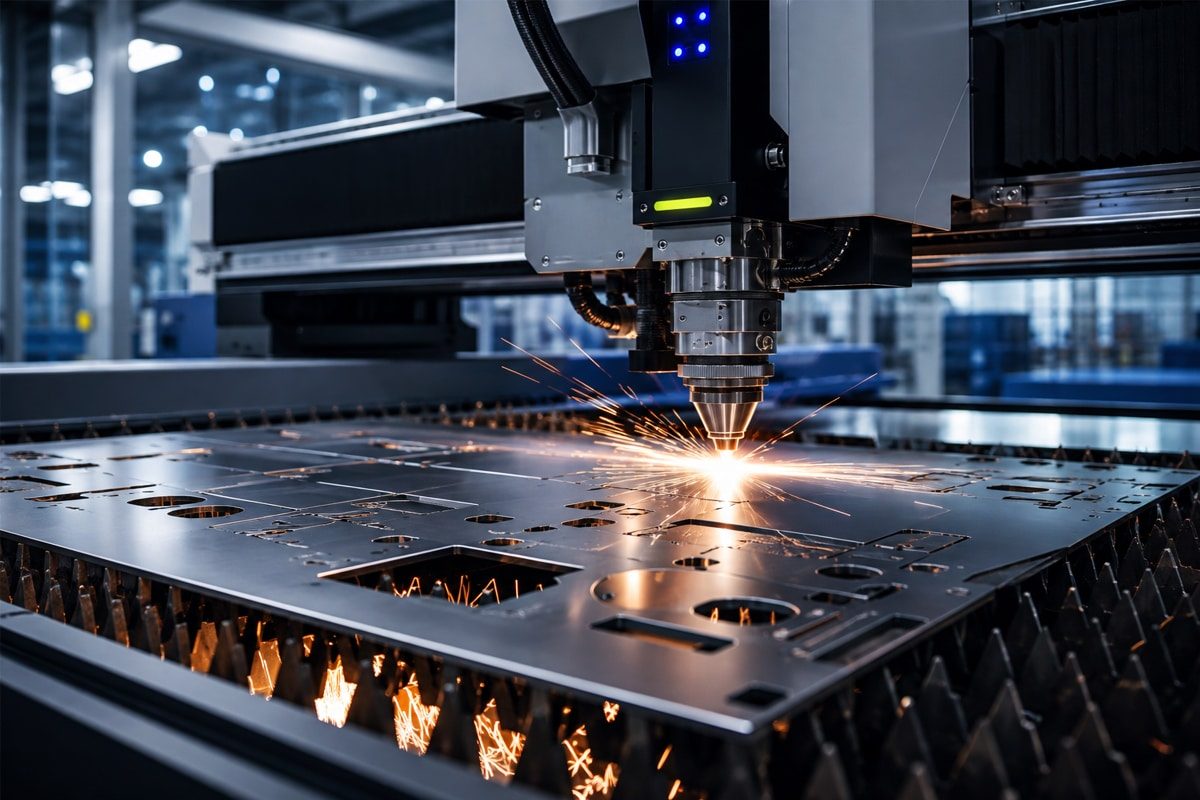
How To Maintain Laser Cutting Machines?
Laser cutting machines have become essential equipment in modern manufacturing industries due to their high precision, fast processing speed, and ability to handle a wide range of materials. From sheet metal fabrication and automotive components to aerospace parts and custom industrial products, these machines help manufacturers achieve complex cutting tasks with improved efficiency and consistency. However, maintaining stable performance over time requires more than simply operating the machine according to production requirements. Regular maintenance is a critical factor in ensuring cutting quality, extending equipment lifespan, and reducing unexpected downtime.
Laser cutting machines consist of multiple precision components, including the laser source, optical system, cutting head, motion system, cooling unit, gas supply system, electrical components, and control software. Each component plays an important role in the overall cutting process, and even minor issues such as lens contamination, insufficient lubrication, unstable cooling, or incorrect calibration can affect cutting accuracy and production efficiency. Without proper maintenance, problems may gradually develop into major failures that require costly repairs and extended machine downtime.
Effective maintenance involves a combination of daily inspections, scheduled servicing, component cleaning, performance monitoring, and timely replacement of consumable parts. Operators need to understand how different systems work together and follow appropriate maintenance procedures based on the machine type, laser power, working environment, and production intensity. Proper maintenance not only protects the investment made in the equipment but also helps maintain consistent cutting quality and operational reliability.
This article explains how to maintain laser cutting machines from multiple perspectives, including routine inspections, laser source care, optical component maintenance, cooling system management, cutting head maintenance, motion system lubrication, electrical system checks, and troubleshooting practices. By implementing a systematic maintenance strategy, manufacturers can maximize machine availability, reduce operating costs, and ensure that laser cutting equipment continues to deliver accurate and efficient performance throughout its service life.
Table of Contents
Why Laser Cutting Machine Maintenance Matters
Laser cutting machines are precision manufacturing systems that operate through the coordinated performance of multiple advanced components, including the laser source, cutting head, optical elements, motion system, cooling system, and control unit. Because these components work under high-speed, high-temperature, and continuous production conditions, even small maintenance issues can gradually affect cutting accuracy, machine reliability, and operating costs. A well-planned maintenance program helps prevent failures before they occur, ensuring that the machine continues to deliver stable performance and high-quality results. Regular maintenance is not only a method of protecting equipment but also an important strategy for improving productivity, reducing downtime, and maximizing the long-term return on investment.
The Importance of Regular Laser Cutting Machine Maintenance
Regular laser cutting machine maintenance is essential for maintaining cutting precision, production efficiency, and equipment lifespan. During daily operation, dust, metal particles, smoke residue, and other contaminants can accumulate on critical components such as protective lenses, focusing lenses, guide rails, and cooling systems. If these contaminants are not removed in time, they may reduce laser transmission efficiency, affect beam quality, or cause unstable cutting results. Routine cleaning and inspection help keep the optical path, cutting head, and mechanical systems in optimal working condition.
Preventive maintenance also allows operators to identify potential problems before they develop into serious failures. Checking lubrication levels, inspecting cables and connections, monitoring cooling performance, and verifying machine calibration can reveal early signs of wear or abnormal operation. Addressing these issues at an early stage is usually faster and less expensive than repairing damaged components after a breakdown occurs.
Another important benefit of regular maintenance is maintaining consistent cutting quality. Laser cutting performance depends on precise coordination between laser power, focus position, motion accuracy, cutting gas pressure, and material handling. When machine components become worn or improperly adjusted, manufacturers may experience problems such as uneven edges, excessive burrs, incomplete cuts, or reduced dimensional accuracy. A properly maintained machine can maintain stable processing parameters and produce reliable results throughout long production cycles.
In addition, regular maintenance helps extend the service life of expensive components. Laser sources, cutting heads, motors, drives, and cooling units represent significant investments, and their lifespan can be greatly affected by operating conditions and maintenance practices. Proper inspection, cleaning, and servicing reduce unnecessary stress on these components, helping manufacturers avoid premature replacement costs and improve overall equipment utilization.
Common Problems Caused by Poor Maintenance
Poor maintenance can lead to a wide range of performance issues that directly affect production efficiency and product quality. One of the most common problems is reduced cutting quality. Dirty protective lenses, damaged nozzles, incorrect focus settings, or unstable laser output can cause rough cutting edges, inconsistent penetration, excessive heat-affected zones, and poor surface finishes. These defects may increase material waste and require additional post-processing operations.
Insufficient maintenance can also accelerate wear on mechanical components. Without proper lubrication and inspection, guide rails, bearings, racks, and drive systems may experience increased friction and vibration. Over time, this can reduce positioning accuracy, create abnormal machine noise, and affect the overall precision of the cutting process. In severe cases, worn mechanical parts may require replacement and result in extended production interruptions.
Cooling system problems are another frequent consequence of inadequate maintenance. Laser cutting machines generate significant heat during operation, and the cooling system must maintain stable temperatures to protect sensitive components. A dirty filter, insufficient coolant, or poor heat dissipation can cause overheating, reduce laser source efficiency, and trigger machine alarms or unexpected shutdowns.
Electrical and software-related issues may also become more common when maintenance is neglected. Loose connections, damaged cables, outdated parameters, and poor environmental conditions can affect communication between the machine controller and hardware components. These failures may result in unstable operation, inaccurate movement, or complete system downtime.
Regular maintenance is a fundamental requirement for achieving reliable laser cutting performance. By following a structured maintenance plan and addressing problems early, manufacturers can improve machine stability, reduce repair expenses, maintain product quality, and achieve a longer service life from their laser cutting equipment. A proactive maintenance approach transforms machine care from a reactive repair task into a valuable part of efficient manufacturing management.
Understand the Main Components That Require Maintenance
Laser cutting machines are complex precision systems that rely on the coordinated operation of multiple components to achieve accurate and efficient cutting performance. Each subsystem has specific operating requirements and maintenance needs, and neglecting any critical component can affect cutting quality, machine stability, and equipment lifespan. Understanding which parts require regular attention allows operators to create a more effective maintenance plan and prevent unexpected failures during production.
The main components that require maintenance include the laser source, cutting head, optical system, mechanical transmission system, and cooling system. These parts directly influence laser output stability, beam transmission efficiency, cutting accuracy, and overall machine reliability. Although maintenance intervals may vary depending on machine type, laser power, working environment, and production intensity, regular inspection, cleaning, calibration, and component replacement are essential for keeping the equipment in optimal condition.
Laser Source Maintenance
The laser source is one of the most important and valuable components of laser cutting machines, as it generates the high-energy laser beam required for material processing. Whether using a fiber laser, CO2 laser, or another laser technology, maintaining stable laser output is essential for consistent cutting performance. Although modern laser sources are designed for long service life with minimal maintenance, they still require proper monitoring and protection.
Operators should regularly check laser source operating parameters, including output power stability, temperature levels, and alarm information. Abnormal temperature fluctuations or unstable laser performance may indicate issues with the cooling system, power supply, or internal components. Keeping the installation environment clean and maintaining proper ventilation can also help prevent dust accumulation and overheating.
For fiber laser cutting systems, special attention should be given to the laser module, fiber connections, and cooling conditions. Contamination or damage to fiber connectors can reduce transmission efficiency and affect beam quality. Following the manufacturer’s recommended inspection procedures helps prevent costly failures and ensures that the laser source continues to provide reliable performance throughout its expected lifespan.
Laser Cutting Head Maintenance
The laser cutting head is responsible for focusing the laser beam onto the material surface and controlling the cutting process. Because it operates close to high-temperature cutting zones, it is exposed to heat, smoke, metal particles, and potential collisions. Regular maintenance of the cutting head is essential for maintaining accurate focus positioning and stable cutting results.
The protective lens is one of the most frequently maintained parts of the cutting head. Contamination on the lens can reduce laser energy transmission, cause uneven cutting, and even damage optical components due to excessive heat absorption. Operators should inspect and clean the protective lens regularly and replace it when scratches, cracks, or severe contamination appear.
The nozzle also requires routine inspection because its condition directly affects cutting gas flow and cutting quality. A damaged, blocked, or incorrectly installed nozzle may cause unstable gas pressure, poor edge quality, and incomplete cuts. In addition, operators should check the cutting head’s height sensor, focusing mechanism, and sealing components to ensure accurate operation and prevent contamination from entering sensitive areas.
Optical System Maintenance
The optical system plays a critical role in delivering and focusing the laser beam with maximum efficiency. It typically includes protective lenses, focusing lenses, collimating components, mirrors in some laser cutting systems, and related optical interfaces. Because laser cutting depends on precise energy transmission, even minor contamination or misalignment can significantly affect performance.
Regular cleaning and inspection of optical components help maintain beam quality and cutting accuracy. Dust, oil, smoke residue, and processing debris can accumulate on optical surfaces and reduce laser transmission efficiency. Operators should use appropriate cleaning materials and procedures to avoid scratching or damaging delicate optical surfaces.
Optical alignment should also be checked periodically, especially when cutting quality changes unexpectedly or after mechanical impacts occur. Misaligned optical components can cause uneven energy distribution, reduced cutting power, and inconsistent processing results. Proper optical maintenance ensures that the laser beam remains accurately focused and efficiently transferred to the workpiece.
Mechanical Transmission System Maintenance
The mechanical transmission system controls the movement of the cutting head and worktable, directly affecting positioning accuracy and cutting precision. It includes components such as guide rails, linear bearings, racks, gears, ball screws, motors, and drive systems. Since these parts operate continuously at high speeds, regular inspection and lubrication are necessary to maintain smooth movement.
Dust, metal particles, and processing debris can accumulate on mechanical components and increase friction or wear. Operators should regularly clean guide rails and transmission parts while applying suitable lubricants according to the manufacturer’s recommendations. Excessive lubrication should be avoided because it can attract more contaminants and create additional maintenance problems.
Mechanical accuracy should also be checked periodically through positioning tests, vibration inspection, and calibration procedures. Loose components, abnormal noise, or increased backlash may indicate mechanical wear that requires adjustment or replacement. Maintaining the transmission system helps ensure stable movement, high cutting accuracy, and longer service life of moving components.
Cooling System Maintenance
The cooling system is essential for maintaining stable operating temperatures of the laser source, cutting head, and other heat-sensitive components. During laser cutting, a significant amount of heat is generated, and effective heat removal is necessary to prevent overheating and performance degradation.
Routine cooling system maintenance includes checking coolant levels, inspecting filters, cleaning heat exchangers, and monitoring temperature alarms. Contaminated coolant or blocked filters can reduce cooling efficiency and cause temperature instability. Operators should also ensure that the chiller or cooling unit operates within the recommended temperature range and that coolant quality meets manufacturer requirements.
Poor cooling performance can shorten the lifespan of major components, especially the laser source and optical elements. Regular maintenance of the cooling system helps maintain consistent laser output, prevents unexpected shutdowns, and improves overall machine reliability.
Maintaining the main components of laser cutting machines is essential for achieving stable operation, high cutting quality, and long-term equipment reliability. The laser source, cutting head, optical system, mechanical transmission system, and cooling system each perform critical functions and require targeted maintenance practices. By understanding the role and maintenance requirements of each component, operators can develop an effective preventive maintenance strategy that reduces downtime, lowers operating costs, and maximizes the performance and lifespan of the laser cutting machine.
Daily Maintenance Procedures for Laser Cutting Machines
Daily maintenance is one of the most effective ways to keep laser cutting machines operating reliably and prevent minor issues from developing into costly failures. Because laser cutting equipment often works continuously under high-speed and high-temperature conditions, regular daily inspections allow operators to identify contamination, wear, abnormal operating conditions, and potential component problems at an early stage. A simple but consistent maintenance routine can help maintain cutting accuracy, improve production efficiency, and extend the service life of critical components.
Daily maintenance procedures should focus on checking the machine’s external condition, maintaining a clean working environment, inspecting the cutting head, verifying the assist gas supply, and monitoring the cooling system. These tasks usually require only a short amount of time but play an important role in ensuring stable operation. Operators should perform these checks before starting production and after completing daily work to keep the laser cutting machine in optimal condition.
Check Machine Appearance and Working Environment
The first step of daily maintenance is inspecting the overall condition of the laser cutting machine and its surrounding environment. Operators should check whether there are any visible signs of damage, loose components, oil leakage, abnormal noise, or unusual vibration. The machine enclosure, electrical cabinet, control panel, cables, and external connections should be inspected regularly to ensure that all parts remain secure and functional.
The working environment also has a direct impact on machine performance. Excessive dust, humidity, smoke, oil mist, or temperature fluctuations can affect sensitive components such as optical parts, electrical systems, and laser sources. The area around the machine should be kept clean, dry, and well ventilated. Operators should also make sure that no unnecessary materials or obstacles are placed around the equipment, as they may interfere with operation, maintenance access, or safety procedures.
Maintaining proper environmental conditions helps reduce contamination, prevents overheating, and supports stable machine operation. A clean and controlled workspace is especially important for high-precision laser cutting applications where even small changes can influence cutting quality.
Clean the Cutting Area After Operation
After each production cycle, the cutting area should be cleaned to remove metal scraps, slag, dust, and processing residues. During laser cutting, molten material and debris can accumulate around the cutting table, slats, nozzle area, and waste collection system. If these residues are not removed regularly, they may interfere with material positioning, affect cutting accuracy, and increase the risk of machine damage.
Operators should remove accumulated waste from the cutting bed and check whether the support slats are excessively damaged or covered with residue. The area around the cutting head should also be inspected to prevent debris from affecting nozzle movement or height sensing performance. For machines equipped with automatic slag removal or dust extraction systems, operators should verify that these systems are functioning properly.
Regular cleaning not only improves cutting stability but also creates safer working conditions. Excessive accumulation of metal debris and dust may increase the risk of fire, reduce ventilation efficiency, and make future maintenance more difficult.
Inspect the Cutting Head Before Use
The cutting head is a precision component that directly affects laser focusing and cutting performance, so it should be checked before daily operation. Operators should inspect the protective lens, nozzle, ceramic ring, and height sensor for contamination, damage, or incorrect installation.
The protective lens should be clean and free from burn marks, cracks, or excessive dust. A contaminated lens can absorb laser energy, causing overheating and potentially damaging the optical system. The nozzle should also be checked to ensure that the opening is not blocked, deformed, or misaligned, as nozzle condition directly affects assist gas flow and cutting quality.
Before starting production, operators should confirm that the cutting head moves smoothly and that the automatic height control system functions correctly. Early detection of problems with the cutting head can prevent poor cutting results, material waste, and unexpected downtime during operation.
Check Assist Gas System
The assist gas system plays an important role in laser cutting by removing molten material from the cutting area, improving cutting speed, and influencing edge quality. Common assist gases include oxygen, nitrogen, and compressed air, and each application requires stable gas pressure and flow.
Daily inspection should include checking gas pressure, pipeline connections, regulators, valves, and filters. Operators should confirm that there are no leaks or abnormal pressure fluctuations before beginning production. Insufficient gas pressure can result in incomplete cutting, excessive slag formation, and poor edge quality, while unstable gas supply may cause inconsistent processing results.
The cleanliness of the gas system should also be maintained, especially when using compressed air. Moisture, oil, or contaminants in the gas supply can affect cutting performance and may damage sensitive components. Ensuring a clean and stable assist gas supply helps maintain consistent cutting quality.
Monitor Cooling System Status
The cooling system is responsible for controlling the temperature of critical components such as the laser source and cutting head. Daily monitoring of cooling conditions is essential because overheating can reduce laser performance, trigger alarms, and shorten component lifespan.
Before operation, operators should check the chiller status, coolant level, temperature readings, and alarm indicators. Any abnormal temperature changes, warning messages, or unusual sounds from the cooling unit should be investigated immediately. The coolant circulation system should remain unobstructed, and filters should be checked regularly to prevent reduced cooling efficiency.
During operation, operators should continue monitoring cooling performance, especially during long production runs or high-power cutting applications. Stable temperature control ensures consistent laser output and protects expensive machine components from thermal stress.
Daily maintenance procedures provide the foundation for reliable laser cutting machine operation. By inspecting the machine condition, maintaining a clean cutting area, checking the cutting head, verifying assist gas performance, and monitoring the cooling system, operators can prevent many common problems before they occur. A consistent daily maintenance routine improves cutting quality, reduces unexpected downtime, and helps maximize the service life and productivity of laser cutting equipment.
Weekly Maintenance Tasks
Weekly maintenance is an important part of a preventive maintenance strategy for laser cutting machines. While daily maintenance focuses on basic inspections and cleaning, weekly tasks require more detailed attention to the mechanical, electrical, and environmental systems that influence machine performance. During regular production, dust, metal particles, smoke residue, vibration, and continuous movement can gradually affect component accuracy and reliability. Performing weekly maintenance helps reduce wear, prevent unexpected failures, and ensure that the machine continues to operate with consistent cutting quality.
A complete weekly maintenance routine should include cleaning and lubricating guide rails, inspecting transmission components, checking electrical connections, and cleaning machine filters. These tasks are relatively simple but have a significant impact on motion accuracy, equipment stability, and service life. By regularly maintaining these key areas, operators can identify early signs of wear, reduce downtime, and avoid more expensive repairs caused by neglected maintenance.
Clean and Lubricate Guide Rails
Guide rails are critical components of the laser cutting machine’s motion system because they allow the cutting head and gantry to move smoothly and accurately along the working axes. Since these components are exposed to the production environment, they can easily collect dust, metal particles, cutting smoke, and other contaminants. Without regular cleaning and lubrication, friction between moving parts may increase, leading to vibration, inaccurate positioning, and accelerated component wear.
Remove Dust and Metal Particles
The first step in guide rail maintenance is removing accumulated dust and metal particles from the rail surfaces and surrounding areas. These contaminants are commonly generated during cutting operations and may adhere to the moving parts due to static electricity, oil residue, or heat. If they enter the sliding mechanisms, they can damage precision surfaces and reduce movement smoothness.
Operators should carefully clean the guide rails, sliders, racks, and nearby mechanical areas using appropriate cleaning tools. During inspection, they should also check for scratches, corrosion, abnormal wear, or any signs that indicate mechanical problems. Keeping the guide rails clean helps maintain smooth movement and prevents contamination from affecting the accuracy of the cutting process.
Apply Appropriate Lubricant
After cleaning, the guide rails should be lubricated with the recommended lubricant specified by the machine manufacturer. Proper lubrication reduces friction between moving components, minimizes wear, and helps maintain stable movement during high-speed operation.
The type and amount of lubricant are important factors. Using an unsuitable lubricant may attract more dust or fail to provide adequate protection, while excessive lubrication can cause contamination buildup. Operators should apply lubricant evenly and follow the recommended maintenance interval to ensure optimal performance of the motion system.
Check Transmission Components
The transmission system is responsible for converting the power of motors into precise movement of the cutting head and machine axes. It usually includes components such as racks, gears, guide mechanisms, ball screws, couplings, and drive units. Because these parts operate continuously during cutting, weekly inspections are necessary to detect wear, looseness, and abnormal conditions before they affect production.
Operators should check whether gears and racks are properly engaged and inspect transmission components for unusual noise, vibration, or excessive movement. Loose fasteners, worn gears, or insufficient lubrication can reduce positioning accuracy and create inconsistencies in cutting dimensions.
The condition of motors, couplings, and drive mechanisms should also be monitored. Any delay in movement, uneven acceleration, or abnormal mechanical sound may indicate a developing problem. Regular inspection allows operators to make timely adjustments and prevent minor mechanical issues from becoming major failures.
Inspect Electrical Connections
Laser cutting machines rely on complex electrical systems to control laser output, motor movement, sensors, safety functions, and communication between different components. Continuous operation, vibration, and temperature changes can gradually loosen electrical connections or damage cables, potentially causing unstable operation or unexpected shutdowns.
During weekly maintenance, operators should inspect electrical cabinets, wiring terminals, connectors, cables, and grounding connections. They should look for signs of looseness, overheating, corrosion, insulation damage, or abnormal discoloration. Any damaged cables or unstable connections should be addressed immediately to prevent electrical failures.
The electrical cabinet should also be kept clean and free from excessive dust accumulation. Dust inside electrical components can affect heat dissipation and reduce the reliability of sensitive electronic parts. Regular inspection and cleaning help maintain stable electrical performance and protect the machine’s control system.
Clean Machine Filters
Filters play an important role in maintaining the operating environment of laser cutting machines. They are commonly used in cooling systems, ventilation systems, dust extraction equipment, and electrical cabinets to prevent contaminants from entering sensitive areas. Over time, filters can become clogged with dust, smoke particles, and debris, reducing airflow and system efficiency.
Weekly filter maintenance should include checking filter conditions, removing accumulated contaminants, and replacing damaged or heavily clogged filters when necessary. Clean filters improve airflow, support effective heat dissipation, and help maintain stable operating temperatures for critical components.
For laser cutting machines equipped with fume extraction systems, filter cleanliness is especially important. Blocked filters can reduce smoke removal efficiency, increase contamination inside the machine, and negatively affect the working environment. Regular filter maintenance helps protect both the equipment and operators while maintaining reliable production conditions.
Weekly maintenance tasks are essential for maintaining the accuracy, reliability, and efficiency of laser cutting machines. Cleaning and lubricating guide rails reduces mechanical wear, inspecting transmission components preserves motion accuracy, checking electrical connections prevents system failures, and cleaning filters supports proper cooling and ventilation. By completing these weekly maintenance procedures consistently, manufacturers can improve machine stability, reduce unexpected downtime, and extend the overall service life of their laser cutting equipment.
Monthly Maintenance Procedures
Monthly maintenance procedures provide a more comprehensive inspection of laser cutting machines and focus on components that require deeper cleaning, adjustment, and performance verification. While daily and weekly maintenance mainly address routine operating conditions and prevent surface-level problems, monthly maintenance helps identify gradual wear, contamination, and performance changes that may not be obvious during normal operation. These inspections are especially important for machines used in high-volume production, where continuous operation places greater stress on precision components.
A complete monthly maintenance program should include detailed inspection of the laser cutting head, cooling system servicing, and machine accuracy verification. The cutting head directly affects laser focusing and cutting quality, the cooling system protects heat-sensitive components from thermal damage, and machine accuracy determines whether the equipment can maintain consistent processing results. Regular monthly maintenance helps prevent quality issues, reduces unexpected downtime, and ensures that the laser cutting machine continues to operate at its designed performance level.
Maintain the Laser Cutting Head
The laser cutting head is one of the most critical components of laser cutting machines because it controls the delivery and focusing of laser energy onto the workpiece. During operation, the cutting head is exposed to high temperatures, metal splashes, smoke, and dust, which can gradually affect its performance. Monthly maintenance should include a detailed inspection of the protective lens, nozzle, ceramic ring, and sensor components to ensure stable cutting performance.
Clean Protective Lens
The protective lens is designed to prevent dust, smoke, and molten material from entering and damaging the internal optical components of the cutting head. However, during long-term operation, contaminants can accumulate on the lens surface and reduce laser energy transmission. A dirty protective lens may cause reduced cutting power, unstable cutting quality, excessive heat buildup, or even damage to more expensive optical components.
During monthly maintenance, operators should carefully inspect the protective lens for contamination, scratches, cracks, or burn marks. If cleaning is required, appropriate lens cleaning materials and procedures should be used to avoid scratching the optical surface. If the lens shows signs of permanent damage, it should be replaced promptly to maintain reliable laser performance.
Inspect and Replace Nozzles
The nozzle plays an important role in directing assist gas flow and maintaining proper cutting conditions. Because it operates close to the cutting area, it can become damaged by heat, collisions, or metal particles. A worn, deformed, or blocked nozzle can affect gas distribution, reduce cutting stability, and lead to poor edge quality.
Monthly inspection should include checking nozzle appearance, opening condition, alignment, and cleanliness. Operators should replace nozzles that show significant wear, deformation, or damage. Selecting the correct nozzle type and size for the cutting application is also important because nozzle design directly influences gas flow, cutting speed, and overall processing performance.
Check Ceramic Ring and Sensors
The ceramic ring and sensors are important components that help maintain accurate positioning and safe operation of the cutting head. The ceramic ring provides electrical insulation and supports stable communication between the cutting head and height control system, while sensors help maintain the correct distance between the nozzle and material surface.
During monthly maintenance, operators should inspect the ceramic ring for cracks, contamination, or damage and verify that sensors are functioning correctly. Problems with these components may cause inaccurate height control, unstable cutting conditions, or collision risks between the cutting head and workpiece. Timely inspection helps maintain cutting precision and prevents unnecessary damage to the cutting head.
Maintain Cooling System
The cooling system is essential for controlling the operating temperature of the laser source, cutting head, and other heat-sensitive components. Stable temperature control ensures consistent laser output and protects internal components from overheating. Monthly cooling system maintenance focuses on checking coolant quality and cleaning important chiller components to maintain efficient heat transfer.
Check Cooling Water Quality
For laser cutting machines equipped with water-cooled systems, coolant quality directly affects cooling efficiency and component lifespan. Over time, cooling water may accumulate impurities, microorganisms, or deposits that reduce heat transfer performance and potentially damage internal passages.
During monthly maintenance, operators should check coolant levels, cleanliness, and temperature stability. If the coolant appears contaminated or does not meet manufacturer requirements, it should be replaced or treated according to recommended procedures. Maintaining proper coolant quality helps prevent overheating, reduces the risk of alarms, and ensures stable operation of the laser source.
Clean Chiller Components
The chiller is responsible for removing heat generated during laser operation and maintaining the required temperature range. Dust accumulation on filters, condensers, ventilation areas, or heat exchangers can reduce cooling efficiency and increase system load.
Monthly maintenance should include cleaning external chiller components, checking ventilation areas, and inspecting filters for blockage. Operators should also verify that pumps, fans, and temperature control functions operate normally. A clean and properly maintained chiller improves cooling performance and helps extend the lifespan of the laser source and related components.
Inspect Machine Accuracy
Maintaining machine accuracy is essential for ensuring consistent cutting quality and minimizing material waste. Over time, mechanical wear, vibration, thermal changes, and component looseness can affect the positioning accuracy of laser cutting machines. Monthly accuracy inspections help detect performance changes before they impact production.
Operators should check positioning accuracy, repeatability, and movement stability of the machine axes. Inspection may include verifying calibration parameters, checking mechanical clearances, and observing whether the cutting head moves smoothly during operation. If deviations are detected, adjustments or calibration procedures should be performed according to the manufacturer’s guidelines.
Accuracy inspection is particularly important for high-precision applications where small positioning errors can affect product quality. Regular verification ensures that the machine maintains the required cutting tolerance and continues to deliver reliable results.
Monthly maintenance procedures provide a deeper level of protection for laser cutting machines by focusing on critical components that influence cutting performance and equipment reliability. Maintaining the laser cutting head ensures stable beam delivery and accurate cutting, servicing the cooling system protects the laser source from overheating, and inspecting machine accuracy preserves processing precision. By performing these monthly tasks consistently, manufacturers can reduce component wear, prevent unexpected failures, and maximize the long-term efficiency and lifespan of their laser cutting equipment.
Laser Source Maintenance Best Practices
The laser source is the core component of laser cutting machines and directly determines the stability, efficiency, and quality of the cutting process. Whether the machine uses a fiber laser, CO2 laser, or another type of laser technology, the laser source must operate under stable conditions to deliver consistent output power and maintain a long service life. Although modern laser sources are designed with high reliability and long operating lifespans, improper operating conditions, insufficient cooling, or incorrect maintenance practices can gradually reduce performance and increase the risk of failure.
Effective laser source maintenance focuses on maintaining a suitable operating environment, preventing excessive heat buildup, and following the maintenance requirements provided by the manufacturer. Unlike mechanical components that require frequent adjustment or lubrication, laser sources usually require fewer direct maintenance operations. However, careful monitoring and preventive care are essential because laser sources are expensive precision components, and failures can result in significant downtime and repair costs.
By implementing proper laser source maintenance practices, manufacturers can maintain stable laser output, reduce performance degradation, and maximize the return on investment of their laser cutting equipment. A well-maintained laser source also helps ensure consistent cutting quality, improved production efficiency, and reliable operation throughout the machine’s service life.
Keep the Laser Source Operating Environment Stable
The operating environment has a significant influence on laser source performance and lifespan. Laser sources are sensitive to temperature, humidity, dust, vibration, and electrical conditions, so maintaining a clean and stable installation environment is essential. Excessive dust and airborne particles can accumulate around ventilation areas, electrical connections, or cooling components, reducing heat dissipation efficiency and potentially affecting internal performance.
The laser source should be installed in an environment that meets the manufacturer’s recommended temperature and humidity ranges. Extreme temperatures, excessive moisture, or rapid environmental changes can affect internal electronic components and cooling efficiency. The surrounding area should have adequate ventilation and sufficient space for heat dissipation to prevent the accumulation of hot air around the equipment.
Operators should also minimize exposure to vibration, impact, and contaminants. The installation area should be kept clean, and unnecessary materials should not be placed near the laser source. For high-power laser cutting systems, environmental stability is especially important because even small changes in operating conditions can influence laser output stability and long-term reliability.
Prevent Laser Source Overheating
Heat management is one of the most important aspects of laser source maintenance. During operation, laser sources generate significant heat, and excessive temperature can reduce output stability, accelerate component aging, and trigger protective shutdowns. Maintaining proper cooling performance is therefore essential for protecting the laser source and ensuring consistent cutting results.
Operators should regularly monitor the cooling system connected to the laser source, including coolant temperature, flow rate, pressure, and alarm signals. Any abnormal temperature increase should be investigated immediately because overheating may indicate problems such as insufficient coolant, blocked filters, chiller malfunction, or poor heat dissipation.
The area around the laser source should also remain free from dust buildup and obstructions that could restrict airflow. Cooling vents and heat exchange areas should be inspected and cleaned according to the recommended maintenance schedule. For water-cooled laser cutting systems, coolant quality should be maintained to prevent contamination, deposits, and reduced heat transfer efficiency.
Preventing overheating not only protects the laser source itself but also helps maintain stable beam output and cutting performance. A properly controlled operating temperature allows the laser source to work efficiently while reducing unnecessary thermal stress on internal components.
Follow Manufacturer Maintenance Recommendations
Every laser source has specific maintenance requirements based on its design, power level, cooling method, and operating conditions. Following the manufacturer’s maintenance recommendations is essential because improper servicing methods or unauthorized adjustments may affect performance and warranty coverage.
Operators should follow the recommended inspection intervals, cleaning procedures, operating parameters, and replacement guidelines provided by the laser source manufacturer. Maintenance records should also be maintained to track operating hours, inspections, alarms, and any abnormal conditions. These records help identify performance trends and support timely preventive actions.
It is also important to avoid unnecessary adjustments to internal laser source settings without professional guidance. Modern laser cutting systems contain precisely calibrated components, and incorrect modifications may lead to unstable output or damage. When abnormal conditions occur, operators should refer to the manufacturer’s instructions or seek technical support rather than attempt complex repairs without proper knowledge.
Proper laser source maintenance is essential for maintaining stable laser performance and extending equipment lifespan. Keeping the operating environment clean and stable reduces external risks, preventing overheating protects critical internal components, and following manufacturer recommendations ensures that maintenance activities are performed correctly. Through consistent monitoring and preventive care, manufacturers can maximize laser source reliability, reduce unexpected downtime, and maintain high-quality cutting performance over the long term.
Cutting Head Maintenance Guide
The cutting head is one of the most critical precision components of laser cutting machines because it controls laser focusing, assists gas delivery, and the interaction between the laser beam and the workpiece. Its condition directly affects cutting speed, edge quality, dimensional accuracy, and overall production efficiency. During operation, the cutting head is continuously exposed to heat, smoke, metal particles, and high-pressure gas flow, making it vulnerable to contamination and wear.
Regular maintenance of the cutting head is essential for preventing performance degradation and ensuring stable cutting results. Even minor issues, such as a contaminated protective lens, worn nozzle, or incorrect focus position, can lead to poor cutting quality, increased material waste, or damage to expensive optical components. A proper maintenance routine should include cleaning cutting head components, replacing consumable parts at the correct time, and maintaining accurate focus calibration.
By following systematic cutting head maintenance practices, operators can improve cutting consistency, reduce unexpected downtime, and extend the service life of the laser cutting system. Proper care of the cutting head also helps protect the laser source and optical system by ensuring that laser energy is delivered efficiently and accurately to the material surface.
Clean Cutting Head Components Regularly
Regular cleaning is one of the most important steps in maintaining laser cutting heads. During cutting operations, smoke, dust, molten metal particles, and other contaminants can accumulate on the protective lens, nozzle, ceramic ring, and surrounding components. If these contaminants are not removed, they may interfere with laser transmission, gas flow, and sensor performance.
The protective lens requires particular attention because it acts as a barrier between the cutting environment and the internal optical components. Contamination on the lens can absorb laser energy and generate excessive heat, which may cause lens damage or unstable cutting performance. Operators should inspect the protective lens regularly and clean it using appropriate optical cleaning materials to prevent scratches or surface damage.
The nozzle should also be cleaned and inspected frequently because debris buildup can affect the direction and stability of assist gas flow. A blocked or contaminated nozzle may result in uneven cutting, excessive slag formation, or poor edge quality. In addition, operators should check the ceramic ring, sensor area, and external surfaces of the cutting head to ensure that all components remain clean and properly positioned.
A clean cutting head allows the laser beam, assist gas, and sensing system to work together effectively, improving cutting accuracy and reducing the risk of component failure.
Replace Consumable Parts Properly
Certain cutting head components are considered consumable parts because they experience gradual wear during normal operation. These parts typically include protective lenses, nozzles, ceramic rings, and other replaceable elements. Regular inspection and timely replacement of these components are necessary to maintain stable cutting performance.
The replacement interval for consumable parts depends on factors such as laser power, cutting materials, operating hours, cutting parameters, and working environment. For example, high-power laser cutting applications or materials that generate more debris may require more frequent replacement of protective lenses and nozzles.
Operators should not continue using damaged or heavily worn consumable parts because they can negatively affect cutting quality and potentially damage more expensive components. A scratched protective lens may reduce laser efficiency, while a deformed nozzle can disturb gas flow and affect cutting stability. Using genuine or manufacturer-approved replacement parts also helps ensure compatibility and reliable performance.
Proper replacement practices include turning off the machine safely, following installation procedures, checking component alignment, and verifying cutting performance after replacement. Maintaining a record of consumable usage can also help operators establish suitable replacement schedules and avoid unexpected production interruptions.
Maintain Proper Focus Calibration
Accurate focus calibration is essential for achieving high-quality laser cutting results. The focal position determines how the laser energy is concentrated on the material surface, directly affecting cutting speed, penetration capability, edge quality, and heat distribution. Incorrect focus positioning can result in incomplete cuts, excessive heat-affected zones, rough edges, or reduced processing efficiency.
The cutting head’s focus position may change over time due to mechanical wear, component replacement, thermal effects, or accidental impacts. Therefore, operators should regularly verify focus accuracy and recalibrate the cutting head when necessary. This is especially important after replacing nozzles, protective lenses, or other cutting head components that may influence the working distance.
Modern laser cutting machines often use automatic height control and focus adjustment systems, but these systems still require periodic inspection to ensure correct operation. Operators should check sensor performance, confirm the nozzle-to-material distance, and verify that the focus settings match the material type and thickness being processed.
Maintaining proper focus calibration ensures that the laser energy is delivered at the optimal position, improving cutting quality and reducing unnecessary energy consumption. Regular focus checks are particularly valuable for manufacturers processing different materials or frequently changing production requirements.
Effective cutting head maintenance is essential for maintaining the accuracy and reliability of laser cutting machines. Regular cleaning prevents contamination-related problems, proper replacement of consumable parts ensures stable performance, and accurate focus calibration maintains optimal laser processing conditions. By following a structured cutting head maintenance routine, manufacturers can improve cutting quality, reduce operating costs, and extend the service life of this critical component.
Cooling System Maintenance
The cooling system is a vital part of laser cutting machines because it regulates the operating temperature of the laser source, cutting head, and other heat-sensitive components. During laser cutting, a large amount of heat is generated, especially in high-power fiber laser cutting systems. Without effective heat management, excessive temperature can reduce laser output stability, accelerate component aging, trigger machine alarms, and shorten the service life of critical parts.
A properly maintained cooling system ensures that the laser source operates within the recommended temperature range and maintains consistent cutting performance. Cooling system maintenance mainly focuses on maintaining water chillers, monitoring temperature conditions, replacing coolant when necessary, cleaning heat dissipation components, and checking cooling pipelines for leaks or blockages. Regular inspection and preventive maintenance help avoid overheating-related failures and ensure reliable operation during continuous production.
By establishing a systematic cooling maintenance routine, manufacturers can improve machine stability, reduce unexpected downtime, and protect expensive components from thermal damage. A clean and efficient cooling system is essential for maintaining laser power consistency, cutting accuracy, and long-term equipment reliability.
Maintain Water Chillers
The water chiller is the primary cooling device responsible for removing heat from the laser source and maintaining stable operating temperatures. Since the performance of the laser source is closely related to temperature control, regular inspection and maintenance of the chiller are necessary to ensure efficient heat transfer and prevent overheating problems.
Monitor Temperature Settings
Maintaining the correct temperature settings is one of the most important aspects of chiller maintenance. The laser source and cutting head usually require operation within a specific temperature range, and incorrect temperature settings may affect laser stability or cause protective shutdowns.
Operators should regularly check the chiller display for coolant temperature, alarm signals, and operating status. Any unusual temperature fluctuation, frequent alarm, or abnormal increase in operating temperature should be investigated immediately. Possible causes may include insufficient coolant flow, dirty filters, poor ventilation, or chiller malfunction.
The temperature settings should always follow the recommendations provided by the laser source and chiller manufacturers. Avoid making unnecessary adjustments, as incorrect settings may reduce cooling efficiency or create condensation risks inside sensitive components.
Replace Cooling Water Regularly
Cooling water quality directly affects the efficiency and reliability of the cooling system. Over time, coolant may accumulate impurities, dust, microorganisms, or mineral deposits that reduce heat transfer performance and potentially block internal passages.
Operators should replace cooling water according to the manufacturer’s recommended maintenance schedule. Before adding new coolant, the system should be checked and cleaned if necessary to prevent contamination from remaining inside the circulation system. The recommended coolant type should always be used, as unsuitable liquids may cause corrosion, reduced cooling efficiency, or damage to internal components.
Regular coolant replacement helps maintain stable heat exchange performance, prevents scaling and contamination, and ensures that the laser source receives consistent cooling during operation.
Clean Condensers and Filters
Condensers and filters are important components that allow the chiller to maintain efficient heat dissipation. During operation, dust and airborne particles can accumulate on condenser surfaces and filters, reducing airflow and decreasing cooling capacity.
Operators should regularly inspect and clean condenser surfaces, ventilation areas, and filters to remove accumulated dust and debris. A blocked condenser can force the chiller to work harder, increase energy consumption, and reduce its ability to control temperature effectively.
Filter maintenance is also important because clogged filters can restrict coolant circulation and reduce system efficiency. Cleaning or replacing filters at appropriate intervals helps maintain stable coolant flow and protects the cooling system from unnecessary stress.
Check Cooling Pipeline
The cooling pipeline is responsible for transporting coolant between the chiller and heat-generating components such as the laser source and cutting head. Any problems in the pipeline system can directly affect cooling performance and may lead to overheating or equipment failure.
Regular inspection should include checking pipes, connectors, valves, and joints for leaks, cracks, deformation, or loose connections. Even small coolant leaks can gradually reduce cooling efficiency and create safety risks around electrical components.
Operators should also verify that coolant circulation is smooth and that there are no signs of blockage or abnormal flow resistance. Contaminated coolant, damaged hoses, or improper installation may restrict circulation and prevent effective heat removal. If abnormal temperature increases occur despite normal chiller operation, the cooling pipeline should be inspected as a possible cause.
Maintaining clean and reliable cooling pipelines ensures that coolant can efficiently transfer heat away from critical components, supporting stable laser output and preventing thermal-related damage.
Cooling system maintenance is essential for protecting the performance and lifespan of laser cutting machines. Proper water chiller maintenance, including monitoring temperature settings, replacing cooling water regularly, and cleaning condensers and filters, helps maintain efficient heat control. Regular inspection of cooling pipelines prevents leaks, blockages, and circulation problems that may affect machine reliability. By following a consistent cooling maintenance plan, manufacturers can reduce overheating risks, maintain stable cutting performance, and maximize the service life of their laser cutting equipment.
Electrical System Maintenance
The electrical system is the control center of laser cutting machines, responsible for managing power distribution, motion control, laser operation, sensor communication, and interaction between different machine components. Because laser cutting equipment relies heavily on precise electronic control, the stability and reliability of the electrical system directly affect machine performance, cutting accuracy, and production safety. Electrical failures can result in unexpected shutdowns, inaccurate movement, unstable laser output, or damage to sensitive components.
Regular electrical system maintenance helps prevent failures caused by dust accumulation, loose connections, unstable voltage, overheating, and outdated software. Unlike mechanical components that show visible wear, electrical problems may develop gradually and remain unnoticed until they cause operational interruptions. A preventive maintenance approach allows operators to identify potential issues early and maintain stable communication between the machine hardware and control system.
Electrical maintenance mainly includes inspecting the control cabinet, ensuring stable power supply conditions, and keeping control software updated. These procedures help protect electrical components, improve system reliability, and ensure that the laser cutting machine continues to operate efficiently under demanding production conditions.
Inspect Control Cabinet
The control cabinet contains many essential electrical components, including power supplies, circuit breakers, relays, contactors, drive units, control boards, and wiring terminals. Because these components control the operation of the entire machine, regular inspection of the control cabinet is necessary to maintain safe and reliable performance.
Operators should regularly check the interior and exterior condition of the control cabinet. Dust, metal particles, oil mist, and moisture can accumulate inside the cabinet and affect electrical connections, heat dissipation, and component reliability. The cabinet should be kept clean, and ventilation openings or cooling fans should remain unobstructed to prevent overheating.
Electrical connections should also be inspected for looseness, corrosion, or signs of overheating. Vibration during machine operation may gradually loosen terminals and connectors, which can lead to unstable signals or intermittent failures. Burn marks, unusual odors, or damaged insulation may indicate electrical problems that require immediate attention.
In addition, operators should verify that cooling fans, filters, and temperature control devices inside the cabinet are functioning properly. Maintaining a clean and well-cooled control cabinet helps protect sensitive electronic components and extends their service life.
Maintain Power Supply Stability
A stable power supply is essential for the reliable operation of laser cutting machines. Fluctuations in voltage, electrical noise, or sudden power interruptions can affect laser output, motor performance, control systems, and other sensitive electronic components. In severe cases, unstable power conditions may damage electrical equipment or cause unexpected machine downtime.
Operators should ensure that the machine is connected to a suitable power supply that meets the manufacturer’s requirements for voltage, frequency, and capacity. Power connections should be checked regularly to confirm that cables, terminals, and grounding systems are secure and properly maintained.
Using appropriate power protection devices, such as voltage regulators, surge protectors, or uninterruptible power supplies when necessary, can help protect the machine from electrical disturbances. Proper grounding is also important because it reduces the risk of electrical interference and improves system stability.
Environmental conditions around the power supply area should also be monitored. Excessive humidity, dust, or high temperatures can negatively affect electrical performance. Maintaining stable power conditions helps ensure consistent laser output, accurate motion control, and reliable machine operation.
Update Control Software
The control software is responsible for coordinating machine movements, laser parameters, cutting processes, and communication between different systems. Keeping the software updated helps ensure compatibility, improve performance, fix known issues, and introduce functional improvements.
Operators should regularly check for software updates provided by the machine manufacturer or control system supplier. Updates may include improvements to motion control algorithms, user interface functions, system stability, and compatibility with new hardware components. Installing appropriate updates can help prevent software-related errors and improve operational efficiency.
Before updating control software, manufacturers should follow proper procedures, including backing up important parameters, machine settings, and cutting configurations. Incorrect software updates or unauthorized modifications may affect machine operation or cause compatibility issues.
Operators should also maintain accurate records of software versions and configuration changes. These records make troubleshooting easier and help technical teams quickly identify whether software changes are related to performance issues.
Electrical system maintenance is essential for maintaining the stability, safety, and performance of laser cutting machines. Regular inspection of the control cabinet prevents problems caused by dust, overheating, and loose connections. Maintaining power supply stability protects sensitive electrical components and ensures consistent operation, while timely software updates improve system reliability and functionality. By implementing proper electrical maintenance practices, manufacturers can reduce unexpected failures, extend equipment lifespan, and maintain efficient laser cutting performance.
Software and Control System Maintenance
The software and control system are essential parts of laser cutting machines because they control machine movement, laser output, cutting processes, and communication between different hardware components. Although laser cutting machines are often considered mechanical processing equipment, their performance depends heavily on accurate software control and properly configured operating parameters. Any problems with system settings, outdated software, or incorrect cutting parameters can affect cutting accuracy, production efficiency, and overall machine reliability.
Regular software and control system maintenance helps protect important machine settings, improve operational stability, and ensure that the equipment performs according to production requirements. Effective maintenance includes backing up machine parameters, keeping the CNC control system updated, and optimizing cutting parameters according to material type, thickness, and processing requirements. These procedures help prevent data loss, improve cutting consistency, and allow operators to achieve better performance from the laser cutting system.
A well-maintained control system also supports faster troubleshooting and reduces production interruptions. By managing software settings and process parameters systematically, manufacturers can maintain stable machine operation, improve product quality, and maximize the value of their laser cutting equipment.
Backup Machine Parameters
Machine parameters contain important configuration information that determines how the laser cutting machine operates. These settings may include axis calibration values, motor parameters, laser power settings, cutting speed configurations, focus positions, sensor settings, and user-defined processing data. Losing these parameters due to system failure, incorrect modification, or hardware replacement can result in long recovery times and inaccurate machine operation.
Regularly backing up machine parameters is an important preventive maintenance practice. Operators should save copies of important configuration files and store them in a secure location, such as an external storage device or a protected company server. Backup files should be updated whenever major adjustments, software changes, or machine calibrations are performed.
Before making significant parameter modifications, operators should also create a backup of the existing settings. This allows the system to be restored quickly if the new configuration causes unexpected problems. Maintaining organized backup records with clear dates and descriptions makes future maintenance and troubleshooting more efficient.
A reliable parameter backup system reduces the risk of data loss and ensures that the laser cutting machine can quickly return to normal operation after software errors, hardware replacement, or system recovery.
Update CNC Control System
The CNC control system is responsible for interpreting cutting programs and controlling the movement of machine axes, laser output, and auxiliary functions. As technology develops, manufacturers periodically release software updates to improve system stability, enhance functions, fix known issues, and improve compatibility with new hardware.
Operators should regularly check whether updates are available from the machine manufacturer or CNC system provider. Installing appropriate updates can improve motion control accuracy, processing efficiency, user interface performance, and system reliability. Updated control software may also provide better diagnostic functions, making it easier to identify and resolve operational problems.
However, software updates should be performed carefully. Before updating the CNC system, operators should back up existing parameters, programs, and machine configurations. The update process should follow official instructions to avoid compatibility issues or accidental loss of important settings.
Unauthorized software modifications or incompatible updates may cause communication errors between the CNC system and machine components. Therefore, manufacturers should rely on verified software versions and technical guidance to maintain system stability.
Optimize Cutting Parameters
Cutting parameters directly influence laser cutting quality, processing speed, energy efficiency, and material utilization. These parameters include laser power, cutting speed, frequency, focus position, assist gas pressure, nozzle selection, and other process settings. Proper parameter optimization allows the machine to achieve high-quality cuts while minimizing defects and unnecessary energy consumption.
Operators should regularly review and optimize cutting parameters based on material type, thickness, surface condition, and production requirements. Different materials require different processing conditions, and parameters that work well for one application may not provide the best results for another. Periodic testing and adjustment help maintain consistent cutting performance as production conditions change.
Parameter optimization should be performed systematically rather than through random adjustments. Operators can evaluate cutting results, identify quality issues, and make controlled changes to improve performance. Recording successful parameter settings for different materials and applications creates a valuable database that improves future production efficiency.
Optimized cutting parameters not only improve product quality but also reduce material waste, shorten processing time, and decrease operating costs. Maintaining accurate process data also helps ensure consistency when multiple operators use the same machine.
Software and control system maintenance is a key part of maintaining modern laser cutting machines. Backing up machine parameters protects important settings and reduces recovery time, updating the CNC control system improves reliability and functionality, and optimizing cutting parameters ensures efficient and high-quality processing. Through proper software management and regular system maintenance, manufacturers can improve machine stability, reduce production interruptions, and achieve more consistent laser cutting performance.
Safety Maintenance for Laser Cutting Machines
Safety maintenance is an essential part of keeping laser cutting machines operating reliably while protecting operators, equipment, and the surrounding production environment. Laser cutting involves high-energy laser beams, high temperatures, compressed gases, electrical systems, and moving mechanical components, all of which require proper safety management. Even when a machine is operating normally, worn safety components, poor ventilation, or incorrect operating practices can increase the risk of accidents, equipment damage, and production interruptions.
Regular safety maintenance focuses not only on preventing personal injuries but also on maintaining the machine’s protective functions and ensuring compliance with operational requirements. Important safety-related tasks include inspecting protection devices, maintaining ventilation and exhaust systems, and ensuring that operators follow correct operating procedures. These measures help reduce exposure to laser radiation, smoke, heat, electrical hazards, and mechanical risks.
A comprehensive safety maintenance program should be integrated into daily, weekly, and monthly maintenance routines. By regularly checking safety systems and reinforcing proper operating practices, manufacturers can create a safer working environment, improve equipment reliability, and maintain efficient production without compromising operator protection.
Inspect Safety Protection Devices
Laser cutting machines are equipped with various safety protection devices designed to reduce operational risks and protect both operators and equipment. These safety components may include protective enclosures, door interlocks, emergency stop buttons, warning indicators, safety sensors, and protective covers. Regular inspection ensures that these devices remain functional and can respond correctly during abnormal situations.
Operators should check emergency stop buttons regularly to confirm that they can immediately stop machine operation when activated. Door interlocks and safety sensors should also be inspected to ensure that the machine cannot continue operating when protective doors are opened, or safety conditions are not met. Any damaged switches, sensors, or protective covers should be repaired or replaced promptly.
The protective enclosure and access areas should also be maintained in good condition. Damage, gaps, or modifications to safety structures may reduce protection against laser radiation, sparks, and moving components. Operators should avoid bypassing or disabling safety devices, even temporarily, because these systems are designed to prevent serious accidents.
Regular inspection and testing of safety protection devices help ensure that the laser cutting machine maintains its intended safety functions and provides reliable protection during operation.
Maintain Ventilation and Exhaust Systems
Laser cutting generates smoke, fumes, dust, and fine particles, especially when processing metals, plastics, or coated materials. An effective ventilation and exhaust system is necessary to remove these contaminants from the working area and maintain a safe production environment. Poor ventilation can affect operator health, reduce machine cleanliness, and allow contaminants to accumulate inside the equipment.
Maintenance of the exhaust system should include checking extraction ducts, fans, filters, and collection units for proper operation. Filters should be inspected regularly and cleaned or replaced according to their condition and manufacturer recommendations. A clogged filter or blocked duct can reduce extraction efficiency and allow smoke or particles to remain in the working area.
Operators should also check for leaks or damage in exhaust pipes and ensure that airflow remains stable during machine operation. The surrounding area near ventilation outlets should remain unobstructed to allow effective air circulation.
A properly maintained ventilation system not only improves workplace safety but also helps protect machine components from contamination. Removing smoke and dust effectively reduces the accumulation of particles on optical components, electrical systems, and mechanical parts.
Follow Proper Operating Procedures
Proper operation is one of the most important factors in maintaining the safety and reliability of laser cutting machines. Even a well-maintained machine can become unsafe if operators do not follow correct procedures or ignore safety requirements. Training and standard operating practices help ensure that the equipment is used correctly and consistently.
Operators should receive appropriate training before using the machine and understand basic safety requirements, including laser hazards, electrical risks, gas handling procedures, and emergency response methods. Personal protective equipment should be used when required, and operators should follow recommended procedures for machine startup, operation, and shutdown.
Before starting production, operators should complete necessary inspections, including checking machine condition, safety devices, assist gas supply, and working environment. During operation, abnormal sounds, alarms, smoke, or unexpected machine behavior should be addressed immediately rather than ignored.
Operators should also avoid unauthorized parameter changes, safety system modifications, or mechanical adjustments without proper knowledge. Following standardized operating procedures reduces the risk of accidents, protects machine components, and helps maintain stable production performance.
Safety maintenance is a critical component of laser cutting machine management. Inspecting safety protection devices ensures that protective systems function correctly, maintaining ventilation and exhaust systems helps create a cleaner and safer working environment, and following proper operating procedures reduces risks caused by human error. By combining regular safety inspections with effective operator training, manufacturers can improve workplace safety, protect equipment performance, and ensure reliable long-term operation of laser cutting machines.
Common Laser Cutting Machine Problems and Maintenance Solutions
Even with regular maintenance, laser cutting machines may occasionally experience performance issues due to component wear, operating conditions, incorrect settings, or environmental factors. Because laser cutting systems involve multiple interconnected components, a problem in one area can affect the overall cutting process. Identifying the symptoms quickly and applying the correct maintenance measures can help reduce downtime, prevent further damage, and restore stable machine performance.
Common problems such as poor cutting quality, reduced laser power, abnormal vibration, and frequent alarm messages are often early indicators of underlying issues. These problems may be related to optical contamination, incorrect cutting parameters, mechanical wear, cooling system problems, electrical faults, or software settings. A systematic troubleshooting approach allows operators to determine the possible causes and implement effective solutions instead of relying on trial-and-error adjustments.
Regular monitoring, accurate diagnosis, and timely maintenance are essential for keeping laser cutting machines operating efficiently. By understanding common failure symptoms and their corresponding solutions, operators can respond quickly to problems, maintain consistent cutting quality, and extend the service life of critical machine components.
Poor Cutting Quality
Poor cutting quality is one of the most common issues encountered during laser cutting operations. It may appear as rough cutting edges, excessive burrs, incomplete penetration, uneven cutting lines, excessive heat-affected zones, or inconsistent results between different workpieces. Since cutting quality depends on the interaction of laser power, focus position, assist gas, motion accuracy, and material conditions, several factors may contribute to this problem.
Possible Causes
One common cause of poor cutting quality is contamination or damage of optical components. A dirty protective lens or focusing lens can reduce laser energy transmission and affect beam quality. Similarly, a damaged or incorrectly installed nozzle can disturb assist gas flow and reduce cutting stability.
Incorrect cutting parameters are another frequent cause. Improper laser power, cutting speed, focus position, pulse settings, or gas pressure may prevent the laser from processing the material effectively. Mechanical issues, such as inaccurate axis movement, loose transmission components, or improper calibration, can also cause uneven cuts.
Material-related factors may also affect cutting results. Variations in material thickness, surface contamination, oxidation, or unsuitable material settings can lead to inconsistent performance.
Solutions
Operators should first inspect and clean optical components, especially the protective lens and cutting head area. Damaged lenses or worn nozzles should be replaced promptly. Checking nozzle alignment and ensuring proper assist gas pressure can also improve cutting stability.
Cutting parameters should be reviewed and adjusted according to the material type, thickness, and processing requirements. Performing test cuts and optimizing parameters systematically can help achieve better results.
If mechanical accuracy is suspected, operators should inspect guide rails, transmission components, and axis calibration. Regular lubrication and calibration procedures help restore movement accuracy and improve cutting consistency.
Reduced Laser Power
Reduced laser power can significantly affect cutting speed, penetration ability, and overall production efficiency. When the machine cannot deliver the expected cutting performance, operators may notice slower cutting speeds, incomplete cuts, or the need to increase power settings unnecessarily.
Possible Causes
A common cause of reduced laser power is contamination or damage within the optical system. Dirty protective lenses, focusing lenses, or fiber connections can reduce the amount of laser energy reaching the material. Overheating of the laser source may also cause output instability or automatic power reduction.
Cooling system problems are another possible cause. Insufficient coolant flow, poor heat dissipation, or incorrect temperature control can prevent the laser source from operating at optimal conditions. In addition, aging laser components, electrical problems, or incorrect software parameters may contribute to reduced output performance.
Solutions
Operators should inspect and clean optical components regularly and replace damaged protective lenses when necessary. Fiber connections and optical interfaces should be checked according to manufacturer recommendations to ensure efficient energy transmission.
The cooling system should be inspected to confirm proper coolant level, temperature control, and circulation performance. Cleaning filters, maintaining the chiller, and correcting cooling issues can help restore stable laser output.
If power reduction continues after basic maintenance, operators should review laser source operating parameters and contact qualified technical support for further diagnosis. Avoiding unauthorized internal adjustments is important because laser sources contain precisely calibrated components.
Machine Vibration or Abnormal Noise
Unusual vibration or noise during machine operation often indicates problems with mechanical components, movement systems, or installation conditions. If ignored, these issues may gradually reduce cutting accuracy and accelerate component wear.
Possible Causes
Possible causes include insufficient lubrication of guide rails, worn bearings, loose transmission components, damaged gears, or improper alignment of mechanical parts. Accumulated dust and metal particles on moving components can also increase friction and create abnormal operating sounds.
In some cases, vibration may result from improper machine leveling, unstable foundations, or excessive acceleration settings. Motor or drive system problems may also cause irregular movement or noise.
Solutions
Operators should inspect and clean guide rails, racks, gears, and other moving components. Applying the correct lubricant can reduce friction and improve movement smoothness. Loose fasteners, damaged bearings, or worn transmission parts should be adjusted or replaced when necessary.
Machine leveling and mechanical alignment should also be checked, especially if vibration appears after installation or relocation. Reviewing motion parameters and adjusting acceleration settings may help reduce mechanical stress.
Regular mechanical inspections and preventive replacement of worn components can prevent small vibration issues from developing into major accuracy problems.
Frequent Alarm Messages
Frequent alarm messages indicate that the laser cutting machine has detected abnormal operating conditions. While alarms are designed to protect the machine and prevent damage, repeated alarms can interrupt production and may indicate underlying maintenance problems.
Possible Causes
Common causes of frequent alarms include overheating, unstable cooling conditions, sensor failures, electrical connection problems, abnormal gas pressure, and communication errors between machine components. Software issues, incorrect parameters, or outdated control systems may also trigger repeated warnings.
For example, temperature alarms may indicate problems with the chiller or coolant circulation system, while positioning alarms may be related to mechanical movement issues or sensor failures.
Solutions
The first step in resolving frequent alarms is to identify the specific alarm code and refer to the machine manual or diagnostic system. Operators should check related components based on the alarm type instead of resetting the machine repeatedly without addressing the cause.
Cooling-related alarms require inspection of coolant levels, temperature settings, filters, and chiller operation. Electrical alarms may require checking wiring connections, power stability, and sensor conditions. Mechanical alarms should be investigated by inspecting movement systems, lubrication, and calibration status.
Keeping maintenance records of alarm occurrences can help identify recurring problems and support more effective troubleshooting. If alarms continue after basic inspections, professional technical assistance may be required.
Understanding common laser cutting machine problems and their maintenance solutions allows operators to respond quickly and prevent minor issues from becoming serious failures. Poor cutting quality can often be corrected through optical cleaning, parameter optimization, and mechanical inspection. Reduced laser power requires attention to optical components, cooling performance, and laser source conditions. Vibration and abnormal noise usually require mechanical inspection and lubrication, while frequent alarms require systematic diagnosis of electrical, cooling, sensor, and software systems. Through effective troubleshooting and preventive maintenance, manufacturers can maintain reliable machine performance, reduce downtime, and extend the lifespan of their laser cutting equipment.
Recommended Laser Cutting Machine Maintenance Schedule
A structured maintenance schedule is essential for keeping laser cutting machines operating efficiently, accurately, and safely throughout their service life. Because different components experience different levels of wear and contamination, maintenance tasks should be performed at appropriate intervals rather than only when problems occur. A preventive maintenance approach allows operators to identify potential issues early, reduce unexpected downtime, and maintain consistent cutting performance.
The recommended maintenance schedule for laser cutting machines typically includes daily inspections, weekly servicing, monthly detailed checks, and annual professional maintenance. Daily tasks focus on basic cleaning and operational inspections, while weekly and monthly procedures involve deeper maintenance of mechanical, optical, electrical, and cooling systems. Annual professional maintenance provides a comprehensive evaluation of machine condition and helps ensure long-term reliability.
By following a consistent maintenance schedule, manufacturers can improve equipment availability, reduce repair costs, and extend the lifespan of critical components such as the laser source, cutting head, motion system, and control system. The specific maintenance frequency may vary depending on machine power, production intensity, working environment, and material processing conditions, but a planned maintenance strategy is essential for all laser cutting applications.
Daily Maintenance Checklist
Daily maintenance is the foundation of laser cutting machine care and should be performed before and after production operations. These routine checks help operators detect abnormal conditions early and keep the machine in a clean and stable working condition.
Before starting the machine, operators should inspect the overall appearance of the equipment, check the working environment, and confirm that there are no visible signs of damage, loose components, or contamination. The cutting head should be inspected to ensure that the protective lens and nozzle are clean and properly installed. The assist gas supply, cooling system status, and machine alarms should also be checked before operation.
After completing daily production, operators should clean the cutting area by removing metal scraps, slag, and processing residues. The machine surface, worktable, and surrounding areas should be kept clean to prevent debris accumulation. Operators should also record any unusual sounds, alarms, cutting quality changes, or operating abnormalities for further inspection.
Consistent daily maintenance helps prevent contamination buildup, improves machine reliability, and ensures that potential problems are identified before they affect production.
Weekly Maintenance Checklist
Weekly maintenance involves more detailed inspections of mechanical, electrical, and filtration systems. These tasks focus on reducing wear, maintaining accuracy, and preventing gradual performance degradation caused by continuous operation.
Operators should clean and lubricate guide rails to remove dust and metal particles that may increase friction and affect movement accuracy. Transmission components such as racks, gears, couplings, and drive systems should be inspected for looseness, abnormal noise, or signs of wear.
Electrical connections inside the control cabinet should also be checked for loose terminals, overheating marks, or dust accumulation. Maintaining a clean electrical cabinet helps improve system stability and protects sensitive electronic components.
Machine filters, including those used for ventilation, dust extraction, and cooling systems, should be inspected and cleaned or replaced when necessary. Regular weekly maintenance ensures that mechanical movement remains smooth, electrical systems remain reliable, and airflow and cooling performance are maintained.
Monthly Maintenance Checklist
Monthly maintenance requires a more comprehensive evaluation of critical components that directly influence cutting quality and equipment lifespan. These tasks usually involve more detailed inspections and adjustments than daily or weekly procedures.
The laser cutting head should be carefully maintained by cleaning the protective lens, inspecting the nozzle condition, checking the ceramic ring, and verifying sensor performance. Worn or damaged consumable parts should be replaced promptly to prevent cutting quality problems.
The cooling system should also receive monthly attention. Operators should check cooling water quality, inspect coolant levels, clean chiller components, and ensure that heat dissipation systems are functioning properly. Stable temperature control is essential for protecting the laser source and maintaining consistent output power.
Machine accuracy should be verified through positioning checks, calibration procedures, and movement inspections. Any deviation in positioning accuracy, repeatability, or mechanical alignment should be corrected according to manufacturer recommendations.
Monthly maintenance helps maintain precision performance and prevents small issues from developing into major equipment failures.
Annual Professional Maintenance
Annual professional maintenance provides a comprehensive evaluation of the laser cutting machine by qualified technicians or manufacturer service personnel. While regular operator maintenance can prevent many common problems, some inspections require specialized tools, technical knowledge, and professional calibration equipment.
Annual maintenance may include a complete inspection of the laser source, optical system, cutting head, electrical system, motion components, cooling system, and CNC control system. Technicians can evaluate component wear, verify machine accuracy, perform advanced calibration, and identify parts that may require replacement or adjustment.
The laser source performance, beam quality, electrical safety, mechanical alignment, and software configuration should be thoroughly reviewed. Professional technicians can also update system software, optimize machine parameters, and provide recommendations based on operating conditions and production requirements.
Annual maintenance is especially important for high-power laser cutting machines or equipment operating under intensive production schedules. It helps maintain long-term reliability, prevent unexpected breakdowns, and extend the overall service life of the machine.
Effective laser cutting machine maintenance schedules combine daily care, weekly inspections, monthly servicing, and annual professional evaluation. Daily maintenance keeps the machine clean and operational, weekly tasks maintain mechanical and electrical stability, monthly procedures protect precision components and system performance, and annual professional maintenance provides a complete equipment assessment. By following a structured maintenance plan, manufacturers can reduce downtime, improve cutting quality, lower operating costs, and ensure that their laser cutting machines deliver reliable performance for many years.
Tips to Extend the Service Life of Laser Cutting Machines
Extending the service life of laser cutting machines requires more than performing regular maintenance tasks. While routine inspections and component servicing are essential, long-term equipment reliability also depends on how the machine is operated, the quality of replacement parts used, and the overall production environment. Well-managed laser cutting machines can maintain high accuracy, reduce operating costs, and provide stable performance for many years.
Laser cutting machines consist of precision components such as laser sources, cutting heads, optical systems, motion mechanisms, cooling units, and control systems. Excessive wear, improper operation, contamination, or unstable working conditions can gradually reduce performance and shorten component lifespan. By adopting proactive management practices, manufacturers can minimize unnecessary stress on the equipment and maximize their investment.
Important strategies for extending machine lifespan include using high-quality consumables, providing proper operator training, maintaining stable working conditions, and keeping detailed maintenance records. These practices help prevent avoidable failures, improve production consistency, and create a systematic approach to equipment management.
Use High-Quality Consumables
Consumable components play an important role in maintaining the performance and reliability of laser cutting machines. Parts such as protective lenses, nozzles, ceramic rings, filters, and lubricants directly affect cutting quality and the condition of other machine components. Using low-quality or incompatible consumables may reduce performance, increase wear, and even cause damage to more expensive parts.
For example, a poor-quality protective lens may have lower optical performance and become damaged more easily under high laser energy. An unsuitable nozzle may affect assist gas flow and reduce cutting stability. Using the correct consumables recommended by the machine manufacturer ensures proper compatibility and helps maintain consistent processing results.
Operators should also replace consumable parts at appropriate intervals rather than continuing to use heavily worn components. Delayed replacement can increase stress on the cutting head, optical system, and other related components. Selecting reliable consumables and following recommended replacement schedules helps protect the machine and maintain stable cutting performance.
Train Operators Properly
Operator skill and daily operating habits have a significant impact on the lifespan of laser cutting machines. Even advanced equipment can experience premature wear or damage if operated incorrectly. Proper training ensures that operators understand machine functions, safety requirements, maintenance procedures, and troubleshooting methods.
Operators should be trained on correct startup and shutdown procedures, material loading methods, cutting parameter selection, and basic inspection routines. They should also understand how to recognize early warning signs such as abnormal noise, unstable cutting quality, temperature alarms, or unusual machine behavior.
Improper operation, such as incorrect parameter settings, ignoring alarms, bypassing safety functions, or failing to clean the machine regularly, can accelerate component wear and increase the risk of failure. Well-trained operators are more likely to identify problems early and perform preventive actions before serious damage occurs.
Continuous training is also beneficial when new software features, production requirements, or maintenance procedures are introduced. A knowledgeable operator team helps maximize machine efficiency and extend equipment service life.
Maintain Stable Working Conditions
The operating environment has a direct influence on the reliability and lifespan of laser cutting machines. Factors such as temperature, humidity, dust, vibration, and electrical stability can affect sensitive components including laser sources, optical parts, control systems, and cooling equipment.
The machine should be installed in a clean, dry, and well-ventilated area that meets the manufacturer’s environmental requirements. Excessive dust and smoke can contaminate optical components and electrical systems, while high humidity may increase the risk of corrosion or electrical problems.
Stable power supply conditions are also important. Voltage fluctuations or electrical interference can affect machine control systems and sensitive electronic components. Using appropriate power protection equipment and maintaining proper grounding can help improve electrical stability.
Maintaining consistent working conditions reduces unnecessary stress on the machine and helps all systems operate within their designed parameters. A controlled environment is especially important for high-power laser cutting machines that operate continuously in demanding production settings.
Keep Maintenance Records
Keeping detailed maintenance records is an effective way to improve equipment management and extend machine lifespan. Maintenance records provide valuable information about component replacement history, operating conditions, recurring problems, and previous repairs.
Operators should record important maintenance activities, including cleaning procedures, lubrication schedules, consumable replacement dates, software updates, calibration results, and alarm events. These records help identify patterns and allow maintenance teams to predict potential problems before failures occur.
Accurate maintenance documentation also improves troubleshooting efficiency. When a machine experiences abnormal performance, technicians can review previous records to determine whether similar issues occurred before and what solutions were applied. This reduces diagnostic time and supports more effective repairs.
Maintenance records can also help manufacturers optimize maintenance schedules based on actual machine usage. By analyzing equipment history, companies can adjust inspection intervals, improve spare parts planning, and make better decisions about machine upgrades or replacement.
Extending the service life of laser cutting machines requires a combination of proper maintenance, responsible operation, and effective equipment management. Using high-quality consumables protects critical components, trained operators reduce operational risks, stable working conditions prevent environmental damage, and detailed maintenance records support proactive care. By implementing these practices, manufacturers can improve machine reliability, reduce downtime, lower maintenance costs, and achieve maximum value from their laser cutting equipment throughout its service life.
Summary
Maintaining laser cutting machines is essential for ensuring stable performance, consistent cutting quality, and long-term equipment reliability. As a precision manufacturing system, laser cutting machines depend on the coordinated operation of multiple components, including the laser source, cutting head, optical system, mechanical transmission system, cooling unit, electrical system, and control software. Any neglected maintenance issue can gradually reduce cutting accuracy, increase operating costs, and lead to unexpected production downtime.
An effective maintenance strategy should combine daily inspections, weekly servicing, monthly checks, and annual professional evaluations. Daily maintenance focuses on basic cleaning, machine condition checks, cutting head inspection, assist gas verification, and cooling system monitoring. Weekly maintenance helps reduce mechanical wear through guide rail cleaning, lubrication, transmission inspection, electrical checks, and filter maintenance. Monthly procedures require more detailed attention to critical components such as the laser cutting head, cooling system, and machine accuracy. Annual professional maintenance provides a comprehensive evaluation, calibration, and performance assessment to ensure the equipment continues operating at its best.
Beyond routine maintenance, manufacturers should also adopt preventive management practices to extend machine lifespan. Using high-quality consumables, training operators properly, maintaining stable working conditions, and keeping detailed maintenance records can significantly reduce unnecessary wear and improve equipment reliability. Proper care of the laser source, optical components, cooling system, and control system helps protect expensive parts and ensures consistent production performance.
Troubleshooting common problems is another important aspect of laser cutting machine maintenance. Issues such as poor cutting quality, reduced laser power, abnormal vibration, and frequent alarms should be addressed promptly to prevent further damage. By identifying possible causes and applying appropriate solutions, operators can minimize downtime and maintain efficient production.
Ultimately, laser cutting machine maintenance should be viewed as a long-term investment rather than a reactive repair activity. A well-planned maintenance program improves machine availability, reduces repair expenses, enhances cutting precision, and maximizes the service life of the equipment. With proper maintenance practices and continuous monitoring, manufacturers can ensure that their laser cutting machines deliver reliable, high-quality performance throughout years of operation.
Get Laser Cutting Solutions
Choosing the right laser cutting machine is only the first step toward achieving efficient and reliable production. Long-term performance also depends on proper equipment configuration, professional technical support, and effective maintenance strategies. As a professional manufacturer of intelligent laser equipment, Maxcool CNC provides advanced laser cutting solutions designed to meet the diverse needs of industries such as metal fabrication, automotive, aerospace, machinery manufacturing, and customized industrial production.
Maxcool CNC offers a wide range of laser cutting machines with different power levels, configurations, and automation options to help customers select the most suitable solution for their applications. From compact fiber laser cutting machines for small and medium-sized workshops to high-power laser cutting systems for heavy industrial production, each machine is engineered with precision components to deliver high cutting accuracy, stable performance, and long service life.
In addition to supplying high-quality equipment, Maxcool CNC focuses on helping customers maximize the value of their laser cutting investment through professional support. The company guides machine selection, installation, operation training, maintenance procedures, and technical services. With proper operation and regular maintenance, customers can reduce downtime, improve productivity, and maintain consistent cutting quality throughout the machine’s service life.
Maxcool CNC’s intelligent laser equipment integrates advanced technologies, including reliable laser sources, precision motion systems, efficient cooling solutions, and user-friendly CNC control systems. These features help ensure stable operation while making daily maintenance easier for operators. Whether customers require standard laser cutting equipment or customized production solutions, Maxcool CNC can provide professional recommendations based on material requirements, production volume, and application goals.
For businesses looking to improve manufacturing efficiency and achieve long-term production reliability, selecting a trusted laser equipment partner is essential. Maxcool CNC combines manufacturing expertise, advanced technology, and comprehensive service support to deliver dependable laser cutting solutions. Contact Maxcool CNC today to explore the right laser cutting machine for your production needs and build a more efficient, accurate, and sustainable manufacturing process.