
Can Laser Cutting Cause Fires
Laser cutting has become one of the most widely used manufacturing and fabrication technologies across industries ranging from metalworking and automotive production to woodworking, signage, textiles, and hobbyist crafting. By using a highly concentrated beam of light to cut, engrave, or mark materials with exceptional precision, laser cutting offers significant advantages over traditional cutting methods, including higher accuracy, faster production speeds, reduced material waste, and greater design flexibility.
Despite these benefits, laser cutting involves a substantial amount of thermal energy. The laser beam generates extremely high temperatures that melt, burn, or vaporize material during the cutting process. Because of this, concerns about fire hazards are both valid and important. Many materials processed by laser cutting machines, such as wood, paper, cardboard, acrylic, fabric, and certain plastics, are combustible and can ignite if exposed to excessive heat, sparks, or prolonged laser contact. Even when cutting non-combustible materials such as metals, accumulated dust, residues, oils, or nearby flammable objects can create conditions that increase fire risk.
The question, therefore, is not simply whether laser cutting can cause fires, but under what circumstances fires are most likely to occur and how those risks can be effectively controlled. Understanding the relationship between laser power, material properties, machine settings, ventilation systems, and operator practices is essential for maintaining a safe working environment. While modern laser cutting systems incorporate numerous safety features designed to minimize fire hazards, no laser cutting operation is completely risk-free.
This article examines the potential fire risks associated with laser cutting, explores the most common causes of laser-related fires, and outlines practical safety measures that can significantly reduce the likelihood of an incident. By understanding both the hazards and the preventive strategies, businesses and operators can safely take advantage of laser cutting technology while protecting personnel, equipment, and facilities from fire-related damage.
Table of Contents
Understanding How Laser Cutting Generates Heat
Laser cutting is fundamentally a thermal process. It relies on a highly focused beam of light to deliver a large amount of energy to a small area of material, causing the material to melt, burn, or vaporize. While this capability allows laser cutting machines to achieve exceptional precision and cutting speed, it also creates conditions where excessive heat can accumulate and potentially lead to fire hazards. Understanding how heat is generated and managed during laser cutting is essential for evaluating the risk of ignition and implementing appropriate safety measures.
The Basics of Laser Cutting
Laser cutting works by directing a concentrated beam of coherent light onto a workpiece. The laser beam is focused through specialized optics, creating a small focal point with an extremely high energy density. When the beam strikes the material, the energy is absorbed and converted into heat.
As the temperature rapidly rises, the material undergoes thermal transformation. Depending on the material type and the laser parameters, the material may melt, vaporize, or combust. The laser head moves along a programmed path, creating the desired cut while continuously removing material from the cutting zone.
Different laser technologies generate heat in different ways. CO2 lasers are commonly used for cutting wood, acrylic, paper, textiles, and other non-metallic materials. Fiber lasers are widely used for cutting metals due to their high efficiency and excellent beam quality. Regardless of the laser type, the cutting process depends on generating enough heat to overcome the material’s melting or vaporization point.
Because the process intentionally creates extremely high temperatures, laser cutting inherently involves fire-related risks, especially when working with combustible materials.
Thermal Energy Concentration
One of the defining characteristics of laser cutting is its ability to concentrate a tremendous amount of thermal energy into a very small area. Laser beams that may be only fractions of a millimeter in diameter can deliver thousands of watts of power directly to the material surface.
This concentrated energy causes temperatures at the cutting point to rise almost instantly. In some applications, temperatures can exceed several thousand degrees Celsius, depending on the laser power, material composition, and cutting conditions. Such intense heat is necessary for efficient cutting, but it also creates the potential for unintended ignition.
When heat remains localized and controlled, the material is cut cleanly with minimal impact on surrounding areas. However, problems can arise when excessive heat accumulates due to incorrect machine settings, reduced cutting speed, poor focus, or inadequate airflow. Heat buildup can lead to charring, smoldering, or open flames, particularly in materials such as wood, cardboard, paper, leather, and certain plastics.
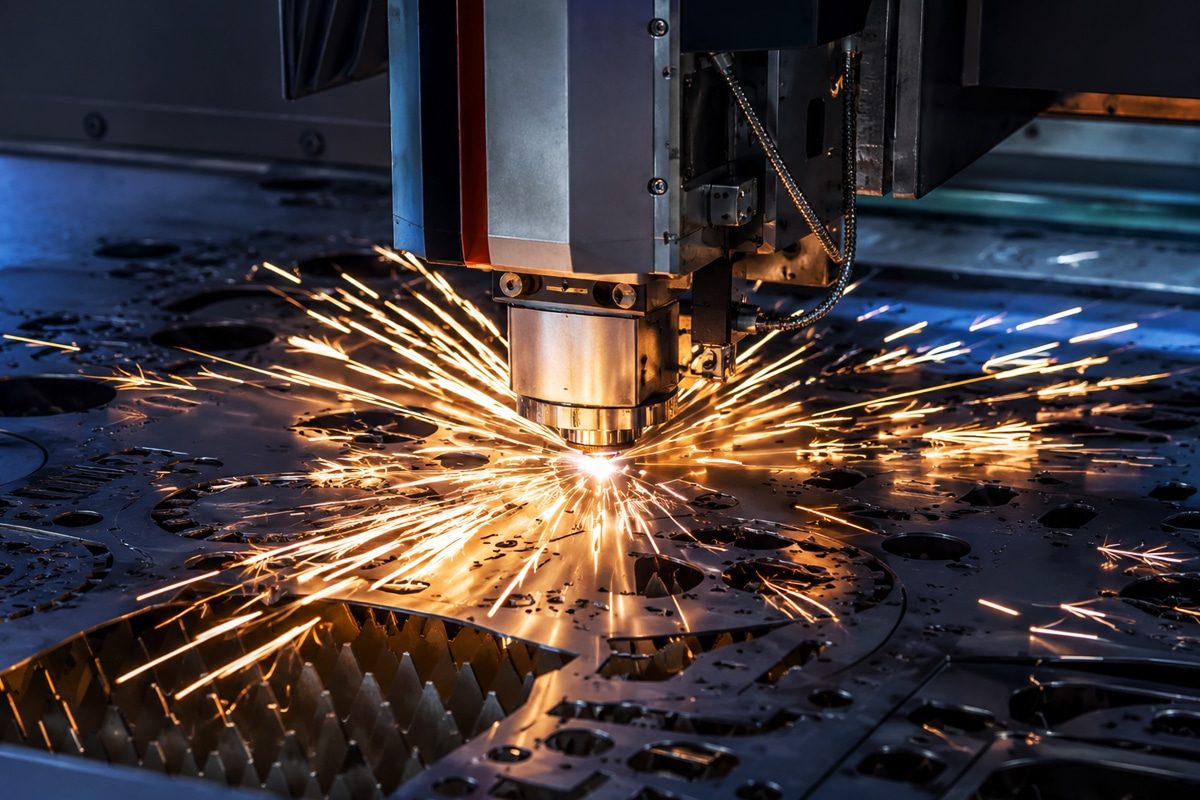
Additionally, sparks and molten particles generated during the cutting process can travel beyond the immediate cutting zone. If these hot particles come into contact with combustible dust, debris, or nearby flammable materials, they may serve as ignition sources.
The Role of Assist Gases
Assist gases play a critical role in laser cutting operations by improving cut quality, enhancing efficiency, and influencing heat generation. These gases are delivered through the laser nozzle alongside the beam to help remove molten material and control the cutting environment.
Oxygen
Oxygen is commonly used when cutting carbon steel and other ferrous metals. In addition to helping expel molten material, oxygen actively participates in the cutting process through an exothermic chemical reaction. This reaction generates additional heat, effectively increasing cutting efficiency and allowing thicker materials to be processed.
However, the added heat also increases fire risk. Oxygen-rich environments can intensify combustion and make ignition more likely if combustible materials or contaminants are present. Even small sparks can become more hazardous when oxygen is used as the assist gas.
Nitrogen
Nitrogen is an inert gas that does not support combustion. Instead of contributing heat through chemical reactions, nitrogen primarily serves to remove molten material and shield the cutting area from oxidation.
Because nitrogen does not promote burning, it is often preferred when high-quality edge finishes are required or when minimizing fire risks is a priority. Nitrogen-assisted cutting generally produces a cleaner and more controlled thermal environment compared to oxygen-assisted cutting.
Compressed Air
Compressed air is a cost-effective alternative frequently used in industrial and small-scale laser cutting operations. It contains a mixture of gases, primarily nitrogen and oxygen, and can provide acceptable cutting performance for many applications.
Since compressed air contains oxygen, it can support combustion to some degree. Although the fire risk is generally lower than with pure oxygen, operators must still exercise caution when processing combustible materials. Proper filtration and maintenance of compressed air systems are also important to prevent contamination that could contribute to ignition hazards.
Heat-Affected Zones
Not all heat generated during laser cutting remains confined to the exact path of the laser beam. Some thermal energy spreads into the surrounding material, creating what is known as the Heat-Affected Zone (HAZ).
The HAZ is the area adjacent to the cut where the material experiences elevated temperatures but does not completely melt or vaporize. The size of this zone depends on several factors, including laser power, cutting speed, material thickness, thermal conductivity, and assist gas selection.
In metals, excessive heat-affected zones can alter material properties, causing changes in hardness, strength, or microstructure. In combustible materials such as wood, paper, fabric, and plastics, the HAZ can lead to discoloration, scorching, charring, or smoldering.
A larger heat-affected zone often indicates that excess thermal energy is being transferred into the material rather than being efficiently concentrated within the cut itself. This excess heat can persist after the laser has moved away, creating conditions where delayed ignition occurs. In some cases, materials may continue smoldering unnoticed before eventually developing into open flames.
For this reason, controlling the heat-affected zone through proper machine settings, optimized cutting speeds, and effective ventilation is an important part of laser fire prevention.
Laser cutting generates heat by focusing a highly concentrated beam of energy onto a small area of material, rapidly raising temperatures to the point where the material melts, burns, or vaporizes. This intense thermal process is the foundation of laser cutting’s precision and efficiency, but it also creates conditions that can lead to fire if heat is not properly controlled.
The amount of heat produced is influenced by multiple factors, including laser power, energy concentration, cutting speed, material characteristics, and the type of assist gas used. Oxygen can increase cutting efficiency through additional combustion reactions, while nitrogen provides a more inert environment that reduces fire-related risks. Compressed air offers a balance between performance and cost, but still contains oxygen that can support combustion.
Heat that extends beyond the immediate cutting path forms a heat-affected zone, which may cause charring, smoldering, or delayed ignition in combustible materials. Understanding these thermal mechanisms helps operators recognize why laser cutting can sometimes lead to fires and highlights the importance of proper machine settings, ventilation, maintenance, and process control in maintaining a safe cutting environment.
Can Laser Cutting Actually Cause Fires?
Laser cutting is widely recognized as a precise and efficient manufacturing process, but it is also a process that relies on intense heat. Because the laser beam generates temperatures high enough to melt, burn, or vaporize materials, it is natural to ask whether laser cutting can actually start fires. The answer is yes, laser cutting can cause fires under certain conditions. However, understanding why these fires occur and how frequently they happen provides important context for assessing the real level of risk.
While modern laser cutting systems are designed with numerous safety features, fire hazards cannot be eliminated. The likelihood of a fire depends on factors such as the material being processed, machine settings, housekeeping practices, ventilation quality, and operator supervision. By examining the basic science of combustion and the practical realities of laser cutting operations, it becomes easier to understand where the risks originate and how they can be controlled.
The Short Answer
Yes, laser cutting can cause fires.
In fact, the laser cutting process itself is based on the controlled application of heat. Many laser cutting systems intentionally burn, melt, or vaporize material to create a cut. When this heat extends beyond the intended cutting zone or encounters combustible materials, ignition can occur.
The risk is particularly significant when cutting flammable materials such as wood, paper, cardboard, leather, textiles, foam, rubber, and certain plastics. These materials can ignite if exposed to excessive laser energy, prolonged heat buildup, sparks, or smoldering embers.
Even when cutting metals, which are generally non-combustible, fires can still occur. Metal cutting often produces hot sparks and molten particles that can ignite nearby dust, oil residues, packaging materials, or combustible debris. In industrial environments, accumulated dust and poorly maintained work areas can significantly increase fire hazards.
The important distinction is that laser cutting does not automatically cause fires. Most laser cutting operations are completed safely every day. Fires typically occur when heat generation combines with unfavorable conditions, inadequate supervision, or failures in safety procedures.
Why Fires Occur
To understand why laser cutting can start fires, it is helpful to consider the fire triangle, a fundamental concept in fire science. Three elements are required for combustion to occur: fuel, heat, and oxygen.
Fuel
Fuel refers to any combustible material capable of burning. In laser cutting environments, fuel sources can include the workpiece itself, especially when cutting wood, paper, cardboard, fabrics, leather, foam, or plastics.
Fuel can also come from less obvious sources. Dust accumulation inside the machine, scraps left on the cutting bed, packaging materials stored nearby, oily residues, and combustible vapors can all serve as potential fuel sources. Even small amounts of debris can become hazardous when exposed to high temperatures.
The more combustible material present around the cutting area, the greater the potential fire risk.
Heat
Heat is the ignition source, and laser cutting produces it in abundance. The laser beam concentrates a large amount of energy into a tiny area, generating temperatures high enough to melt metals and ignite combustible materials.
Several conditions can increase heat-related fire risks:
- Excessive laser power settings
- Slow cutting speeds
- Poor beam focus
- Repeated passes over the same area
- Inadequate cooling or ventilation
- Material reflections or misalignment
Heat can also remain in materials after cutting is complete. Some materials may smolder internally for several minutes before visible flames appear, making post-operation monitoring an important safety practice.
Oxygen
Oxygen supports combustion and is naturally present in the surrounding air. Without oxygen, most fires cannot sustain themselves.
Laser cutting operations may sometimes increase oxygen availability. For example, oxygen assist gas is commonly used when cutting carbon steel because it enhances cutting efficiency through an exothermic reaction. While this improves performance, it can also intensify combustion if ignition occurs.
Even standard workshop air provides sufficient oxygen to support fire development. Once fuel and heat are present, oxygen allows combustion to continue and potentially spread beyond the initial ignition point.
When all three elements of the fire triangle are present, laser cutting can create conditions that lead to a fire.
How Common Are Laser Cutting Fires?
Laser cutting fires are uncommon but not rare enough to be ignored. Most professional laser cutting facilities operate safely for years without experiencing a significant fire incident. However, small flare-ups and localized ignition events occur regularly enough that they are considered a recognized operational risk within the industry.
The frequency of fires varies significantly depending on the material being processed. Facilities that primarily cut metals generally experience fewer fire incidents than those that process combustible materials such as wood, acrylic, paper, textiles, or foam. Materials that burn easily are naturally present a higher level of risk.
The level of operator supervision also plays a major role. Many laser-related fires begin as small flare-ups that can be extinguished immediately if an operator is present. Problems often arise when machines are left unattended, allowing a minor ignition event to grow into a larger fire.
Maintenance practices further influence fire frequency. Dirty cutting beds, clogged exhaust systems, accumulated dust, and neglected scrap materials all increase the likelihood of ignition. Conversely, facilities that maintain clean equipment, use proper ventilation, and follow established safety procedures significantly reduce their risk.
Modern laser cutting systems often include flame detection sensors, emergency shutoff systems, air-assist technology, and monitoring software that help prevent small ignition events from becoming serious incidents. These safety improvements have reduced fire occurrence rates, but they have not eliminated the risk.
Laser cutting can absolutely cause fires because the process generates extremely high temperatures that are capable of igniting combustible materials. However, fire is not an inevitable outcome of laser cutting. Most operations are completed safely when equipment is properly maintained, materials are correctly selected, and operators follow established safety procedures.
The underlying cause of laser cutting fires can be explained through the fire triangle: fuel, heat, and oxygen. Laser cutting naturally provides the heat required for ignition, while combustible materials, dust, debris, or residues can act as fuel. Oxygen from the surrounding environment or assist gases then support combustion. When these three elements combine under unfavorable conditions, a fire can occur.
Although laser cutting fires are relatively uncommon in well-managed facilities, they remain a recognized hazard across both industrial and hobbyist applications. The risk is generally higher when processing combustible materials, operating unattended equipment, or neglecting maintenance and housekeeping practices. Understanding how and why fires occur is the first step toward implementing effective prevention measures and ensuring safe laser cutting operations.
Common Causes of Fires During Laser Cutting
Laser cutting uses concentrated thermal energy to melt, burn, or vaporize materials with exceptional precision. While modern laser cutting systems are designed with numerous safety features, the process inherently involves high temperatures that can create fire risks under certain conditions. Fires typically occur when combustible materials are exposed to excessive heat, sparks, molten particles, or other ignition sources generated during cutting operations.
Understanding the most common causes of laser cutting fires can help operators implement appropriate safety measures, reduce workplace hazards, and prevent costly equipment damage. The following factors are among the leading contributors to fire incidents in laser cutting environments.
Ignition of Combustible Materials
One of the most common causes of fires during laser cutting is the ignition of combustible materials. Materials such as wood, paper, cardboard, fabric, foam, plastics, and certain composite products can easily catch fire when exposed to the intense heat of a laser beam.
Even when the laser is operating correctly, combustible materials may ignite if cutting speeds are too slow, power settings are too high, or heat accumulates in one area for an extended period. Thin materials and materials with low ignition temperatures are particularly vulnerable. Once ignition occurs, flames can spread rapidly beyond the intended cutting area if not detected and controlled immediately.
Accumulated Dust and Debris
Dust, scrap material, and production debris can significantly increase the likelihood of a fire. During normal operation, laser cutting generates fine particles and material residue that may collect inside the machine, beneath the cutting bed, or within exhaust systems.
These accumulations can act as fuel sources when exposed to sparks, hot particles, or elevated temperatures. Dust from combustible materials such as wood, paper, and certain plastics is especially hazardous because it can ignite easily and support rapid fire growth. Regular cleaning and maintenance are essential to prevent debris buildup from becoming a fire hazard.
Molten Material and Hot Slag
Laser cutting often produces molten material and hot slag that can fall below the workpiece during processing. These hot particles may retain enough heat to ignite nearby combustible materials, accumulated debris, or waste products located beneath the cutting area.
The risk increases when cutting thicker materials that generate larger amounts of molten metal or when spark-producing operations occur near combustible items. If protective trays, scrap bins, or machine interiors are not cleaned regularly, hot slag can easily become an ignition source capable of starting a fire even after cutting has stopped.
Improper Assist Gas Selection
Assist gases play an important role in laser cutting by removing molten material, improving cut quality, and influencing the cutting process. However, selecting the wrong assist gas can increase fire risks.
For example, oxygen is commonly used to improve cutting efficiency for certain metals because it supports an exothermic reaction. While effective, oxygen also promotes combustion and can intensify flames if ignition occurs. Excessive oxygen flow or improper gas settings may increase the likelihood of fire. Choosing the correct assist gas and maintaining proper pressure settings are critical for safe operation.
Residual Oils and Coatings
Materials entering the laser cutting process may contain oils, lubricants, adhesives, paints, protective films, or other surface coatings. These substances can be highly flammable and may ignite when exposed to laser-generated heat.
In some cases, operators may not realize that residues are present on the material surface. Once heated, these contaminants can burn unexpectedly, creating flames that spread beyond the cutting zone. Proper material preparation and inspection before cutting can significantly reduce the risk associated with combustible surface contaminants.
Poor Ventilation
Ventilation systems are designed to remove smoke, fumes, heat, and airborne particles generated during laser cutting. When ventilation systems are inadequate, blocked, or poorly maintained, heat and combustible byproducts can accumulate within the machine or the surrounding workspace.
Poor airflow can allow smoke and flammable vapors to concentrate, increasing the potential for ignition. In addition, excessive heat buildup may cause materials to smolder or ignite more easily. Maintaining an efficient exhaust and filtration system is essential for both fire prevention and operator safety.
Unattended Operation
Leaving laser cutting machines unattended during operation is one of the most preventable causes of fire incidents. Even under normal conditions, unexpected events such as material ignition, equipment malfunctions, assist gas issues, or flare-ups can occur without warning.
When no operator is present to respond immediately, a small flame can quickly develop into a larger fire. Continuous monitoring allows operators to identify abnormal flames, excessive smoke, overheating, or other warning signs before they escalate. Many safety experts recommend never leaving active laser cutting machines unattended, especially when processing combustible materials.
Fires during laser cutting are typically caused by a combination of heat, combustible materials, and inadequate safety controls. Common contributing factors include the ignition of flammable materials, the accumulation of dust and debris, hot slag generated during cutting, improper assist gas selection, combustible surface residues, insufficient ventilation, and unattended machine operation. Each of these factors can create conditions that allow a small ignition source to develop into a larger fire.
Fortunately, most laser cutting fires can be prevented through proper maintenance, material preparation, equipment monitoring, and adherence to established safety procedures. By understanding the common causes of fire incidents and addressing potential hazards before cutting begins, operators can significantly reduce fire risks while maintaining a safe and productive working environment.
Materials Most Likely to Catch Fire During Laser Cutting
The likelihood of a fire occurring during laser cutting depends heavily on the type of material being processed. Because laser cutting machines generate intense, concentrated heat, materials with low ignition temperatures, combustible compositions, or heat-retaining properties are more susceptible to catching fire. While many materials can be cut safely when proper procedures are followed, some require extra attention due to their increased flammability.
Understanding which materials present the greatest fire risks allows operators to adjust machine settings, maintain close supervision, and implement additional safety precautions. The following materials are among the most likely to ignite during laser cutting operations.
Wood and Wood Products
Wood is one of the most commonly laser-cut materials and also one of the most fire-prone. Since wood is naturally combustible, it can easily ignite if exposed to excessive heat or prolonged laser exposure.
Products such as plywood, MDF (medium-density fiberboard), particleboard, veneer, and hardwood panels are particularly susceptible to charring and ignition. Resin-rich woods and engineered wood products may burn more readily because of adhesives and binding agents used during manufacturing. Fire risks increase when cutting thick wood, using excessive power settings, or making multiple passes over the same area.
Paper and Cardboard
Paper and cardboard have extremely low ignition temperatures and can catch fire quickly during laser cutting. Their thin structure allows heat to penetrate rapidly, making them vulnerable to scorching, smoldering, and open flames.
Because these materials are lightweight, they may also shift during cutting, causing the laser beam to remain focused on unintended areas. Corrugated cardboard presents an additional risk because air pockets within the material can promote combustion. Operators should closely monitor cutting operations involving paper products and avoid leaving the machine unattended.
Acrylic and Plastics
Many plastics can ignite during laser cutting, although the level of risk varies depending on the specific material. Acrylic is widely used in laser cutting because it produces clean edges, but it is still combustible and can sustain flames if overheating occurs.
Other plastics may melt, deform, or ignite when exposed to excessive laser energy. Some plastic materials can also produce flammable vapors that increase fire risks. Improper cutting speeds, excessive power settings, or inadequate ventilation can contribute to ignition. Operators should always verify that a particular plastic is suitable for laser processing before cutting.
Foam Materials
Foam materials are among the most fire-sensitive materials processed by laser cutting machines. Their low density and high air content allow heat to spread rapidly throughout the material.
Foams made from polyurethane, polyethylene, EVA, and similar compounds can ignite easily and may burn aggressively once combustion begins. In addition to fire hazards, some foam products can produce hazardous fumes when heated. Because foam can smolder internally before visible flames appear, continuous monitoring is especially important during cutting operations.
Fabrics and Textiles
Natural and synthetic textiles can also present significant fire risks during laser cutting. Materials such as cotton, linen, felt, polyester, nylon, and blended fabrics may ignite if laser settings are not properly optimized.
Thin fabrics are particularly vulnerable because they absorb heat quickly. Loose fibers and lint generated during processing can further increase fire hazards by acting as additional fuel sources. Certain synthetic textiles may melt before igniting, but overheating can still lead to combustion or smoldering. Careful control of laser power and cutting speed is essential when processing fabrics.
Rubber
Rubber materials are highly combustible and require careful handling during laser cutting. Natural rubber and many synthetic rubber compounds can ignite when exposed to concentrated laser energy.
Even when open flames do not occur, rubber may smolder for extended periods before developing into a fire. The cutting process can also generate significant heat and produce flammable gases. Rubber sheets, gaskets, seals, and similar products should always be monitored closely throughout the cutting operation and during the cooling period afterward.
Composite Materials
Composite materials often contain a combination of combustible components, making their fire behavior less predictable than that of single-material products. Examples include laminated panels, fiber-reinforced materials, engineered wood products, and certain industrial composites.
Different layers within a composite may react differently to laser energy. Some layers may ignite while others melt or char. Adhesives, resins, coatings, and fillers commonly used in composite manufacturing can further increase fire risks. Because of their complex structure, composite materials frequently require testing and carefully adjusted cutting parameters before full-scale production begins.
Materials most likely to catch fire during laser cutting generally share common characteristics, including low ignition temperatures, combustible compositions, and the ability to retain or accumulate heat. Wood products, paper, cardboard, acrylic, plastics, foams, textiles, rubber, and various composite materials all present elevated fire risks when exposed to concentrated laser energy. While these materials can often be processed safely, they require appropriate machine settings, proper ventilation, and continuous operator attention.
The level of fire risk varies based on material thickness, composition, surface coatings, cutting parameters, and environmental conditions. Understanding how different materials react to laser cutting allows operators to identify potential hazards before they become dangerous. By combining proper material selection with effective safety practices and active monitoring, the risk of fire can be significantly reduced during laser cutting operations.
Fire Risks When Cutting Metal
Many people assume that laser cutting metal is completely free from fire risks because metals are generally non-combustible. While it is true that most metals do not ignite easily under normal laser cutting conditions, fire hazards can still exist. The intense heat generated by the laser can create sparks, molten particles, hot slag, and combustible metal dust that may ignite nearby materials or create dangerous conditions within the work environment.
The level of fire risk depends on the type of metal being processed, the cutting method used, and the presence of combustible materials in the surrounding area. Understanding the unique fire hazards associated with metal cutting is essential for maintaining a safe laser cutting operation.
Why Metal Itself Usually Doesn't Burn
Most metals commonly processed by laser cutting machines, including mild steel, stainless steel, and aluminum, are not considered highly combustible in their solid form. These materials typically melt or vaporize under laser energy rather than burst into flames.
The high melting points and thermal properties of metals make them much less likely to ignite compared to combustible materials such as wood, paper, or plastics. During normal cutting operations, the laser focuses on melting and removing material rather than sustaining combustion.
However, this does not mean metal cutting is entirely risk-free. Extremely high temperatures are still generated during the process, and those temperatures can create secondary fire hazards that affect surrounding materials, machine components, or accumulated debris.
Sparks and Secondary Ignition Sources
One of the primary fire risks associated with laser cutting metal comes from sparks and molten metal particles. As the laser cuts through the workpiece, tiny fragments of hot metal and slag can be ejected from the cutting zone at high temperatures.
These sparks may travel considerable distances before cooling and can ignite combustible materials such as paper, cardboard, wood dust, textiles, packaging materials, or accumulated debris located near the machine. In some cases, sparks can fall beneath the cutting table and ignite waste materials that have collected over time.
The risk is particularly high when cutting thicker metal sections, as larger amounts of molten material are produced. Maintaining a clean work area and removing combustible materials from the vicinity of the laser cutting machine are important steps in preventing secondary ignition events.
Aluminum Dust Hazards
Although solid aluminum generally does not burn during laser cutting, aluminum dust presents a very different hazard. Fine aluminum particles generated during certain manufacturing processes can become highly combustible when suspended in the air or allowed to accumulate in equipment and ventilation systems.
When aluminum dust is exposed to an ignition source, it can burn rapidly and, under certain conditions, contribute to dust fires or explosions. The risk increases when dust particles are extremely fine and present in sufficient concentrations.
Proper dust collection systems, regular equipment cleaning, and effective ventilation are essential when working with aluminum. Preventing dust accumulation helps reduce the possibility of ignition and minimizes the potential for serious fire incidents.
Titanium and Reactive Metals
Some metals are more reactive than others and require special attention during laser cutting. Titanium is one of the most notable examples. While titanium is valued for its strength, corrosion resistance, and lightweight properties, it can become highly reactive at elevated temperatures.
Titanium chips, dust, and fine particles can ignite relatively easily compared to many other metals. Once ignited, titanium fires can burn intensely and may be difficult to extinguish using conventional firefighting methods. Similar concerns may exist with other reactive metals and metal alloys that produce combustible particles during processing.
Because of these characteristics, laser cutting reactive metals often requires specialized safety procedures, controlled environments, and careful management of dust and debris generated during the cutting process.
Although solid metals are generally less likely to catch fire than combustible materials, laser cutting metal is not completely free from fire risks. Most hazards arise from secondary ignition sources such as sparks, molten slag, hot metal particles, and combustible dust rather than from the metal workpiece itself. These ignition sources can easily start fires if they come into contact with nearby combustible materials or accumulated debris.
Particular attention should be given to metals that generate combustible dust, such as aluminum, as well as reactive materials like titanium that can ignite under certain conditions. Maintaining a clean work area, controlling dust accumulation, ensuring proper ventilation, and following material-specific safety procedures are all essential for reducing fire risks during metal laser cutting operations. By understanding these hazards, operators can safely process metal materials while minimizing the potential for fire-related incidents.
Differences in Fire Risk Between Fiber Lasers and CO2 Lasers
Both fiber lasers and CO2 lasers generate enough heat to create fire hazards under certain conditions. However, the nature and level of fire risk can vary because the two technologies use different wavelengths, interact with materials differently, and are typically employed for different applications. While neither system is inherently fireproof, understanding how each type of laser behaves can help operators identify potential hazards and implement appropriate safety measures.
In general, fire risk is influenced not only by the laser source itself but also by the materials being processed, machine settings, ventilation quality, and operator supervision. Nevertheless, fiber lasers and CO2 lasers each have unique characteristics that affect the likelihood and nature of fire-related incidents.
Fiber Laser Fire Characteristics
Fiber lasers are commonly used for cutting metals due to their high efficiency and ability to concentrate energy into a very small focal point. Their shorter wavelength is readily absorbed by most metals, allowing them to cut quickly and efficiently with minimal heat spreading into surrounding areas.
Because fiber lasers often process non-combustible materials such as steel, stainless steel, and aluminum, the direct risk of the workpiece catching fire is generally lower compared to cutting combustible materials. However, fire hazards still exist. The intense energy density of a fiber laser can generate large quantities of sparks, molten metal particles, and hot slag that may ignite nearby combustible materials.
When cutting thick metal, sparks can be ejected beneath the cutting table and into scrap collection areas. If dust, paper, cardboard, wood pallets, or other combustible materials are present nearby, secondary fires can occur. Fiber lasers may also present risks when processing reflective or specialized metals that require higher power levels and generate additional heat.
Another important consideration is metal dust. While solid metals are usually not highly flammable, fine metal particles generated during processing can create fire hazards if allowed to accumulate in machine interiors or ventilation systems. Proper housekeeping and dust management are therefore essential for safe fiber laser operation.
CO2 Laser Fire Characteristics
CO2 lasers are widely used for cutting and engraving non-metallic materials such as wood, acrylic, paper, cardboard, fabric, leather, foam, and certain plastics. Many of these materials are inherently combustible, making fire risk a more frequent concern during normal operation.
Unlike metal cutting applications, CO2 laser processing often involves materials that can ignite directly when exposed to excessive heat. Wood products may char and develop open flames, acrylic can sustain combustion under certain conditions, and paper or cardboard can ignite rapidly if the laser remains focused on one location for too long.
CO2 laser cutting systems are also commonly used for engraving, which may require slower movement and longer exposure times. This prolonged heat exposure can increase the likelihood of smoldering, overheating, and flame formation. Small flare-ups are not uncommon when cutting combustible materials, and operators must monitor the process closely to prevent fires from spreading.
Accumulated dust, scraps, and residue from combustible materials can further increase the fire risk. For this reason, CO2 laser cutting systems typically require frequent cleaning, effective smoke extraction, and continuous supervision, especially when processing wood-based products, fabrics, or foam materials.
Both fiber lasers and CO2 lasers can cause fires, but the sources of risk are often different. Fiber lasers are primarily used for metal processing, where the material itself is less likely to ignite. In these applications, fire hazards generally arise from sparks, molten metal, hot slag, and combustible dust rather than from the workpiece. Maintaining a clean work environment and controlling secondary ignition sources are the most important fire prevention measures.
CO2 lasers, on the other hand, are frequently used on combustible materials that can ignite directly during cutting or engraving. As a result, operators often face a higher likelihood of flame formation, charring, smoldering, and material ignition. Continuous monitoring, proper ventilation, routine cleaning, and carefully optimized machine settings are essential for minimizing fire risks.
While the specific hazards differ between the two technologies, both fiber and CO2 laser cutting systems require proper safety procedures, operator attention, and regular maintenance to ensure safe operation and reduce the potential for fire-related incidents.
Warning Signs That a Fire May Be Developing
Laser cutting is generally a safe and controlled process when equipment is properly maintained and operated. However, fires can still occur when combustible materials ignite, debris accumulates, machine settings are incorrect, or the cutting process becomes unstable. Recognizing early warning signs is critical because small ignition events can quickly escalate into serious fires if left unattended. Operators should continuously monitor the cutting area and surrounding equipment for indications that excessive heat, uncontrolled combustion, or material ignition may be occurring.
The following warning signs often indicate that a fire may be developing during laser cutting operations.
Excessive Flames During Cutting
Small, controlled sparks and brief flames may be normal when cutting certain materials. However, large, sustained, or rapidly spreading flames should never be ignored. Excessive flames often indicate that the material is burning rather than being cleanly vaporized or melted by the laser.
Flames that extend significantly above the workpiece, move beyond the cutting path, or continue after the laser has passed can signal the start of a fire. This issue may be caused by incorrect laser settings, insufficient assist gas flow, material contamination, or the presence of highly flammable substances on the workpiece surface. Operators should immediately investigate any abnormal flame activity and stop the process if the flames become difficult to control.
Unusual Smoke Production
Smoke is a normal byproduct of many laser cutting operations, but sudden increases in smoke volume or changes in smoke appearance can indicate a developing fire. Thick, dark, or continuously increasing smoke may suggest that the material is burning uncontrollably rather than being efficiently cut.
Smoke that accumulates inside the machine enclosure or escapes despite proper ventilation should be treated as a warning sign. Excessive smoke can result from overheating materials, ignition of accumulated debris, malfunctioning extraction systems, or improper cutting parameters. Any significant change in smoke characteristics warrants immediate inspection of the cutting area.
Persistent Glowing Material
After the laser beam passes over a material, any glowing areas should typically cool and fade quickly. If portions of the workpiece remain brightly glowing for an extended period, excessive heat may be accumulating within the material.
Persistent glowing can indicate smoldering combustion, which is particularly dangerous because it may continue unnoticed before developing into open flames. Materials such as wood, cardboard, paper products, and certain composites are especially susceptible to smoldering. Operators should carefully monitor glowing hotspots and ensure they are completely extinguished before leaving the machine unattended.
Burning Odors
Unusual burning smells are often one of the earliest indicators that something is wrong during laser cutting. While some materials naturally produce odors when processed, a strong or unexpected burning smell may indicate overheating, material ignition, or the combustion of contaminants.
Operators should be especially alert to odors that become stronger over time or differ from those normally associated with the material being cut. Burning insulation, accumulated dust, machine components, or nearby combustible materials can all produce distinctive odors before visible flames appear. Investigating the source of any abnormal smell can help prevent a minor issue from becoming a serious fire.
Temperature Abnormalities
Unexpected increases in temperature around the laser cutting machine, workpiece, exhaust system, or nearby surfaces can signal a developing fire hazard. Excessive heat may indicate poor ventilation, equipment malfunction, material ignition, or heat accumulation in areas that should remain relatively cool.
Signs of temperature abnormalities include unusually hot machine surfaces, overheated exhaust ducts, excessive heat radiating from the workpiece, or thermal alarms triggered by monitoring systems. Regular temperature checks and proper maintenance of cooling and ventilation systems can help identify problems before they escalate into fire incidents.
Early detection is one of the most effective ways to prevent laser cutting fires. Warning signs such as excessive flames, abnormal smoke production, persistent glowing material, burning odors, and unusual temperature increases often indicate that combustion is occurring outside the normal cutting process. Recognizing these indicators allows operators to take corrective action before a small ignition source develops into a larger fire.
Maintaining constant supervision, following proper operating procedures, and routinely inspecting equipment are essential safety practices. Whenever any of these warning signs are observed, operators should immediately assess the situation, stop the cutting process if necessary, and eliminate potential fire hazards. Prompt response can significantly reduce the risk of equipment damage, production downtime, and workplace injuries.
Fire Prevention Systems in Modern Laser Cutting Machines
Modern laser cutting machines are designed with numerous safety features intended to reduce the risk of fires during operation. Although laser cutting involves extremely high temperatures capable of igniting combustible materials, advances in machine design and safety technology have significantly improved fire prevention capabilities. Manufacturers recognize that fire hazards are among the most important safety concerns in laser processing and have incorporated multiple layers of protection into today’s equipment.
These fire prevention systems work together to detect abnormal conditions, contain potential ignition sources, limit fire spread, and automatically respond when hazardous situations develop. While these technologies greatly enhance workplace safety, they are most effective when combined with proper maintenance, operator training, and safe operating procedures.
Enclosed Machine Designs
One of the most important fire prevention features in modern laser cutting equipment is the use of enclosed machine designs. Fully enclosed systems help contain sparks, molten particles, smoke, and small flare-ups within a controlled environment.
By isolating the cutting area from the surrounding workspace, enclosures reduce the likelihood that hot particles will come into contact with nearby combustible materials. Enclosed designs also improve airflow management by directing smoke and fumes toward extraction systems rather than allowing them to disperse throughout the facility.
In addition to enhancing fire safety, enclosed machines help protect operators from accidental exposure to laser radiation, airborne contaminants, and moving machine components. As a result, enclosed cutting chambers have become a standard feature in many industrial laser cutting systems.
Integrated Monitoring Systems
Modern laser cutting machines often include integrated monitoring systems that continuously track key operating conditions. These systems may monitor factors such as cutting performance, machine temperatures, gas flow rates, exhaust operation, and sensor data from critical components.
By analyzing operating conditions in real time, monitoring systems can identify abnormalities that may increase fire risk. For example, excessive heat buildup, unexpected flame activity, ventilation failures, or irregular cutting behavior may trigger alerts before a fire develops.
Many advanced systems provide visual warnings, alarm notifications, or diagnostic information that allows operators to quickly investigate and correct potential problems. Early detection is one of the most effective methods for preventing small issues from escalating into serious fire incidents.
Automatic Shutdown Functions
Automatic shutdown functions provide an additional layer of protection when unsafe conditions are detected. If sensors identify critical faults or hazardous operating conditions, the machine can automatically stop laser emission and halt the cutting process.
Automatic shutdown systems are designed to respond to issues such as overheating components, cooling system failures, abnormal gas pressures, electrical malfunctions, or other conditions that could contribute to fire hazards. By stopping the source of heat before conditions worsen, these systems help reduce the likelihood of ignition and limit potential damage.
Although automatic shutdown functions improve safety, they should not be viewed as a substitute for operator supervision. Human oversight remains essential for identifying hazards that automated systems may not detect immediately.
Spark Detection Technologies
Some modern laser cutting systems utilize spark detection technologies to identify potential fire hazards during operation. These systems use optical sensors, infrared detectors, or specialized monitoring equipment to detect unusual spark activity, flare-ups, or signs of combustion.
Spark detection is particularly valuable in applications where combustible materials are processed or where sparks may enter exhaust ducts and filtration systems. If excessive spark activity is detected, the machine may trigger alarms, adjust operating parameters, activate suppression equipment, or initiate an automatic shutdown.
Early identification of abnormal spark generation can prevent ignition events from spreading beyond the cutting area and significantly reduce the risk of fire-related incidents.
Fire-Resistant Machine Construction
The materials used to construct modern laser cutting machines also contribute to fire prevention. Critical machine components are often manufactured from fire-resistant or non-combustible materials that can withstand high temperatures and limit the spread of flames.
Metal enclosures, heat-resistant internal panels, protected wiring systems, and flame-resistant insulation materials help contain fires if ignition occurs. Some machines are designed with compartmentalized interiors that isolate high-risk areas and prevent flames from spreading to sensitive components.
Fire-resistant construction not only improves operator safety but also reduces the likelihood of extensive equipment damage. By incorporating materials that resist ignition and withstand thermal stress, manufacturers create machines that are better prepared to manage unexpected fire events.
Modern laser cutting machines incorporate multiple fire prevention systems that work together to improve operational safety. Features such as enclosed cutting chambers, integrated monitoring systems, automatic shutdown functions, spark detection technologies, and fire-resistant construction help reduce the likelihood of fires and limit their potential impact when abnormal conditions occur. These technologies provide several layers of protection by detecting hazards early, controlling ignition sources, and preventing fire spread.
Despite these advancements, no fire prevention system can eliminate risk. Laser cutting still involves high temperatures, combustible materials, and potential ignition sources that require careful management. For this reason, operators should view machine safety features as part of a comprehensive fire prevention strategy that also includes routine maintenance, proper housekeeping, effective ventilation, material-specific safety procedures, and continuous supervision. When combined, these measures provide the highest level of protection against fire-related incidents in laser cutting environments.
Fire Detection Technologies Used in Laser Cutting Facilities
Fire detection plays a critical role in maintaining safety within laser cutting facilities. Although modern laser cutting machines are equipped with various preventive measures, the high temperatures, sparks, molten materials, and combustible substances involved in the cutting process can still create fire hazards. Early detection is essential because even a small flame or smoldering hotspot can quickly develop into a larger fire if not addressed immediately.
To minimize risks, many facilities employ multiple fire detection technologies that monitor for signs of combustion, excessive heat, smoke generation, and abnormal operating conditions. These systems provide continuous surveillance and can alert operators or automatically activate safety responses when potential fire hazards are identified. The following technologies are among the most commonly used fire detection solutions in laser cutting environments.
Optical Flame Detectors
Optical flame detectors are designed to identify the visible light emitted by flames. These detectors use sensors that continuously monitor specific wavelengths associated with combustion and can respond within seconds of flame formation.
In laser cutting facilities, optical flame detectors are often installed inside machine enclosures, near cutting chambers, or in areas where combustible materials are processed. Their fast response time makes them particularly effective for detecting sudden flare-ups that may occur during cutting operations.
One advantage of optical flame detection is its ability to identify open flames before significant smoke accumulation occurs. This early warning capability allows operators to intervene quickly and prevent fire spread. However, detector placement must be carefully planned to avoid interference from normal cutting sparks and intense process lighting.
Infrared Detection Systems
Infrared detection systems monitor thermal radiation emitted by heat sources. Because fires produce distinctive infrared signatures, these systems can detect combustion even when flames are partially obscured by smoke, machine components, or enclosure structures.
Infrared detectors are especially valuable in laser cutting facilities where direct visual observation of the cutting process may be limited. They can identify unusual heat patterns, overheating materials, and emerging fire conditions before flames become visible.
Many advanced infrared systems are designed to distinguish between normal process heat and potentially dangerous temperature increases. This capability helps reduce false alarms while ensuring that genuine fire risks receive immediate attention.
Smoke Detection Systems
Smoke detection systems remain one of the most widely used fire detection technologies in industrial facilities. These systems monitor the air for particles generated by combustion and can provide early warning when smoldering materials begin producing smoke.
In laser cutting environments, smoke detectors are commonly installed within machine enclosures, exhaust ducts, filtration systems, and facility workspaces. They are particularly useful for identifying fires that develop gradually, such as smoldering wood, paper, textiles, or dust accumulations.
Because laser cutting naturally produces smoke and airborne particles, industrial facilities often use specialized detectors that can differentiate between normal process emissions and signs of uncontrolled combustion. Proper calibration and maintenance are essential to ensure reliable performance and minimize nuisance alarms.
Thermal Imaging Cameras
Thermal imaging cameras provide continuous temperature monitoring by creating visual representations of heat patterns within a facility. These cameras detect infrared energy and convert it into images that highlight temperature differences across equipment, materials, and work areas.
In laser cutting facilities, thermal imaging systems can identify hotspots long before visible flames or smoke appear. For example, a thermal camera may reveal overheating components, excessive heat buildup in scrap bins, smoldering materials, or abnormal temperature increases within ventilation systems.
One of the greatest advantages of thermal imaging technology is its ability to monitor large areas continuously without requiring direct contact with the monitored objects. This allows facility personnel to detect developing fire hazards at a very early stage and take corrective action before ignition occurs.
Smart Monitoring Systems
Modern laser cutting facilities increasingly rely on smart monitoring systems that integrate multiple detection technologies into a single platform. These systems combine data from flame detectors, temperature sensors, smoke detectors, cameras, machine diagnostics, and ventilation monitoring equipment.
Using advanced software and real-time analytics, smart monitoring systems can identify patterns that may indicate a developing fire hazard. For example, a system may recognize the combination of rising temperatures, increased smoke production, and abnormal machine behavior as an indication of potential ignition.
Many smart systems provide automated alerts through control panels, mobile devices, or facility management software. Some can also trigger automatic shutdown procedures, activate fire suppression equipment, or notify emergency response personnel. By integrating multiple sources of information, these systems improve detection accuracy and reduce response times.
Fire detection technologies are an essential component of safety programs in laser cutting facilities. Systems such as optical flame detectors, infrared sensors, smoke detectors, thermal imaging cameras, and smart monitoring platforms help identify fire hazards at the earliest possible stage. By continuously monitoring for flames, smoke, abnormal heat, and changing operating conditions, these technologies provide operators valuable time to respond before a small incident becomes a major fire.
No single detection method is suitable for every situation, which is why many facilities use multiple technologies together. Combining different detection systems creates a layered approach that improves reliability, minimizes blind spots, and enhances overall fire protection. When integrated with preventive maintenance, proper housekeeping, employee training, and fire suppression systems, modern fire detection technologies significantly reduce the risk of fire-related damage, downtime, and workplace injuries in laser cutting operations.
Fire Suppression Systems for Laser Cutting Operations
While fire prevention and early detection are essential components of laser cutting safety, fire suppression systems provide the final line of defense when an ignition event occurs. Laser cutting operations involve concentrated heat, sparks, molten materials, combustible dust, and flammable workpieces, all of which can contribute to fire hazards. Even in facilities with strict safety procedures, the possibility of a fire cannot be eliminated.
Fire suppression systems are designed to quickly control or extinguish fires before they spread and cause significant damage. Modern laser cutting facilities often utilize a combination of manual and automatic suppression methods to protect personnel, equipment, and production areas. The most effective approach depends on the materials being processed, the type of laser cutting system in use, and the specific risks present within the facility.
Portable Fire Extinguishers
Portable fire extinguishers are among the most basic yet important fire suppression tools in laser cutting environments. They provide operators with an immediate means of responding to small fires before they escalate into larger incidents.
Facilities typically position extinguishers near laser cutting equipment, material storage areas, and facility exits to ensure quick access during emergencies. Different extinguisher types are designed for different classes of fires. For example, dry chemical extinguishers are commonly used because they can address a variety of fire hazards, while specialized extinguishers may be required for metal fires involving reactive materials.
Proper employee training is essential because selecting the wrong extinguisher or using it incorrectly can reduce its effectiveness and potentially worsen the situation. Regular inspection and maintenance also ensure that extinguishers remain ready for use when needed.
Automatic Fire Suppression Systems
Automatic fire suppression systems are increasingly common in modern laser cutting facilities because they can respond rapidly without requiring human intervention. These systems are typically connected to fire detection devices such as flame sensors, heat detectors, or smoke monitoring equipment.
When a fire is detected, the suppression system automatically releases an extinguishing agent into the affected area. This rapid response helps control the fire during its earliest stages, often before significant damage occurs.
Automatic systems are particularly valuable in situations where fires can develop quickly or when operators may not immediately notice a problem. They also protect during periods when personnel are occupied with other tasks and may not be able to respond instantly to an emergency.
Water-Based Suppression Systems
Water-based suppression systems remain one of the most widely used fire protection methods in industrial environments. These systems typically include sprinklers, water mist systems, or specialized nozzles designed to cool burning materials and absorb heat from the fire.
In laser-cutting facilities, water-based systems can be highly effective in controlling fires involving combustible materials such as wood, paper, cardboard, textiles, and certain plastics. By rapidly reducing temperatures, water helps prevent flames from spreading to nearby materials.
However, water is not appropriate for every type of fire. Certain metal fires and electrical hazards may require alternative suppression methods. For this reason, facilities often evaluate their specific risks before selecting a water-based system as the primary suppression solution.
Clean Agent Systems
Clean agent fire suppression systems use specialized gaseous agents to extinguish fires without leaving residue behind. These systems work by interrupting the combustion process or reducing the oxygen concentration necessary for fire growth.
One of the major advantages of clean agent systems is that they minimize damage to sensitive equipment. Because no water, foam, or powder is discharged, laser optics, electronic controls, sensors, and other precision components are less likely to suffer secondary damage during fire suppression.
Clean agent systems are often used in high-value manufacturing environments where equipment protection is a priority. They can provide rapid suppression while allowing operations to resume more quickly after an incident, provided the fire is successfully contained and appropriate inspections are completed.
Localized Suppression Systems
Localized suppression systems are designed to protect specific high-risk areas within a laser cutting machine or facility. Instead of protecting an entire room, these systems focus directly on locations where fires are most likely to originate.
Common protected areas include cutting chambers, exhaust ducts, filtration units, scrap collection bins, and material handling zones. Sensors continuously monitor these locations and activate suppression equipment when signs of fire are detected.
Because localized systems target hazards at their source, they often require smaller quantities of extinguishing agents and can respond more quickly than facility-wide suppression systems. This targeted approach helps limit damage, reduce downtime, and prevent minor ignition events from spreading throughout the facility.
Fire suppression systems are a critical component of laser cutting safety because they provide a means of controlling fires when preventive measures and detection systems are no longer sufficient. Portable fire extinguishers offer immediate manual response capabilities, while automatic suppression systems can react rapidly without operator intervention. Water-based systems effectively control many common combustible material fires, clean agent systems protect sensitive equipment, and localized suppression systems target high-risk areas directly.
The most effective fire protection strategy typically combines several suppression methods with comprehensive fire prevention and detection measures. By integrating appropriate suppression technologies into laser cutting operations, facilities can significantly reduce the potential consequences of fire incidents, protect valuable equipment, minimize production interruptions, and enhance overall workplace safety. Even with advanced suppression systems in place, regular maintenance, employee training, and adherence to safe operating procedures remain essential for achieving the highest level of fire protection.
Best Practices for Preventing Fires During Laser Cutting
Although laser cutting is a highly efficient and precise manufacturing process, it inherently involves intense heat that can create fire hazards if not properly managed. Fires can result from combustible materials, accumulated debris, improper machine settings, inadequate ventilation, or operator error. Fortunately, most laser cutting fires are preventable when appropriate safety procedures are consistently followed.
Effective fire prevention requires a combination of proper housekeeping, equipment maintenance, operator awareness, and adherence to established safety protocols. By implementing best practices throughout the cutting process, facilities can significantly reduce fire risks, protect valuable equipment, and maintain a safer working environment for employees.
Maintain Clean Work Areas
A clean work environment is one of the most important factors in preventing laser cutting fires. Dust, scrap material, offcuts, and production debris can accumulate around machines and serve as fuel if exposed to sparks or hot particles generated during cutting.
Operators should regularly remove waste materials from cutting tables, scrap bins, machine interiors, and surrounding workspaces. Special attention should be given to combustible dust generated from materials such as wood, paper, textiles, and certain plastics. Cleaning schedules should be incorporated into routine maintenance procedures to prevent hazardous buildup over time.
Keeping the work area organized also reduces the likelihood that sparks or molten particles will come into contact with flammable objects that have been left near the machine.
Inspect Materials Before Cutting
Thorough material inspection before processing can help identify hidden fire hazards. Materials may contain oils, grease, adhesives, protective films, coatings, or other contaminants that can ignite when exposed to laser-generated heat.
Operators should verify that materials are suitable for laser cutting and ensure they are free from excessive contamination. It is also important to identify unknown materials before processing, as some substances may react unpredictably when exposed to laser energy.
Inspecting materials before cutting not only improves safety but can also enhance cut quality and reduce the risk of machine contamination or damage.
Use Correct Cutting Parameters
Improper machine settings are a common cause of overheating, excessive flame formation, and material ignition. Using the correct combination of laser power, cutting speed, focus settings, and assist gas parameters helps ensure that materials are processed efficiently and safely.
Excessive laser power or slow cutting speeds can cause heat to accumulate, increasing the likelihood of combustion. Conversely, incorrect settings may create unstable cutting conditions that generate excessive sparks or prolonged exposure to the laser beam.
Operators should follow manufacturer recommendations, material-specific guidelines, and established process parameters to minimize fire risks while maintaining optimal cutting performance.
Maintain Extraction Systems
Extraction and ventilation systems play a critical role in controlling fire hazards during laser cutting. These systems remove smoke, fumes, airborne particles, and excess heat generated during processing.
Poorly maintained extraction systems can allow combustible dust and debris to accumulate within ducts, filters, and collection units. Over time, these deposits can become ignition sources if exposed to sparks or elevated temperatures.
Regular inspection, cleaning, and maintenance of exhaust fans, ductwork, filters, and collection equipment help ensure effective airflow and reduce the risk of fire. Operators should also verify that extraction systems are functioning properly before beginning production.
Monitor the Cutting Process
Continuous monitoring is essential for detecting fire hazards before they become serious incidents. Operators should observe the cutting process for signs of excessive flames, unusual smoke production, persistent glowing material, abnormal odors, or unexpected temperature increases.
Even modern laser cutting systems equipped with automated safety features benefit from active human supervision. Small flare-ups can often be extinguished quickly when detected early, preventing more significant damage and downtime.
Laser cutting machines should never be left unattended while processing combustible materials. Maintaining visual awareness throughout the operation allows operators to respond immediately if abnormal conditions develop.
Store Flammable Materials Properly
Proper storage of flammable materials helps reduce the potential consequences of accidental ignition. Materials such as paper, cardboard, textiles, solvents, cleaning chemicals, packaging supplies, and combustible raw materials should be stored away from laser cutting equipment whenever possible.
Designated storage areas should be organized, clearly marked, and separated from active cutting operations. Limiting the quantity of combustible materials kept near the machine reduces the amount of fuel available if a fire occurs.
Good storage practices also improve overall workplace organization and make emergency response efforts more effective if an incident does occur.
Train All Personnel
Comprehensive employee training is one of the most effective fire prevention measures available. Operators, maintenance personnel, supervisors, and support staff should understand the fire hazards associated with laser cutting and know how to respond appropriately.
Training programs should cover machine operation, material-specific risks, fire detection systems, emergency procedures, evacuation protocols, and the proper use of fire extinguishers and suppression equipment. Personnel should also be taught how to recognize early warning signs of fire and report unsafe conditions.
Regular refresher training helps ensure that safety procedures remain familiar and that employees stay informed about evolving equipment and workplace requirements.
Preventing fires during laser cutting requires a proactive approach that addresses both equipment-related hazards and workplace practices. Maintaining clean work areas, inspecting materials before processing, using correct cutting parameters, and keeping extraction systems in good condition all help reduce the likelihood of ignition. At the same time, continuous process monitoring and proper storage of combustible materials limit opportunities for fires to develop and spread.
Employee training serves as the foundation that supports all other fire prevention efforts. Well-trained personnel are better equipped to identify hazards, operate equipment safely, and respond effectively when abnormal conditions arise. When these best practices are consistently applied, laser cutting operations can achieve a high level of safety while minimizing the risk of fire-related incidents, equipment damage, and production disruptions.
Common Fire Prevention Mistakes
Most laser cutting fires are not caused by equipment failure alone. In many cases, they result from preventable mistakes in operation, maintenance, or workplace safety practices. Even facilities equipped with modern laser cutting systems, fire detection devices, and suppression equipment can remain vulnerable if basic fire prevention procedures are overlooked.
Understanding the most common mistakes can help operators and facility managers identify weaknesses in their safety programs and take corrective action before an incident occurs. The following errors are among the most frequent contributors to laser cutting fires and should be actively avoided in any laser processing environment.
Leaving Machines Unattended
One of the most serious fire prevention mistakes is leaving laser cutting machines unattended while it is operating. Laser cutting machines generate intense heat, and even under normal conditions, unexpected flare-ups, material ignition, or equipment malfunctions can occur without warning.
When no operator is present to observe the process, a small flame can quickly grow into a larger fire before anyone notices the problem. Materials such as wood, cardboard, acrylic, fabric, and foam are particularly vulnerable because they can ignite rapidly when exposed to excessive heat.
Continuous supervision allows operators to identify unusual flames, excessive smoke, glowing hotspots, or other warning signs and take immediate action. Even machines equipped with automatic monitoring systems should not be considered completely safe to leave unattended during active cutting operations.
Ignoring Small Flare-Ups
Minor flames are sometimes viewed as a normal part of laser cutting, especially when processing combustible materials. While small flare-ups may occur occasionally, ignoring them can be a costly mistake.
A flame that appears harmless can spread to nearby materials, ignite accumulated debris, or continue smoldering after the cutting process has ended. In some cases, what begins as a brief flare-up may develop into a fire inside the machine enclosure, exhaust system, or scrap collection area.
Operators should investigate repeated or unusually large flare-ups rather than assuming they will extinguish themselves. Addressing the underlying cause, such as incorrect settings, material contamination, or poor airflow, can prevent more serious incidents from developing.
Delaying Maintenance
Routine maintenance is essential for keeping laser cutting equipment operating safely. Delaying inspections, cleaning, or repairs can create conditions that increase the likelihood of fire.
Over time, dust, debris, and combustible residues can accumulate within machine interiors, ventilation ducts, filters, and scrap collection systems. Worn components, damaged wiring, malfunctioning sensors, or cooling system problems may also contribute to overheating and ignition risks.
Many fire incidents occur because minor maintenance issues are ignored until they become serious safety hazards. Establishing and following a regular maintenance schedule helps ensure that fire prevention systems, extraction equipment, and machine components remain in proper working condition.
Using Inappropriate Materials
Another common mistake is attempting to cut materials that are not suitable for laser processing. Some materials have extremely low ignition temperatures, while others may release flammable gases or react unpredictably when exposed to laser energy.
Operators sometimes process unfamiliar materials without verifying their compatibility with the laser cutting system. This can result in excessive flame formation, uncontrolled combustion, or damage to equipment. Materials with unknown coatings, adhesives, oils, or contaminants may also present hidden fire hazards.
Before beginning any cutting operation, operators should confirm that the material is approved for laser processing and understand its specific safety requirements. Material testing and manufacturer recommendations can help reduce uncertainty and improve safety.
Poor Ventilation Practices
Effective ventilation is essential for controlling heat, smoke, fumes, and airborne particles generated during laser cutting. Poor ventilation practices can allow combustible materials and excessive heat to accumulate within the work environment.
Common problems include clogged filters, blocked ducts, inadequate airflow, neglected extraction systems, or operating equipment without ventilation running properly. These conditions increase the risk of ignition and can allow fires to spread more rapidly if combustion occurs.
Inadequate ventilation may also contribute to the buildup of combustible dust and flammable vapors, creating additional fire hazards. Regular inspection and maintenance of extraction systems are necessary to ensure they continue to operate effectively and support a safe working environment.
Many laser cutting fires can be traced back to preventable human errors rather than unavoidable equipment failures. Leaving machines unattended, overlooking small flare-ups, postponing maintenance, processing unsuitable materials, and neglecting ventilation systems all increase the likelihood of ignition and fire spread. These mistakes often allow minor issues to develop into serious incidents that could have been avoided through proper safety practices.
Successful fire prevention depends on maintaining vigilance throughout every stage of the laser cutting process. Operators should actively monitor equipment, respond promptly to warning signs, follow maintenance schedules, verify material compatibility, and ensure ventilation systems remain fully functional. By recognizing and avoiding these common mistakes, facilities can significantly reduce fire risks and create a safer, more reliable laser cutting environment.
Industry Safety Standards and Regulatory Requirements
Laser cutting operations involve powerful equipment, high temperatures, electrical systems, combustible materials, and potential fire hazards. To reduce risks and protect workers, regulatory agencies, industry organizations, and insurance providers have established safety standards and requirements that govern the use of laser cutting equipment. These guidelines help ensure that facilities operate safely, maintain proper fire protection measures, and minimize the likelihood of workplace accidents.
Compliance with applicable regulations is not only important for employee safety but can also affect legal liability, insurance coverage, and business operations. While specific requirements vary by country, industry, and facility type, most laser cutting operations must address occupational safety, laser safety, fire protection, and insurance-related risk management standards.
Occupational Safety Requirements
Occupational safety regulations are designed to protect workers from hazards associated with laser cutting operations. These requirements typically address machine safety, employee training, personal protective equipment (PPE), hazard communication, emergency preparedness, and workplace maintenance.
Employers are generally responsible for providing a safe work environment and ensuring that employees understand the risks associated with laser cutting equipment. This includes training workers to recognize fire hazards, operate machinery correctly, respond to emergencies, and follow established safety procedures.
Occupational safety requirements may also cover ventilation systems, electrical safety, lockout/tagout procedures, housekeeping practices, and the proper storage of combustible materials. Regular inspections and safety audits are often used to verify compliance and identify areas for improvement.
Laser Safety Standards
Laser safety standards focus specifically on the hazards associated with laser radiation and laser system operation. These standards establish guidelines for equipment design, safety controls, warning labels, protective enclosures, and operator training.
Modern laser cutting systems are typically classified according to the level of laser radiation they can emit. Higher-powered industrial lasers require more extensive safety measures to prevent accidental exposure. Laser safety standards often require enclosed cutting chambers, interlock systems, emergency stop functions, and controlled access to laser operating areas.
In addition to protecting personnel from laser radiation, these standards also contribute to fire prevention by promoting proper equipment design, safe operating procedures, and regular maintenance. Following recognized laser safety guidelines helps ensure that systems operate within their intended safety parameters and reduces the risk of accidents.
Fire Protection Regulations
Fire protection regulations establish requirements for preventing, detecting, and responding to fires within industrial facilities. These regulations often address issues such as fire suppression systems, fire alarms, emergency exits, evacuation procedures, electrical installations, and the storage of combustible materials.
For laser cutting facilities, fire protection requirements may include maintaining appropriate fire extinguishers, installing fire detection systems, ensuring adequate ventilation, and keeping work areas free of excessive dust and debris. Some facilities may also be required to install automatic fire suppression systems depending on the materials being processed and the level of risk present.
Regular fire inspections, emergency drills, and maintenance of fire protection equipment are often necessary to remain compliant with local regulations. These measures help ensure that facilities are prepared to respond effectively if a fire occurs.
Insurance Requirements
Insurance providers frequently establish their own safety requirements for facilities that use laser cutting equipment. Because laser cutting operations involve elevated fire risks, insurers often evaluate safety practices before issuing or renewing coverage.
Insurance requirements may include documented maintenance programs, employee safety training, fire detection systems, suppression equipment, housekeeping procedures, and compliance with recognized industry standards. Some insurers may conduct site inspections to assess risk levels and verify that appropriate fire prevention measures are in place.
Facilities that demonstrate strong safety performance and effective risk management practices may benefit from improved insurance terms or reduced premiums. Conversely, inadequate fire protection measures can result in higher insurance costs, coverage limitations, or increased liability exposure.
Industry safety standards and regulatory requirements play an essential role in reducing fire risks associated with laser cutting operations. Occupational safety regulations help protect workers through training, hazard control, and safe workplace practices. Laser safety standards establish requirements for equipment design and operation, while fire protection regulations focus on preventing, detecting, and responding to fire-related emergencies. Together, these frameworks create a comprehensive approach to workplace safety.
Insurance requirements further reinforce the importance of risk management by encouraging facilities to maintain effective fire prevention and protection programs. Although specific regulations vary by jurisdiction and industry, compliance with applicable standards helps improve safety, reduce operational risks, and support long-term business continuity. By following recognized safety guidelines and maintaining a proactive approach to compliance, laser cutting facilities can significantly reduce the likelihood and impact of fire-related incidents.
Summary
So, can laser cutting cause fires? The answer is yes. Laser cutting involves highly concentrated thermal energy that is capable of melting, vaporizing, or burning materials, which means there is always some level of fire risk present. However, while fires can occur during laser cutting operations, they are not inevitable and can be effectively prevented through proper equipment maintenance, safe operating procedures, and continuous monitoring.
The likelihood of a fire depends on several factors, including the type of material being processed, machine settings, workplace conditions, and operator practices. Combustible materials such as wood, paper, cardboard, acrylic, foam, textiles, rubber, and certain composite materials are generally more susceptible to ignition than metals. Even when cutting metals, fire hazards can arise from sparks, molten slag, hot particles, and combustible dust generated during the process.
Recognizing warning signs such as excessive flames, unusual smoke production, persistent glowing material, burning odors, and abnormal temperature increases is essential for early intervention. Understanding the common causes of fires, including accumulated debris, poor ventilation, unattended operation, improper assist gas selection, and contaminated materials, can help operators identify and eliminate hazards before they lead to serious incidents.
Modern laser cutting systems are equipped with numerous safety features, including enclosed machine designs, integrated monitoring systems, spark detection technologies, automatic shutdown functions, fire detection devices, and advanced fire suppression systems. These technologies provide multiple layers of protection, but they cannot replace responsible operation and routine maintenance.
Ultimately, fire safety in laser cutting depends on a comprehensive approach that combines prevention, detection, suppression, employee training, and regulatory compliance. Maintaining clean work areas, inspecting materials before cutting, using appropriate machine settings, ensuring proper ventilation, and never leaving active machines unattended are among the most effective ways to reduce fire risks.
When proper safety measures are consistently followed, laser cutting remains a highly efficient, reliable, and safe manufacturing process. While the possibility of fire can never be eliminated, understanding the risks and implementing proven safety practices can significantly minimize the chances of fire-related incidents and help create a safer working environment for both operators and facilities.
Get Laser Cutting Solutions
While laser cutting can present fire risks, these risks can be significantly reduced by choosing the right equipment and implementing proper safety practices. Modern laser cutting technology has evolved to incorporate advanced safety features, intelligent monitoring systems, and highly efficient cutting processes that help minimize the likelihood of fire-related incidents. Selecting a reliable laser equipment manufacturer is one of the most important steps in ensuring both productivity and workplace safety.
Maxcool CNC is a professional manufacturer of intelligent laser equipment, providing advanced laser cutting solutions for a wide range of industries and applications. Our laser cutting machines are designed to deliver high precision, excellent cutting quality, and reliable performance while maintaining strict safety standards. Whether you are processing metal sheets, tubes, stainless steel, carbon steel, aluminum, or other materials, Maxcool CNC offers customized solutions to meet your specific production requirements.
Our laser cutting systems incorporate a variety of safety-focused features, including enclosed machine designs, intelligent control systems, automatic monitoring functions, emergency stop mechanisms, and efficient smoke extraction solutions. These technologies help operators maintain safe working conditions while maximizing productivity and reducing operational risks. In addition, our machines are engineered for stable operation, helping to minimize excessive heat buildup, uncontrolled sparks, and other factors that may contribute to fire hazards.
Beyond equipment manufacturing, Maxcool CNC provides comprehensive technical support, installation assistance, operator training, and after-sales service to help customers operate their laser systems safely and efficiently. Our experienced team can recommend the most suitable laser cutting solution based on your materials, production volume, budget, and facility requirements.
If you are looking for a reliable, high-performance laser cutting machine with advanced safety features, Maxcool CNC is ready to help. Contact our team today to learn more about our fiber laser cutting machines, customized solutions, and professional support services. We are committed to helping manufacturers improve productivity, enhance workplace safety, and achieve long-term success with intelligent laser technology.