
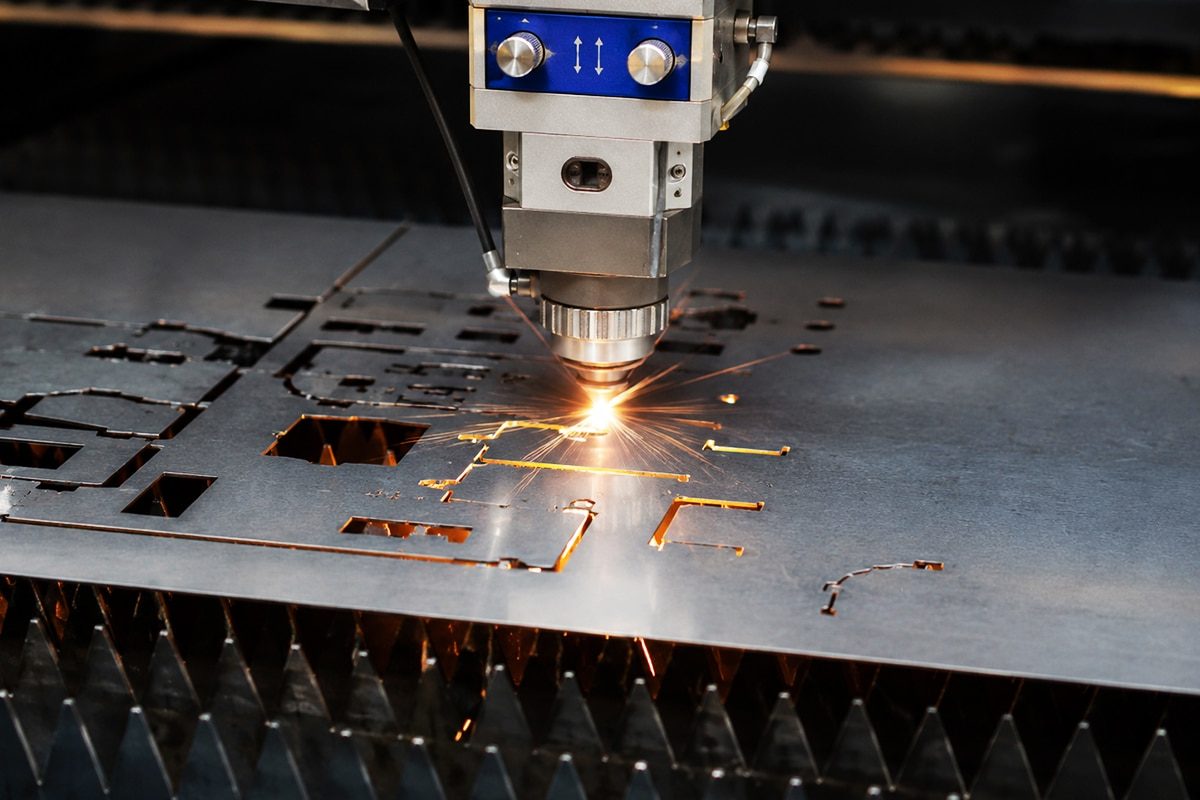
Are There Any Design Considerations When Using Laser Cutting
Laser cutting has become one of the most widely used manufacturing processes in industries ranging from automotive and aerospace to architecture, electronics, and product design. Its ability to produce precise cuts, complex geometries, and clean edges makes it an attractive solution for both mass production and custom fabrication. Modern laser cutting systems can process a variety of materials, including metals, plastics, wood, acrylic, and composites, while maintaining high speed and accuracy. However, achieving high-quality results is not simply a matter of sending a design file to a machine. Effective laser cutting requires careful attention to several important design considerations.
Design plays a critical role in determining the efficiency, cost, structural integrity, and final appearance of a laser-cut product. Factors such as material selection, thickness, kerf width, tolerances, heat distortion, corner geometry, and hole sizing can significantly influence the cutting outcome. Poorly optimized designs may lead to excessive material waste, poor structural performance, inaccurate dimensions, or thermal-stress-induced defects. In contrast, designs that account for the capabilities and limitations of laser cutting technology can improve production efficiency, reduce manufacturing costs, and ensure consistent product quality.
Another important aspect is understanding how laser cutting interacts with different materials. Each material responds differently to heat and energy, requiring adjustments in design and processing parameters. Designers must also consider assembly requirements, edge finishing, bend allowances, and the intended function of the final component. As manufacturing technologies continue to evolve, integrating laser cutting principles early in the design stage has become increasingly essential for engineers and product developers.
This article explores key design considerations for laser cutting, highlighting factors that influence precision, manufacturability, and overall performance. By understanding these considerations, designers can create more efficient, reliable, and cost-effective laser-cut components.
Table of Contents
Understanding the Laser Cutting Process
Laser cutting is a thermal manufacturing process that uses a highly focused beam of light to cut, melt, burn, or vaporize materials with exceptional precision. The process is controlled through computer numerical control (CNC) systems, allowing manufacturers to create intricate shapes, detailed patterns, and highly accurate components. Laser cutting is widely used because it offers fast production speeds, minimal material waste, smooth edge finishes, and the ability to work with a broad range of materials, including metals, plastics, wood, ceramics, and composites.
The basic principle of laser cutting involves directing concentrated laser energy onto a small area of the material surface. As the beam heats the material to extremely high temperatures, the material melts or vaporizes. An assist gas, such as oxygen, nitrogen, or compressed air, is then used to remove molten material from the cut zone and improve cutting quality. The accuracy and efficiency of the process depend on factors such as laser type, beam power, material thickness, cutting speed, and focal positioning.
Different laser technologies are designed for different applications and materials. The three most common laser cutting systems are fiber lasers, CO2 lasers, and crystal lasers. Each technology has unique operating characteristics, advantages, and limitations that influence design considerations and manufacturing outcomes.
Fiber Laser Cutting
Fiber laser cutting uses optical fibers doped with rare-earth elements, such as ytterbium, to generate the laser beam. The beam is delivered through flexible fiber optic cables directly to the cutting head, resulting in excellent energy efficiency and beam quality. Fiber lasers are especially effective for cutting reflective metals such as stainless steel, aluminum, brass, and copper, which can be more difficult for other laser cutting systems to process.
One of the major advantages of fiber laser cutting is its high cutting speed, particularly for thin to medium-thickness metals. The concentrated beam produces narrow kerf widths and highly accurate cuts with minimal heat-affected zones. This precision makes fiber lasers suitable for industries that require tight tolerances and complex geometries, such as aerospace, automotive, medical device manufacturing, and electronics.
Fiber lasers also require relatively low maintenance because they have fewer moving parts and no mirrors that need alignment. In addition, they consume less power compared to many traditional laser cutting systems, reducing operational costs over time. However, while fiber lasers excel at cutting metals, they may not always be the best option for non-metallic materials such as wood, acrylic, or glass.
When designing for fiber laser cutting, engineers must consider material reflectivity, thickness limitations, edge quality requirements, and thermal effects. Thin sections and intricate details can generally be achieved with excellent precision, but excessive heat buildup in dense cutting areas may still distort if not properly managed.
CO2 Laser Cutting
CO2 laser cutting is one of the oldest and most established laser cutting technologies. It uses a gas mixture, primarily carbon dioxide, to generate the laser beam. The beam is guided through mirrors and lenses before being focused onto the material surface. CO2 lasers are highly versatile and are commonly used for cutting non-metallic materials such as wood, acrylic, plastics, leather, paper, textiles, and glass. They are also capable of cutting certain metals when sufficient power is available.
A major strength of CO2 lasers is their ability to produce smooth and clean edges on non-metallic materials. For applications requiring aesthetic quality, such as signage, decorative panels, packaging, and furniture components, CO2 lasers are often preferred. They are also effective for engraving and marking applications because of their consistent beam quality.
Compared to fiber lasers, CO2 laser cutting systems may require more maintenance due to the presence of mirrors, lenses, and gas delivery systems. They also generally consume more energy and may operate at slower cutting speeds for metal materials. Nevertheless, CO2 lasers remain highly valuable because of their flexibility across a wide variety of materials.
From a design perspective, CO2 laser cutting requires careful attention to material burning characteristics, edge charring, and heat sensitivity. Organic materials such as wood and paper may experience discoloration or burn marks if cutting parameters are not optimized. Designers should also account for kerf width, ventilation requirements, and potential warping in heat-sensitive plastics.
Crystal Laser Cutting
Crystal laser cutting refers to laser cutting systems that use crystal-based gain media, such as Nd:YAG (neodymium-doped yttrium aluminum garnet) or Nd:YVO4 (neodymium-doped yttrium orthovanadate). These lasers produce highly concentrated beams capable of achieving extremely fine and precise cuts. Crystal lasers are often used in specialized industrial applications where precision is more important than cutting speed.
One of the key advantages of crystal lasers is their ability to process very small and detailed components with exceptional accuracy. They are frequently used in industries such as electronics, medical equipment manufacturing, semiconductor production, and micro-machining. Crystal lasers can cut both metals and certain non-metals while maintaining excellent dimensional control.
However, crystal laser cutting systems are generally more expensive to purchase and maintain. Their components tend to have shorter operational lifespans compared to fiber lasers, which can increase long-term costs. In addition, they may generate higher operating temperatures, requiring efficient cooling systems to maintain performance stability.
When designing for crystal laser cutting, precision becomes the primary focus. Designers must pay close attention to tolerances, micro-feature dimensions, and material consistency. Even small design variations can affect cutting accuracy when working at microscopic scales. Proper thermal management and spacing between intricate features are also critical to prevent material damage.
Understanding the laser cutting process is essential for creating designs that are both manufacturable and cost-effective. Laser cutting technology offers exceptional flexibility, precision, and speed, but each laser type operates differently and is best suited for specific materials and applications. Fiber lasers are highly efficient for metal cutting and high-speed industrial production, CO2 lasers are ideal for non-metallic materials and decorative applications, while crystal lasers provide ultra-high precision for specialized manufacturing tasks.
Selecting the appropriate laser cutting system during the design stage can significantly improve product quality, reduce waste, and optimize production efficiency. Designers must consider factors such as material compatibility, thermal effects, cutting accuracy, edge quality, and maintenance requirements when developing laser-cut components. A clear understanding of how different laser technologies function allows engineers and manufacturers to make informed decisions that enhance both performance and manufacturing reliability.
Material Selection Considerations
Material selection is one of the most important factors in laser cutting because it directly affects cutting quality, production speed, precision, cost, and the overall performance of the finished product. Although laser cutting is known for its versatility, not all materials respond to laser energy in the same way. Differences in composition, thickness, surface condition, and thermal behavior can significantly influence the effectiveness of the cutting process. Selecting the appropriate material during the design stage helps reduce manufacturing defects, minimize waste, and improve the consistency of the final component.
Designers and manufacturers must carefully evaluate how a material interacts with the chosen laser cutting system. Some materials absorb laser energy efficiently and produce clean, accurate cuts, while others may reflect energy, melt unevenly, or generate excessive heat distortion. In addition, factors such as material strength, surface finish, and heat conductivity play critical roles in determining whether a design can be manufactured successfully. Understanding these considerations allows engineers to optimize both the design and the cutting process for better productivity and product quality.
Material Compatibility
Material compatibility refers to how well a specific material responds to laser cutting technology. Different laser cutting systems are designed to process certain materials more effectively than others. For example, fiber lasers are highly efficient for cutting metals such as stainless steel, aluminum, brass, and copper, while CO2 lasers are commonly used for non-metallic materials such as wood, acrylic, leather, paper, and plastics.
The compatibility of a material depends largely on its ability to absorb laser energy. Materials with high reflectivity, such as polished aluminum and copper, can be challenging to cut because they reflect a significant portion of the laser beam. Reflective surfaces may reduce cutting efficiency and, in some cases, damage laser cutting equipment if not properly managed. Specialized fiber laser cutting systems are often used to address these challenges.
Certain materials also produce hazardous fumes or poor cutting results during laser processing. For example, PVC releases toxic chlorine gas when exposed to laser heat, making it unsuitable for laser cutting. Similarly, some plastics may melt excessively or produce rough edges if incorrect cutting parameters are used. Designers must therefore evaluate both safety and material behavior before selecting materials for laser-cut components.
In addition to process compatibility, the intended application of the final product should also be considered. Structural components may require strong metals with high durability, while decorative applications may prioritize visual appearance and smooth edge finishes. Selecting a material that matches both manufacturing capabilities and functional requirements is essential for successful laser cutting design.
Material Thickness
Material thickness has a major influence on cutting speed, edge quality, dimensional accuracy, and production efficiency. As material thickness increases, more laser energy is required to penetrate and cut through the material. Thicker materials generally result in slower cutting speeds and wider kerf widths, which can affect precision and increase production costs.
Thin materials are usually easier to cut and allow for highly intricate details, sharp corners, and fine patterns. However, extremely thin materials may deform, warp, or vibrate during cutting if they are not properly supported. Designers must consider the structural stability of thin sections to avoid bending or distortion.
Thicker materials present different challenges. The laser beam may lose focus depth as it penetrates deeper into the material, leading to tapered edges or rough cut surfaces. In some cases, molten material may not be completely expelled from the cut zone, causing slag buildup or incomplete cuts. Designers should therefore avoid unnecessarily thick materials when thinner alternatives can provide adequate strength and performance.
Hole sizes and feature dimensions must also be adjusted according to material thickness. Very small holes in thick materials can be difficult to cut accurately and may produce irregular edges. As a general design guideline, hole diameters should not be smaller than the material thickness to maintain cutting quality and dimensional consistency.
Material Surface Quality
The surface condition of a material can significantly impact laser cutting performance and final product appearance. Surface contaminants such as rust, oil, dust, paint, oxidation, or protective coatings may interfere with laser energy absorption and lead to inconsistent cutting results. Clean and uniform surfaces generally produce smoother edges and more reliable cutting accuracy.
Reflective or highly polished surfaces can also affect beam efficiency by scattering or reflecting laser energy away from the cutting area. This may reduce cutting precision and increase the likelihood of thermal defects. In some cases, pre-treatment or specialized laser settings may be required to process reflective materials effectively.
Surface flatness is another important consideration. Materials with uneven or warped surfaces can disrupt the laser’s focal distance, resulting in inconsistent cut depth and poor edge quality. Flat and properly secured materials allow the laser beam to maintain a stable focal point throughout the cutting process.
For applications where appearance is critical, such as architectural panels, decorative products, or consumer goods, surface quality becomes even more important. Scratches, discoloration, burn marks, and oxidation can negatively affect aesthetics and may require additional finishing operations. Designers should therefore consider both functional and visual requirements when selecting materials for laser cutting.
Thermal Properties
Thermal properties determine how a material reacts to the intense heat generated during laser cutting. Factors such as thermal conductivity, melting point, heat capacity, and thermal expansion all influence cutting performance and design outcomes.
Materials with high thermal conductivity, such as copper and aluminum, dissipate heat rapidly. This can make cutting more difficult because the heat spreads away from the cutting zone instead of remaining concentrated at the desired location. Higher laser power or slower cutting speeds may be necessary to achieve complete cuts in these materials.
Materials with low melting points or poor heat resistance may experience excessive melting, edge deformation, or burning during cutting. Plastics, for example, can melt unevenly or develop rough edges if heat input is not carefully controlled. Organic materials such as wood may char or discolor when exposed to prolonged heat.
Thermal expansion is another critical factor in laser cutting design. As materials heat up, they expand, and this expansion can lead to dimensional inaccuracies, warping, or internal stress. Complex geometries with dense cutting patterns are particularly vulnerable to heat buildup. Designers can minimize thermal distortion by incorporating adequate spacing between cut features and optimizing cutting sequences.
The heat-affected zone (HAZ) must also be considered, especially for structural or high-precision applications. Excessive heat exposure may alter the mechanical properties of the material near the cut edge, potentially reducing strength or affecting surface hardness. Proper material selection and optimized cutting parameters help minimize these thermal effects and maintain product integrity.
Material selection is a critical aspect of laser cutting design because it influences nearly every stage of the manufacturing process, from cutting performance and precision to durability and visual quality. Designers must evaluate how materials interact with laser cutting systems, considering factors such as compatibility, thickness, surface condition, and thermal behavior. Each material presents unique advantages and limitations that can affect production efficiency and final product performance.
Choosing the right material helps reduce defects, improve edge quality, minimize waste, and lower manufacturing costs. Materials that are well-suited to the selected laser technology typically produce cleaner cuts, more accurate dimensions, and fewer thermal issues. At the same time, understanding the thermal and mechanical behavior of materials allows designers to prevent distortion, warping, and structural weaknesses.
By carefully considering material selection during the early stages of design, manufacturers can optimize laser cutting operations and produce components that meet both functional and aesthetic requirements. A thorough understanding of material properties ultimately leads to more reliable, efficient, and high-quality laser-cut products.
Kerf Width and Compensation
Kerf width is one of the most important design considerations in laser cutting because it directly affects dimensional accuracy, fit, and overall product quality. During the laser cutting process, a small amount of material is removed as the laser beam passes through the workpiece. This removed material creates a narrow cut path known as the kerf. Although the kerf may appear insignificant, even minor variations can lead to noticeable dimensional errors, especially in precision manufacturing applications.
Understanding kerf behavior is essential for engineers and designers who require accurate part dimensions and proper assembly fit. The width of the kerf depends on several factors, including laser type, beam focus, material thickness, cutting speed, assist gas, and material properties. If kerf width is not properly accounted for during the design stage, parts may end up too large, too small, or improperly aligned during assembly.
Kerf compensation involves adjusting the design dimensions or tool path to offset the material removed by the laser beam. Proper compensation helps maintain dimensional accuracy and ensures that laser-cut components meet functional and aesthetic requirements. This becomes especially important for parts with tight tolerances, interlocking features, or complex geometries.
What Is Kerf
Kerf refers to the width of material removed by the laser beam during cutting. In laser cutting, the beam does not create an infinitely thin line. Instead, the focused energy melts, burns, or vaporizes a narrow section of material, producing a cut gap with measurable width.
The size of the kerf can vary depending on several process conditions. Thin materials typically produce smaller kerf widths because the laser can maintain a tighter focus throughout the cut. Thicker materials often result in wider kerfs due to beam divergence and increased heat distribution as the laser penetrates deeper into the material.
Laser type also influences kerf dimensions. Fiber lasers generally produce narrower kerfs compared to CO2 lasers because of their smaller beam diameter and higher beam intensity. Material composition plays a role as well. Metals, plastics, wood, and composites all react differently to laser energy, which affects melting behavior and cut width.
Kerf width is not always perfectly uniform across the entire cut. Variations in cutting speed, beam focus, or heat buildup can cause slight inconsistencies, particularly in intricate designs or sharp corners. Designers should therefore understand that kerf is a natural characteristic of laser cutting and must be incorporated into dimensional planning.
Importance of Kerf Compensation
Kerf compensation is the process of adjusting the cutting path or design dimensions to account for material removed during laser cutting. Without proper compensation, finished parts may not match the intended dimensions, leading to assembly problems, excessive gaps, or overly tight fits.
For example, if a square opening is designed with exact nominal dimensions but the kerf is ignored, the final opening may become slightly larger than intended because material has been removed along the cut edges. Similarly, external part profiles may become undersized after cutting. Kerf compensation corrects these dimensional changes by offsetting the cutting path appropriately.
Compensation is especially critical in applications involving precision assemblies, slots, tabs, gears, press-fit joints, or modular components. Even small dimensional deviations can affect alignment, mechanical performance, or structural stability. In industries such as aerospace, automotive, electronics, and medical device manufacturing, maintaining precise tolerances is essential for product reliability and safety.
Kerf compensation also contributes to manufacturing consistency. When compensation values are accurately calibrated for a specific material and machine setup, repeated production runs can achieve uniform dimensions and improved quality control. Modern CAD and CAM software often includes automated kerf compensation features that allow designers to apply offsets directly within the cutting program.
However, compensation values should not be treated as universal. Different materials, thicknesses, and laser settings require different compensation adjustments. Test cuts and process validation are commonly used to determine the optimal kerf values for specific manufacturing conditions.
Kerf Effects on Precision Parts
Kerf width has a significant impact on precision parts because even small dimensional variations can influence part performance and assembly accuracy. Components designed with tight tolerances are particularly sensitive to kerf-related deviations.
One of the most common issues caused by improper kerf consideration is a poor fit between mating parts. Interlocking designs, such as tab-and-slot assemblies or press-fit connections, rely on highly accurate dimensions. If the kerf is too large or compensation is incorrect, joints may become loose and unstable. Conversely, insufficient compensation may produce parts that are too tight to assemble properly.
Kerf effects are also important in intricate geometries and fine detail work. Small holes, narrow slots, and sharp internal corners may lose dimensional accuracy because the laser beam has a finite diameter. Extremely fine features may become distorted, rounded, or partially removed if the design exceeds the practical cutting limitations of the machine.
Heat generated during cutting can further influence kerf behavior in precision applications. Thermal expansion and localized melting may cause edge tapering, micro-deformation, or minor dimensional inconsistencies. Thicker materials are especially prone to tapered edges, where the kerf becomes slightly wider at one side of the cut than the other.
Designers can minimize kerf-related issues by maintaining appropriate feature spacing, avoiding excessively small internal details, and designing tolerances that align with the capabilities of the selected laser cutting system. Collaboration between designers and manufacturing engineers is often necessary to achieve optimal results for high-precision laser-cut components.
Kerf width and compensation are essential considerations in laser cutting because they directly affect dimensional accuracy, assembly quality, and manufacturing consistency. Kerf represents the material removed by the laser beam during cutting, and its size can vary depending on factors such as material type, thickness, laser technology, and cutting parameters. Even though the kerf is relatively small, ignoring it can lead to significant design and production problems.
Proper kerf compensation ensures that finished components maintain their intended dimensions and function correctly during assembly. This is particularly important for precision parts, interlocking features, and applications with tight tolerances. By adjusting cutting paths and accounting for material removal, manufacturers can improve fit, reduce production errors, and maintain consistent quality across multiple production runs.
Understanding the relationship between kerf behavior and design geometry allows engineers to create more reliable and manufacturable laser-cut products. Careful planning, accurate compensation values, and process testing all contribute to achieving high levels of precision and efficiency in laser cutting operations.
Minimum Feature Size
Minimum feature size is a critical design consideration in laser cutting because it determines the smallest details that can be accurately and reliably produced. Although laser cutting is known for its high precision, every laser cutting system has physical limitations based on beam diameter, material behavior, heat distribution, and machine accuracy. Features that are too small or too closely spaced may become distorted, weakened, or impossible to manufacture successfully.
Designers must carefully consider minimum feature sizes when creating holes, slots, narrow openings, thin walls, and intricate patterns. If these features are smaller than the laser cutting system can reliably produce, problems such as incomplete cuts, excessive melting, edge roughness, dimensional inaccuracies, or structural weakness may occur. The limitations become even more significant when cutting thicker materials, since the laser beam widens as it penetrates deeper into the workpiece.
Properly designing minimum feature sizes improves manufacturing consistency, reduces material waste, and minimizes the need for secondary finishing operations. It also helps ensure that laser-cut parts maintain their intended strength, dimensional accuracy, and assembly functionality.
Minimum Hole Diameter
Hole size is one of the most important minimum feature considerations in laser cutting. Very small holes can be difficult to produce accurately because the laser beam itself has a finite diameter and generates heat around the cutting area. If the hole diameter is too small relative to the material thickness, molten material may not be expelled efficiently, leading to irregular edges or incomplete cuts.
As a general guideline, the minimum hole diameter should be at least equal to the material thickness. For example, a 3 mm thick metal sheet should ideally have holes no smaller than 3 mm in diameter. Attempting to cut holes significantly smaller than the material thickness may result in tapered edges, excessive heat buildup, or deformation around the hole.
Small holes are also susceptible to thermal distortion because the concentrated heat remains in a confined area for a longer period. This can affect dimensional accuracy and surface quality, especially in metals with high thermal conductivity or thin materials that deform easily.
The laser type and beam quality also influence achievable hole sizes. Fiber lasers typically produce smaller and more precise holes than CO2 lasers because of their narrower beam diameter and higher energy concentration. However, even advanced laser cutting systems have practical limitations that designers must consider during part development.
To improve manufacturability, designers should avoid placing very small holes too close to edges or adjacent features. Adequate spacing helps prevent localized heat accumulation and preserves structural integrity around the cut area.
Small Slots and Narrow Openings
Small slots and narrow openings are commonly used in laser-cut components for ventilation, assembly, weight reduction, decorative patterns, and mechanical functionality. However, these features can present manufacturing challenges if their dimensions fall below the practical capabilities of the laser cutting system.
Narrow slots may experience uneven heat distribution during cutting, causing edge melting, distortion, or inconsistent widths. If the opening is too narrow, molten material may not be effectively removed from the cut path, leading to rough edges or incomplete penetration. This problem becomes more noticeable in thicker materials where deeper cuts restrict material ejection.
Designers should maintain slot widths that are appropriate for the material thickness and laser beam size. Extremely narrow openings can also reduce airflow for assist gases, which are necessary to remove molten material and maintain clean cuts. Insufficient gas flow may result in slag buildup and poor edge quality.
Another important consideration is the spacing between adjacent slots or openings. Features positioned too closely together can create concentrated heat zones that weaken the surrounding material or cause thermal warping. Maintaining adequate spacing helps distribute heat more evenly and improves dimensional stability.
For parts that require intricate patterns or decorative perforations, designers should balance visual complexity with manufacturing feasibility. Simplifying extremely fine details may improve cutting quality while reducing production time and material stress.
Thin Bridges and Fragile Structures
Thin bridges refer to narrow sections of material that remain between cut features or connect different parts of a design. While laser cutting can create highly detailed structures, extremely thin bridges may become fragile and susceptible to bending, cracking, or breakage during manufacturing or handling.
One of the primary challenges with thin structures is heat concentration. During cutting, narrow material sections absorb heat rapidly because there is limited surrounding material to dissipate thermal energy. This can cause warping, localized melting, or weakening of the structure. In severe cases, thin bridges may collapse entirely before the cutting process is completed.
Mechanical stability is another concern. Fragile structures may vibrate or shift during cutting, reducing dimensional accuracy and edge quality. Thin sections can also become damaged during unloading, transportation, or assembly if they lack sufficient strength.
Material type strongly influences the behavior of thin features. Brittle materials or materials with low heat resistance are generally more vulnerable to cracking and deformation. Thin bridges in acrylic, certain plastics, or hardened metals may require additional reinforcement or modified geometries to maintain durability.
Designers can improve structural integrity by increasing bridge widths, adding support features, or reducing the density of nearby cuts. Rounded transitions instead of sharp corners may also help distribute stress more evenly throughout the structure. In applications requiring extremely delicate geometries, alternative manufacturing processes or specialized laser cutting systems may be necessary.
Minimum feature size is a key design factor in laser cutting because it directly affects precision, manufacturability, and structural performance. Features such as small holes, narrow slots, and thin bridges must be designed within the practical limitations of the laser cutting process to ensure accurate and reliable results. Attempting to create features that are too small can lead to incomplete cuts, thermal distortion, rough edges, or weakened structures.
Understanding the relationship between laser beam size, material thickness, heat distribution, and structural stability allows designers to optimize their designs for both quality and efficiency. Proper spacing, appropriate feature dimensions, and careful material selection all contribute to improved cutting performance and reduced production defects.
By considering minimum feature size during the early design stage, manufacturers can achieve better dimensional accuracy, stronger components, and more consistent production outcomes. Well-optimized designs not only improve product reliability but also help reduce manufacturing costs and minimize the need for secondary processing or design revisions.
Corner and Radius Design
Corner and radius design is an important aspect of laser cutting because it directly affects dimensional accuracy, edge quality, structural integrity, and manufacturing efficiency. Although laser cutting is capable of producing highly detailed geometries, the laser beam itself has a finite diameter, which limits the ability to create perfectly sharp corners. Improper corner design can lead to excessive heat buildup, material distortion, weak stress points, or inconsistent cut quality.
Designers must carefully consider how corners behave during the cutting process, particularly in applications involving tight tolerances, precision assemblies, or structural components. Internal corners, external edges, and transition radii all influence how heat is distributed and how smoothly the laser can move along the cutting path. Well-designed corners improve manufacturability, reduce thermal stress, and help maintain the strength and appearance of the finished part.
By incorporating appropriate corner radii and understanding the limitations of laser cutting geometry, manufacturers can achieve more reliable production results while minimizing defects and secondary finishing requirements.
Sharp Internal Corners
Sharp internal corners are one of the most challenging features to produce in laser cutting. Because the laser beam has a measurable diameter, it cannot create a perfectly sharp inside corner with zero radius. Instead, the resulting corner naturally includes a small, rounded edge that corresponds to the beam size and cutting conditions.
Attempting to force extremely sharp internal corners can create several manufacturing problems. As the laser changes direction abruptly at the corner, heat tends to concentrate in a small area. This localized heat buildup may cause melting, burning, edge roughness, or thermal distortion. In thicker materials, the problem becomes more severe because the laser beam widens as it penetrates deeper into the material.
Sharp internal corners can also weaken structural integrity. Corners with very small radii often act as stress concentration points where cracks or fractures are more likely to develop under mechanical loading. This is especially important in components exposed to vibration, impact, or repeated stress cycles.
To reduce these issues, designers often replace perfectly sharp corners with small radii or incorporate relief features such as dog-bone corners or rounded transitions. These modifications improve manufacturability while maintaining functional performance. In precision assemblies, allowing slight corner radii can also improve part fit and reduce post-processing requirements.
Recommended Corner Radii
Using appropriate corner radii is one of the most effective ways to improve laser cutting quality and part durability. Rounded corners allow the laser head to move more smoothly through directional changes, reducing heat concentration and maintaining more consistent cutting speeds.
A recommended corner radius often depends on material thickness, laser type, and application requirements. As a general guideline, internal corner radii should not be smaller than the laser beam diameter or the material thickness when possible. Larger radii typically result in smoother edges, lower thermal stress, and improved dimensional stability.
Rounded corners also help distribute mechanical stress more evenly across the part. In structural applications, smooth transitions reduce the likelihood of crack formation and improve overall strength. This is particularly important for load-bearing components or parts subjected to repeated movement and vibration.
From a manufacturing perspective, generous corner radii can reduce machine acceleration demands and improve cutting efficiency. Abrupt directional changes require the laser cutting system to slow down and reposition more precisely, which may increase cutting time and reduce edge consistency. Smooth curves and transitions allow faster, more stable machine movement.
In decorative or aesthetic applications, corner radii also contribute to visual quality. Rounded features often appear cleaner and more refined while reducing the risk of sharp or uneven edges. Designers should therefore balance functional requirements, structural performance, and appearance when selecting corner radii.
External Corner Considerations
External corners also require careful attention in laser cutting because they are susceptible to overheating, edge deformation, and dimensional inaccuracies. As the laser approaches an external corner, the cutting path often slows momentarily to maintain precision. This can cause excessive heat accumulation at the corner tip, resulting in melting or rounded edges.
One common issue with external corners is corner blowout, where excess material removal causes the corner to lose its intended sharpness. Thin materials are especially vulnerable because they heat rapidly and have less structural resistance to thermal effects. In some cases, external corners may become slightly oversized or develop burrs that require secondary finishing.
Designers can reduce external corner problems by incorporating small radii or chamfers instead of perfectly sharp points. Slightly rounded external corners help distribute heat more evenly and reduce the likelihood of overheating. Adjusting cutting sequences and machine parameters can also improve edge quality and dimensional control.
External corner spacing is another important consideration. Corners positioned too close to other cut features may create concentrated thermal zones that increase the risk of warping or distortion. Maintaining adequate material around corners helps preserve structural stability during the cutting process.
For components requiring high precision or a clean visual appearance, designers may also consider post-processing methods such as deburring, grinding, or polishing to refine external edges after cutting.
Corner and radius design plays a major role in the quality, strength, and manufacturability of laser-cut components. Because laser beams have finite diameters, perfectly sharp corners are difficult to achieve and may lead to heat concentration, distortion, or structural weaknesses. Proper corner design helps reduce these problems while improving cutting efficiency and dimensional accuracy.
Sharp internal corners are particularly sensitive to thermal stress and often benefit from the use of rounded transitions or relief features. Recommended corner radii improve heat distribution, enhance structural performance, and allow smoother machine movement during cutting. External corners also require careful attention to prevent overheating, edge rounding, and material deformation.
By understanding how corners behave during laser cutting, designers can create components that are easier to manufacture, more durable, and visually cleaner. Incorporating suitable radii and optimizing corner geometry early in the design process helps improve production consistency, reduce defects, and minimize the need for secondary finishing operations.
Heat-Affected Zone (HAZ) Management
Heat management is one of the most critical aspects of laser cutting because the process relies on concentrated thermal energy to melt, burn, or vaporize material. While laser cutting is known for producing relatively small heat-affected areas compared to many traditional cutting methods, some degree of thermal influence is unavoidable. The region of material that experiences changes in its physical or mechanical properties due to heat exposure is known as the heat-affected zone (HAZ).
The size and severity of the HAZ can significantly influence the quality, strength, appearance, and dimensional stability of laser-cut components. Excessive heat exposure may lead to discoloration, edge hardening, warping, cracking, or loss of material properties. In precision manufacturing applications, poor HAZ control can reduce assembly accuracy and compromise product reliability.
Effective HAZ management requires careful consideration of material properties, laser parameters, cutting speed, and design geometry. By understanding how heat behaves during laser cutting, designers and manufacturers can reduce thermal damage, improve cut quality, and maintain the structural integrity of the finished product.
Understanding the Heat-Affected Zone
The heat-affected zone refers to the area surrounding the laser cut where the material experiences thermal changes without being completely melted or removed. Although the laser beam directly cuts through a narrow path, heat spreads outward into the surrounding material, altering its microstructure and physical characteristics.
The size of the HAZ depends on several factors, including laser power, cutting speed, beam focus, assist gas type, and material thermal conductivity. Higher laser power and slower cutting speeds generally increase heat input, resulting in a larger heat-affected zone. In contrast, faster cutting speeds and optimized beam settings help reduce thermal exposure.
Different materials react differently to heat. Metals may experience changes in hardness, grain structure, or residual stress near the cut edge. Plastics may melt, deform, or discolor, while wood and organic materials can char or burn around the cut area. These thermal effects may influence both the appearance and functionality of the final product.
The HAZ is particularly important in applications involving structural components, precision assemblies, or heat-sensitive materials. Even small changes in material properties can affect strength, corrosion resistance, fatigue life, or dimensional accuracy. For this reason, understanding the behavior of the heat-affected zone is essential when designing laser-cut parts.
Minimizing HAZ
Reducing the size of the heat-affected zone is a major goal in laser cutting design and process optimization. Proper control of cutting parameters helps limit unnecessary heat transfer and improve overall cut quality.
One of the most effective ways to minimize HAZ is by optimizing cutting speed. Faster cutting speeds reduce the amount of time heat remains concentrated in one area, limiting thermal penetration into the surrounding material. However, cutting too quickly may result in incomplete cuts or rough edges, so a balance must be maintained.
Laser power selection is equally important. Excessive power can overheat the material and enlarge the heat-affected zone, while insufficient power may reduce cutting efficiency. Using the minimum power necessary to achieve a clean cut often helps reduce thermal damage.
Beam focus and assist gas settings also play important roles. Proper beam focusing concentrates energy more precisely within the cutting path, minimizing heat spread. Assist gases such as nitrogen, oxygen, or compressed air help remove molten material and cool the cutting zone. Nitrogen is commonly used when clean, oxidation-free edges are required.
Design geometry can also influence heat buildup. Features positioned too closely together may create concentrated thermal zones, increasing the risk of warping or distortion. Designers should maintain adequate spacing between cuts, avoid extremely dense cutting patterns, and use smooth transitions where possible to improve heat distribution.
In some applications, additional cooling methods or post-processing treatments may be used to reduce thermal effects further. Stress-relief treatments, polishing, or edge finishing can help restore material performance and improve final appearance.
HAZ in Different Materials
The effects of the heat-affected zone vary significantly depending on the material being cut. Each material responds differently to laser-generated heat due to differences in thermal conductivity, melting point, heat capacity, and chemical composition.
In metals, the HAZ may alter hardness, ductility, and internal stress distribution. Carbon steels, for example, can experience localized hardening near the cut edge due to rapid heating and cooling cycles. Stainless steel may develop oxidation or discoloration if improper assisting gases are used. Aluminum and copper, which have high thermal conductivity, tend to spread heat more quickly, making heat control more challenging.
Thin metal sheets generally produce smaller heat-affected zones because heat dissipates rapidly, and cutting speeds are higher. Thicker metals often experience larger HAZ regions due to increased energy requirements and longer exposure times.
Plastics are highly sensitive to thermal effects and may deform, melt, or produce rough edges if heat input is excessive. Acrylic typically cuts cleanly with polished edges, while some thermoplastics may warp or release fumes during processing. Heat-sensitive plastics often require lower power settings and careful speed adjustments.
Wood, paper, and other organic materials are prone to burning, charring, and discoloration around the cut edge. While some decorative applications may intentionally use this effect for aesthetic purposes, excessive charring can weaken the material and reduce surface quality.
Composite materials present additional challenges because their layered structures may react unevenly to heat. Certain composites may delaminate, crack, or release hazardous fumes during laser cutting, requiring specialized processing techniques and ventilation systems.
Heat-affected zone management is a vital consideration in laser cutting because thermal exposure can influence material properties, dimensional accuracy, structural integrity, and visual appearance. The heat-affected zone forms when surrounding material absorbs heat from the laser cutting process, causing physical or microstructural changes near the cut edge. Although laser cutting typically produces smaller HAZ regions than many traditional cutting methods, careful process control is still necessary to minimize thermal damage.
Reducing the HAZ involves optimizing cutting speed, laser power, beam focus, assist gases, and part geometry. Proper spacing between features and efficient heat distribution also help prevent warping, discoloration, and material weakening. Since different materials react differently to heat, designers must understand the thermal behavior of metals, plastics, wood, and composites when developing laser-cut products.
By carefully managing the heat-affected zone during both the design and manufacturing stages, engineers can improve product quality, maintain material performance, and achieve more consistent cutting results. Effective HAZ control ultimately contributes to stronger, cleaner, and more reliable laser-cut components.
Tolerance and Precision Requirements
Tolerance and precision are critical considerations in laser cutting because they determine how accurately a finished part matches its intended dimensions and functional requirements. One of the major advantages of laser cutting is its ability to produce highly detailed and repeatable cuts with relatively tight tolerances. However, no manufacturing process is perfectly precise, and laser cutting performance can vary depending on material type, thickness, machine calibration, thermal effects, and cutting parameters.
Designers must establish realistic tolerance requirements based on the capabilities of the laser cutting system and the purpose of the component. Overly strict tolerances may increase manufacturing complexity and cost without providing meaningful functional benefits. On the other hand, tolerances that are too loose may result in poor assembly fit, reduced performance, or inconsistent product quality.
Understanding the difference between functional and cosmetic tolerances is also important during the design process. Some dimensions directly affect assembly and mechanical performance, while others are primarily related to appearance. In many cases, secondary operations may be necessary to achieve extremely high precision or surface quality requirements beyond the practical limits of laser cutting alone.
Realistic Tolerance Expectations
Although laser cutting is capable of producing accurate and repeatable parts, designers must maintain realistic expectations regarding achievable tolerances. Actual precision depends on several variables, including laser type, material thickness, machine condition, cutting speed, beam quality, and thermal distortion.
Thin materials generally allow tighter tolerances because the laser beam maintains a more stable focus and produces less heat distortion. Thicker materials often experience greater dimensional variation due to wider kerf widths, edge tapering, and heat expansion during cutting. Materials with inconsistent surface quality or varying composition may also produce slight dimensional fluctuations.
Modern fiber laser cutting systems typically achieve higher precision than older or less advanced cutting technologies, especially when processing thin metals. However, even highly accurate machines are affected by natural process limitations such as beam diameter, vibration, thermal movement, and assist gas flow.
Designers should avoid specifying unnecessarily tight tolerances unless they are truly required for functionality. Extremely restrictive tolerances can increase production costs because they may require slower cutting speeds, additional quality inspections, or secondary finishing processes. In many applications, moderate tolerances provide sufficient performance while improving production efficiency and reducing manufacturing expenses.
Clear communication between designers and manufacturers is essential when defining tolerance requirements. Understanding the practical capabilities of the selected laser cutting system helps ensure that designs remain manufacturable without high cost or production delays.
Functional VS Cosmetic Tolerances
Not all dimensions on a laser-cut component require the same level of precision. Some tolerances directly affect the functionality, assembly, or structural performance of a part, while others mainly influence visual appearance. Distinguishing between functional and cosmetic tolerances allows designers to prioritize critical dimensions more effectively.
Functional tolerances apply to features that influence how components fit together or operate within a system. Examples include mounting holes, interlocking tabs, slots, alignment features, and mating surfaces. If these dimensions fall outside acceptable limits, the part may fail to assemble correctly or perform as intended. Functional tolerances, therefore, require careful attention during both design and manufacturing.
Cosmetic tolerances, in contrast, relate primarily to visual appearance rather than mechanical performance. Decorative edges, non-critical cutouts, engraved patterns, or external contours often allow more dimensional flexibility as long as the overall appearance remains acceptable. Slight edge variation or minor dimensional differences in these areas may not affect product usability.
Applying tight tolerances uniformly across an entire design is usually unnecessary and can increase manufacturing difficulty. Instead, designers should identify which dimensions are critical to function and apply stricter controls only where needed. This approach improves manufacturing efficiency while maintaining the required level of quality.
Surface finish and edge quality may also differ between functional and cosmetic areas. Functional surfaces may require smooth edges or precise alignment, while cosmetic features may prioritize clean appearance over dimensional exactness. Proper tolerance classification helps optimize both performance and production cost.
Secondary Operations
In some cases, laser cutting alone may not achieve the required precision, surface finish, or dimensional consistency for highly demanding applications. Secondary operations are often used to refine laser-cut components and achieve tighter tolerances or improved part quality.
Common secondary operations include machining, drilling, tapping, grinding, deburring, polishing, bending, and welding. These processes help correct minor dimensional variations, improve edge finishes, or add features that are difficult to produce accurately through laser cutting alone.
For example, laser cutting may be used to create a rough hole profile, while final precision sizing is achieved through reaming or machining. Similarly, deburring and polishing may remove sharp edges or improve surface appearance for visible consumer products or high-precision assemblies.
Secondary operations are especially important in industries such as aerospace, medical device manufacturing, automotive engineering, and electronics, where extremely tight tolerances and high surface quality standards are required. In these applications, laser cutting often serves as the initial shaping process before final finishing steps are performed.
Designers should consider secondary operations early in the product development stage. Allowing adequate material for finishing processes and understanding how post-processing affects dimensions can help prevent manufacturing issues later. While secondary operations add time and cost, they may be necessary to achieve the desired level of precision and performance.
Balancing laser cutting capabilities with appropriate finishing processes allows manufacturers to optimize efficiency while maintaining high-quality standards.
Tolerance and precision requirements are fundamental aspects of laser cutting design because they determine the dimensional accuracy, fit, and performance of finished components. While laser cutting offers excellent precision compared to many traditional manufacturing methods, achievable tolerances depend on factors such as material thickness, machine capability, thermal effects, and cutting parameters. Designers must establish realistic expectations that align with both functional requirements and manufacturing limitations.
Understanding the difference between functional and cosmetic tolerances helps prioritize critical dimensions while avoiding unnecessary production complexity. Functional features often require stricter precision to ensure proper assembly and mechanical performance, whereas cosmetic features may allow greater dimensional flexibility without affecting usability.
In applications requiring extremely tight tolerances or superior surface finishes, secondary operations such as machining, polishing, or deburring may be necessary to achieve the desired results. By carefully balancing tolerance requirements with manufacturing capabilities, designers can improve product quality, reduce costs, and ensure efficient production of reliable laser-cut components.
Joint and Assembly Design
Joint and assembly design is a crucial aspect of laser-cut product development because it determines how individual components fit together, maintain alignment, and achieve structural stability. One of the advantages of laser cutting is its ability to create highly precise and repeatable geometries, making it well-suited for complex assemblies and interlocking parts. However, successful assembly depends on more than accurate cutting alone. Designers must also consider tolerances, material thickness, kerf compensation, load distribution, and manufacturing limitations when developing joint features.
Well-designed joints improve assembly speed, reduce the need for additional fasteners, and enhance overall product strength. Poorly designed connections, on the other hand, can lead to loose fits, excessive stress, difficult assembly, or structural failure. Laser cutting is commonly used to create tab-and-slot systems, press-fit connections, and weld-ready edges, each of which requires careful planning to achieve reliable performance.
By integrating assembly considerations into the early stages of design, manufacturers can improve production efficiency, reduce costs, and create components that are easier to fabricate and assemble consistently.
Tab and Slot Design
Tab and slot joints are among the most common assembly methods used in laser-cut products. These joints use protruding tabs on one component that fit into corresponding slots on another component, creating accurate alignment and mechanical support during assembly.
One of the primary benefits of tab and slot design is improved positioning accuracy. Because laser cutting can produce highly consistent dimensions, the slots help guide components into place and maintain alignment without requiring extensive manual adjustment. This feature is especially valuable in applications such as enclosures, frames, brackets, furniture, and sheet metal assemblies.
Proper sizing is essential for effective tab and slot performance. Designers must account for kerf width and manufacturing tolerances when determining tab and slot dimensions. If the slot is too large, the connection may become loose and unstable. If the slot is too tight, assembly may become difficult or cause material deformation during insertion.
Material thickness also plays a major role in tab design. Tabs that are too narrow may become weak and prone to bending or breaking, while oversized tabs can create unnecessary stress concentrations. Rounded internal slot corners are often recommended because perfectly sharp corners are difficult to produce accurately with laser cutting.
Spacing between tabs is another important consideration. Concentrating too many tabs in one area can weaken the surrounding material or create excessive thermal stress during cutting. Designers should balance structural support with material integrity to achieve durable and manufacturable assemblies.
Press-Fit Designs
Press-fit designs rely on friction between mating parts to hold components together without adhesives, screws, or welding. Laser cutting is particularly suitable for press-fit assemblies because of its high dimensional precision and repeatability.
In a press-fit connection, the mating parts are intentionally designed with slight interference. This means the inserted component is slightly larger than the receiving opening, creating a tight mechanical connection when assembled. The accuracy of the fit depends heavily on kerf compensation, material behavior, and manufacturing consistency.
Designing successful press-fit joints requires careful control of tolerances. Even small dimensional variations can significantly affect assembly performance. If the fit is too loose, the connection may lack sufficient holding force. If the fit is too tight, assembly may require excessive force and increase the risk of cracking, bending, or damaging the material.
Material flexibility and elasticity are also critical factors. Materials such as acrylic or brittle plastics may crack under excessive stress, while metals and flexible plastics can better tolerate interference fits. Designers should consider how the material behaves during insertion and long-term use.
Laser-cut press-fit designs are commonly used in modular products, packaging prototypes, display structures, architectural models, and consumer products. In many cases, test prototypes are necessary to determine the optimal fit because material properties and laser settings can slightly influence final dimensions.
Adding small lead-in chamfers or rounded edges can improve assembly ease and reduce stress concentrations during insertion. Designers should also avoid placing press-fit features too close to edges, where material strength may be reduced.
Weld Preparation
Laser cutting is frequently used to prepare components for welding because it can produce clean, accurate edges with minimal material distortion. Proper weld preparation improves joint quality, reduces assembly time, and enhances structural integrity in welded assemblies.
One of the key advantages of laser-cut weld preparation is dimensional precision. Accurate edge geometry allows components to fit together consistently, which improves weld alignment and reduces gaps between mating surfaces. Tight and uniform fit-up helps create stronger and more reliable welds.
Designers should consider weld accessibility when developing laser-cut assemblies. Sufficient space must be provided for welding tools, filler materials, and operator access. Poor accessibility can make welding difficult and increase the likelihood of defects or incomplete joints.
Joint geometry is another important consideration. Certain weld types, such as butt joints, lap joints, and fillet joints, may require different edge profiles or clearances. In thicker materials, bevels or chamfers may be added to improve weld penetration and fusion strength.
Heat distortion during welding must also be considered. Components that are too thin or poorly supported may warp when exposed to welding heat. Laser-cut alignment tabs, slots, or fixtures are often incorporated into designs to maintain positioning during the welding process.
Surface quality is equally important for weld preparation. Oxidation, slag, or contaminants left after cutting can negatively affect weld quality. Secondary cleaning or edge finishing may be required for applications demanding high-strength or visually clean welds.
Joint and assembly design is a vital consideration in laser cutting because it directly affects product strength, assembly efficiency, and manufacturing accuracy. Laser cutting enables the production of highly precise joint features, but successful assembly depends on proper design planning, tolerance management, and material understanding.
Tab and slot systems provide reliable alignment and structural support while simplifying assembly processes. Press-fit designs allow components to connect securely without additional fasteners, but they require careful tolerance control and material selection. Weld preparation features created through laser cutting improve fit-up accuracy and support stronger, more consistent welded joints.
By integrating assembly requirements into the design stage, manufacturers can reduce production errors, improve structural performance, and streamline fabrication processes. Well-designed joints not only enhance the functionality of laser-cut products but also contribute to lower manufacturing costs and more efficient production workflows.
Bend Allowance and Sheet Metal Design
Laser cutting is widely used in sheet metal fabrication because it allows manufacturers to create highly accurate flat patterns that can later be formed into three-dimensional components through bending operations. However, designing sheet metal parts for bending requires more than simply cutting the desired shape. Material deformation during bending changes the final dimensions of the part, making bend allowance and bend-related design considerations essential for achieving accurate and functional components.
When sheet metal is bent, the material on the outer side of the bend stretches while the inner side compresses. This deformation affects the overall length and geometry of the finished part. If bend allowances are not properly calculated, the final dimensions may differ significantly from the intended design. In addition, features placed too close to bend lines may distort, crack, or interfere with tooling during fabrication.
Designers must also consider factors such as bend radius, material thickness, grain direction, and feature placement to ensure that laser-cut parts can be bent efficiently and consistently. Proper sheet metal design reduces manufacturing errors, improves structural performance, and minimizes the need for costly rework or secondary adjustments.
Designing for Bending
Designing laser-cut sheet metal parts for bending begins with understanding how the material behaves during the forming process. Because bending alters the shape and dimensions of the material, flat patterns must include bend allowances that compensate for stretching and compression.
Bend allowance refers to the amount of material required to accommodate the bend without changing the final intended dimensions of the part. Accurate bend allowance calculations depend on factors such as material type, thickness, bend angle, and bend radius. Different metals deform differently under stress, meaning that aluminum, stainless steel, and mild steel may each require unique bend calculations.
The bend radius is another important design factor. Extremely small bend radii can place excessive stress on the material, increasing the risk of cracking or surface damage. As a general guideline, the inside bend radius should be at least equal to the material thickness for many sheet metal applications. Larger bend radii generally improve structural integrity and reduce material stress.
Designers should also consider tooling limitations when creating bend features. Press brakes and bending equipment require sufficient clearance around bends to avoid interference with adjacent features or complex geometries. Components with multiple bends may need special bending sequences to prevent collisions or deformation during fabrication.
Relief cuts are often added near bend areas to reduce stress concentration and prevent tearing or distortion. These small cutouts allow the material to deform more naturally during bending, especially in corners or tight geometries.
Minimum Distance from Bend Lines
The placement of holes, slots, cutouts, and other features relative to bend lines is a critical consideration in sheet metal design. Features located too close to a bend may become distorted during forming or interfere with the bending process itself.
As the material bends, areas near the bend line experience significant mechanical stress and deformation. Holes positioned too close to the bend may stretch into oval shapes, while slots and narrow cutouts may warp or crack. In some cases, the bending tooling may physically collide with nearby features, causing damage to both the part and the equipment.
A common design guideline is to maintain a minimum distance between features and bend lines equal to at least two to three times the material thickness. However, the ideal spacing depends on factors such as material type, bend radius, and manufacturing method. Larger distances generally improve dimensional stability and reduce the likelihood of deformation.
Relief features can also help protect nearby cutouts during bending. Adding bend reliefs at corners or transitions reduces localized stress and allows the material to bend more evenly. Rounded feature edges may further reduce stress concentrations and improve durability.
Designers should pay particular attention to precision features such as mounting holes, alignment slots, or press-fit connections near bend zones. Even small distortions in these areas can affect assembly accuracy and functional performance.
Grain Direction Considerations
Grain direction is an often-overlooked but highly important factor in sheet metal bending and laser cutting design. During metal rolling and manufacturing, sheet materials develop a grain structure that influences their mechanical behavior. The orientation of this grain can affect bend quality, strength, and the likelihood of cracking.
Bending parallel to the grain direction generally increases the risk of cracking because the material tends to separate more easily along the grain lines. This is especially true for harder or less ductile materials such as stainless steel or certain aluminum alloys. In contrast, bending perpendicular to the grain usually produces smoother and more reliable bends because the material can stretch more evenly across the grain structure.
Grain direction also influences springback, which is the tendency of a material to partially return to its original shape after bending. Different grain orientations may produce slight variations in bend accuracy and angle consistency, particularly in precision applications.
For components requiring multiple bends or high structural integrity, designers should carefully plan the orientation of the flat pattern relative to the material grain. Proper grain alignment helps improve bend quality, reduce cracking risk, and maintain more consistent dimensional performance.
In decorative or visible applications, grain direction may additionally affect surface appearance. Consistent grain orientation across multiple components can improve visual uniformity and product aesthetics.
Bend allowance and sheet metal design are essential considerations when using laser cutting for fabricated metal components. Because sheet metal changes shape during bending, designers must account for material stretching, compression, and deformation to ensure that final dimensions remain accurate. Proper bend allowance calculations help prevent dimensional errors and improve manufacturing consistency.
Designing for bending also requires careful attention to bend radii, tooling limitations, and relief features. Maintaining sufficient distance between bend lines and nearby holes or cutouts reduces distortion and improves structural reliability. In addition, understanding grain direction helps minimize cracking risk and improves bend quality, especially in harder or less ductile materials.
By integrating bending considerations into the laser cutting design stage, manufacturers can produce stronger, more accurate, and easier-to-assemble sheet metal components. Effective bend design not only improves product performance but also reduces production issues, material waste, and manufacturing costs.
Nesting and Material Utilization
Material utilization is a major factor in the efficiency and cost-effectiveness of laser cutting operations. Since raw material often represents a significant portion of manufacturing expenses, maximizing sheet usage while minimizing waste is an important design and production objective. Nesting refers to the arrangement of parts on a material sheet in a way that optimizes space usage and improves cutting efficiency.
Effective nesting not only reduces scrap material but also improves production speed, lowers operating costs, and supports more sustainable manufacturing practices. Poor nesting layouts can lead to excessive waste, longer cutting times, thermal distortion, and inefficient machine movement. Designers and manufacturers must therefore consider how parts are positioned, spaced, and oriented during the layout process.
Modern laser cutting systems often use advanced nesting software to automate material optimization, but successful nesting still depends heavily on thoughtful part design. Features such as part geometry, spacing requirements, grain direction, and cutting sequences all influence how efficiently parts can be arranged on a sheet. Understanding nesting principles helps manufacturers achieve better productivity and more economical production outcomes.
Importance of Nesting
Nesting is essential in laser cutting because it directly affects material consumption and manufacturing efficiency. By arranging parts closely and strategically on a material sheet, manufacturers can reduce unused space and maximize the number of components produced from a single sheet of material.
Efficient nesting lowers raw material costs by minimizing scrap. This is especially important when working with expensive materials such as stainless steel, aluminum, titanium, or specialty alloys. Even small improvements in material utilization can result in significant cost savings over large production runs.
Nesting also influences machine productivity. Optimized layouts reduce unnecessary laser head movement, shorten cutting paths, and decrease overall production time. Shorter cutting cycles improve throughput and reduce energy consumption, contributing to lower operating expenses.
Another important benefit of proper nesting is improved thermal management. If parts are positioned too closely together without considering heat buildup, the concentrated thermal energy may cause warping, distortion, or dimensional inaccuracies. Effective nesting balances material efficiency with sufficient spacing to maintain part quality.
Modern CAD/CAM nesting software can automatically calculate highly efficient layouts, but manual adjustments are often still necessary for complex parts or specialized production requirements. Designers should therefore create geometries that support efficient nesting whenever possible, such as using compact shapes and avoiding unnecessary material usage.
Part Orientation
Part orientation plays a critical role in both material utilization and final product quality. The direction in which parts are arranged on the material sheet can influence cutting efficiency, thermal behavior, structural performance, and post-processing operations.
One of the key considerations in part orientation is grain direction, particularly in sheet metals. As discussed in bending and forming applications, metal grain orientation can affect bend strength and cracking resistance. Parts that will later undergo forming operations may need to be oriented consistently relative to the grain structure to maintain reliable mechanical performance.
Orientation also affects thermal distribution during cutting. Long continuous cuts aligned in the same direction may create uneven heat accumulation, increasing the risk of material distortion. Rotating or repositioning parts strategically can help distribute heat more evenly across the sheet and reduce thermal stress.
In addition, part orientation influences machine movement efficiency. Arranging components to minimize rapid directional changes and long travel distances can improve cutting speed and reduce wear on machine components. Smooth and organized cutting paths contribute to more stable cutting conditions and better edge quality.
For aesthetic applications, orientation may also affect surface appearance. Materials with brushed finishes, visible grain patterns, or directional textures often require consistent orientation to maintain visual uniformity across multiple parts.
Designers should therefore consider not only material savings but also manufacturing performance and final product requirements when determining part orientation within a nesting layout.
Common-Line Cutting
Common-line cutting is an advanced nesting strategy used to improve material utilization and reduce cutting time. In this technique, adjacent parts share a single cut line instead of each part having separate individual edges. By eliminating duplicate cuts between neighboring components, manufacturers can reduce both material waste and machine operation time.
One of the primary advantages of common-line cutting is increased production efficiency. Fewer total cuts mean reduced laser runtime, lower energy consumption, and faster manufacturing cycles. This approach can be especially beneficial in high-volume production environments where even small time savings become significant over large batches.
Common-line cutting also helps conserve material by minimizing the spacing required between parts. Since neighboring components share edges, the layout becomes more compact and efficient. This allows manufacturers to fit more parts onto a single sheet and reduce scrap generation.
However, common-line cutting requires careful planning and process control. Shared edges can increase localized heat buildup, which may lead to distortion or inconsistent edge quality if cutting parameters are not optimized. Thin materials are particularly sensitive to thermal movement during shared-edge cutting.
Part stability is another consideration. Because common-line cutting reduces the amount of supporting material between components, parts may shift or tip during the cutting process if not properly secured. Specialized cutting sequences or micro-tabs may be used to maintain stability until the sheet is fully processed.
Design compatibility is also important. Common-line cutting works best for geometries with straight or compatible adjacent edges. Complex or irregular shapes may not benefit significantly from this approach.
Nesting and material utilization are critical aspects of laser cutting design because they directly influence production cost, efficiency, and sustainability. Effective nesting maximizes the number of parts produced from a material sheet while minimizing scrap and reducing manufacturing expenses. Proper layouts also improve machine productivity and help control thermal distortion during cutting.
Part orientation is an important element of successful nesting because it affects grain direction, thermal distribution, machine movement efficiency, and final product appearance. Strategic orientation helps maintain both manufacturing quality and structural performance.
Common-line cutting further improves efficiency by allowing adjacent parts to share cut paths, reducing both material waste and cutting time. However, this method requires careful consideration of heat buildup, part stability, and geometry compatibility.
By incorporating nesting and material utilization strategies during the design stage, manufacturers can optimize laser cutting operations, lower production costs, and improve overall manufacturing efficiency. Well-planned nesting not only enhances profitability but also supports more sustainable and resource-efficient production practices.
Lead-Ins and Pierce Point Design
Lead-ins and pierce points are important yet often overlooked aspects of laser cutting design. Before a laser can begin cutting a contour, it must first pierce through the material’s surface. This initial penetration creates a pierce point, after which the laser transitions into the cutting path through a lead-in movement. Although these operations occur in a very small area, they can significantly affect edge quality, dimensional accuracy, surface appearance, and overall manufacturing performance.
Improperly positioned pierce points or poorly designed lead-ins may leave visible marks, generate excess heat, or create defects near critical features. In precision or cosmetic applications, these imperfections can reduce product quality and require additional finishing processes. Designers must therefore consider where the laser enters the material and how it transitions into the final cut geometry.
Factors such as material thickness, laser power, part geometry, and aesthetic requirements all influence lead-in and pierce point strategies. By optimizing these features during the design stage, manufacturers can improve cut consistency, reduce thermal damage, and produce cleaner finished components.
Pierce Marks
A pierce mark is the visible area created when the laser initially penetrates the material surface before beginning the cutting process. During piercing, concentrated laser energy rapidly heats the material until it melts or vaporizes completely through the thickness of the sheet. Because this process involves intense localized heat, the piercing area often experiences more thermal stress than the rest of the cut path.
Pierce marks can appear as small blemishes, rough spots, discoloration, or slight surface irregularities near the cut edge. In thicker materials, piercing may also create excess molten material or spatter around the entry point. These imperfections are usually minor, but they can become problematic in high-precision or visually sensitive applications.
The severity of pierce marks depends on several factors, including material type, thickness, laser settings, and assist gas selection. Thicker materials generally require longer piercing times and higher energy input, increasing the likelihood of visible surface effects. Materials such as stainless steel and aluminum may also react differently to piercing due to variations in thermal conductivity and melting behavior.
To minimize the impact of pierce marks, designers often place pierce points in non-critical areas where small surface imperfections will not affect functionality or appearance. Internal cut regions, hidden assembly areas, or waste sections are common locations for pierce placement. Proper process optimization, including pulse piercing and controlled power settings, can further reduce surface damage and improve edge quality.
Lead-In Geometry
Lead-ins are the short transition paths that guide the laser from the pierce point into the main cutting contour. Instead of starting the cut directly on the finished edge, the laser enters gradually through a lead-in path, helping stabilize the cutting process and improve edge consistency.
The geometry of the lead-in can significantly influence cut quality. Common lead-in styles include straight lines, arcs, loops, and tangential curves. Curved or tangential lead-ins are often preferred because they create smoother transitions and reduce sudden directional changes that may affect edge quality.
Lead-in length is another important consideration. Very short lead-ins may not provide enough distance for the laser to stabilize fully before reaching the final contour, potentially causing rough edges or dimensional inaccuracies. Excessively long lead-ins, however, can increase cutting time and consume additional material unnecessarily.
Proper lead-in placement is especially important for small or intricate features. Limited space may restrict the size and shape of the lead-in path, making it more difficult to avoid visible imperfections. Designers should therefore ensure that sufficient space exists around critical contours to accommodate appropriate lead-in geometry.
Thermal effects must also be considered. Concentrated heat near the start of the cut can cause localized distortion or edge irregularities if lead-ins are positioned too close to sensitive features. Smooth transitions and optimized cutting sequences help distribute heat more evenly and improve overall cut stability.
Cosmetic Surface Considerations
In applications where appearance is important, lead-ins and pierce points require special attention because they can leave visible marks on exposed surfaces. Products such as decorative panels, consumer electronics, signage, architectural components, and automotive trim often demand clean, uniform edges with minimal surface imperfections.
Visible pierce marks may negatively affect product aesthetics, particularly on polished, coated, or brushed materials. Surface discoloration, edge roughness, or small blemishes can become highly noticeable under certain lighting conditions or after finishing processes such as painting or anodizing.
To maintain cosmetic quality, designers often position pierce points and lead-ins in hidden areas, corners, or sections that will later be covered during assembly. In some cases, lead-ins may be placed outside the final contour and removed as part of a secondary trimming operation.
Cut direction and lead-in orientation can also affect edge appearance. Consistent cutting strategies help maintain uniform edge finishes and reduce visual variation across multiple parts. For highly visible components, manufacturers may use specialized cutting parameters, lower piercing energy, or advanced laser modes to minimize surface defects.
Material surface finish further influences cosmetic results. Reflective or coated materials may show burn marks or heat discoloration more easily than matte finishes. Designers should therefore consider both the raw material appearance and any planned finishing treatments when determining lead-in and pierce point locations.
Secondary finishing operations such as polishing, sanding, brushing, or coating may be used to improve cosmetic appearance if minor imperfections remain after cutting. However, reducing visible marks during the initial cutting process is generally more efficient and cost-effective.
Lead-ins and pierce point design are important considerations in laser cutting because they directly influence edge quality, dimensional consistency, and surface appearance. The piercing process creates localized heat and potential surface imperfections, while lead-ins help transition the laser smoothly into the cutting path. Poorly designed or improperly placed lead-ins and pierce points can result in visible marks, rough edges, or thermal distortion.
Effective pierce point placement minimizes cosmetic and functional defects by locating entry points in non-critical or concealed areas whenever possible. Proper lead-in geometry improves cut stability, reduces stress on the material, and enhances edge quality throughout the cutting process.
In cosmetic applications, careful attention to lead-in placement, cut direction, and surface finishing is essential for achieving clean and visually appealing results. By considering these factors during the design stage, manufacturers can improve product quality, reduce post-processing requirements, and achieve more consistent laser cutting performance.
Structural Integrity Considerations
Structural integrity is a critical factor in laser cutting design because the cutting process directly influences the strength, durability, and long-term performance of a component. While laser cutting provides excellent precision and flexibility, poorly designed geometries or excessive material removal can weaken a structure and create failure points. Designers must therefore ensure that laser-cut parts maintain sufficient mechanical strength while still meeting functional, aesthetic, and manufacturing requirements.
The structural performance of a laser-cut component depends on several factors, including material type, feature placement, heat effects, part geometry, and loading conditions. Thin sections, sharp corners, closely spaced cutouts, and excessive perforations may reduce load-bearing capacity and increase the likelihood of deformation or cracking. In applications involving vibration, impact, or cyclic loading, these issues become even more important because repeated stress can accelerate fatigue failure.
Effective structural design balances precision and material efficiency with mechanical reliability. By understanding how laser-cut features influence stress distribution and material behavior, designers can create components that remain strong, stable, and durable throughout their service life.
Maintaining Strength
Maintaining adequate strength is one of the primary goals when designing laser-cut parts. Every cut removes material from the workpiece, and excessive material removal can reduce the structural capacity of the component. Designers must therefore carefully evaluate how cutouts, holes, slots, and decorative features affect overall strength.
One important consideration is the remaining material width between adjacent features. Narrow sections or thin bridges may become weak under mechanical loads, especially if they are subjected to bending or impact forces. Maintaining sufficient material around holes and cutouts helps preserve rigidity and reduce the risk of cracking or deformation.
Material thickness also plays a major role in structural integrity. Thicker materials generally provide greater stiffness and load-bearing capacity, but they may also increase weight and manufacturing costs. Designers should select material thicknesses that provide the necessary strength without adding unnecessary mass.
The orientation and shape of cut features can further influence strength distribution. Rounded openings typically distribute stress more evenly than sharp-edged geometries, which are more likely to concentrate loads in localized areas. Smooth transitions between features help reduce abrupt stress changes and improve durability.
Heat generated during laser cutting may also affect material properties near the cut edge. In some metals, localized heating can alter hardness or introduce residual stress, potentially influencing long-term structural performance. Proper heat management and optimized cutting parameters help minimize these effects and maintain material integrity.
Stress Concentration
Stress concentration occurs when mechanical loads become focused in a small area of a component rather than being distributed evenly across the structure. Laser-cut designs with sharp corners, narrow notches, sudden geometry changes, or tightly spaced features are especially susceptible to stress concentration.
Areas with high stress concentration are more likely to develop cracks, fatigue damage, or structural failure over time. Internal sharp corners are a common source of stress concentration because they create abrupt load transitions that intensify localized forces. Rounded corners and smooth radii are therefore widely recommended to reduce stress buildup and improve part durability.
Hole placement also affects stress distribution. Holes positioned too close to edges or other cutouts may weaken the surrounding material and create localized weak points. Proper spacing between features helps maintain structural continuity and improve load distribution.
The size and shape of cutouts can significantly influence mechanical performance. Large openings may reduce overall stiffness, while irregular geometries can create unpredictable stress patterns. Designers should carefully evaluate whether decorative or weight-reduction cutouts compromise structural reliability, especially in load-bearing applications.
Finite element analysis (FEA) and structural simulation tools are often used in advanced laser-cut product development to identify high-stress regions and optimize geometry before manufacturing. These analyses help designers improve structural performance while minimizing unnecessary material usage.
Vibration and Dynamic Loads
Laser-cut components used in machinery, vehicles, industrial equipment, or structural systems are often exposed to vibration and dynamic loading conditions. Unlike static loads, dynamic forces repeatedly apply stress to a component over time, increasing the risk of fatigue failure.
Thin sections, unsupported spans, and highly perforated designs may vibrate more easily under operational conditions. Repeated vibration can cause small cracks to form near stress concentration points, eventually leading to structural failure. Components with poor stiffness or inadequate reinforcement are particularly vulnerable to fatigue-related damage.
Design geometry strongly influences vibration behavior. Long, narrow features, flexible bridges, and asymmetrical shapes may resonate at certain frequencies, amplifying stress levels during operation. Designers should therefore consider both static strength and dynamic stability when developing laser-cut parts.
Material selection also affects vibration resistance. Materials with higher fatigue strength and better damping characteristics are generally more suitable for dynamic applications. In some cases, additional reinforcement ribs, support brackets, or thicker sections may be necessary to improve stiffness and reduce vibration-related stress.
Joint design is another important factor in dynamic loading environments. Loose-fitting connections or poorly supported assemblies may shift during operation, creating additional stress and wear. Properly designed tabs, welds, fasteners, and press-fit features help maintain structural stability under repeated motion and vibration.
Thermal cycling may further contribute to dynamic stress in certain applications. Repeated heating and cooling can cause expansion and contraction, increasing fatigue in laser-cut structures exposed to changing temperatures.
Structural integrity considerations are essential in laser cutting because the design of cut features directly affects the strength, durability, and reliability of the finished component. Maintaining adequate material thickness, spacing, and geometry helps ensure that laser-cut parts can withstand mechanical loads without excessive deformation or failure.
Stress concentration is a major concern in laser-cut designs, particularly around sharp corners, narrow sections, and closely spaced features. Using rounded transitions and balanced geometries helps distribute loads more evenly and reduces the likelihood of cracking or fatigue damage.
Components exposed to vibration and dynamic loads require additional attention because repeated stress cycles can gradually weaken the structure over time. Designers must consider stiffness, fatigue resistance, and vibration behavior when developing parts for demanding operational environments.
By integrating structural integrity principles into the laser cutting design process, manufacturers can create components that are not only precise and efficient to produce but also strong, reliable, and capable of long-term performance under real-world conditions.
Surface Finish and Edge Quality
Surface finish and edge quality are important considerations in laser cutting because they directly influence the appearance, functionality, safety, and post-processing requirements of the finished component. One of the major advantages of laser cutting is its ability to produce relatively clean and precise edges compared to many traditional cutting methods. However, the final edge condition can still vary significantly depending on material type, laser settings, cutting speed, assist gases, and overall process control.
Poor edge quality may lead to rough surfaces, burr formation, oxidation, discoloration, or dimensional inconsistencies. These issues can affect not only the visual appearance of the part but also its mechanical performance and compatibility with secondary operations such as welding, painting, coating, or assembly. In applications where aesthetics are important, surface finish becomes an even more critical factor because visible imperfections can reduce perceived product quality.
Designers and manufacturers must therefore consider how laser cutting parameters and material properties influence edge characteristics. Proper process optimization and thoughtful design choices help achieve smoother finishes, cleaner edges, and more consistent product quality.
Edge Roughness
Edge roughness refers to the texture and smoothness of the cut edge produced during laser cutting. Ideally, laser-cut edges should be clean, uniform, and free from excessive striations, burrs, or irregularities. However, edge quality can vary depending on several manufacturing conditions.
One of the main factors affecting edge roughness is cutting speed. If the laser moves too slowly, excessive heat may create melting and rough surfaces along the cut edge. Conversely, cutting too quickly may produce incomplete cuts or irregular striation patterns. Proper speed optimization helps maintain smooth and consistent edge finishes.
Material thickness also plays a major role. Thin materials generally produce smoother edges because the laser beam can maintain a more stable focus throughout the cut. Thicker materials are more likely to develop roughness, tapering, or slag buildup due to increased heat input and deeper cutting penetration.
Laser type and beam quality influence edge smoothness as well. Fiber lasers typically produce finer and cleaner cuts in metals because of their concentrated beam diameter and high energy density. CO2 lasers often perform well on non-metallic materials such as acrylic and wood, producing polished or visually smooth edges under optimized conditions.
Assisting gas selection is another important factor. Nitrogen is commonly used when high-quality, oxidation-free edges are required, while oxygen may increase cutting speed but can produce rougher surfaces due to oxidation reactions. Proper gas pressure helps remove molten material efficiently and reduce edge defects.
For applications requiring high precision or visual quality, secondary finishing operations such as deburring, sanding, grinding, or polishing may be necessary to refine edge surfaces further.
Oxidation Concerns
Oxidation is a common issue in laser cutting, particularly when cutting metals with oxygen assist gas. During the cutting process, heat reacts with oxygen in the surrounding environment, forming oxide layers along the cut edge. These oxide deposits may appear as discoloration, scaling, or darkened surfaces.
In some applications, oxidation is acceptable or even beneficial because oxygen-assisted cutting can improve cutting speed and energy efficiency. However, in many precision or cosmetic applications, oxidation creates problems that affect both appearance and functionality.
Oxidized edges may interfere with secondary operations such as welding, painting, powder coating, or adhesive bonding. Oxide layers can reduce coating adhesion and compromise weld quality if not removed before further processing. Additional cleaning or surface preparation may therefore be required, increasing manufacturing time and cost.
Materials such as stainless steel and aluminum are especially sensitive to oxidation concerns because they are often used in environments where corrosion resistance and appearance are important. To minimize oxidation, manufacturers commonly use inert assist gases such as nitrogen or compressed air instead of oxygen. Nitrogen cutting produces cleaner and brighter edges with minimal oxide formation, although it may increase operating costs.
Thermal management also influences oxidation levels. Excessive heat input can enlarge the heat-affected zone and intensify surface discoloration. Optimized laser parameters, proper beam focus, and efficient gas flow help reduce unwanted oxidation and maintain cleaner cut surfaces.
Decorative Applications
Laser cutting is widely used in decorative and architectural applications because it can create highly intricate patterns, artistic details, and visually appealing designs with exceptional precision. In these applications, surface finish and edge quality become especially important because the cut edges are often fully visible in the final product.
Decorative laser-cut products may include signage, architectural panels, furniture components, lighting fixtures, artwork, jewelry, and consumer products. Since these items are often evaluated based on visual appearance, even minor imperfections such as rough edges, burn marks, or discoloration can negatively affect product quality.
Material selection strongly influences decorative outcomes. Acrylic, stainless steel, wood, brass, and aluminum are commonly used for decorative laser-cut designs because they can produce attractive finishes when processed correctly. Acrylic, for example, may develop polished-looking edges when cut with properly adjusted CO2 laser settings.
Cut geometry also affects appearance. Intricate patterns with sharp corners, dense perforations, or extremely fine details may increase heat buildup and reduce edge quality if not designed carefully. Smooth transitions and balanced spacing between features help improve consistency and reduce thermal distortion.
Surface protection methods are often used in decorative applications to prevent scratches, smoke residue, or discoloration during cutting. Protective films, specialized assist gases, and optimized cutting sequences help preserve the appearance of sensitive materials.
In many cases, decorative laser-cut products undergo additional finishing processes such as brushing, anodizing, polishing, painting, or powder coating to enhance appearance further. Designers should therefore consider how the laser-cut edge will interact with these finishing treatments during the product development stage.
Surface finish and edge quality are essential considerations in laser cutting because they affect both the functional performance and visual appearance of finished components. Factors such as cutting speed, material thickness, assist gas selection, and laser type all influence edge smoothness, dimensional consistency, and overall cut quality.
Edge roughness can impact assembly accuracy, safety, and the need for secondary finishing operations, while oxidation may interfere with welding, coating, or corrosion resistance. Proper process optimization and assisting gas selection help reduce these issues and improve final surface quality.
In decorative applications, clean edges and attractive finishes are especially important because laser-cut surfaces often remain visible in the final product. Designers must therefore consider aesthetics, thermal effects, and material behavior when developing decorative laser-cut components.
By carefully managing surface finish and edge quality during both the design and manufacturing stages, manufacturers can produce laser-cut products that are not only precise and functional but also visually appealing and suitable for high-quality industrial or consumer applications.
Thermal Expansion and Distortion
Thermal expansion and distortion are important design considerations in laser cutting because the process relies on highly concentrated heat to remove material. As the laser beam heats the workpiece, the material expands locally and then contracts as it cools. These rapid thermal cycles can create internal stresses, dimensional changes, warping, or bending in the finished component. Although laser cutting generally produces less distortion than many traditional thermal cutting methods, heat-related deformation can still become a significant issue, especially in thin materials, large parts, or intricate geometries.
The extent of thermal distortion depends on factors such as material type, thickness, cut geometry, laser power, cutting speed, and cutting sequence. Uneven heat distribution across the workpiece often causes non-uniform expansion and contraction, leading to dimensional inaccuracies and reduced structural stability. In precision manufacturing applications, even small distortions can affect assembly fit, alignment, and overall product performance.
Proper thermal management during both the design and manufacturing stages helps minimize these effects. Designers can reduce distortion by optimizing part geometry, balancing heat distribution, and coordinating cutting strategies with the capabilities of the laser cutting system.
Heat Accumulation
Heat accumulation occurs when thermal energy builds up in specific regions of the material during laser cutting. Because laser cutting uses concentrated energy to melt or vaporize material, repeated cuts in nearby areas can generate localized hot spots that increase the risk of distortion, warping, or edge deformation.
Thin materials are particularly sensitive to heat accumulation because they have lower structural rigidity and absorb heat more rapidly. Excessive heat can cause these materials to bend, ripple, or lose dimensional stability during the cutting process. Larger sheets may also distort unevenly if heat is concentrated in one section for an extended period.
Dense cutting patterns, closely spaced features, and intricate geometries are common sources of heat buildup. For example, decorative perforations or tightly nested parts may create thermal concentration zones where surrounding material cannot dissipate heat efficiently. This may result in edge roughness, inconsistent kerf widths, or changes in part dimensions.
Material thermal conductivity also influences heat accumulation behavior. Metals such as aluminum and copper distribute heat quickly, which can reduce localized overheating but may increase overall thermal spread across the workpiece. Materials with lower conductivity may retain heat near the cut zone for longer periods, increasing the likelihood of localized deformation.
To reduce heat accumulation, designers should maintain adequate spacing between cut features, avoid excessive concentration of cuts in one area, and consider simplifying highly dense geometries when possible. Proper cooling and optimized cutting parameters also help manage thermal energy more effectively.
Symmetrical Design
Symmetrical design is an effective strategy for reducing thermal distortion because it promotes more balanced heat distribution throughout the workpiece. When heat is applied evenly across a part, thermal expansion and contraction occur more uniformly, reducing the likelihood of warping or dimensional instability.
Asymmetrical designs often create uneven stress patterns during laser cutting. For example, one side of a part may contain numerous cutouts while the opposite side remains solid. This imbalance can cause certain regions to heat and cool at different rates, leading to twisting, bending, or residual stress after cutting.
Symmetry is particularly important in large panels, structural components, and precision assemblies where dimensional accuracy is critical. Balanced geometries help stabilize the material during cutting and improve overall structural consistency.
In addition to the overall part shape, feature placement should also be considered. Uniform spacing of holes, slots, and decorative patterns helps distribute heat more evenly across the material surface. Designers should avoid clustering too many cut features in one localized area whenever possible.
Symmetrical support structures and reinforcement features can further improve dimensional stability. In some cases, temporary support tabs or sacrificial structures may be added to maintain rigidity during cutting and removed afterward.
While complete symmetry may not always be practical due to functional or aesthetic requirements, designers should strive to create balanced thermal conditions whenever possible to minimize distortion risks.
Sequential Cutting Strategies
The order in which cuts are performed can significantly affect thermal behavior and final part quality. Sequential cutting strategies are used to control heat distribution during laser cutting and reduce distortion caused by uneven thermal loading.
If multiple adjacent cuts are performed consecutively, heat may accumulate rapidly in one area of the material. This concentrated thermal input increases the likelihood of warping, dimensional inaccuracies, and edge defects. By varying the cutting sequence, manufacturers can allow previously cut areas to cool before nearby sections are processed.
Modern laser cutting systems often use advanced software to optimize cutting paths automatically. These systems may alternate cutting locations across the sheet to distribute heat more evenly and reduce localized thermal stress. Strategic sequencing also helps maintain material stability during cutting, especially for thin or delicate parts.
Internal features are often cut before external contours to preserve structural support during processing. If the outer profile is cut too early, smaller internal sections may shift, vibrate, or lose alignment before the remaining cuts are completed.
Micro-tabs or small holding connections may also be used to keep parts attached to the sheet until cutting is finished. These temporary supports help prevent movement caused by thermal expansion or assist gas pressure.
Cut direction and machine acceleration can further influence heat distribution. Smooth cutting paths with gradual directional changes help maintain stable thermal conditions and improve edge consistency. Coordinating sequential cutting strategies with part geometry and material properties is therefore essential for minimizing distortion and improving production quality.
Thermal expansion and distortion are important challenges in laser cutting because concentrated heat can alter material dimensions, create internal stresses, and reduce part accuracy. Uneven heating and cooling during the cutting process may lead to warping, bending, or structural instability, especially in thin materials and complex geometries.
Heat accumulation is a major contributor to distortion and often occurs in areas with dense cutting patterns or closely spaced features. Symmetrical design helps distribute heat more evenly across the workpiece, reducing stress imbalances and improving dimensional stability. Sequential cutting strategies further minimize thermal distortion by controlling how heat is applied throughout the cutting process.
By considering thermal behavior during both the design and manufacturing stages, designers can improve part quality, maintain tighter tolerances, and reduce production defects. Effective thermal management ultimately leads to more accurate, stable, and reliable laser-cut components.
Design Complexity Considerations
One of the greatest advantages of laser cutting is its ability to produce highly detailed and complex geometries with exceptional precision. Unlike many traditional manufacturing methods, laser cutting can create intricate shapes, fine patterns, and custom contours without requiring specialized tooling for each design variation. This flexibility has made laser cutting popular in industries ranging from aerospace and automotive manufacturing to architecture, jewelry, signage, and consumer product design.
However, increased design complexity also introduces manufacturing challenges. Extremely detailed features, excessive cut density, and unnecessarily complicated geometries may increase production time, raise costs, reduce structural integrity, and create thermal distortion issues. While laser cutting technology is capable of producing sophisticated designs, not every complex geometry is practical or cost-effective to manufacture.
Designers must therefore balance creativity with manufacturability. Successful laser-cut designs achieve the desired appearance and functionality while remaining efficient to produce, structurally reliable, and compatible with the capabilities of the cutting system. Understanding the limitations associated with intricate geometries helps reduce production risks and improve overall product quality.
Intricate Geometry
Laser cutting excels at producing intricate geometry because the focused laser beam can follow highly detailed cutting paths with minimal physical tool contact. This capability allows designers to create complex curves, decorative perforations, lattice structures, fine text, logos, and precision mechanical features that would be difficult or impossible to achieve with conventional cutting methods.
Intricate designs are especially common in decorative panels, architectural elements, medical devices, electronics, and artistic applications. Fine detail work can enhance product appearance, reduce weight, improve airflow, or provide specialized mechanical functionality.
Despite these advantages, highly detailed geometries present several manufacturing challenges. Small features, narrow openings, and tightly spaced cuts increase cutting time because the laser head must perform more directional changes and shorter movements. Increased machine movement may reduce production efficiency and contribute to higher operational costs.
Complex patterns can also create heat accumulation problems. Dense cutting areas may concentrate thermal energy, causing warping, distortion, or edge roughness. Thin sections between closely spaced cuts may become structurally weak or vulnerable to breakage during handling and assembly.
Another issue with intricate geometry is feature resolution. Although laser cutting offers high precision, there are still practical limits based on beam diameter, material thickness, and heat-affected zones. Extremely fine details may lose definition or become inconsistent if they approach the minimum feature size capability of the machine.
Designers should therefore evaluate whether every small detail is necessary for functionality or appearance. Simplifying overly intricate areas may improve manufacturability while maintaining the overall design intent.
Over-Engineering Risks
Over-engineering occurs when a design becomes unnecessarily complicated beyond what is required for functionality, strength, or aesthetics. In laser cutting, over-engineered parts often contain excessive cutouts, overly tight tolerances, redundant features, or unnecessarily complex patterns that increase manufacturing difficulty without providing meaningful benefits.
One major risk of over-engineering is increased production cost. More complex geometries require longer cutting times, greater machine movement, and additional programming effort. Even though laser cutting eliminates many tooling limitations, machine time remains a significant cost factor in manufacturing.
Overly complex designs may also reduce structural integrity. Excessive perforations or unnecessary material removal can weaken the component and increase susceptibility to bending, cracking, or vibration-related failure. Thin bridges and delicate features may not withstand handling, assembly, or operational loads.
Tight tolerances across non-critical features are another common form of over-engineering. Applying extremely strict precision requirements to every dimension increases inspection complexity and may require secondary finishing processes that add unnecessary cost and production time.
Complicated designs can additionally create assembly challenges. Excessive part detail may complicate alignment, increase the number of manufacturing steps, or make maintenance and repair more difficult.
Effective design focuses on achieving the necessary performance using the simplest practical geometry. Reducing unnecessary complexity often improves reliability, lowers production cost, and enhances manufacturing efficiency without compromising product quality.
Balancing Creativity and Manufacturability
Balancing creativity with manufacturability is one of the most important principles in laser cutting design. While modern laser cutting systems offer significant design freedom, successful products must remain practical to manufacture, assemble, and use.
Creative designs often involve artistic patterns, lightweight structures, custom branding, or unconventional geometries that help products stand out visually or functionally. Laser cutting enables many of these innovative concepts by allowing rapid customization and precise shape control. However, highly creative designs must still account for material behavior, cutting limitations, structural performance, and production efficiency.
Manufacturability refers to how easily and consistently a design can be produced using available manufacturing processes. A design that appears visually impressive may still perform poorly if it creates excessive heat distortion, weak structural sections, or impractical assembly requirements.
Collaboration between designers and manufacturing engineers is essential for achieving this balance. Early communication helps identify potential production challenges before manufacturing begins. Adjustments such as increasing feature spacing, simplifying certain details, or modifying geometries slightly can often improve manufacturability without significantly changing the visual design.
Prototyping and testing are also valuable tools for balancing creativity and production feasibility. Trial cuts allow designers to evaluate edge quality, structural performance, thermal behavior, and assembly fit before committing to full-scale production.
Ultimately, the most successful laser-cut designs combine aesthetic appeal, functional performance, structural reliability, and manufacturing efficiency. Creativity should enhance the product while remaining compatible with practical production requirements.
Design complexity is an important consideration in laser cutting because highly detailed geometries can affect manufacturing efficiency, structural integrity, production cost, and overall product quality. While laser cutting technology allows exceptional design flexibility, intricate features and dense cutting patterns may increase cutting time, create thermal distortion, and reduce material strength.
Over-engineering introduces additional risks by adding unnecessary complexity that may increase manufacturing costs and reduce reliability without improving functionality. Simplified and optimized designs often achieve better performance while remaining easier and more economical to produce.
Balancing creativity with manufacturability is essential for successful laser-cut product development. Designers must consider both the artistic and technical aspects of a design, ensuring that complex geometries remain practical within the limitations of the laser cutting process.
By carefully evaluating design complexity during the development stage, manufacturers can create laser-cut components that are visually appealing, structurally sound, cost-effective, and efficient to manufacture.
Design for Production Efficiency
Design for production efficiency is an essential consideration in laser cutting because manufacturing speed, material usage, and machine productivity directly affect production cost and overall operational performance. Although laser cutting is known for its flexibility and precision, inefficient part designs can significantly increase cutting time, machine wear, energy consumption, and manufacturing expenses. Designers must therefore create components that not only meet functional and aesthetic requirements but also support efficient production workflows.
Efficient laser-cut designs reduce unnecessary machine movement, limit excessive thermal buildup, and simplify manufacturing processes. Factors such as the number of pierce points, complexity of cutting paths, feature consistency, and overall geometry all influence production speed and cost. In high-volume manufacturing environments, even small improvements in cutting efficiency can lead to substantial savings in time and resources.
By incorporating production efficiency principles early in the design stage, manufacturers can improve throughput, reduce waste, and achieve more consistent quality while maintaining the advantages of laser cutting technology.
Reducing Cutting Time
Cutting time is one of the largest contributors to laser cutting cost because machine operation directly affects labor, energy consumption, and equipment utilization. Reducing cutting time improves productivity and allows manufacturers to process more parts within a shorter period.
One of the most effective ways to reduce cutting time is by simplifying cutting geometry. Intricate patterns, excessive curves, and highly detailed features require more machine movement and slower cutting speeds. Designs with smoother contours and fewer abrupt directional changes allow the laser head to move more efficiently and maintain stable cutting conditions.
Part size and layout also influence production speed. Compact geometries that fit efficiently within nesting layouts help reduce travel distance between cuts and improve overall machine efficiency. Strategic arrangement of parts on the sheet minimizes unnecessary repositioning and shortens processing time.
Material thickness is another important factor. Thicker materials require slower cutting speeds and higher energy input, increasing production time. Designers should avoid unnecessarily thick materials when thinner alternatives can provide adequate structural performance.
Cut sequencing further affects efficiency. Optimized tool paths reduce idle movement and distribute heat more evenly, improving both cutting speed and part quality. Modern CAD/CAM software often generates efficient cutting paths automatically, but thoughtful part design remains essential for maximizing performance.
Reducing cutting time not only lowers production costs but also minimizes thermal exposure, which can improve dimensional stability and edge quality.
Minimizing Pierces
Every laser cut begins with a piercing operation in which the laser penetrates the material before starting the cutting path. Piercing requires concentrated energy and additional machine time, making the number of pierce points an important factor in production efficiency.
Designs with excessively small features, isolated cutouts, or highly fragmented geometries often require a large number of pierces. Each pierce adds processing time and increases heat concentration in localized areas. In high-volume production, excessive piercing can significantly reduce manufacturing efficiency and increase machine wear.
Minimizing pierces helps improve cutting speed and reduce thermal stress. One common strategy is combining adjacent features into continuous cutting paths whenever possible. Shared contours and common-line cutting techniques can reduce the number of required pierce points while improving material utilization.
Designers should also evaluate whether all cut features are truly necessary. Decorative perforations, extremely fine details, or redundant openings may increase piercing requirements without providing substantial functional value. Simplifying these features can improve production efficiency while maintaining acceptable performance and appearance.
Pierce placement is another important consideration. Positioning pierce points in non-critical areas reduces the visual impact of pierce marks and helps maintain cosmetic quality. Proper piercing strategies also improve edge consistency and reduce the likelihood of thermal defects near sensitive features.
Advanced laser cutting systems may use specialized piercing methods such as pulse piercing or high-speed piercing to reduce cycle time and improve edge quality. However, efficient design remains one of the most effective ways to minimize unnecessary piercing operations.
Standardizing Features
Standardizing features is a highly effective approach for improving production efficiency in laser cutting. Designs that use consistent hole sizes, slot dimensions, radii, and geometric patterns are generally easier and faster to manufacture than designs containing numerous unique features.
Standardized geometries simplify programming and reduce the complexity of cutting paths. Repeating the same feature dimensions allows the laser cutting system to maintain stable cutting parameters throughout the process, improving both speed and consistency.
Consistent feature sizing also supports more efficient quality control and assembly processes. Uniform holes, tabs, and slots simplify inspection procedures and improve compatibility between mating parts. In modular or mass-production applications, standardized features help reduce production variability and improve interchangeability.
Another advantage of standardization is reduced tooling and setup adjustment. Although laser cutting requires less dedicated tooling than traditional manufacturing methods, standardized designs still help optimize machine settings and minimize process interruptions.
Designers should avoid unnecessary variation in radii, hole diameters, and decorative patterns unless required for functionality or aesthetics. Excessive feature diversity can increase programming complexity, slow machine movement, and create inconsistent thermal conditions during cutting.
Standardization additionally supports easier inventory management and faster product development. Reusing common design elements across multiple products can simplify manufacturing workflows and reduce engineering effort over time.
Design for production efficiency is a critical consideration in laser cutting because manufacturing speed, machine utilization, and process consistency directly influence production cost and profitability. Efficient designs reduce cutting time, minimize unnecessary machine movement, and improve overall productivity without compromising product quality.
Reducing cutting time through simplified geometry, optimized layouts, and efficient cutting paths helps lower operating costs and improve throughput. Minimizing pierce points further enhances efficiency by reducing processing time, heat concentration, and machine wear. Standardizing features improves manufacturing consistency, simplifies programming, and supports faster assembly and inspection processes.
By incorporating production efficiency principles during the design stage, manufacturers can optimize laser cutting operations, reduce waste, and achieve more cost-effective production outcomes. Well-designed laser-cut components not only perform effectively but also support smoother, faster, and more reliable manufacturing processes.
Material Waste Reduction
Material waste reduction is an increasingly important consideration in laser cutting because raw materials represent a major portion of manufacturing costs and environmental impact. Although laser cutting is already known for its precision and relatively efficient material usage compared to many traditional cutting methods, poor design decisions can still generate excessive scrap, increase production expenses, and reduce sustainability. Designers and manufacturers must therefore consider how part geometry, nesting strategies, and material selection influence waste generation throughout the production process.
Reducing waste not only lowers manufacturing costs but also supports more sustainable production practices by minimizing resource consumption and reducing discarded material. Efficient material usage improves profitability while helping manufacturers meet environmental goals and sustainability standards. In industries that process expensive materials such as stainless steel, aluminum, titanium, or specialty plastics, even small improvements in material utilization can result in substantial financial savings.
Effective waste reduction begins during the design stage. By creating geometries that optimize sheet utilization, simplify cutting patterns, and allow reuse of leftover material, manufacturers can significantly improve production efficiency and environmental performance.
Sustainable Design
Sustainable design focuses on creating laser-cut components that minimize environmental impact while maintaining functionality, durability, and manufacturing efficiency. In laser cutting, sustainability is closely linked to how efficiently materials, energy, and production resources are used throughout the manufacturing process.
One of the primary goals of sustainable design is to reduce unnecessary material consumption. Designers can achieve this by optimizing part geometry, minimizing oversized features, and selecting appropriate material thicknesses that provide sufficient strength without excessive weight or waste. Efficient use of raw material not only lowers environmental impact but also reduces production costs.
Material selection also plays an important role in sustainability. Recyclable materials such as steel, aluminum, and certain plastics are often preferred because they can be reused after the product reaches the end of its service life. Designers may additionally consider materials with lower environmental footprints or those produced through sustainable manufacturing processes.
Another aspect of sustainable design involves reducing energy consumption during cutting. Simplified geometries, efficient nesting layouts, and reduced cutting lengths help lower machine operating time and energy usage. Designs that require fewer secondary operations, such as grinding, polishing, or machining, further improve sustainability by reducing additional processing requirements.
Long-term product durability is equally important. Components designed for strength, repairability, and extended service life help reduce replacement frequency and overall resource consumption. Sustainable laser-cut designs, therefore, balance material efficiency, manufacturing practicality, and product longevity.
Scrap Minimization
Scrap minimization refers to reducing the amount of unusable leftover material generated during laser cutting. Since scrap material represents wasted resources and additional disposal costs, minimizing scrap is a key objective in efficient manufacturing.
One of the most effective methods for reducing scrap is optimized nesting. Arranging parts closely together on the material sheet maximizes usable space and reduces unused areas between components. Modern CAD/CAM nesting software can automatically generate highly efficient layouts, but thoughtful part design remains essential for achieving the best results.
Compact and modular part geometries often improve nesting efficiency because they fit together more effectively on standard sheet sizes. Designers should avoid unnecessarily large margins, excessive spacing, or irregular shapes that create unusable gaps during layout planning.
Common-line cutting is another technique used to minimize scrap. By allowing adjacent parts to share cut lines, manufacturers reduce both material waste and cutting time. This method is especially effective in high-volume production where small savings per part accumulate significantly over time.
Standardizing part dimensions can also help reduce waste. Designs based on common material sheet sizes and repeatable feature layouts simplify nesting and improve overall material utilization. Consistent part dimensions make it easier to organize production efficiently and reduce leftover unusable sections.
Scrap minimization additionally requires consideration of thermal effects and part stability. While tighter nesting improves material usage, parts positioned too closely together may experience excessive heat buildup or cutting instability. Designers must therefore balance material efficiency with manufacturing quality and process reliability.
Reusable Offcuts
Not all leftover material generated during laser cutting must become waste. Reusable offcuts are material sections large enough to be saved and used for future production, prototyping, or secondary components. Effective offcut management can significantly reduce raw material costs and improve overall manufacturing efficiency.
Designers can support offcut reuse by considering sheet layout and cut sequencing during the design process. Preserving large, regularly shaped leftover sections is often more valuable than producing irregular scraps that cannot be reused efficiently. Organized nesting strategies help maximize the potential for future offcut utilization.
Reusable offcuts are particularly valuable when working with expensive materials such as stainless steel, copper, brass, titanium, or specialty alloys. Even relatively small leftover pieces may have significant economic value if properly managed and stored.
Material tracking systems are commonly used in advanced manufacturing environments to catalog offcuts by size, thickness, and material type. This allows manufacturers to incorporate leftover material into future projects instead of purchasing new sheets unnecessarily.
Design flexibility also contributes to effective offcut reuse. Components that can be manufactured from smaller material sections allow greater utilization of leftover stock. Prototype parts, brackets, reinforcement plates, and smaller accessories are often ideal candidates for production from reusable offcuts.
However, designers and manufacturers must still consider quality and handling issues. Offcuts damaged by heat, scratches, or distortion may not be suitable for precision applications. Proper storage and organization are, therefore, important for maintaining reusable material quality.
Material waste reduction is an important design consideration in laser cutting because it directly affects production cost, resource efficiency, and environmental sustainability. Effective waste management begins during the design stage, where thoughtful geometry, material selection, and layout planning can significantly reduce unnecessary scrap generation.
Sustainable design emphasizes efficient material usage, reduced energy consumption, and long-lasting product performance. Scrap minimization strategies such as optimized nesting, compact geometries, and common-line cutting improve material utilization while lowering manufacturing expenses. Reusable offcuts further enhance efficiency by allowing leftover material to be incorporated into future production rather than discarded.
By integrating waste reduction principles into laser cutting design, manufacturers can improve profitability, support environmentally responsible production practices, and make more efficient use of valuable raw materials. Well-planned material utilization ultimately contributes to more sustainable and cost-effective manufacturing operations.
Safety Considerations
Safety is a critical aspect of laser cutting because the process involves high-energy laser beams, intense heat, molten material, fumes, and rapidly moving machinery. While laser cutting is widely regarded as a precise and efficient manufacturing method, improper material selection, poor design choices, or inadequate safety planning can create serious hazards for operators, manufacturers, and end users. Safety considerations must therefore be integrated into both the design and production stages of laser-cut components.
Laser-cut products must not only function correctly but also remain safe to manufacture, assemble, transport, and use. Sharp edges, toxic fumes, and fire hazards are among the most common safety concerns associated with laser cutting operations. In industrial environments, these risks can affect worker safety, equipment reliability, and compliance with workplace safety regulations.
Designers can significantly reduce potential hazards by selecting suitable materials, incorporating safer geometries, and understanding how materials react during the laser cutting process. Effective safety planning improves production reliability, reduces accidents, and supports safer long-term product performance.
Sharp Edges
One of the most common safety concerns in laser-cut products is the presence of sharp edges. Because laser cutting removes material with high precision, the resulting edges can be extremely sharp, especially in metal components. These edges may pose risks during handling, assembly, transportation, or final product use.
Thin sheet materials are particularly prone to producing sharp perimeter edges and corners. Operators handling freshly cut parts may experience cuts or injuries if proper protective equipment is not used. Components with intricate geometries, narrow tabs, or pointed features can further increase handling hazards.
Designers can reduce edge-related risks by incorporating rounded corners, edge radii, or chamfers into the part geometry. Rounded external corners are generally safer than sharp, pointed edges and also help improve structural performance by reducing stress concentration.
In many applications, secondary finishing operations such as deburring, grinding, sanding, or polishing are used to remove sharp edges and improve user safety. These processes are especially important for consumer products, medical devices, furniture components, and parts intended for frequent human contact.
Edge quality also affects assembly safety. Rough edges or burrs may interfere with proper fit-up and increase the risk of injury during manual assembly operations. Proper laser settings, optimized cutting speeds, and suitable assist gases help improve edge smoothness and reduce the need for extensive post-processing.
Designers should consider how the product will be handled throughout its entire lifecycle and ensure that potentially hazardous edges are minimized whenever possible.
Toxic Materials
Material selection is one of the most important safety considerations in laser cutting because some materials release hazardous fumes, gases, or particles when exposed to high laser temperatures. Certain plastics, coatings, adhesives, and composite materials may generate toxic emissions that pose serious health risks if proper ventilation and filtration systems are not used.
One well-known example is PVC (polyvinyl chloride), which releases chlorine gas and hydrochloric acid fumes during laser cutting. These substances are highly toxic and can damage both human health and laser cutting equipment. As a result, PVC is generally considered unsuitable for laser cutting.
Some plastics and synthetic materials may release volatile organic compounds (VOCs), harmful smoke, or irritating fumes when heated. Composite materials and coated metals may also produce dangerous airborne particles depending on their chemical composition. Even materials that appear safe in solid form can become hazardous when vaporized or burned by laser energy.
Designers should therefore carefully evaluate material safety data before selecting materials for laser-cut applications. Whenever possible, safer and more laser-compatible materials should be chosen to reduce health and environmental risks.
Proper ventilation and fume extraction systems are essential in laser cutting facilities to remove airborne contaminants and maintain safe working conditions. Specialized filtration systems may also be required when processing materials that generate fine particles or chemical emissions.
In addition to operator safety, toxic residues may affect downstream manufacturing processes such as welding, painting, or assembly. Understanding material behavior during cutting helps manufacturers maintain both workplace safety and product quality.
Fire Risks
Because laser cutting uses concentrated heat to melt or vaporize material, fire risk is an inherent concern in the process. Flammable materials, combustible dust, accumulated debris, and improper machine operation can all increase the likelihood of fire during cutting operations.
Organic materials such as wood, paper, cardboard, fabric, and certain plastics are particularly susceptible to ignition because they burn easily when exposed to laser heat. Even materials that do not ignite immediately may smolder after cutting and create delayed fire hazards.
Accumulated scrap material and fine dust particles inside the cutting area can also contribute to fire risk. Sparks and molten particles generated during cutting may ignite nearby debris if the machine is not properly maintained or cleaned regularly.
Design geometry can influence fire behavior as well. Dense cutting patterns or prolonged cutting in one localized area may create excessive heat accumulation, increasing the chance of ignition. Designers should avoid unnecessarily concentrated cut regions and allow sufficient spacing between intricate features to reduce thermal buildup.
Assisting gas selection is another important factor. Oxygen-assisted cutting can increase cutting speed but may intensify combustion reactions and raise fire risk in certain materials. Nitrogen or compressed air may provide safer alternatives for some applications.
Proper fire prevention measures include machine monitoring systems, automatic shutdown features, fire-resistant work surfaces, and accessible fire suppression equipment. Operators should never leave laser cutting systems unattended when processing flammable materials.
Safety considerations are essential in laser cutting because the process involves intense heat, high-energy equipment, sharp edges, and potentially hazardous materials. Proper safety planning helps protect operators, improve manufacturing reliability, and ensure that finished products remain safe during use and handling.
Sharp edges are a common concern in laser-cut components and may require rounded geometries or secondary finishing operations to reduce injury risks. Toxic materials present additional hazards because certain plastics and coatings release dangerous fumes when exposed to laser heat. Careful material selection and proper ventilation systems are, therefore, critical for maintaining safe working environments.
Fire risks are also significant in laser cutting, especially when processing flammable materials or dense cutting patterns that generate excessive heat accumulation. Effective machine maintenance, thermal management, and fire prevention measures help reduce these hazards and improve operational safety.
By incorporating safety considerations into both the design and manufacturing stages, designers and manufacturers can create laser-cut products that are not only functional and efficient but also safer for production, handling, and long-term use.
Design Considerations for Different Industries
Laser cutting is used across a wide range of industries because of its precision, flexibility, speed, and ability to process many different materials. However, design considerations can vary significantly depending on the specific requirements of each industry. Factors such as structural strength, weight reduction, aesthetic appearance, thermal resistance, dimensional accuracy, and production volume all influence how laser-cut components are designed and manufactured.
Different industries prioritize different performance characteristics. For example, the automotive industry focuses heavily on production efficiency and structural durability, while the aerospace industry emphasizes lightweight construction and extremely tight tolerances. Architectural applications often prioritize aesthetics and decorative complexity, whereas the electronics industry demands micro-scale precision and minimal thermal damage.
Understanding these industry-specific requirements allows designers to optimize laser-cut parts for their intended applications. Tailoring designs to meet operational, regulatory, and manufacturing demands helps improve product quality, reduce production costs, and ensure long-term reliability.
Automotive Industry
The automotive industry is one of the largest users of laser cutting technology due to its need for high production efficiency, repeatability, and precision. Laser cutting is widely used for manufacturing body panels, structural brackets, chassis components, exhaust systems, battery enclosures, and interior parts.
One of the main design priorities in automotive applications is balancing strength with weight reduction. Modern vehicles require lightweight components to improve fuel efficiency and electric vehicle range while still maintaining crash safety and structural integrity. Designers often use laser cutting to create optimized geometries, reinforcement patterns, and lightweight perforated structures that reduce mass without compromising performance.
High-volume production is another important consideration. Automotive manufacturing relies on rapid and repeatable processes, so designs must support efficient nesting, minimized cutting time, and standardized features. Excessively complex geometries or unnecessary detail may slow production and increase manufacturing costs.
Tolerance control is also critical because automotive assemblies involve large numbers of interconnected components. Accurate hole placement, consistent edge quality, and precise tab-and-slot alignment features are necessary to ensure reliable assembly and robotic welding compatibility.
Thermal distortion and edge condition are especially important for welded automotive structures. Designers must account for heat-affected zones, oxidation control, and weld preparation to maintain assembly accuracy and long-term durability.
Aerospace Industry
The aerospace industry places extremely high demands on laser-cut components due to strict safety standards, weight limitations, and precision requirements. Laser cutting is commonly used for aircraft structural parts, engine components, brackets, heat shields, and lightweight interior assemblies.
One of the most important design considerations in aerospace applications is minimizing weight while maintaining exceptional structural strength. Aerospace engineers often use advanced lightweight geometries, optimized cut patterns, and high-strength materials such as titanium, aluminum alloys, and specialty stainless steels.
Precision and tolerance control are critical because even small dimensional inaccuracies can affect aerodynamic performance, assembly fit, or operational safety. Laser-cut aerospace parts frequently require extremely tight tolerances, smooth edge finishes, and minimal heat distortion.
Material behavior under thermal and mechanical stress is another major concern. Aerospace components are often exposed to vibration, pressure changes, fatigue loading, and extreme temperatures during operation. Designers must therefore minimize stress concentration points, maintain structural continuity, and carefully control heat-affected zones during cutting.
Surface quality is also highly important because rough edges, oxidation, or micro-cracks may compromise fatigue resistance or corrosion performance. Secondary finishing operations such as polishing, deburring, or precision machining are commonly used to refine aerospace laser-cut parts.
Because aerospace manufacturing often involves expensive materials and low production volumes, efficient nesting and waste reduction strategies are essential for controlling costs.
Architecture and Decoration
Laser cutting has become increasingly popular in architecture and decorative applications because it allows designers to create highly detailed, artistic, and customized patterns with excellent precision. Common applications include decorative wall panels, building facades, railings, partitions, signage, furniture, lighting fixtures, and public art installations.
In architectural design, visual appearance is often the primary consideration. Intricate geometric patterns, organic shapes, and decorative perforations are frequently used to create unique aesthetic effects. Laser cutting enables a high level of creative freedom while maintaining clean and consistent edge quality.
Material selection plays an important role in decorative applications. Stainless steel, aluminum, brass, wood, acrylic, and corten steel are commonly used because they provide attractive finishes and respond well to laser processing. Designers must consider how these materials interact with lighting, weather exposure, coatings, and surface treatments.
Structural stability is equally important, particularly for large architectural panels or load-bearing decorative elements. Extensive perforations or overly thin sections may weaken the structure and increase susceptibility to wind loads, vibration, or thermal expansion.
Heat distortion and surface discoloration must also be managed carefully because visible imperfections can negatively affect aesthetic quality. Smooth edges, controlled oxidation, and consistent cut quality are essential for achieving professional decorative finishes.
In many cases, architectural laser-cut components undergo secondary finishing processes such as powder coating, anodizing, brushing, or polishing to improve durability and appearance.
Electronics Industry
The electronics industry requires extremely high precision and fine-detail manufacturing capabilities, making laser cutting a valuable process for producing small and delicate components. Laser cutting is commonly used for circuit board components, shielding plates, connectors, micro-mechanical parts, battery components, and electronic enclosures.
Miniaturization is one of the biggest challenges in electronics manufacturing. Components often contain very small holes, narrow slots, and intricate geometries that require precise dimensional control. Designers must carefully consider minimum feature size limitations and kerf compensation to maintain accuracy at microscopic scales.
Thermal management is particularly important in electronics applications because excessive heat can damage sensitive materials or alter electrical performance. Minimizing heat-affected zones and controlling thermal distortion are essential when processing thin conductive materials or heat-sensitive substrates.
Material selection also requires careful consideration. Copper, aluminum, stainless steel, and specialized conductive alloys are frequently used in electronic components, but some of these materials are highly reflective or thermally conductive, making them more difficult to process consistently.
Surface finish quality is another critical factor because rough edges or burrs may interfere with electrical connections or assembly precision. Secondary deburring and cleaning processes are often necessary to ensure reliable performance.
In high-volume electronics manufacturing, production efficiency and repeatability are essential. Standardized feature sizes, optimized nesting, and automated cutting processes help support rapid and consistent large-scale production.
Design considerations in laser cutting vary significantly across industries because each sector has unique functional, structural, aesthetic, and manufacturing requirements. Automotive applications focus on lightweight strength, high-volume efficiency, and assembly precision, while aerospace manufacturing demands extremely tight tolerances, minimal weight, and superior structural reliability.
Architectural and decorative industries emphasize aesthetic complexity, surface quality, and creative flexibility, whereas the electronics industry prioritizes micro-scale precision, thermal management, and fine-detail manufacturing.
Understanding these industry-specific requirements allows designers to optimize laser-cut components for performance, manufacturability, and cost efficiency. By tailoring design strategies to the operational needs of each industry, manufacturers can fully leverage the advantages of laser cutting while minimizing production challenges and maintaining high product quality.
CAD File Preparation Considerations
Proper CAD file preparation is a fundamental part of successful laser cutting because the quality of the digital design file directly affects manufacturing accuracy, cutting efficiency, and final product quality. Even well-designed components can experience production problems if the CAD files contain errors, incomplete geometry, incorrect formatting, or poorly organized layers. Since laser cutting systems rely heavily on computer-controlled instructions, accurate and clean digital data is essential for smooth machine operation.
Poor file preparation can lead to cutting interruptions, incorrect dimensions, duplicate cuts, excessive machine movement, or failed production runs. In high-volume manufacturing environments, these issues may significantly increase production costs and material waste. Designers must therefore ensure that CAD files are optimized specifically for laser cutting requirements rather than relying solely on general-purpose design standards.
Effective CAD preparation involves creating clean geometry, selecting compatible file formats, and organizing design information properly. Well-prepared files improve communication between designers and manufacturers, reduce programming time, and help ensure consistent production results.
Clean Geometry
Clean geometry is one of the most important requirements for laser cutting CAD files. The laser cutting machine follows vector paths directly from the digital drawing, meaning that even small geometric errors can create major manufacturing problems.
Common geometry issues include duplicate lines, overlapping entities, broken contours, open paths, tiny unintended segments, and unnecessary construction lines. These problems may cause the laser to cut the same area multiple times, stop unexpectedly, or fail to recognize closed shapes correctly. Duplicate or overlapping lines can also increase cutting time and create excessive heat buildup due to repeated cutting in the same location.
Closed contours are especially important because laser cutting systems need continuous paths to define complete cut regions. Open or disconnected lines may prevent the machine from recognizing intended features properly, leading to incomplete cuts or incorrect geometry.
Designers should simplify geometry whenever possible by removing unnecessary details, excessive nodes, and redundant entities. Overly complex paths can increase machine movement and reduce cutting efficiency without improving part functionality.
Proper scaling and dimensional accuracy are equally important. CAD drawings should always be created at full scale with consistent units to prevent size mismatches during manufacturing. Verifying dimensions before file export helps avoid costly production errors.
Many CAD and CAM software programs include geometry validation tools that automatically identify common drawing issues. Running these checks before submitting files for production can significantly reduce manufacturing problems and improve workflow efficiency.
Correct File Formats
Using the correct file format is essential for ensuring compatibility between the design software and the laser cutting system. Different laser cutting machines and CAM software platforms support different file types, so designers must understand the preferred formats required by the manufacturer.
Vector-based file formats are generally used for laser cutting because they define precise cutting paths rather than pixel-based images. Commonly accepted formats include DXF (Drawing Exchange Format), DWG, AI, SVG, and sometimes STEP or IGES files for more advanced workflows. Among these, DXF is one of the most widely used formats because of its broad compatibility across CAD and CAM systems.
Incorrect file formats may cause scaling issues, missing geometry, corrupted curves, or incompatible layer information. Raster image formats such as JPEG or PNG are generally unsuitable for direct laser cutting because they lack the precise vector path information required for machine control.
File export settings are also important. Splines and curves may need to be converted into polylines depending on the capabilities of the cutting software. Extremely dense node counts can slow processing and create inefficient cutting paths, so optimized curve conversion is often recommended.
Designers should also verify unit settings before exporting files. Confusion between millimeters and inches is a common source of dimensional errors in manufacturing. Clearly labeling units and maintaining consistent scaling throughout the design process helps prevent costly mistakes.
In some cases, manufacturers provide specific CAD templates or export guidelines for their laser cutting systems. Following these standards improves compatibility and reduces file preparation time during production.
Layer Management
Layer management is an important organizational practice in laser cutting CAD preparation because it helps separate different manufacturing operations and improves communication between design and production teams.
Layers are commonly used to distinguish between cut lines, engraving paths, etching operations, bend lines, reference geometry, dimensions, and annotations. Proper layer organization allows CAM software and machine operators to identify different process instructions quickly and accurately.
For example, full-depth cutting paths may be placed on one layer, while engraving details are assigned to another layer with different machine settings. Bend lines, assembly references, or hidden construction geometry can also be separated to prevent accidental cutting.
Poor layer organization can lead to manufacturing confusion and processing errors. Unnecessary dimensions, text notes, or hidden construction lines left active in the final file may be interpreted as cutting paths by the machine. This can result in unintended cuts, damaged parts, or wasted material.
Consistent layer naming conventions improve workflow efficiency and reduce the likelihood of miscommunication. Clear labels such as “CUT,” “ETCH,” “ENGRAVE,” or “BEND” help operators identify manufacturing instructions quickly.
Color coding is also commonly used in laser cutting workflows. Different colors may correspond to specific cutting speeds, power settings, or operation types within the CAM software. Maintaining organized color and layer structures simplifies machine programming and improves production consistency.
Before final file submission, designers should remove unused layers, hidden objects, duplicate entities, and unnecessary annotations to ensure the file contains only the information required for manufacturing.
CAD file preparation is a critical part of the laser cutting process because the quality of the digital file directly affects manufacturing accuracy, efficiency, and reliability. Clean geometry ensures that the laser cutting machine can follow precise and uninterrupted cutting paths without errors such as duplicate cuts, broken contours, or incomplete shapes.
Using correct file formats improves compatibility between CAD software and laser cutting systems while reducing the risk of scaling problems or corrupted geometry. Proper export settings and consistent unit management further support accurate manufacturing results.
Layer management helps organize cutting operations, engraving details, bend lines, and reference information in a structured and efficient manner. Well-organized CAD files improve communication between designers and manufacturers while reducing programming time and production mistakes.
By carefully preparing CAD files before manufacturing, designers can minimize errors, improve production efficiency, and ensure that laser-cut components meet both dimensional and quality requirements consistently.
Post-Processing Considerations
Although laser cutting is capable of producing highly precise and clean components, many laser-cut parts still require post-processing to achieve the final desired appearance, functionality, or assembly readiness. Post-processing refers to the additional manufacturing steps performed after the cutting operation to refine the part, improve surface quality, enhance durability, or prepare components for further fabrication and assembly.
The extent of post-processing required depends on factors such as material type, cutting quality, tolerance requirements, application environment, and aesthetic expectations. Some industrial parts may only require minimal cleanup, while high-precision or decorative components may undergo extensive finishing operations. Designers must therefore consider post-processing requirements early in the design stage to ensure compatibility with downstream manufacturing processes.
Effective post-processing improves product quality, enhances safety, increases corrosion resistance, and supports more reliable assembly. By understanding how laser-cut components interact with finishing and assembly operations, designers can create parts that are easier to manufacture and maintain consistently.
Deburring
Deburring is one of the most common post-processing operations performed on laser-cut parts. During laser cutting, small burrs, sharp edges, or residual material may form along the cut edge, particularly in thicker materials or when cutting parameters are not fully optimized.
Although laser cutting generally produces cleaner edges than many mechanical cutting methods, even minor burrs can create problems in handling, assembly, and final product performance. Sharp edges may present safety hazards to operators or end users, while rough edge surfaces can interfere with proper fit-up in precision assemblies.
Deburring removes these unwanted edge irregularities and improves overall part quality. Common deburring methods include grinding, sanding, brushing, tumbling, vibratory finishing, and manual edge filing. The appropriate method depends on the material, part geometry, production volume, and required surface finish.
Deburring is especially important for components used in consumer products, medical devices, electronics, and applications involving human contact. Smooth edges improve safety, reduce stress concentration, and create a more professional appearance.
Designers can help minimize deburring requirements by optimizing cutting parameters, using suitable assist gases, and avoiding excessively small or intricate features that are more likely to produce rough edges. However, in many applications, some level of deburring remains necessary to meet quality standards.
Surface Treatment
Surface treatment is often applied to laser-cut components to improve appearance, corrosion resistance, durability, or functional performance. Laser cutting may leave discoloration, oxidation, heat marks, or surface contamination that must be addressed before the part is used or assembled.
One of the most common surface treatments is painting or powder coating, which provides both decorative and protective benefits. These coatings help protect metal components from corrosion, moisture, and environmental exposure while improving visual appearance. Proper surface preparation is essential before coating because oxidation or oil residue can reduce coating adhesion.
Anodizing is another widely used treatment, especially for aluminum components. This electrochemical process increases corrosion resistance and creates an attractive decorative finish. Laser-cut aluminum parts intended for anodizing often require careful edge quality control to ensure a consistent appearance after treatment.
Polishing and brushing are commonly used for decorative or visible components where aesthetics are important. These processes improve surface smoothness, remove minor imperfections, and create uniform textures. Stainless steel architectural panels and decorative products frequently undergo brushing or polishing after laser cutting.
In industrial applications, additional treatments such as passivation, plating, galvanizing, or chemical cleaning may be required to enhance corrosion resistance or prepare the surface for welding and assembly. Some laser-cut plastics and acrylics may also undergo flame polishing or edge finishing to improve clarity and appearance.
Designers should consider how post-processing treatments affect dimensions, tolerances, and edge conditions. Certain coatings or polishing operations may slightly alter part dimensions, which can influence assembly fit or functional performance.
Assembly Preparation
Laser-cut parts often require additional preparation before they can be assembled into final products or larger systems. Assembly preparation involves modifying or refining components to ensure proper fit, alignment, and compatibility with joining methods such as welding, fastening, bonding, or press-fitting.
One important aspect of assembly preparation is dimensional verification. Even highly accurate laser-cut parts may require inspection to confirm that critical tolerances and feature alignments meet assembly requirements. Precision assemblies often depend on accurate hole placement, slot dimensions, and edge geometry.
Cleaning is another common preparation step. Laser cutting may leave dust, oxidation, slag, or protective film residue on the material surface. Removing these contaminants helps improve weld quality, adhesive bonding, coating adhesion, and overall assembly reliability.
Threading, tapping, countersinking, and machining may also be performed after cutting to create features that cannot be produced efficiently through laser cutting alone. In some cases, laser-cut holes serve as pilot features for later precision machining operations.
Weld preparation is especially important in structural assemblies. Laser-cut edges may require beveling, cleaning, or oxide removal before welding to ensure strong and consistent joints. Alignment tabs, slots, and fixture holes are often incorporated into the original design to simplify assembly positioning and reduce fabrication time.
Designers should consider post-processing and assembly requirements during the early development stages to avoid manufacturing conflicts later. Parts that are difficult to clean, finish, or align may increase labor costs and reduce production efficiency.
Post-processing considerations are an important part of laser cutting design because many components require additional finishing and preparation after the cutting operation is complete. Processes such as deburring, surface treatment, and assembly preparation help improve safety, appearance, durability, and functional performance.
Deburring removes sharp edges and surface irregularities that may interfere with handling or assembly. Surface treatments such as coating, polishing, anodizing, and passivation enhance corrosion resistance and visual quality while preparing parts for long-term use. Assembly preparation ensures that components meet dimensional requirements and are ready for joining, welding, fastening, or integration into larger systems.
By accounting for post-processing requirements during the design stage, manufacturers can improve production efficiency, reduce secondary operation challenges, and produce higher-quality laser-cut components. Effective integration of post-processing considerations ultimately leads to more reliable, visually appealing, and manufacturable products.
Cost Optimization Strategies
Cost optimization is a major consideration in laser cutting because manufacturing expenses directly influence product pricing, profitability, and production efficiency. Although laser cutting offers significant advantages such as high precision, fast production speeds, and design flexibility, poorly optimized designs can increase material waste, machine operating time, labor requirements, and secondary processing costs. Effective cost optimization involves designing parts that maintain the required performance and quality while minimizing unnecessary manufacturing expenses.
Several factors contribute to the overall cost of laser cutting, including raw material consumption, machine runtime, energy usage, maintenance, programming complexity, and post-processing operations. Designers who understand how these factors interact with part geometry and production methods can make informed decisions that reduce costs without compromising functionality or reliability.
Cost optimization should begin during the early design stage rather than after production problems arise. Simplified geometries, efficient material usage, and reduced processing time all contribute to more economical and scalable manufacturing operations.
Material Cost
Material cost is often one of the largest expenses in laser cutting, particularly when working with metals such as stainless steel, aluminum, copper, titanium, or specialty alloys. Efficient material selection and utilization are therefore essential for controlling production costs.
One important strategy is selecting materials that provide the required strength and performance without excessive thickness or unnecessary premium properties. Over-specifying material grades or using thicker stock than required can significantly increase expenses without improving product functionality.
Efficient nesting also plays a critical role in reducing material cost. Arranging parts closely together on the sheet minimizes unused areas and reduces scrap generation. Compact geometries and standardized part dimensions help maximize sheet utilization and lower the amount of wasted material.
Designers should additionally consider standard sheet sizes commonly available from suppliers. Parts designed around standard material dimensions are generally more cost-effective because they reduce custom material ordering and improve nesting efficiency.
Reusable offcuts provide another opportunity for cost reduction. Designing components that allow leftover material sections to be reused in future production runs helps improve overall material efficiency and reduce waste-related expenses.
Material selection should also account for downstream processing costs. Some materials may cut quickly but require extensive finishing, while others may have higher initial costs but reduce post-processing requirements. Evaluating total manufacturing cost rather than raw material price alone leads to better long-term optimization.
Machine Time Reduction
Machine operating time has a direct impact on laser cutting cost because it influences labor, electricity consumption, maintenance, and production throughput. Reducing machine time is therefore one of the most effective methods for improving manufacturing efficiency and lowering operational expenses.
Cutting path complexity strongly affects processing speed. Intricate patterns, excessive curves, and highly detailed geometries require slower machine movement and more directional changes, increasing total runtime. Designs with smoother contours and fewer unnecessary details generally cut faster and more consistently.
The number of pierce points also influences machine time. Every new cut requires a piercing operation, which adds processing time and heat concentration. Reducing isolated features and combining adjacent cut paths can minimize pierce counts and improve cutting efficiency.
Material thickness is another major factor in machine runtime. Thicker materials require slower cutting speeds and higher laser power. Selecting the minimum acceptable material thickness for structural performance helps reduce both processing time and energy consumption.
Efficient cut sequencing and optimized nesting layouts further contribute to machine time reduction. Minimizing non-cutting travel distance and organizing cutting operations strategically improves throughput and reduces unnecessary machine movement.
Modern laser cutting systems often include automated path optimization software, but thoughtful part design remains essential for achieving maximum efficiency. Simplified and production-oriented geometries help reduce runtime while maintaining part functionality.
Simplified Geometry
Simplified geometry is one of the most effective ways to reduce manufacturing costs in laser cutting. While laser cutting allows highly detailed and creative designs, unnecessary complexity often increases production time, material waste, programming difficulty, and post-processing requirements.
Complex geometries with excessively small features, sharp directional changes, or highly intricate patterns require more machine movement and slower cutting speeds. These designs may also increase thermal distortion risks and create structural weaknesses that require additional reinforcement or finishing operations.
Simplifying geometry does not necessarily mean sacrificing functionality or appearance. Instead, it involves removing unnecessary features, reducing redundant detail, and designing components that are easier and faster to manufacture. Rounded transitions, standardized hole sizes, and consistent feature spacing often improve both manufacturability and production efficiency.
Simplified designs also support more reliable assembly and quality control. Standardized features reduce programming complexity and improve consistency across large production runs. In addition, simpler geometries often result in fewer edge defects and reduced need for secondary operations such as deburring or polishing.
Designers should evaluate whether each feature serves a meaningful functional or aesthetic purpose. Over-engineered parts may increase manufacturing costs significantly without providing measurable performance improvements.
Collaboration between designers and manufacturing engineers is especially valuable during geometry optimization. Early design adjustments can often reduce production costs substantially while preserving the overall design intent and product performance.
Cost optimization strategies are essential in laser cutting because manufacturing efficiency directly affects profitability, scalability, and overall production performance. Material cost, machine runtime, and geometric complexity are among the most significant factors influencing total production expense.
Reducing material costs through efficient nesting, proper material selection, and reusable offcuts helps improve resource utilization and lower waste. Machine time reduction strategies such as minimizing pierces, simplifying cut paths, and optimizing layouts improve productivity while reducing operational costs. Simplified geometry further enhances manufacturability by lowering programming complexity, reducing cutting time, and minimizing secondary finishing requirements.
By incorporating cost optimization principles during the design stage, manufacturers can produce laser-cut components that maintain high quality while remaining economically efficient to manufacture. Well-optimized designs support faster production, lower waste, improved consistency, and more competitive manufacturing operations overall.
Common Design Mistakes in Laser Cutting
Laser cutting is a highly accurate and versatile manufacturing process, but even advanced laser cutting systems cannot compensate for poor design decisions. Many production problems in laser cutting originate during the design stage rather than during machine operation. Common design mistakes can lead to dimensional inaccuracies, excessive manufacturing costs, structural weakness, poor assembly performance, material waste, and inconsistent product quality.
Designers sometimes focus heavily on appearance or theoretical dimensions without fully considering the practical limitations of laser cutting technology. Factors such as heat generation, kerf width, minimum feature size, material behavior, and assembly requirements all influence how successfully a design can be manufactured. Ignoring these factors often results in production delays, increased post-processing, and higher overall costs.
Understanding the most common design mistakes helps engineers and manufacturers create more efficient, reliable, and manufacturable laser-cut products. By recognizing potential issues early in the development process, designers can avoid costly revisions and improve production outcomes.
Features Too Small
One of the most common mistakes in laser cutting design is creating features that are too small for the selected material thickness or laser cutting system capability. Although laser cutting can produce highly detailed geometries, every machine has practical limits based on beam diameter, heat distribution, and material behavior.
Very small holes, narrow slots, tiny text, and thin bridges may not cut cleanly or accurately. Features below the minimum manufacturable size can become distorted, incomplete, or excessively rough due to heat concentration and limited material removal space. In thicker materials, small features become even more difficult to produce because the laser beam widens as it penetrates deeper into the material.
Thin unsupported sections may also lose structural integrity during cutting or handling. Fragile bridges and tightly spaced cutouts are especially vulnerable to bending, cracking, or thermal deformation.
Designers should follow practical feature size guidelines based on material thickness and machine capability. Maintaining adequate spacing between features and avoiding excessively fine details helps improve cut quality and dimensional consistency. Simplifying small geometries often improves manufacturability without significantly affecting functionality or appearance.
Ignoring Heat Effects
Laser cutting is a thermal process, meaning heat management is critical for maintaining dimensional accuracy and structural stability. Ignoring heat-related effects is a major design mistake that can result in warping, distortion, discoloration, residual stress, and weakened material properties.
Heat accumulation becomes especially problematic in dense cutting patterns, closely spaced features, and large continuous cuts. Concentrated thermal energy causes uneven expansion and contraction within the material, leading to dimensional inaccuracies and surface defects.
Thin materials are particularly susceptible to thermal distortion because they absorb heat rapidly and have lower structural rigidity. Certain materials, such as plastics or highly conductive metals, may also respond unpredictably to excessive heat input.
Another common issue is failing to account for the heat-affected zone (HAZ). Localized heating can alter material hardness, corrosion resistance, or fatigue performance near the cut edge, especially in metals used for structural applications.
Designers can reduce heat-related problems by maintaining proper spacing between features, using balanced geometries, optimizing cut sequences, and selecting suitable materials. Understanding how heat interacts with different materials and part geometries is essential for reliable laser cutting performance.
Excessively Tight Tolerances
Another frequent design mistake is specifying tolerances that are unnecessarily strict for the intended application. While laser cutting offers excellent precision, every manufacturing process has natural limitations caused by kerf width, thermal expansion, machine calibration, and material variation.
Overly tight tolerances increase production complexity and cost because they often require slower cutting speeds, additional inspections, or secondary machining operations. In many cases, designers apply extremely strict tolerances to non-critical features where standard manufacturing precision would be entirely sufficient.
Excessive tolerance requirements may also increase rejection rates and production delays if parts fail to meet unrealistic specifications consistently. This is especially problematic in high-volume manufacturing environments where efficiency and repeatability are important.
Designers should distinguish between functional tolerances and cosmetic tolerances. Critical assembly features, alignment holes, and mating surfaces may require tighter control, while decorative or non-load-bearing areas can usually tolerate greater dimensional variation.
Collaborating with manufacturers during the design phase helps establish realistic tolerance expectations based on material type, laser technology, and production requirements. Proper tolerance management improves manufacturability while controlling production cost.
Poor Material Selection
Selecting unsuitable materials is another major source of laser cutting problems. Different materials respond differently to laser energy, and choosing a material without considering thermal behavior, reflectivity, structural performance, or safety can lead to poor cutting quality and manufacturing difficulties.
Highly reflective metals such as copper and polished aluminum may reduce cutting efficiency and create heat control challenges. Certain plastics may melt excessively or release hazardous fumes during cutting. Materials like PVC are especially problematic because they generate toxic chlorine gas when exposed to laser heat.
Material thickness must also match the application requirements and laser cutting system capabilities. Overly thick materials increase cutting time and thermal distortion, while excessively thin materials may become unstable or warp during processing.
Another common mistake is prioritizing low material cost without considering downstream manufacturing effects. Some inexpensive materials may require extensive post-processing, have poor durability, or create assembly difficulties that increase total production expense.
Proper material selection requires balancing mechanical performance, thermal behavior, manufacturability, surface quality, safety, and cost. Designers should evaluate how the chosen material interacts with both the laser cutting process and the final product application.
Improper Joint Design
Joint and assembly problems are common in poorly designed laser-cut products. Features such as tabs, slots, press-fit connections, and weld joints require careful dimensional planning to ensure reliable assembly and structural stability.
One common mistake is failing to account for kerf width during joint design. If slots and tabs are designed using nominal dimensions without compensation for material removal, assemblies may become either too loose or too tight. Poorly fitting joints can reduce structural strength and increase assembly difficulty.
Insufficient spacing around joints can also create stress concentration and thermal distortion during cutting. Thin tabs or narrow slot walls may crack or deform under load, especially in brittle materials or high-stress applications.
Another issue is designing joints without considering assembly sequence or manufacturing tolerances. Components that appear functional in CAD models may become difficult to assemble in practice if there is inadequate clearance or insufficient alignment support.
Weld preparation errors are also common. Poor edge access, inadequate joint geometry, or excessive oxidation can reduce weld quality and structural reliability.
Designers should prototype and test joint designs whenever possible to validate fit, strength, and assembly performance before full production begins.
Common design mistakes in laser cutting often result from failing to consider the practical limitations of the manufacturing process. Features that are too small, excessive heat buildup, unrealistic tolerances, poor material choices, and improperly designed joints can all lead to production problems, increased costs, and reduced product quality.
Ignoring thermal behavior may cause distortion and structural weakness, while overly tight tolerances can unnecessarily increase manufacturing complexity and expense. Material selection errors may create cutting difficulties, safety hazards, or poor long-term performance. Joint design problems frequently lead to assembly issues and weakened structural integrity.
By understanding these common mistakes and incorporating manufacturability principles during the design stage, engineers can create laser-cut products that are more reliable, efficient, cost-effective, and easier to produce. Careful planning and collaboration with manufacturing specialists help reduce production risks and improve overall product performance.
Summary
Laser cutting is one of the most advanced and versatile manufacturing technologies used in modern fabrication. Its ability to produce precise cuts, intricate geometries, and highly repeatable components makes it valuable across industries such as automotive, aerospace, electronics, architecture, and consumer products. However, achieving high-quality laser-cut results requires more than simply creating a digital design and sending it to a machine. Successful laser cutting depends heavily on careful design planning and a clear understanding of manufacturing limitations.
Throughout the design process, factors such as material selection, kerf width, minimum feature size, corner geometry, heat-affected zones, tolerances, and structural integrity must all be considered carefully. Designers must also account for assembly requirements, bending operations, thermal expansion, nesting efficiency, lead-ins, pierce points, and post-processing needs to ensure that parts can be manufactured accurately and economically.
Production efficiency is another major consideration. Simplified geometries, optimized nesting, reduced piercing operations, and standardized features help lower manufacturing costs while improving machine productivity and material utilization. At the same time, safety concerns such as sharp edges, toxic materials, and fire risks must be addressed to create safer production environments and safer finished products.
Different industries also impose unique design requirements. Aerospace applications demand lightweight strength and extreme precision, while architectural designs often prioritize aesthetics and decorative complexity. Electronics manufacturing focuses on fine-detail accuracy and thermal control, whereas automotive production emphasizes scalability, structural reliability, and high-volume efficiency.
Many common manufacturing issues can be avoided through proper CAD file preparation, realistic tolerance expectations, appropriate material choices, and well-designed joints and assemblies. Designers who understand the relationship between geometry, heat, material behavior, and machine capability are better equipped to create components that perform reliably while remaining cost-effective to produce.
Ultimately, effective laser cutting design is a balance between creativity, functionality, manufacturability, and efficiency. By integrating these considerations early in the design stage, manufacturers can improve product quality, reduce waste, lower production costs, and fully leverage the advantages of laser cutting technology in modern manufacturing.
Get Laser Cutting Solutions
Choosing the right laser cutting solution is essential for achieving high production efficiency, precision, and long-term manufacturing reliability. Whether you are producing automotive components, aerospace parts, architectural panels, electronic products, or custom metal fabrications, the performance of your laser cutting equipment directly affects product quality, operating costs, and overall productivity. Working with an experienced laser equipment manufacturer can help businesses optimize both design and manufacturing processes while ensuring consistent cutting performance.
AccTek Group is a professional manufacturer of intelligent laser equipment, providing advanced laser cutting solutions for a wide range of industries and applications. With extensive experience in laser technology, AccTek Group offers fiber laser cutting machines, CO2 laser cutting systems, laser welding equipment, laser cleaning machines, and automated intelligent manufacturing solutions designed to meet modern industrial production requirements.
AccTek Group focuses on delivering high-precision, high-efficiency, and user-friendly laser systems that support both small-scale workshops and large-scale industrial manufacturing. Our laser cutting equipment is designed to process various materials, including stainless steel, carbon steel, aluminum, brass, copper, acrylic, wood, and other metal and non-metal materials. Advanced control systems, stable machine structures, and intelligent automation features help improve cutting accuracy, reduce material waste, and increase production efficiency.
In addition to equipment manufacturing, AccTek Group also provides professional technical support and customized laser processing solutions based on specific customer needs. Our engineering team can assist with machine selection, material compatibility evaluation, production optimization, CAD file preparation, and process parameter recommendations. This helps customers improve manufacturability while reducing operational costs and production challenges.
For manufacturers seeking reliable and efficient laser cutting solutions, AccTek Group offers a combination of advanced technology, industry expertise, and comprehensive customer support. By partnering with an experienced laser equipment provider, businesses can improve production quality, optimize manufacturing workflows, and fully leverage the advantages of modern laser cutting technology.