
What Factors Affect Laser Cutting Speed
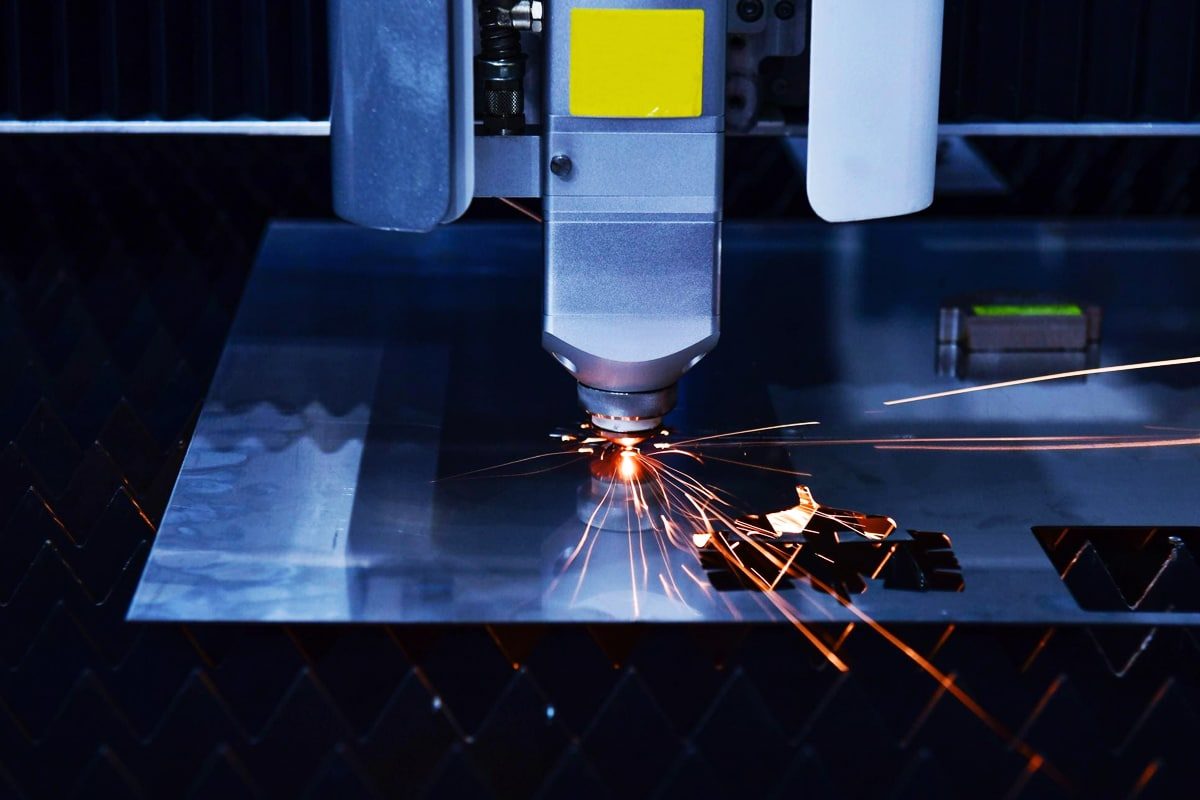
Laser cutting has become an essential tool in modern manufacturing, offering precision, efficiency, and versatility across a wide range of materials. From intricate designs in sheet metal to detailed engravings in acrylic, the technology allows for cuts that are often impossible to achieve with traditional mechanical methods. However, one critical aspect that significantly impacts both productivity and quality is the laser cutting speed. Understanding the factors that affect this speed is crucial for manufacturers, engineers, and hobbyists who aim to optimize performance while maintaining precise, clean cuts.
Several interconnected variables influence how fast a laser can cut through a material. Material properties, such as thickness, density, and thermal conductivity, directly affect the energy required for cutting. For example, thicker metals demand more time and power to achieve a clean cut, while materials with high thermal conductivity, like copper, can dissipate heat quickly, slowing the cutting process. Similarly, the type of laser—whether fiber, CO2, or YAG—affects both the cutting efficiency and maximum speed. Each laser type has unique characteristics, including wavelength, power, and focusability, which make them better suited for specific materials and applications.
Other critical factors include machine parameters like laser power, beam quality, and assist gas type and pressure. Optimizing these parameters ensures that the laser energy is used effectively, preventing issues such as burning, melting, or incomplete cuts. Environmental conditions, maintenance, and operator skill also play subtle but important roles in determining cutting speed.
By understanding and balancing these factors, operators can improve efficiency, reduce material waste, and extend the lifespan of their equipment. In this article, we will explore in detail the key elements that influence laser cutting speed, offering practical insights for anyone looking to achieve faster, cleaner, and more cost-effective cuts.
Table of Contents
Laser Type and Power
Laser cutting speed is not determined by material alone; the type of laser and the power at which it operates are equally crucial. These two factors fundamentally influence how efficiently a laser can deliver energy into the material, how deeply it penetrates, and how quickly it can produce a clean, precise cut. Understanding the interplay between laser type, wavelength, beam quality, and power is essential for optimizing performance, reducing material waste, and maintaining edge quality.
Types of Lasers
The choice of laser technology has a direct impact on cutting speed and efficiency. Each laser type has specific characteristics suited to certain materials and cutting applications.
Fiber lasers have become the standard for cutting metals due to their high efficiency and precision. Operating at a short wavelength of approximately 1 μm, fiber lasers are readily absorbed by most metals, including reflective ones like aluminum, copper, and stainless steel. This high absorption ensures that more energy penetrates the material instead of being reflected, which directly increases cutting speed and produces cleaner edges. Another advantage of fiber lasers is their excellent beam quality, which allows for tight focusing and small spot sizes. This precision enables deep cuts on thicker metals with fewer passes, increasing throughput and reducing production time. Additionally, fiber lasers require less maintenance than other types and generally have higher electrical-to-optical efficiency, which can reduce operational costs in high-volume settings.
CO2 lasers, in contrast, operate at a much longer wavelength of 10.6 μm, which is better absorbed by non-metallic materials such as wood, plastics, acrylic, leather, and glass. While CO2 lasers can cut metals, they are less efficient due to lower energy absorption in reflective surfaces. This typically necessitates higher power levels or slower cutting speeds for metals to achieve the same results as fiber lasers. However, CO2 lasers are highly versatile and can handle a wide variety of materials without frequent reconfiguration, making them ideal for mixed-material environments or applications where non-metals dominate. Their ability to produce smooth, precise cuts with minimal kerf width makes them popular in signage, decorative panels, and sheet materials.
Nd:YAG lasers, operating at a wavelength around 1.06 μm similar to fiber lasers, are typically used for precision or small-scale applications. They excel in industries such as jewelry making, electronics manufacturing, and medical device fabrication. Nd:YAG lasers offer very fine, detailed cuts with minimal heat-affected zones, which is critical for delicate or high-precision components. However, their average power is generally lower than that of fiber lasers, which limits their cutting speed, particularly on thicker metals. While they are less suited for high-volume cutting, Nd:YAG lasers are indispensable in applications requiring extreme accuracy and intricate geometries.
Laser Power
Laser power is one of the most direct determinants of cutting speed. It dictates how much energy is delivered to the material per unit of time, which in turn affects how quickly the material melts, vaporizes, or burns away. Generally, increasing power allows for faster cutting because the laser can penetrate the material more rapidly. However, power must be carefully calibrated to match the material’s thickness, type, and thermal properties. Excessive power can damage thin or sensitive materials, causing warping, burning, or rough edges, while insufficient power slows the cutting process, produces incomplete cuts, and may require multiple passes, which reduces efficiency and increases wear on the equipment.
The optimal power setting also depends on the type of laser. Fiber lasers, with their high absorption in metals, can achieve fast cutting speeds at moderate power levels. CO2 lasers, particularly for reflective metals, typically require higher power to compensate for energy losses due to reflection. The thermal conductivity of the material is another critical factor: metals like copper and brass dissipate heat quickly, meaning that even with high laser power, cutting speed may be slower unless adjustments are made. Operators must also consider material thickness; thicker sheets require more power to maintain speed and produce clean cuts, while thin sheets are more susceptible to heat damage if the power is too high.
In addition to raw power, the efficiency of the laser cutting system itself—how well it converts electrical energy into usable laser energy—affects cutting speed. Fiber lasers tend to have higher efficiency than CO2 or Nd:YAG lasers, meaning more energy actually contributes to cutting rather than being lost as heat or scattered light. This makes fiber lasers particularly cost-effective for high-speed, high-volume metal cutting applications.
Laser type and power are critical factors that directly impact cutting speed, quality, and efficiency. Fiber lasers, with their short wavelength and excellent beam quality, are ideal for fast, precise metal cutting. CO2 lasers, while slower on metals, offer versatility for non-metallic and mixed-material applications. Nd:YAG lasers provide unmatched precision for delicate or high-detail cuts, though they operate at slower speeds. Laser power must be carefully matched to the material’s thickness, thermal conductivity, and type, as well as the specific laser technology being used. Excessive power can damage material, while insufficient power slows production and reduces cut quality. By understanding and balancing these variables, operators can maximize cutting speed, minimize material waste, and ensure consistent, high-quality results across a range of materials and applications.
Material Properties
The properties of the material being cut are among the most critical factors affecting laser cutting speed. Every material interacts differently with laser energy, and these interactions influence both the efficiency of the process and the quality of the finished cut. Key material characteristics—including type, thickness, surface condition, coating, and thermal conductivity—determine how easily a laser can melt, vaporize, or burn through a substance. A deep understanding of these factors allows operators to optimize cutting parameters, improve productivity, reduce material waste, and maintain consistent edge quality.
Material Type
The type of material is perhaps the single most fundamental factor influencing laser cutting speed. Materials vary widely in their physical and chemical composition, which affects how they absorb or reflect laser energy. Metals, plastics, wood, composites, and ceramics all behave differently when exposed to a high-energy laser beam.
Metals, for instance, are dense and typically highly reflective, which can slow cutting speed if the laser energy is not fully absorbed. Reflective metals such as aluminum, copper, and brass are particularly challenging because a portion of the laser beam is reflected away from the cut zone, reducing efficiency. Thick metals with high melting points require lasers to deliver more energy over a longer time, which naturally slows the cutting process. Plastics, acrylics, and wood, on the other hand, generally absorb laser energy more readily, allowing for faster cuts with lower power. However, non-metallic materials can produce smoke or char during cutting, which can interfere with the beam and require careful management to maintain speed and precision. Composites, laminates, and coated materials add another layer of complexity, as uneven layers or embedded fibers can disrupt energy absorption and reduce cutting efficiency.
Understanding material type is essential not only for determining speed but also for selecting the appropriate laser technology. For example, fiber lasers excel at cutting metals, while CO2 lasers are better suited for wood, plastics, and acrylics. Nd:YAG lasers, although less common, are ideal for highly precise or delicate cuts, such as in jewelry or medical components.
Material Thickness
Material thickness directly influences laser cutting speed because thicker materials require more energy to penetrate fully. Thin sheets can often be cut at high speeds with minimal power, producing clean, precise edges in a single pass. Conversely, thick materials demand higher power settings and slower travel speeds to allow the laser sufficient time to melt or vaporize the material completely.
In addition to slowing speed, thicker materials often increase the risk of edge imperfections, such as roughness, dross, or partial cuts. Very thick metals may even require multiple passes or specialized high-power lasers to maintain precision and efficiency. Material density and hardness further affect cutting speed: harder metals or high-strength alloys require additional energy, even at the same thickness, compared to softer metals. For non-metals, thickness has a similar effect, although the laser can typically penetrate faster because these materials generally have lower thermal conductivity and lower melting or burning points.
Material Surface and Coating
The condition of a material’s surface and any coatings it carries can significantly impact cutting speed and quality. Smooth, clean surfaces allow the laser to focus energy more effectively, leading to faster cutting and cleaner edges. Rough, dirty, or oxidized surfaces, however, scatter the laser beam, reducing energy absorption and slowing the cutting process.
Coatings, including paint, galvanization, anodization, or powder coatings, can alter how a material interacts with a laser. Some coatings improve absorption, enabling faster cuts, while others may produce smoke, debris, or inconsistent energy transfer, requiring slower speeds or additional passes. For instance, a galvanized steel sheet may require a lower speed or higher power to cut through the zinc layer without producing excess dross. Similarly, dark-colored coatings on non-metals can absorb energy quickly, speeding up the cut, while reflective or metallic coatings may have the opposite effect. Operators must carefully evaluate surface conditions and coatings to adjust cutting parameters and maintain both speed and edge quality.
Thermal Conductivity
Thermal conductivity—the rate at which a material conducts heat—plays a critical role in laser cutting speed. Materials with high thermal conductivity, such as copper, brass, or aluminum, dissipate heat rapidly, which can slow the cutting process. Even with sufficient laser power, heat quickly spreads away from the cut zone, requiring slower travel speeds or higher energy input to maintain clean penetration.
Materials with low thermal conductivity, such as plastics, wood, and acrylics, retain heat in the cut zone. This allows the laser to cut more efficiently and at higher speeds because energy is concentrated where it is needed most. Understanding a material’s thermal conductivity is essential for balancing laser power and travel speed. If conductivity is ignored, operators risk incomplete cuts, warping, edge melting, or other heat-related defects. High-conductivity materials often require specialized laser settings, assist gases, or multi-pass techniques to achieve optimal results without sacrificing speed.
Material properties are fundamental determinants of laser cutting speed and quality. The type of material affects how readily it absorbs or reflects laser energy, with metals generally requiring higher power and slower speeds, while plastics, wood, and other non-metals allow faster cutting. Thickness is another critical factor: thinner materials can be cut quickly, while thicker or denser materials require slower speeds and higher energy. Surface condition and coatings influence energy absorption and beam focus, with smooth, clean, and properly coated materials promoting faster, more precise cuts. Thermal conductivity determines how efficiently heat is transferred away from the cut zone, impacting power requirements and travel speed.
By carefully evaluating these material properties, operators can select the appropriate laser type, adjust power and speed settings, and optimize the cutting process for both efficiency and quality. Proper consideration of material factors not only increases productivity but also reduces waste, minimizes machine wear, and ensures consistent, high-quality results across a wide range of applications.
Focus and Beam Quality
The focus and quality of the laser beam are among the most critical factors influencing laser cutting speed, precision, and edge quality. Regardless of the material type, thickness, or laser power, improper beam focus or poor beam quality can dramatically reduce cutting efficiency and lead to defects such as rough edges, incomplete cuts, or excessive dross. A thorough understanding of beam focus position, spot size, and beam quality (M² value) is essential for optimizing laser performance, maximizing cutting speed, and ensuring consistent, high-quality results across different materials and applications.
Beam Focus Position
Beam focus position refers to the location along the optical path where the laser beam converges to its narrowest point, known as the focal point. At this point, the energy density is at its maximum, which allows the laser to melt, vaporize, or burn through the material most efficiently. Proper focus positioning is essential for achieving the fastest possible cutting speeds while maintaining clean edges.
If the focal point is positioned too far above the material surface, the beam’s energy disperses before reaching the workpiece, reducing cutting power and slowing the process. The laser may require multiple passes to achieve a complete cut, increasing overall processing time. Conversely, if the focal point is too far below the surface, energy is concentrated inside the material rather than at the surface. This can result in excessive melting, warping, or dross formation, particularly in metals, thereby degrading edge quality and requiring additional post-processing.
For most cutting applications, the ideal focus point is either slightly above or slightly below the material surface, depending on the material type, thickness, and laser technology. Thin materials generally benefit from having the focal point on or just above the surface to avoid burning or piercing through too quickly, whereas thicker materials often require the focal point to be slightly below the surface to ensure full penetration. Adjusting the focal position accurately allows operators to maximize cutting speed and maintain consistent quality across complex patterns or varying thicknesses.
Spot Size
Spot size refers to the diameter of the laser beam at the focal point. It is one of the most significant factors influencing cutting speed, energy density, and edge precision. A smaller spot size concentrates the laser’s energy into a smaller area, increasing the energy density and allowing the laser to cut faster and more accurately. This is particularly important for thin materials or applications requiring intricate, detailed cuts, such as signage, sheet metal patterns, or fine decorative work.
However, a small spot size is not always ideal. For thicker materials, a slightly larger spot size can distribute heat more effectively across the cutting zone, allowing for deeper penetration and reducing the risk of incomplete cuts. A larger spot may reduce the energy density slightly but ensures smoother, more continuous cutting through dense or high-melting-point materials.
Spot size is influenced by several factors, including the wavelength of the laser, the optics used, and the distance between the focusing lens and the material surface. Fiber lasers, for example, can achieve smaller spot sizes than CO2 lasers due to their shorter wavelength, which contributes to faster, more precise cuts on metals. Optimizing spot size requires balancing material thickness, desired edge quality, and the type of laser being used to achieve the best combination of speed and accuracy.
Beam Quality (M² Value)
Beam quality is quantified using the M² value, which measures how closely a real laser beam approximates an ideal Gaussian beam. An M² value of 1 represents a perfect beam with minimal divergence, allowing maximum focusability and energy concentration. Higher M² values indicate a less ideal beam, with increased divergence and reduced energy density at the focal point.
High beam quality is critical for efficient laser cutting. A low M² value allows the laser to be focused into a smaller spot with higher energy density, enabling faster cuts, cleaner edges, and minimal heat-affected zones. This is particularly important for precision applications, thin materials, and high-speed cutting of metals. Conversely, poor beam quality spreads energy over a larger area, reducing penetration efficiency and slowing cutting speeds. It can also increase the risk of dross formation, edge roughness, and inconsistent cut quality.
Beam quality is influenced by several factors, including the type of laser, optical components, maintenance, and alignment. Fiber lasers generally provide excellent beam quality, making them highly efficient for fast, precise metal cutting. CO2 lasers can have lower beam quality, especially in older systems or if optical components are misaligned or contaminated. Regular maintenance, proper alignment, and careful selection of optics are essential for preserving beam quality and ensuring consistent cutting performance over time.
Interplay Between Focus, Spot Size, and Beam Quality
While each of these factors—focus position, spot size, and beam quality—individually affects cutting performance, their interplay determines the overall efficiency and speed of laser cutting. A perfectly focused beam with a small spot size but poor beam quality will still underperform, as energy disperses unevenly and penetration is inconsistent. Similarly, a high-quality beam with incorrect focus positioning will not deliver maximum energy to the material, slowing the cutting process and potentially causing defects.
Optimizing cutting speed requires a holistic approach, adjusting focus position, spot size, and ensuring high beam quality simultaneously. This allows the laser to maintain maximum energy density at the correct location within the material, achieve deeper and faster cuts, and produce clean edges with minimal heat-affected zones. In practice, this involves calibrating the laser cutting system for the specific material type, thickness, and coating, as well as maintaining optical components and ensuring proper alignment.
Focus and beam quality are fundamental to achieving high laser cutting speeds, precision, and edge quality. The beam focus position determines where the laser energy is concentrated, with improper positioning reducing efficiency and causing defects. Spot size influences energy density and kerf width, with smaller spots enabling faster, more precise cuts and larger spots supporting thicker materials. Beam quality, expressed as the M² value, affects the ability to concentrate energy and maintain consistent, high-speed cutting.
The three factors are interdependent: optimal cutting speed is achieved only when focus position, spot size, and beam quality are balanced and aligned with the specific material, thickness, and laser type. Understanding these relationships allows operators to maximize efficiency, reduce waste, and produce superior cuts across a wide range of applications. Even with the correct material and laser power, neglecting focus and beam quality can significantly limit cutting speed and compromise results. Therefore, careful calibration and regular maintenance are essential for maintaining peak laser performance.
Cutting Gas Parameters
Cutting gas is a critical component in laser cutting operations that can significantly affect cutting speed, precision, and edge quality. While laser power, beam focus, and material properties largely determine the laser’s ability to penetrate material, the cutting gas assists by removing molten material, controlling oxidation, and maintaining the integrity of the cut zone. Optimizing cutting gas parameters—including gas type, pressure, flow rate, and nozzle alignment—is essential for maximizing speed, achieving clean edges, and minimizing defects.
Gas Type
The type of cutting gas used directly impacts both the chemical and physical aspects of the laser cutting process. Oxygen is commonly employed when cutting carbon steel. Its reactivity with the metal produces an exothermic reaction, generating additional heat that helps the laser melt and vaporize material faster. This additional heat accelerates cutting speed, particularly on thicker sheets, and reduces the total energy required from the laser. However, the reaction also produces an oxide layer and minor dross, which may require post-processing to achieve a smooth edge.
For stainless steel, aluminum, and other non-ferrous metals, nitrogen is the preferred choice. Nitrogen is inert and does not react chemically with the material, preventing oxidation and maintaining a clean, bright edge with minimal dross formation. Because there is no exothermic reaction to assist the laser, cutting speeds are generally slower than with oxygen when processing thicker metals. Nevertheless, nitrogen is essential for applications where edge quality is critical, such as in aerospace, medical, and electronics industries.
Other gases, such as argon or compressed air, are sometimes used in specialized applications. Argon, an inert gas like nitrogen, is occasionally preferred for highly reactive metals or delicate components, as it ensures oxidation-free cuts without chemical reactions. Compressed air is convenient and inexpensive but tends to produce less predictable results, especially for metals, as it may introduce oxidation and inconsistent dross removal. Selecting the appropriate gas type is thus a balance between maximizing cutting speed, achieving desired edge quality, and managing material-specific requirements.
Gas Pressure
Gas pressure is another key factor influencing laser cutting speed. The cutting gas creates a high-velocity jet that blows molten material out of the kerf while simultaneously protecting the cut zone from contamination and oxidation. Higher gas pressure is particularly important when cutting thick materials, as the molten metal must be expelled quickly to maintain a clean kerf and avoid re-solidification that slows the cut. Insufficient pressure can result in slag accumulation, reduced cutting speed, and poor edge quality.
On the other hand, excessive pressure can negatively affect thin materials, causing warping or deformation, and may even interfere with the laser beam by scattering energy away from the cut zone. Optimal gas pressure is determined by material type, thickness, and the laser cutting system used. For instance, thicker carbon steel sheets require higher oxygen pressure for fast cutting, whereas thin stainless steel sheets often need moderate nitrogen pressure to ensure clean, oxidation-free edges without material distortion.
Gas Flow Rate and Nozzle Alignment
Gas flow rate and nozzle alignment are closely linked and have a direct impact on cutting efficiency. The flow rate controls how effectively the gas clears molten material from the cut zone. If the flow rate is too low, the molten material is not removed quickly enough, causing slower cutting, dross formation, and potential laser reflection issues that reduce energy efficiency. Conversely, an excessively high flow rate can disturb the laser beam, cool the material unevenly, or produce rough edges, particularly on thin sheets.
Nozzle alignment is equally critical. The nozzle must be positioned correctly relative to the material surface, typically perpendicular and centered along the cutting path, to ensure the gas strikes the molten material at the optimal angle. Misaligned nozzles reduce the efficiency of molten material removal, forcing operators to slow cutting speeds or risk defects. Nozzle alignment also affects kerf width and edge quality; even minor deviations can result in uneven cuts, excessive dross, or inconsistent penetration. Regular inspection, calibration, and maintenance of the nozzle are essential for maintaining consistent, high-speed cutting performance.
Interdependence of Gas Parameters
The type of gas, its pressure, flow rate, and nozzle alignment do not operate independently; they interact closely to determine the overall efficiency of the cutting process. For example, when cutting thick stainless steel with nitrogen, both pressure and flow must be carefully adjusted to compensate for the slower cutting speed caused by the lack of an exothermic reaction. Similarly, in oxygen-assisted cutting of carbon steel, optimal pressure and flow rate are critical to fully exploit the chemical reaction that accelerates cutting. Even high-quality lasers and perfectly prepared materials cannot achieve maximum cutting speed if the gas parameters are mismanaged.
Operators must also consider environmental factors, such as ambient temperature, humidity, and ventilation, which can subtly affect gas performance. For instance, high humidity can increase oxidation risk when cutting with oxygen, while poor ventilation may allow smoke or debris to interfere with the gas jet. Fine-tuning gas parameters in conjunction with laser power, focus, and beam quality ensures the laser operates at peak efficiency.
Cutting gas parameters are vital for achieving optimal laser cutting speed, precision, and edge quality. Gas type determines whether the cutting process benefits from a chemical reaction or remains inert, directly affecting speed and dross formation. Gas pressure controls the removal of molten material and must be balanced with material thickness to avoid defects or warping. Flow rate ensures consistent clearing of the cut zone, while proper nozzle alignment maximizes gas efficiency and maintains edge quality.
Together, these factors ensure that the laser energy is effectively applied to the material, molten material is expelled efficiently, and cutting speed is maximized. Even when material properties, laser power, and beam quality are optimized, improper gas management can severely limit performance and produce inconsistent results. By carefully selecting and controlling cutting gas parameters, manufacturers can significantly enhance cutting efficiency, reduce post-processing requirements, and maintain high-quality edges, making gas management an indispensable component of high-speed, high-precision laser cutting operations.
Machine Parameters
The performance and configuration of the laser cutting machine itself are crucial factors that significantly influence cutting speed, precision, and overall efficiency. Even with optimal material selection, laser power, beam focus, and cutting gas, poorly optimized machine parameters can dramatically limit performance. The machine’s movement, acceleration, operational timing, and control systems determine how effectively the laser interacts with the material and how quickly cuts can be executed. The key machine parameters affecting cutting speed include cutting head movement speed, acceleration and deceleration, assist gas switching and piercing time, and the CNC control system and software.
Cutting Head Movement Speed
Cutting head movement speed, often referred to as traverse speed, is the rate at which the laser moves along the cutting path. It has a direct impact on both productivity and edge quality. Increasing the traverse speed allows more material to be cut in less time, effectively improving overall throughput. However, the speed must be carefully balanced with the type of material, its thickness, and the laser power. If the cutting head moves too quickly, the laser may not deliver enough energy to melt or vaporize the material fully, resulting in incomplete cuts, rough edges, or excess dross formation. Conversely, moving too slowly reduces productivity, even if it enhances edge quality.
Cutting head speed is also affected by the complexity of the cutting path. Straight lines can generally be cut at high speeds without compromising quality, whereas intricate shapes, sharp corners, or small internal features require slower speeds to maintain accuracy. Advanced laser cutting systems use adaptive speed control, automatically adjusting the head speed based on path complexity. This allows the machine to maintain maximum efficiency along straight cuts while reducing speed in tight or detailed areas, optimizing both cutting speed and precision.
Acceleration and Deceleration
Acceleration and deceleration refer to how quickly the cutting head can change speed along the cutting path. These parameters are particularly important when transitioning between different sections of the cut, especially when moving from straight paths to curves or intricate features. Smooth and rapid acceleration and deceleration enable higher average cutting speeds without sacrificing accuracy, while machines with slower response times may require reduced speeds to prevent overshoot, vibration, or edge distortion.
The machine’s mechanical design, servo motor performance, and structural rigidity all affect acceleration capabilities. High-end laser cutting systems with precise servo motors can achieve rapid acceleration and deceleration while maintaining exact positioning, allowing for faster processing of complex designs. Older or lower-quality machines often require slower transitions to avoid mechanical stress or misalignment, which can significantly reduce overall cutting speed. Optimizing acceleration profiles ensures that the machine maintains efficiency throughout the entire cutting process.
Assist with Gas Switching and Piercing Time
Assist gas switching and piercing time are often overlooked factors that influence cutting speed, particularly in high-volume or multi-material operations. Piercing refers to the initial stage where the laser creates an entry point in the material before moving along the cutting path. Piercing time is affected by material thickness, laser power, and the type of material being cut. Thick metals, reflective surfaces, or high-strength alloys often require longer piercing times, which can slow production if not optimized.
Assist gas switching—the process of changing gas type or adjusting pressure settings for different cuts—also affects speed. In applications where multiple materials are processed on the same machine, switching from oxygen to nitrogen, for example, requires time to stabilize gas pressure and flow. Delays during gas switching or piercing can accumulate over multiple cuts, reducing overall throughput. Modern laser cutting machines are equipped with automated gas switching systems and piercing optimization routines that minimize downtime. By reducing the time required for these operations, manufacturers can achieve faster overall cutting speeds while maintaining precision.
CNC Control System and Software
The CNC (Computer Numerical Control) system and its software play a central role in determining the efficiency and speed of laser cutting. The CNC system coordinates the movement of the cutting head, controls laser power, manages gas delivery, and executes programmed paths with high precision. Advanced CNC systems allow operators to optimize cutting paths, automatically adjust cutting speed for different materials, and control acceleration and deceleration profiles.
Software quality directly impacts cutting speed. Modern laser control software includes path optimization, nesting algorithms, and real-time simulation features that minimize unnecessary movement, reduce idle time, and ensure that the laser follows the most efficient path. Poorly optimized software or outdated CNC systems can limit cutting speed, even if the laser and materials are ideal. Common issues include slow interpolation through curves, inefficient traversal paths, delayed execution of commands, or inadequate synchronization between laser power and head movement. High-performance CNC systems mitigate these issues, enabling consistent high-speed operation and maintaining quality across complex designs.
The integration of CNC systems with sensors and monitoring tools further enhances machine performance. Real-time feedback on laser focus, material thickness variations, or gas flow allows the system to dynamically adjust cutting parameters, maintaining optimal speed and edge quality without requiring operator intervention. This intelligent control ensures consistent performance across different materials, thicknesses, and design complexities, improving both productivity and reliability.
Interdependence of Machine Parameters
While each of the machine parameters—cutting head speed, acceleration and deceleration, piercing and gas switching, and CNC control—affects cutting speed individually, their interdependence determines overall performance. For example, high traverse speed alone cannot maximize productivity if acceleration is insufficient to handle corners or curves smoothly. Similarly, precise CNC programming is meaningless if gas delivery or piercing time delays the process. Optimizing one parameter without considering its interaction with others may improve certain aspects of performance, but it will not achieve the full potential of the laser cutting system.
A holistic approach that balances all machine parameters is essential. High cutting speeds require not only rapid head movement but also smooth acceleration profiles, minimal piercing delays, efficient gas management, and advanced CNC coordination. Proper maintenance of mechanical components, calibration of motors, and regular software updates are also crucial to ensure the system performs consistently at high speed without compromising accuracy or edge quality.
Machine parameters are critical determinants of laser cutting speed, efficiency, and quality. Cutting head movement speed controls the rate at which the laser traverses the material, but it must be balanced with material type, thickness, and complexity to avoid incomplete cuts or rough edges. Acceleration and deceleration influence how effectively the machine transitions between different path segments, with high-performance systems allowing faster average speeds while maintaining precision. Assist gas switching and piercing time affects overall process efficiency, particularly in multi-material or high-volume operations, where delays can accumulate and reduce throughput. Finally, the CNC control system and software coordinate all aspects of machine operation, ensuring that laser power, head movement, and gas delivery are synchronized for optimal cutting performance.
By optimizing these machine parameters in conjunction with material properties, laser power, focus, and gas settings, operators can maximize cutting speed, improve edge quality, and reduce production time. Understanding the interplay between movement, acceleration, gas management, and control systems allows manufacturers to fully leverage the capabilities of modern laser cutting machines, achieving faster, cleaner, and more reliable results across a wide range of applications.
Environmental Factors
Environmental conditions in the laser cutting workspace can have a profound effect on cutting speed, precision, and long-term machine reliability. While laser power, material properties, and machine parameters are often the primary focus for operators, external factors such as temperature, humidity, air quality, and cooling system performance significantly influence how efficiently a laser interacts with the material. These factors affect not only the laser cutting system’s mechanical and optical stability but also the quality of the cut and the speed at which production can occur. Proper management of environmental conditions is therefore essential for achieving consistent, high-speed, high-quality laser cutting results.
Temperature
Ambient temperature in the laser cutting area impacts both the laser cutting system and the material being processed. Laser cutting systems, particularly high-power industrial lasers, generate significant heat during operation, and excessive external temperatures can exacerbate thermal drift in optical components, including lenses, mirrors, and resonators. This drift can reduce beam focus and energy density, resulting in slower cutting speeds and lower precision. For example, even a small expansion of a lens or mirror caused by elevated temperatures can cause the focal point to shift slightly, reducing the efficiency of the cut and leading to incomplete penetration or rough edges.
Materials themselves are also sensitive to temperature variations. Metals expand and contract with temperature changes, which can alter dimensional accuracy and affect the stability of cutting paths. Thin sheets may warp under high ambient temperatures, while low temperatures can make certain plastics or composites more brittle, increasing the risk of cracking during cutting. Fluctuations in temperature can also stress the machine’s mechanical structure, impacting acceleration, deceleration, and motion precision. Maintaining a stable, controlled temperature in the workspace—generally within the manufacturer-recommended operating range—is essential for optimal cutting performance. In many facilities, air conditioning or climate control systems are employed to reduce ambient temperature variation, ensuring both the machine and materials remain within ideal operating conditions.
Humidity and Air Quality
Humidity and air quality are often underestimated environmental factors, but they can substantially influence cutting speed and edge quality. High humidity can increase the risk of oxidation during cutting, especially on reactive metals like steel. Excess moisture in the air can also condense on optical components or material surfaces, affecting energy absorption and reducing cutting efficiency. In some cases, high humidity may slightly scatter the laser beam, lowering energy concentration at the cutting point and slowing the cutting process.
Air quality is equally important. Dust, smoke, fumes, and airborne particles generated during cutting can accumulate on lenses, mirrors, or protective windows. This contamination scatters the laser beam, reduces energy delivery to the material, and can slow cutting speed while producing uneven or rough edges. Contaminants can also interfere with the flow of assist gas, affecting the efficiency of molten material removal and further reducing cutting performance. To mitigate these issues, modern laser cutting systems are equipped with advanced filtration and exhaust systems, including fume extraction and air purification mechanisms. Regular maintenance of these systems, including changing filters and cleaning ducts, ensures that air quality remains high and consistent, supporting optimal cutting speed and quality. Additionally, monitoring humidity levels in the workspace allows operators to anticipate changes in laser efficiency and adjust machine parameters accordingly.
Cooling Systems
Effective cooling systems are critical to maintaining laser cutting speed and equipment reliability. Laser sources, particularly high-power CO2 and fiber lasers, generate significant heat during operation. If this heat is not properly dissipated, it can compromise the stability of the laser cavity, reduce beam quality, and lead to thermal drift in optical components. For instance, overheating can cause lenses to expand slightly, shifting the focal point and reducing cutting efficiency. Cooling systems—typically water-cooled or air-cooled—are used to maintain a stable temperature in the laser source, cutting head, and associated electronics.
Cooling performance directly impacts cutting speed. A laser operating at a consistent temperature can maintain optimal power output, ensuring high energy density at the cut zone and faster material penetration. Conversely, if the cooling system is inefficient or poorly maintained, the laser may automatically reduce power to prevent overheating, slowing the cutting process. Regular maintenance is critical: coolant levels must be monitored, pumps checked for proper flow, and filters cleaned or replaced. In high-precision applications, stable coolant temperature within a narrow tolerance range is essential for maintaining uniform cutting speed and edge quality across long production runs. Some advanced systems include automated temperature monitoring and alarms that shut down the laser or adjust output if temperatures exceed safe limits, protecting both the machine and the cut material.
Interconnected Impact of Environmental Factors
Temperature, humidity, air quality, and cooling systems do not operate in isolation; they interact to influence cutting speed and quality. For example, high ambient temperature combined with high humidity can compound heat management challenges, requiring greater reliance on cooling systems to maintain laser stability. Similarly, poor air quality can reduce beam efficiency and impede gas flow, exacerbating the effects of minor thermal or humidity-related inefficiencies. Understanding these interconnections allows operators to make informed adjustments to cutting speed, laser power, and gas flow, maintaining consistent production even in less-than-ideal environmental conditions.
Proactive monitoring of environmental conditions is essential for maintaining high-speed laser cutting. Operators often use temperature and humidity sensors, air quality monitoring devices, and cooling system diagnostics to ensure all parameters remain within optimal ranges. This allows early detection of potential issues before they impact cutting speed or product quality, ensuring consistent and reliable operation.
Environmental factors play a subtle yet critical role in determining laser cutting speed, precision, and overall system reliability. Ambient temperature affects both the machine and the material, with excessive heat or fluctuations potentially causing thermal drift, misalignment of optics, and slower cutting speeds. Humidity can influence material absorption, oxidation, and optical performance, while air quality impacts energy delivery by affecting lenses, mirrors, and gas flow. Efficient and well-maintained cooling systems are essential for stabilizing laser output, preserving beam quality, and preventing overheating, all of which directly affect cutting speed.
Even with optimal machine settings, laser power, focus, cutting gas, and material selection, neglecting environmental control can significantly reduce cutting efficiency and quality. By actively managing temperature, humidity, air quality, and cooling system performance, operators can maintain stable, high-speed cutting, minimize defects, and extend the lifespan of the equipment. A controlled environment ensures that laser cutting systems operate consistently at peak efficiency, maximizing productivity and producing clean, precise edges across a wide range of materials and thicknesses.
Material Holding and Fixturing
Material holding and fixturing are critical yet often underestimated factors in laser cutting. While laser power, beam quality, cutting gas, and machine parameters are essential, the way a material is secured and supported during cutting significantly affects cutting speed, edge quality, and overall process efficiency. Even small shifts, vibrations, or warping of the material can force operators to slow the cutting head, make additional passes, or stop to reposition the workpiece, drastically reducing throughput. Effective fixturing ensures that the material remains flat, stable, and precisely aligned, allowing the laser to operate at optimal speed without compromising quality.
Material Clamping
Material clamping refers to the method by which the workpiece is held securely in place during the cutting process. The primary goal is to prevent the material from moving, vibrating, or bending under the influence of the laser beam or mechanical forces. Poorly clamped material can shift even slightly during cutting, leading to uneven kerfs, incomplete penetration, or rough edges. This often forces operators to reduce the cutting speed to maintain precision, lowering overall productivity.
There are several types of clamping systems, each suited to different materials and thicknesses. Mechanical clamps are commonly used for thick or heavy metal sheets, as they provide a strong and reliable holding force. Magnetic fixtures are ideal for ferromagnetic materials such as steel, allowing fast setup and high holding force without physically deforming the sheet. Vacuum tables are frequently used for thin metal sheets, plastics, or delicate composites, as they hold the material flat without applying pressure that could dent or warp it. Some advanced systems combine multiple methods to provide a uniform clamping force across large or irregularly shaped sheets.
The placement and distribution of clamps are also crucial. Clamps must hold the material firmly while avoiding interference with the laser path or assist gas flow. Misplaced clamps can require additional pauses or adjustments during cutting, which slows the process and increases cycle time. For high-speed production, consistent clamping pressure is essential to prevent material bounce, vibration, or lifting caused by the heat of the laser beam. Additionally, the choice of clamping material matters; soft pads or non-metallic inserts can protect the workpiece from scratches while still providing sufficient holding force.
Clamping strategy becomes even more important in automated or high-volume operations. For example, in continuous cutting of multiple sheets, rapid loading and clamping systems allow minimal downtime between jobs, maintaining a high average cutting speed. Conversely, inefficient or inconsistent clamping can bottleneck the entire process, regardless of how powerful or precise the laser itself may be.
Sheet Flatness
Sheet flatness is a key consideration in material fixturing. Even slight warping, bending, or unevenness in the workpiece can dramatically impact cutting performance. When a sheet is not perfectly flat, the distance between the laser’s focal point and the material surface varies along the cutting path. This variation reduces energy density in some areas, causing slower cutting, incomplete penetration, or rough, uneven edges. Maintaining consistent sheet flatness ensures that the laser energy is concentrated where it is needed most, maximizing cutting efficiency and quality.
Achieving flatness involves both material preparation and fixturing design. High-quality sheets should be inspected for residual stresses, bends, or dents before cutting. Vacuum tables, precision supports, and adjustable clamps can maintain flatness across large or irregular sheets, preventing sagging under their own weight or from the heat generated during cutting. For thin materials, even small deviations from flatness can significantly reduce cutting speed, as operators may need to lower the traverse speed to compensate for inconsistent laser focus.
Sheet flatness also affects assist gas efficiency. Uneven surfaces can disrupt gas flow, preventing molten material from being expelled effectively and leading to slower cutting, increased dross, or edge defects. Proper fixturing that maintains flatness ensures that the gas jet can perform optimally, supporting the laser in achieving faster cuts and consistent edge quality. In high-precision applications, even minor deviations from flatness can require multiple passes or post-processing, which decreases throughput and increases material waste.
Interdependence of Clamping and Flatness
Material clamping and sheet flatness are interrelated and must be considered together to optimize cutting speed. A rigid clamp without attention to flatness may hold the sheet securely but allow warping in unsupported areas, while a vacuum or flexible clamping system may maintain flatness but not provide sufficient holding force for thick or heavy materials. Balancing both ensures the sheet remains stable and evenly supported, allowing the laser to move at higher speeds while maintaining precision.
For example, when cutting a large stainless steel sheet, a combination of magnetic clamps along the edges and vacuum supports underneath the sheet can maintain both flatness and security. In this setup, the laser can operate at near-maximum traverse speed without risk of movement or deflection. Conversely, neglecting either aspect can force operators to slow down, compromise edge quality, or perform additional finishing operations.
Practical Considerations for High-Speed Cutting
Several practical considerations affect material holding and fixturing in high-speed laser cutting environments. First, the type of material influences clamping strategy: thin, flexible sheets require even support and gentle holding, while thick metals need strong, rigid clamping. Second, the size of the sheet impacts the placement of clamps and supports, as larger sheets are prone to sagging or bending under their own weight. Third, thermal effects from the laser beam—such as localized expansion—must be accounted for, particularly in long cuts or high-power operations. Proper fixturing distributes mechanical and thermal stresses evenly, preventing movement that could reduce cutting speed.
Automation can further enhance cutting speed by minimizing setup time and ensuring consistent clamping and flatness across multiple sheets. Robotic loaders, automated vacuum systems, and adjustable fixturing allow rapid material changes without compromising stability, supporting sustained high-speed operations in industrial environments.
Material holding and fixturing are fundamental to achieving high-speed, high-precision laser cutting. Material clamping must secure the workpiece firmly without causing deformation, vibration, or obstruction, ensuring the laser can move quickly and maintain consistent edge quality. Sheet flatness ensures the laser focal point remains consistent across the material, allowing maximum energy concentration and efficient interaction with assist gases. Both factors are closely interrelated: optimal cutting speed is achieved only when the material is both securely clamped and evenly supported.
Even with optimal laser power, focus, cutting gas, machine settings, and environmental conditions, poor fixturing can significantly limit cutting speed, reduce edge quality, and increase waste. Proper material holding systems—including mechanical clamps, vacuum tables, magnetic fixtures, and precision supports—combined with careful attention to sheet flatness, allow the laser cutting system to operate at peak efficiency. This ensures clean, precise cuts, minimal downtime, and maximum productivity across a wide range of materials and thicknesses.
By investing in high-quality fixturing solutions and implementing best practices for clamping and sheet support, manufacturers can fully leverage their laser cutting systems, achieving faster, more reliable, and higher-quality results while reducing operational costs and post-processing requirements.
Operator Expertise
While modern laser cutting machines are equipped with advanced automation, intelligent software, and precise controls, operator expertise remains one of the most critical factors in achieving optimal cutting speed and maintaining high-quality results. Skilled operators ensure that all aspects of the laser cutting process—from parameter selection and machine maintenance to real-time process monitoring—are properly managed. Inexperienced or untrained operators may unintentionally slow down the cutting process, produce inconsistent edges, increase material waste, or even cause equipment damage. Operator expertise directly impacts throughput, precision, and overall operational efficiency, making it a cornerstone of high-performance laser cutting.
Parameter Selection
One of the primary responsibilities of a laser operator is selecting and optimizing cutting parameters. These parameters include laser power, cutting speed, focus position, beam spot size, assist gas type and pressure, nozzle alignment, and piercing time. Experienced operators understand the complex interplay between these factors and adjust them according to material properties, thickness, geometry, and desired edge quality.
For example, cutting a thick stainless steel plate requires higher laser power, slower traverse speed, and nitrogen as an inert assist gas to prevent oxidation, while a thin carbon steel sheet can be cut faster with oxygen to leverage the exothermic reaction for additional heat. Operators must also account for material surface conditions and coatings; painted or galvanized surfaces may require adjustments to laser power and gas pressure to maintain speed and avoid edge defects. Similarly, materials with high thermal conductivity, such as copper or aluminum, demand careful calibration of power and speed to prevent heat dissipation from reducing penetration efficiency.
Operator expertise extends beyond initial setup. Skilled operators can preemptively adjust parameters for specific features of a part. For instance, intricate internal geometries, tight corners, or small holes require slower cutting speeds and possibly adjusted focus, while long straight cuts may allow the laser to operate at maximum speed. Operators also know how to balance energy density, traverse speed, and gas flow to minimize dross formation, prevent warping, and maintain clean edges—all while keeping the laser running at optimal cutting speed. The ability to fine-tune these parameters is what differentiates a high-performance operator from a novice, particularly in high-volume or complex production environments.
Machine Maintenance
Operator expertise also includes proactive machine maintenance, which is directly linked to cutting efficiency. Even the most advanced laser cutting system will underperform if it is not properly maintained. Skilled operators ensure that lenses, mirrors, and protective windows are clean, optical paths are aligned, cooling systems are functioning correctly, and assist gas delivery is consistent. Regular inspection of mechanical components, such as linear guides, servo motors, and clamps, helps maintain precise movement, acceleration, and deceleration—all of which influence cutting speed.
For example, a dusty lens or contaminated mirror can scatter the laser beam, reducing energy delivery to the material and slowing the cutting process. Inefficient cooling can cause thermal drift in optical components, misaligning the focal point and necessitating slower traverse speeds to maintain quality. By performing routine maintenance, operators preserve optimal beam focus, energy density, and machine responsiveness, all of which directly improve cutting speed. Additionally, well-maintained machines experience fewer unplanned breakdowns, reducing downtime and allowing operators to maintain consistent high-speed operation across multiple shifts.
Operator expertise also extends to calibration and system checks. Proper alignment of optical components ensures the laser beam remains precisely focused, and regular testing of assist gas flow prevents inefficiencies in molten material removal. Skilled operators can detect early signs of wear or misalignment, perform corrective actions, and optimize machine settings to maximize speed and precision. This proactive maintenance reduces variability in cutting performance and allows operators to run the laser at peak capability without compromising quality.
Process Monitoring
Another essential aspect of operator expertise is real-time process monitoring. Skilled operators observe how the laser interacts with the material during cutting and adjust parameters as needed to maintain speed and quality. Monitoring includes watching kerf width, edge smoothness, molten material ejection, and assist gas behavior, as well as interpreting visual and sensor feedback from the machine.
For instance, if the operator notices dross accumulation along the edge, they may increase assist gas pressure, slightly reduce traverse speed, or adjust focus to improve molten material ejection. In cases where a reflective metal prevents complete penetration, the operator may increase laser power, adjust the focal point, or modify the cutting sequence to maintain speed and prevent defects. This level of vigilance ensures that the laser operates at optimal efficiency and avoids the need for rework, which would otherwise slow production.
Process monitoring also includes optimizing cutting sequences, especially in high-volume or complex jobs. Operators can strategically plan cutting paths, minimize unnecessary head movement, and adjust laser parameters dynamically for different sections of the material. This not only improves cutting speed but also reduces material waste and prevents heat buildup that could compromise subsequent cuts. Experienced operators leverage both visual inspection and integrated sensor feedback, such as temperature monitoring or kerf width sensors, to maintain consistent, high-speed operation throughout the entire cutting cycle.
Advanced Operator Techniques
Highly skilled operators go beyond basic adjustments to optimize production further. They can adapt to material variability, such as slight differences in sheet thickness, surface coatings, or thermal conductivity, by fine-tuning parameters on the fly. They also implement advanced cutting strategies, such as multi-pass cutting for extremely thick materials, adaptive speed modulation for complex geometries, or variable assist gas settings to maintain efficiency. In high-volume production, operators coordinate material handling, machine setup, and process monitoring to minimize downtime between jobs, ensuring continuous high-speed operation.
Additionally, expert operators understand how environmental factors—such as ambient temperature, humidity, and air quality—interact with material properties and laser settings. They can make compensatory adjustments to maintain cutting speed and quality, demonstrating the critical role of human judgment in complementing automated systems.
Operator expertise is a fundamental determinant of laser cutting speed, precision, and operational efficiency. Skilled operators excel in parameter selection, adjusting laser power, traverse speed, focus, and assist gas settings to match material properties, thickness, geometry, and desired edge quality. They perform machine maintenance proactively, ensuring lenses, mirrors, cooling systems, and motion components operate at optimal efficiency, which preserves beam quality and prevents slowdowns. Through vigilant process monitoring, operators detect and correct issues in real time, such as dross formation, incomplete penetration, or irregular kerf width, maintaining consistent cutting speed and high-quality edges.
Even in modern laser cutting systems equipped with advanced automation and software, operator expertise remains critical. Knowledgeable operators integrate material characteristics, machine behavior, and environmental conditions to make informed adjustments, preventing errors, maximizing throughput, and maintaining high-quality production. By investing in operator training, developing experience in material handling and laser process dynamics, and fostering proactive maintenance habits, manufacturers can significantly enhance cutting speed, efficiency, and reliability across a wide range of materials and applications.
Cutting Strategy
Cutting strategy is one of the most critical factors influencing laser cutting speed, precision, and overall process efficiency. Even when all other variables—material properties, laser power, beam focus, gas parameters, machine settings, environmental conditions, and operator expertise—are optimized, the approach taken to guide the laser across the material can dramatically affect production throughput and edge quality. Cutting strategy encompasses decisions regarding the cutting path, whether to use single or multiple passes, and the implementation of lead-in and lead-out techniques. Each of these elements must be carefully planned to maximize cutting speed while maintaining high-quality results, particularly in complex or high-volume manufacturing operations.
Cutting Path
The cutting path refers to the trajectory the laser follows across the material, and its design is fundamental to achieving both speed and precision. Efficient path planning minimizes unnecessary travel, reduces the frequency of acceleration and deceleration, and prevents repeated passes over the same area, all of which contribute to higher average cutting speeds. Conversely, poorly designed paths can force the laser to make abrupt changes in direction, increase idle time, and require slower speeds to maintain edge quality.
When planning cutting paths, operators and CAM (computer-aided manufacturing) software must consider the shape, complexity, and arrangement of the parts. For example, when cutting multiple components from a single sheet, it is generally more efficient to start with interior features before external contours. This strategy prevents heat buildup or warping from compromising critical internal dimensions. In addition, grouping similar parts or aligning parts to reduce head travel distance can further optimize cutting speed.
The geometry of the parts also affects the path strategy. Sharp corners, small internal holes, or intricate patterns require the laser to slow down to maintain accuracy and prevent overcutting or edge charring. In contrast, long straight lines or smooth curves allow the laser to move at higher traverse speeds. Advanced systems can dynamically adjust the cutting speed along the path based on curvature, part complexity, or material thickness, allowing the machine to maximize efficiency while maintaining consistent quality.
Multiple Passes VS Single Pass
The choice between single-pass and multiple-pass cutting significantly affects cutting speed and edge quality. Single-pass cutting is the fastest method and involves the laser completing the cut in one continuous motion. It is typically used for thin materials or high-powered laser cutting systems, where the laser energy is sufficient to achieve full penetration on the first pass. Single-pass cutting minimizes material exposure to heat, reduces dross, and maximizes throughput. However, attempting a single pass on thick or highly reflective materials may result in incomplete cuts, uneven edges, or excessive slag formation.
Multiple-pass cutting involves cutting the material in two or more passes, gradually removing material until the cut is complete. This method is commonly used for thick metals, composites, or low-powered laser cutting systems. While multiple passes increase total processing time, they allow operators to control heat input, reduce edge roughness, and minimize warping or thermal distortion. For instance, a thick stainless steel sheet may require two or three passes at slightly reduced speed to achieve full penetration and maintain edge quality.
Some operators employ hybrid strategies, combining a rough first pass to remove most of the material quickly with a slower finishing pass to refine the edges. This approach balances cutting speed and quality, particularly for large or complex parts. Deciding between single-pass and multiple-pass cutting requires evaluating material type, thickness, laser power, and production requirements to optimize both efficiency and quality.
Lead-in and Lead-out
Lead-in and lead-out techniques are critical for preventing defects at the start and end of cuts, which can otherwise reduce speed or necessitate post-processing. A lead-in is a short segment where the laser enters the material slightly offset from the intended cutting path. This allows the laser to stabilize, pierce cleanly, and reach full cutting power before engaging the primary path. Without a lead-in, the initial piercing point may produce a small dimple, excessive melting, or edge roughness, forcing operators to slow the traverse speed or perform additional passes.
Similarly, a lead-out extends the cut slightly beyond the intended endpoint, ensuring the laser completes the material separation cleanly. This prevents the cut from stopping abruptly, which can cause chipping, dross, or incomplete separation. Lead-in and lead-out design varies depending on material type, thickness, and the complexity of the cut. For thin materials, shorter lead-ins may be sufficient, whereas thicker or high-strength materials benefit from longer or angled lead-ins to reduce stress at the start of the cut. Lead-out paths also help manage thermal distribution along the edges, preventing localized warping or overburn.
Lead-in and lead-out strategies directly influence cutting speed. Properly implemented, they allow the laser to move at maximum traverse speed along the main path, minimizing the need for slow start or stop movements. They also reduce the likelihood of defects, which would otherwise require rework or additional finishing operations, further improving overall production efficiency.
Practical Considerations for Optimizing Cutting Strategy
Several practical factors influence cutting strategy beyond path design, passes, and lead techniques. Part nesting—arranging multiple parts on a single sheet to minimize head travel—reduces idle time and maximizes laser efficiency. Operators often use advanced nesting algorithms that consider part geometry, material size, and thermal effects to optimize the cutting sequence.
Material thickness variations also affect the cutting strategy. Thicker sections may require slower traverse speeds or multiple passes, while thinner sections allow faster single-pass cuts. In some cases, operators may adjust speed dynamically during a single cut to maintain consistent edge quality across varying thicknesses. Similarly, material coatings, surface roughness, and reflectivity influence strategy decisions. Reflective metals, such as aluminum or copper, may require slower speeds or pre-programmed passes to ensure full penetration without deflection or beam scattering.
Complex parts with tight internal features demand careful strategy planning. Operators may sequence internal cuts before external contours to prevent thermal distortion from affecting critical dimensions. For long cuts or large sheets, splitting the cutting path into optimized segments with appropriate lead-ins and lead-outs allows the laser to maintain high-speed operation without sacrificing precision. Experienced operators also consider assist gas behavior, ensuring that gas flow is synchronized with cutting sequences to remove molten material efficiently and support maximum traverse speed.
Cutting strategy is a critical determinant of laser cutting speed, quality, and process efficiency. Optimizing the cutting path reduces unnecessary movement, minimizes acceleration and deceleration, and ensures consistent material engagement. The decision between single-pass and multiple-pass cutting balances speed and precision, with single-pass methods maximizing throughput for thin materials and multiple passes improving edge quality and penetration for thicker or reflective materials. Proper use of lead-in and lead-out techniques prevents defects at the start and end of cuts, enabling higher traverse speeds while reducing the need for post-processing.
When combined with careful material selection, laser parameter optimization, machine settings, environmental control, proper fixturing, and skilled operator management, a well-designed cutting strategy allows manufacturers to maximize throughput, maintain edge quality, and reduce material waste. Effective cutting strategy planning ensures that the laser cutting system can operate at its full potential, maintaining high-speed, high-precision performance across a wide range of materials, thicknesses, and part geometries.
Cutting Geometry
Cutting geometry is one of the most critical factors affecting laser cutting speed, efficiency, and precision. While laser power, focus, material properties, gas parameters, machine settings, operator expertise, and cutting strategy are essential to maintaining optimal performance, the actual design and geometry of the parts being cut can have a profound influence on both productivity and quality. The geometry of a part—its contours, piercing points, and the width of the kerf—determines how the laser interacts with the material, the number of acceleration and deceleration events, and the total time required to complete the cut. Understanding these factors is essential for operators, designers, and engineers who aim to maximize cutting speed without compromising edge quality.
Key elements of cutting geometry include contour complexity, piercing points, and kerf width. Each factor interacts with the laser’s operational parameters and the machine’s motion capabilities, influencing cutting speed, heat distribution, and material utilization. A comprehensive approach to managing cutting geometry is essential for high-volume production, complex designs, and applications requiring tight tolerances.
Contour Complexity
Contour complexity refers to the intricacy and detail of the part being cut, including curves, angles, internal cutouts, and sharp corners. The more complex the contour, the more often the laser must decelerate, accelerate, or navigate tight features, which reduces average cutting speed. In straight-line cuts, the laser can traverse the material at maximum speed, minimizing cycle time. However, for intricate patterns or geometries with multiple internal features, corners, or fine details, the laser must slow down to maintain precision and avoid defects such as overcutting, rough edges, or incomplete penetration.
For example, consider cutting a simple rectangular panel versus a sheet containing gears, slots, and multiple small holes. The rectangular panel can be cut at high traverse speed along its straight edges. In contrast, the gears and slots require precise motion with frequent speed adjustments, significantly reducing the average cutting speed across the sheet. Each sharp corner introduces a minor slowdown as the machine decelerates to maintain positional accuracy, while curves require continuous, controlled motion to prevent overburn.
Contour complexity also affects thermal distribution. Areas with dense internal features or tight curves concentrate heat locally, increasing the risk of warping or distortion if the cutting speed is too high. Skilled operators and advanced CAM software account for these effects by dynamically adjusting traverse speed, laser power, and focus. By planning the cutting path to prioritize internal features first, heat accumulation can be managed, preventing deformation and ensuring both speed and quality.
In high-volume production, contour complexity directly affects cycle time. Reducing unnecessary intricacy in non-critical areas or optimizing design for laser cutting can substantially increase cutting speed. Designers may modify features to maintain functional requirements while simplifying contours to reduce acceleration events and improve throughput.
Piercing Points
Piercing points—where the laser initially penetrates the material to start a cut—are a significant factor influencing cutting speed. Each piercing operation requires the laser to dwell momentarily at the start point, allowing energy to fully penetrate the material before moving along the intended path. The time required for piercing depends on material thickness, type, and reflectivity. Thicker metals or high-reflectivity surfaces, such as stainless steel, aluminum, or copper, typically require longer dwell times and higher power to achieve a clean pierce.
Parts with multiple internal features or holes multiply the number of piercing points, creating cumulative delays that reduce average cutting speed. For instance, a sheet containing dozens of small holes may require significant additional time for piercing, even if the actual cut lengths are short. Each pierce must be executed carefully to avoid overburn, dross formation, or misalignment, which would further slow production if rework is needed.
Optimizing piercing involves several strategies. Operators can adjust laser power, focus position, and gas flow to reduce dwell time without compromising cut quality. Advanced systems allow adaptive piercing, where the laser modulates energy and dwell time based on material thickness and feature size. CAM software can optimize the sequence of piercing points, grouping features to minimize unnecessary head travel between pierces. By reducing idle time and ensuring efficient entry into each feature, overall cutting speed can be maintained at a higher level.
Piercing strategy is particularly important for complex geometries with multiple interior cutouts. Deciding the order in which features are pierced, combining small holes into clusters, or using pre-drilled entry points can all significantly reduce cycle time. In production environments where hundreds of parts are cut daily, even minor optimizations in piercing strategy can lead to substantial improvements in throughput.
Kerf Width
Kerf width—the width of material removed by the laser—directly impacts cutting speed, nesting efficiency, and edge quality. It is determined by laser power, beam focus, traverse speed, and material properties. A narrow kerf allows closer part spacing, improving material utilization and reducing the distance the laser head must travel between cuts. Conversely, a wider kerf requires greater spacing to prevent overlapping cuts, increasing travel distance and reducing overall cutting speed.
Kerf width also influences edge quality and thermal effects. A wide kerf may increase dross formation or edge roughness, particularly in thick metals, while a narrow kerf produces a cleaner cut but demands precise focus and consistent traverse speed. Maintaining consistent kerf width across the entire part is essential for dimensional accuracy, especially in complex geometries where multiple internal cutouts must align precisely with external contours.
Operators can adjust kerf width through laser power, focus, and cutting speed. For example, slightly reducing traverse speed on thick stainless steel can widen the kerf to ensure full penetration, while increasing speed on thin aluminum sheets maintains a narrow kerf for precise nesting. Managing kerf width is especially critical in batch production, where tightly spaced parts allow maximum sheet utilization and reduce material waste, indirectly contributing to overall cutting efficiency.
Interactions Between Cutting Geometry Factors
Contour complexity, piercing points, and kerf width are interconnected and collectively influence cutting speed. Complex contours increase the number of deceleration events, while multiple piercing points introduce cumulative dwell time, and kerf width affects part spacing and head travel distance. Inefficient management of these factors can reduce average cutting speed even when other parameters are optimized.
For instance, a sheet with complex internal features, numerous piercing points, and wide kerfs will inherently take longer to cut than a simpler sheet, regardless of laser power or focus. Conversely, optimizing contour simplicity, minimizing piercing points, and controlling kerf width can significantly increase cutting speed without compromising quality. Operators and CAM software must consider all three factors when planning cutting strategies, balancing speed, precision, and material utilization.
Practical Recommendations for High-Speed Cutting
- Simplify Contours Where Possible: Reduce unnecessary curves or intricate details that do not impact part functionality to minimize deceleration events.
- Optimize Piercing Sequence: Group internal features to reduce head travel between pierces and minimize cumulative dwell time.
- Control Kerf Width: Adjust laser parameters to maintain consistent kerf width, enabling tight nesting, reducing idle head movement, and improving material utilization.
- Prioritize Internal Features: Cut interior shapes before external contours to manage heat distribution and prevent warping.
- Dynamic Speed Adjustment: Use software or operator expertise to vary traverse speed based on feature complexity, thickness, and thermal considerations.
By applying these recommendations, manufacturers can significantly enhance cutting speed, reduce material waste, and maintain high-quality edges, even in complex or high-volume production environments.
Cutting geometry is a critical determinant of laser cutting speed, quality, and efficiency. Contour complexity affects the frequency of deceleration and acceleration events, with intricate shapes requiring slower movement to maintain edge quality. Piercing points determine cumulative dwell time, particularly in parts with multiple internal features, and can significantly influence average cutting speed. Kerf width affects part spacing, head travel, material utilization, and edge quality, directly impacting both efficiency and precision.
Efficient management of cutting geometry—including contour simplification, optimized piercing, and controlled kerf width—allows the laser to operate at maximum traverse speed while maintaining consistent penetration and high-quality edges. Combined with optimized material selection, laser parameters, machine settings, environmental control, fixturing, operator expertise, and cutting strategy, careful attention to cutting geometry ensures high-speed, precise, and efficient laser cutting across a wide range of materials and part designs.
Material-Specific Considerations
While general principles such as laser power, focus, machine parameters, assist gas, and operator expertise apply across materials, each type of workpiece has unique physical and chemical properties that significantly influence laser cutting speed, efficiency, and edge quality. Factors such as thermal conductivity, reflectivity, hardness, chemical composition, and heat sensitivity dictate how the laser interacts with the material. Proper understanding of these material-specific considerations allows operators to optimize cutting speed, minimize defects, reduce waste, and extend the life of the equipment.
Different materials behave differently under a laser beam, requiring adjustments in traverse speed, laser power, focus, gas type, and fixturing strategy. Additionally, the thickness of the material, its surface condition, and internal composition influence how the laser energy is absorbed and how efficiently molten material is expelled. The following sections explore common industrial materials and the considerations necessary to maximize cutting speed and quality.
Stainless Steel
Stainless steel is widely used in industrial fabrication because of its strength, corrosion resistance, and versatility, making it a frequent choice for kitchen equipment, architectural components, medical devices, and machinery. Despite its advantages, stainless steel presents unique challenges for laser cutting. Its reflectivity and moderate thermal conductivity reduce the efficiency of laser energy absorption, particularly at high power densities, which can limit cutting speed compared to carbon steel.
To maintain high-speed cutting, operators typically use nitrogen as an assist gas. Nitrogen prevents oxidation, ensuring smooth, bright edges with minimal dross. Using oxygen instead can increase cutting speed through the exothermic reaction, but it produces an oxide layer that may require additional post-processing. This trade-off between speed and edge quality must be carefully managed depending on the application.
Laser operators also need to consider the thickness of stainless steel sheets. Thin sheets can often be cut in a single pass at relatively high speeds, while thicker sheets require slower traverse speeds, higher laser power, or multiple passes to maintain complete penetration. Complex contours or small internal features can further slow cutting, as the laser must decelerate around sharp corners to preserve dimensional accuracy.
Finally, thermal effects are critical. Stainless steel expands unevenly under heat, and improper cutting speeds can lead to warping or distortions, especially in large sheets. Skilled operators compensate by adjusting power, speed, and gas flow dynamically during the cutting process, ensuring both high efficiency and high-quality edges.
Aluminum
Aluminum is widely used in aerospace, automotive, electronics, and decorative applications due to its low density, high reflectivity, and excellent corrosion resistance. Its physical properties, however, pose significant challenges for high-speed laser cutting. Aluminum’s high reflectivity reduces absorption of laser energy, particularly for longer-wavelength lasers like CO2, making fiber lasers a more effective choice. The shorter wavelength of fiber lasers is absorbed more efficiently by aluminum, enabling faster cuts with better edge quality.
The high thermal conductivity of aluminum also affects the cutting strategy. Heat dissipates rapidly from the cutting zone, which can slow penetration and reduce the efficiency of high-speed cutting, particularly on thicker sheets. Operators must carefully balance laser power, traverse speed, and focus position to maintain optimal cutting speed while preventing defects such as incomplete penetration, warping, or edge melting.
Aluminum is also prone to vibration or movement during cutting due to its low density, especially in thin sheets. Proper fixturing—such as vacuum tables or uniform mechanical support—is essential to maintain flatness and stability, allowing the laser to operate at maximum speed without sacrificing precision. Contour complexity and multiple piercing points further influence cutting speed, as each internal feature introduces additional dwell time and deceleration requirements.
Copper and Brass
Copper and brass are among the most challenging metals to cut with a laser due to their high reflectivity and thermal conductivity. These properties reduce the energy absorbed by the material and rapidly dissipate heat, requiring high-powered fiber lasers for effective cutting. CO2 lasers are less efficient for copper and brass because the longer wavelength is reflected, leading to slower cutting speeds and inconsistent penetration.
In addition to high laser power, inert assist gases such as nitrogen are used to prevent oxidation and produce smooth edges. Piercing points are particularly critical when cutting these metals, as improper dwell time can lead to incomplete penetration or material deformation. Contour complexity also significantly impacts cutting speed; intricate internal features concentrate heat locally and require careful adjustment of laser parameters and speed to maintain quality.
Operators may use multiple passes for thicker copper or brass sheets, adjusting traverse speed for each pass to optimize penetration while controlling thermal effects. Kerf width must also be carefully monitored, as these metals are susceptible to thermal expansion and warping, which can affect dimensional accuracy and part integrity. Proper fixturing and material support are essential for maintaining stability, especially during high-speed cutting of large or thin sheets.
Plastics and Composites
Plastics and composite materials present different challenges from metals due to their low thermal conductivity and heat sensitivity. Low thermal conductivity allows high-speed cutting with minimal energy loss, but these materials are prone to burning, melting, and edge charring if the laser power or traverse speed is too high. CO2 lasers are typically preferred for plastics and composites because their longer wavelength is absorbed efficiently, allowing precise cutting with minimal distortion.
Assist gases, such as nitrogen or compressed air, help remove molten material and prevent oxidation or combustion. High gas pressure and proper nozzle alignment are critical to achieving clean cuts and maintaining high cutting speeds. Plastics are particularly sensitive to contour complexity; sharp internal corners or intricate features require slower traverse speeds to avoid melting or cracking, while long straight cuts can often be executed at maximum speed.
Composites, such as fiber-reinforced plastics or laminates, require additional care. Fibers may fray or delaminate if heat is excessive, and some composites release hazardous fumes during cutting, necessitating effective ventilation. Operators must carefully balance laser power, speed, and gas flow to maintain speed while ensuring material integrity and safety. Kerf width must also be closely monitored, as thin plastic sheets can deform or fracture along the cut line.
For high-volume production, operators may combine single-pass and multiple-pass strategies for composites, using a fast initial pass to remove most material, followed by a slower finishing pass to refine edges and prevent burning. Proper fixturing, flatness, and support are essential to prevent warping and ensure the laser can operate at high speed across the entire sheet.
Practical Recommendations Across Materials
- Adjust Laser Parameters to Material Properties: Power, traverse speed, focus, and gas type must be tailored to thermal conductivity, reflectivity, and thickness.
- Consider Contour Complexity and Piercing Points: Complex parts and multiple internal features increase dwell time and reduce average speed; sequencing and path optimization are critical.
- Monitor Kerf Width: Ensure appropriate kerf width for material type to balance precision, edge quality, and nesting efficiency.
- Use Proper Fixturing: Support thin or reflective materials to prevent vibration, warping, or movement that can reduce speed.
- Hybrid Cutting Strategies: For thick metals or composites, consider roughing passes followed by finishing passes to maximize speed while preserving edge quality.
Material-specific considerations are essential to achieving optimal laser cutting speed, precision, and efficiency. Stainless steel requires a careful balance of nitrogen assist gas, laser power, and traverse speed to manage moderate thermal conductivity and prevent oxidation. Aluminum demands fiber lasers and precise focus due to high reflectivity and thermal conductivity, along with robust fixturing to prevent movement. Copper and brass, with high reflectivity and conductivity, require high-powered fiber lasers, inert gas support, careful piercing, and attention to contour complexity to maintain speed. Plastics and composites can be cut at high speed due to low thermal conductivity, but they are highly sensitive to heat and require precise control of laser parameters, gas flow, and support to prevent burning, melting, or delamination.
By understanding the unique properties of each material and adjusting cutting parameters, fixturing, and strategies accordingly, operators can maintain high-speed cutting, reduce defects, and achieve consistent, high-quality edges. Material-specific considerations are therefore a fundamental component of optimizing laser cutting performance across diverse industrial applications.
Summary
Laser cutting speed is influenced by a wide range of interconnected factors, and achieving optimal performance requires a careful balance between machine capability, material properties, process parameters, and operator expertise. No single factor determines cutting speed on its own. Instead, the efficiency and quality of the cutting process depend on how well all variables work together throughout the operation.
Material properties are among the most important considerations. The type of material, its thickness, thermal conductivity, surface condition, and reflectivity all affect how efficiently laser energy is absorbed and how quickly the material can be melted or vaporized. Metals such as stainless steel, aluminum, copper, and brass each require different cutting approaches, while plastics and composites demand precise heat control to avoid melting or burning. Choosing the appropriate laser type and power level is equally critical, as fiber lasers, CO2 lasers, and Nd:YAG lasers each offer different advantages depending on the application.
In addition to the laser itself, beam focus, spot size, and beam quality directly influence energy concentration and cutting precision. Cutting gas parameters, including gas type, pressure, flow rate, and nozzle alignment, also play a major role in molten material removal and edge quality. Machine-related factors such as cutting head speed, acceleration, CNC control systems, and piercing efficiency further affect productivity and consistency.
Environmental conditions, fixturing quality, cutting strategy, and cutting geometry must also be considered. Poor material clamping, excessive contour complexity, or improper lead-in and lead-out settings can reduce cutting speed even when other parameters are optimized. Finally, operator expertise remains essential. Skilled operators can select the correct parameters, monitor the process in real time, maintain equipment properly, and make adjustments that maximize efficiency while maintaining high-quality results.
Ultimately, improving laser cutting speed is not simply about increasing laser power. It requires a comprehensive understanding of materials, machine dynamics, cutting strategies, and process optimization. By carefully balancing all these factors, manufacturers can achieve faster production, cleaner cuts, reduced waste, and more reliable overall performance.
Get Laser Cutting Solutions
Choosing the right laser cutting solution is essential for achieving high cutting speed, excellent edge quality, and long-term production efficiency. Because laser cutting performance is influenced by many factors—including material type, thickness, laser power, beam quality, assist gas, machine configuration, and cutting strategy—manufacturers need equipment and technical support that are tailored to their specific production requirements.
As a professional manufacturer of intelligent laser equipment, Maxcool CNC provides advanced laser cutting solutions designed to help businesses improve productivity, reduce operating costs, and achieve consistent, high-quality cutting results. Whether you are processing stainless steel, aluminum, copper, brass, carbon steel, or non-metal materials, selecting the right laser cutting system is critical for maximizing cutting speed and minimizing material waste.
Modern laser cutting systems must do more than simply deliver high power. They must also provide stable beam quality, precise motion control, efficient cooling systems, intelligent CNC software, and optimized gas management. Maxcool CNC offers a wide range of fiber laser cutting machines and customized solutions that are engineered to meet the demands of different industries, including metal fabrication, automotive manufacturing, aerospace, advertising, machinery production, and industrial processing.
In addition to equipment selection, professional technical guidance is equally important. Experienced engineers can help determine the appropriate laser power, cutting parameters, assist gas configuration, and automation options based on the customer’s material type, thickness range, production volume, and precision requirements. Proper machine configuration not only increases cutting speed but also improves reliability, reduces downtime, and extends equipment lifespan.
Maxcool CNC also provides technical support, operator training, maintenance guidance, and after-sales service to help customers maintain optimal machine performance over the long term. By combining advanced laser technology with professional application expertise, businesses can achieve faster cutting speeds, cleaner edges, higher production efficiency, and more stable manufacturing processes.